
Introduction
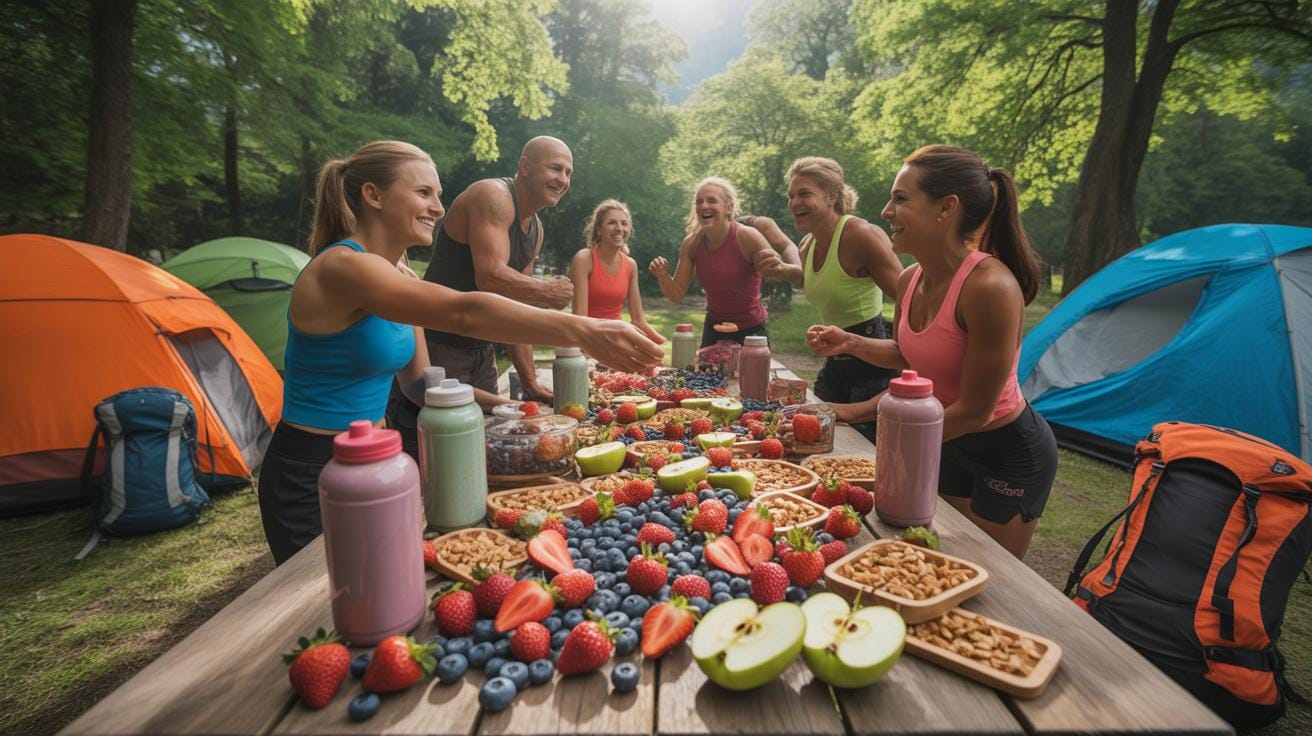
Camping is an active outdoor activity often enjoyed by health and fitness enthusiasts. Choosing the right snacks for camping is important to keep your energy levels up and support your physical activities. Healthy snacks can fuel your body without weighing you down or causing energy crashes.
Campground snacks for health and fitness enthusiasts provide a mix of quick energy and lasting power. This article covers practical tips on selecting smart snacks and making your own nutritious snacks that fit well with camping and fitness goals.
What Makes A Snack Healthy For Camping
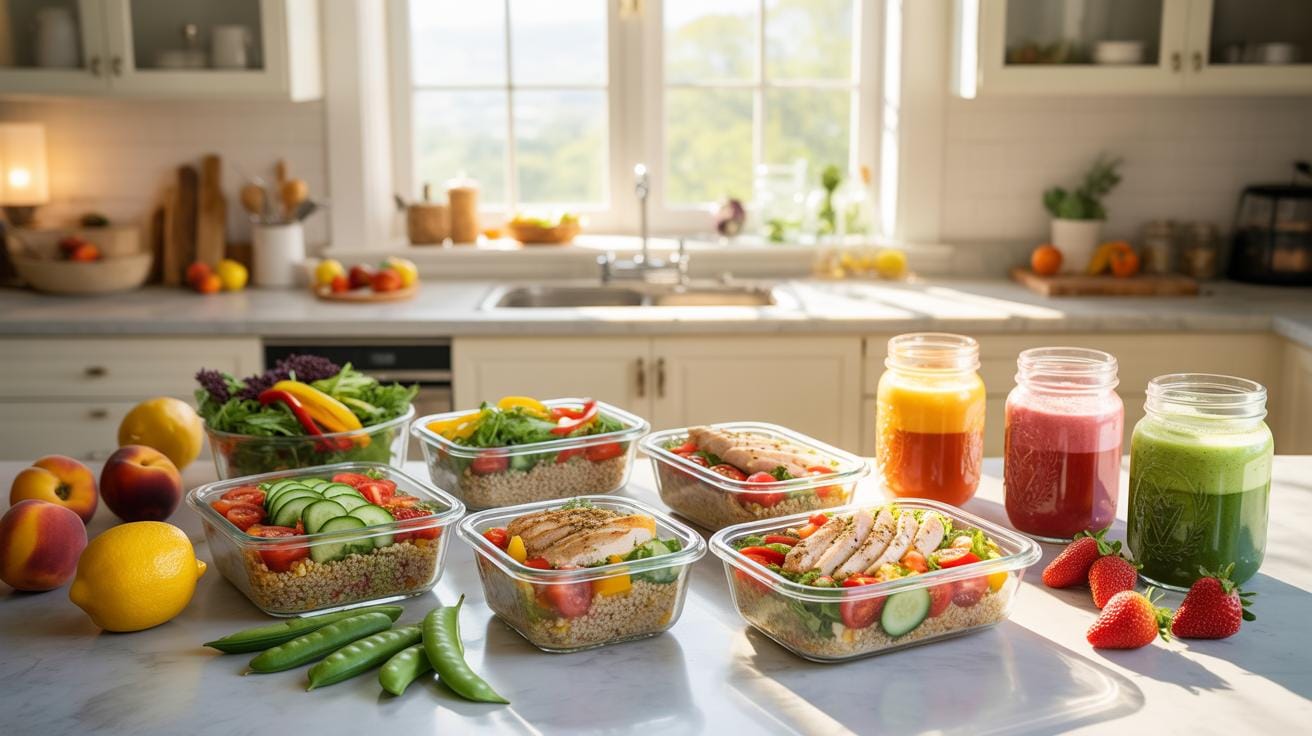
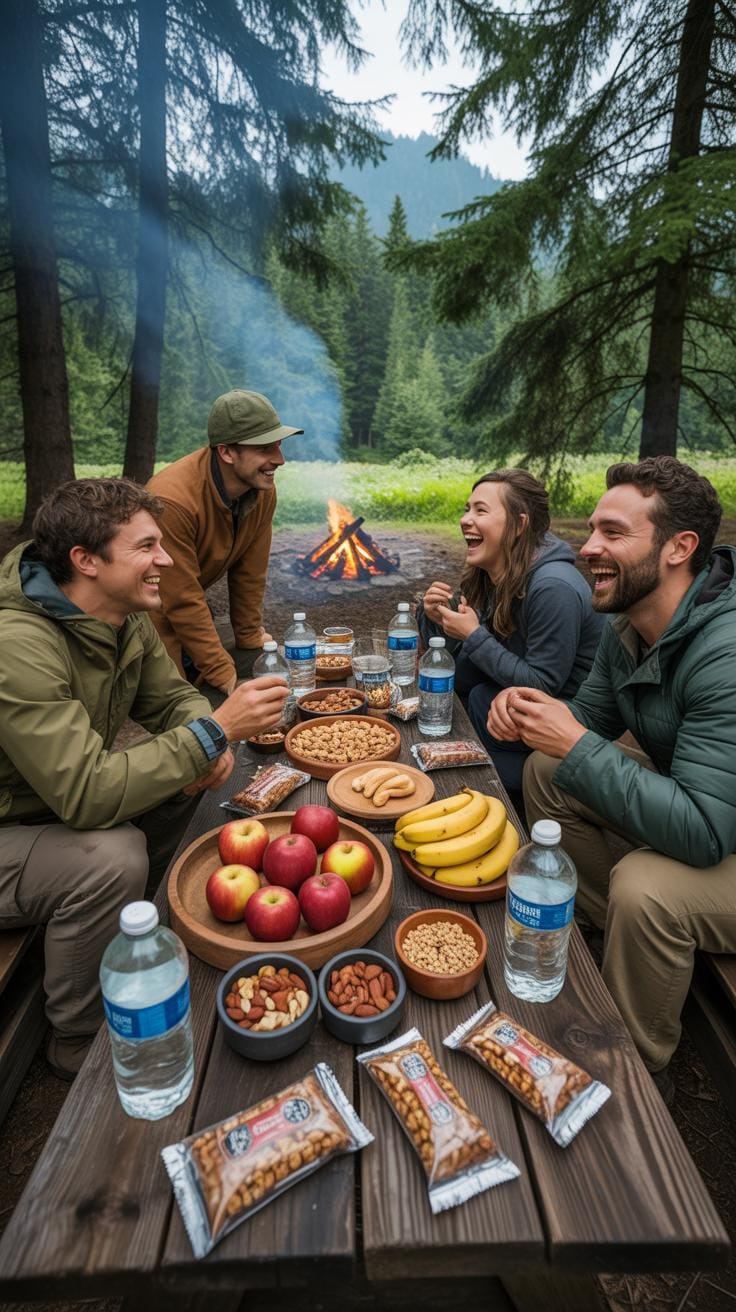
When you think about a healthy snack for camping, certain ingredients come to mind—protein, fats, and carbohydrates. But it’s not just about having these nutrients; it’s how they work together to keep you moving. Protein helps with muscle repair after a long hike or a day of setting up camp. Fats provide longer-lasting fuel, which is handy when you’re out there for hours without a chance to eat again. Carbs give you that quicker boost of energy, but they shouldn’t be the only thing you rely on.
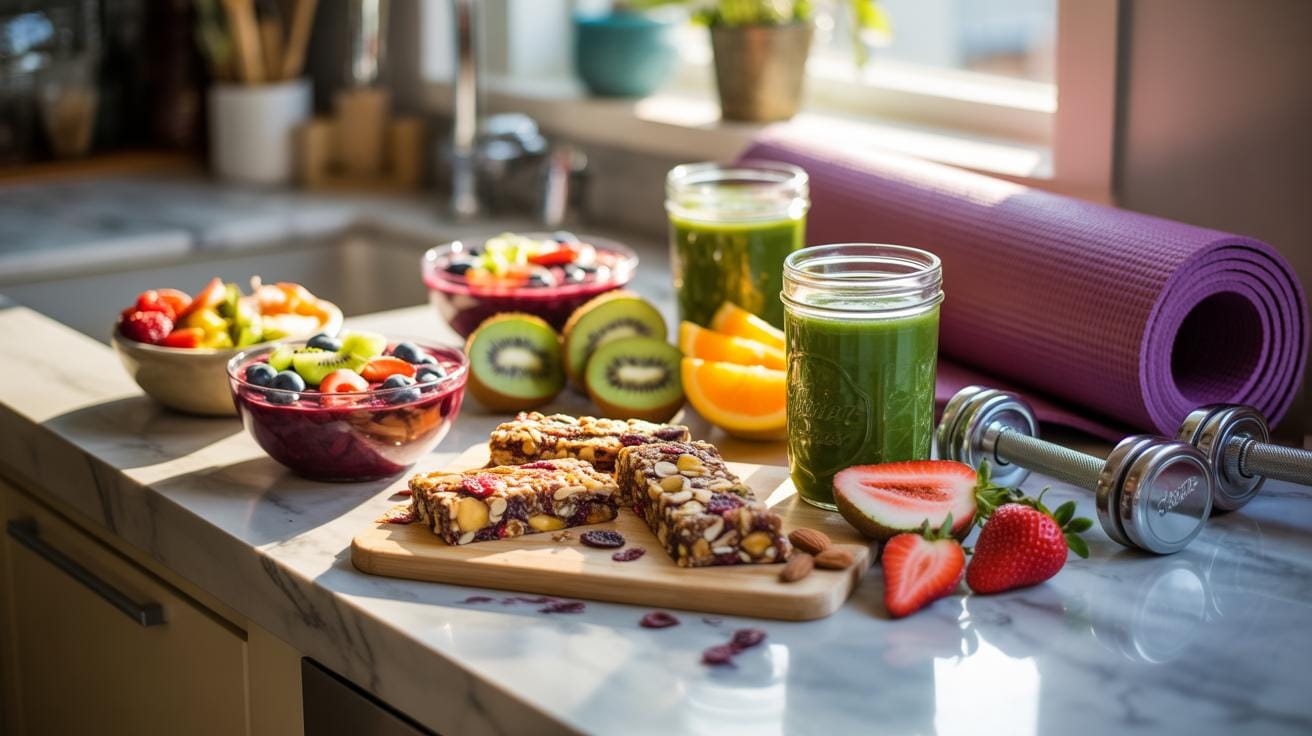
Healthy camping snacks tend to balance these nutrients, so you don’t end up crashing or feeling sluggish. Think of trail mix with nuts and dried fruit or a whole grain wrap with lean meat. These choices keep your energy levels more stable and your body ready for whatever comes next—be it another mile or just setting up a tent.
Key Nutrients For Outdoor Energy
Carbohydrates are your go-to for fast energy. Your body breaks them down quickly, so if you need a burst during a steep climb or a quick recharge at lunchtime, they’re your friend. But they burn out fast, so you need to pair carbs with fats for endurance. That’s where nuts, seeds, or even avocado come in—they burn slower and keep you fueled for longer stretches of activity.
Protein is also crucial and sometimes overlooked in snacks. It doesn’t just help with muscle recovery; it also helps you feel full, which can make a difference on long hikes when meals aren’t always convenient. A bit of jerky or a nut butter packet can serve you well in that department.
Avoiding Unhealthy Snack Choices
Some camping snacks look good on the surface but can backfire when you’re relying on steady energy. Candy bars or overly sugary drinks might give you a quick spike, but they often lead to a crash soon after. That lag can hit you when you least want it—like halfway up a trail. Also, overly salty or fried snacks may cause dehydration or digestive issues, which you don’t want miles away from any facilities.
Processed snacks heavy on refined sugars or empty calories might seem convenient, but they tend to leave you feeling tired and sluggish rather than energized. So, you might want to pass on those unless you’re really in a pinch. Your body will thank you for something that works with it, not against it.
How To Make Your Own Camping Snacks
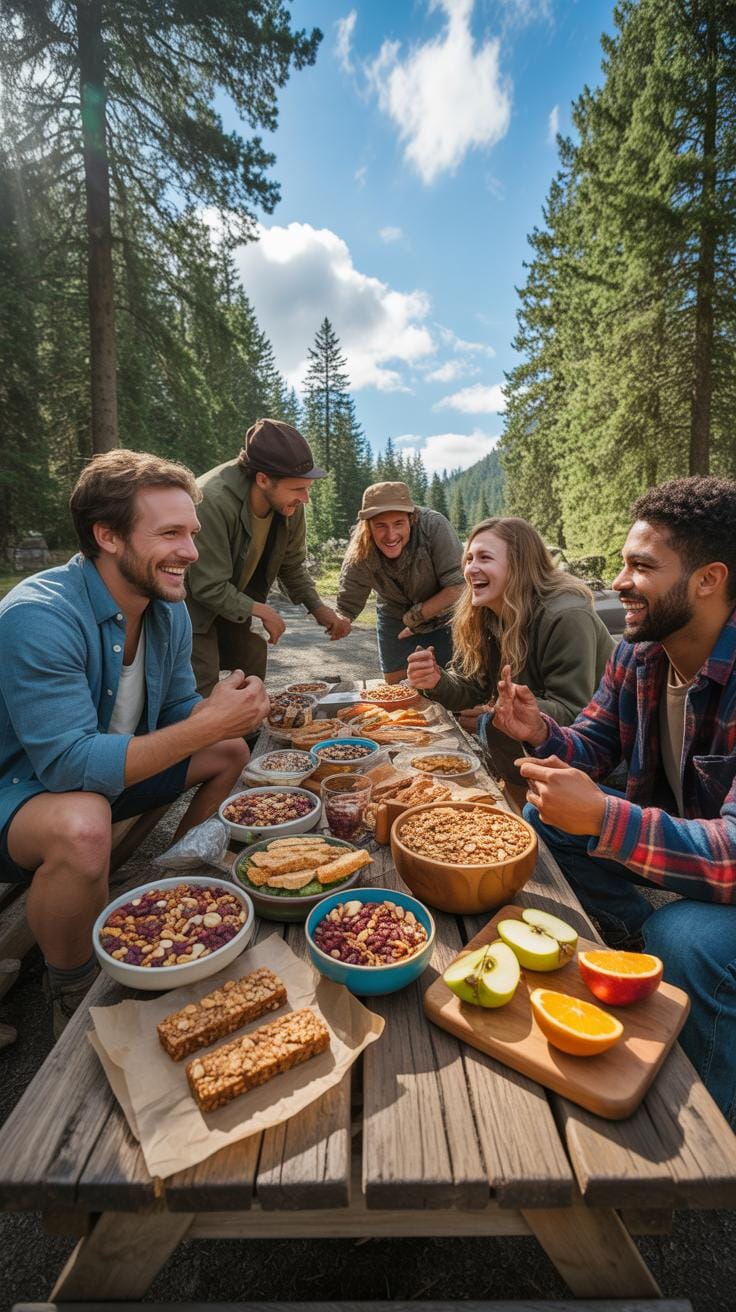
Making your own camping snacks lets you control what goes in them and tailor the flavors to your liking. Start by choosing ingredients that don’t spoil easily and are easy to carry—think nuts, seeds, dried fruits, and whole grains. Combine these with a bit of natural sweetness or spice for variety.
Here’s a simple approach: mix a cup of almonds, half a cup of pumpkin seeds, some dried cranberries, and a sprinkle of cinnamon. Toss them in a zip-top bag. Easy, portable, and it keeps for days without refrigeration. You can change things up with sunflower seeds or add a few dark chocolate chips if you want a treat.
If you prefer something more substantial, try making no-bake energy bars. Combine oats, nut butter (like peanut or almond), honey, and chopped dried fruits. Press the mixture into a pan, chill until firm, then cut into bars. They hold together well and you eat them without utensils, which is ideal outdoors.
Don’t forget roasted nuts. Spread raw nuts on a baking sheet, add a little oil and your favorite spices, then roast at 350°F for about 10 minutes. These pack well and satisfy salty cravings. Just be sure to cool them before packing to avoid condensation inside your container.
In all this, you want snacks that fuel without weighing you down. Have you noticed how some store-bought options feel heavy and leave you sluggish? Making your own means you avoid that, but it also means a bit of planning—thinking about what you’ll need energy for on the trail, or at the campsite.
Simple Snack Recipes For Campers
Trail mix variations are a classic—it’s hard to go wrong when you combine wholesome ingredients. For a protein boost, try mixing pumpkin seeds, roasted chickpeas, dark chocolate chunks, and dried apricot pieces. You get crunch, sweetness, and energy all in one handful.
Energy bars don’t have to be complicated. Try this: blend 1 cup oats, 1/2 cup almond butter, 1/3 cup honey, and a handful of raisins. Press into a pan, chill, and slice. You get a bar that’s chewy and sweet, with some natural fats to keep you going.
Roasted nuts can be flavored many ways too. A simple mix of cayenne pepper, smoked paprika, and a pinch of sea salt on cashews works well if you want some heat. For a milder option, toss walnuts with a bit of maple syrup and cinnamon before roasting. These give your snack a little twist without much fuss.
Storing Snacks Properly Outdoors
Keeping your snacks fresh and safe from critters can be tricky. Air-tight containers are a must; resealable bags work but might not protect as well from crushing. Hard plastic or metal tins are better if you want to avoid any smashed goodies. Plus, they help keep smells contained.
When it comes to wildlife, store snacks up high or in your car rather than your tent. Hanging bags from a tree branch is a classic method, but not always practical or necessary if you use sealed containers. Still, if you’re in bear country, take extra caution with scent control.
Keep snacks dry and cool if possible. Heat and humidity can make nuts go rancid or dried fruits sticky. Depending on your gear, using a cooler or insulated bag might help. Old habits die hard—sometimes I forget, and my nuts get a bit soft. Not the end of the world, but not ideal either.
What Snacks To Pack For Day Hikes
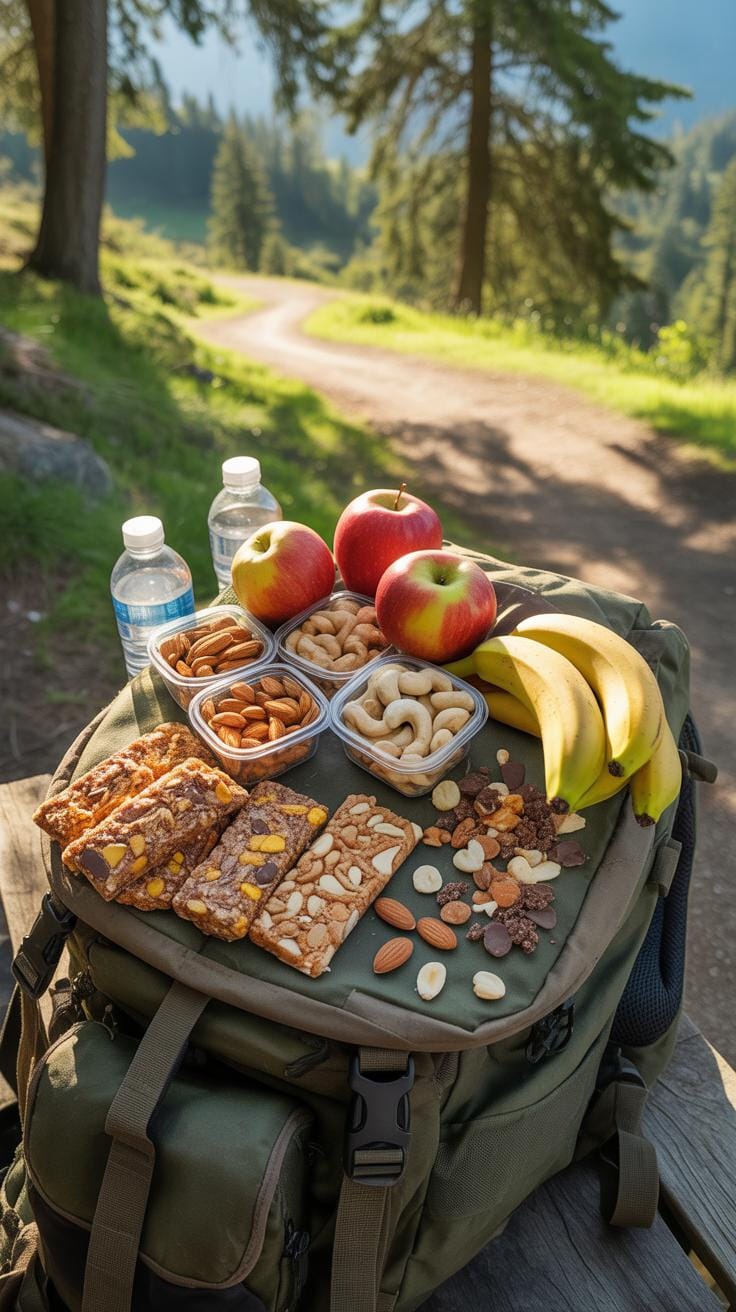
When planning what snacks to take on a day hike, you want to think about more than just taste. Weight matters—your pack can’t be a burden—and energy counts too. You want snacks that fuel you without feeling heavy or slowing you down. Portability is key; bulky items are a drag, and anything needing utensils is usually impractical. Quick consumption helps too. Sometimes, you just need to grab a bite on the move, no fuss.
Lightweight snacks like dried fruits—think apricots, raisins, or mango—offer quick sugars and are easy to stash. Nuts, such as almonds or cashews, pack protein and fats, giving you staying power. Granola bars are a classic choice, combining grains with some sweet or salty touches, often fortified with seeds or nuts.
Think about pairing fast-burning carbs like fruit with something slower digesting, like nuts or a bit of cheese if you can keep it cool. That way, you avoid sugar crashes and keep energy steady. I’ve noticed that eating a handful of trail mix alongside some apple slices gets me through tricky stretches pretty well, but what works best can depend on your pace and metabolism. It’s a bit of trial and error, really.
When To Eat Snacks During Camping
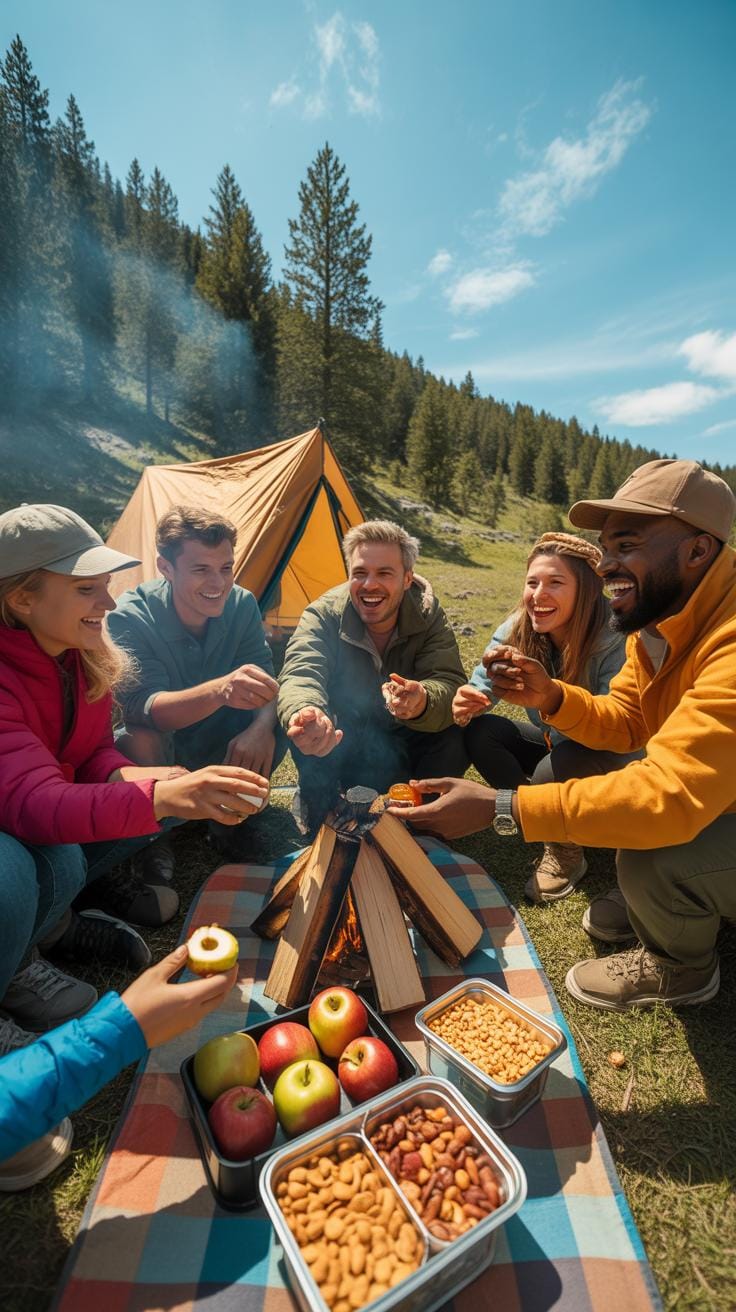
Knowing when to eat snacks on a camping trip can really affect how you feel throughout the day. You don’t want to be caught low on energy halfway through a hike or feel sluggish during a workout. Snacking at the right times helps keep your energy steady and can prevent that dreaded crash or fatigue. It’s a bit of a balance though—too close to activity, and your stomach might protest; too long before, and the energy might wear off.
Before setting off on a hike or engaging in any physical activity, try to eat a snack about 30 to 60 minutes earlier. This gives your body a chance to digest and turn the fuel into usable energy. Something with a mix of carbs and a little protein tends to work best—like a banana with a handful of nuts or a small oatmeal bar.
After you finish your activity, snacks play a different role. This is the time to support recovery and replenish what you’ve used up. It doesn’t have to be a full meal right away—something light can kickstart muscle repair and restore glycogen. Think yogurt with some berries or a peanut butter sandwich. Skipping this step might leave you tired for the rest of the day, even if you don’t realize it right away.
Timing snacks can be tricky because activity levels vary and sometimes your appetite fluctuates. But I find that keeping a little pocket of snacks ready and aiming for that “before and after” routine has helped me stay more energized and less wiped out on trips. Have you ever noticed how much harder a climb feels when you try to go on an empty stomach? That’s where timely snacking makes all the difference.
Trail Mix Vs Energy Bars
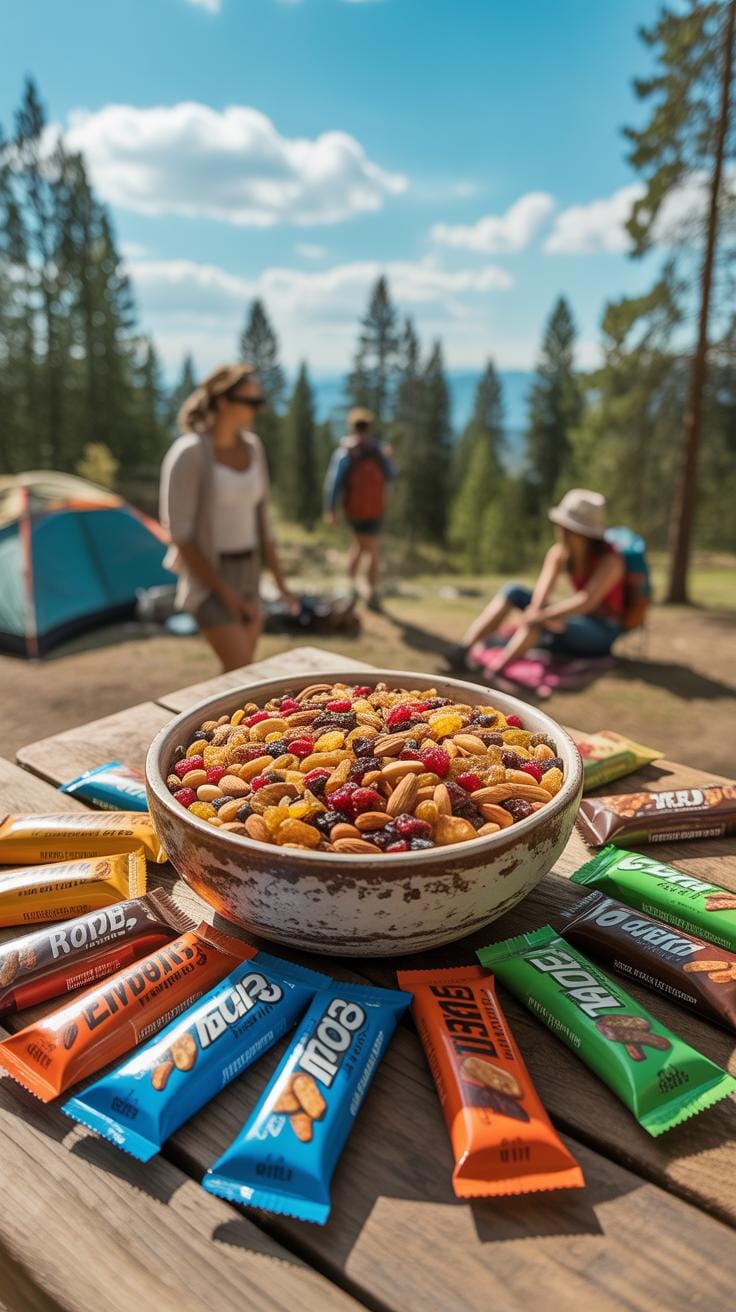
Nutrition Differences Between Options
Trail mix is often a mix of nuts, seeds, dried fruits, and sometimes chocolate bits. This combo provides a nice balance of fats, proteins, and carbs. The fats from nuts come with good nutrients, like omega-3s and fiber, which can keep you feeling full longer. But the sugar from dried fruits, while natural, sometimes sneaks in more calories than expected. On the flip side, energy bars usually offer a more controlled nutrient profile. They’re designed to pack quick energy—carbs tend to be high, often from sugars or syrups, which can spike your energy fast but might not last. Some bars have a decent protein punch, which is great after a long hike when muscle recovery matters.
One downside of trail mix is the variability—you never know exactly how many calories or sugars are in your blend unless you make it yourself. Energy bars might include additives or preservatives to enhance shelf life, which some folks aren’t keen on.
When To Choose Trail Mix Or Bars
Trail mix fits well when you want a flexible snack, one that doesn’t over-rely on processed ingredients. It’s perfect for casual hikes or long breaks where you can chew leisurely and enjoy the variety in flavors and textures. Plus, trail mix lets you customize easily, adding more nuts or cutting back on sweetness.
Energy bars serve their best when you need something more compact and straightforward. If you’re on a fast-moving, intense trek or a quick bike ride, grabbing and quickly eating an energy bar might suit you better—especially if your hands are cold or you’re on the move without a chance to pause. Also, bars often come in handy sizes that fit neatly in pockets or backpacks without risk of spilling crumbs.
So, it often comes down to your activity pace and personal preferences. Fancy a snack that feels more natural and varied? Trail mix has your back. Need a precise energy hit with minimal fuss? Reach for an energy bar. Maybe packing both is not a bad idea either—it offers variety and flexibility on the trail.
Checklist For Packing Camping Snacks
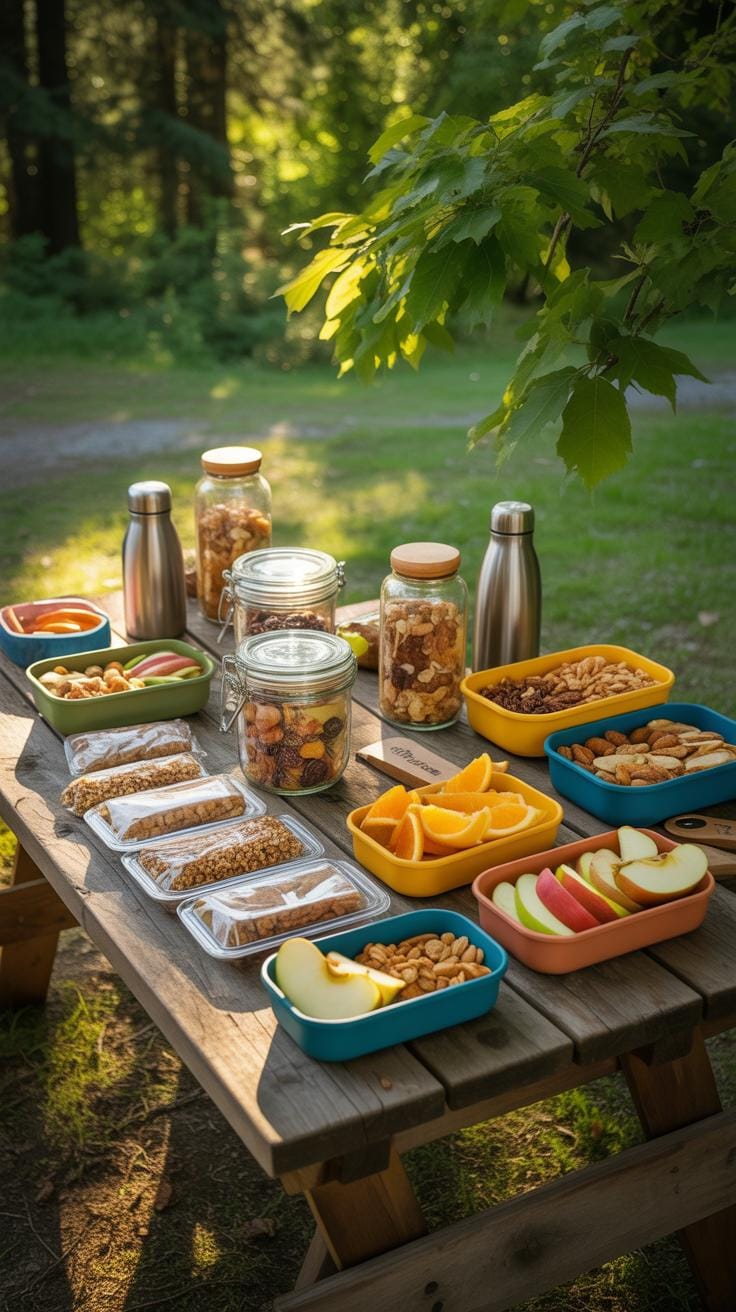
When you’re packing snacks for camping, especially if you want to stay fit and energized, a bit of planning goes a long way. You want variety, sure, but also nutrition that sustains energy without weighing you down. Here’s a checklist that covers essentials without overpacking or missing out.
Must-Have Snack Items For Campers
Think about snacks that fuel muscles and keep hunger at bay—grab a mix of protein, healthy fats, and carbs. Some staples I never skip include:
- Mixed nuts and seeds – easy, calorie-dense, and packed with healthy fats
- Nut butters – single-serve packs work great
- Dried fruits – a natural sweet boost, but watch the sugar content
- Whole-grain crackers or rice cakes – for a bit of crunch and slow-burning carbs
- Jerky – beef or turkey, look for low-sodium options
- Energy bars – but choose those with recognizable ingredients, not just sugar
- Fresh fruit – apples, oranges, or bananas (if you don’t mind the extra weight)
- Hard cheeses – great if you have a cooler
- Dark chocolate – a little indulgence never hurts
Some people swear by trail mix with chocolate chips; I find that’s fine, but it can get a bit messy and overly sweet. You might want to decide what balances best for your taste and performance needs.
Tools And Containers For Snack Storage
Keeping your snacks fresh and organized saves time and hassle. I usually bring:
- Reusable silicone bags – flexible and good for small portions
- Hard plastic containers – reliable for fragile items like crackers
- Vacuum-sealed bags – if you want to prep snacks ahead and keep them fresh longer
- A small cooler or insulated bag – for perishables if you plan to stay put for a day or two
- Clip-lock containers – stackable and great for portion control
- Snack-sized zip-lock bags – classic and cheap, though less eco-friendly
- Portable utensil set – sometimes you’ll need a knife or spoon for certain snacks
It’s tempting to bring everything in its original packaging, but repacking things cuts down on waste and bulk. Plus, fewer loose crumbs make camp cleanup less annoying. You might find that half the battle is just staying organized.
Common Snack Mistakes At Campsites
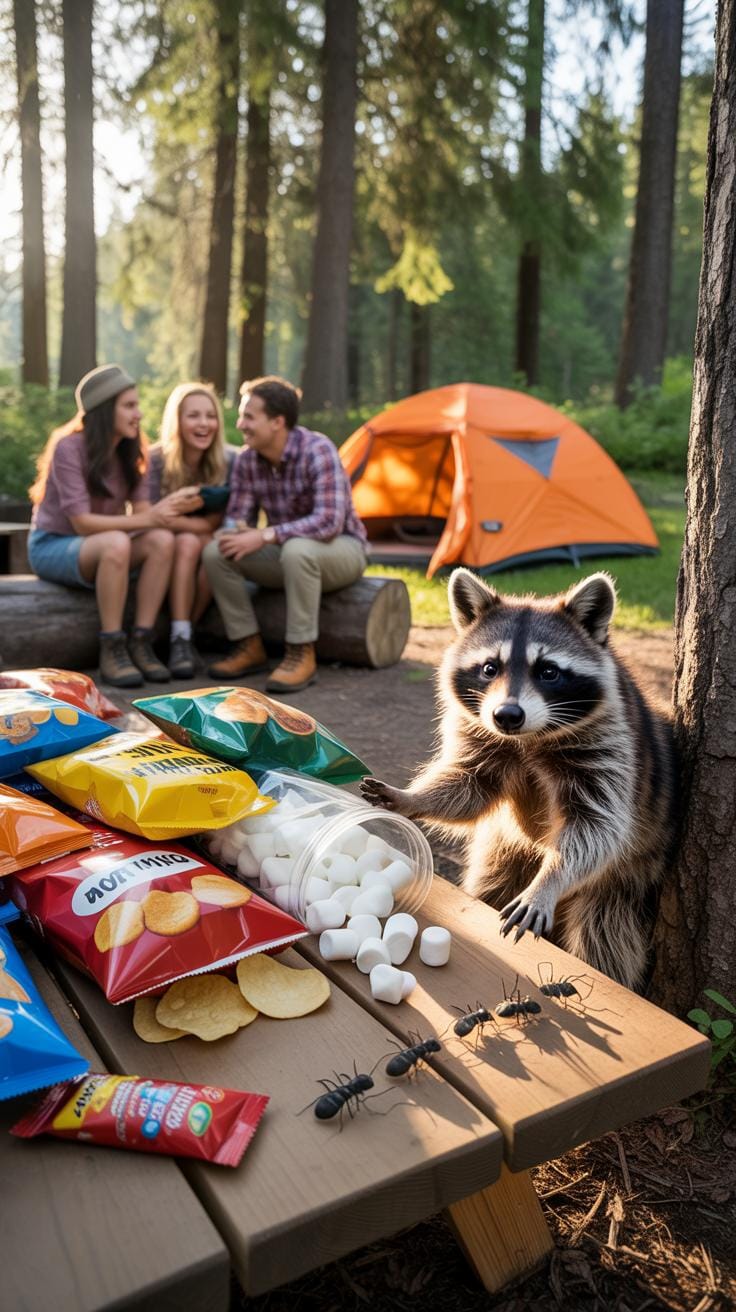
Many campers make some predictable errors when it comes to snacks—mistakes that often leave them feeling sluggish or even cranky during their trip. One frequent issue is packing snacks that are too heavy or prone to spoilage. You might think bringing fresh fruit sounds great, but without proper cool storage, it can turn mushy or moldy quickly. Not only does this waste food, but it also drags down your energy because you’re out of decent fuel. It’s better to pick lighter, more stable options like nuts or dried fruits instead, keeping your pack manageable and your body fueled.
Another common oversight involves neglecting hydration alongside snacking and not paying attention to when you eat. Eating without enough water can leave you feeling drained and cause cramps or headaches. And then there’s timing. Snack too late, and you’re famished before your next meal. Snack too early, and you risk a mid-afternoon energy crash. I’ve learned that spacing snacks evenly, especially during active days, can make a noticeable difference in endurance and recovery.
Have you ever thought about how your snacking habits influence your entire camping experience? Maybe some small adjustments could help you stay energized and actually enjoy your time outdoors more.
Examples Of Healthy Camping Snack Menus
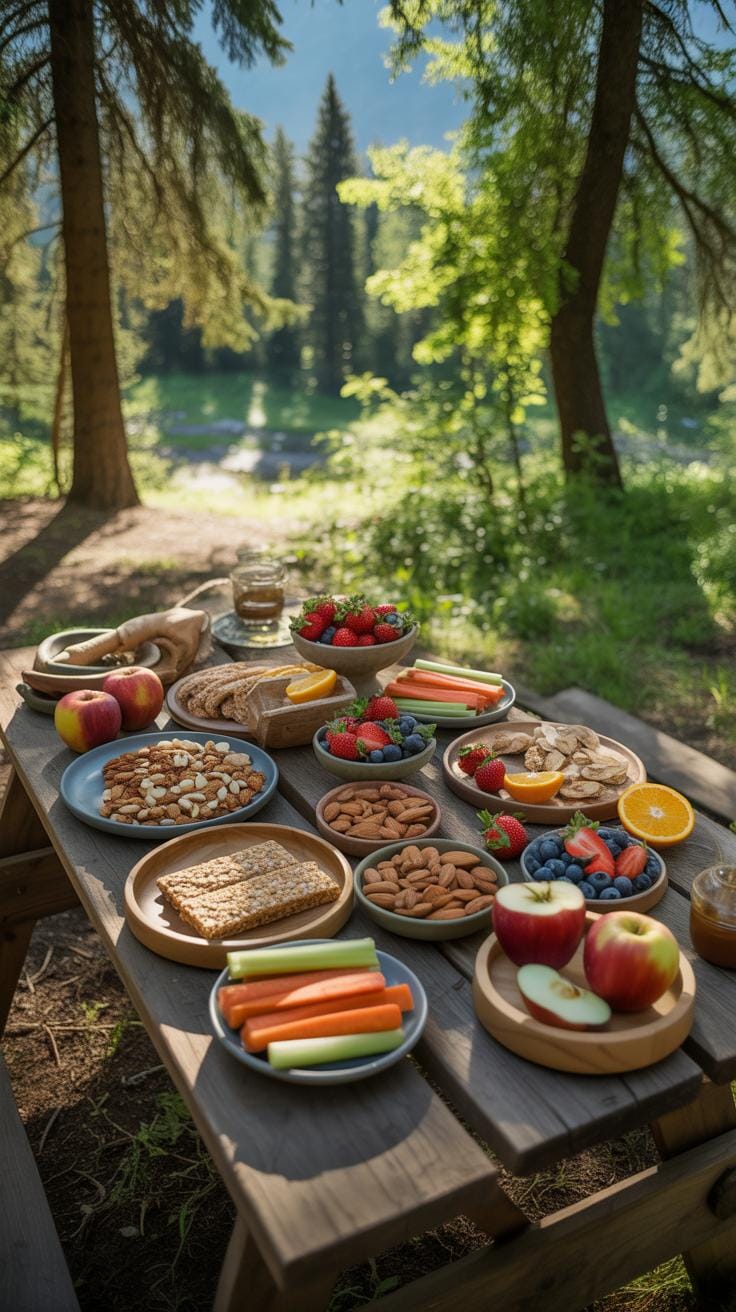
Menu For Short Weekend Camps
For a 2-3 day camping trip, snacks need to be easy, nourishing, and quick to grab during active times. Think simple but balanced. You want energy without feeling weighed down after a hike or setting up camp.
Here’s a sample plan:
- Day 1: Mixed nuts and dried fruit for mid-morning, peanut butter wraps with banana slices for an afternoon snack, and Greek yogurt with granola in the evening if you bring a cooler.
- Day 2: Trail mix with seeds and dark chocolate chunks, fresh apple slices paired with almond butter, and roasted chickpeas after a long trek.
- Day 3: Hard-boiled eggs for protein, carrot sticks with hummus, and a quick quinoa salad if you packed portable ingredients.
This menu hits key nutrients: healthy fats, protein, fiber, and carbs. It doesn’t require much prep, which means more time outdoors and less fuss. You will probably still crave something sweet or crunchy, but these snacks keep it mostly real—and that’s the goal, right?
Menu For Extended Multi-Day Trips
When you’re out for a week or more, everything changes. You want snacks that stay fresh longer, keep your weight reasonable, and sustain your energy day after day. Spoiling or excess weight in your pack becomes a real concern.
Try this approach:
- Day 1-3: Vacuum-sealed jerky or tofu strips, nut butter packets paired with whole-grain crackers, and freeze-dried fruit.
- Day 4-6: Homemade energy bars packed with oats, flaxseed, and honey, mixed seeds, and dehydrated vegetable chips.
- Day 7 and beyond: Instant oatmeal with powdered milk or protein powder, electrolyte drink mixes, and roasted edamame for crunch and protein.
Balancing calories with nutrient density becomes unavoidable here. You’ll notice that though these snacks aren’t fancy, they fuel you consistently. It’s tricky sometimes—do you carry a bit extra weight or risk running out too soon? I’ve found it’s better to have a few carefully chosen items that can last, rather than overpacking and getting tired just from carrying it.
Questions To Ask When Buying Snacks
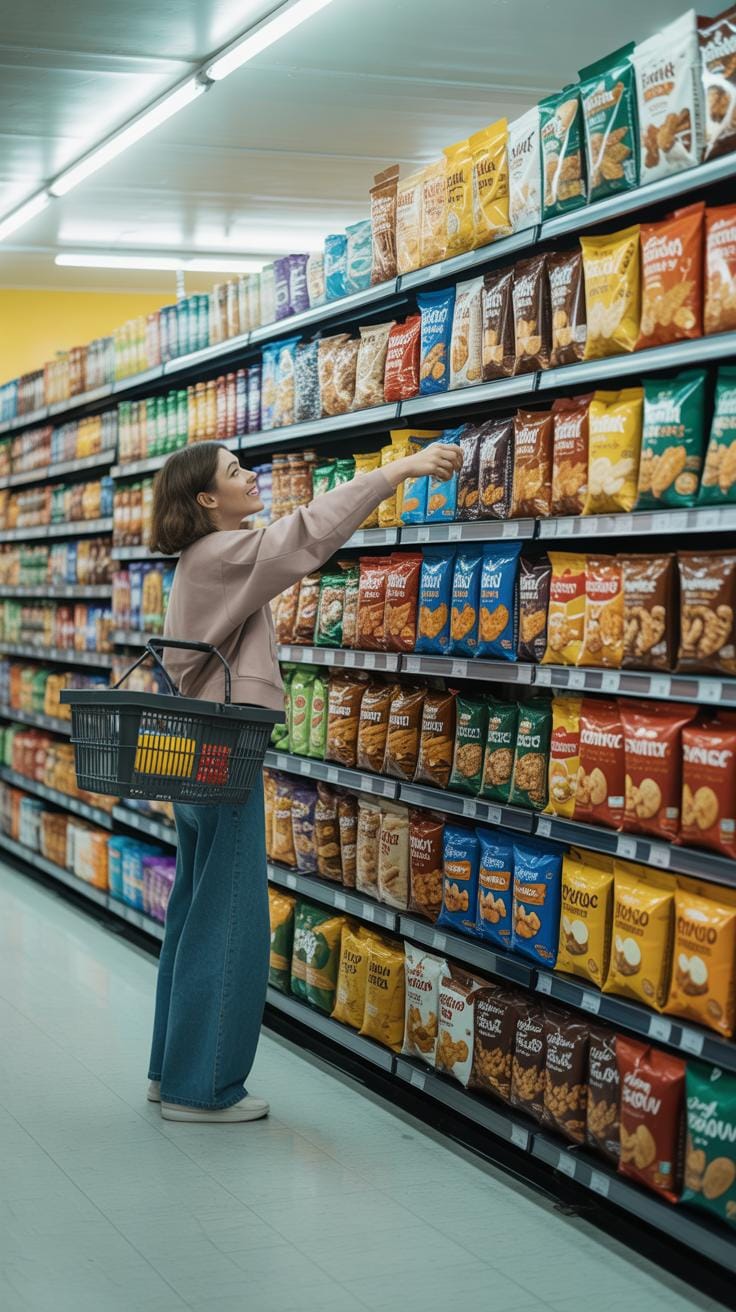
Choosing the right pre-packaged snacks for camping can feel tricky, especially if you want something that fuels your body without turning into empty calories. When you’re standing in front of that snack aisle or scrolling online, ask yourself a few key questions.
First, what is the purpose of this snack? Are you looking for a quick energy boost to keep you moving, or something to tide you over between meals? How much protein, fiber, and fat does it offer? These nutrients help with sustained energy and satiety, so check whether the snacks deliver enough to support your activity level.
Then consider the portion size. Does the snack pack provide a sensible amount, or is it a temptation for mindless eating? Sometimes, packaging hides huge portions that can easily overfeed you during a hike.
Also ask about the balance between natural and added ingredients. Are you comfortable with the kind of oils, sugars, or preservatives included? And what about allergens or sensitivities? You want to avoid surprises that can disrupt your trip or your health goals.
Lastly, think about practicality. Will the snack keep well without refrigeration? Is it light enough to carry without weighing you down? Sometimes the perfect snack on paper isn’t the best fit for the trail.
How To Read Nutrition Labels Effectively
Nutrition labels can be confusing, but they contain the clues you need to pick smart snacks. Start by looking at serving size—snack packages may list stats per serving, but packaging often hides multiple servings, so double-check.
Focus on calories, but don’t get fixated on a low number. The source of those calories matters more. Check protein and fiber amounts for lasting energy and fullness. Low fiber and protein often mean the snack will leave you hungry soon after.
Scan sugar content next. Added sugars can quickly turn a healthy-seeming snack into a sugary bomb. Keep added sugars low—ideally under 5 grams per serving for a snack.
Fat isn’t always bad. Look for unsaturated fats from nuts, seeds, or oils like olive or avocado. Avoid trans fats and too much saturated fat, which can sneak in with processed snacks.
Finally, sodium can be overlooked. High sodium isn’t ideal, especially if you’re active and already sweating a lot. Opt for snacks with moderate salt, or none added at all.
What Ingredients To Avoid In Snacks
When scanning the ingredient list, watch out for certain additives that add no nutritional value or might even harm your health. Artificial sweeteners, such as sucralose or aspartame, can be a red flag—not just because of potential health concerns, but sometimes they increase cravings rather than curb them.
Look out for hydrogenated oils or anything labeled “partially hydrogenated.” These trans fats raise bad cholesterol and are best avoided.
Excessive preservatives like BHT or BHA raise some eyebrows—they extend shelf life but come with questions over safety, so you might prefer to avoid those if possible.
Keep an eye on long strings of unrecognizable chemical names; often, they control texture or color but add little nourishment. Sometimes simple is better—even if it means the snack doesn’t look as shiny or last forever on the shelf.
Finally, beware of too much refined sugar or high-fructose corn syrup. These sugars create quick spikes in blood sugar and leave you feeling drained later.
Preparing For Fitness Focused Camps

When packing snacks for a fitness-focused camping trip, planning ahead really makes a difference. You want fuel that lasts, so think about how long you’ll be active and what type of exercise you’ll do. Trail running or hiking demands different energy sources than yoga or light walking.
Preparing snacks isn’t just about grabbing whatever feels convenient. It requires some thought about balance—carbs for energy, protein for muscle repair, and fats to keep you going during long activities. I usually portion snacks into small, easy-to-carry bags. It helps me avoid overeating and keeps things simple when I’m tired or on the move.
Creating a nutrition plan doesn’t mean you have to overthink every calorie. Instead, consider including a mix of dry fruits, nuts, whole-grain crackers, and some jerky or nut butter packs. These items store well, but also bounce back energy pretty quickly.
Surprisingly, prepping snacks can also be a mental boost. Knowing you have suitable food supports your motivation to stay active outdoors. Ever tried pushing through a tough hike with only sweet, sugary snacks? The crash afterwards can be discouraging—so careful selection really helps mood and endurance.
Balancing Meals And Snacks For Performance
It’s easy to underestimate how meals and snacks work together to keep energy stable. Meals give a big dose of calories, but snacks fill in the gaps during constant activity. Especially when you’re outdoors, your calorie needs might fluctuate more than usual.
The key is to pace meals and snacks so your energy doesn’t spike then dive. I find eating smaller portions more frequently helps me avoid that sluggish feeling that sometimes follows heavy meals. But sometimes, I don’t stick to that routine—depends on the day’s plan.
For example, a hearty breakfast with eggs, veggies, and whole grains sets a solid base. Then, snacks like banana and almonds during a hike keep hunger in check without weighing me down. The right snack choices can complement meals without extra bulk.
What I wonder is if people sometimes overcompensate with snacks, thinking they need constant refueling. Balancing calories between meals and snacks is a bit of trial and error, especially when your activity level shifts day by day outdoors.
Incorporating Supplements And Hydration
Supplements aren’t necessary for everyone, but they can fill specific gaps when you’re active outdoors. Electrolyte mixes, for instance, help replace minerals lost through sweat more efficiently than water alone. They’re easy to pack in small sticks or powders.
I’ve experimented a bit with protein powders on camping trips. They’re not always convenient, but mixing one after a tough workout has helped muscle recovery. Still, I prefer whole foods when I can—like a peanut butter sandwich or trail mix with some seeds and dried berries.
Hydration strategies matter as much as what you eat. Carrying enough water is obvious, but sipping consistently over the day beats gulping large amounts all at once. Sometimes, I use a hydration bladder that lets me drink on the move, which keeps me from forgetting entirely.
Do you think taking supplements outdoors feels unnatural or maybe unnecessary at times? I’m not always clear on where to draw the line between simple hydration and supplement use. But I guess, when your goals are serious, having those extras nearby can’t hurt.
Conclusions
Choosing nutritious campground snacks can help you stay active and energized while enjoying time outdoors. Combining fast-acting carbs and sustaining fats is key. Planning your snack list ahead prevents unhealthy food choices and supports your health goals.
By following the simple guides and examples given, you can enjoy tasty and practical snacks on your camping trips. Healthy snacks enhance your outdoor experience and complement your fitness lifestyle.