
Introduction
Business casual outfits blend comfort and professionalism. They are perfect for workplaces that require a neat appearance but not full formal attire. This article breaks down the cost of building stylish business casual outfits. It explains where your money goes and how you can maintain a polished look without overspending.
We’ll explore the main pieces that make up business casual looks and compare their prices. You’ll also find practical tips to save money while dressing smart. By understanding the cost of business casual attire, you can plan your wardrobe better and get value for your money.
Major Components of Business Casual Outfits
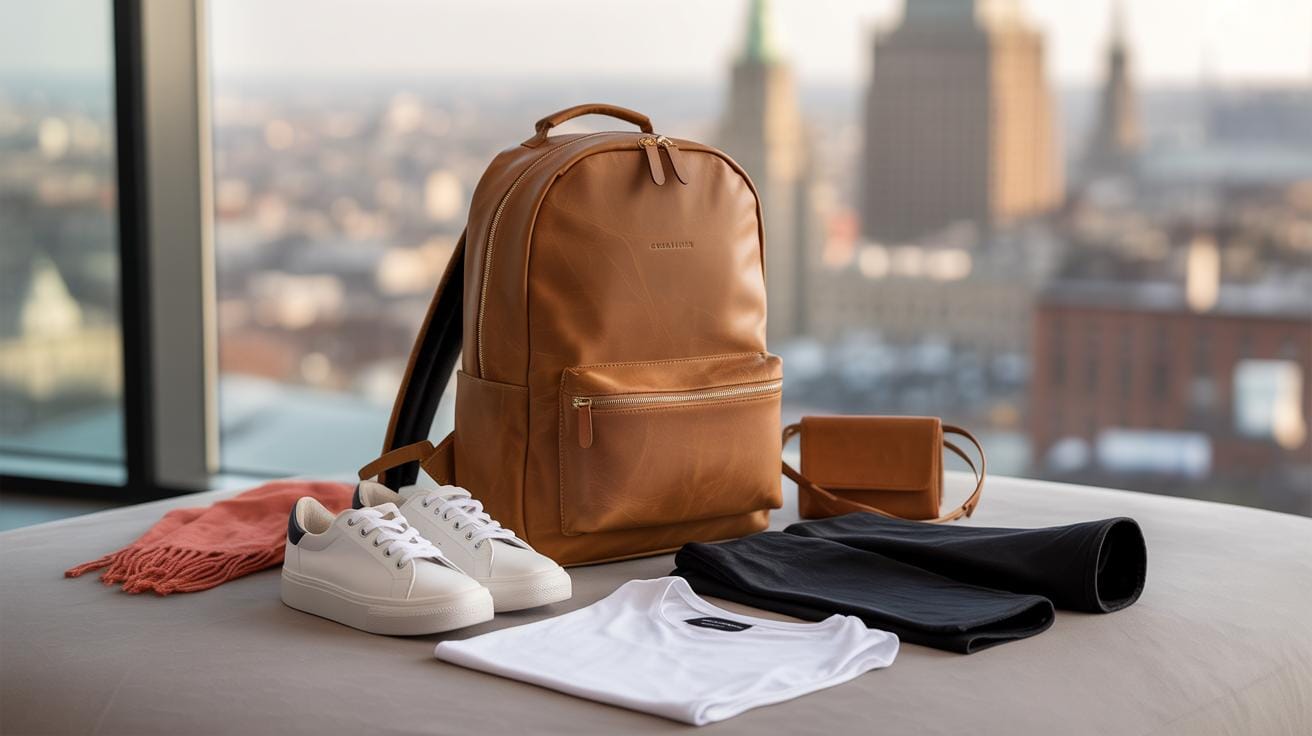
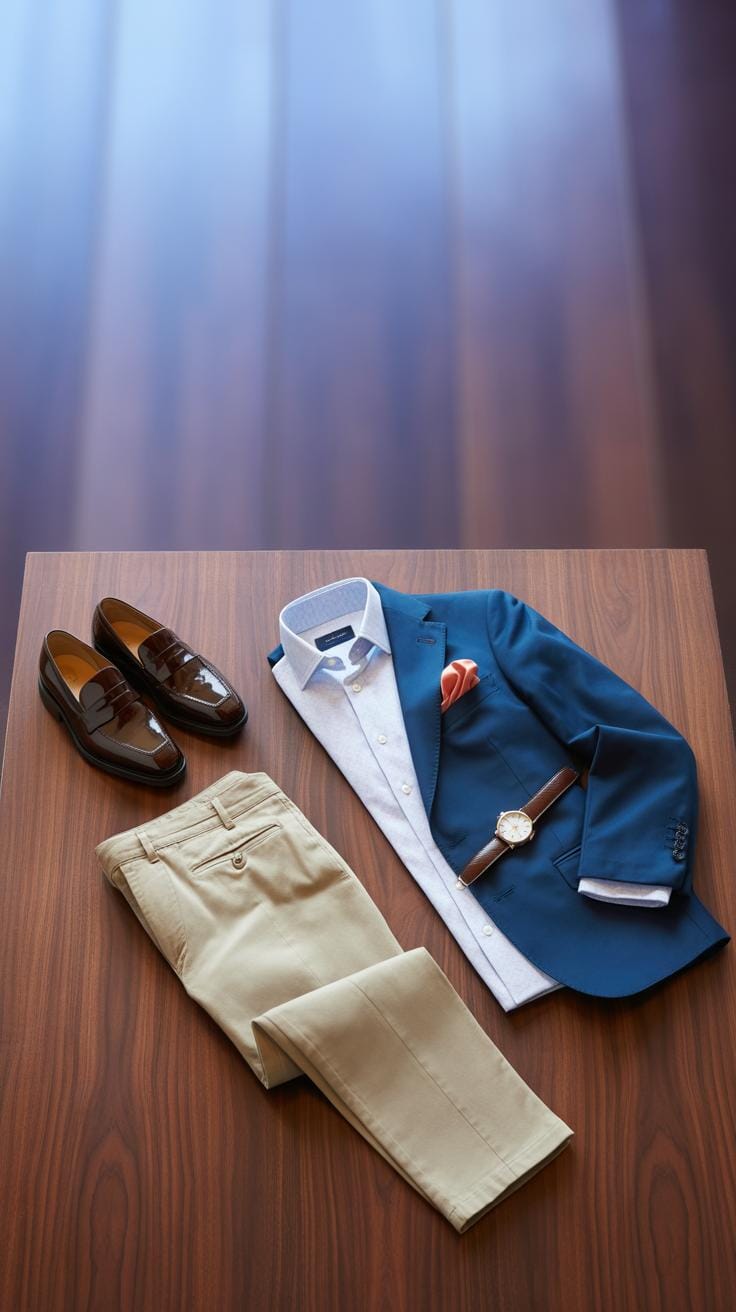
When thinking about business casual, a few clothing items come to mind right away. Trousers, shirts, blazers, and shoes often form the backbone of these outfits. Each piece plays a clear role: trousers offer a clean, polished base, while shirts bring either formality or a touch of ease, depending on fit and fabric. Blazers finish the look with some structure without going overboard. Shoes ground the style, tying everything together.

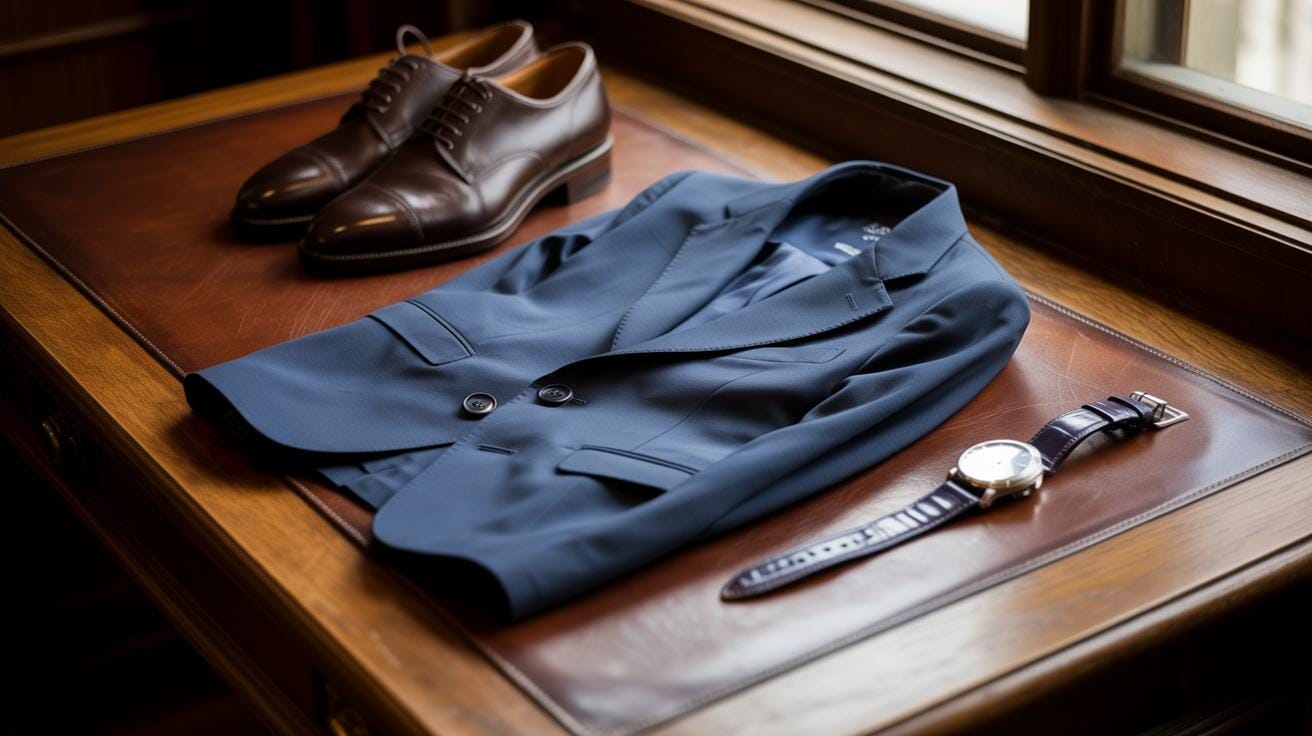
Take chinos, for example. They are less formal than traditional dress pants but still sharp enough for the office. Pair them with a crisp button-down shirt, and you’ve struck that balance—neither too stiff nor too casual. Blazers in lightweight materials like cotton or linen are common here. Not the kind you’d wear to a board meeting, but just right for keeping things smart. As for shoes, loafers or brogues with subtle details typically work well. They offer polish but remain comfortable for everyday wear.
Putting these components together usually results in outfits that feel approachable yet professional. You might combine navy chinos with a pale blue shirt and a grey blazer. Or slip on some leather loafers with tailored trousers and a patterned shirt for a slightly more relaxed vibe. The goal is to mix pieces that look intentional but not rigid. Sometimes it’s tricky to get the tone right—you want to avoid looking like you either tried too hard or too little.
Cost Factors for Business Casual Clothing
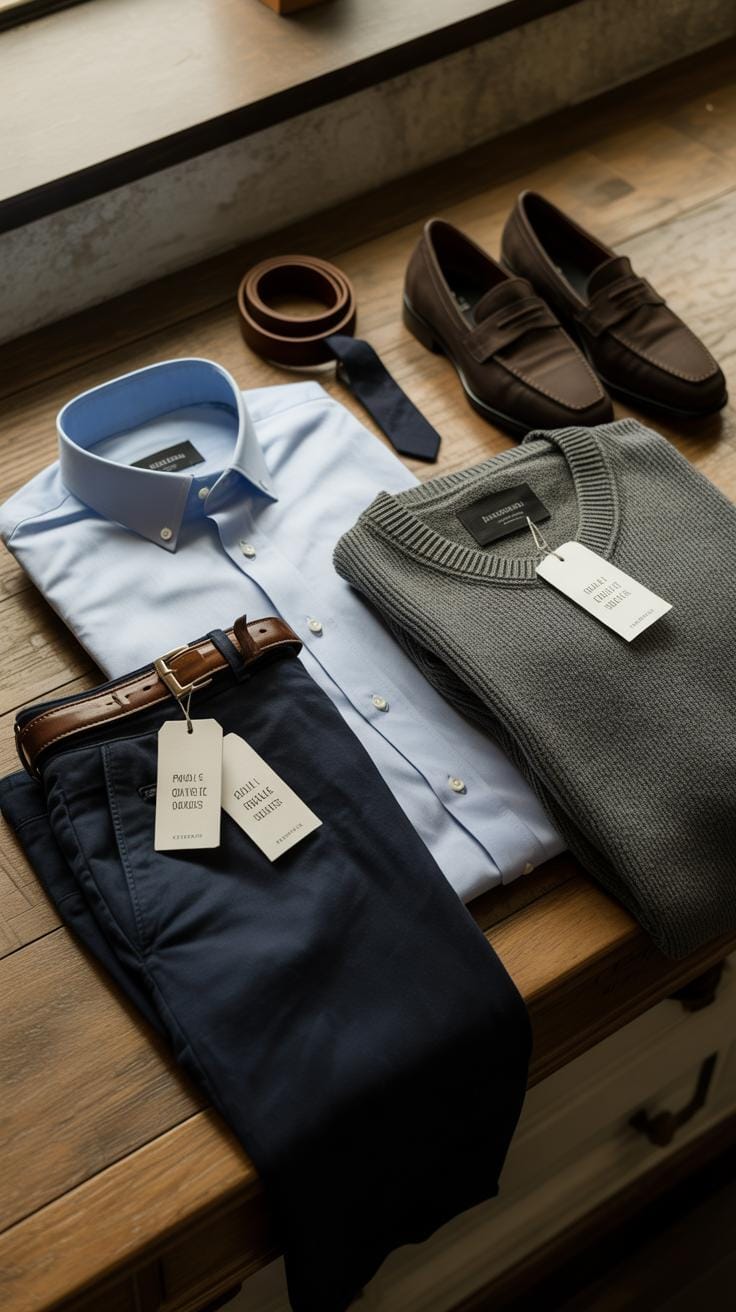
When you’re shopping for business casual outfits, the price tags can vary quite a bit. What’s going on behind the scenes? A few key things shape those costs: the brand, the quality of the materials, and where you buy the clothes.
Brands play a big role. You might find a plain button-up shirt for $30 at one store and a similar-looking shirt for $90 somewhere else. The difference often comes down to brand reputation. A well-known brand usually charges more because of its image and perceived reliability, but that doesn’t always guarantee better quality. Sometimes, it’s just paying for the name.
Material quality influences price more directly. Natural fabrics like wool or cotton often cost more than synthetic blends. Take blazers, for example. A wool blazer can feel heavier and look sharper but might run well over $200. A polyester blend blazer might cost half that but won’t last as long or breathe as well. It’s a trade-off—do you want something durable and comfortable, or are you okay with a cheaper but less lasting option?
Where you buy also matters a lot. Department stores often have higher prices but offer more variety and return policies. Outlets might have good deals on last season’s items, sometimes cutting prices by half. Online shops can offer competitive prices, but it varies a lot and you don’t get to try things on first. Sometimes, you get lucky. Other times, you pay more for shipping and returns.
So, when you look at a $50 shirt or a $300 blazer, ask yourself: Is this brand worth it? Does this material fit my needs? And, am I buying from the right place? These questions help make sense of those price tags beyond just the numbers.
Comparing Expense of Shirts Versus Blazers

Average Prices for Shirts
When you think about business casual shirts, the price can really vary depending on what you’re after. A decent cotton button-up might cost anywhere from $30 to $80, but if you lean towards premium fabrics like Egyptian cotton or performance blends, prices can creep up to $100 or more. Print, pattern, and additional details like contrast stitching or tailored fits also push the price higher. Surprisingly, sometimes a well-made shirt from a mid-range brand can last longer and look better than an expensive one, so paying top dollar isn’t always necessary.
In my experience, plain, solid-color shirts are easier to find on sale and can fit well within a modest budget. Styles like oxford cloth or pinpoint weave generally cost less than silk or linen blends, which tend to be seasonal anyway. You might wonder how many shirts are truly needed, given their lower price points compared to other items.
Blazer Costs Compared to Shirts
Blazers, on the other hand, usually ask for a bigger investment. Prices typically start around $100 for basic, off-the-rack options and quickly jump to $300 or more for pieces with better fabric, construction, and tailoring. A wool blend blazer, for example, often costs twice as much as a casual shirt but lasts longer and can really elevate your look.
You could hunt for thrifted blazers, which can sometimes be goldmines. I’ve found blazers marked down to $40 that look almost new. Still, you risk sizing issues or wear that you might not spot right away. So, while a blazer clearly costs more upfront, it can provide a bigger payoff over time if you choose wisely.
Balancing your wardrobe budget might mean leaning into affordable shirts to cover regular wear, while investing a bit more in one or two solid blazers. But ask yourself: is it better to spend a little extra on a shirt you wear daily or save for a blazer that you wear occasionally? There’s no perfect answer, but thinking about how often you wear each piece helps make the choice clearer.
Building Business Casual on a Budget
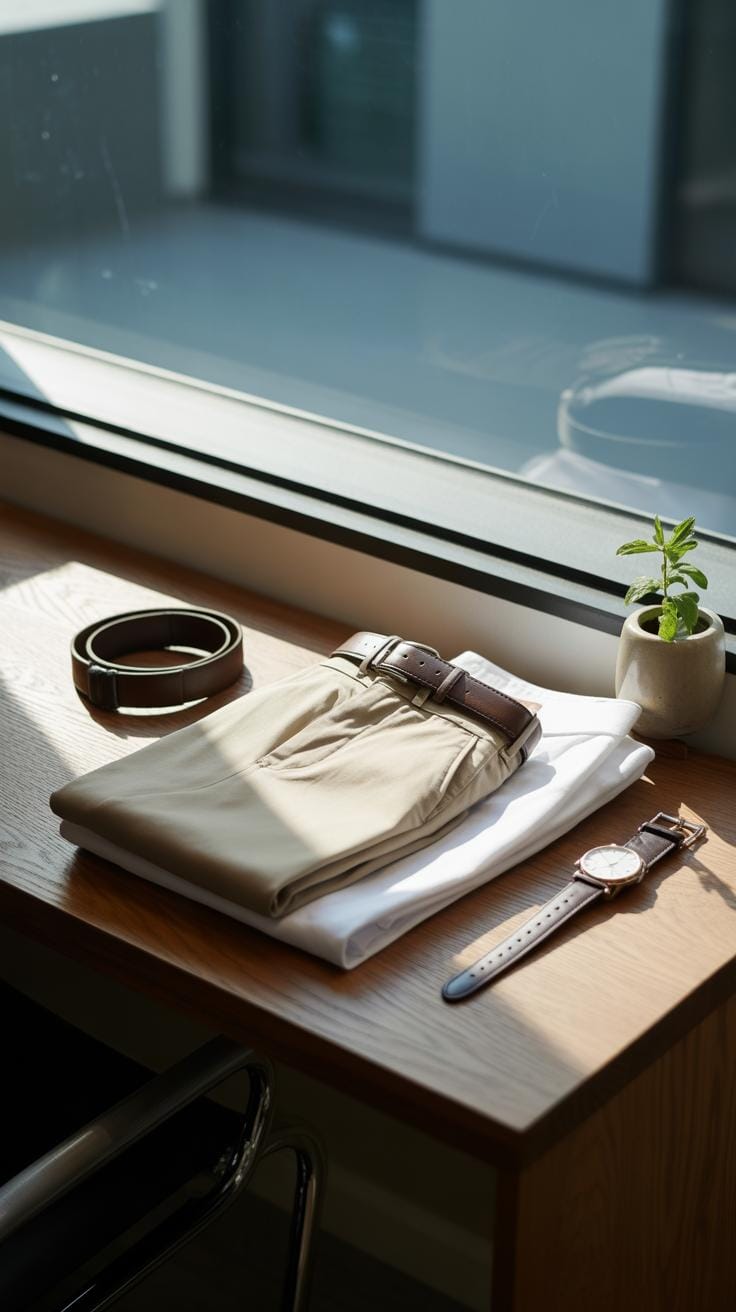
When putting together business casual outfits without stretching your budget too far, the key is to focus on pieces that pull double or triple duty. Think of items that can mix and match easily—like a well-fitting navy blazer that pairs as well with chinos as it does with tailored jeans. This flexibility helps avoid a closet filled with single-use items that rarely see the light of day.
Consider staples like button-down shirts in neutral colors, simple cardigans, or classic loafers. These often pair with multiple bottoms and can be dressed up or down depending on the day. You might hesitate to invest upfront, but picking versatile fabrics and styles can save you money long term by reducing the need to buy frequently.
Shopping smart involves more than just waiting for sales; it means timing your purchases right and knowing where to look. End-of-season sales, outlet stores, and even online clearance sections offer hidden bargains if you keep an eye on them. Stores usually mark down business casual clothing just before a new season starts—though sometimes, waiting a little longer can score even better deals.
It’s sensible to prioritize key items rather than chasing every trend. For example, a neutral blazer often serves more purposes than the latest patterned shirt. Resist the urge to grab extras that don’t fit your overall palette or style, even if they’re cheap. Think about how often you’ll realistically wear each piece and go for quality in the basics rather than quantity.
Finding your budget balance might feel like a constant shuffle—what’s the right amount to spend? Which sale is worth the trip? That’s normal. At least with versatile, well-chosen pieces, you gain flexibility and might avoid wasting on impulse buys. Would you rather have a closet of items that mostly work or a pile of seldom-worn extras?
Footwear Costs and Options
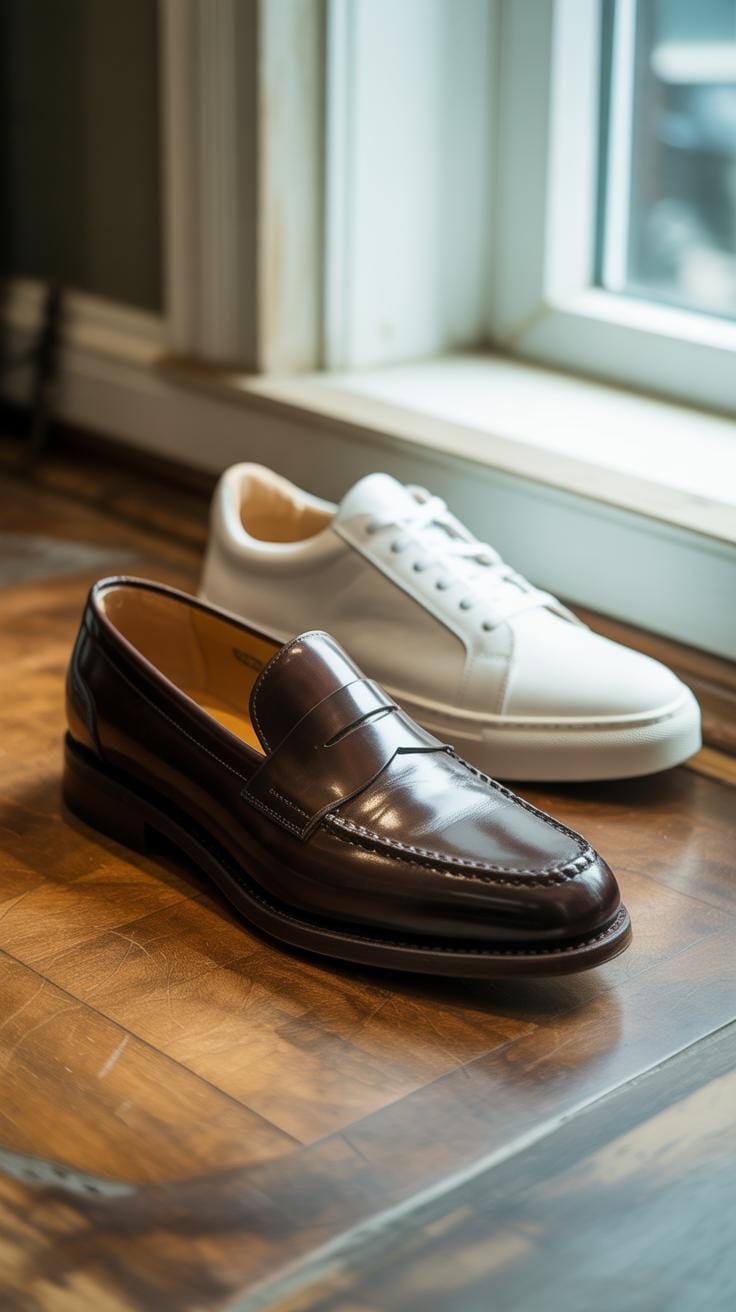
Shoes are often the trickiest part of a business casual outfit budget. You want something that fits the dress code but also lasts through countless meetings and errands without falling apart or looking tired. Common choices include loafers, oxfords, and derby shoes, each coming with a different price tag. Loafers tend to be more affordable, often starting around $50 and going up to $150 for better quality leather. Oxfords can be pricier, generally ranging from $100 to $250, thanks to their structured design and materials. Derbies fall somewhere in between, roughly $80 to $200.
Prices can quickly climb depending on brand and craftsmanship, but sometimes you find surprising deals if you know where to look. Of course, buying expensive shoes doesn’t guarantee they’ll last longer without care. Taking decent care of your shoes can stretch their lifespan significantly, saving money in the long term. Regular cleaning with a soft brush or damp cloth helps prevent dirt buildup. A bit of polish can restore shine and protect the leather from drying out. When not in use, keep shoes in a cool, dry place; shoe trees are a small investment that help maintain shape and reduce creasing. Have you ever noticed how cheap shoes begin to warp after just a few wears? Proper storage really matters.
One more thought: rotating between two or more pairs gives each shoe time to air out and recover. It’s a simple trick that can keep even budget-friendly shoes looking presentable much longer. So, while initial costs vary, smart upkeep often influences your actual shoe expenses more than the sticker price.
Laundry and Maintenance Costs
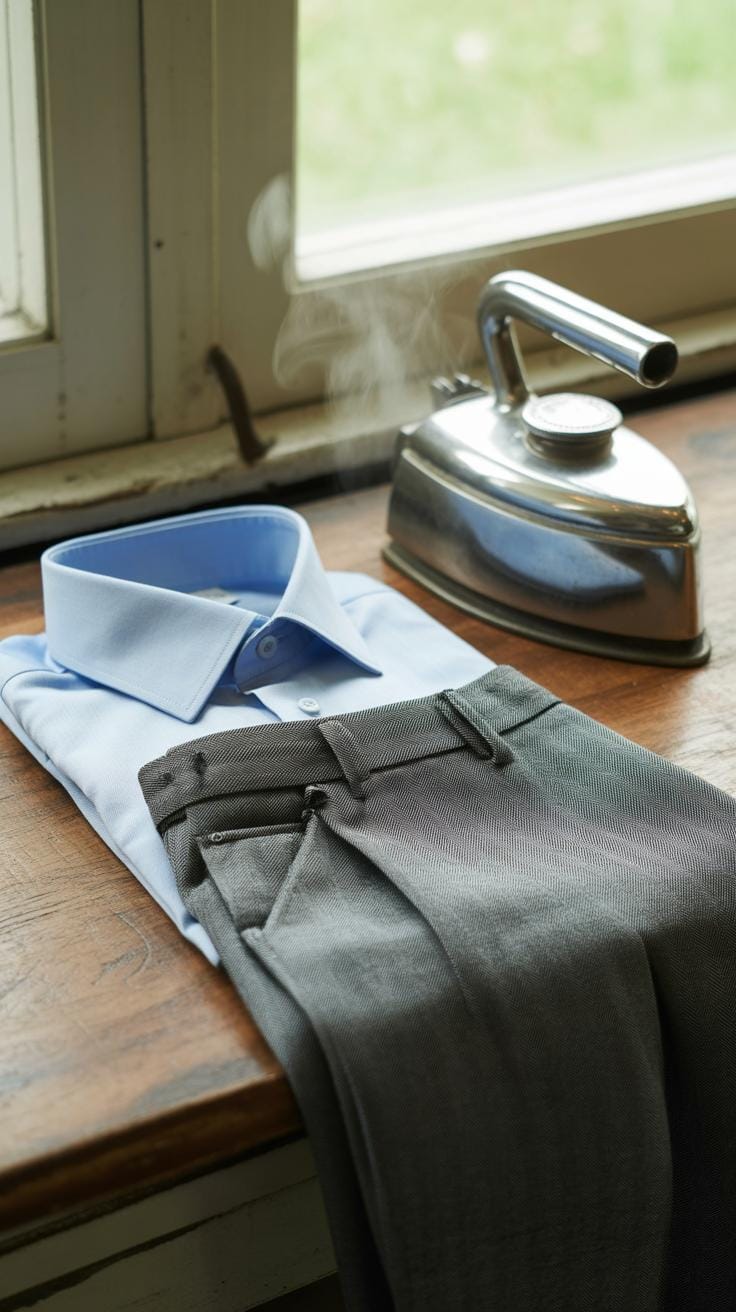
Caring for business casual clothes can add up more than you might expect. Whether you choose dry cleaning or washing at home, each method carries different costs and effects on your wardrobe budget.
Dry cleaning often feels like a necessary evil. It can cost anywhere from $5 to $15 per garment, depending on where you live and the type of fabric. Suits, blazers, and delicate fabrics usually require this service. While dry cleaning saves you time and helps keep your clothes looking sharp, the expense stacks up quickly if you wear business casual regularly.
Washing at home, on the other hand, usually costs only pennies per load, but it’s not always suitable for every piece. Some fabrics can lose shape or fade when machine-washed. You might spend extra on special detergents or hand-washing supplies. Plus, the time you spend—and the risk of accidental damage—makes the actual cost a bit hazier than it seems.
Keeping your clothes well-maintained can help stretch their life. Proper storage, prompt stain removal, and occasional repairs prevent premature replacement. Spending a little more on care now often means fewer expenses later. But how much time and money you invest in maintenance depends on your schedule and how long you want your clothes to last.
Have you ever weighed whether it’s better just to replace a worn-out blazer or spend more to have it professionally cleaned and cared for? It’s a tricky balance and one that affects your overall outfit costs more than you might realize. So, how much should you really budget for upkeep? It depends—but the numbers add up, slowly and quietly.
Example Business Casual Wardrobe Budget

Creating a simple business casual wardrobe doesn’t have to break the bank. Let’s consider a basic budget that covers the essentials, enabling you to mix and match for various looks.
Here’s a straightforward outline of key items with price estimates and their purpose:
- Dress shirts (3 pieces): $25–$50 each — versatile for layering and standalone wear.
- Chinos or dress pants (2 pieces): $40–$70 each — the foundation of polished but comfortable outfits.
- Blazer (1 piece): $80–$150 — instantly elevates casual pieces for meetings or presentations.
- Sweater or knitwear (1 piece): $30–$60 — adds warmth and texture, suitable for cooler days.
- Shoes (1 pair): $60–$100 — go for classic loafers or simple oxfords.
- Belt (1 piece): $20–$40 — should match shoe color for coherence.
Totaling this up, you’re looking at roughly $360 to $620 for a functional, multi-outfit business casual wardrobe. It’s not minimal, but still within reach for many.
Now, if you want to spend less, consider shopping sales or prioritizing fewer but multipurpose pieces. On the other hand, upping quality means investing in fabrics that last longer and perhaps opting for tailored fits—but that can push the price notably higher.
So, how do you find the sweet spot? Think about which items see the most wear. Shoes and blazers might deserve more investment, while shirts can be more budget-friendly. It’s a bit of trial and error, really, balancing your tastes with practicality.
Tips for Updating Your Business Casual Wardrobe

Keeping your business casual wardrobe current isn’t always straightforward. Clothes don’t just wear out; your style or even workplace expectations can shift over time. So, when should you actually think about refreshing your collection? One practical step is to routinely scan your wardrobe for items showing clear signs of wear—fading colors, thinning fabric, or frayed edges. These telltale signs remind you that some pieces probably deserve retiring or replacing.
It’s a good idea to focus on key items like blazers, trousers, or shoes first. They’re the foundation of most outfits and will impact your overall appearance more than smaller pieces like ties or belts. Trying to overhaul your entire closet at once often leads to overspending. Instead, add new items gradually. Maybe pick one fresh piece each season, like a lightweight sweater for spring or a new pair of loafers for autumn.
Think about variety, too. Introducing textures or subtle patterns can make your business casual look feel updated without breaking the bank. You might hesitate to buy something new just to “keep up,” but small changes can make a surprisingly big difference when mixed with your existing staples. Have you considered revisiting thrift stores or outlet sales? Sometimes that’s the best way to find quality pieces without overspending.
Conclusions
Costs for business casual outfits vary depending on the quality and number of items you choose. Key pieces include blazers, trousers, shirts, and shoes. Smart choices let you build a useful wardrobe without spending too much. Stick with versatile items that match several outfits.
Knowing how each piece contributes to your overall expense helps you manage your budget. Planning ahead and shopping wisely will ensure your business casual looks stay stylish and affordable. You can present yourself well without overspending.