
Introduction
Creating a practical checklist for basic wardrobe essentials helps you build a functional and stylish closet without owning too many clothes. A basic wardrobe contains timeless, versatile pieces that you can mix and match easily. This way, you get outfits ready quickly for any occasion.
This article breaks down what basic essentials to include. It compares different wardrobe styles and guides you on picking clothing that fits your life and taste. With clear steps and examples, you can create a wardrobe that saves time, money, and stress while keeping you looking good.
What Are Basic Wardrobe Essentials
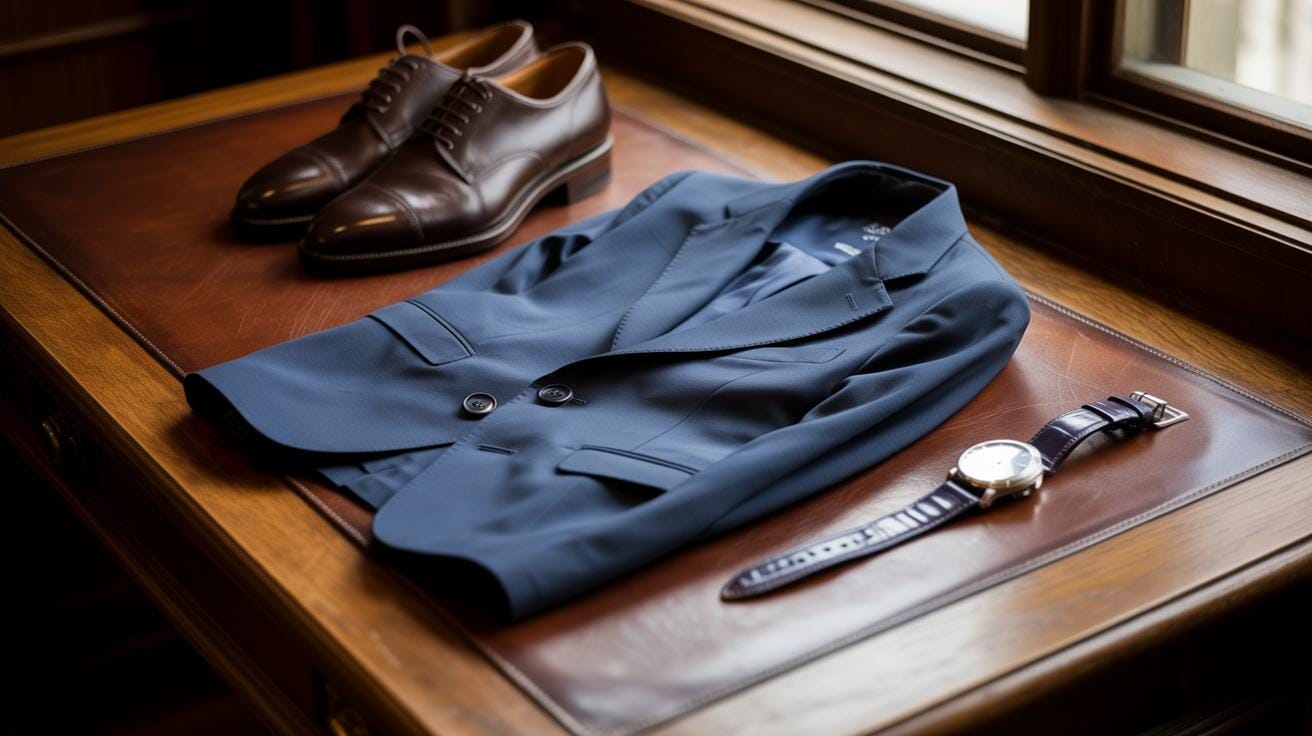
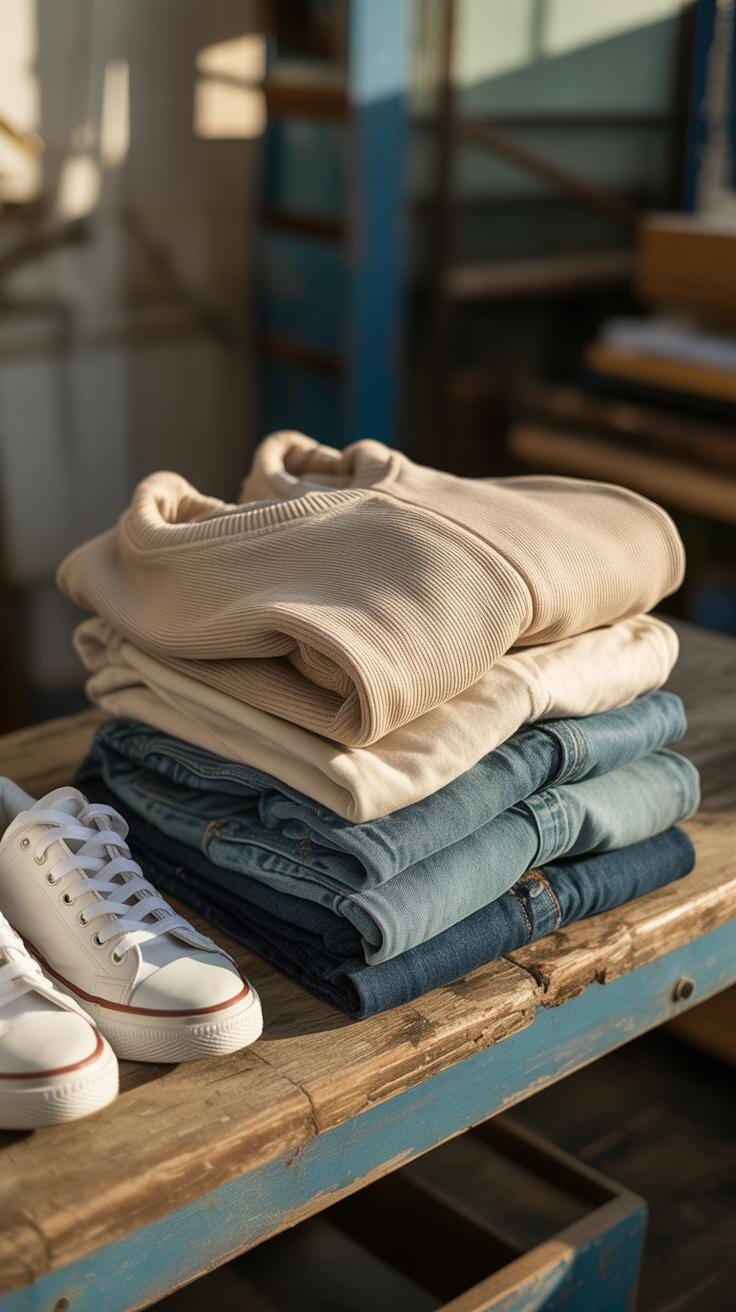
Basic wardrobe essentials are the simple, timeless garments you rely on to build most of your outfits. They’re the clothes that don’t demand much thought because they fit well, suit many occasions, and rarely go out of style. Think of them as the foundation of your wardrobe—pieces that make it easier to get dressed without fuss.
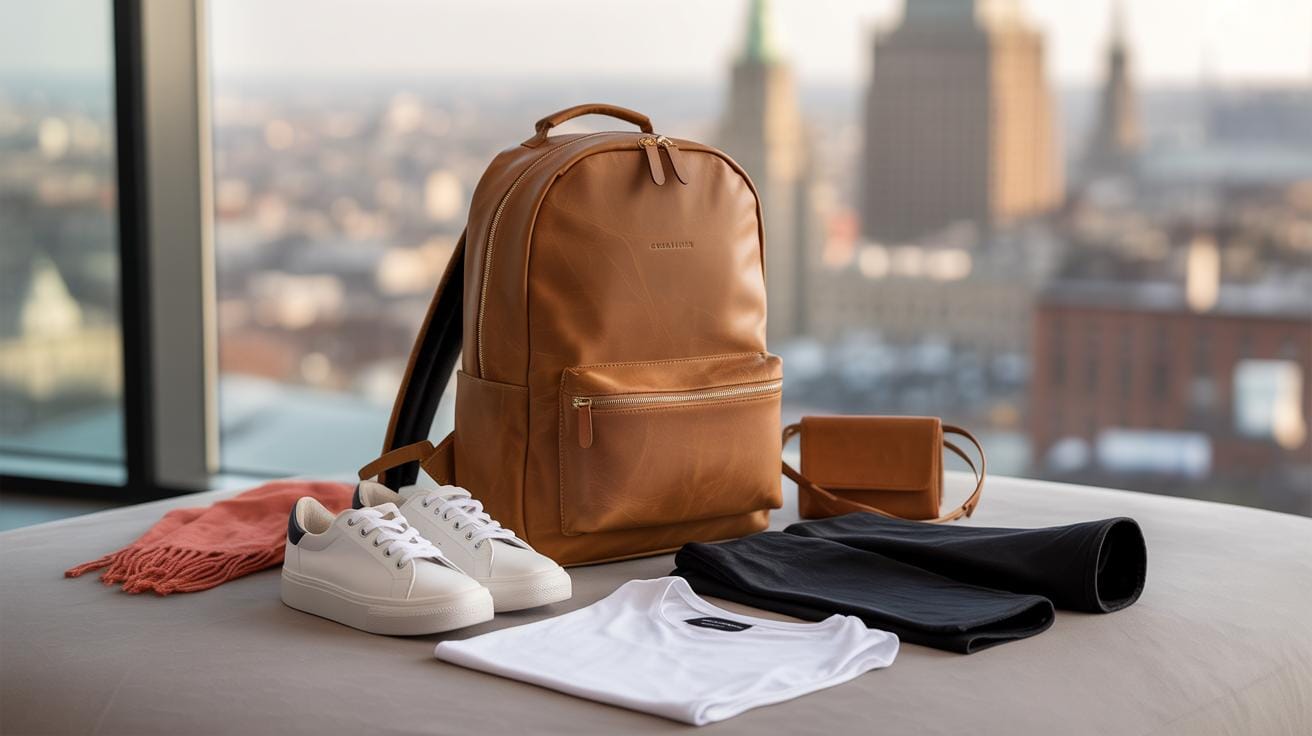
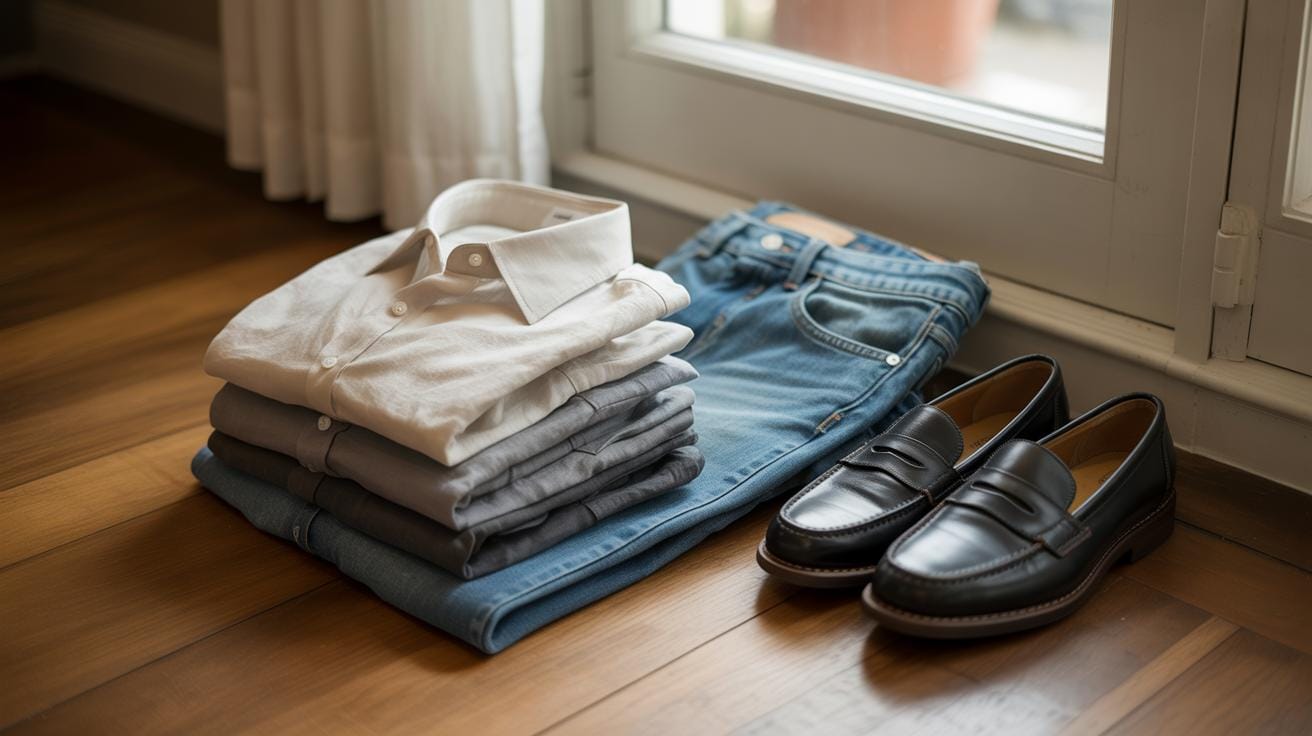
These typically include plain, well-fitting shirts like crew neck or V-neck t-shirts in cotton, classic button-down shirts in white or light blue, and neat, straight-leg jeans. Outerwear essentials might be a neutral-colored trench coat or a tailored blazer, which instantly polish an outfit. You want items that feel neither too trendy nor too formal, something you can wear to a casual lunch or a last-minute meeting.
What counts as “basic” might shift with your lifestyle and preferences, but the key is simple shapes paired with quality fabrics that last. I find that when you lean into these basics, dressing becomes less stressful—even if you’re rushing and have no time to think.
Key Clothing Items For Every Closet
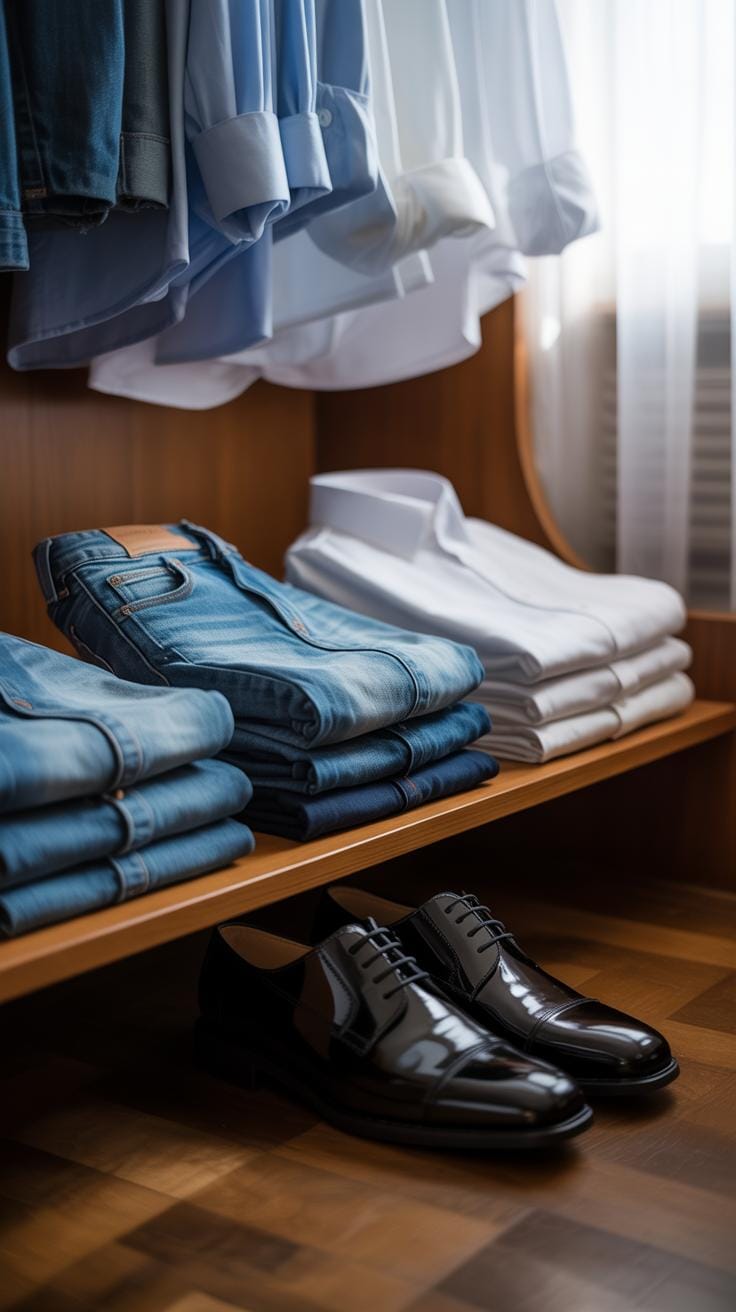
There are a handful of key pieces truly worth investing in—ones that adapt to your day, whatever it throws at you. A few staples come to mind:
- Plain T-shirts: Neutral tones like white, gray, or black. They layer or stand alone.
- Jeans: Classic blue jeans with a straight or slim fit. They work for casual or slightly dressed-up looks.
- Blazer: A tailored blazer in navy or black, easy to throw on for a sharper appearance.
- Versatile Dress: A simple, knee-length dress in a neutral color. Can transition from day to evening with little effort.
These items work because you can pair them repeatedly in many ways, mix textures or accessories to shift the vibe. For example, a blazer over a tee and jeans gives a neat, casual style but can lean formal with the right shoes. That’s why these pieces feel like a small set of tools that cover most bases.
Colors And Styles That Mix Well
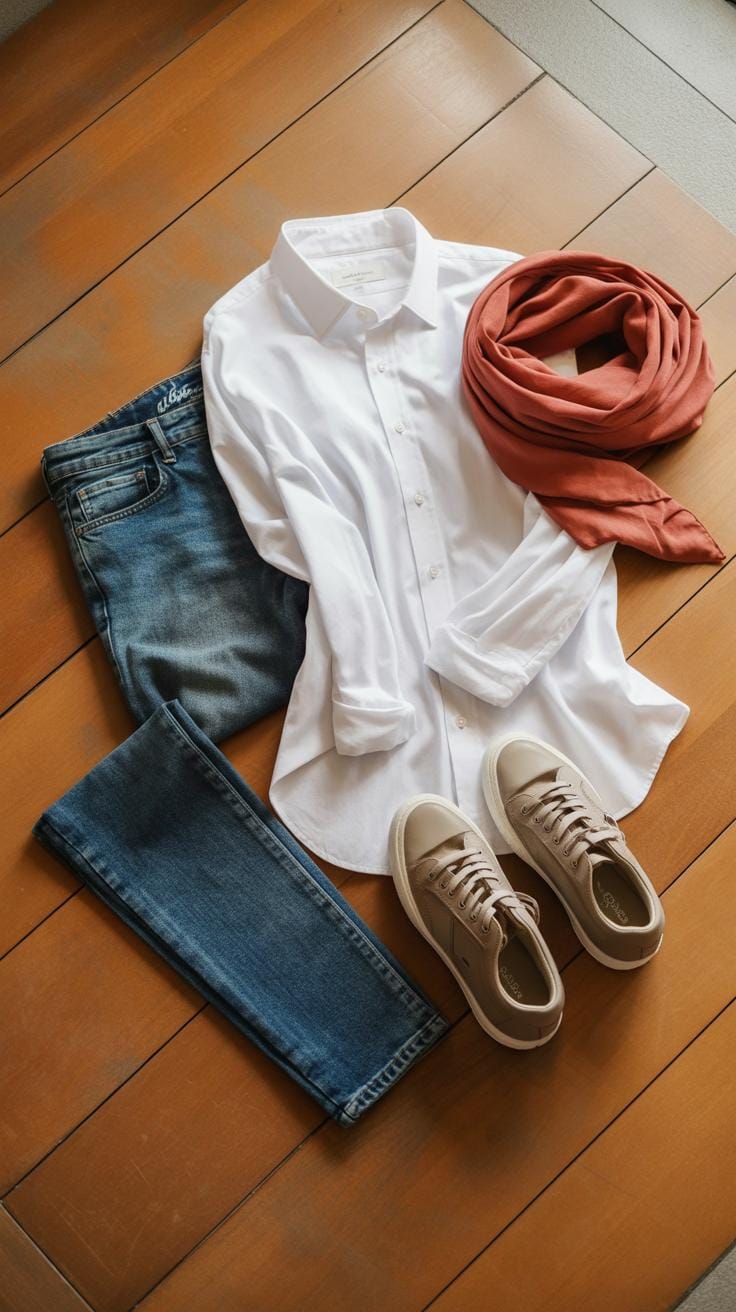
The colors worth sticking to for basics tend to be neutral—think black, white, gray, navy, camel, and sometimes olive. These colors blend effortlessly with each other and with bolder or seasonal hues you might add.
As to styles, classic cuts matter much more than fancy details. Simple necklines, modest fits—not tight or oversized extremes—help items layer well and match easily. A crew neck t-shirt pairs well under a cropped sweater or a blazer, while straight-leg pants don’t clash with different shoe types.
Choosing pieces with subtle design details can add personality, like slight tapering or a soft fabric texture, but overall, the goal is versatility. When you pick basics in colors and styles that harmonize, you unlock countless outfit options without needing a closet full of clothes.
Benefits Of A Capsule Wardrobe

The idea of a capsule wardrobe might sound a bit restrictive at first, but it really centers on owning fewer clothes that all work well together. When you focus on basic essentials, a capsule wardrobe helps you zero in on versatile pieces. Think of a few solid shirts, pants, and outerwear items that mix and match easily—no forced combinations, just simple getting dressed.
It’s one of those things that makes shopping less overwhelming, too. Instead of wandering store aisles endlessly, you have a clear sense of what fits your style and needs. That doesn’t mean sacrificing variety—you still get to express yourself, but with fewer, more purposeful items.
Minimalism Meets Practicality
There’s a practical side to minimalism that often gets overlooked. By trimming your closet down to essentials, you create less clutter. Opening your wardrobe becomes less of a chore because you’ve removed the noise—the random, rarely worn pieces that linger and make decisions harder.
For many, this simplicity leads to fresher energy each morning. You don’t waste time debating what goes with what, or digging through piles of clothing. A tidier closet often feels like a mental reset, even if you don’t think about it consciously. But sometimes, it can feel a bit boring or too rigid. So, it’s okay to leave room for a few unique items that break the pattern.
Example Capsule Wardrobe Setups
If you’re a working professional, your capsule might lean on tailored trousers, neutral blouses, a blazer, and classic shoes. These pieces move from office meetings to after-work dinners without much fuss. For casual wearers, the setup changes. Comfortable jeans, simple tees, a cardigan, and sneakers become your go-tos—easy, flexible, nothing flashy but reliable.
Imagine a creative type who likes some bold patterns or colors. Their capsule may include basic pants and tops but also a few statement pieces. The key is that even those bold items have a place with several others, so they don’t just sit in the closet untouched.
Building your capsule doesn’t have to be perfect from the start; it evolves with you. What’s core for one person might not be for another, and that’s okay. The balance is in owning enough to feel confident without feeling overwhelmed.
How To Choose Your Essentials
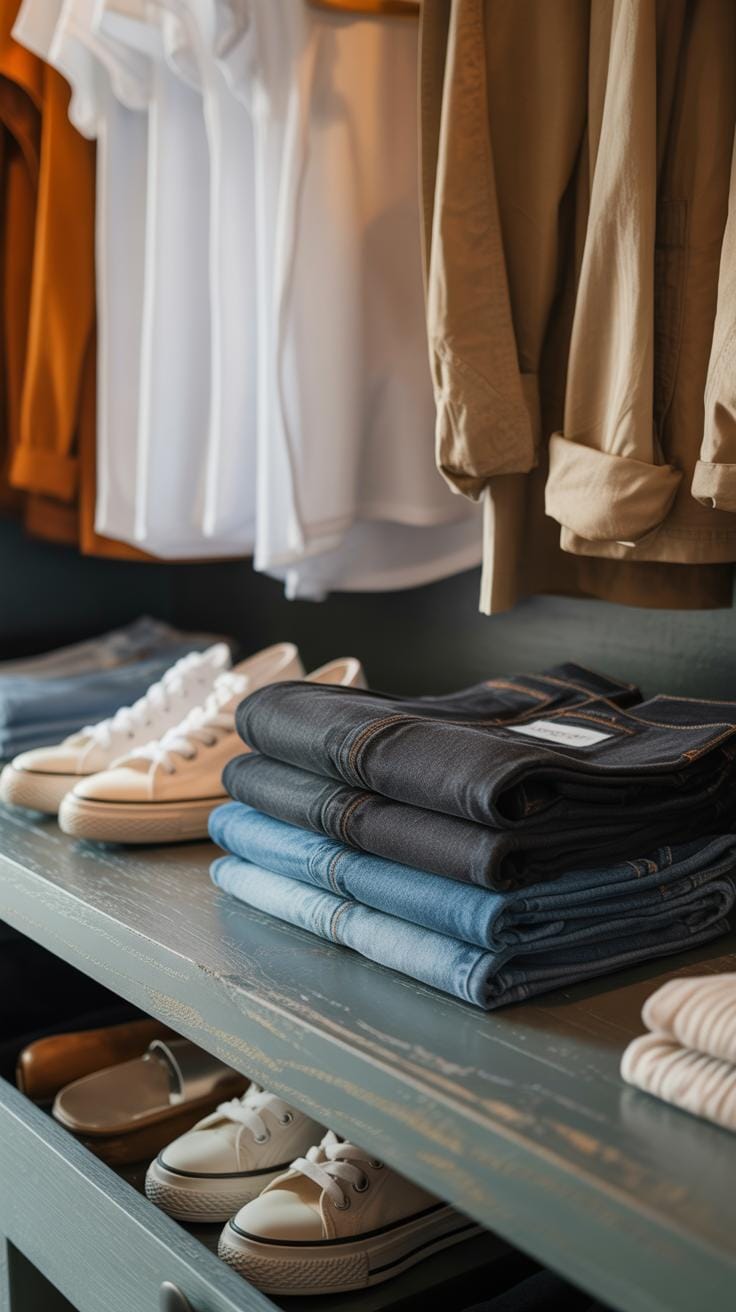
Choosing wardrobe essentials isn’t about ticking boxes blindly. It’s really about understanding what you genuinely need day in and day out. Think about your lifestyle first—do you spend most of your time in an office, outdoors, or moving between casual and formal settings? Your choices should reflect that. For example, someone in a creative job might value versatile basics that can be layered and styled, while someone with a strict dress code might lean toward classic, tailored pieces.
Ask yourself: What do I wear most often? Are these items comfortable and practical for my routines? Be honest. Sometimes we hold onto clothes because of memories, not because they fit our current lives. It helps to mentally track your week—commute, errands, social events—and imagine what clothing aligns with those moments.
Weather plays a big part too, and not just the obvious seasonal shifts. If you live somewhere with humid summers and cold winters, your essentials might include breathable fabrics for summer and cozy knits for winter. But what about those in milder climates? Maybe you need fewer layers but still something that can transition from chilly mornings to warm afternoons.
Think about the seasons not only in terms of temperature but also in lifestyle changes. Do you attend outdoor events in summer but need something smart for winter evenings? Planning your essentials around these rhythms makes your wardrobe more useful year-round, avoiding the frustration of digging through unsuitable clothes.
Ultimately, your personal preferences—the colors you feel confident in, the fits you favor, even the textures that annoy you—should guide your selections. It’s your wardrobe, after all. It’s okay to hesitate and rethink what counts as “essential.” Maybe you’ll realize a classic white tee isn’t quite right for your style, and that’s perfectly fine.
Checklist Setup For Wardrobe Planning
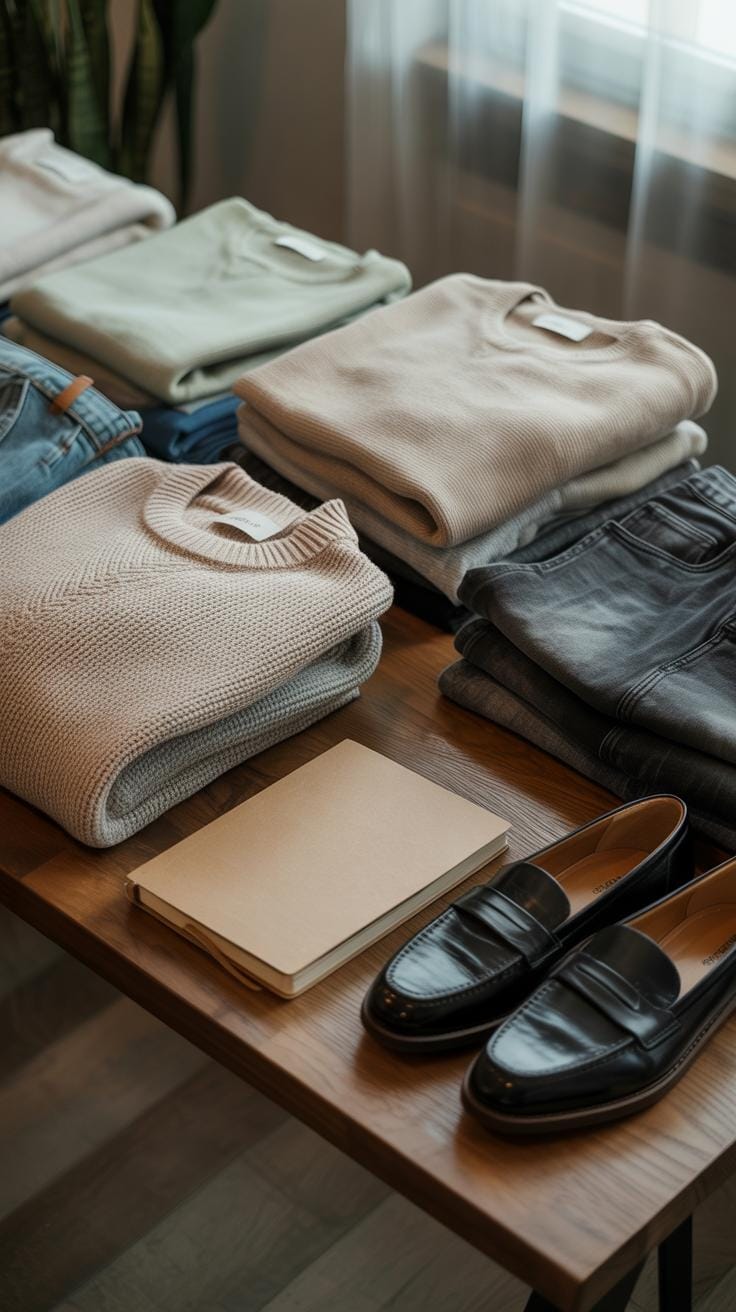
Organizing your basic wardrobe essentials can feel overwhelming at first, but breaking it down by categories makes the whole process manageable. Start by dividing your checklist into four main groups: tops, bottoms, outerwear, and accessories. Each plays a different role, and thinking this way helps you see what you really need.
For tops, think beyond just basic shirts. Include items like plain t-shirts, button-down shirts, and perhaps a versatile blouse or two. Bottoms cover jeans, trousers, and maybe a skirt or shorts, depending on your style and climate. Outerwear should be about pieces like a classic jacket, a trench coat, or a cardigan you can throw on.
Accessories are often overlooked but crucial. A couple of belts, scarves, watches, or simple jewelry can completely change an outfit. Sometimes you might already have good pieces here but miss some basics in clothing itself.
When you start your wardrobe review, lay out what you own by these categories. Ask yourself: “Do these pieces still fit? Do I wear them often or just keep them for no good reason?” Mark what’s missing or worn out. Maybe you thought you needed another pair of jeans but realize your jackets are all outdated. This step-by-step review is about being honest but not too harsh—there’s always room to keep a beloved item that just doesn’t fit perfectly anymore.
As you write your checklist, keep flexibility in mind. Your lifestyle might shift, so allow room for adjustments. Maybe you don’t need five pairs of trousers now, but next season, you might. The key is to balance what you have with what you actually wear and what truly complements your daily routine.
Comparing Essentials Vs Trends

When you look at your wardrobe, it’s easy to see two very different types of pieces: the basics that never seem to go out of style, and the trend-driven items that catch your eye for a season or two. Both have their place, but they serve quite distinct purposes.
Basics offer reliability. A white button-down shirt, a pair of dark jeans, a simple blazer—these items create the foundation of your closet. You can mix and match them easily and wear them year after year without feeling outdated.
Trendy pieces, on the other hand, inject freshness and personality. They can be bold colors, unusual patterns, or new cuts that might feel exciting at first but often lose their appeal quickly. Adding one or two trendy items can spice things up, but relying heavily on them might make your wardrobe feel inconsistent or even chaotic over time.
Pros of basics:
- Long-lasting wear and style
- Versatile for different occasions
- Often better quality investment
Pros of trends:
- Offer a chance to explore current fashion
- Can reflect your mood or evolving tastes
- Help you stand out, if you want to
But here’s a thought: while trend pieces might grab your attention now, they tend to lose relevance fast. So, it’s quite possible your closet will feel overstuffed with items you no longer want to wear. So, balancing the two is tricky—leaning too much on either side can make your style feel either stagnant or unsteady.
Why Basics Outlast Trends
Basics have this quiet power because they don’t scream for attention. You don’t notice a classic black sweater or a neat pair of sneakers—they just work. They adapt easily to whatever else you’re wearing—whether it’s a bold accessory or a quirky jacket. Plus, they usually age well. You might find a simple white tee you bought five years ago still looks sharp today.
On the flip side, trends often seem to rush past before you really get comfortable with them. Think of those neon colors or ultra-wide pants that pop up, then vanish in a season. Investing heavily in trend-forward pieces can leave you with a closet full of “what was I thinking?” moments.
So, when you buy basics, you’re really investing in something that pays off repeatedly. They become the reliable friends of your wardrobe, helping you get dressed quickly and confidently. Yes, they might feel a bit dull sometimes, but they’re the backbone of style that actually lasts.
When To Add Trendy Pieces
If basics keep your wardrobe steady, trend pieces add the unexpected spark. But timing is everything. Adding a trendy item here and there should feel like a small experiment, not a full overhaul.
Consider these moments:
- When you want to try a fresh look without committing fully
- To update seasonal styles, like swapping in a trendy jacket for spring
- When an event calls for something unique to stand out
And the key is to keep it manageable. Pair the trendy piece with your trusted basics so it doesn’t overwhelm your overall style. For example, if neon sneakers catch your eye, match them with neutral jeans and a simple top.
It might feel tempting to chase every new style wave, but going slow with trends lets you keep your wardrobe clear and wearable. After all, fashion is fun, but comfort and confidence come best from pieces you feel good wearing—season after season.
Maintaining Your Wardrobe Essentials

Taking care of your basic wardrobe pieces is key to keeping them wearable season after season. It’s not just about buying quality items but also treating them well. You might think some clothes can just be tossed in the wash with no thought, but that often leads to faster wear and tear.
Simple steps like washing clothes inside out, using cold water, and choosing a gentle cycle can really extend the life of your favorite shirt or jeans. Storing items properly makes a difference too—fold sweaters instead of hanging them to avoid stretching, and use breathable garment bags or cotton covers for delicate materials.
When a button falls off or a seam loosens, fix it right away. Small repairs don’t take much time if you catch them early and help prevent bigger problems later. It’s easy to put off mending, but then that favorite piece risks becoming unusable.
Rotating clothes seasonally keeps your wardrobe fresh. Shift summer tees and linen pants away during colder months and swap them back when warm weather returns. This not only protects fibers from constant use but also makes dressing feel fresh. Do you find that rotation helps you rediscover items you forgot about?
Keeping your essentials in good shape is less about perfection and more about consistency. A little attention here and there adds up, letting your wardrobe serve you longer and better. You might even start appreciating those simple basics more than you thought.
Cost Breakdown Of Essentials
Building a basic wardrobe doesn’t have to drain your wallet, but figuring out the right balance between quality and price can feel tricky. You might wonder how much to spend on jeans versus a jacket, or what’s worth investing in and what you should skip. Let’s break down some average costs to give you a clearer idea.
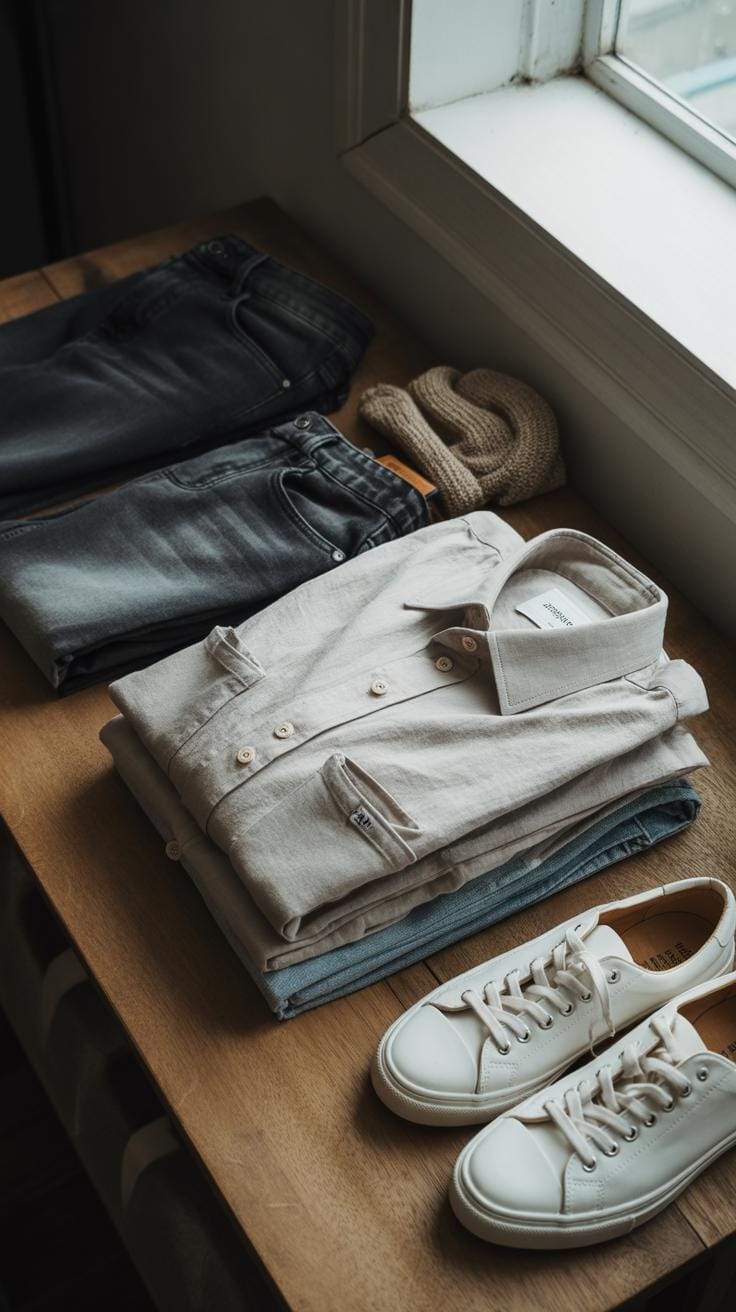
For key pieces, jeans often range from about $40 on the cheaper side up to $120 for a mid-range pair that might actually last longer. Shirts can vary a lot; simple cotton tees may be found for $10 to $30, while button-downs or blouses tend to start around $25 and go as high as $70. Coats, depending on style and fabric, usually cost anywhere between $60 and $150 when you’re looking at decent quality.
Where to shop plays a big role in hitting these price points without losing durability. Thrift stores or outlet shops can be goldmines for sturdy essentials at a fraction of new retail costs. Online marketplaces also offer discounts but be careful — quality can be hit or miss if you don’t read reviews or check return policies. If you can, try to buy out of season. That’s when stores really mark down items like coats or heavier sweaters.
When budgeting, think of your wardrobe like a puzzle. Some pieces you want to spend more on because they get worn the most, like jeans. Other items, say basic tees, might be fine to replace more often. Splitting your budget roughly—spend more on durability, less on trendy throws—can keep your clothes lasting without breaking the bank. It’s a bit of trial and error, but it’s worth paying attention to how you actually use your clothes before deciding what deserves your money.
Common Pitfalls And How To Avoid Them
Buying Excess Items
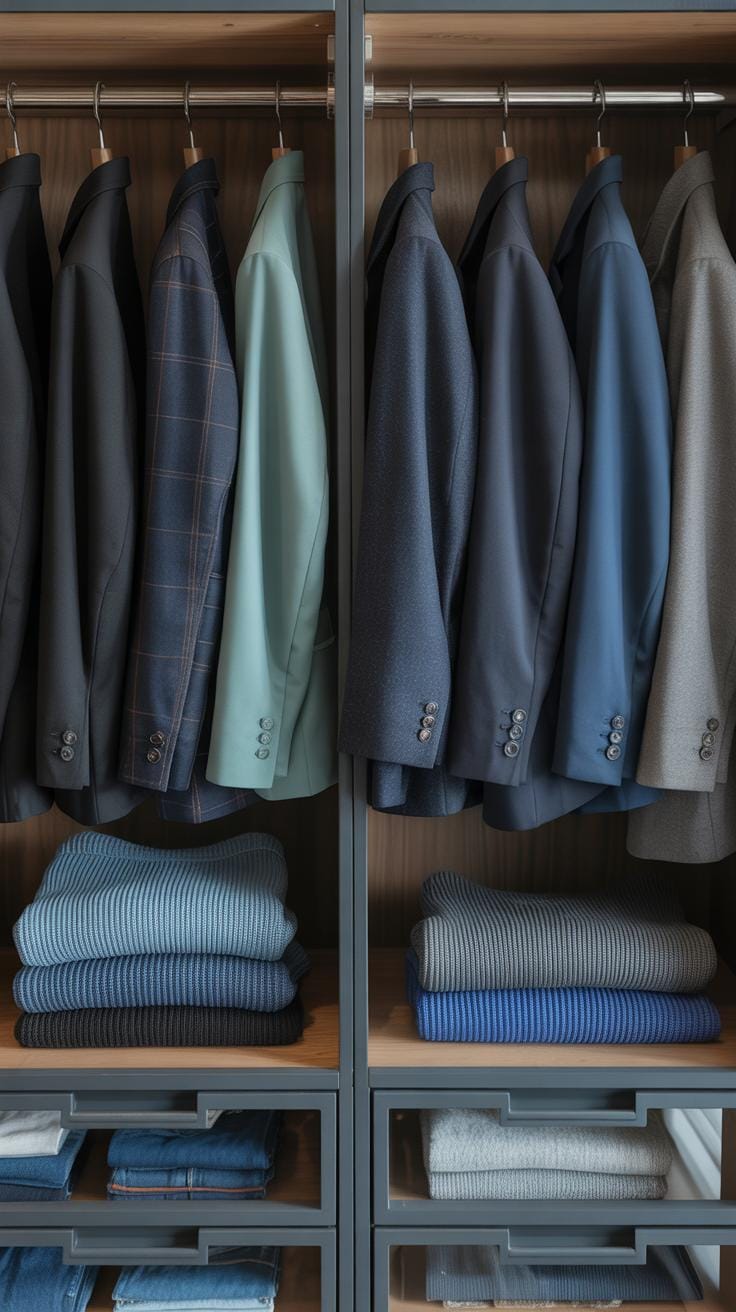
It’s easy to get caught up in buying too many clothes, thinking more means better options. But, actually, having a cluttered wardrobe can make dressing harder, not easier. When everything feels overwhelming, you might end up wearing the same few items and ignoring the rest. That defeats the point of building a basic wardrobe.
Try focusing on a smaller number of versatile pieces that work together well. Instead of picking up every trendy item, pause and ask yourself if this truly fits into your daily style or just fills space. Often, quality over quantity pays off, and fewer items mean less stress deciding what to wear.
Remember, a wardrobe should serve you, not bury you in clothes you barely use.
Ignoring Fit And Comfort
People often overlook fit and comfort, rushing into buying clothes that look good on the hanger but don’t feel right on the body. That’s a mistake you might regret quickly. Clothes that don’t fit well can make you feel awkward or distracted all day. Why settle for that?
Try clothes on whenever possible, and pay attention to how they move with you, not just how they look standing still. Sometimes, a piece that isn’t “perfect” on paper might actually feel better than something that checks all style boxes but squeezes uncomfortably.
If you don’t feel good wearing your basics, you won’t wear them—no matter how essential they are. Fit and comfort can’t be afterthoughts.
Building Your Wardrobe Over Time
Starting Small And Adding Pieces
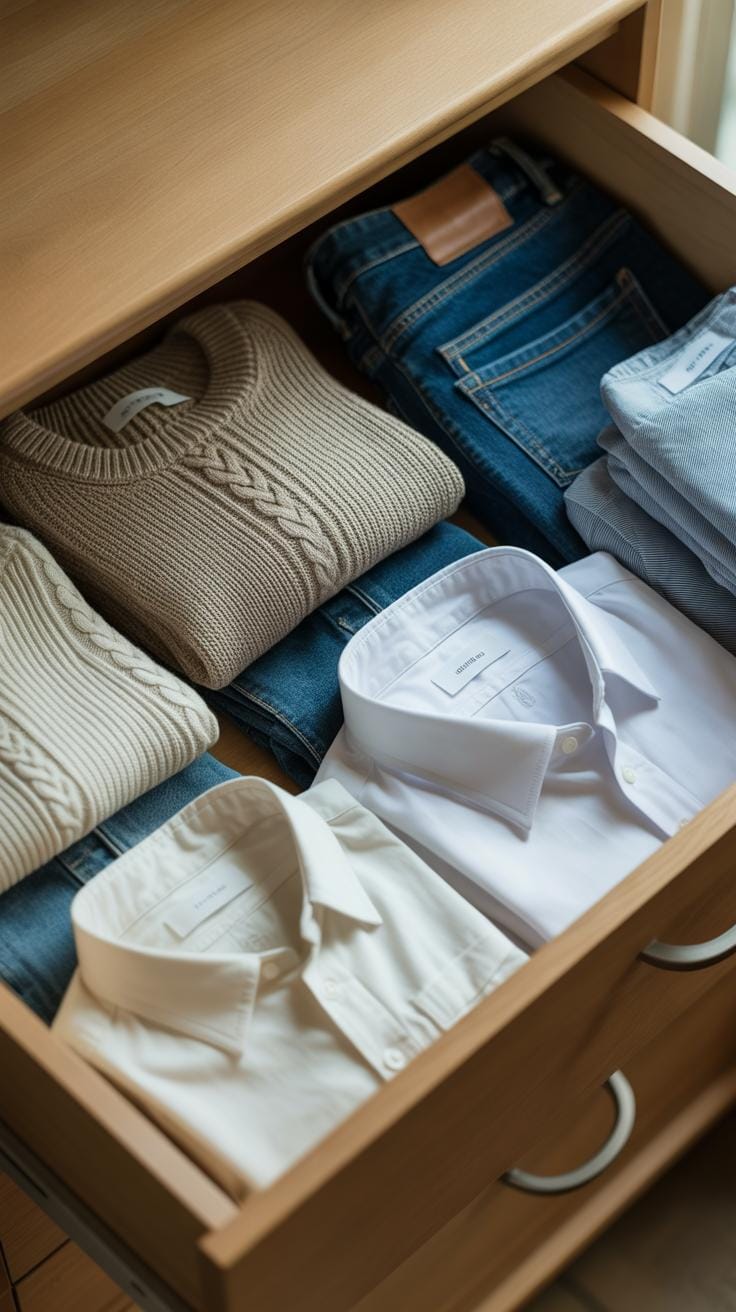
When it comes to building a wardrobe, you don’t need to rush. Start with just a handful of versatile basics—a plain white tee, well-fitting jeans, a neutral sweater. These key pieces give you a simple foundation, and from there, you add as you go. Maybe one month you pick up a classic blazer, the next you try a casual jacket or a patterned shirt that caught your eye. Over time, this slow accumulation feels less like a chore and more like a natural process.
Don’t stress about having everything right away. Think about what you reach for most, and that should guide your additions. Sometimes, you may buy something new only to realize it doesn’t fit your routine or style. That’s okay. You learn what works by trial and error, and that’s part of the journey.
Adapting As Your Needs Change
Your wardrobe will not stay fixed. Life changes—work, hobbies, weather, even taste. Taking a moment every few months, or maybe once a year, to look over what you have helps you decide what still suits your daily life. You might find a jacket you loved last winter isn’t practical anymore or a type of shoe you never wear.
Think of wardrobe maintenance as a chance to adjust rather than just toss. Replace worn-out items or swap pieces that no longer match your style. Sometimes, you might add a new comfort-focused item after a lifestyle shift or cut back when your schedule simplifies. Paying attention to how your clothing serves you keeps your essentials relevant without overwhelming your closet.
Conclusions
Building your basic wardrobe essentials around a thoughtful checklist focuses on simplicity and flexibility. Choosing key pieces in neutral colors and classic styles lets you mix items easily. This approach reduces clutter and helps you decide what to buy wisely.
Using a capsule wardrobe method, you maintain a collection of clothes that suit many events and seasons. You stay stylish while spending less time and money on outfit decisions. Follow the suggestions here to create your practical and stylish wardrobe foundation.