
Introduction
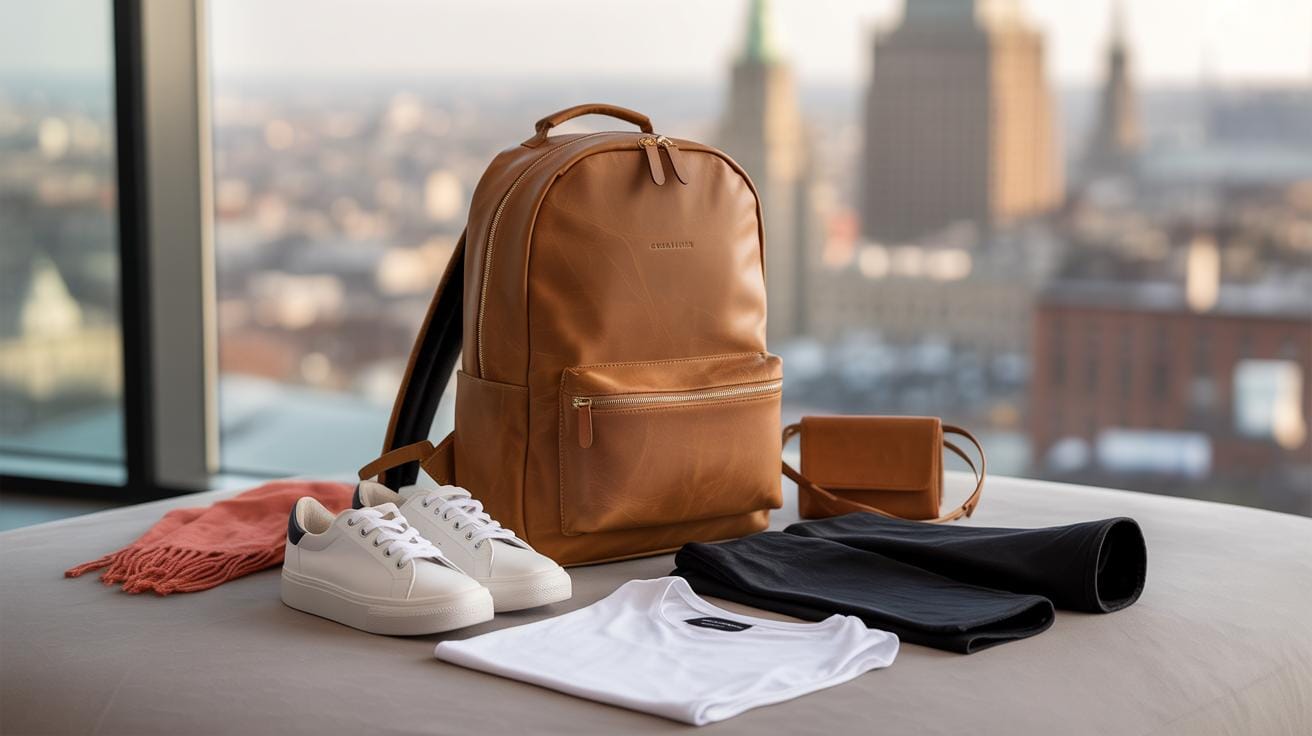
Creating a selection of basic outfits is a smart way to save time and stay stylish without much effort. Essential basic outfits blend comfort and style, helping you look good whether you’re going to work, exercising, or meeting friends. This checklist will help you tackle your wardrobe with practical pieces that fit your lifestyle.
From choosing the right pants and shirts to using simple color matches, this article guides you in putting together outfits that are easy to assemble. You will also learn how to maintain a balance between fashion and fitness, ensuring you feel confident in whatever you wear.
What Are Basic Outfits

The idea of a basic outfit revolves around simplicity and function. At its core, a basic outfit isn’t about flashy trends or bold statements. It’s about creating looks that are easy to put together yet still look intentional. Think of these outfits as the foundation of your daily wardrobe—they’re the pieces you return to because they work almost every time.

What makes an outfit ‘basic’ often ties back to minimalism in color and design. Usually, these are neutral tones, clean cuts, and comfortable fits. The beauty lies in how versatile these outfits are—you can wear them to run errands or team them with a jacket for something a bit more polished.
They play a quiet yet steady role in everyday dressing, focusing on comfort and practicality without sacrificing style. It’s like having a reliable friend who’s always ready, especially on days when decision fatigue hits. Perhaps, you want to look put-together without much effort. That’s where basic outfits come in handy.
Components of Basic Outfits
Most basic outfits center around a few staple items that keep things simple but stylish. Here are the key components to consider:
- Simple tops – usually T-shirts, long sleeves, or blouses in solid, neutral colors like white, black, gray, or navy. These tops don’t distract and pair easily with almost anything.
- Neutral pants – think black or beige trousers, jeans, or leggings. These bottoms ground the outfit, making it clean and easy to mix and match.
- Functional footwear – minimalist sneakers, loafers, or flats that prioritize comfort but don’t look too sporty or too dressy. They bridge casual with something slightly smarter.
Each item is chosen not just for its look but for practical reasons. The colors reduce clash, the cuts allow movement, and the fabrics usually resist wrinkles or obvious wear. Together, these components ease your choices without boring your wardrobe.
How Basic Outfits Support Your Routine
A big advantage of basic outfits is how they shrink the time it takes to get dressed. Imagine less staring at clothes, wondering what works together. They quietly fit into both your casual days and moments when you need to look somewhat presentable. Because of their neutral palette and simple lines, they’re easy to upgrade with accessories or layering pieces.
They can also adapt surprisingly well for fitness or active routines. For instance, a simple tee and stretch pants can move from a walk in the park to a quick gym session. Or maybe swap your loafers for sneakers—you’re out the door, no fuss.
In daily life, these outfits cut down overwhelm but don’t limit your style—it’s a balance some wardrobes rarely strike. Do you think your closet feels a bit chaotic? Basic outfits might be what keeps things steady while letting you focus more on your day than your decisions.
Why Basic Outfits Matter
Having a set of basic outfits can change the way you approach your day. It’s not just about looking neat; it’s about making life a bit easier. When your wardrobe is built around simple, versatile pieces, you cut down the time spent deciding what to wear. Imagine waking up and knowing exactly what works together without second-guessing yourself. That alone trims the morning routine and reduces stress—something I’ve noticed makes a difference on busy days.
Besides saving time, basic outfits often save money. Instead of buying numerous trendy items that rarely get worn, you invest in a few dependable staples. That means less clutter and fewer impulse buys. Your wardrobe stays cleaner and more organized, which, oddly enough, improves how you feel about your clothes and yourself.
These basics also support fitness and comfort in a unique way. Choosing the right fabrics, like cotton blends or moisture-wicking materials, lets you move freely—even if you switch from work to a quick workout. A well-fitted pair of pants or a breathable top can go from morning errands to gym time without feeling out of place or restrictive. Don’t you think that kind of flexibility in your clothes makes a subtle but solid difference?
So, having basic outfits isn’t just a style choice. It’s about simplifying decisions, managing expenses, and fitting your lifestyle better—whether that includes fitness or just wanting to feel comfortable all day long. You might realize that these simple pieces actually help you look better too, because they fit well and are easy to maintain.
Creating Your Outfit Checklist

Assessing Your Style and Needs
Start by thinking about your daily routine. What do you actually do most days? Do you run errands, head to an office, work out, or spend time outdoors? Your wardrobe should reflect that mix, so take a moment to list your regular activities. Climate matters too—if you live somewhere with unpredictable weather, layering becomes key. And then, your personal taste. Are you more into clean, simple looks or does your style lean towards bold colors and patterns? It’s okay if you’re not sure yet. Sometimes, experimenting with a few basics helps clarify what feels right.
Key Items to Include
Focus on pieces you can mix and match easily. Here are some to consider:
- Plain t-shirts in neutral colors—it’s surprising how often these can be your go-to for casual, sporty, or even semi-dressy combos.
- A pair of well-fitting jeans. They’re useful nearly every day and work with layers or alone.
- Chinos in beige or navy—slightly smarter without being over the top.
- A versatile jacket, like a lightweight bomber or denim jacket, which offers warmth but doesn’t limit your outfit choices.
- Comfortable shoes that cover different needs: sneakers for active days, minimalist dress shoes for meetings if required.
Each item fits into several outfits, giving you flexibility. For example, swap a jacket for a hoodie, and your plain t-shirt goes from casual to activewear. Think about what combinations feel natural for you, and which you wouldn’t mind wearing repeatedly. Making that mental note helps you avoid pieces that just crowd your closet but rarely get worn.
Comparing Outfit Types For Different Activities
Casual vs Fitness Clothing Features
When you look at casual basic clothes, you often find softer fabrics like cotton or blends that feel nice against your skin but don’t always handle sweating well. Casual wear usually fits a bit looser, allowing for comfort but not necessarily movement. Styles tend to be simple, focusing on versatility for day-to-day settings.
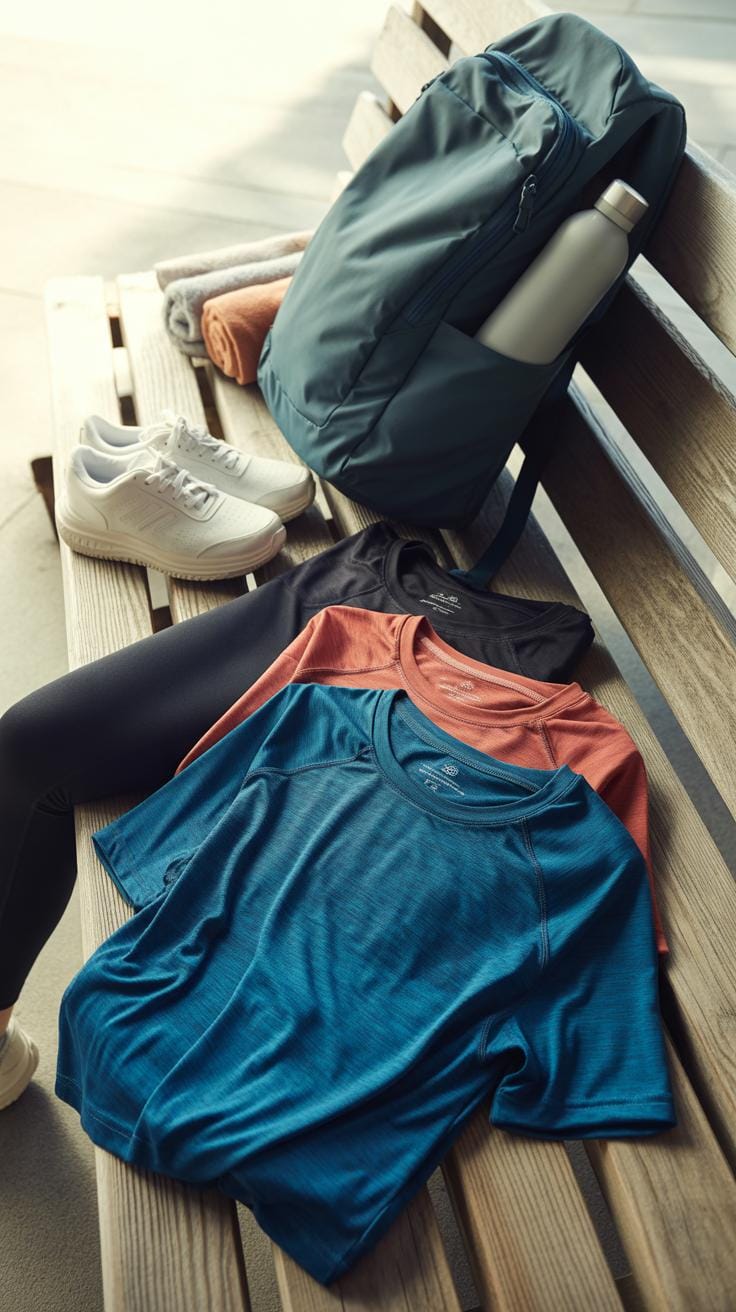
Fitness gear, in contrast, leans heavily on materials like polyester, spandex, or nylon blends. These fabrics are breathable and stretchable, designed to wick moisture and keep you moving freely. Fit leans tighter, hugging your body so nothing gets in the way during exercise. Durability is key here, as the clothes need to hold up through constant washing and intense activity.
Adapting Basics Across Activities
Some basic pieces can blur the lines between casual and fitness. Think of a plain, well-fitted T-shirt made from a cotton-spandex blend. It’s soft enough for everyday wear but flexible enough for light workouts. Pairing those with joggers rather than jeans can let you move easily without looking like you’re in gym clothes all day.
Switching between domains might mean changing shoes or adding layers. A simple hoodie or lightweight jacket can make an outfit feel less sporty and more street-ready. But then again, that same jacket might limit breathability if you try to exercise intensely. So, you have to weigh comfort versus purpose, and sometimes compromises are unavoidable.
Mix and Match Basic Outfits
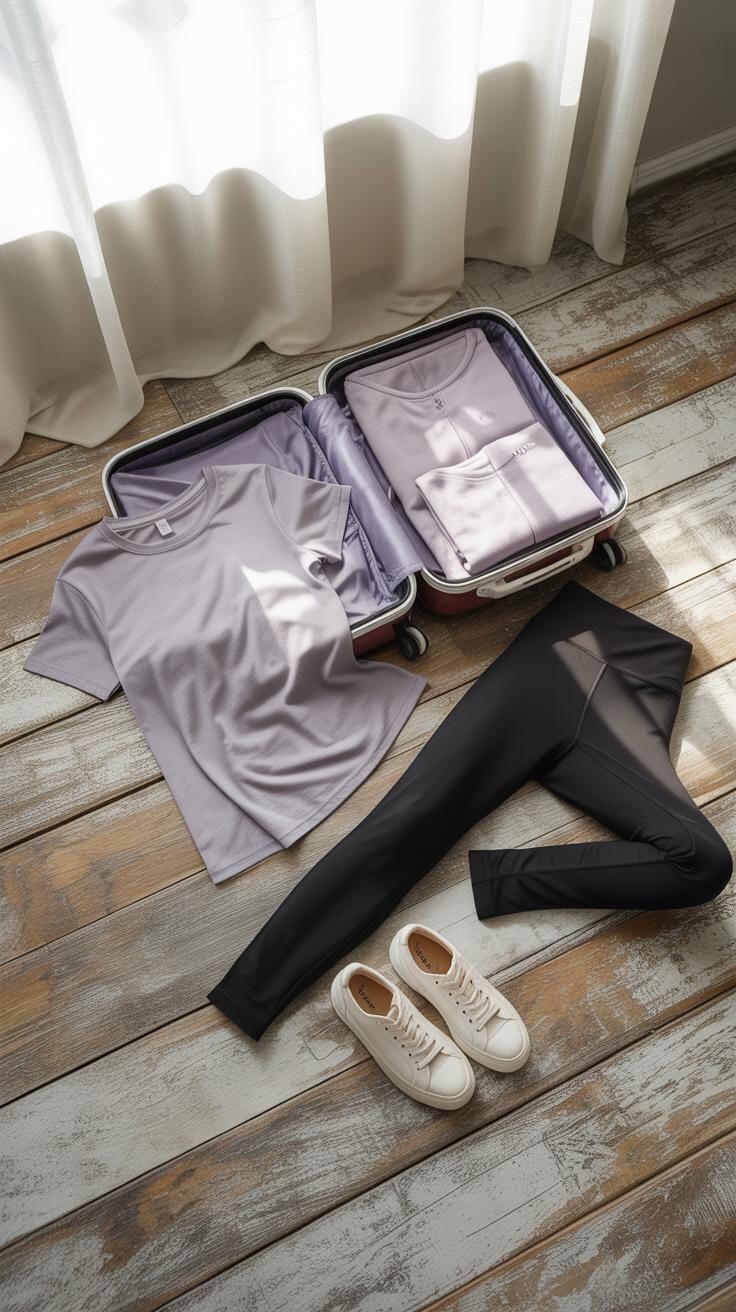
Mixing and matching is where your wardrobe really starts to stretch. You don’t need tons of clothes to look like you do. Sometimes just a few basics can spin into multiple outfits if you approach it right. The trick? Think about pairing colors and patterns carefully, and then layering in simple accessories.
Start with a solid base of neutral pieces—think black, white, grey, navy, or beige. These ground your outfit, so when you add a patterned shirt or a colored jacket, it doesn’t clash or feel overwhelming. For example, a white tee with navy pants is a classic combo. Add a striped or checked overshirt and suddenly, it’s fresh but still easy on the eye.
Patterns don’t need to be scary or complicated. A subtle stripe, a small check, or a fine polka dot can play well with solids. Just don’t try to juggle too many competing patterns at once—you’ll see it looks off. Stick to one patterned piece per outfit and keep the rest simple.
Accessories are your friends here, though less is more. A leather belt, a minimalist watch, or a clean cap can polish an outfit without turning it into a jigsaw puzzle. Even these small touches can boost confidence and make you feel more put together, without making you feel like it’s too much effort. Do you find yourself reaching more for accessories once your basics are solid? That always seems to be the case for me.
When you pick a few reliable neutrals and a couple accent colors you like, mixing becomes almost automatic. Try to stick with one or two accent colors—like olive or burgundy—and rotate those through your outfits for variety without mess. Do you ever notice how wearing mismatched colors can feel off, even if you can’t say why? Color harmony matters more than we realize.
Tools to Maintain Your Basics
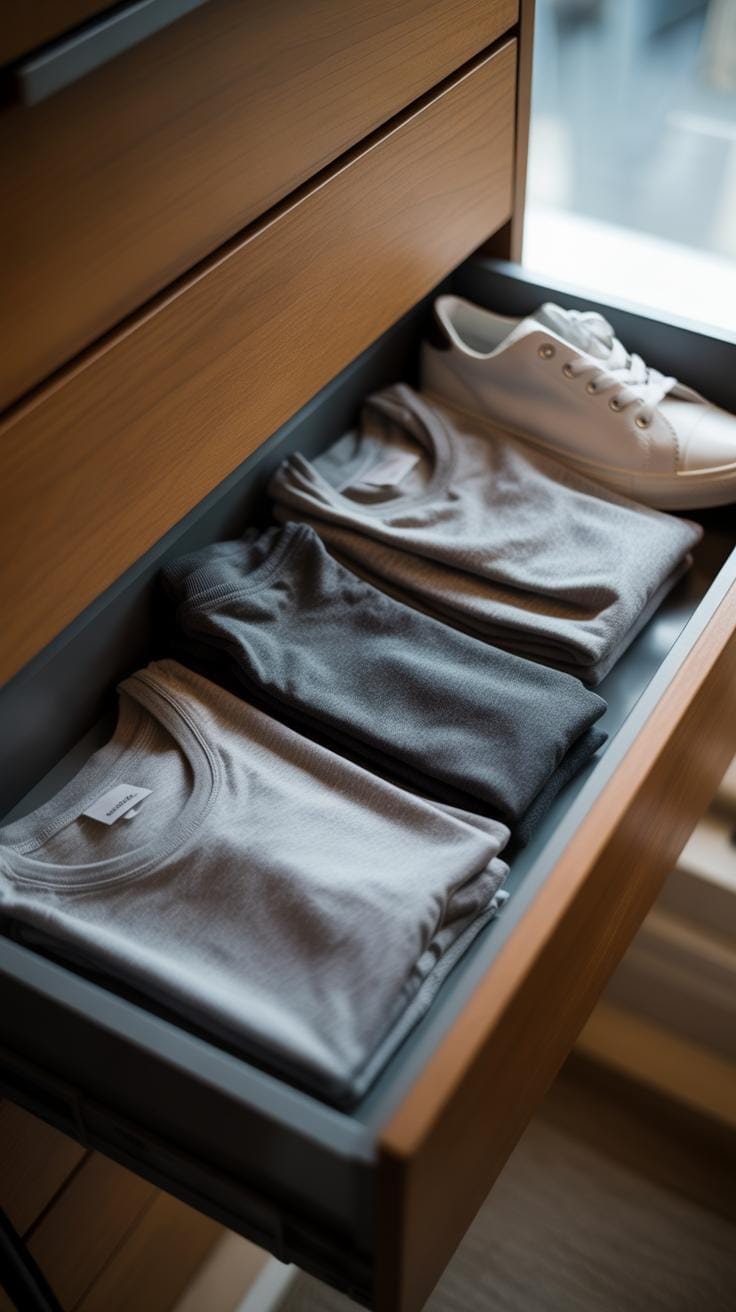
Keeping your basic outfits looking fresh doesn’t have to be a chore, but it does need some care and the right tools. You might think tossing everything in the washer and hoping for the best works, but it’s really more about developing simple habits that protect your clothes.
For starters, using a mesh laundry bag can help prevent delicate basics—like thin tees or fitted leggings—from snagging or stretching during the wash. Invest in a gentle detergent suited for everyday fabrics. Harsh chemicals or bleach can wear down the fibers faster than you’d expect.
When it comes to drying, air drying is ideal but not always practical. If you do use a dryer, opt for a low-heat setting. High heat can shrink cotton and warp synthetic fabrics. I’ve found that shaking out clothes before drying reduces wrinkles, cutting down on ironing time.
Simple repairs go a long way. A loose button or tiny hole left unchecked can quickly turn a favorite shirt into a discard. Keep a small sewing kit handy—everyone should, really—for quick fixes. Maybe try fabric tape or easy iron-on patches for those little tears if sewing feels like a hassle.
For storing basics, think beyond cramming everything onto a single rod. Fold heavier items like sweaters to avoid stretching shoulders. Use uniform hangers for shirts and jackets to keep the look orderly and easy on your clothes. Drawer dividers can keep smaller items organized and visible.
Does your wardrobe feel cluttered or chaotic? Sometimes a bit of reorganization makes all the difference. Perhaps try rotating seasonal basics, storing off-season pieces elsewhere—it might seem trivial, but it can drastically cut down on those frantic mornings spent searching for that ‘perfect’ white tee.
Common Mistakes to Avoid With Basics
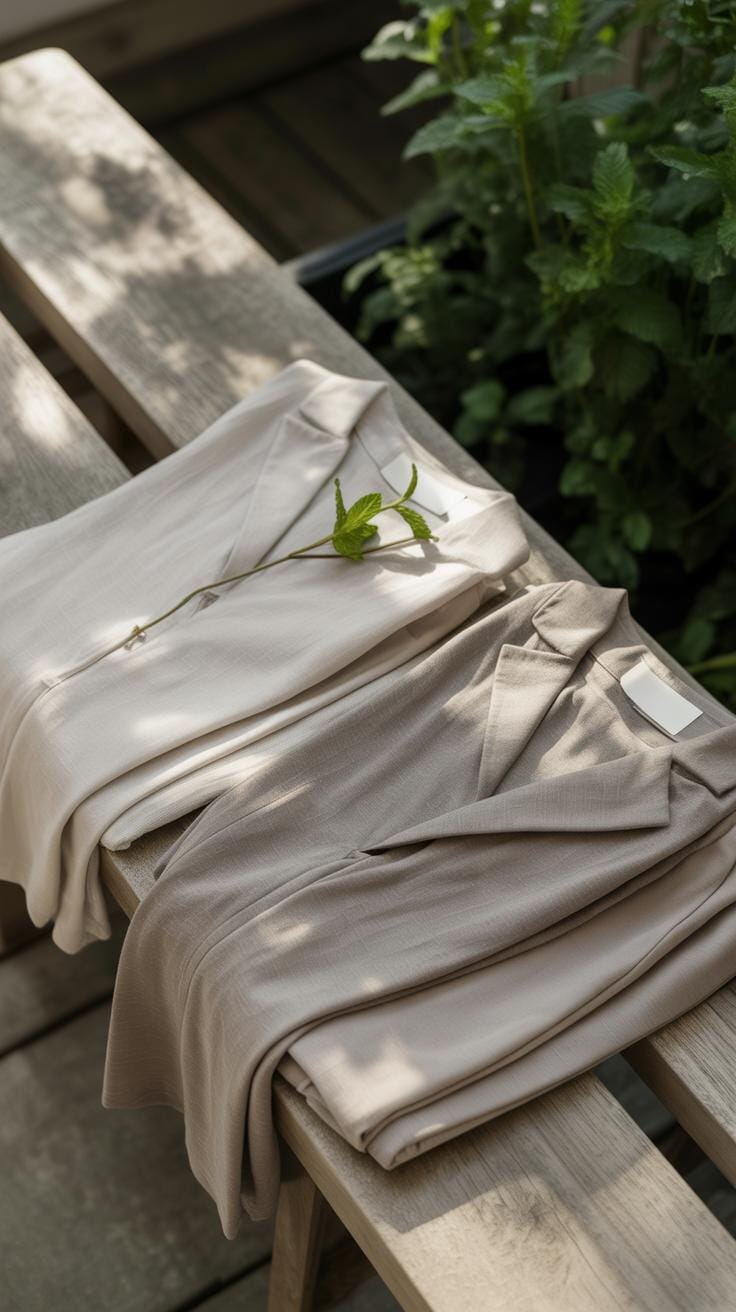
When building a wardrobe of basic outfits, it’s surprisingly easy to stumble into some familiar traps. One frequent issue is overbuying similar items. You might think having five plain white tees is smart—they’re versatile, right? But too many look-alikes don’t actually give you more options. Instead, they just clutter your closet and make choosing harder. Instead of quantity, focus on a few well-made pieces that feel good and last longer. I’ve found that investing in quality basics, even if it means fewer of them, pays off in daily wear and style coherence.
Another common mistake is neglecting fit and comfort. A basic piece can be bland, but if it fits right, it transforms how you feel and look. I’ve had those moments when a supposedly “perfect” sweater just pinched too tight around the shoulders, making me avoid wearing it—so frustrating. It’s worth taking time to try different cuts or sizes, because comfort helps you wear basics more often, and with confidence. After all, you’ll want your outfits to support your lifestyle, not restrict it.
Lifestyle Case Examples

Outfits for Office and Meetings
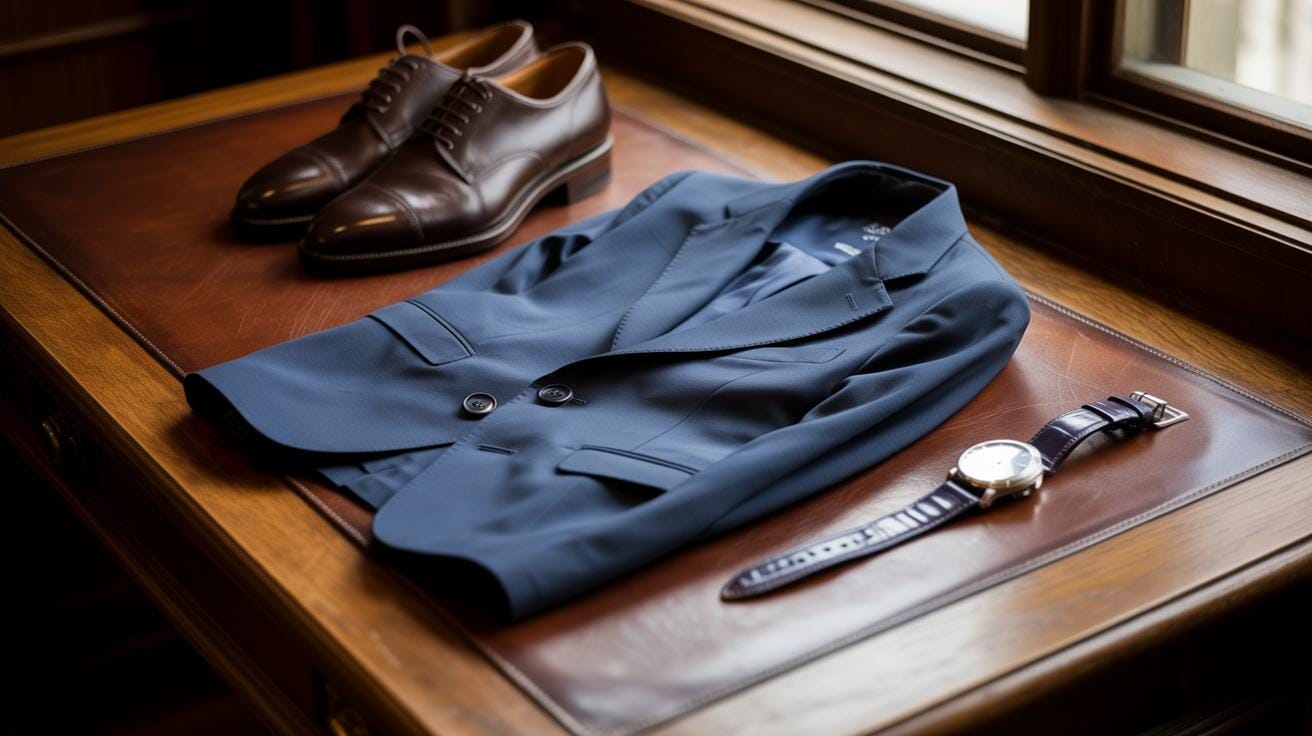
For office settings, mixing comfort with a professional touch doesn’t mean you sacrifice style—though it can feel that way sometimes. Think of a capsule wardrobe with a few key pieces: tailored trousers in neutral colors, a crisp white button-down, and lightweight knit sweaters or blazers. These staples stay fresh throughout long workdays without being stiff or restrictive.
You might pair slim-fit pants with a soft blouse and loafers, adding a structured blazer when meetings require a sharper look. And yes, a pair of neat sneakers can fit in if your workplace leans casual. The idea is to have pieces that layer well and won’t show wear too easily. Would you want a jacket that’s uncomfortable or a shirt that wrinkles after an hour? Probably not.
Fitness-Ready Everyday Looks
Outfits designed to flow from gym to grocery store might seem like a challenge but can be surprisingly straightforward. Start with performance leggings or joggers paired with moisture-wicking tops. Add a simple zip-up hoodie or a bomber jacket for layering outside the gym. These works for running errands, quick coffee stops, or walking the dog.
It’s interesting how fabrics that move with your body also tend to look better for longer wear. A plain, fitted t-shirt with neutral tones won’t scream “workout” all day. Have you noticed how practical it feels to skip the outfit change? You get out of the gym and straight into your day without fuss.
Planning Seasonal Adjustments
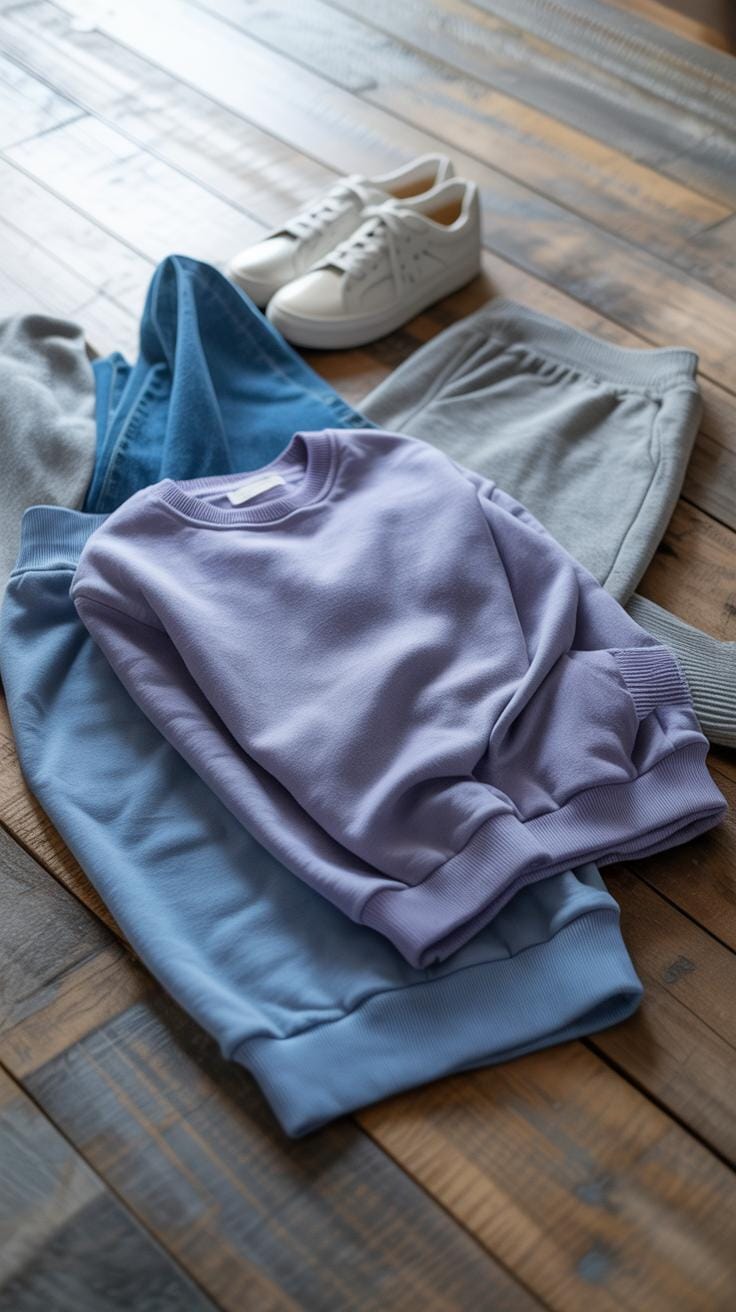
Adjusting your basic outfits through the seasons is less about replacing your entire wardrobe and more about making thoughtful tweaks. Think of layering as your best friend, especially when weather changes each day in unpredictable ways. For example, a simple cotton tee paired with a light cardigan can carry you from a cool morning to a hot afternoon without much fuss.
Select fabrics that breathe well in warm months but offer warmth when needed. Linen and lightweight cotton work well in summer—they keep you cool but still look put together. When the cold hits, switch to wool, flannel, or thermal blends. These hold heat better without feeling bulky, letting you maintain that basic look without the clunky vibe.
Accessories act as subtle indicators of season too. Swapping out sandals for ankle boots or straw hats for knitted beanies lets you keep the same core pieces but change your look’s mood instantly. Ever find yourself debating if layering a scarf is too much? Sometimes layering can feel heavy but surprisingly, a thin scarf adds just enough warmth without making you sweat.
Summer and Warm Weather Basics
In warm climates, lightweight fabrics are your go-to. Cotton tees, tank tops, and loose-fit shorts work best to keep cool. Colors matter here; lighter shades like pale blues, whites, and soft pastels tend to reflect heat and feel more relaxed.
- Choose breathable fabrics—linen and cotton are especially forgiving during hot days.
- Opt for looser cuts to encourage airflow but avoid anything too oversized that might appear sloppy.
- Swap heavy denim for lightweight chinos or breathable joggers for freed movement.
- Simple accessories like sunglasses or a light hat can finish the look without overheating you.
Even in warm weather, sticking to basics means you can mix and match without fuss. Though, I sometimes wonder if the obsession with white in summer wardrobes is a bit overstated—white’s great, yes, but it can stain easily, which is a hassle.
Winter and Cold Weather Layers
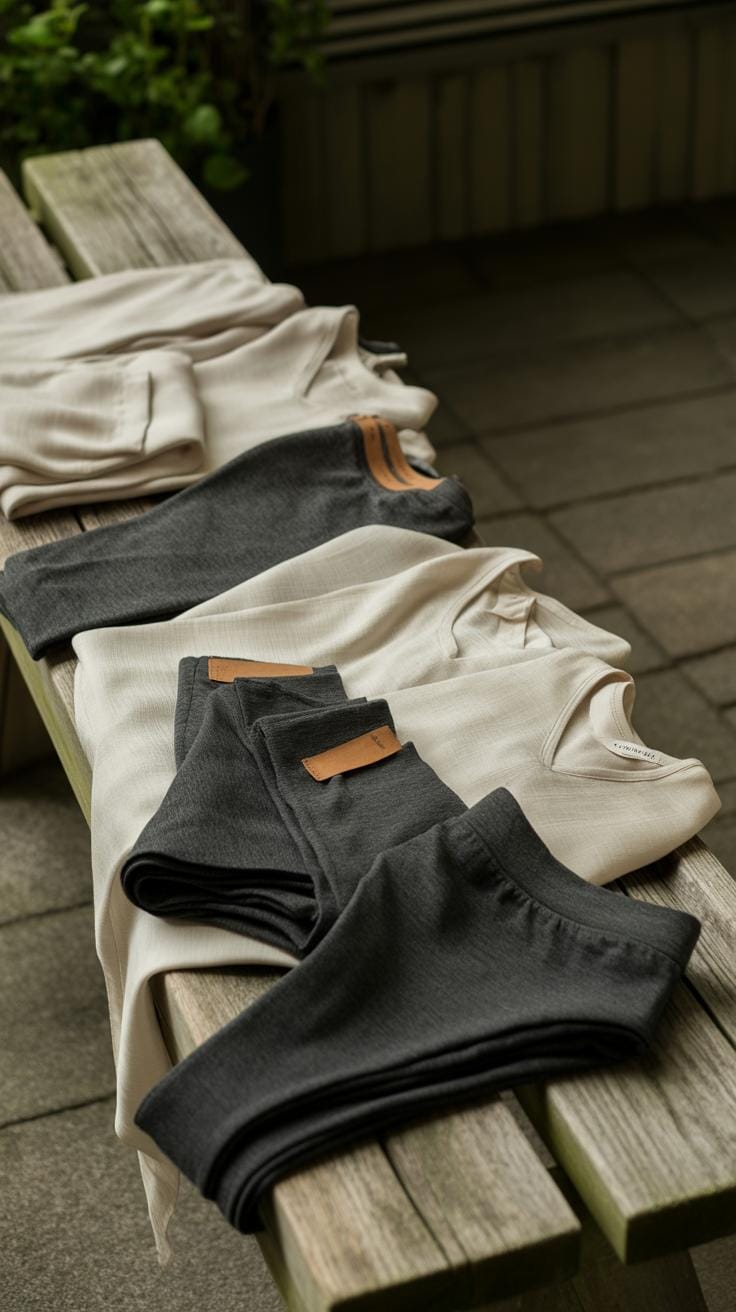
Cold weather calls for a bit more planning, but keeping your outfit functional and stylish isn’t impossible. Start layering thin basics like long-sleeve tees or thermal tops under sweaters. Wool pullovers or fleece jackets add warmth without bulk.
- Choose outerwear that blends well with your core pieces—think classic pea coats, parkas, or quilted jackets.
- Materials like wool, cashmere, and heavy cotton hold heat well and elevate a simple outfit.
- Build layers you can remove as you move indoors or the sun comes out—this flexibility is key.
- Don’t overlook accessories—scarves, gloves, and hats not only add warmth but polish your look.
Sometimes I over-layer and end up feeling like a walking pufferfish, but starting with a good set of base layers avoids all that chaos. Are you someone who prefers looking sleek over sheer warmth? Then focusing on fitted layers might be worth the effort, even if it takes some trial and error.
Conclusions
Having a well-planned basic outfit system allows you to dress quickly and confidently every day. By focusing on staple pieces and understanding how to combine them, you simplify your wardrobe and reduce decision fatigue. This makes dressing not just easier but more enjoyable.
Your wardrobe becomes a tool supporting both style and fitness goals. Stick to the checklist of essential items and mix and match effectively. Your efforts will pay off with a versatile closet that works for any occasion.