

Introduction
Athletic outfits and gym outfits play a major role in how you look and feel during your workouts. Knowing the differences between these types of clothing can help you pick the best style for your fitness needs and personal taste.
This article covers key points like outfit styles, materials, and how to create good looks for fitness that stand out. You’ll get tips on choosing and combining pieces for both athletic wear and gym clothes.
What Are Athletic Outfits
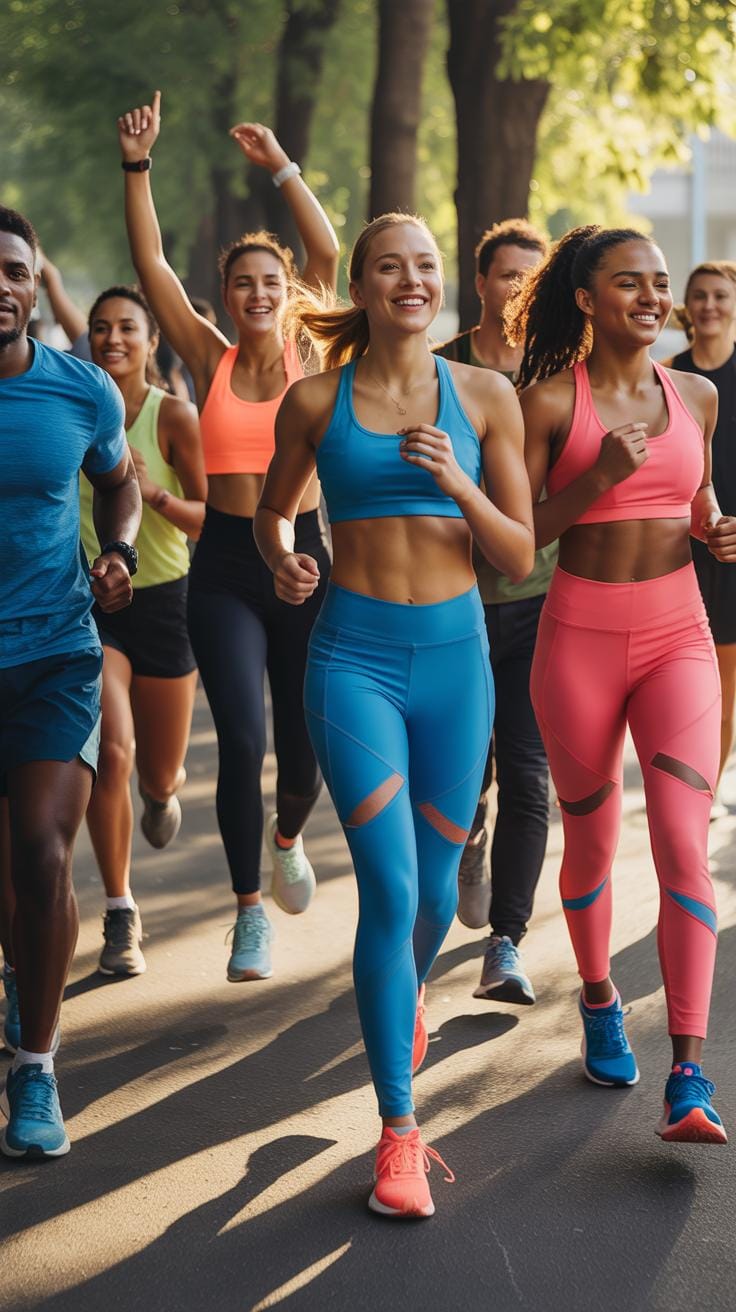
Athletic outfits are clothing specifically designed for physical activities and exercise. Their main purpose is to support performance, comfort, and sometimes style during workouts or sports. These outfits are crafted to handle motion well and provide breathability, letting you focus on your activity without distractions.
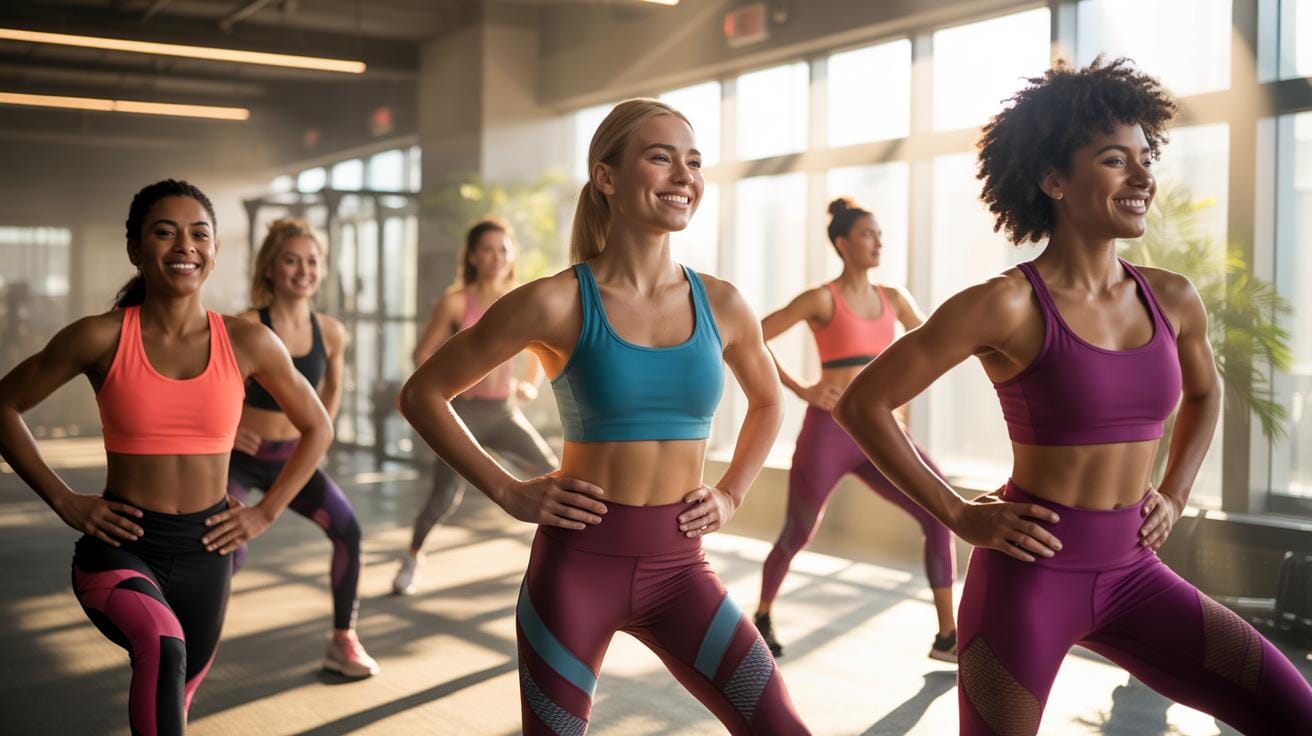
When you think about athletic clothes, they often include items like tops, shorts, leggings, and jackets that conform to your body’s movements. The design tends to balance form and function, which means they shouldn’t be too loose or too tight, although preferences may vary. For example, you might prefer a snug fit for yoga but a looser option for running.
Common Athletic Outfit Materials
Most athletic clothes use materials selected for comfort, durability, and sweat management. Fabrics like polyester and nylon are popular because they dry quickly and resist stretching out of shape. Cotton is breathable, yet it soaks up sweat and can feel heavy, so it’s less common in high-performance gear.
In recent years, blends that mix synthetic fibers with spandex or elastane have become common to provide stretch and maintain shape. These fabrics help the garment move with your body. Many brands also incorporate moisture-wicking technology that pulls sweat away, keeping your skin drier and potentially reducing irritation.
Typical Design Elements In Athletic Wear
Athletic wear often features certain design elements catering to both aesthetics and utility. The fit is usually tailored but not restrictive, allowing flexibility without excess fabric that might catch or drag.
Colors vary widely, from bold, bright hues to neutral tones. This range can reflect mood or style, or even function as visibility aids if you exercise outdoors.
Other common elements include mesh panels or ventilation zones to boost airflow, flat seams to reduce chafing, and elastic waistbands for comfort. Pockets sometimes appear but are kept minimal to avoid bulk. It’s interesting how these design details blend practicality with style, letting you feel good and move freely.
What Defines Gym Outfits
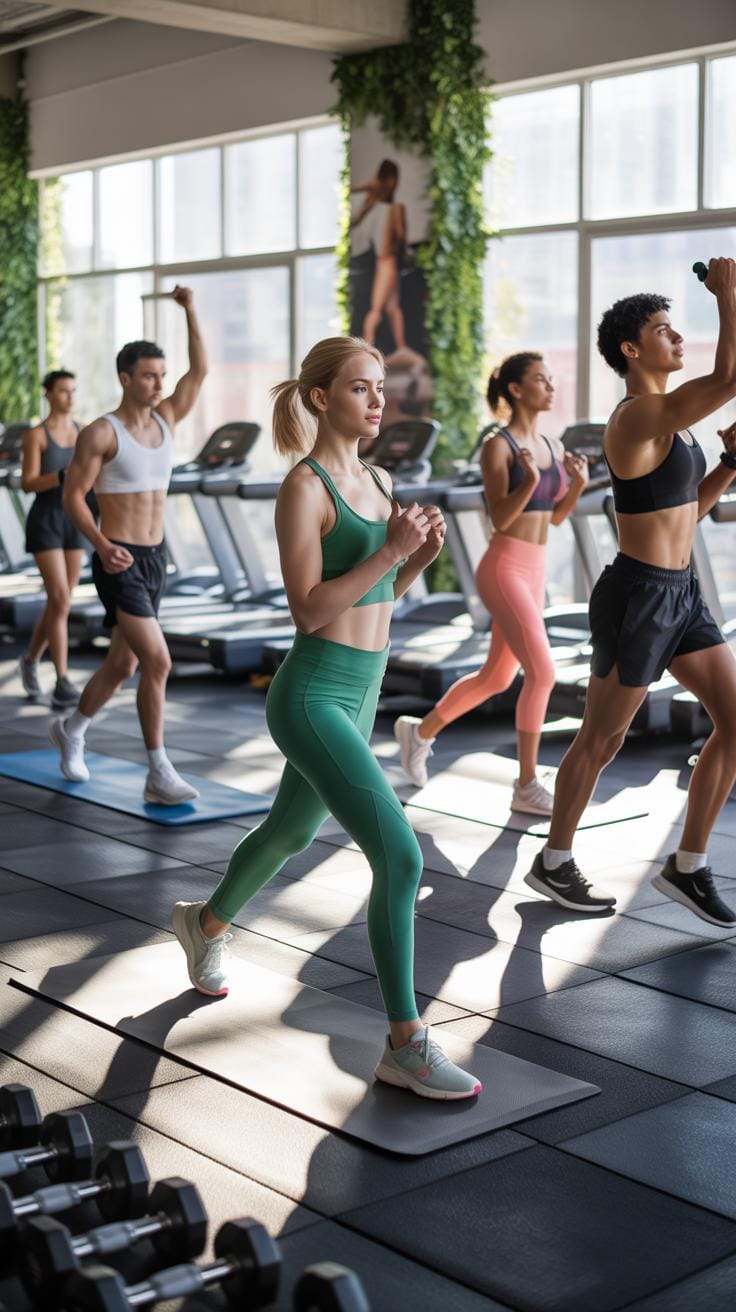
Gym outfits usually focus on function over flash, designed to support your workout rather than just look good. Typically, you’ll find garments like leggings, tank tops, sports bras, and shorts dominating the scene. These pieces prioritize fit — they hug your body just right to let you move freely but stay in place during intense activity.
The essence is wearing something that feels like a second skin but offers a bit of structure. Leggings, for example, often come with a high waistband to keep them from sliding down as you squat or stretch. Tank tops offer freedom of movement while providing enough coverage, and sports bras are tailored to give varying levels of support depending on your activity. You might wonder if there’s a one-size-fits-all. Honestly? Not quite. Your routine and body type play a role in what works best.
Gym wear isn’t about mere aesthetics. It’s about combining comfort with performance, so each garment is thoughtfully designed to meet your needs in motion.
Materials Tailored For Gym Use
When it comes to gym clothes, the fabric is almost as important as the design. Stretch, breathability, and durability are key. You want something that moves when you do, but also lets air flow to help you stay cool and dry.
- Spandex or elastane blends offer that needed stretch, so your clothes feel flexible, not restrictive.
- Polyester and nylon are popular for their moisture-wicking properties — they pull sweat away from your skin, helping to keep you dry during a tough session.
- Mesh panels or inserts are often added to boost breathability in high-sweat areas.
- Durability is crucial too, especially if you work out frequently. Fabrics must withstand repeated washing without losing shape or function.
Selecting the right fabric can change your workout experience more than you might expect. Sometimes, I find myself avoiding certain materials after a couple of months because they get too worn or lose their “bounce.” Have you experienced that too?
Key Gym Outfit Features
Gym outfits often come equipped with technical details that you might not immediately notice but make a big difference:
- Support: Sports bras often include adjustable straps and clasps to customize support. Proper support reduces discomfort and distraction.
- Compression: Compression gear is designed to increase blood flow and reduce muscle fatigue. Some find it boosts recovery, while others aren’t convinced it’s essential.
- Quick-dry technology: Fabrics treated to dry fast mean less stickiness and chafing. This is especially useful if you move from a sweaty gym class to running errands right after.
Of course, not all features suit everyone. Some people appreciate compression pants for running, but might skip them during yoga. It really depends on your preferences and workout style.
Athletic Outfits Versus Gym Outfits
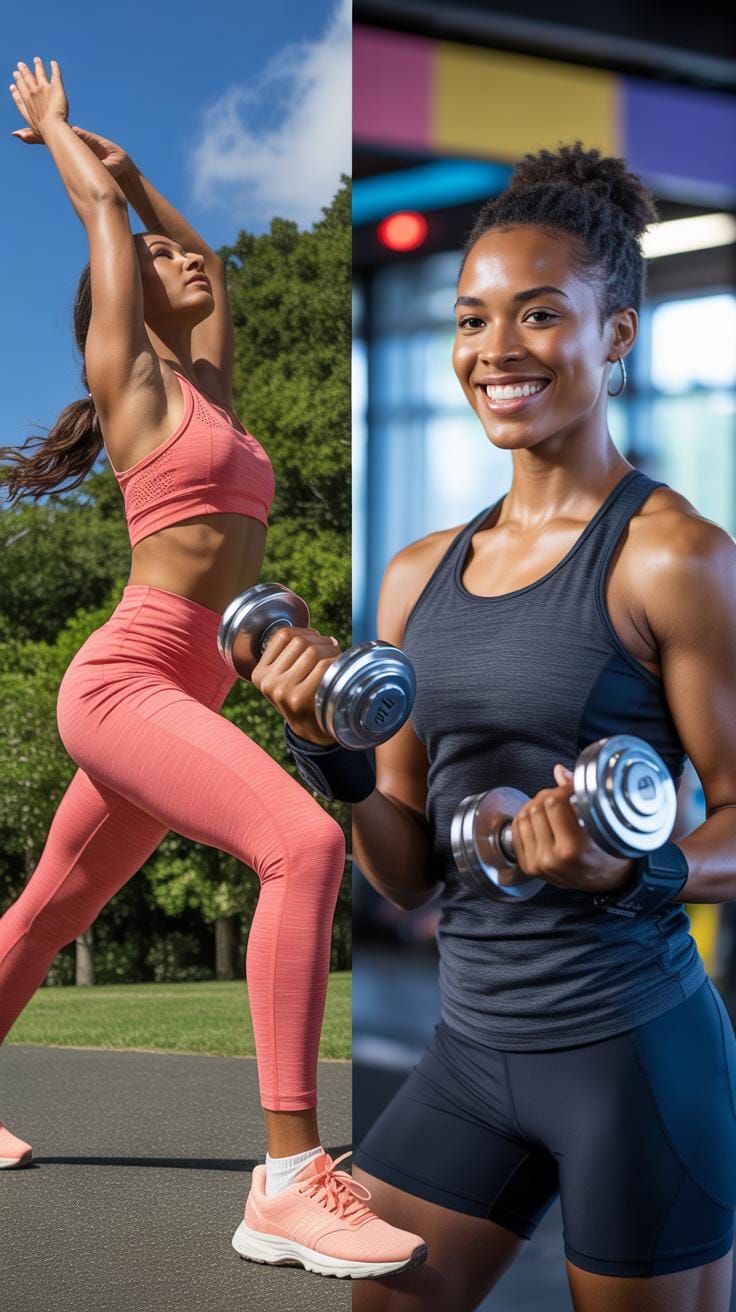
When you think of athletic outfits, imagine gear designed for multi-purpose physical activity. These outfits blend style with functionality, suitable for running errands, playing sports, or casual outdoor activities. Gym outfits, on the other hand, often focus more narrowly on comfort and performance during indoor workouts. They tend to favor materials optimized for sweat-wicking and breathability, making them practical for intense exercise sessions.
Style-wise, athletic outfits often include more diverse designs, including trendy cuts, vibrant colors, and sporty elements. Gym wear is typically sleeker—a bit more streamlined, sometimes minimalistic—and focused on ease of movement and durability. For example, a trendy track jacket paired with leggings works well for an athletic look outside the gym, but a moisture-wicking tank and shorts might be more your go-to inside the gym.
Comfort levels vary too. Athletic gear can sometimes lean towards loose or layered to adapt to outdoor climates, whereas gym wear often fits snugger to stay in place during dynamic movements. Of course, personal preference plays a big role here. Some people prefer their gym clothes to look stylish enough to wear outside, blurring the lines between these categories.
Overall, the best choice depends on what you plan to do and where. There’s no right or wrong, just what suits your routine and style best.
How To Choose Your Fitness Attire
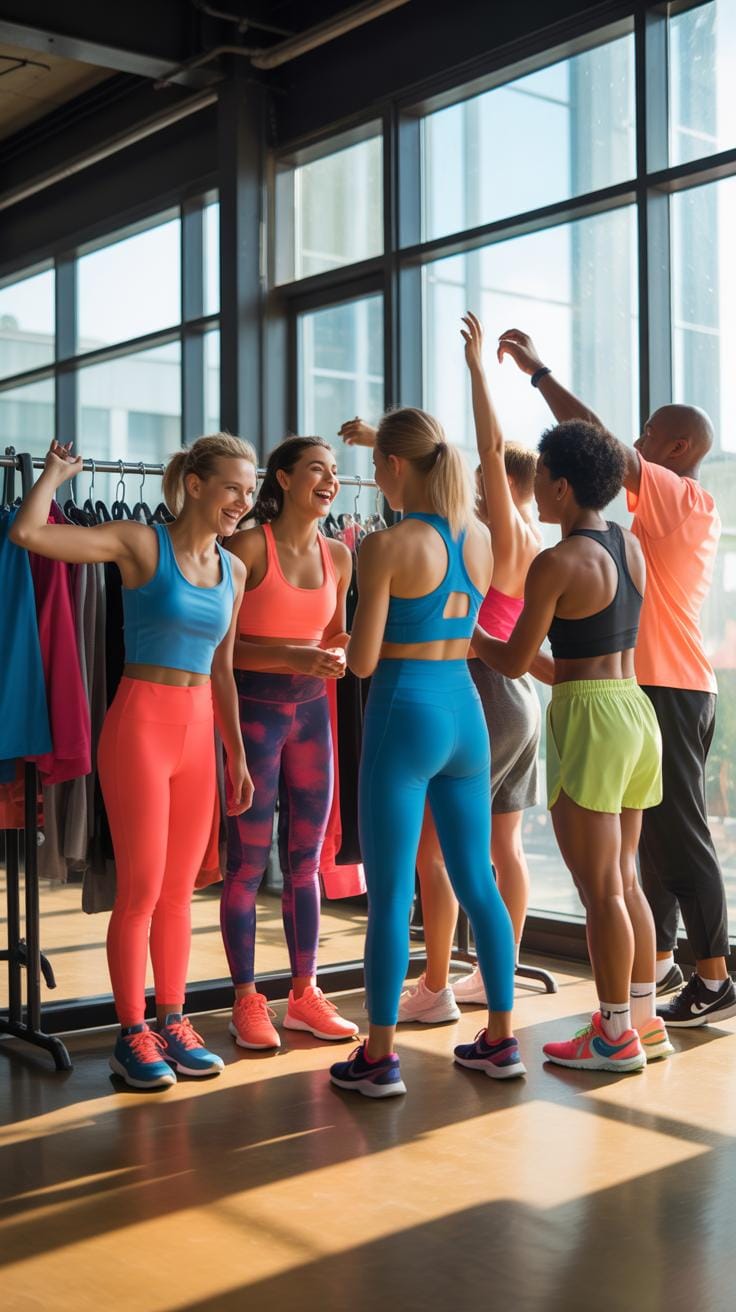
Choosing the right athletic outfit isn’t just about grabbing the trendiest piece on the shelf. It requires thinking about what kind of activity you plan on doing. For example, running demands lightweight, breathable fabrics that wick away sweat, while yoga calls for stretchy, comfortable materials that move with you.
Climate plays a role too. If you’re working out outdoors in cold weather, layering might be necessary to stay warm but not overheated. On the other hand, in hot, humid conditions, moisture management becomes key. You want fabrics that dry quickly and won’t stick to your skin awkwardly.
Personal style also matters. Maybe you prefer clean, minimal looks or you like bold colors and patterns. Your outfit should make you feel confident because that can affect your motivation. Don’t shy away from trying a few different styles to see what suits you well, even if it means mixing some unexpected pieces.
Checklist For Selecting Fitness Clothes
- Consider activity-specific requirements (stretch, breathability, support).
- Check the fabric’s moisture-wicking ability.
- Evaluate the fit—too tight or too loose can impact performance.
- Think about layering options for different temperatures.
- Look for durability in seams and materials.
- Comfort should come before fashion, but both can coexist.
What Questions To Ask Before Purchasing
- Does this fit my body shape and size comfortably?
- Will the fabric handle sweat well, or will it become heavy and clingy?
- Is the outfit suitable for the type of exercise I do regularly?
- Can I move freely without restrictions?
- Does it require any special care that fits my lifestyle?
Thinking through these details might feel a bit much, but it can save you from frustrated tries later. I’ve personally found that taking the time to consider these aspects helps avoid clothes that look fine on the hanger but fail in actual use. You might even discover a new favorite piece unexpectedly. It’s a bit of trial and error, but a thoughtful approach usually leads to better choices.
How To Layer Athletic Outfits
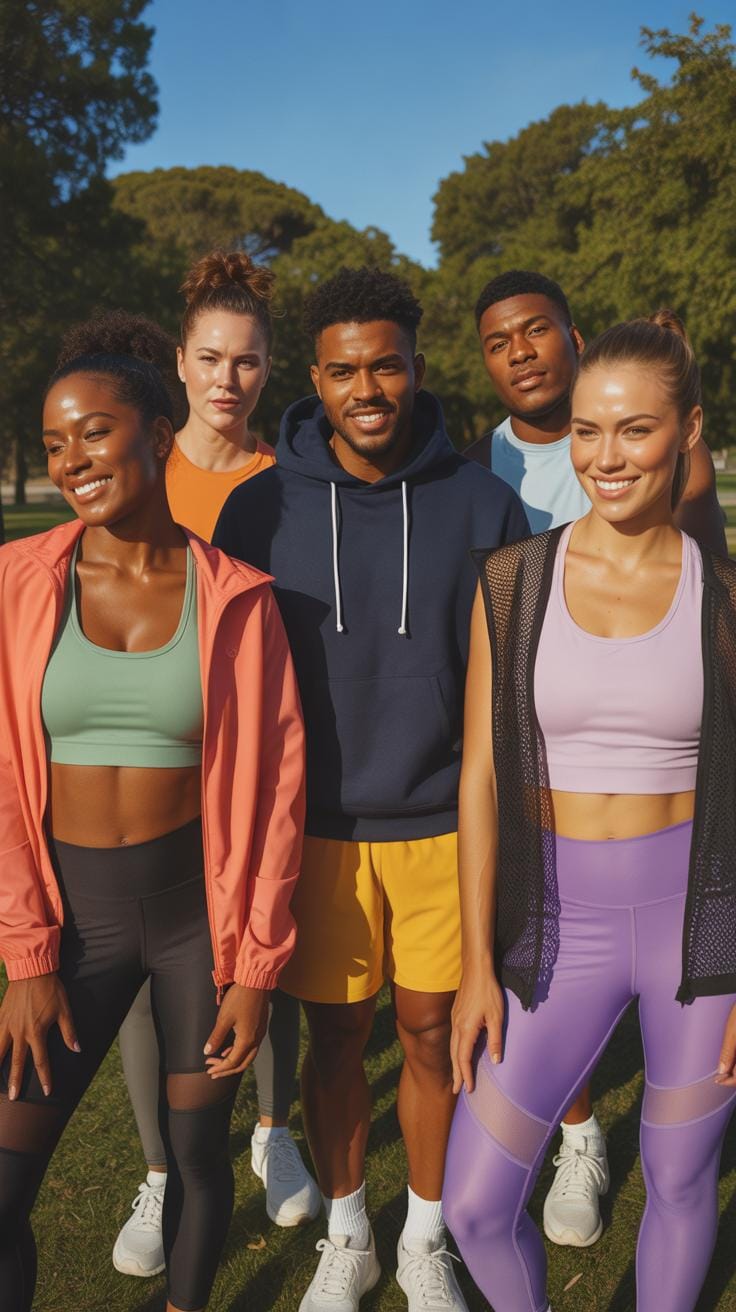
Layering athletic outfits is a practical skill that can really enhance your fitness experience. It’s not just about piling on clothes—you want to adjust based on weather shifts and how hard your workout will be. Think about it this way: your layers act like adaptable protection zones.
Basic Layers For Workout Comfort
The foundation is the base layer, which touches your skin directly. It should wick away sweat effectively, keeping you dry. Usually, lightweight and breathable fabrics like polyester blends work well here.
The middle layer provides insulation. It’s what keeps you warm if the temperature dips or when you begin to cool down after active exercise. This could be a fleece or a thicker jersey, but not too bulky—you want freedom of movement.
The outer layer is your shield against wind, rain, or snow. A water-resistant jacket or a windbreaker fits this role. You might want ventilation options too, so you don’t overheat.
Example Layer Combinations
For a chilly outdoor run, start with a long-sleeve moisture-wicking base, add a light fleece hoodie as your middle, and finish with a windproof shell.
Doing indoor cycling on a cool morning? A sleeveless base layer under a breathable, loose-fitting top might suffice, with a lightweight jacket ready for the ride home.
Yoga in a heated room? You’ll likely stick with just a comfortable base layer, but a thin wrap or hoodie is handy for pre and post-session.
Do you notice yourself constantly adjusting layers mid-workout? That’s normal. Layering is part science, part trial. Experiment with combinations until you find what suits your style and workout intensity.
Styling Gym Outfits For Everyday Wear
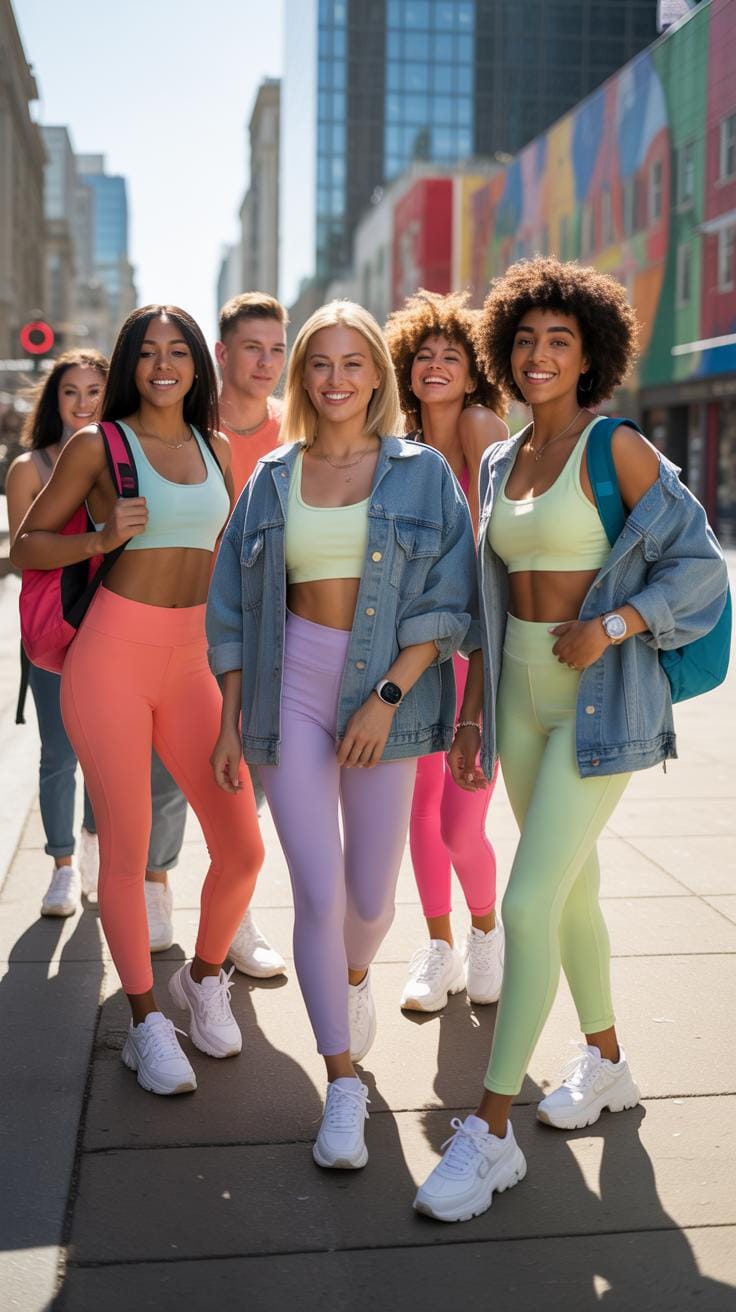
Making gym clothes work outside the workout zone isn’t as tricky as it seems. You can turn a simple gym outfit into a casual or athleisure look with a few thoughtful tweaks. Pick gym wear that doesn’t scream “just finished exercising.” Think sleek, minimalist designs and high-quality fabrics that can double as casual wear.
For instance, a fitted tank top can pair nicely with a denim jacket or a cozy cardigan for a relaxed but put-together vibe. Opt for leggings or joggers that have a clean silhouette, without loud logos or patterns. These choices lend themselves well to everyday activities—running errands, grabbing coffee, or meeting friends at a casual spot.
Layers are your friend. Adding a stylish sweatshirt or bomber jacket can shift the look from purely workout-focused to street-ready. It’s about balance—keeping comfort but adding just enough style cues to feel confident wearing it beyond the gym walls.
Pairing Gym Clothes With Casual Items
How you combine gym tops and bottoms with casual items matters a lot. Here’s what can work:
- Pair a sleek sports bra or crop top with high-waisted jeans or a flowing skirt for a sporty yet feminine touch.
- Bring out your gym leggings by matching them with an oversized button-down shirt or a trendy knit sweater.
- Use neutral tones like black, gray, or navy for gym essentials so they blend easily with casual layers.
- Try mixing textures—smooth, stretchy gym fabrics with cotton, denim, or even leather pieces can create an unexpectedly chic look.
- If you want to keep it simple, just throw on a pair of classic joggers with a clean-cut t-shirt or hoodie.
Footwear And Accessories To Match
Footwear can make or break the gym-to-street transition. Clean, fresh sneakers with a minimalist design are usually the safest bet. White or black sneakers can work with almost anything and elevate gym clothes into casual wear. Perhaps you want to experiment with slip-on shoes or casual loafers when it’s appropriate, but sneakers have that unbeatable versatility.
Accessories add personality and polish. Consider baseball caps, sleek backpacks, or simple jewelry like hoops or chains to enhance your look. A well-chosen watch or a pair of sunglasses can make your outfit more cohesive. Just don’t overdo it; keep these touches subtle to avoid clashing with the sporty style.
Do you find mixing gym wear with everyday style a bit odd, or does it feel like a practical choice? It’s a balance, sometimes awkward but often surprisingly stylish when done right.
Maintaining Your Athletic Clothes
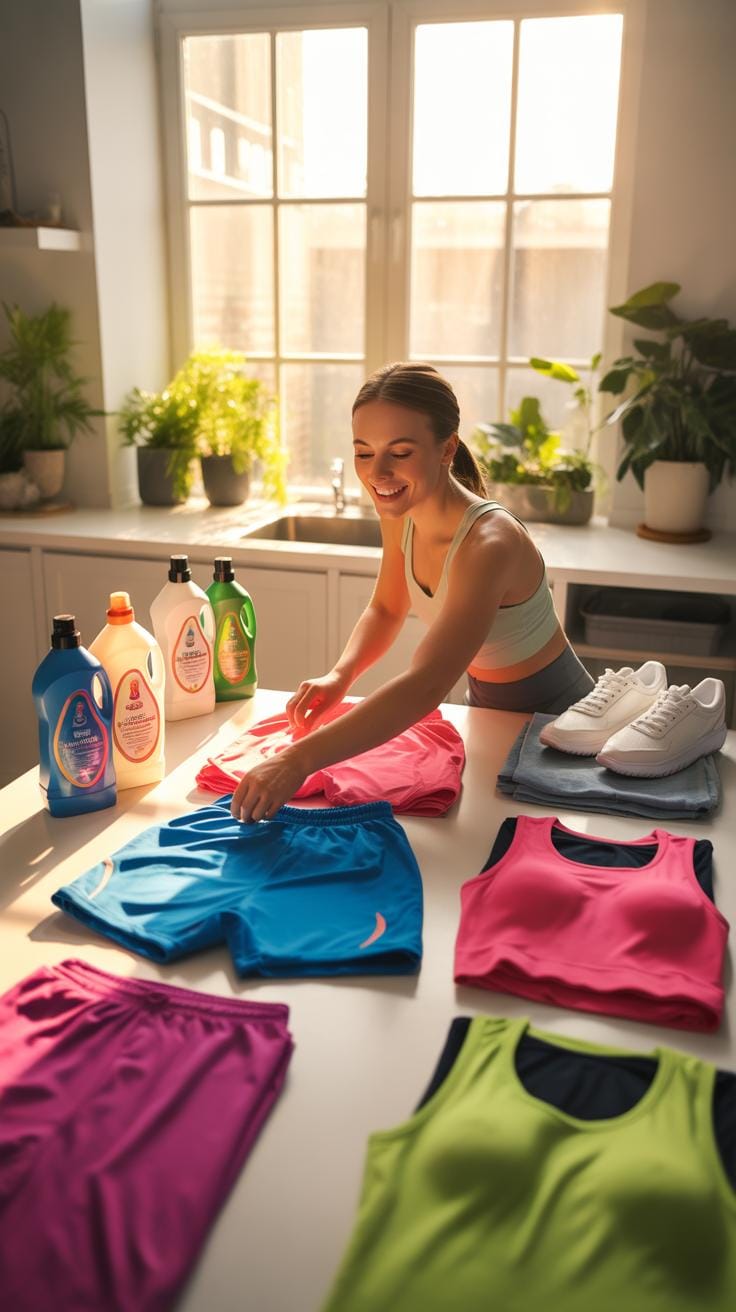
Caring for your athletic outfits means more than just tossing them in the wash after every session. If you want your workout clothes to last and perform, you’ve got to treat them right. That means being a little mindful about how you clean and store them—something many overlook. The fabrics in athletic wear are designed to handle sweat and movement, but they can get damaged easily if washed or dried the wrong way.
Washing And Drying Guidelines
Start by avoiding harsh detergents and fabric softeners; they can break down the technical fibers and reduce moisture-wicking abilities. Instead, use a gentle detergent, preferably one formulated for activewear. Turn clothes inside out to protect colors and reduce pilling.
Cold water washing is usually best—hot water can shrink or ruin stretchy materials. Also, skip the dryer when you can; high heat harms elastic fibers and may cause your clothes to lose shape. Air drying is preferred, though if you use a dryer, opt for a low heat setting to minimize damage.
Storage Tips For Durability
How you store your athletic clothes can influence how long they maintain their fit and feel. Avoid cramming them into tight spaces or stuffing them in piles, as this can stretch out the fabric. Instead, fold them neatly or hang them on padded hangers. It’s tempting to throw sweaty clothes in the laundry bin without airing them out first, but that promotes odor and fabric breakdown, so let them breathe if you can.
Remember, small care steps go a long way to keeping your gym clothes looking good and performing well during every workout, even if it takes a bit of extra effort. It’s like investing in yourself, one outfit at a time.
Common Mistakes With Fitness Outfits
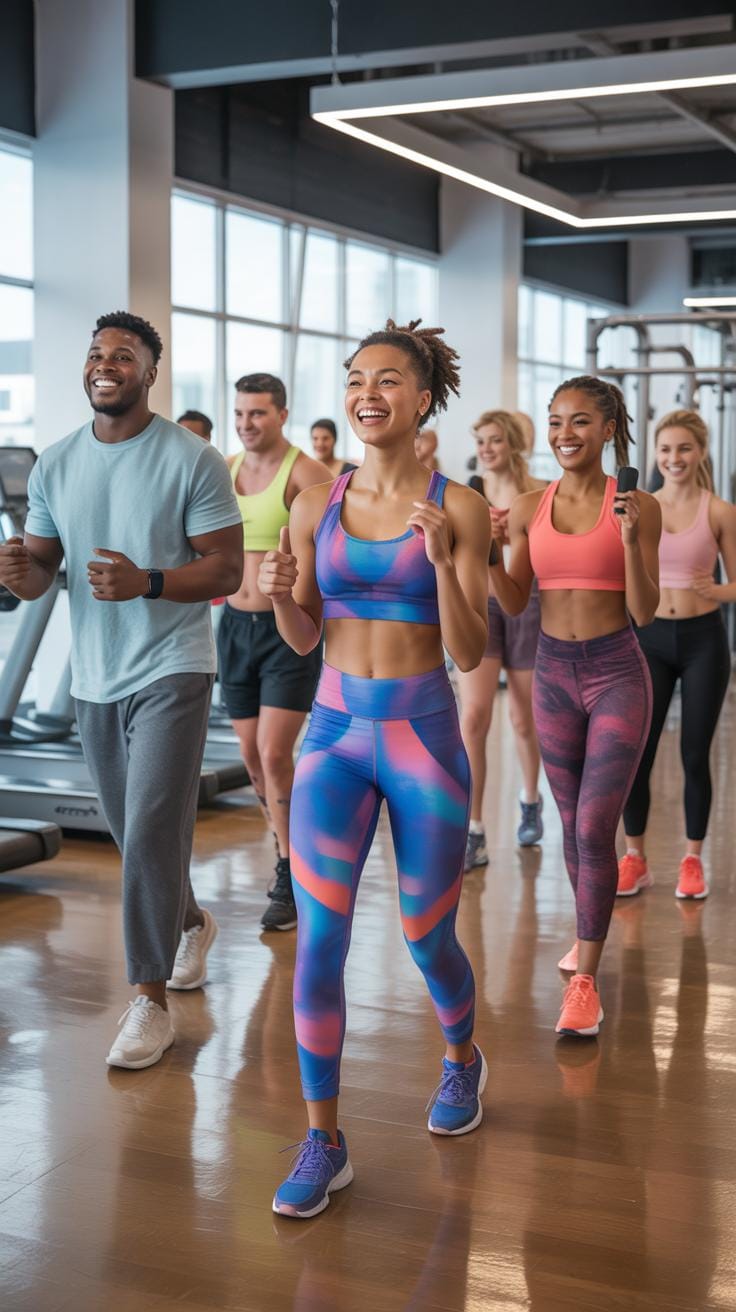
Mistakes In Fit And Fabric
One of the most common mistakes with athletic outfits is choosing the wrong fit. Clothes that are too tight might restrict your movement and cause discomfort, while overly loose outfits can get in the way when exercising. It’s surprising how often people overlook this balance. I’ve seen many wearbaggy gym shorts that constantly slip, and it’s not just annoying—it can actually distract from a workout.
Fabric choice also matters a lot. Some pick cotton for workouts thinking it’s comfortable, but cotton tends to trap sweat and doesn’t dry quickly, making the experience sticky and unpleasant. Technical fabrics like nylon, polyester, or spandex blends, specifically designed for sports, keep sweat away and allow skin to breathe. These materials stretch, move with you, and dry fast.
Styling Mistakes To Avoid
On the style side, there are pitfalls too. Wearing outdated, faded, or mismatched pieces can make gym clothes look less intentional and sloppier than they need to be. Sometimes people just throw on random clothes without thinking about color coordination or silhouette, and it shows. Also, layering too many pieces might sound like a good idea, but it often ends up bulky and uncomfortable rather than stylish.
Accessories, or the lack of thought toward them, also influences the overall look. Wearing the wrong shoes or ignoring details like socks can throw off an otherwise decent outfit. You might not care about style every session, but even small choices impact how you feel—and that, in turn, affects your motivation and confidence while working out.
Athletic Outfit Examples For Inspiration
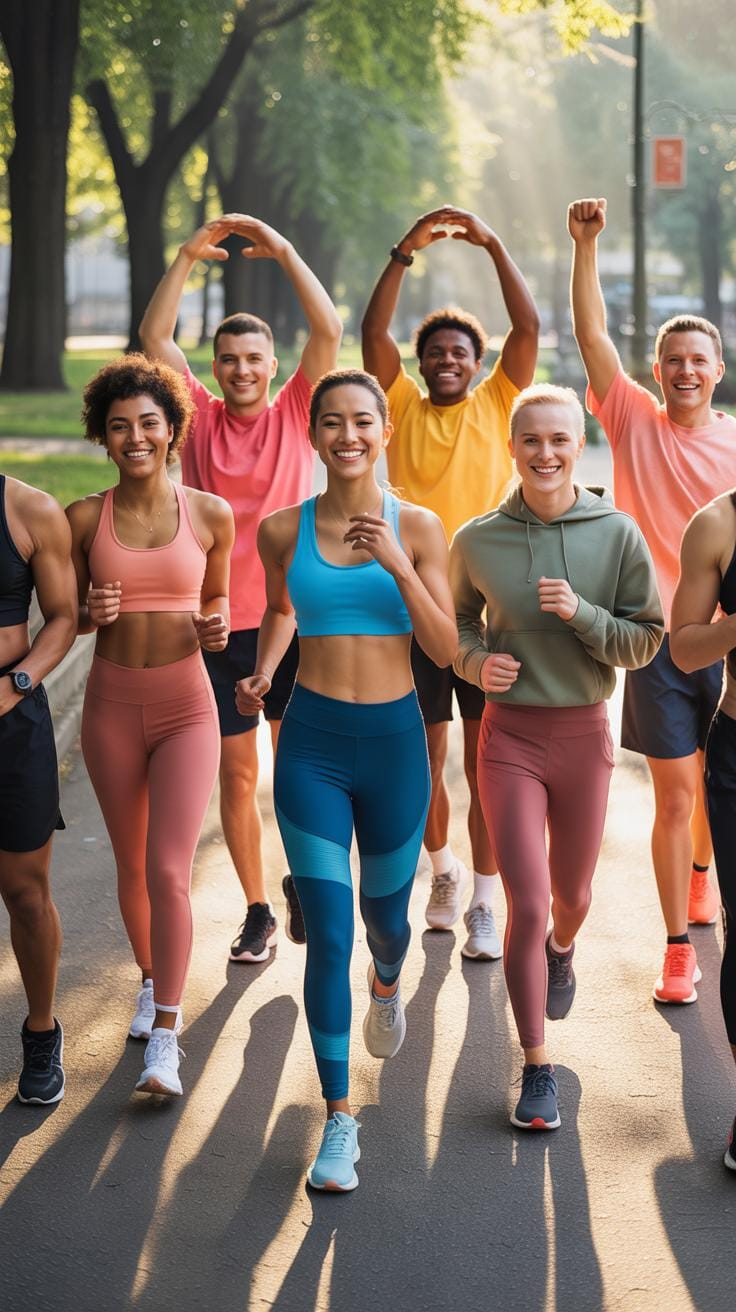
Outfits For Indoor Gym Sessions
When gearing up for indoor workouts, comfort and function tend to take center stage. Consider pairing moisture-wicking t-shirts with flexible, breathable leggings or fitted shorts. The key is to pick items that allow easy movement without getting in your way.
For example, you might choose a simple fitted tank top with supportive sports bras beneath and matching leggings in neutral shades. Sneakers with good grip and ankle support round out this look smoothly. Maybe add a lightweight zip-up hoodie for warm-ups or cool-downs—something you could slip off easily as you warm up.
Small details matter too. A gym-ready outfit might include mesh panels or ventilation zones, helping to keep you cool. Don’t forget accessories like sweatbands or minimal jewelry that won’t interfere with your workout. This makes the whole outfit practical but also visually tidy.
Outfits For Outdoor Activities
Outdoor athletic outfits demand a slightly different approach. Running or hiking might require more durable fabrics and layers that protect from the elements but still breathe well. Think of moisture-wicking long-sleeve tops layered under lightweight, water-resistant jackets.
In cooler weather, combine fitted athletic tights with trail shoes made for different terrains. A cap or sunhat can work wonders in sun-intense conditions. You might also consider gloves or arm warmers that can come on or off as needed.
If you’re into cycling or more dynamic sports, reflective details and bright colors increase visibility, adding a safety aspect to style. This isn’t just about looking good, but about being smart on the move. How often do you check if your outdoor gear fits the shifting weather? It really makes a difference in comfort levels during extended sessions outside.
Tracking Fitness Fashion Trends
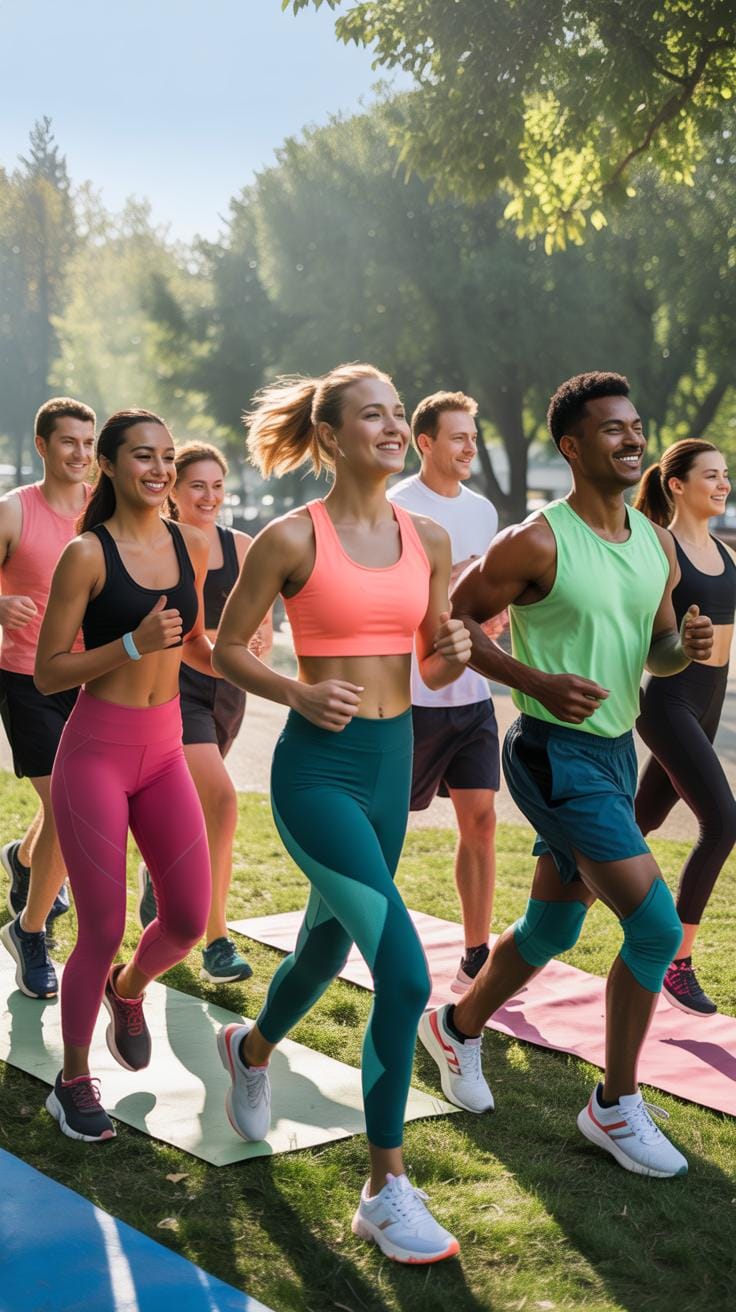
Fitness fashion changes more often than you might expect. Every season, new colors, fabrics, and cuts appear, shaping what people wear during workouts. But how do you keep up without feeling overwhelmed? It’s tricky because trends flicker in and out fast, and not every new look suits your style or activity. You don’t want to buy into every fad and end up with a closet full of outfits that don’t fit your needs or personality.
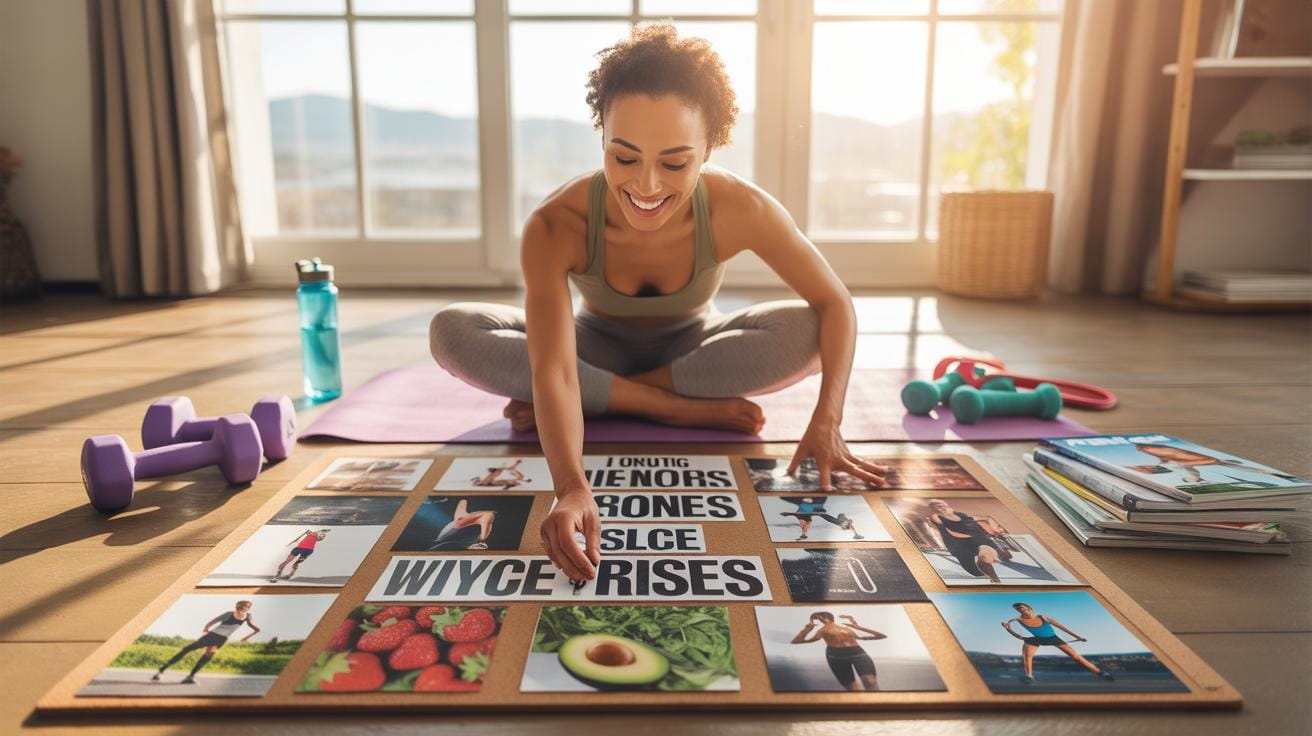
One practical way to stay updated is to watch key sources regularly. Fitness magazines offer a curated view on upcoming styles, featuring expert opinions and spotting emerging trends early. Social media accounts of athletes and fitness influencers show real people wearing and mixing styles in authentic settings. Also, scanning what popular stores stock can give you a sense of what’s in demand right now, especially if you visit their websites and physical stores.
Incorporating trends into your athletic wardrobe demands care. For example, if bold prints are big this season, maybe start with accessories or single pieces rather than overhauling your entire setup. It’s also smart to maintain staples that work well for your body and type of training. Mixing a trendy top with classic leggings can refresh your look without sacrificing comfort or function. And sometimes, trends cycle back—what’s old can become new again, so keep an eye on your own collection before buying more.
Ultimately, the goal is to reflect your personal style while being fit for purpose. Have you noticed how people adapt trends differently? Fashion is personal, even in fitness. So, try things out, but don’t feel pressured to conform. What works for you might be a blend of timeless and current elements, with a bit of trial and error along the way.
Conclusions
Picking the right athletic or gym outfit changes how you perform and feel during exercise. Athletic outfits often focus on style and comfort for a broader range of activities while gym outfits are more about function and support for indoor workouts.
By understanding the differences and mixing pieces thoughtfully, you can create fitness looks that keep you motivated and confident. Your fitness wardrobe should work for both your activities and your sense of style.