
Introduction
Affordable skin care is essential for many people, especially those with oily skin. Oily skin can lead to shine, clogged pores, and acne, which makes it important to find effective skin care solutions that fit your budget. In this article, we focus on practical tips and simple steps for oily skin care that don’t cost a lot.
You will learn how to build a daily routine using affordable products and natural ingredients. We will share easy methods to keep your skin clean, control oil, and maintain a healthy look without spending much money. This guide helps you take control of your skin with simple, proven approaches.
Daily Cleansing Habits To Reduce Oil


Choosing The Right Cleanser
Finding a cleanser for oily skin can be tricky. You want something that handles excess oil without leaving your face feeling tight or dry. Look for ingredients like salicylic acid, which helps break down oil and unclog pores, or tea tree oil, known for its antibacterial properties. Glycolic acid can gently exfoliate without harsh scrubbing, which often leads to more oil production later on.

Some cleansers include clay or charcoal—both absorb oil effectively. But be cautious with anything too aggressive, like strong foaming agents or alcohol—they can strip your skin and trigger more oil as a reaction. You might have to experiment a bit. Personally, a gel-based cleanser with a mild exfoliant worked best for me, but I’ve known people who found foaming cleansers too drying.
Proper Cleansing Technique
How you cleanse can matter as much as what you use. Start by washing your hands to avoid adding dirt or bacteria. Use lukewarm water—not hot, not cold. Hot water feels good but can irritate and dry your skin, making oil production spike. Cold water doesn’t cleanse as well.
Gently massage the cleanser into your face with your fingertips for about 30 seconds. No scrubbing or rough cloths—just soft, circular motions to lift away the grime and oil. Then rinse thoroughly and pat dry with a clean towel. Over-cleansing or too vigorous washing can upset your skin balance, ironically causing more oil. Twice a day—morning and night—is usually enough. Overdoing it won’t make your oil disappear faster.
Sticking to this simple routine can reduce shine and prevent breakouts over time. It might feel tedious at first, but your oily skin will thank you. Have you noticed any difference when skipping a cleanse? Often, your skin feels oilier and heavier by midday, proving the point. So, even if you’re in a rush, try not to skip those cleansing steps.
Affordable Ingredients To Control Shine

When it comes to managing oily skin without breaking the bank, some ingredients stand out for being both effective and inexpensive. For example, witch hazel works as a natural astringent that can tighten pores and reduce excess oil. You can find pure witch hazel in most drugstores for just a few dollars. Apply it with a cotton pad after cleansing—just be careful if your skin feels too dry, as it can be a bit drying for some.
Tea tree oil is another option worth considering. It has antibacterial properties that help prevent breakouts while also calming irritation. You only need a few drops diluted in a carrier oil or your moisturizer to see benefits, which makes it last a long time.
Then there’s niacinamide, a vitamin B3 derivative found in many affordable serums and creams. It helps regulate oil production and strengthen your skin barrier. Using a product with around 5% niacinamide twice a day might sound fancy, but you can actually find powerful versions at reasonable prices online or at drugstores.
Using Salicylic Acid Products
Salicylic acid is a staple for oily and acne-prone skin. Why? Because it penetrates deep into pores and dissolves the oil and dead skin cells that clog them. This exfoliating effect helps prevent the build-up that causes blackheads and breakouts. I’ve tried a few low-cost salicylic acid cleansers and toners, and honestly, some worked surprisingly well. You don’t need the fanciest product.
Look for products with 1-2% salicylic acid. Those are usually gentle enough for daily use without drying your skin out completely. Some budget-friendly brands offer affordable strips, spot treatments, or even gels containing this ingredient. Start slow to see how your skin reacts—you might find it becomes less shiny and smoother over time.
Natural Options Like Clay Masks
Clay masks have a long history of absorbing excess oil and drawing out impurities from the skin. Bentonite and kaolin clays are often the go-to choices. Bentonite is great for oily skin because it sticks to sebum and dirt, while kaolin is gentler, suitable if you want something less harsh.
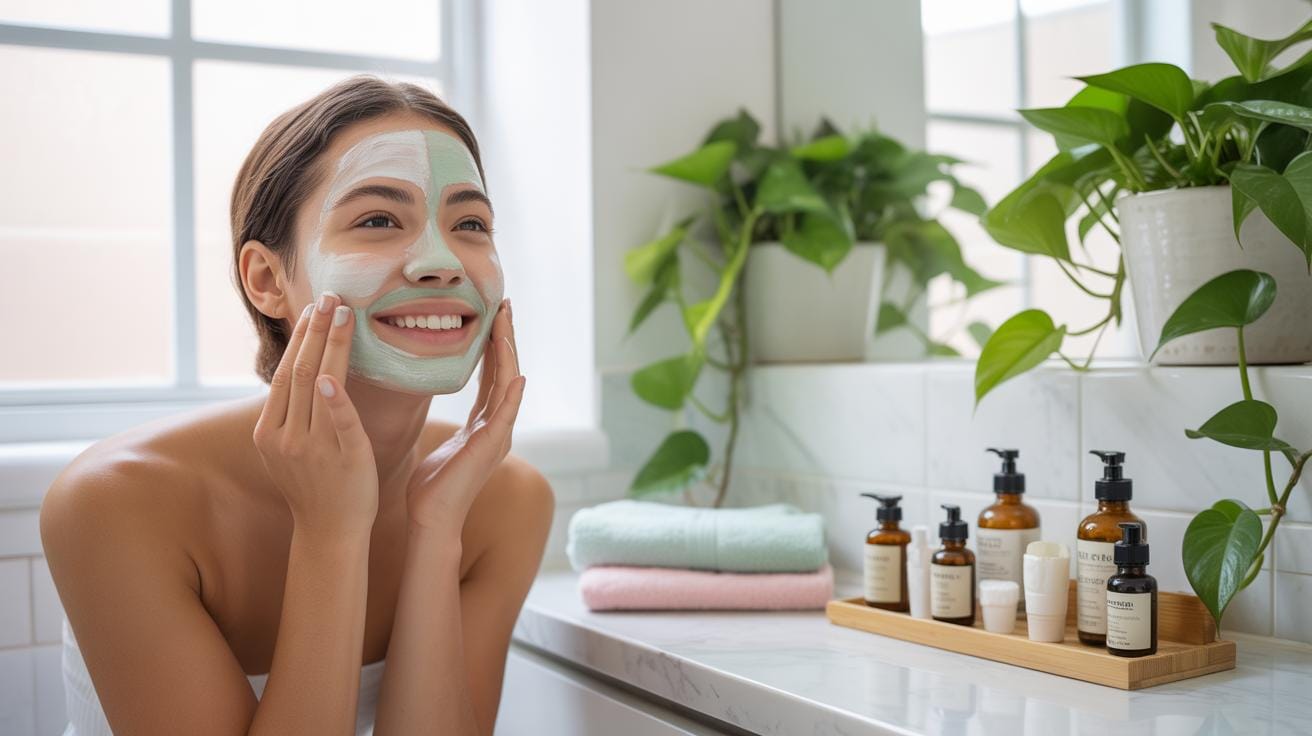
Making a mask at home is simple: mix a teaspoon of clay powder with water or apple cider vinegar until it forms a smooth paste. Apply it to your face, leave it for 10-15 minutes, then rinse off with warm water. Don’t leave it on too long or your skin might get irritated.
You can buy affordable clay powders from health stores or online. Even bulk options tend to be cheap and last a while. The best part? They’re natural, and you can customize them by adding things like honey or aloe vera to suit your skin’s needs.
Building Your Skin Care Kit On A Budget

Putting together a skin care kit that works for oily skin doesn’t need to drain your wallet. Start with a gentle, foaming cleanser formulated for oily skin—that means something that controls oil but won’t strip your skin dry. Something like a salicylic acid cleanser from a drugstore can do the trick and usually costs less than $10.
Next up, a lightweight, oil-free moisturizer. You want hydration, but without the heavy feel. Look for terms like “non-comedogenic” and “gel-based” on the label. Brands like Cetaphil or Neutrogena offer affordable options that suit oily skin well.
Don’t forget a spot treatment for those occasional breakouts. A benzoyl peroxide gel or a sulfur-based product can help calm pimples without breaking the bank. These usually come in small tubes, perfect for targeted use and lasting a while.
Sunscreen is crucial, but you might wonder if oily skin means heavy or greasy sunscreen. Not really. You can find mattifying, oil-free sunscreens designed specifically for oily skin types at reasonable prices, often in drugstores or online. Something with 30 SPF and a lightweight texture is perfect.
Selecting Essential Products
Focus on four main types: cleanser, moisturizer, spot treatment, and sunscreen. For each, pick products that balance oil control with hydration. Ingredients like salicylic acid, niacinamide, and lightweight formulations can make a real difference. Avoid heavy creams or anything too thick. Don’t get the fanciest packaging—that rarely means better results, but it usually means higher prices.
Also, think about size and multipurpose use. For example, a moisturizer with built-in SPF might work for daytime, reducing the need for extra products.
Cost Saving Tips For Buying Skin Care
Drugstores are often your best bet. They stock many brands that focus on oily skin care without the designer price tag. Keep an eye out for sales or clearance items, especially online. Signing up for newsletters from reputable brands sometimes nets you first-order discounts or coupons.
Consider buying multipacks or larger sizes if you’re sure about the product—it usually lowers the price per ounce. Online retailers like Amazon or Walmart often offer competitive pricing and subscription options that add further savings.
But don’t buy blindly. Reviews help, sure, but maybe test a product in store first, or start with travel sizes before investing in full ones. With oily skin, what works can be unpredictable, so a smaller initial purchase saves regret and money.
Moisturizing Without Adding Grease

Many people with oily skin hesitate to moisturize, thinking it might make their skin even greasier. But skipping moisturizer isn’t the answer. Oily skin still needs hydration to stay balanced, to avoid overproducing oil as a reaction to dryness. The trick is finding the right moisturizer—something light that won’t clog your pores or leave a shiny finish.
Look for products labeled non-comedogenic, which means they’re less likely to cause breakouts. You want a moisturizer that absorbs quickly and feels breathable. If you’ve ever tried heavy creams and felt like your face was suffocating, you know what to avoid.
Identifying Lightweight Moisturizers
So, what makes a moisturizer suitable for oily skin? Focus on these:
- Oil-free formulas: These avoid adding extra oils that can build up on the skin’s surface.
- Water-based products: They hydrate without heaviness.
- Ingredients like glycerin and hyaluronic acid: Both draw moisture to the skin and hold it there without greasiness.
- Gel or lotion textures: These tend to be lighter than creams and absorb quickly.
Some people find that products containing niacinamide help regulate oil production, making them a bonus for oily skin, though individual reactions vary.
How To Apply Moisturizer Correctly
Applying moisturizer for oily skin isn’t about slathering it on. Too much can cause buildup and shine, while too little leaves skin parched.
Here’s a simple routine that might work better for you:
- Start with a small amount, roughly a pea-sized drop.
- Warm it between your fingertips to make it easier to spread.
- Gently dab it on your face — forehead, cheeks, nose, chin.
- Use light upward strokes to blend without rubbing harshly.
- Focus mainly on areas that feel dry but don’t ignore your whole face.
It’s tempting to rush applying moisturizer, but taking a moment to let it absorb fully before adding sunscreen or makeup can keep your skin feeling smooth, not greasy. Does this method feel different than what you’re used to? Sometimes, small changes make a noticeable difference.
Why Sunscreen Is Key For Oily Skin Care

Sunscreen often gets overlooked in oily skin routines because people worry it will make their skin feel heavier or greasier. But skipping it can actually make oily skin worse over time. Sun exposure can trigger excess oil production as your skin tries to protect itself, leading to more shine and sometimes even breakouts. Plus, UV rays age your skin and cause damage that no moisturizer can undo. So sunscreen isn’t just for dry or sensitive skin—it’s essential for oily types too.
When shopping on a budget, look for sunscreens labeled “non-comedogenic” or “oil-free.” These tend to avoid clogging pores or adding extra shine. It might take some trial and error, but many affordable drugstore options exist that balance protection and lightweight feel. Just keep an eye on ingredients—heavy oils and alcohols can sometimes trigger reactions or make oil worse.
Choosing Non-Greasy Sunscreens
Not all sunscreens are made equal, especially for oily skin. If you want something that won’t sit on top of your skin like a greasy layer, consider these options:
- Matte finish formulations: They offer sun protection but leave your skin looking less shiny. Perfect for daytime wear.
- Gel-based sunscreens: These absorb quickly and feel lightweight, which often keeps excess oil at bay.
- Mineral-based sunscreens: Zinc oxide and titanium dioxide sit on the skin’s surface and usually don’t cause breakouts. They also tend to be less irritating.
Personally, I found gel formulas don’t layer heavily under makeup. And some matte sunscreens, even on a shoestring budget, stopped my skin from feeling like an oil slick by noon. Just remember that a mineral sunscreen might leave a slight white cast—sometimes worth it for the skin benefits.
Daily Sunscreen Application Tips
Here’s a straightforward routine to keep oily skin protected without overdoing it:
- Start with a clean, moisturized face. Sunscreen applies best on slightly damp skin.
- Use about a nickel-sized amount and dot it evenly across your forehead, cheeks, nose, and chin.
- Gently pat or smooth it in—avoid rubbing too harshly; it can stimulate oil production.
- Give the sunscreen a couple of minutes to absorb fully before applying makeup or heading out.
- Remember to reapply every two hours if you’re outdoors. For indoor days, a single morning application often suffices.
I used to skip reapplying because it felt like adding layers, but switching to a lightweight gel made it less bothersome. Sunscreen isn’t just a one-step task—it works better when you treat it like a regular part of your skin routine, even if oily skin sometimes fights back with extra shine.
How Diet Affects Oily Skin

Foods That May Increase Oil
When it comes to oily skin, what you eat can play a bigger role than you might expect. Greasy foods, like fast food or fried snacks, often lead to more oil production—not just because they’re oily on the outside, but because they can trigger inflammation inside your body. Sugary treats are another common culprit. High sugar intake spikes insulin, which can make your skin produce more sebum, resulting in that shiny, slick look you probably want to avoid. Dairy also deserves a mention; some people notice their skin gets oilier after drinking milk or eating cheese, though this doesn’t happen to everyone.
It can be confusing because not all greasy foods cause oily skin directly, but they set off a chain reaction that doesn’t help. Are you someone who craves sweets when stressed? Well, that could be making your oily skin worse without you realizing it. Sometimes it’s tricky to pinpoint exact triggers—a chicken nugget might not always cause a breakout, but it may add to the background oil buildup over time.
Better Eating Choices For Skin Health
Shifting to more budget-friendly foods that support skin health doesn’t have to be complicated or pricey. Simple swaps can make a difference. Here are a few ideas I found helpful and affordable:
- Fresh fruits like apples, berries, or oranges contain antioxidants that may reduce inflammation and balance oil production.
- Vegetables such as spinach, carrots, and cucumbers not only hydrate but also provide vitamins that benefit your skin’s natural barrier.
- Drinking plenty of water helps flush out toxins and keeps your skin from overproducing oil because of dehydration.
- Whole grains like brown rice or oats offer steady energy and less insulin spike compared to refined carbs, which may help with oil control.
Could changing your diet feel restrictive? Maybe a bit, but trying just one or two of these options might surprise you. Sometimes the hardest part is just figuring out what works for your skin’s unique needs. Maybe your skin likes a little bit of indulgence here and there, but grounding your meals in these simple, affordable choices could make oily skin easier to manage.
Spot Treatments Vs Whole Face Care
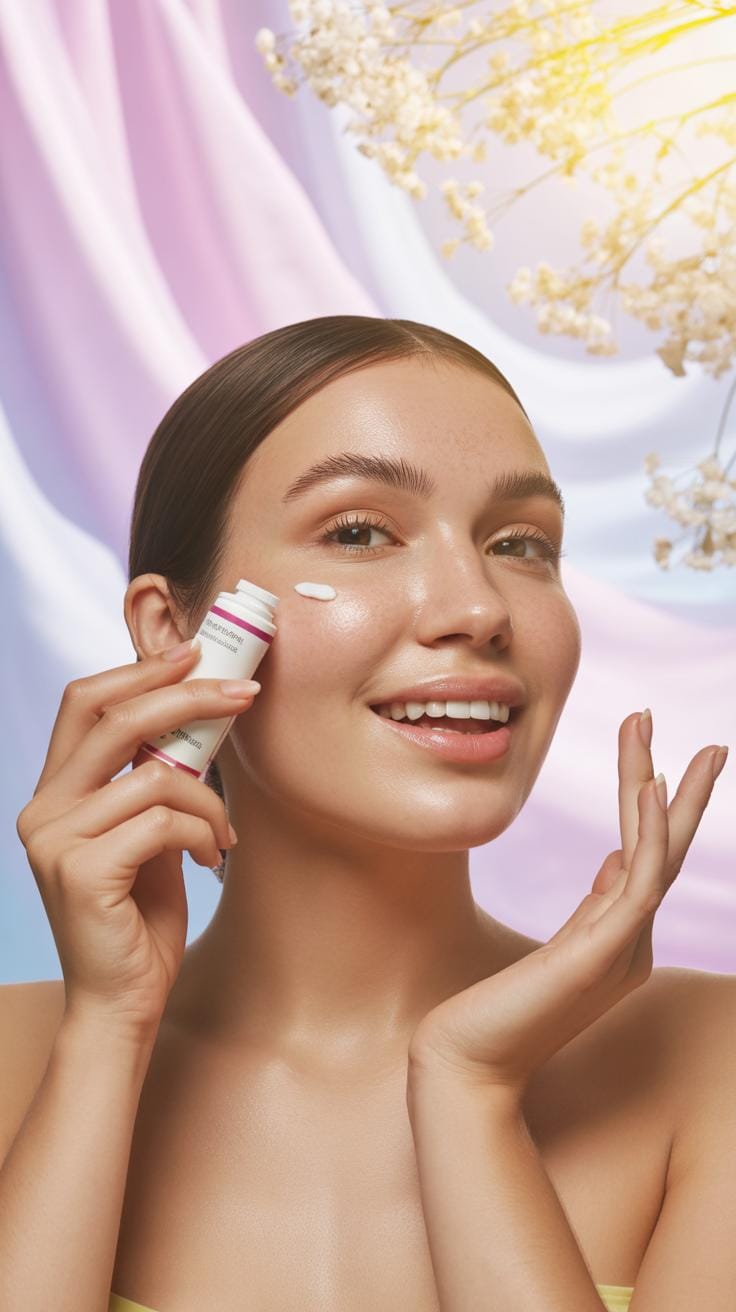
When dealing with oily skin, it’s tempting to grab a spot treatment the moment a pimple appears and slam it on everywhere. But, trust me, that’s not always the best approach. Spot treatments are designed to target individual breakouts — they usually contain stronger ingredients aimed specifically at shrinking pimples or calming inflammation. Using them on your whole face might dry out or irritate areas that don’t actually need it, which can lead to more oil production in some cases.
So, when should you use spot treatments? Ideally, only on active pimples or small clusters of blemishes. This keeps the product focused and prevents waste. Affordable options you might already have at home include a dab of diluted tea tree oil, a small bit of honey (which acts as a natural antimicrobial), or even a paste made from baking soda and water. These avoid splurging on pricey, branded spot treatments that can run out quickly.
On the other hand, whole face care is about consistency. Every day, you want to gently cleanse, tone, and moisturize your entire face to keep oil production balanced and pores clear. This doesn’t need to be expensive. Simple products with salicylic acid or gentle clay masks used weekly can keep your skin controlled without over-stripping it.
Remember, overusing spot treatments across your face might do more harm than good. Balancing regular maintenance with targeted care is key—you might find your oily skin calms down quicker that way. Ever wonder if you’re overwhelming your skin rather than helping it? That’s something I’ve wrestled with myself.
Setting A Skin Care Routine Checklist
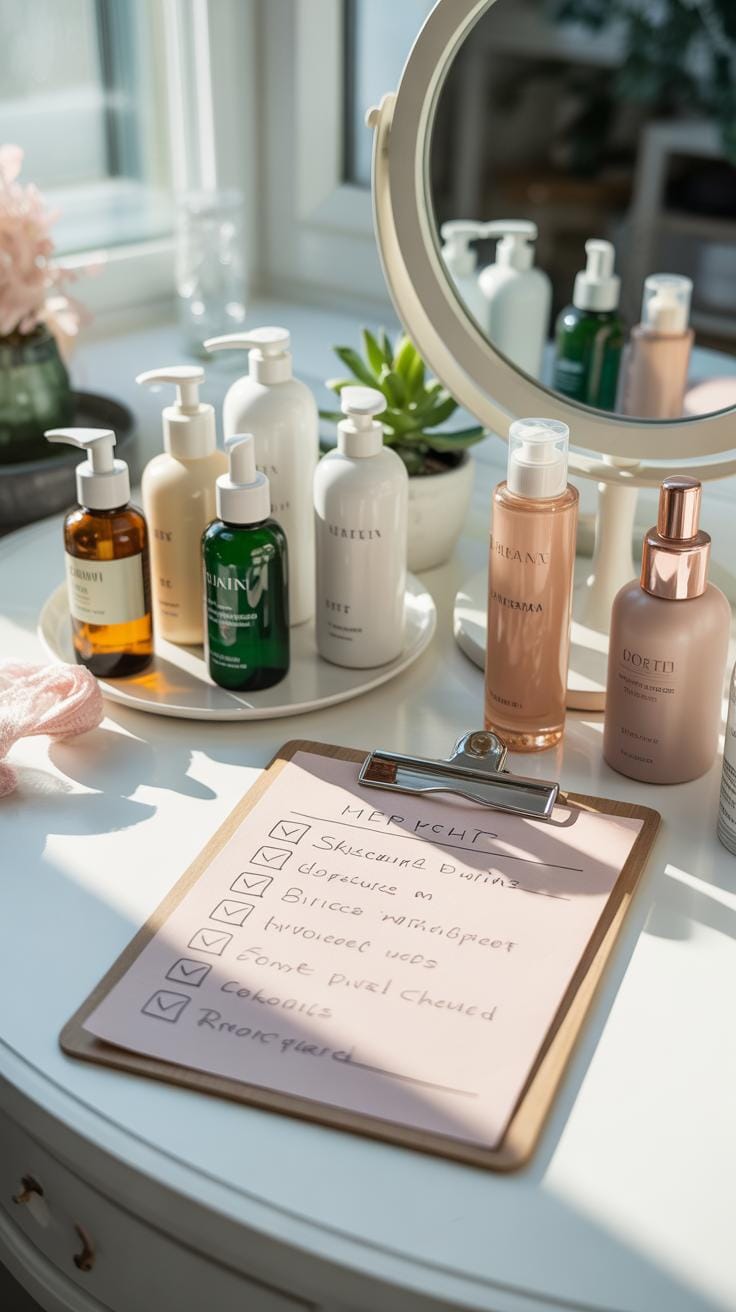
Creating a simple, effective skin care routine for oily skin doesn’t have to break the bank or feel overwhelming. Here’s a straightforward checklist you can follow every day, tailored for oily skin, with timing and product order that actually fits into your busy life.
Morning Skin Care Steps
Start with a gentle cleanser designed for oily skin—it helps remove overnight oils without stripping your skin completely. Next, apply a light, oil-free moisturizer. Yes, oily skin needs moisture too, just the right kind that won’t clog pores or feel heavy. Then, don’t skip sunscreen; a gel-based or matte finish one works well and prevents extra shine. This routine keeps your skin fresh, protected, and under control without too many steps or expensive products.
- Cleanser (30 seconds to 1 minute)
- Light, oil-free moisturizer (immediate after cleansing)
- Sunscreen (after moisturizer, wait a minute before makeup if you wear any)
Night Skin Care Routine
At night, you’ve got a bit more time, so tackle cleansing more thoroughly. Use the same gentle cleanser or try a double cleanse with a mild oil-based cleanser followed by your usual one if you wear makeup or sunscreen. Then, apply any treatments for acne or oil control—often affordable salicylic acid or niacinamide serums fit the bill. Finish with a lightweight, non-comedogenic moisturizer that keeps skin hydrated but doesn’t add to the shine. This prepares your skin to repair overnight without feeling greasy or overwhelmed.
- Cleanser (double cleanse if needed, 1–2 minutes)
- Targeted treatment or serum (wait a minute for absorption)
- Light moisturizer (end with hydration)
Stick to this checklist consistently, and you might notice fewer breakouts and less shine over time. Does a longer routine seem tempting? Maybe, but the simple approach often works best—and saves money too.
Common Mistakes That Increase Oiliness

Overwashing And Harsh Products
It’s tempting to wash your face a lot when it feels oily, right? But overwashing can backfire. When you strip your skin with strong soaps or cleansers too often, your body senses the dryness and tries to compensate by producing even more oil. This doesn’t just make oiliness worse; it can also irritate your skin, causing redness or bumps. I’ve noticed that when I used a harsh soap daily, my skin got this tight, uncomfortable feeling and then felt greasy again by midday.
Try washing just twice a day with gentle, budget-friendly cleansers designed for oily skin. It might seem like a slow fix, but giving your skin a break from harsh products helps balance oil production naturally without spending a lot.
Skipping Moisturizer Or Sunscreen
You might think skipping moisturizer saves you from extra shine, but that’s misleading. Oily skin still needs hydration. Without moisturizer, your skin can dry out and act like it’s thirsty, pushing out more oil to compensate. I once thought skipping it would clear up my oily face, but the opposite happened—I ended up looking even slicker and my skin felt uncomfortable.
Sunscreen is another step often skipped due to fear of adding greasiness. But sunscreen protects your skin from damage that can actually worsen oil issues and cause breakouts. Look for light, oil-free sunscreens that won’t clog pores or add shine. Both moisturizer and sunscreen don’t have to cost much but skipping them usually ends up costing more, in skin troubles and future expenses.
Tracking Progress And Adjusting Care

Watching how your oily skin changes with your routine takes a bit of patience, but it’s worth it. Simple signs can tell you if what you’re doing actually works. You might start to notice less shine, fewer breakouts, and smoother skin texture. These are good hints that your affordable routine is paying off. Maybe your forehead used to feel greasy by midday, but now it doesn’t—that’s progress. Or those stubborn pimples show up less frequently, which is a clear win.
Keep an eye on how your skin feels throughout the day. Does it stay balanced longer, or does the oiliness creep back faster? Sometimes, improvements happen slowly. Jotting down when you see fewer clogged pores or when your skin feels less tight after washing can help track your skin’s response. Metrics like fewer breakouts per week or a reduction in midday shine are practical ways to measure success without overthinking.
Knowing when to switch or add products can be tricky, especially on a budget. If after about a month or so your routine stops making a difference or your skin starts acting up, it might be time to reconsider your products. Maybe the cleanser isn’t cutting through oil as well, or your moisturizer feels too heavy. Don’t rush to buy everything new at once—sometimes just swapping one item or adjusting how often you use it helps. Stay flexible but cautious; changing products too often might confuse your skin and waste money.
Listening to your skin’s reactions is key. If something causes redness, irritation, or unexpected flare-ups, take a step back and simplify your routine until you figure out the culprit. On the flip side, if your oily skin seems under control but you want an extra boost, modestly expanding your routine—for instance, adding a gentle toner—can be done without breaking the bank.
Conclusions
Affordable skin care does not mean you have to compromise on results. By choosing the right products and following a consistent routine, you can manage oily skin effectively. Simple steps like cleansing twice a day and using products with ingredients like salicylic acid can make a big difference.
Remember, consistency is key. Small changes and smart choices add up over time to improve your skin’s health and appearance. With these affordable skin care tips, you can keep your oily skin balanced and glowing without breaking the bank.