

Introduction
Athleisure outfits combine athletic wear with everyday clothing for a look that supports both fitness and style. These outfits are designed to be comfortable, versatile, and suitable for various activities, from gym workouts to casual outings. This balance between function and fashion makes athleisure a popular choice for many people who want to maintain a stylish appearance while focusing on health.
This article covers practical ideas for assembling athleisure outfits that meet your needs. You will learn how to select the right fabrics and colors, explore ways to accessorize effectively, compare outfit types for different occasions, and follow a checklist for building your activewear wardrobe. These insights will help you make confident choices that suit your lifestyle and preferences.
Selecting Fabrics For Function And Comfort
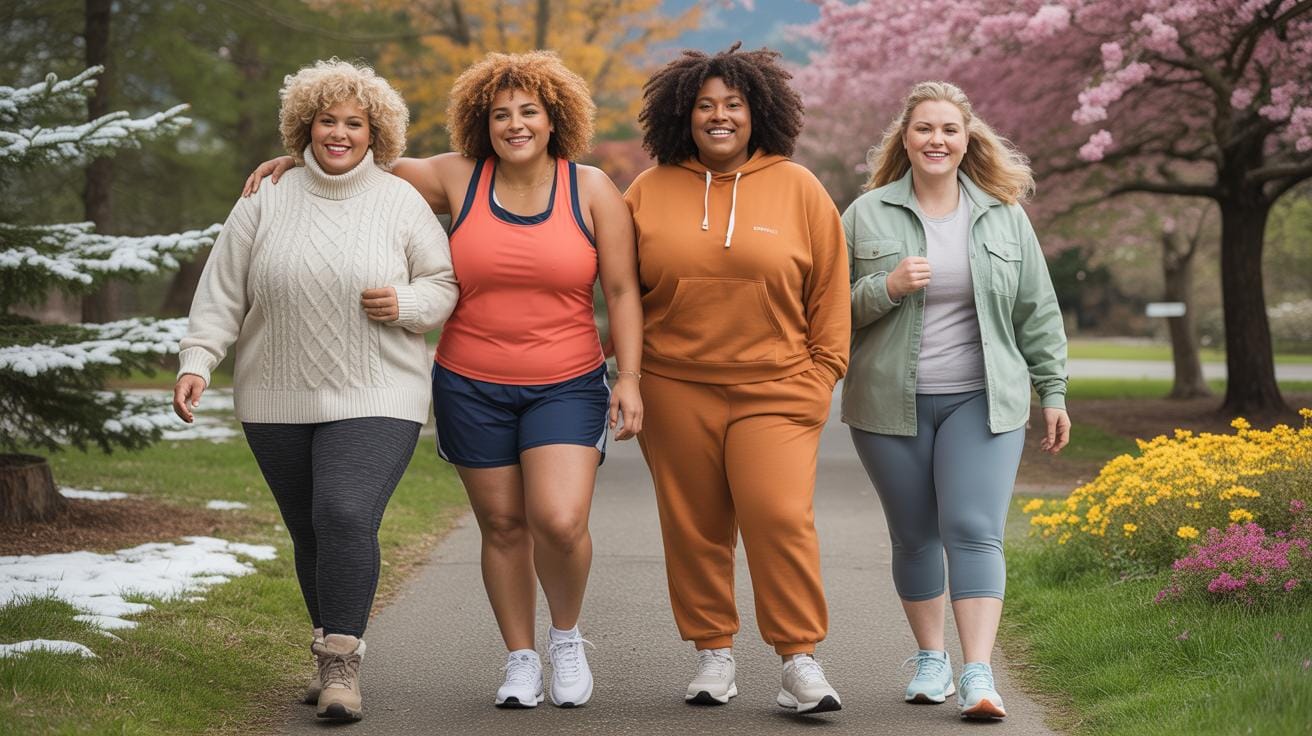
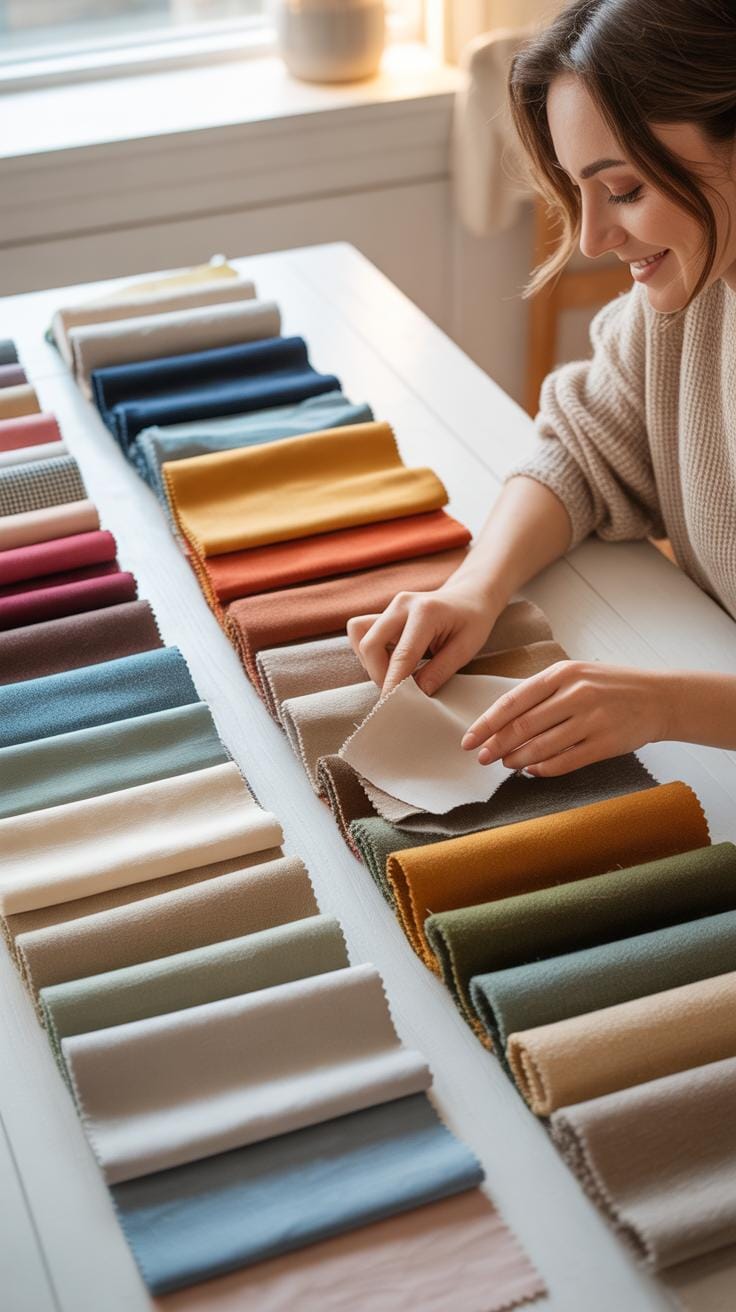
Choosing the right fabric for activewear can be tricky. You want something comfortable but also practical—something that supports your movement and keeps you feeling good throughout the day. Cotton often comes up first because it feels soft and natural on the skin, which many people like. But it doesn’t always handle sweat well; it tends to absorb moisture and stay damp, which can be uncomfortable during intense workouts.
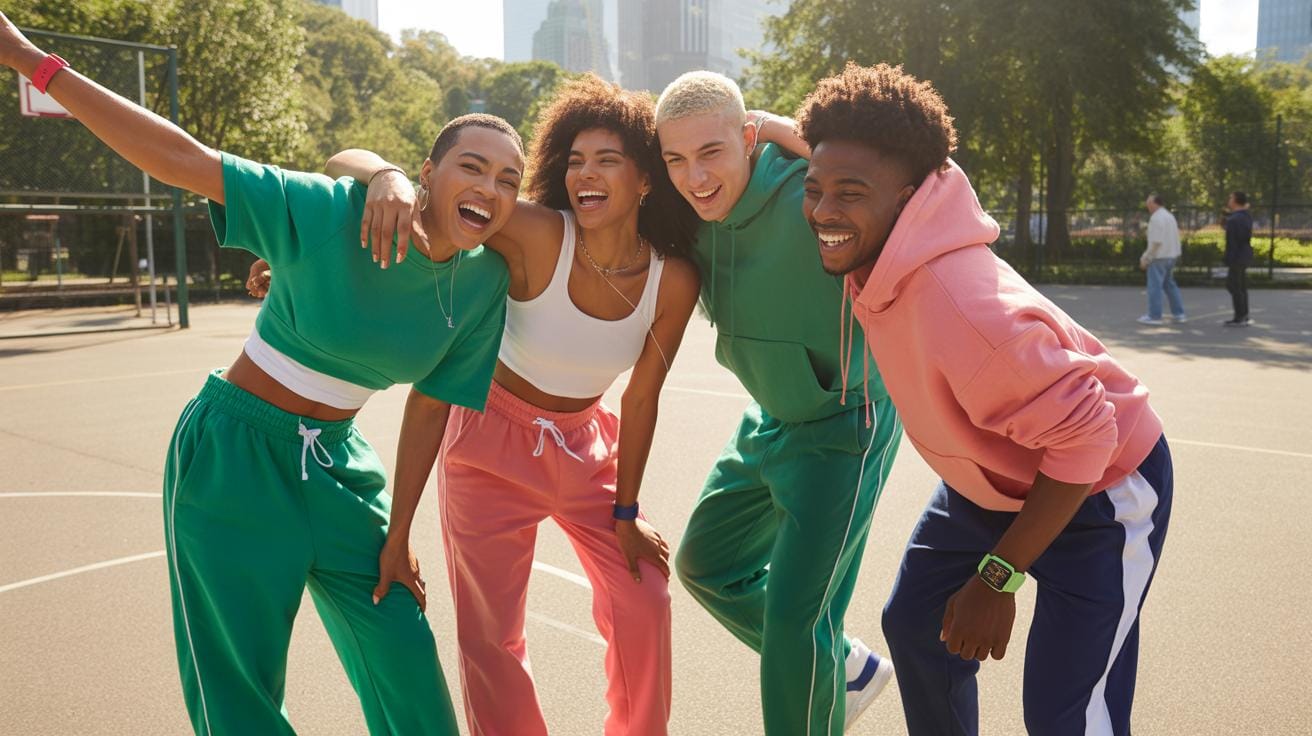
Nylon is quite popular in activewear, mainly because it’s strong and dries faster than cotton. It also resists wear and tear, so your clothes last longer when you’re on the move or doing repetitive exercises. Then there’s spandex, also known as Lycra, which is key for stretchiness. Without it, many activewear pieces would feel restrictive, making it harder to bend, stretch, or run comfortably.
Moisture-wicking fabrics deserve their own attention. These materials pull sweat away from your skin, so you stay dry for longer periods—even when your heart rate rises. You might notice these fabrics in tops for running, cycling, or yoga, where staying dry enhances your focus and comfort. Believe me, once you try moisture-wicking tops for a hot gym session, going back to regular cotton feels… well, less pleasant.
Fabric choice influences not just how your outfit feels, but also how well you perform. If your clothes cling uncomfortably or hold sweat too long, it’s harder to concentrate on your workout or enjoy your casual day. So, a balance between comfort and function is what you should aim for.
Benefits Of Moisture Wicking Fabrics
Moisture-wicking fabrics work by drawing sweat from your skin to the fabric’s surface where it evaporates quickly. This helps keep you cool and dry even when you’re sweating buckets. When you think about activities like running, HIIT workouts, or hot yoga, this kind of fabric can really make a difference.
Take running, for example. Your body heats up, and you sweat to cool down. If your shirt holds onto the sweat, it feels heavy and damp, which can cause chafing or discomfort. Moisture-wicking fabric prevents that by pushing moisture outwards. It’s not just about comfort either—it helps regulate your body temperature.
You might wonder if it’s only useful during strenuous exercise. But even in everyday wear, moisture-wicking fabrics prove handy. Whether you’re running errands or working in an office prone to temperature swings, these textiles keep you feeling fresh. That’s why many athleisure brands include them in casual pieces; they just make sense.
Choosing Stretchy Materials For Movement
Stretch is crucial in activewear. Without fabrics like spandex and Lycra, you’d feel confined the moment you start moving. These materials add elasticity, allowing your clothes to move with you instead of against you. It means deep lunges, quick sprints, or even just sitting comfortably aren’t hindered by your outfit.
What’s interesting is how spandex blends with other fabrics. Alone, it might feel a bit tight or synthetic, but mixed with cotton or nylon, it creates a fabric that stretches in all directions and still feels soft. This blend also improves the fit, hugging your body without squeezing, which can be tricky to nail.
Think about it: You won’t want your leggings digging in or your top riding up as you stretch during a yoga session. Stretch fabrics help reduce those nuisances. They also help your clothes hold their shape longer, so you’re not constantly adjusting or replacing ill-fitting activewear.
Building Outfits For Different Activities
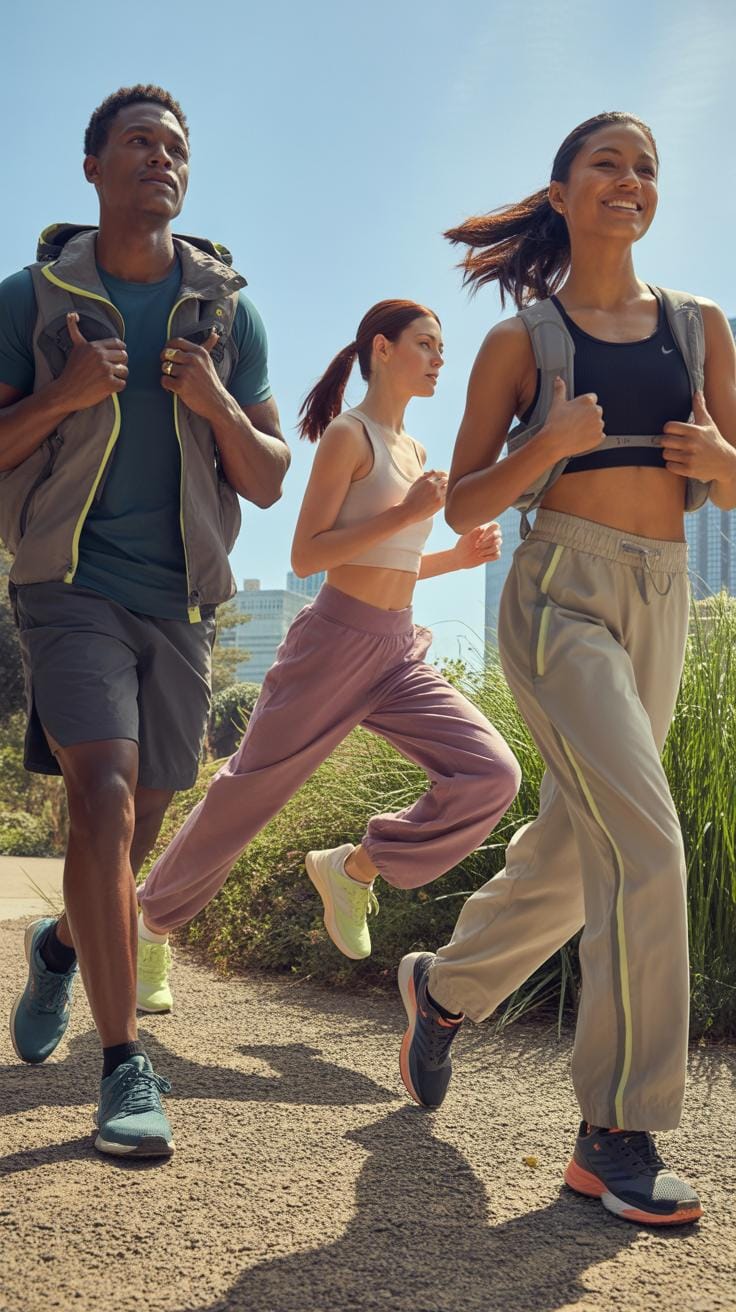
When you think about activewear, creating outfits that match your specific activity is key. Running, yoga, gym workouts, and casual wear each demand different things from your clothes and gear. For example, layering for a gym workout might mean starting with a fitted tank, adding a lightweight zip-up, and finishing with a breathable jacket if you head outside. But for running, especially outdoors, you want layers that manage moisture but don’t weigh you down.
Footwear also changes depending on activity. Running shoes focus on support and cushioning for impact, while yoga often calls for barefoot or minimal footwear. Gym shoes should offer stability, especially if you’re into weightlifting. Accessories might include sweatbands or water bottles for cardio sessions, but maybe just a lightweight scarf or cap for casual wear.
One tricky part is that sometimes you want an outfit that works both for exercise and errands. Think about pieces that can layer easily, or fabrics that move well and don’t look too sporty outside the studio. The balance between function and style can feel elusive, but a few versatile basics can go a long way.
Creating Comfortable Yoga Wear
Yoga wear should let you move completely without restrictions. Breathability and stretch are the main ingredients here. Look for leggings or pants with a four-way stretch—this helps in poses where you’re bending or twisting. Cotton blends often feel soft but might trap sweat; instead, moisture-wicking fabrics work best.
A snug tank top or fitted long-sleeve usually stays put better during flows than loose tees. You might layer with a lightweight hoodie for warm-up or cool down. Extras like a seamless waistband or tag-free designs can really improve comfort.
Outfits that work well in the studio can also translate outside. Pair your yoga leggings with an oversized shirt or a denim jacket for a relaxed but put-together look. A simple, solid color outfit often blends better in everyday settings, but don’t shy away from subtle patterns or textures if you want a bit more flair.
Outfits For Running And Cardio
Running and cardio workouts demand lightweight clothing that manages moisture efficiently. A tight-fitting, moisture-wicking shirt can prevent chafing and keep you comfortable. Shorts or leggings with built-in support or compression features often help with endurance and recovery.
Footwear is crucial here. Running shoes should match your foot type and strike pattern, and they need enough cushioning for repeated impact. If you’re unsure about fit, trying them on later in the day when your feet are swollen can give you a better sense.
For cooler weather, layer with breathable, zippered tops that you can open to regulate temperature. Don’t forget reflective elements if you run near roads after dark. Accessories like a lightweight cap or sweat-resistant headphones might seem minor but can elevate the whole experience.
Coordinating Colors And Patterns
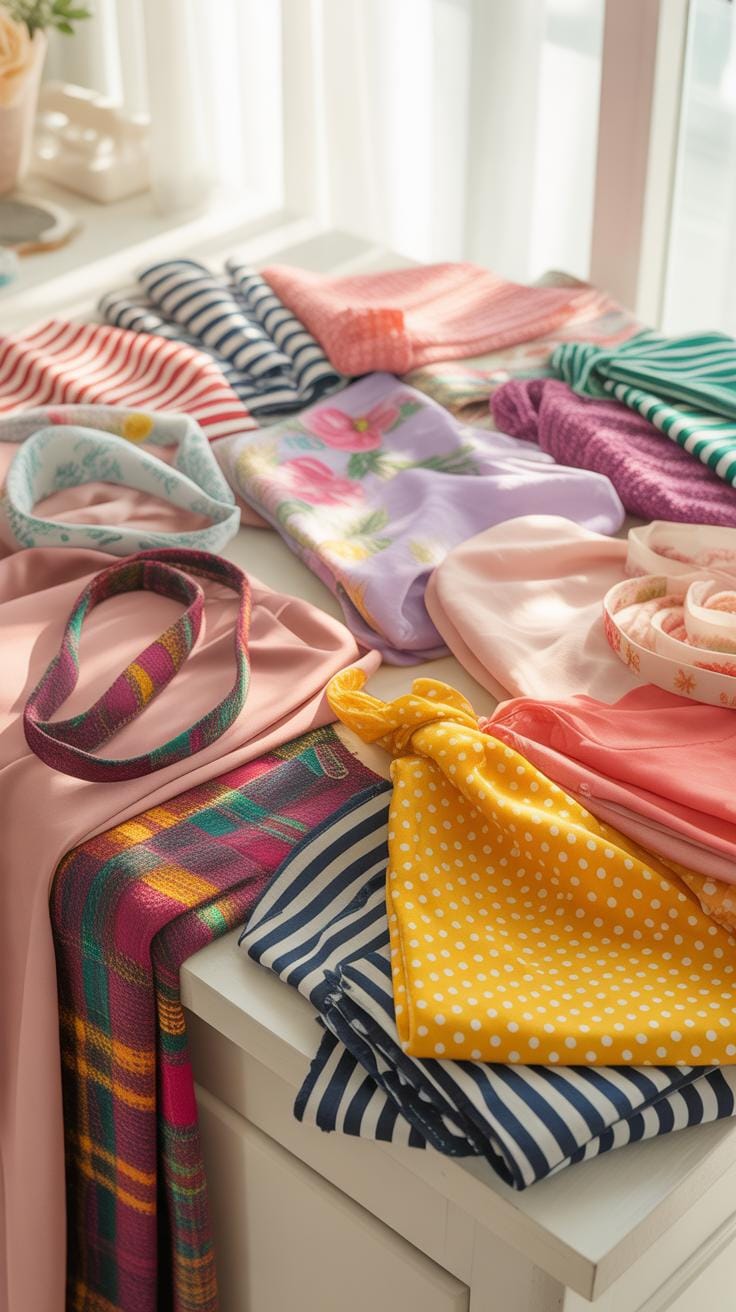
Choosing colors and patterns for your activewear can feel tricky—there’s a fine line between standing out and, well, looking mismatched. Yet, with a bit of attention, you can put together outfits that look intentional and fresh, whether you’re hitting the gym or grabbing coffee afterward.
Start by thinking about color balance. Neutral tones like black, gray, navy, or beige work as a great base. Pairing these with a bright color, say a bold coral or electric blue, creates contrast without overwhelming your look. You could wear black leggings with a patterned top that includes that bright color, which ties things together without going overboard.
Patterns deserve careful thought. If you want a patterned piece, try to keep the other parts solid. For example, leopard print leggings with a plain white or charcoal tee usually works well. Too many patterns can compete and end up confusing the eye. But a subtle striped or geometric print combined with a solid can actually look quite polished and interesting.
Sometimes, you might want to experiment by mixing related colors in different saturations—like a pastel with a deeper shade of the same tone. It feels coordinated but not overly matched. You could wonder if that’s too safe, but it generally makes for outfits that easily shift from workout to casual without catching too much attention.
What colors have you found unexpectedly work well together? Maybe you hesitated before, but trying combinations outside your usual palette sometimes teaches more than sticking to the obvious rules.
Accessories To Enhance Your Activewear

Activewear outfits get a boost with the right accessories, which can blend practicality with style in unexpected ways. Consider hats—not only do they shield your face from sun during runs or outdoor yoga, but they can also add a casual edge to your look if chosen right, like a muted baseball cap or a sleek visor. Then there are bags. A drawn-string gym sack might be perfect for workouts, but a structured tote or crossbody bag can carry your essentials for a day out without looking out of place.
Water bottles are often overlooked but are essential—think about stainless steel or matte-finished bottles that hold temperature and look good on your desk or at the gym. And smartwatches have quietly become the workout companion for many. They track progress, monitor heart rate, and even manage notifications, which means you stay connected without pulling out your phone endlessly.
Choosing Functional Accessories
Functional accessories can really change how comfortable and convenient a workout feels. Sweatbands, for example, keep sweat from dripping into your eyes, which is a small thing but makes a big difference during intense sessions. Running belts with pockets for keys, cards, or gels keep your hands free and pockets uncramped. I’ve found they are also less bulky than carrying a small bag, and you might not think you need one until you try it.
Compression socks or grip gloves might sound niche but can support your performance, especially if your training tends to get tough. These items often serve dual roles—support during activity and comfort afterward—which can be overlooked when picking accessories purely for fashion.
Stylish Additions For Everyday Wear
When athleisure moves beyond the gym, accessories can elevate your outfit without sacrificing comfort. A minimalist watch with a leather or woven strap can add polish to leggings and a sweatshirt. Simple, understated jewelry—like thin hoops or a pendant necklace—brings subtle sophistication but won’t feel out of place while moving through your day.
Scarves or lightweight shawls create layering options, useful in cooler weather or for adding a pop of color. Even sunglasses matter—choose frames that reflect your style but also mask tired eyes after morning workouts. You might find, as I sometimes do, that these touches let you wear activewear all day but still appear put together. It’s a fine balance, and finding it often means trying a few accessories until you feel “right.”
Mixing Activewear With Casual Clothes

Blending activewear with everyday clothing can feel a bit tricky at first, but it opens up many stylish options you might not expect. The goal, I think, is to strike a balance—enough casual elements to keep you looking relaxed, but still sharp, without seeming like you just rolled out of the gym.
For example, pairing sleek leggings with a casual tunic or oversized shirt creates an easygoing yet put-together look. The tunic’s loose fit contrasts nicely with the snug fit of leggings, which keeps things comfortable but stops the outfit from looking sloppy. Add some simple sneakers or flats, and you’re set for running errands or meeting friends.
Throwing on a bomber jacket or a denim jacket can shift a straightforward activewear outfit into something more suitable if you need to step into a casual office setting or grab coffee. A hoodie, too, works wonders for those cooler days and adds a bit of edge to a basic tank and joggers combo. I guess it depends on how much you want to lean into sporty or casual vibes.
Some other ideas that work well across daily activities:
- Pair joggers with a button-down shirt and slip-on shoes for smart-casual errands
- Layer a fitted sports bra under a loose, open cardigan for an easy look that feels light and breezy
- Swap athletic sneakers for loafers or mules to dress up activewear pieces subtly
Do you ever find yourself unsure how to mix these pieces? Sometimes the simplest combinations surprise you the most, without needing to overthink. It’s about feeling good, really—comfort blending into style, without one overpowering the other.
Activewear Outfit Examples For Different Seasons
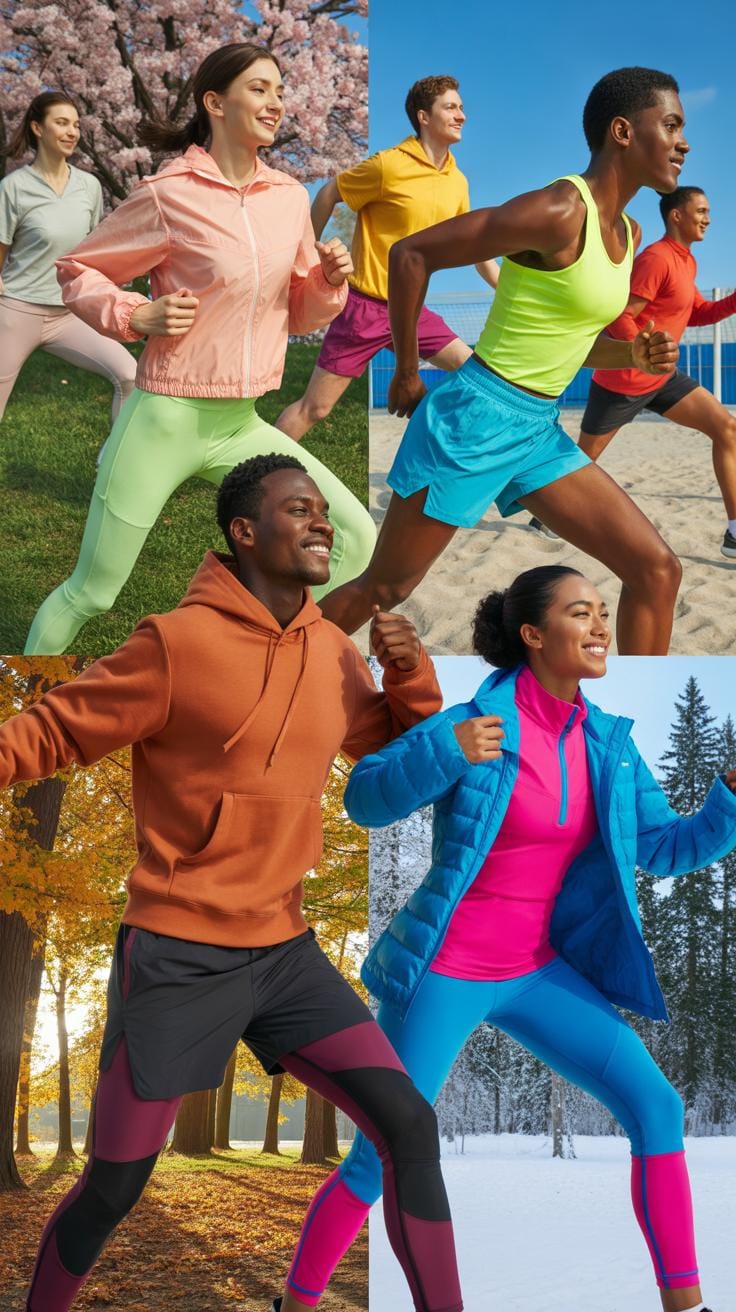
Summer Activewear Choices
When the heat hits, you want your activewear to feel almost invisible—but still supportive. Think lightweight fabrics like moisture-wicking polyester or nylon blends that breathe and dry quickly. Sleeveless tops or cropped tank styles work well to keep you cool but still covered enough for outdoor workouts. Shorts with a comfortable stretch and mesh panels help air circulate. I often find myself reaching for breathable running shoes or slip-ons to avoid overheating my feet.
You might also want to experiment with sun protection built into the fabric or a lightweight, loose long sleeve if you’re sensitive to sun exposure. And don’t forget a hat or sweatband—small additions that actually influence comfort a lot. It’s tricky to balance coverage and coolness, so layering lightly, like a tank under an open, airy button-up, can do the trick.
Winter Layering Techniques
Cold weather demands a bit of strategy. Layering is almost an art form here. Start with a thin, snug-fitting base layer that wicks moisture away—you don’t want to feel damp during your workout. Then add an insulating layer, like a fleece or a thermal top, which traps warmth without bulk. On top of that, a windproof or water-resistant shell can shield you from the elements if you’re running or cycling outside.
Leggings with fleece lining come in handy for layering too, paired with longer socks or even light boots if you’re outside for long. Gloves and a hat are kind of obvious, but sometimes people overlook neck gaiters or buffs that protect skin from the cold wind. I sometimes find myself debating if a thicker layer might restrict movement, so picking flexible materials is key—because being stuck in bulky gear can be worse than the cold.
Spring and Fall Activewear Ideas
For seasons that shift, layering becomes more about adaptability than insulation. Lightweight jackets or zip-up hoodies paired with capris or leggings make it easy to adjust as temperatures bounce around. I like outfits where I can remove a layer halfway through a jog and feel fine. Breathable long sleeves under tank tops are useful too. Think about materials that can stretch from just-cool mornings to warmer afternoons without overheating.
Fall also invites richer tones and textures—maybe a soft sweatshirt teamed with ankle-length tights and a simple tee underneath. On wetter days, water-repellent layers or quick-dry fabrics are worth considering. Have you tried pairing a windbreaker with a moisture-wicking base? It’s a combo that saves a lot of frustration when the weather changes mid-workout.
Checklist For Building Your Activewear Wardrobe

Start with a few key pieces that form the backbone of your activewear collection. Leggings are a must—choose pairs with good stretch and moisture-wicking fabric. They work for workouts and casual wear alike, so picking a durable pair pays off. Then there are sports bras, which vary in support, so find styles that match your activity level and comfort needs.
Tops come next: think tank tops, long-sleeve shirts, and lightweight jackets. These add layers and adjust for different weather or gym conditions. Don’t overlook accessories like headbands, socks, and water-resistant bags to round out your look and stay functional.
When picking colors, stick to a palette that lets you mix and match easily. Neutral shades like black, gray, and navy create a solid base, while throwing in a few bold colors or subtle patterns keeps things interesting. Personal taste plays a big role here; what looks good on you and feels like your style matters most. Why not keep a few pieces that push you out of your comfort zone? Sometimes those become your favorites.
How To Care For Activewear Clothing
Washing Tips For Longevity
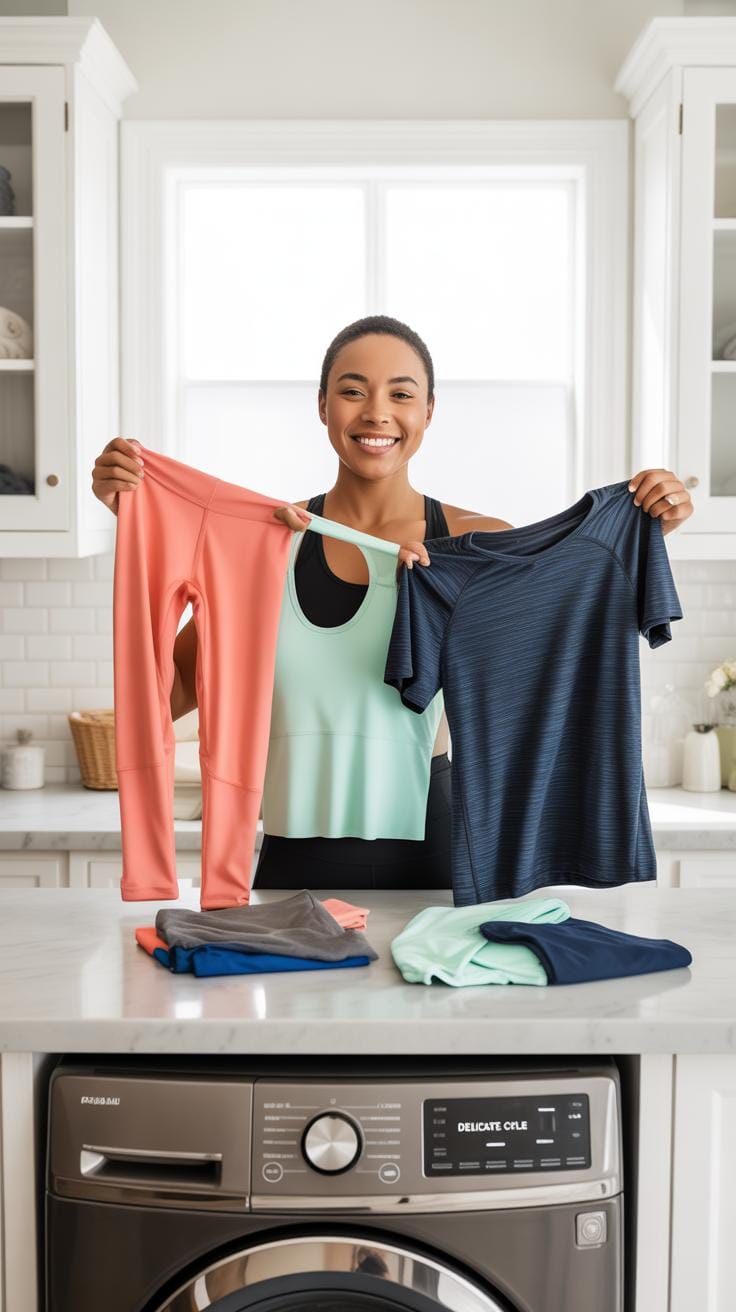
Washing activewear needs a bit of care to keep it working the way it should. You don’t want to toss it in with your regular laundry and hope for the best. Ideally, use cold water—warm or hot water can damage the elasticity and moisture-wicking abilities. It’s surprising how often that small detail gets overlooked.
The detergent matters too. Choose one designed for delicate fabrics or sportswear, avoiding anything with fabric softeners or bleach. Those can clog the fibers and reduce breathability. Sometimes it’s tempting to add extra detergent thinking it’ll make things cleaner, but it can leave residues that feel heavy or stiff after drying.
If you can, turn your activewear inside out before washing. It protects the outer surface and helps preserve any prints or reflective details. Oh, and skip the heavy-duty cycles; gentle wash settings usually do the job just fine.
Drying And Storage Advice
Drying activewear correctly matters as much as washing it right. Tossing it in the dryer often shrinks or weakens the fabric. I’ve learned the hard way—air drying is better, even if it takes a bit longer. Hanging your garments flat or on a drying rack can keep their shape intact better than bunched-up hangers.
Storing your activewear is not something many think about. Folding them neatly instead of cramming them into drawers prevents stretching and misshaping over time. If you hang them, use padded hangers to avoid odd shoulder marks. Also, avoid storing in places with high humidity; it can dull the fabric and encourage mildew.
Sometimes the simplest steps make the biggest difference. It might seem tedious, but to get long-lasting performance out of your activewear, taking a few extra minutes at wash and dry time pays off. Have you noticed your favorite leggings lose their stretch after a few months? These small habits can prevent that—trust me, it’s worth trying.
Comparing Athleisure And Traditional Sportswear
Functionality Vs Fashion Focus
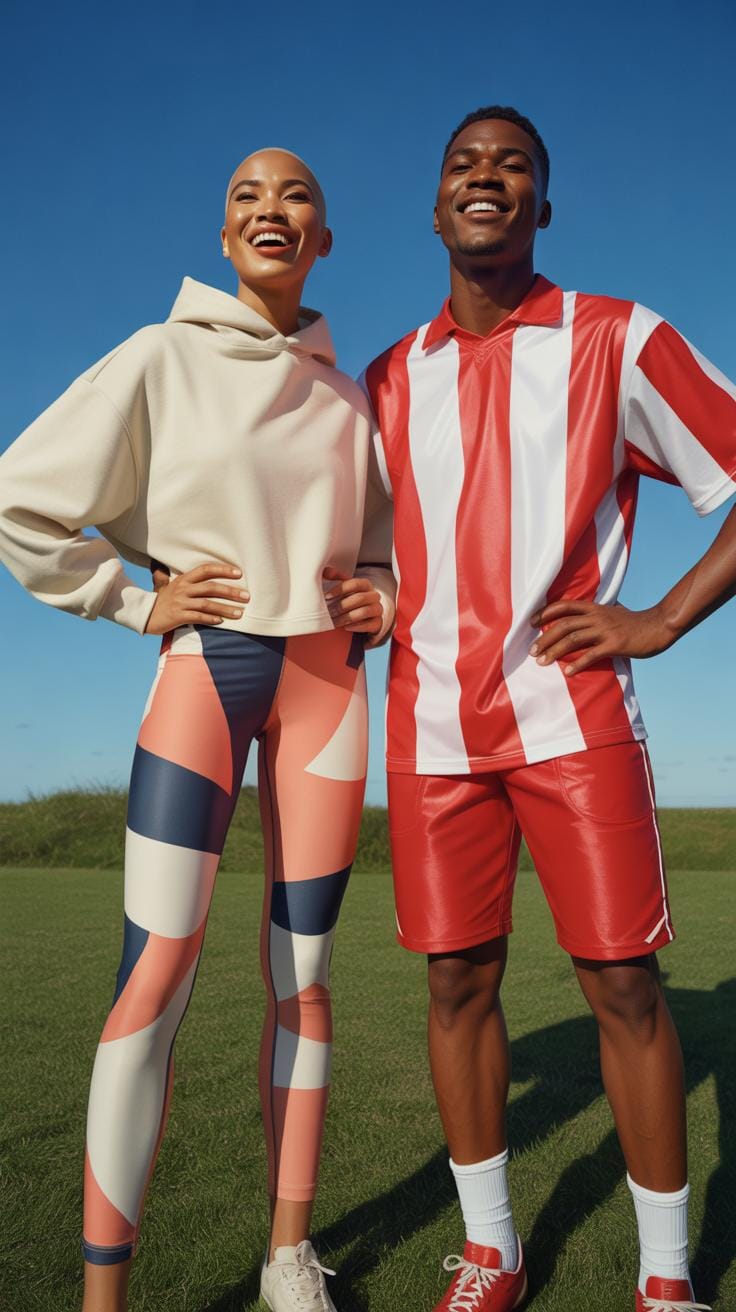
Traditional sportswear is built with one clear goal: performance. When you think of running shorts or compression tops, the priority rests on breathability, support, and moisture management. These pieces are designed to handle high intensity, long durations, and specific body movements without compromising comfort. Athleisure, on the other hand, walks a fine line between function and style. You can wear those sleek leggings and trendy crop tops in a yoga class and then head out for coffee without feeling out of place. The fabrics often borrow technology from sportswear, but the cuts, colors, and details factor in everyday aesthetics. You might sacrifice a bit of performance for design, but the result is a balance that suits multiple needs.
Versatility In Daily Wear
Athleisure clothing works beyond the gym. You’ll find it easy to mix and match pieces with your casual wardrobe. For example, pairing joggers with a cozy knit allows you to shift between errands, meet-ups, or light workouts seamlessly. Traditional sportswear, though, tends to feel more narrow in scope. A moisture-wicking tank designed for intense workouts may not sit well in an office environment, or even in casual social settings. Athleisure fits into a broader range because it blurs lines—you’re not just dressing for exercise, but for life rhythms that include both activity and relaxation. But then again, if your day is packed with vigorous training, traditional sportswear stays the safer bet. It makes you wonder, is it really possible to find gear that excels equally at function and everyday wear?
Common Mistakes To Avoid With Activewear
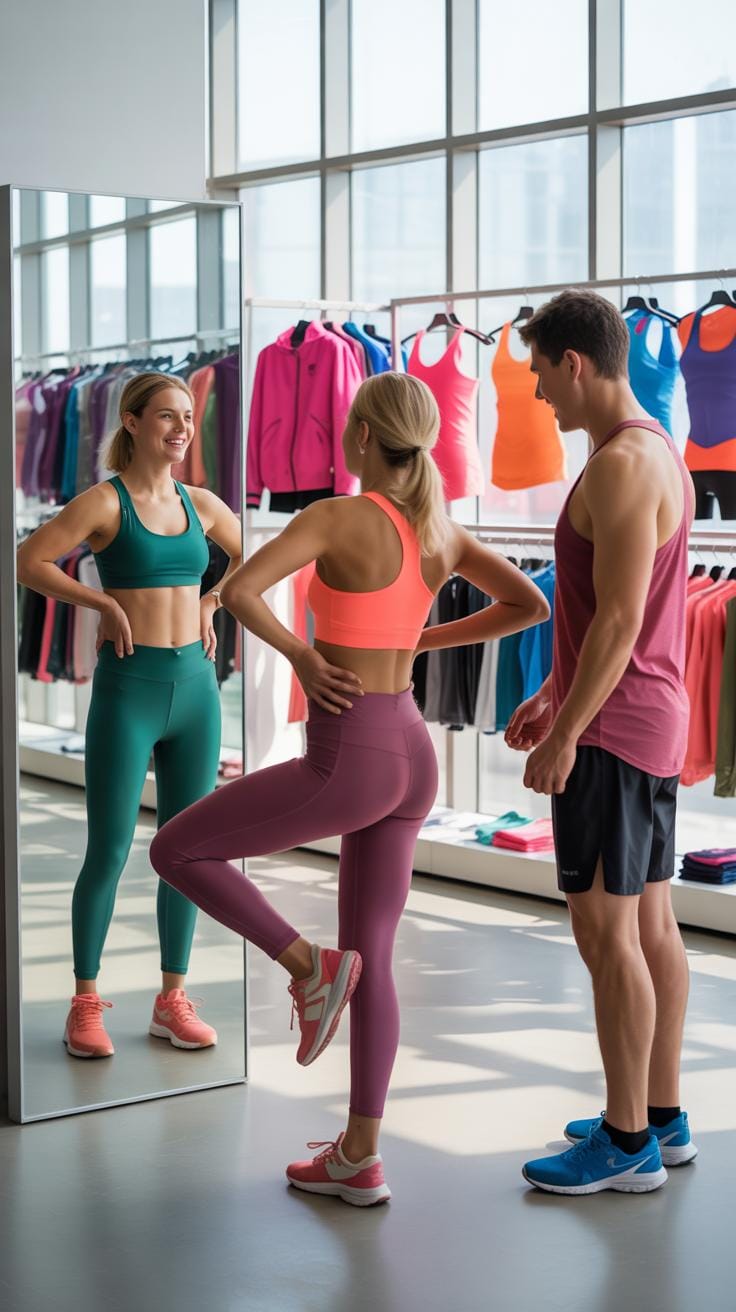
Avoiding Poor Fit Issues
Fit really matters when it comes to activewear. Wearing the wrong size can ruin your comfort and even your confidence. Think about it: leggings that are too tight might dig into your skin uncomfortably or restrict your movements. On the flip side, too loose, and everything shifts or bunches, which quickly gets annoying during a workout. I’ve noticed that sometimes people stick with a size out of habit, even if their body shape has changed or the brand’s cut is different. It makes a difference to try things on or check sizing charts carefully.
Also, consider shapes. Some leggings or tops won’t suit all body types. For example, high-waisted styles can give extra support, but if you’re not comfortable with that squeeze, you might avoid activewear altogether. To find what works, test different cuts and see what lets you move and breathe easily. Don’t settle just because it’s trendy.
Choosing Inappropriate Fabrics
Fabric choice can make or break your workout, but people often overlook it. Cotton, for instance, feels soft but holds sweat and can get heavy — not ideal when you’re pushing yourself. On the other hand, synthetic materials like polyester or nylon dry quickly and wick moisture away, though they might not feel appealing to everyone. I’ve personally struggled with fabrics that trap heat or irritate the skin after long exercise sessions. Sometimes you have to accept that the “feel” might not be perfect if the performance benefits are better.
Another thing: some blends don’t stretch well or lose shape after washing, causing discomfort and a sloppy look. Think about the kind of activities you do and pick fabrics that support those movements without making you feel sticky or stifled. After all, comfort isn’t just about softness—it’s about how fabrics behave during your routine.
Conclusions
Athleisure outfits bring together comfort, style, and functionality. By choosing suitable fabrics and colors, and paying attention to details, you can create looks that support your health goals and everyday activities. Incorporating activewear into your wardrobe allows you to feel confident and ready for various settings.
With these ideas and tips, you can build a collection of activewear outfits that suit your personal style and fitness routine. The right choices can make an impact on your comfort and appearance, helping you stay motivated and stylish while prioritizing your health.