

Using A Vision Board For Skin Goals
Flawless Skin Vision Board Ideas For Clear Glowing Skin focus on creating a motivational tool that helps you visualize and achieve your skin care goals. This article covers practical ways to use vision boards to stay focused on having clear, glowing skin.
From understanding the role of a vision board to setting up a routine and choosing the right products, you’ll find useful tips and examples. You will learn how to track your progress and maintain motivation for healthy skin.
How Vision Boards Boost Skin Goals


Creating a vision board focused on skin care goals can truly sharpen your attention and keep motivation alive when the journey feels long or tricky. It’s not just about sticking pictures on a board—it taps into how the brain processes visual information. When you repeatedly see images of clear, glowing skin or reminders of your routines, your mind begins to reinforce those desires, almost like sending a message to yourself that this goal matters.

This process is linked to something called visualization, where imagining a positive outcome helps prepare your brain to work toward it. Setting clear goals visually, rather than only in your head, can make the path feel more real and attainable. You might find you actually stick to your skincare routine more because the vision board acts as a daily nudge, a reminder of what you’re reaching for.
It’s interesting, though—sometimes this motivates, other times it can create pressure. That’s why balancing hopeful images with small, achievable goals is key. Have you noticed how just seeing those pictures can subtly influence your habits? It’s a kind of quiet push that keeps your skin goals from slipping away.
Key Elements For A Skin Care Vision Board
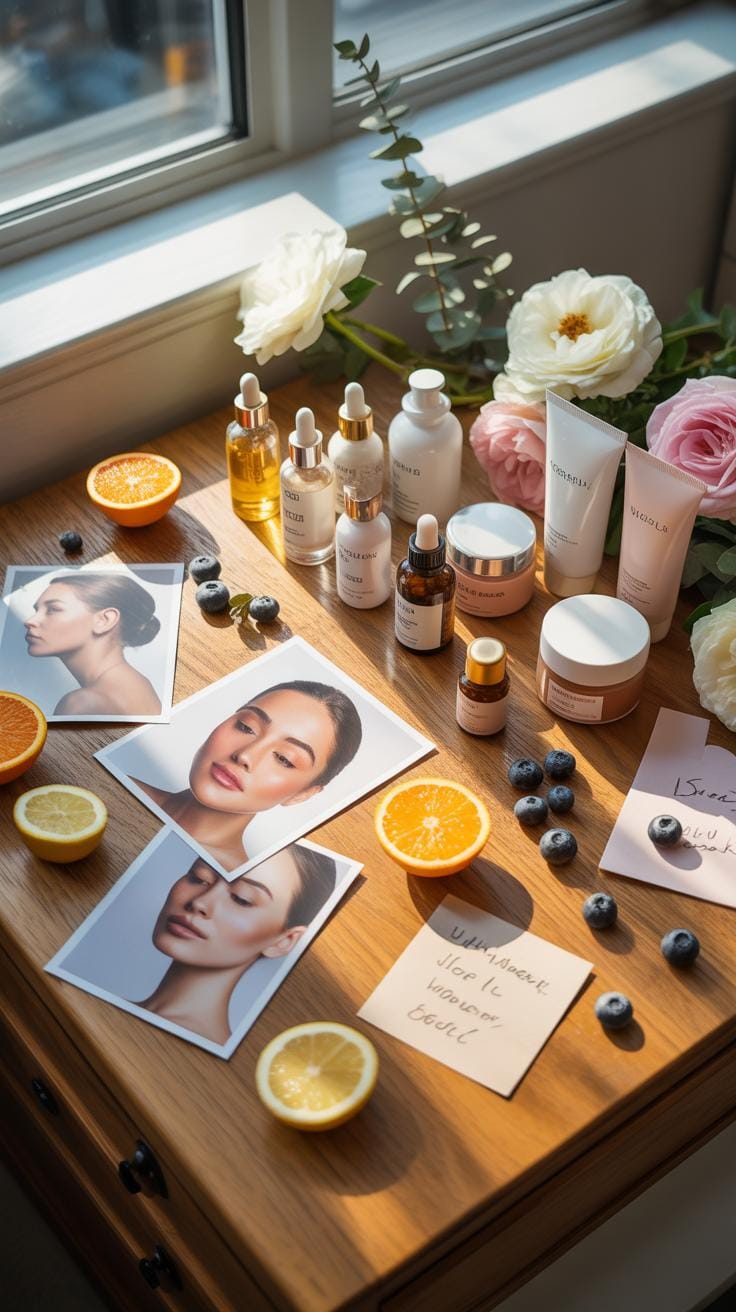
When assembling your skin care vision board, the choice of images and words really matters. You want pieces that resonate with your personal idea of healthy skin and that spark a positive feeling, not stress or frustration.
- Photos of glowing skin or skin types you aspire to can serve as visual benchmarks.
- Images of skincare products you use or want to try help keep your routine in mind—think serums, cleansers, masks.
- Including lifestyle elements like water glasses or fruits can hint at habits supporting your skin health.
- Affirmations like “My skin is healing every day” or “I deserve radiant skin” bring an emotional lift.
- Inspirational quotes that focus on patience or self-care help when progress feels slow.
Sometimes, including a mix of realistic and aspirational visuals works best. If you add something that feels too distant, it might discourage rather than encourage. It’s okay to tweak as you go along, too—your board isn’t static.
Common Mistakes To Avoid In Vision Boards

There are a few pitfalls people often stumble into that can undermine a skin care vision board’s effectiveness. One is setting goals that feel too far off, like expecting flawless skin overnight. When results don’t match expectations, motivation dips quickly.
Another misstep is overcrowding the board with too many images or texts, which can muddle your focus. A cluttered board may cause overwhelm rather than inspiration. Keep it clean and organized; fewer, meaningful items will resonate more effectively.
Also, try to avoid vague or negative affirmations. Phrases like “No more acne” might focus your attention on the problem instead of the improvement. It might help to shift into phrases that boost confidence and acknowledge progress, even slow progress.
Remember, a vision board is meant to guide and uplift. Keep it simple. Refresh it when your goals or feelings change. This way, it grows with you instead of becoming just another thing on the wall.
Pick Skin Goals To Target

When you’re thinking about skin goals, it’s easy to throw in everything—like fading acne scars, adding moisture, and brightening dull patches all at once. But picking a few clear targets actually helps you see what’s working and what’s not. For example, if you focus on reducing breakouts first, you can measure success by fewer pimples rather than trying to tackle multiple issues and feeling overwhelmed. It feels good to cross off goals, even small ones.
Start by asking yourself specific questions:
- Do I want to reduce redness or calm irritation?
- Is dryness the main problem or do I get oily patches?
- Am I aiming for a glow, or just a more even tone?
Setting focused goals also makes it easier to tweak your routine—if hydration doesn’t improve dry spots, maybe your moisturizer isn’t the right one. Tracking progress becomes clearer when you have distinct targets.
Assess Your Skin Type And Needs
Knowing your skin type is key to picking useful goals. You might guess you have oily skin if your forehead and nose shine soon after washing. On the other hand, tight, flaky patches often signal dryness. Combination skin is a bit of both—oily T-zone, dry cheeks—which can complicate things.
Try this quick test: after washing your face and waiting an hour, press a tissue on your face. If the tissue picks up oil mainly from the forehead and nose, you likely have combination skin. If there’s little to no oil, your skin leans dry. More oil everywhere might mean oily skin. Notice visible pores, any redness, or areas that feel itchy or sensitive. These clues point to what your skin needs.
Knowing this helps you decide if you should focus on extra hydration, oil control, or calming irritation.
Set Short Term And Long Term Targets
Short-term goals feel more immediate and doable. For example, clearing up a few breakouts this week or drinking more water daily to hydrate better. They’re like quick wins, giving you motivation to stay consistent. You want to reflect these in your vision board with encouraging notes or pictures that remind you of these small steps.
Long-term goals are broader and take more patience. Maybe you want to fade acne scars over a few months or achieve a consistently radiant complexion. These might feel less tangible day to day but keep you focused on the bigger picture. On the vision board, you could add inspirational quotes about persistence or before-and-after pictures to visualize progress.
Both types of goals matter. Without short-term wins, long-term goals might feel unreachable. Without long-term aims, short wins might lose meaning. Finding that balance helps keep your skincare journey feels practical and motivating—even if you sometimes struggle with patience.
Build A Daily Skin Care Routine
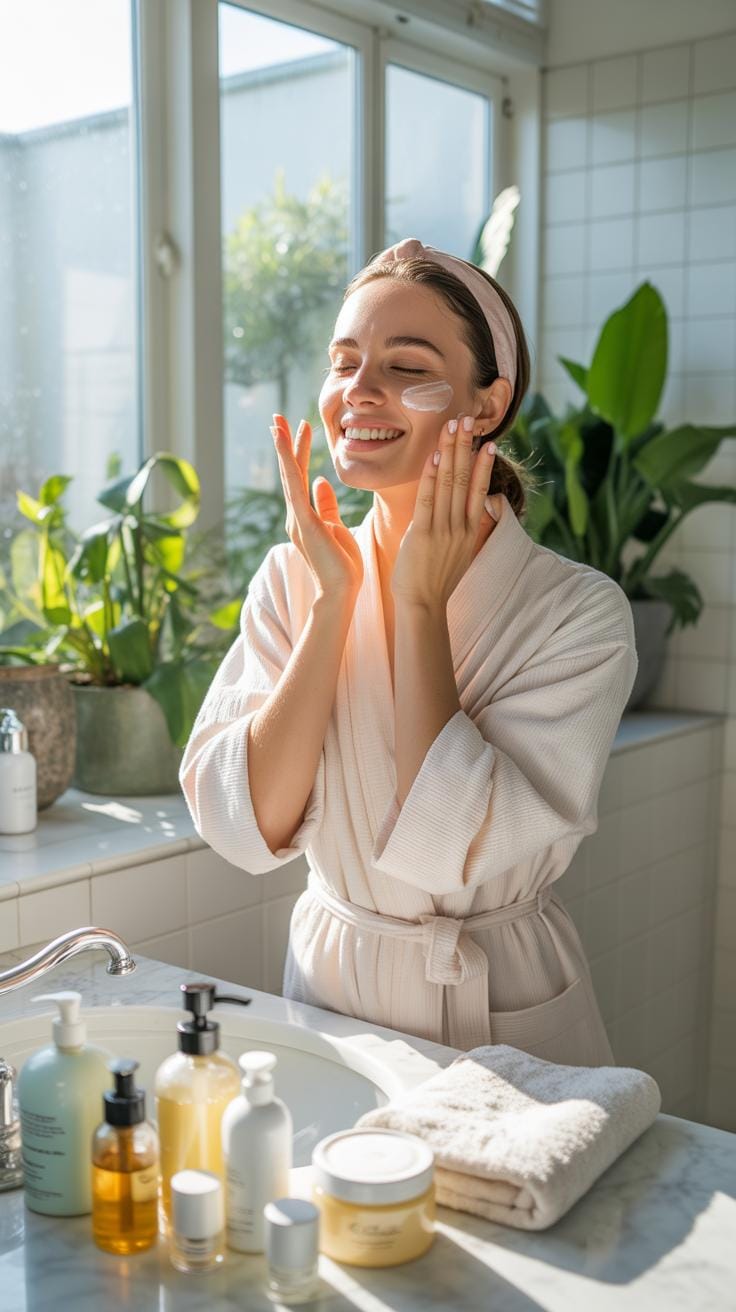
Creating a daily skin care routine that nudges you closer to flawless skin takes some thought, but it doesn’t have to feel like a chore. First, cleansing is the foundation. It’s about washing away impurities and setting a clean slate without stripping your skin’s natural oils. Picking a gentle cleanser that suits your skin type—whether it’s foam, gel, or cream—is key. Sometimes, I find myself skipping cleanser on lazy days, but it really does make a difference when I don’t.
Next up is moisturizing. Hydration isn’t about heaviness; it’s about your skin holding onto water. This step can be as simple as a light lotion or a richer cream, depending on whether your skin leans drier or oilier.
Sun protection might feel like a drag, but it’s non-negotiable. A broad-spectrum SPF shields you from harm well beyond sunburn—think wrinkles and discoloration, too. I tend to forget or skimp on this step sometimes, but I always regret it later.
Finally, treatments like serums or spot treatments come in to target specific concerns—maybe you want to tackle fine lines, acne, or uneven tone. Introducing products too fast can backfire, so test one at a time and watch how your skin reacts.
Simple Morning And Night Steps
The morning routine should energize without overwhelming. A gentle cleanser, followed by a vitamin C serum to brighten or a hyaluronic acid serum for hydration, then a moisturizer topped with SPF usually works for me. For oily skin, lighter gels or lotions often feel better managable; dry skin types might prefer creams. What’s tricky is knowing when to adjust products as seasons change—your skin doesn’t always send clear signals.
At night, cleansing gets a deeper focus—sometimes a double cleanse if you wore makeup or sunscreen all day. Then take your time applying treatments like retinol, which can feel intense initially but pays off over time if you’re patient. Moisturizing afterward locks in all that goodness.
Use Products That Match Your Vision
Choosing products that really resonate with your skin goals—and your vision board—helps you stick with the routine. If you want glow and plumpness, ingredients like hyaluronic acid draw in moisture and smooth texture. For anti-aging or clearing clogged pores, retinol is often recommended, but it isn’t for everyone and takes some getting used to.
Vitamin C is a favorite for brightening and protecting skin from pollution. But not all formulas are created equal—some oxidize quickly, making them less effective. Sometimes I switch products from loved brands to drugstore versions just to see if my skin reacts differently. It’s not always predictable, making this a bit of trial and error.
Ask yourself which ingredients seem to support your skin’s needs, and which feel like unnecessary steps. It’s okay to simplify. After all, your routine should motivate you, not discourage you.
Track Progress With Visual Metrics

Keeping an eye on your skin’s changes can be trickier than it sounds. You might think your skin looks the same day by day, but small improvements often go unnoticed. That’s why using photos as part of your vision board isn’t just a nice idea; it’s essential. Snap pictures regularly to catch subtle shifts in texture, radiance, or clarity.
Try to take these photos weekly or monthly, always in the same spot and lighting—that consistency helps you spot real progress instead of shadows or glare tricking you. Natural light near a window usually works best, but just pick what stays consistent for you.
Writing down what you observe alongside the photos can make a difference. Maybe you notice fewer breakouts one month, or your skin tone evens out after a few weeks. Jotting this down lets you stay connected to your routine’s impact and adjust your vision board as things change. It’s a slow, often uneven process, but those notes help you avoid feeling stuck or frustrated.
What if a certain product or habit suddenly stops working? That’s when revisiting your photos and journal can guide you—switch up your goals and update your board. Tracking visually doesn’t just mark progress; it nudges you toward smarter choices for clearer, glowing skin.
Create Motivation Habits

Keeping motivation alive for your skin care journey isn’t always easy. Some days, you might feel really committed, and then the next, well, maybe not so much. That’s normal. To help, try building small habits that gently nudge you forward without overwhelming you.
Daily affirmations, for example, do more than just sound nice. Saying something like “My skin deserves care and respect” or “I am patient with my skin’s progress” can shift your mindset. You’d be surprised how this quiet self-talk can anchor your commitment.
Reminders also have their place. Set simple alarms on your phone for morning and evening routines. Maybe even use calendar apps to note when to swap out products or try new treatments. It doesn’t have to be rigid—think of it more like a friendly tap on the shoulder.
Rewards can add a little incentive too. It might be a relaxing face mask at the end of the week or a mini shopping trip for a skincare gadget you’ve wanted. Linking a treat to progress makes things less like a chore.
Morning Affirmations For Skin Confidence
Starting your day with positive affirmations can shape how you feel about your skin and your efforts. Try these:
- “I love the skin I’m in, and I nurture it daily.”
- “Clear skin starts with kind, consistent care.”
- “Every small step I take brings me closer to glowing skin.”
- “I am patient, and my skin responds in its own time.”
- “I choose habits that support my skin’s health and beauty.”
Repeating these aloud might feel awkward at first, but after a while, they become a natural part of your routine. Even if your skin isn’t flawless today, these affirmations remind you that confidence and care go hand in hand.
Set Up Reminders To Stay Consistent
Are you someone who forgets to apply moisturizer or wipe off makeup before bed? Phone reminders can really help. Use your phone’s alarm or reminder app to prompt you gently at key times: morning cleansing, midday misting, evening treatment.
Consider scheduling bigger reminders too—like when to peel or change pillowcases. You could set up recurring calendar events with notes, so they pop up every few weeks or months.
Sometimes, sharing your goals with a friend helps. You might text each other after completing your routine. This kind of accountability, mixed with personal reminders, steadies your path.
But don’t stress if you miss a reminder now and then. It’s about building a habit, not perfection. What matters is the small, steady effort over time.
Compare Natural Vs ProductBased Care
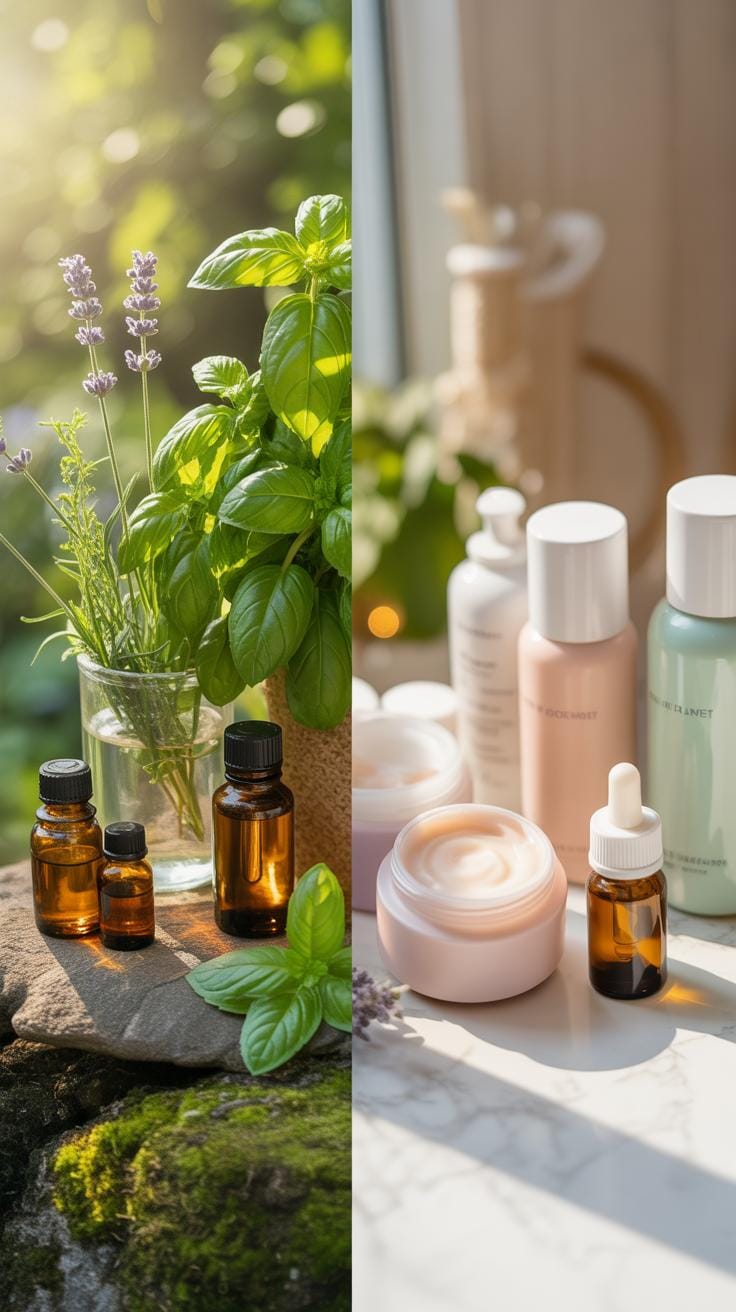
When it comes to flawless skin, the choice between natural remedies and commercial skincare products isn’t always straightforward. Natural care often appeals because it feels simple and pure—things like aloe vera gel, honey masks, or coconut oil can be soothing and inexpensive. Many find these ingredients gentle, with fewer chemicals involved, which can be less irritating for sensitive skin. But sometimes, natural doesn’t mean effective for everyone or for every skin concern. Results can be slow, patchy, or unpredictable.
On the other hand, product-based care usually involves formulas backed by research—moisturizers with proven humectants, sunscreens that block UV rays, or serums targeting specific issues. These products might speed up progress or provide protection you can’t get naturally. Yet, they can also introduce harsh ingredients or cause reactions if not chosen carefully. Personally, I’ve had days where natural oils work like magic, and other times when a dermatologist’s product became necessary.
So, should you choose one over the other? Maybe a mix works best—taking advantage of the nourishing qualities of natural treatments alongside the targeted power of formulated products. What do you think works better for your skin?
Benefits And Limits Of Natural Methods
Natural skin care methods have some clear perks. Aloe vera soothes irritation and can help calm redness after a long day in the sun. Honey acts as a mild antibacterial agent while moisturizing, making it popular for mild breakouts or dry patches. Oils like jojoba or argan often mimic your skin’s natural oils, helping balance moisture without clogging pores if used in moderation.
But, there are limits too. Natural remedies lack standardization—how fresh is your aloe? Is that honey raw or processed? Sometimes they just don’t penetrate deep enough or provide consistent results. You might need to apply them frequently and still not see the effects you want. Plus, some oils or plant extracts can trigger allergies you wouldn’t expect. So, it’s a bit of trial and error with natural care, meaning you must listen carefully to what your skin really needs.
How Products Enhance Skin Care Results
Commercial skincare products often fill gaps that natural care can’t reach. For example, moisturizers with hyaluronic acid lock in hydration at a deeper level than oils alone. Sunscreens block UV damage—something you definitely can’t do by just slapping on aloe or oil. Then there are exfoliants with AHAs or BHAs, which gently remove dead skin cells more effectively than scrubs or natural acids from fruits.
These products come with ingredients tested for safety and efficacy, so they often deliver faster or more targeted improvements. You don’t have to rely purely on chance or inconsistent natural elements. Still, balancing product use with natural care can prevent overloading your skin with chemicals, keeping your routine sustainable over time. Have you noticed times when a well-chosen serum or sunscreen dramatically changed your skin’s look? Sometimes that combination really makes a difference.
Identify Common Skin Care Pitfalls

Recognize Frequent Mistakes That Prevent Flawless Skin
Many people aim for flawless skin but stumble over avoidable errors. For example, over-exfoliation is surprisingly common—scrubbing too hard or too often can strip your skin’s natural oils, leaving it red or flaky. Some might think more is better; it usually isn’t. Then there’s skipping sunscreen. It feels like a minor step, or an optional one when you’re indoors, but UV rays sneak in even through windows. This little mistake can cause uneven tone and premature aging.
Poor hygiene also sneaks into many routines. Not cleansing your face thoroughly at night, or touching your face often with unwashed hands, can transfer bacteria and dirt, leading to clogged pores or breakouts. These might seem like small details, but combined, they slow or block your path to clear, glowing skin.
Recognize Signs Of Skin Stress
When your skin is stressed, it often shouts before it screams. You might notice tightness or discomfort after washing your face—the skin might feel raw or itchy. Sometimes, dryness looks like dullness but is really a cry for help. Redness that lasts more than a few hours, or unexpected breakouts in new areas, could signal irritation from products that aren’t right for your skin type.
It’s also easy to overlook subtle signs like increased sensitivity or frequent flaking. If your skin reacts strongly to gentle products or even water temperature changes, it might be signaling that your barrier is compromised. How often do you pause to check if your skin feels calm or stressed throughout the day?
Correct Mistakes To Improve Skin Health
Fixing these issues starts with simplicity. Cut back on exfoliation—maybe less than you expected. Stick to gentle cleansers and make sure to fully remove makeup and impurities every night. Sunscreen should become part of your daily routine, no exceptions. Look for formulations that suit your skin and wear them religiously, even when it’s cloudy.
If your skin is irritated, swap out aggressive products for soothing, barrier-repairing ingredients like ceramides or niacinamide. Hydrate consistently, but avoid overloading your skin with too many layers at once. And resist the urge to touch your face throughout the day; habits like this are harder to break than you’d think, but they help.
It might take a little experimenting to find what works best, but adjusting these habits often leads to noticeable improvements. Have you tried pausing and really observing how your skin responds to each change?
Example Vision Boards To Inspire You

Let’s look at what skin care vision boards can really look like. Imagine laying out your goals visually — it’s more than just pretty pictures. You want reminders of what you’re working towards with some realistic prompts. For acne-free skin, visuals of clear complexions mix well with notes about patience and consistent habits. Throw in photos of gentle cleansers, spot treatments, or dermatologist-recommended products. You might also add motivational quotes like “Less is more” to discourage over-treating skin.
A simple layout could have a central image of clear skin surrounded by snapshots of favorite products, short goal notes, and maybe a calendar tracking progress. Keep things a bit messy—skin isn’t perfect, and your board shouldn’t feel forced.
Now, if your goal is glowing, hydrated skin, think light and fresh colors. Moisturizers featured prominently, maybe a tiny section on drinking water or eating fruits. Include images reflecting softness, natural light, and healthy lifestyle cues like a yoga pose or a bowl of salad. The layout here could be more open, with space for daily affirmations about self-care mixed in.
Both boards work if they feel personal. What resonates with your skin journey? Could you add notes about when your skin feels its best during the day? These choices aren’t random; they should spark focused action but also encourage you not to be too hard on yourself.
Conclusions
Using a vision board can help you clearly see your skin goals and stay motivated. It brings structure to your skin care routine and reminds you of the habits and products that work best for your skin.
Stay consistent with your routine, adjust your goals as needed, and use your vision board as a daily guide. Clear glowing skin is attainable when you commit to the right actions and mindset.