

Daily Habits Behind Healthy Skin
Your skin is the largest organ on your body. Taking care of it can prevent problems and keep it healthy. Essential skin care tips focus on simple daily habits and the right products to use. Together, these help your skin look fresh and glow.
In this article, you will find easy-to-follow advice on what steps to take, why skin care is important, and how different products work. This will guide you to build a good skin care routine that matches your needs.
Daily Skin Care Routine Checklist


A daily skin care routine feels simple at first, but sticking to the basics makes a noticeable difference. You want to keep your skin clean, hydrated, and protected every day—and that usually means following a few key steps without overdoing it. Here’s a checklist you might find handy:
- Cleansing: Removes dirt, oil, and makeup to prevent clogged pores. A clean face lets everything else work better.
- Toning (optional): Balances pH and preps skin for moisturizer. Some people skip this, but it can tighten pores if you feel your skin needs it.
- Moisturizing: Locks in hydration and strengthens your skin’s barrier. Even oily skin needs this step—trust me.
- Sun Protection: Shields your skin from UV damage, preventing premature aging and discoloration. You don’t have to use sunscreen indoors, but for outdoor time, it’s a must.

Skipping one step sometimes isn’t the end of the world, though doing these consistently gives your skin the best chance to look its best.
How To Cleanse Your Skin Properly
Cleansers come in many forms: gels, creams, oils, foams. Each reacts differently based on your skin type. If your skin feels tight or dry after washing, your cleanser might be stripping too much oil. Conversely, if it still feels greasy, maybe it isn’t cleaning well enough.
For oily or acne-prone skin, foaming or gel cleansers can remove excess oil without harsh abrasion. Dryer skin often fares better with cream or oil cleansers that cleanse but maintain moisture. Personally, I’ve found oil-based cleansers surprisingly effective—it feels counterintuitive but they break down grime gently.
There’s also the double-cleansing method—starting with an oil cleanser, then a water-based one. It’s a bit time-consuming, but worth it if you wear makeup or sunscreen daily.
Moisturizing Benefits And Usage Tips
Moisturizers essentially trap water in your skin and reinforce its barrier. They aren’t just about preventing dryness; they can calm irritation and improve texture too. The tricky part is matching the formula to your skin’s needs.
For oily or combination skin, light, non-comedogenic gels or lotions work well because they hydrate without clogging pores. Dry skin? Think richer creams with ingredients like ceramides or hyaluronic acid.
Don’t forget, weather plays a role. I find my skin needs a heavier cream in cold months and something lighter during summer. And yes, even if your skin feels oily, a little moisturizer after cleansing helps regulate oil production—it’s a bit counterintuitive but it works.
Sunscreen Usage Versus Skin Damage

You might think sunscreen is only for sunny beach days, but daily use is more crucial than many realize. UV rays don’t just darken your skin; they slowly break down its structure, causing premature wrinkles and dark spots. Using sunscreen every day—even when it’s cloudy or you’re mostly indoors—helps block these harmful rays.
It’s easy to overlook this when you’re rushing in the morning, but think of it as a tiny shield. I once skipped sunscreen on a dull day and ended with a stubborn patch of redness that lingered for weeks. That was a wake-up call.
Remember, skin damage builds up over time. So, a quick swipe of sunscreen acts like a form of long-term repair. Without it, signs of aging and other damage sneak up quietly. Maybe that’s why some people look older than their years despite good skincare routines.
Types Of Sunscreens And Application Advice
Sunscreens come mainly as chemical or physical types. Chemical sunscreens absorb UV rays, turning them into heat, while physical sunscreens reflect rays away from your skin. Each has its pros and cons, and your choice might depend on how your skin reacts or feels afterwards.
SPF ratings—like SPF 30 or SPF 50—show how well a product can block UVB rays. Higher SPF means more protection, but that doesn’t mean you can apply less or skip reapplying. In fact, you should reapply sunscreen every two hours, or sooner if you’re sweating or swimming.
Applying sunscreen correctly isn’t just about quantity; it’s about covering all exposed areas—ears, neck, hands. Most people miss these spots. Think of about a teaspoon for your face alone, and don’t forget to layer it generously.
Comparing Sunscreen Ingredients For Skin Safety
If you have sensitive skin, some ingredients might feel irritating or clog pores. Physical blockers like zinc oxide and titanium dioxide tend to be gentler. I remember switching to a zinc oxide formula after breaking out repeatedly with chemical sunscreens—it made a noticeable difference.
Chemical ingredients such as oxybenzone or avobenzone work well but can sometimes cause redness or allergic reactions, especially on fragile skin. It’s a bit of trial and error to find what suits your skin without triggering discomfort.
Also consider mineral-based sunscreens if you want a safer option that’s less likely to cause sensitivity. They might leave some residue or feel heavier but often provide reliable protection without irritation.
Nutrition Effects On Skin Health

What you eat shows up on your skin more than you might expect. Vitamins and minerals don’t just stay locked inside your body; they actively shape how your skin behaves and looks. For example, vitamin C helps form collagen, the protein that keeps your skin firm. Without enough, your skin might feel less elastic or look dull. Meanwhile, vitamin E works as an antioxidant, guarding your skin against damage from daily exposure to pollution or sunlight—though it’s not a quick fix by any means.
Hydration also plays a role beyond just drinking water (we’ll get to that!). Some foods have water content and nutrients combined, supporting your skin’s moisture and repair from within. Think of fruits and vegetables like cucumbers or watermelon—they’re not only refreshing but also contribute to skin hydration indirectly.
So, when thinking about your diet, consider the balance. Overloading on one vitamin won’t magically fix everything. Skin health reflects consistent, varied nutrition, paired with a lifestyle that keeps your body functioning well.
Foods That Boost Skin Glow And Repair
Vitamins and minerals matter, but you may wonder where to find the good stuff. Here’s a quick list of what your skin needs most, and which foods can give you those nutrients. I’ve tried to keep it practical—easy foods anyone can add to their routine.
- Vitamin C: Citrus fruits like oranges and lemons, strawberries, and bell peppers. These help with collagen synthesis and can brighten your skin.
- Vitamin E: Nuts (almonds, hazelnuts), seeds, spinach, and avocados. This vitamin protects your skin from oxidative stress.
- Vitamin A (and beta-carotene): Sweet potatoes, carrots, and leafy greens. This helps with skin cell production and repair.
- Zinc: Found in pumpkin seeds, chickpeas, and lean meats. Zinc plays a role in inflammation control and wound healing.
- Omega-3 fatty acids: Salmon, flaxseeds, and walnuts. These support the skin barrier and reduce dryness or irritation.
Try mixing these into meals rather than focusing on supplements alone. I’ve often found that certain fruits or nuts not only improve skin but subtly enhance mood—though, again, it’s not guaranteed for everyone.
Water Intake And Its Skin Hydration Role
Water and skin have a direct link, though it’s a bit more complex than “drink more, skin glows.” Your skin cells need water to stay plump and to work properly. When you don’t drink enough, your skin can feel tight, flaky, or even look tired.
You may have noticed some days you feel dry all over, including your skin. That’s often a sign you’re dehydrated, even if you don’t realize it until your skin starts reacting. Drinking water helps flush out toxins and supports circulation. Good blood flow means better nutrient delivery to skin cells, so they can do their job repairing and renewing.
Still, the exact amount varies widely between people. Some days I find it tricky to hit the recommended levels, and then my skin reflects that. It’s a reminder that hydration is ongoing—not a one-time fix. Cold water, warm water, infused water—whatever helps you drink more, really.
Common Skin Care Mistakes To Avoid
Overwashing And Harsh Product Use
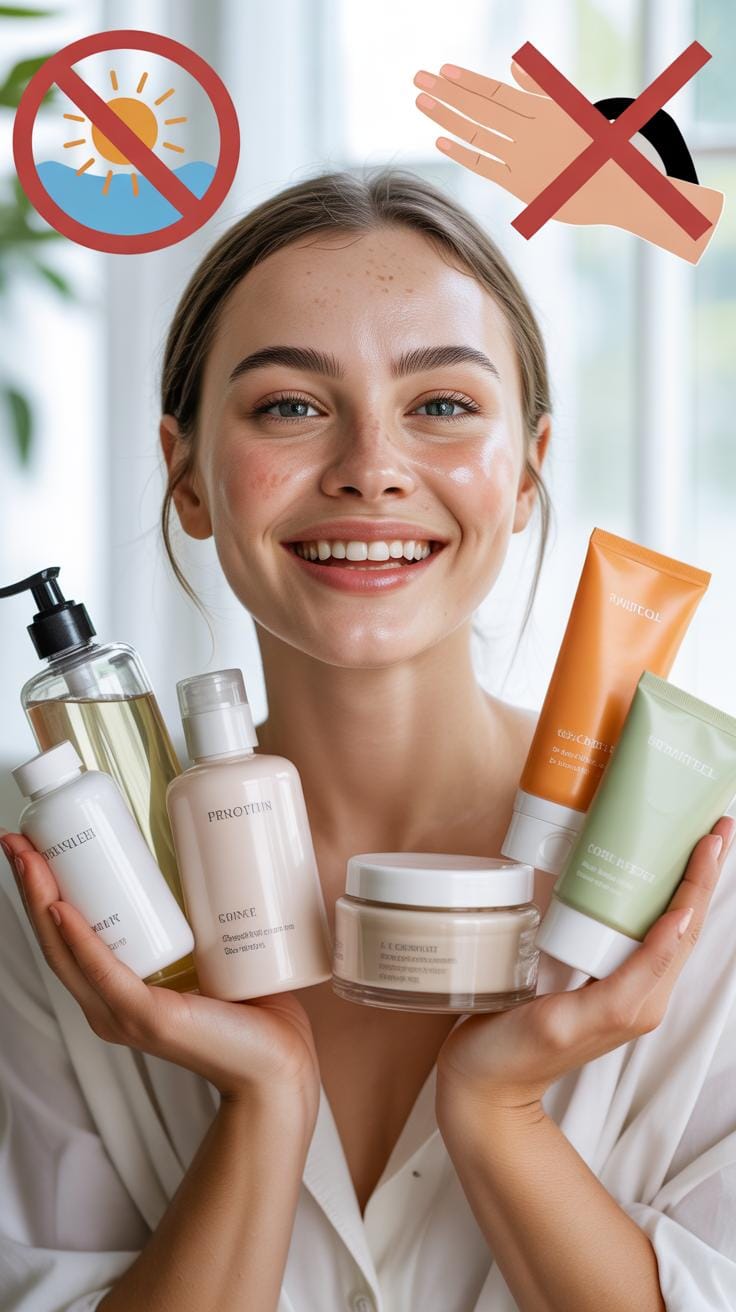
Washing your face feels like a fresh start, right? But doing it too often can backfire. When you strip your skin of its natural oils, the barrier that protects against irritants weakens. Some people think scrubbing harder or using strong products fixes the problem—they don’t. Instead, dryness, redness, or even flakiness can show up. I once switched to a powerful cleanser hoping for clearer skin. The result? Tightness and peeling. It seems like we forget that skin needs balance, not punishment. Two washes a day is usually enough. If your skin feels tight or itchy after cleansing, it’s probably telling you it’s too much or the product is too harsh.
Mixing Skin Products Incorrectly
Combining skincare products sounds smart—after all, shouldn’t layering mean better results? Not always. Some ingredients just don’t get along well. For example, layering vitamin C over retinol can cause redness or peeling. Sometimes one product cancels out the effects of another. I’ve tried using exfoliating acids right after applying a moisturizing serum, thinking it would boost absorption. What happened instead was a stinging sensation and some breakouts. To avoid this, try introducing one new product at a time and pay close attention to how your skin reacts. When in doubt, less is more. Also, think about timing—maybe use certain products at night and others during the day.
Skin Care Product Ingredients Guide
Hydrating Ingredients Like Hyaluronic Acid
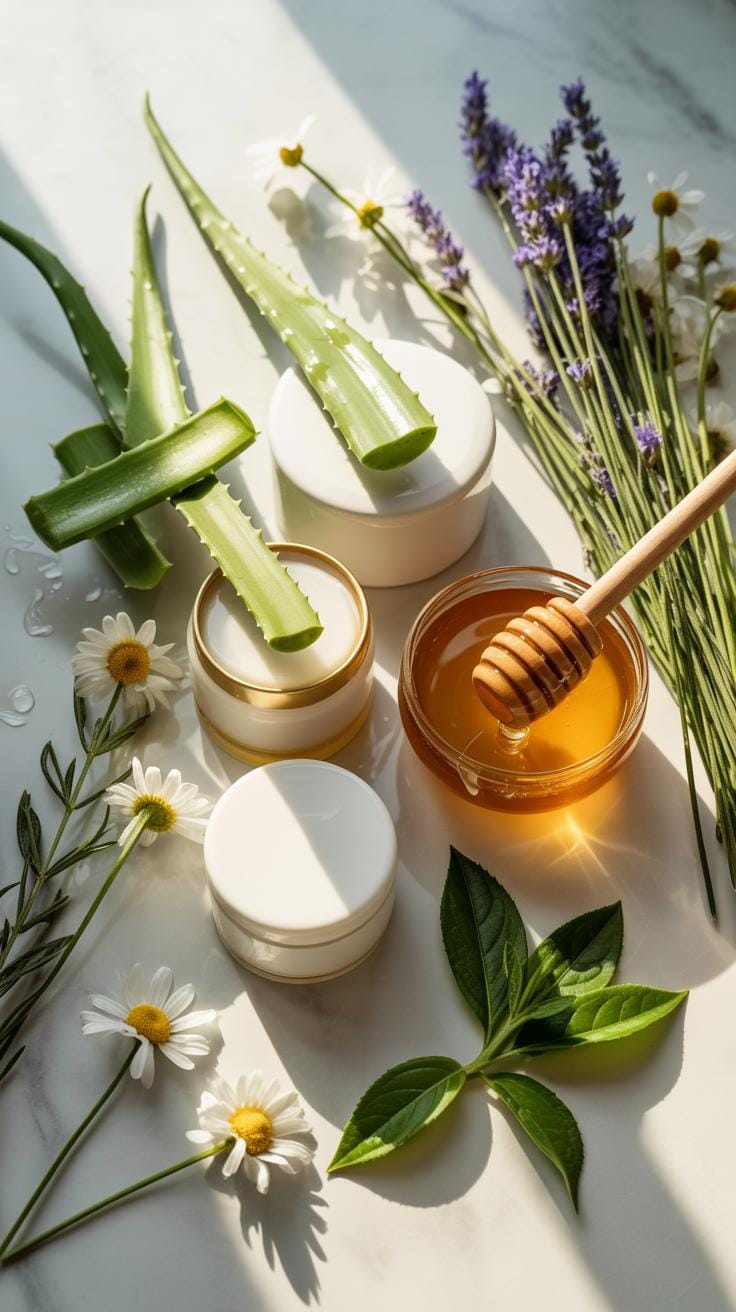
Hyaluronic acid is one of those ingredients that pop up everywhere in moisturizers and serums. Why? Because it can hold water—lots of it. Think of it as a moisture magnet. It attracts and locks in moisture, keeping the skin plump and hydrated. I’ve noticed that when I use products with hyaluronic acid, my skin feels softer and looks less dull, especially during dry months.
It isn’t a heavy moisturizer but rather a lightweight hydrator. People with oily or combination skin often find it less irritating than thick creams. Plus, it works well layered under other products. The tricky part, though, is that it needs water to function properly. Without enough moisture in the environment or on your skin, it might actually pull water out from deeper layers, which sounds odd but it can happen.
Anti-Aging Ingredients Such As Retinol
Retinol is often hyped for its anti-aging benefits, and those aren’t exaggerated. It helps increase cell turnover, which smooths fine lines and evens out skin texture. After a while, you might see fewer wrinkles and less roughness. At least, that’s what people who use it regularly report. I’ve tried retinol-based creams and, while it took a bit of patience to see results, my skin eventually appeared firmer.
Retinol can be tricky to use, though. It may cause irritation or dryness, especially at first, so starting slow is usually recommended. It also makes your skin more sensitive to sunlight, so using sunscreen daily is kind of non-negotiable. Still, it’s one of the few ingredients backed by quite a bit of research for its effects on aging skin. The question is whether you’re willing to commit and deal with the adjustment period.
Choosing Skin Care Products For Your Skin

Picking the right skin care products can feel tricky, right? You might get overwhelmed with all the brands, labels, and promises. But focusing on your skin type and what it really needs often clears the fog. For oily skin, lightweight, water-based formulas tend to work best. They help control shine without clogging pores. Look for labels like “non-comedogenic” or “oil-free.” Ingredients like salicylic acid or niacinamide can be real helpers for managing excess oil.
Dry skin, on the other hand, craves hydration and nourishment. Creamy, richer products usually make a difference. Ingredients such as hyaluronic acid, glycerin, or ceramides support moisture retention, which is crucial if your skin often feels tight or flaky. Some days you might find that switching between lotions and ointments depends on how dry the air or your skin feels—there’s no perfect formula that fits all days.
Product Selection For Oily Versus Dry Skin
For oily skin, avoid heavy creams with lots of oils. They might feel like a good idea during dry weather, but they can leave your face looking greasier, sometimes almost sticky. Gel-based moisturizers and foaming cleansers keep things lighter and fresher. Exfoliating gently can prevent clogged pores, but don’t scrub too hard—your skin might react badly.
Dry skin products focus on soothing and locking in water. You might want to try richer creams or even adding facial oils sparingly. Some oils like jojoba or squalane mimic natural skin oils without feeling heavy. If your skin peels in winter, layering a hydrating serum before your moisturizer could help. But too many layers? It can sometimes feel a bit much, so listen closely to how your skin responds.
Sensitive Skin Product Recommendations
If your skin often feels irritated or red, choosing gentle products is key. Fragrance-free and dye-free options usually suit sensitive skin better, but even then, reactions happen. Ingredients like aloe vera, chamomile, and oatmeal calm inflammation and soothe discomfort.
Look for cleansers that don’t foam aggressively or strip natural oils. Mineral sunscreens with zinc oxide or titanium dioxide often cause less irritation compared to chemical ones. You might want to patch test new products—not just once but a few times—because sometimes the reaction isn’t immediate.
In the end, trusting your gut matters. If a product doesn’t feel right within a few days, maybe it’s better saved for later or avoided altogether. You might discover a product you thought was perfect just doesn’t agree with you over time. That’s okay, and quite common actually.
When To See A Skin Care Specialist

Sometimes, figuring out if your skin problem needs a specialist isn’t straightforward. You might wonder, “Is this just a phase, or should I ask for help?” If you notice persistent redness, unusual bumps, or sudden changes in your skin’s texture, don’t hesitate to get a professional opinion. When acne refuses to clear after weeks or over-the-counter products irritate instead of soothe, that’s a clear sign you might want to book an appointment.
If your skin is itching constantly or developing unexplained rashes, especially if it spreads or breaks out in pain, it’s worth a visit. Also, if you’ve got dark spots that grow in size or change shape, it’s better to have those checked sooner than later. It can feel trivial at first, but these signs could hint at something more serious.
Signs That Need Medical Skin Care Attention
Here are some specific symptoms that you should watch out for:
- Sudden, severe acne flare-ups that don’t improve with basic treatments
- Persistent dryness or peeling that doesn’t respond to moisturizers
- Unexplained bruising, swelling, or lumps beneath the skin
- Open sores or wounds that fail to heal within a couple of weeks
- New, unusual moles or changes in existing ones
- Intense itching or burning sensations accompanied by rash or discoloration
- Skin infections marked by pain, pus, or spreading redness
Sometimes, it’s tricky because not every one of these needs emergency care, but they should definitely be evaluated. It’s okay to be cautious here.
How Professionals Customize Skin Care Plans
Skin care specialists don’t just hand out generic advice. They take time to understand your skin type, lifestyle, and even diet before suggesting a tailored plan. You might get recommendations for specific cleansers, serums, or sunscreens that fit your unique needs. They could offer medical-grade treatments like chemical peels, light therapy, or prescription medications that you can’t find in a regular store.
Plus, they’ll often schedule follow-ups to adjust the plan based on how your skin responds. Sometimes, they recommend lifestyle tweaks—like cutting back on certain foods or changing bath routines—that might seem small but actually make a big difference. And they can explain why some products work better together or not at all, which often causes confusion on your own.
It’s not just about quick fixes but creating a manageable routine that you can realistically stick to. That said, it’s okay to feel a bit overwhelmed initially—that’s normal. Over time, you’ll likely find a balance that fits your life and keeps your skin in good shape.
Nighttime Skin Care Routine Tips
Cleansing And Moisturizing Before Bed
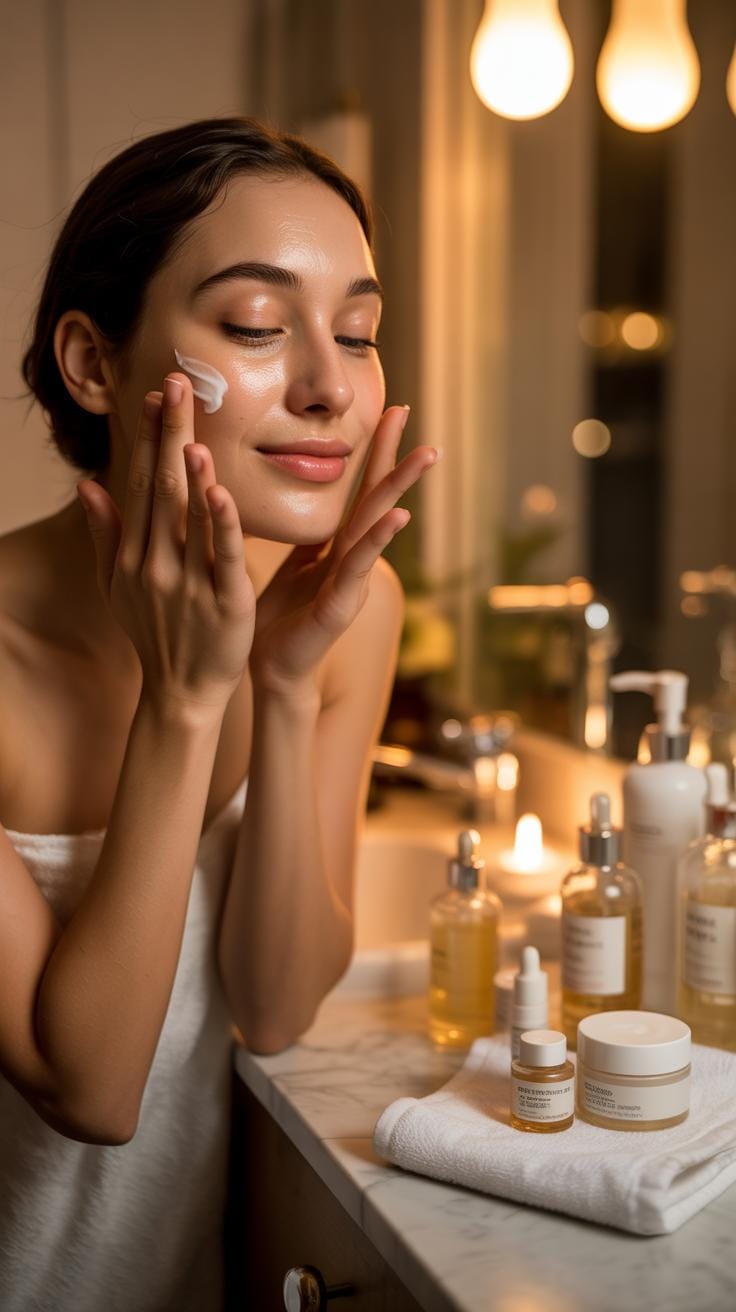
At night, your skin begins its natural repair process, but that only happens if you start with a clean canvas. Removing makeup and impurities might feel tedious, but skipping this step can block pores and leave your skin less able to breathe. I’ve noticed that even a quick wipe with a gentle cleanser helps avoid breakouts and dullness. It doesn’t have to be complicated—just something that truly cleanses without stripping.
After cleansing, applying a nourishing night cream or serum sets the stage for hydration. Nighttime products often contain richer moisturizers or ingredients aimed at supporting your skin’s recovery. You might find that a thicker cream feels heavy at first, but it’s worth experimenting. Sometimes, layering a serum under your cream works better for your skin type—it’s a bit of trial and error, I think.
Benefits Of Retinol And Night Treatments
Night is when treatments like retinol really shine. These formulas encourage cell turnover and collagen production while you sleep, which can reduce fine lines and improve texture over time. But retinol isn’t for everyone, and I’ve seen how starting slow makes a difference—maybe just a couple of nights a week initially.
Other night treatments, like peptides or antioxidants, also play a role in skin repair. The key is consistency. It’s tempting to skip or double up, but a steady approach yields more visible results. Have you noticed how some nights your skin feels more sensitive after applying these treatments? That happens because your skin is working hard, so it’s okay to pause if needed.
Giving your skin this focused care at night can genuinely change its look and feel over weeks, even if the process feels slow sometimes. It’s about supporting what your skin does naturally, with a little help from targeted products that work while you rest.
Practical Tips For Skin Hydration Every Day

Keeping your skin hydrated on a daily basis isn’t always as simple as applying a moisturizer. There are a few small but powerful habits that can really make a difference. For example, using a humidifier in your living or work space can help a lot, especially when the air is dry. I’ve noticed on chilly winter nights that my skin feels less tight if I keep one running. It’s not a miracle cure, but it supports your skin’s natural moisture better than you might expect.
Drinking enough water is another straightforward step to stay hydrated—though it feels like everyone says this, it remains true. The tricky part is how much water you actually need. You could try listening to your body or just make a habit of sipping steadily throughout the day. Sometimes I forget, then notice my skin getting dull or flaky. That’s a nudge, right?
Using Humidifiers And Drinking Water
Humidifiers add moisture to the air, which reduces dryness on your skin. Dry air can pull moisture away from the skin’s surface, which doesn’t help when you want a supple look. Just keep the device clean, because a dirty humidifier can breed bacteria, and then that’s definitely not good.
Water isn’t a miracle fix, but it’s a starting point. If your skin already retains moisture well, drinking more water might not instantly change the surface appearance; still, it supports your skin from within, which is often overlooked.
Avoiding Hot Showers And Harsh Soaps
Hot showers might feel relaxing, but they come at a cost. Hot water strips away natural oils faster than lukewarm water, and those oils are what protect your skin’s moisture barrier. After a hot shower, your skin might look dry or feel tight—sometimes that’s a sign it’s been compromised.
Harsh soaps don’t help either. They strip oils, upset the pH balance, and sometimes irritate. Soaps with strong detergents or antibacterial agents can be more damaging than you realize. It’s worth choosing gentle, fragrance-free cleansers. I switched once and noticed my skin wasn’t as flaky or red afterward. Small changes can add up.
Skin Care Routine For Different Seasons

When the seasons shift, your skin often reacts in ways you might not expect. It’s not just about adding or removing a step; it’s about shifting your whole approach depending on the weather outside. For example, summer’s heat and strong sun demand lighter textures. Thick creams that feel comforting in winter can suddenly feel heavy, even suffocating.
During summer, using lighter moisturizers—like gels or emulsions—can keep your skin hydrated without clogging pores. Also, upping your sunscreen is key. I mean, you can never really apply too much sunscreen when the sun’s blazing. Reapplying every two hours might sound tedious, but it can make a big difference in preventing UV damage.
On the flip side, cold weather dries out your skin more than you might realize. Winter calls for richer creams and oils that lock moisture in before you even head outdoors. It’s tempting to skimp on moisturizing steps because cold air feels harsh, but your skin actually needs more care. Drinking enough water helps too—though it’s easy to forget when it’s chilly out.
So, switching seasons means revisiting what products you use, how often, and maybe even what ingredients they contain. Have you noticed your skin feeling different now and then without changing anything? That’s exactly why a flexible routine can be better than sticking rigidly to one product set all year long.
Conclusions
Healthy skin comes from regular care and attention. Using the right products and following good habits can protect your skin from damage and keep it moisturized. Drinking water and eating well also help your skin stay strong.
With clear steps and knowledge, you can improve your skin’s health and appearance. Keep these tips in mind and adjust your routine as you learn what works best for your skin type.