What Gua Sha Is Claimed To Do
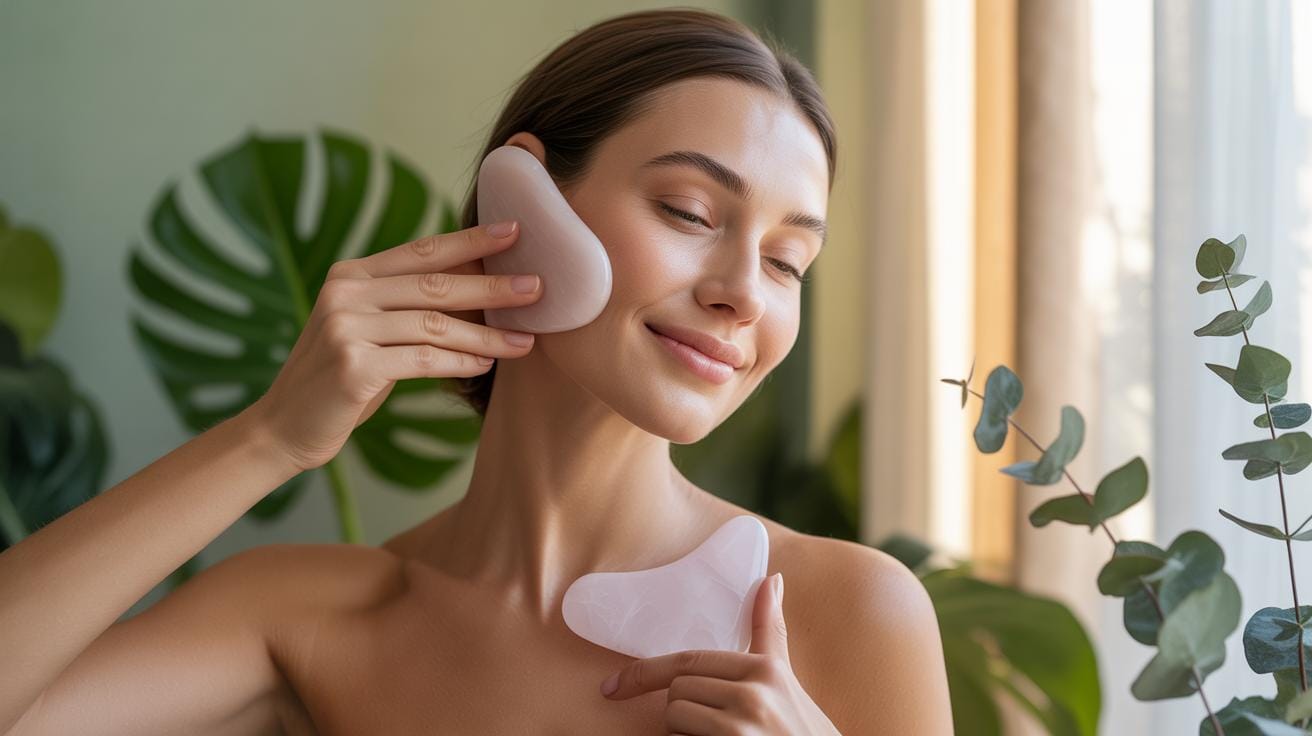
Gua Sha is a traditional practice that uses tools to scrape the skin. This method dates back to ancient China and is claimed to provide various health benefits. People use Gua Sha to help with pain, improve circulation, and even enhance their skin’s appearance.
This article covers the benefits of Gua Sha tools for your health and style. You will learn how it works, how to use it, the tools involved, and what to expect. This will give you a clear idea about whether Gua Sha is right for you.
Health Benefits Of Gua Sha

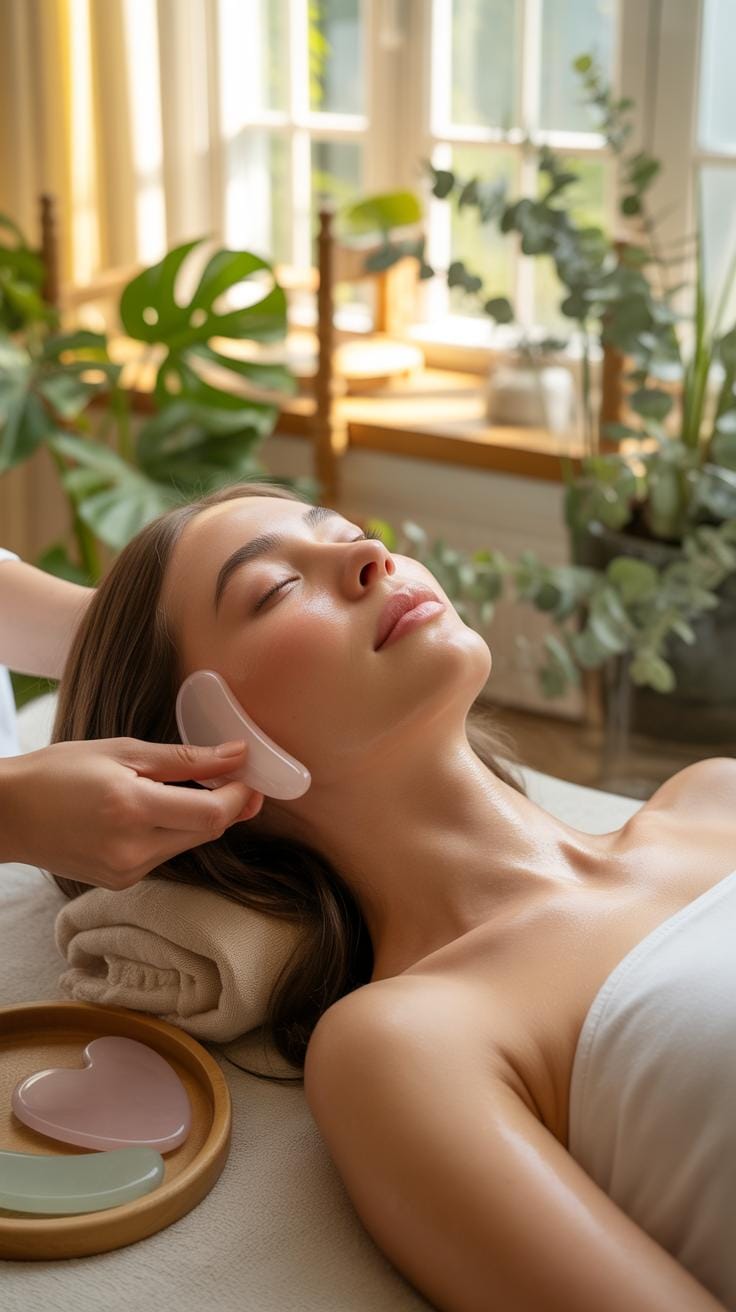
Gua sha offers some straightforward health benefits that many people find helpful. One of the key effects is improved circulation. When you scrape the skin gently, it encourages blood to flow more freely to the surface and underlying muscles. This isn’t just about a temporary flush; the increased blood flow can aid healing and ease tightness in muscles.

People often turn to gua sha for muscle pain and stiffness, especially in areas like the neck, shoulders, and back. Stretching the skin this way seems to release what traditional Chinese medicine calls “stagnation,” which may be why those nagging aches sometimes feel less intense afterward.
It’s also used to ease symptoms of common colds and fatigue. I’ve read that the relaxation effect can actually help calm the nervous system, which, in turn, might support recovery and reduce stress. While it’s not a miracle cure for everything, the combination of physical and mental benefits seems promising enough to give it a try when you’re feeling off.
How Gua Sha Can Improve Circulation
Scraping the skin with gua sha tools prompts a localized increase in blood flow. This happens because the gentle pressure and movement cause tiny capillaries to dilate, allowing more oxygen and nutrients to reach the area. You might notice the skin reddens or warms up—signs that circulation is actively improving.
Better circulation affects muscles and connective tissues, which is why soreness and stiffness can lessen. The improved blood supply supports the removal of metabolic waste, which might explain a faster recovery from minor injuries or overuse. It’s almost like jump-starting the body’s natural healing, but the exact process is still a bit elusive scientifically.
Some people mention a feeling of lightness or looseness in the muscles after a session. Could this be from the relaxation of blood vessels or from the release of tension? Probably a mix of both, but it’s interesting how something so simple can trigger these changes.
Using Gua Sha For Pain Relief
Many use gua sha specifically to address muscle pain and stiffness, especially in the neck, shoulders, and upper back. These areas tend to hold stress and tension, so targeted scraping can provide noticeable relief. The technique is believed to break up “stagnation” in traditional Chinese medicine—basically stuck energy or blood flow—which can cause discomfort.
The sensation during treatment can vary. Sometimes it’s mildly uncomfortable but often leads to a soothing, relaxed feeling afterward. I’ve heard that repeated sessions might be necessary for chronic issues, which isn’t surprising given how muscle pain tends to linger or return.
It’s worth considering how gua sha compares to other methods like massage. Perhaps it’s the specific scraping method combined with the pressure that makes it effective for some people. If you deal with ongoing stiffness or tightness, gua sha at least offers a different approach worth exploring.
How To Use Gua Sha Safely At Home
Preparation And Tool Selection
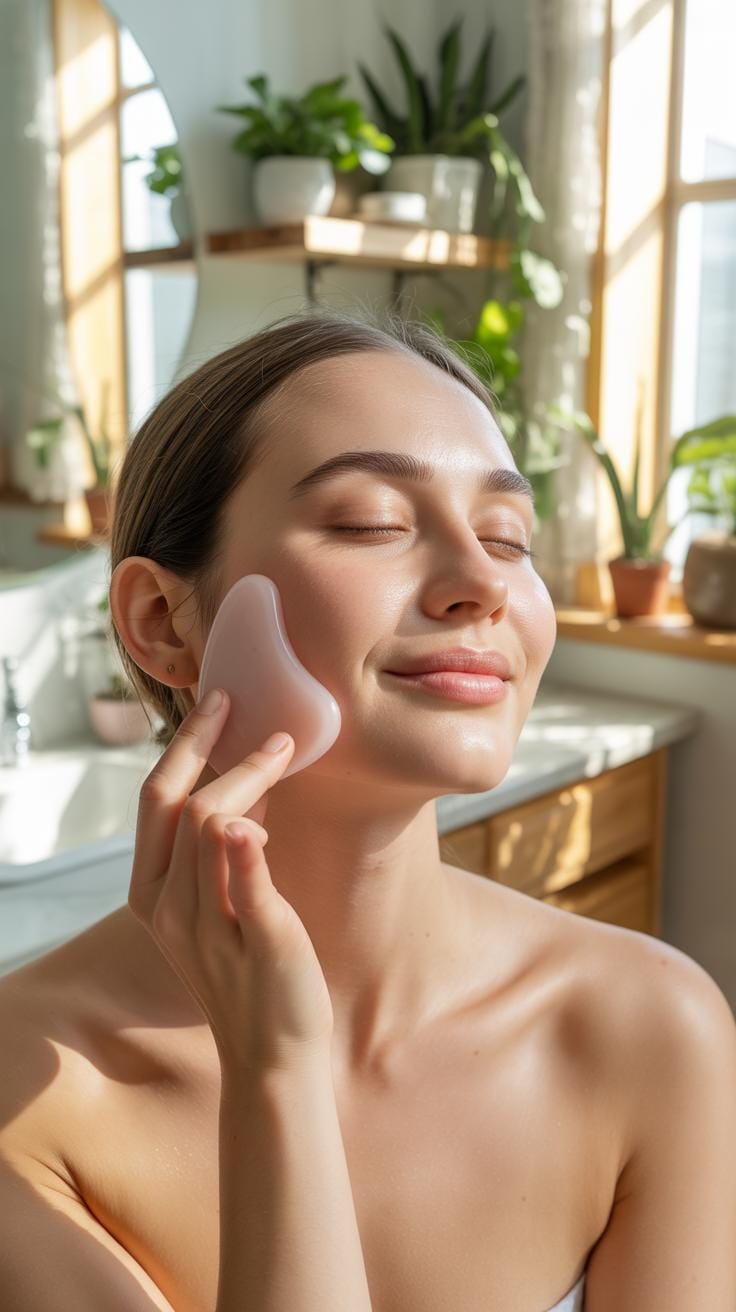
Choosing the right gua sha tool depends on what you’re aiming for and how your skin feels. Tools come in various materials like jade, rose quartz, or even buffalo horn. Each has a slightly different texture and weight. For beginners, a smooth jade stone with rounded edges usually feels gentler. Shapes matter too—a flat tool works well on larger body areas, while a curved or heart-shaped one fits the contours of your face better.
Before starting, prepping your skin is key. Clean your face or body gently, then apply a light layer of oil or balm. This helps your gua sha tool glide smoothly without pulling or irritating the skin. Some prefer jojoba or rosehip oil, but any skin-friendly option works as long as it’s not sticky or overly thick. The goal is to reduce friction while keeping your skin protected.
Step By Step Gua Sha Scraping Technique
When scraping, follow these simple rules: always move the tool in upward and outward motions. For the face, strokes typically start from the center, moving toward your ears or hairline. Keep pressure light—firm enough to feel the skin lift but not painful. If you press too hard, the skin might bruise, which isn’t helpful for regular practice.
Body scraping uses longer, broader strokes, usually directed toward the heart to encourage circulation. Avoid broken or inflamed skin areas—they’re off-limits. Speed isn’t necessary; slow, intentional movements work best.
A typical stroke length is about an inch or two on the face, longer on the body. You might notice that some spots feel tighter or tender—linger lightly there for a few extra seconds. And don’t forget to clean your tool before and after each session to keep things hygienic. This routine might seem a bit fussy, but I think it really pays off in comfort and results.
Choosing The Right Gua Sha Tools
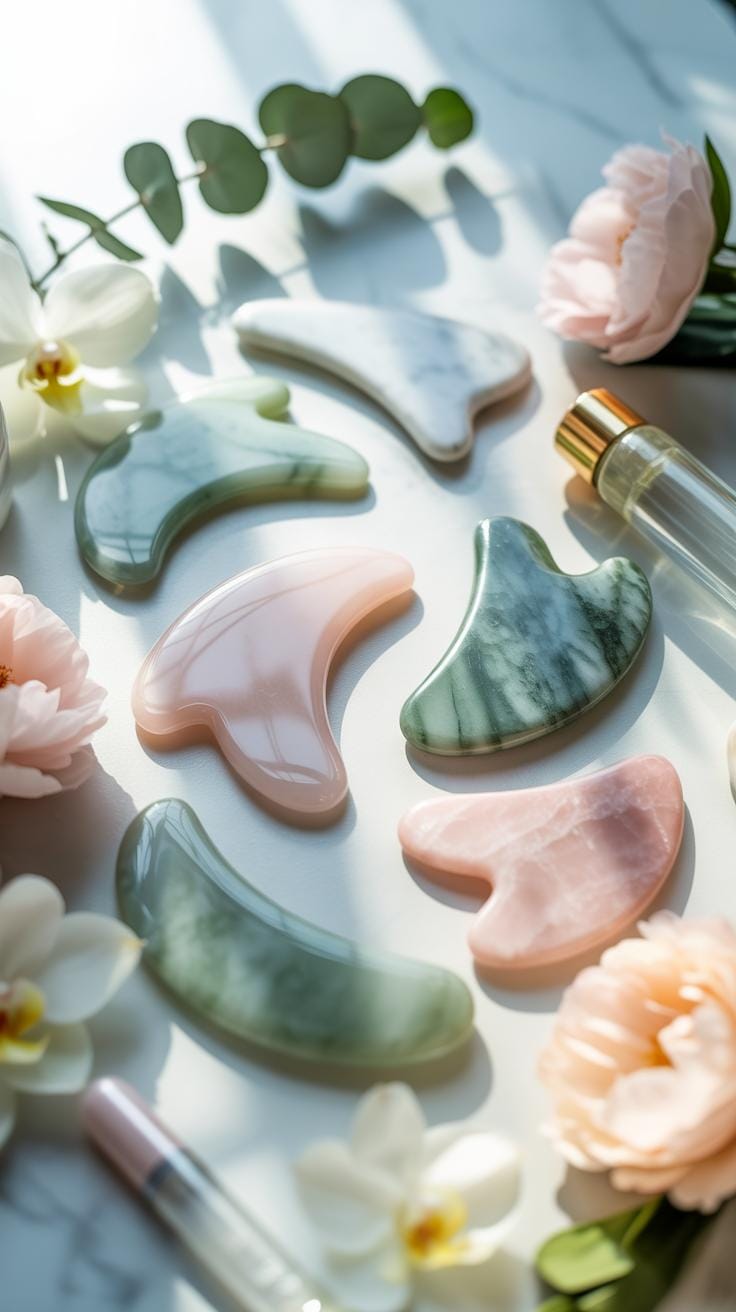
Different Types of Gua Sha Tools
You’ll find gua sha tools made from jade, ceramic spoons, and even buffalo horn. Jade stones are popular—smooth, cool, and linked to centuries of traditional use in Chinese medicine. They glide gently on the skin and feel calming, though they can chip if dropped. Ceramic spoons, on the other hand, offer a unique hardness and smooth surface but tend to be quite fragile. I once had a ceramic tool crack after a slight tumble, which was disappointing. Buffalo horn tools feel sturdier and warm quickly to the touch, making them interesting if you prefer a bit more warmth during your massage. But they may lack the cool sensation many people seek.
Materials Used In Gua Sha Tools
Common materials for gua sha tools include jade, rose quartz, ceramic, and buffalo horn. Jade and rose quartz are smooth and cold to the touch, which can help reduce puffiness and soothe inflamed skin. Yet, they require careful handling due to potential brittleness. Ceramic tools feel hard and smooth but can be too rigid for delicate facial areas and might break easily. Buffalo horn stands out for its durability and natural warmth, though it’s not as cool or smooth as stone, possibly feeling less refreshing. Each material changes skin sensation slightly, so your choice might depend on how your skin reacts or what feels relaxing to you.
Comparing Jade And Other Stone Tools
Jade is often lauded for its coolness and traditional significance. It stays cold longer than ceramic or buffalo horn, which might explain why it’s favored for reducing puffiness. Other stones, like rose quartz, share a similar coolness but offer a slightly different texture—softer, perhaps, or with subtle variations that affect the massage feeling. Ceramic tools feel hard and less cool, warming quickly in your hand, which some might find comforting, not refreshing. The cultural meaning behind jade cannot be ignored, though—it carries a weight of history that other materials simply don’t. Still, personal preference plays a big role in what actually feels best during use. You might try each to see what suits your routine—and your skin—most effectively.
Avoiding Risks With Gua Sha Practice
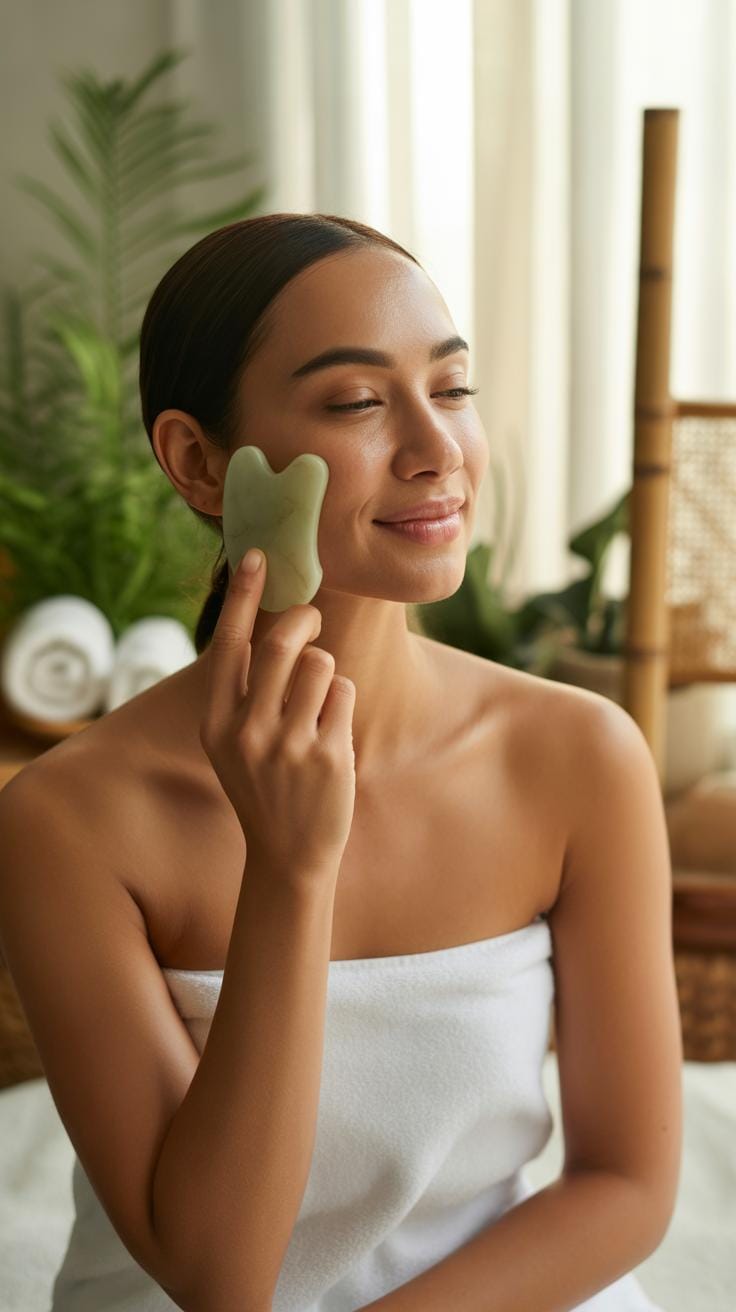
Common Side Effects To Expect
After a gua sha session, you might notice red marks or slight bruising on your skin. This happens because the tool stimulates blood flow just beneath the surface, causing tiny capillaries to burst. While these marks can look alarming, they usually fade within a few days, sometimes up to a week, depending on your skin sensitivity and the pressure applied. For some people, the marks might feel a bit tender, but this generally isn’t painful. It’s a sign that your body is responding to the massage, yet if the redness lingers longer or worsens, that’s when you should pause and reconsider the approach or even consult a professional.
I remember once trying a more vigorous scrape and ended up with deep bruises that took over a week to heal. Not fun, and clearly, more gentle pressure works better for me.
When To Avoid Gua Sha Treatment
There are situations where gua sha might not be the best choice. Avoid the practice if you have:
- Broken or irritated skin—because scraping over cuts can worsen irritation or cause infection.
- Bleeding disorders or if you’re on blood thinners—since gua sha can lead to excessive bruising or bleeding.
- Active infections or inflammation—your body needs rest, not extra stress.
- Certain illnesses like severe cardiovascular issues or skin conditions such as eczema and psoriasis.
Basically, if your body’s compromised, adding gua sha might do more harm than good. If you’re unsure, it’s always better to consult a healthcare provider, because sometimes what seems like a harmless treatment isn’t suitable for your condition.
Have you ever wondered why some treatments feel good at first but then might not? Gua sha can be great—when done carefully and thoughtfully. But it’s crucial to respect your body’s signals and limits.
Gua Sha For Skin Care And Appearance
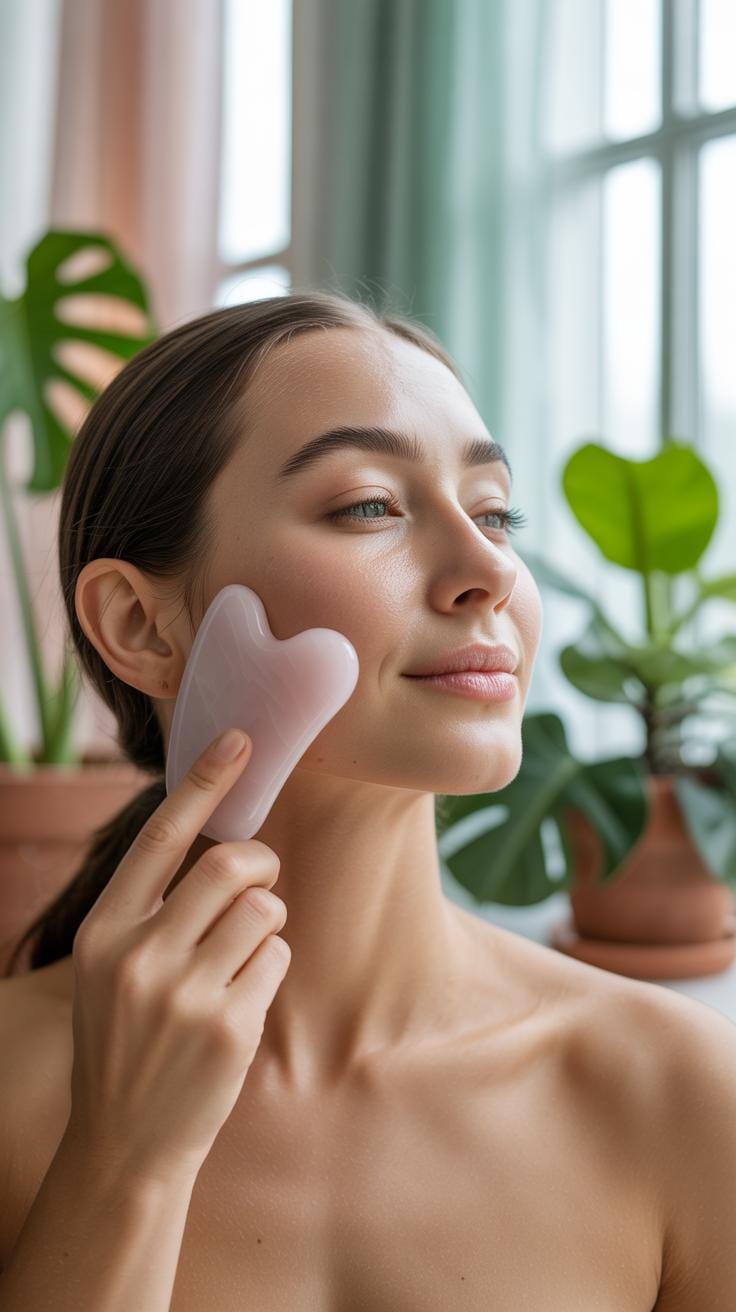
You might have seen gua sha tools — those smooth stones shaped to fit the contours of your face. They’re used to gently scrape the skin in a specific way. This action, while simple, can help reduce puffiness by encouraging lymphatic drainage. It’s like coaxing stagnant fluids to move along, which might leave your face looking less tired, almost brighter in tone.
Using gua sha often involves light pressure, so you aren’t pushing too hard. The idea is that the movements stimulate circulation underneath the skin, potentially increasing oxygen flow and promoting a subtle glow. People say their skin feels more refreshed after just a few sessions, though results vary and some days might feel better than others.
Some users report that regular gua sha can soften the appearance of fine lines and give the complexion a smoother, livelier texture. It’s not a miracle cure — but the ritual itself can enhance how your skin looks and feels. What’s interesting is how something so straightforward might impact how you see yourself, even if the scientific backing is still growing.
Technique For Facial Gua Sha
The tool should glide over your face with short, gentle strokes — never harsh scraping. Start from the center of your face, moving outwards. Key focus areas include around the eyes, cheekbones, jawline, and neck. Each stroke should follow the natural muscle lines, aiming to encourage lymph flow toward the lymph nodes near your ears and collarbones.
You can spend anywhere from five to ten minutes daily or a few times a week. It’s best applied over a light facial oil or serum to prevent tugging. Personally, I find the morning to be refreshing, though some prefer evenings to wind down. Be careful around delicate zones like under the eyes; use delicacy there to avoid irritation.
Benefits For Skin Tone And Texture
Regular use of gua sha might improve skin tone by promoting better blood flow and reducing water retention. Some small studies hint at benefits for microcirculation, but larger research is lacking. Still, many users feel their skin texture evens out, dryness diminishes, and dullness fades over time.
People often mention that their skin looks less splotchy and has a more uniform color after consistent practice. There’s also talk about how gua sha can relax facial muscles, possibly softening the tension that sometimes exaggerates wrinkles or uneven texture.
It’s worth wondering if the ritual itself – the time spent caring for your skin – influences results as much as the tool. Maybe that quiet moment, combined with gentle massage, creates a subtle but real change you can’t easily measure but definitely notice.
Gua Sha Versus Other Traditional Therapies
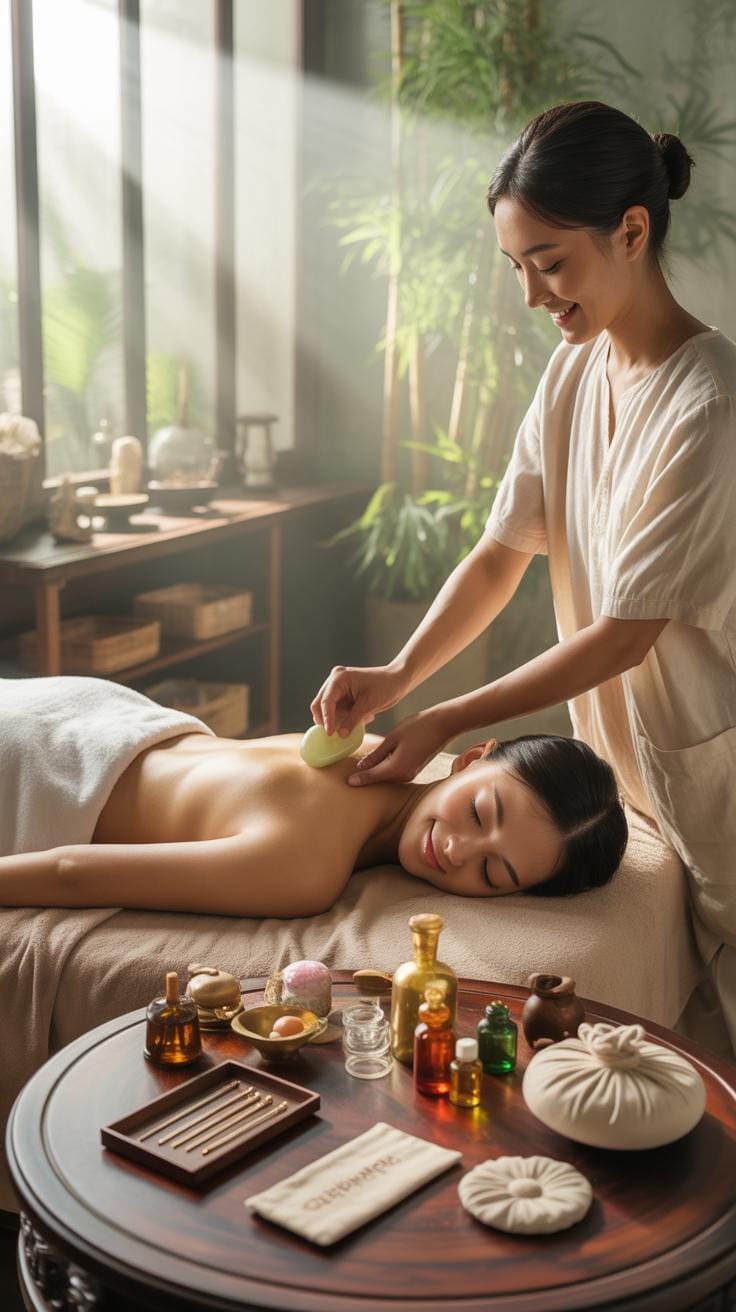
Gua sha, cupping, and massage all target the body in ways that aim to ease tension and improve circulation, but their approaches vary quite a bit. Gua sha uses a scraping motion with a flat tool across the skin, which creates a subtle redness or petechiae that some find therapeutic—sort of like pressing a reset button on muscle stiffness.
Cupping, on the other hand, relies on suction. Glass or silicone cups are placed on the skin to pull it gently upward, often leaving circular marks. This pulls blood flow differently than gua sha’s direct contact and scraping. You might prefer cupping if you want a deeper release in tight muscles, especially those stubborn knots that gua sha might not reach as easily.
Massage therapy also works hands-on but feels more familiar—it involves steady rubbing, kneading, or tapping with varying pressure. Unlike gua sha, which often uses firmer strokes that could feel a bit rough or even uncomfortable at times, massage can be adjusted easily to your comfort level. Each method has its typical benefits; gua sha can feel more intense and stimulating, whereas massage tends to soothe and relax.
Which one fits best? It might depend on your needs. For targeted muscle pain, gua sha’s scraping might get quicker results, but if you want general relaxation, massage could be better. Cupping finds a middle ground, often focusing on circulation and detoxification. That said, it’s interesting how these methods overlap yet remain distinct in how they treat your body.
Checklist For Starting Gua Sha Practice
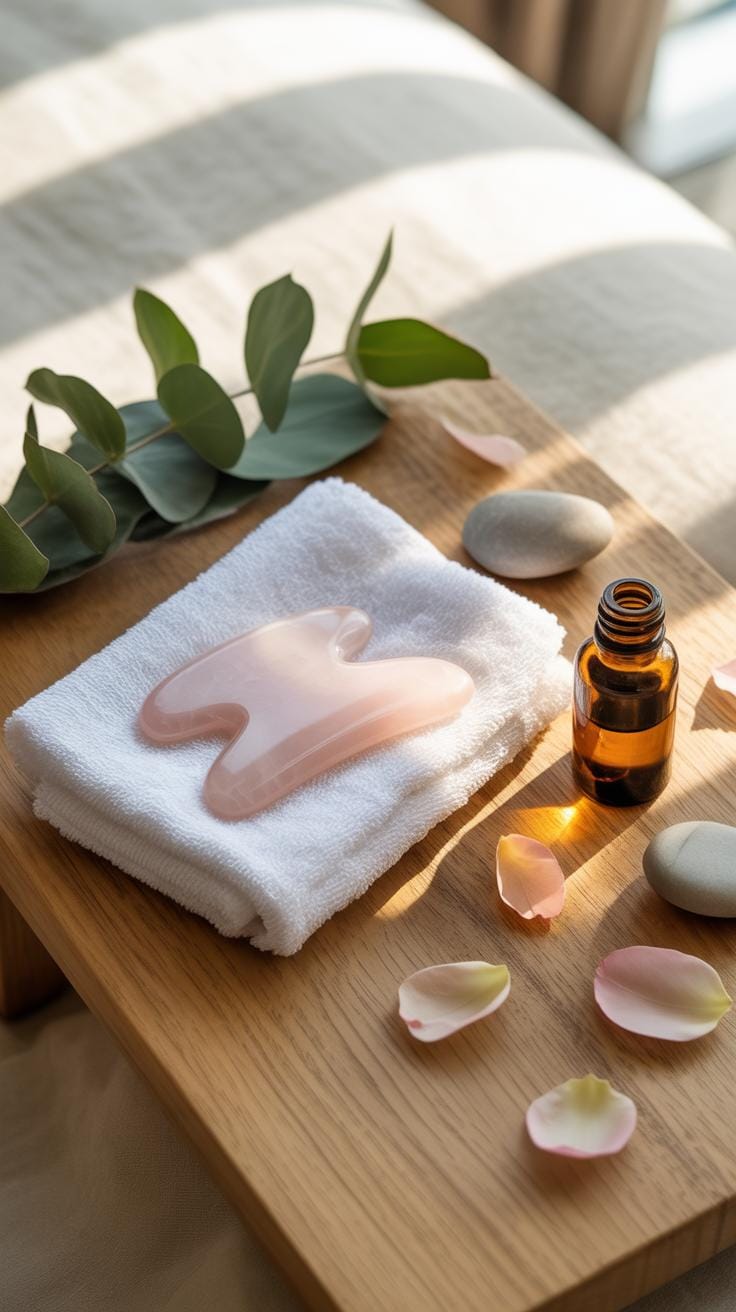
Starting gua sha can feel a bit overwhelming, but having a clear checklist helps keep things straightforward. First, pick your tools carefully. Jade and rose quartz are popular, but don’t rush—it’s okay to try different stones to see what feels right. Next, learn the technique. Watching videos, reading guides, or even a quick consultation can help you avoid pressing too hard or going the wrong direction.
Preparing your skin is often overlooked but crucial. Cleanse thoroughly, then apply a facial oil or balm to help the tool glide smoothly without tugging. This step makes a real difference in comfort and effectiveness.
Hygiene is too easily forgotten. Always wash your tools before and after use. Keep your hands clean, of course, and store tools in a dry, safe place. These habits help prevent irritation or infections, especially when you’re new and might be unsure.
Starting gua sha is simple if you go step by step. Don’t rush—let the practice grow on you, and you’ll likely notice small improvements that encourage sticking with it.
Essential Items For Gua Sha Routine
To begin gua sha, gather these essentials: your gua sha tool, a facial oil or serum, and cleaning supplies. The tool itself is obvious—you need something smooth and shaped for scraping. Oils reduce friction, protecting your skin and enhancing the massage effect. Without one, you risk pulling the skin instead of gently moving it.
Cleaning supplies might seem mundane, but they’re necessary. Mild soap or gentle cleanser keeps your tool in good condition and safe to use. A soft cloth or towel for drying prevents scratches or damage. This small kit covers the basics, but you’ll likely add items as you learn what feels best for your skin.
Steps To Prepare And Clean Tools
Proper care of gua sha tools ensures they last and stay safe for your skin. Before using, wipe the tool with warm water and mild soap to remove dust or residues. Dry it completely before touching your face. After use, clean the tool again with soap and water, maybe even a little rubbing alcohol if you want to be extra cautious, but that could be drying to certain stones.
Dry the tool carefully, preferably with a soft cloth, and store it somewhere cool and dry. Avoid harsh chemicals or abrasive scrubbing—they can damage the surface. Over time, your tool might develop a slight patina or tiny chips; that’s normal but check for cracks that could irritate skin.
Keeping up this simple routine keeps your gua sha practice comfortable and safe. It also means your tools will feel smooth and fresh each time you use them. Trust me, that small effort makes a difference in how much you enjoy the process.
Common Mistakes And How To Fix Them

Too Much Pressure Causes Bruising
Applying too much pressure with your gua sha tool is a common mistake, especially when you’re eager to see quick results. But pressing hard doesn’t speed things up—it actually leads to bruising and discomfort. Your skin isn’t meant to withstand intense scraping. When you push down too firmly, tiny blood vessels under the surface rupture, leaving those red or purple marks that can take days to fade.
Try to use a gentle, steady touch instead. Think of it more like smoothing rather than scratching. A good rule of thumb: if it hurts or leaves a mark right away, ease up. You can build pressure over time as your skin gets used to the sensation. Also, apply a good facial oil or serum to help the tool glide smoothly, which reduces friction and the urge to press hard.
Incorrect Angles And Stroke Directions
The angle you hold your gua sha tool at changes everything. Most beginners tend to hold it too flat or too steep, which means the tool either skips over the skin or digs in uncomfortably. The ideal angle is roughly 15 to 30 degrees—just enough to create a slight scraping sensation without pinching.
Another slip-up comes with the direction of your strokes. Gua sha is meant to encourage lymphatic drainage and blood flow, so strokes should generally move upward and outward, following the natural contours of your face or body. Stroking against these pathways might not only feel awkward but also reduce the benefits and could even promote puffiness.
If you’re unsure, try practicing in front of a mirror, watching how the skin moves with each stroke. It takes a bit of trial and error to find the rhythm that feels right. And remember, consistency matters more than intensity.
Real World Examples Of Gua Sha Use
Traditional Uses Across Asia
Gua sha has been part of everyday life in many Asian cultures for centuries. In China, it’s common for family members to use smooth stones or tools on each other, especially when someone complains of cold or muscle pain. The red marks that appear are seen as evidence that toxins are moving out of the body—at least that’s the traditional belief. Vietnam and Cambodia share similar practices, often using gua sha on the back, neck, and shoulders to relieve fevers, headaches, or general fatigue. You’ll sometimes find vendors selling gua sha tools alongside herbal remedies in local markets. Most people there don’t see gua sha as a luxury, but more as a practical health aid, passed down through generations.
One story I heard from a friend with Vietnamese roots involved her grandmother scraping her son’s back daily during flu season. She swore it shortened his recovery time, although medical proof is scarce. Still, these rituals are as much about care and attention as any physical effect, creating a connection through touch and tradition.
Modern Adoption In Wellness Trends
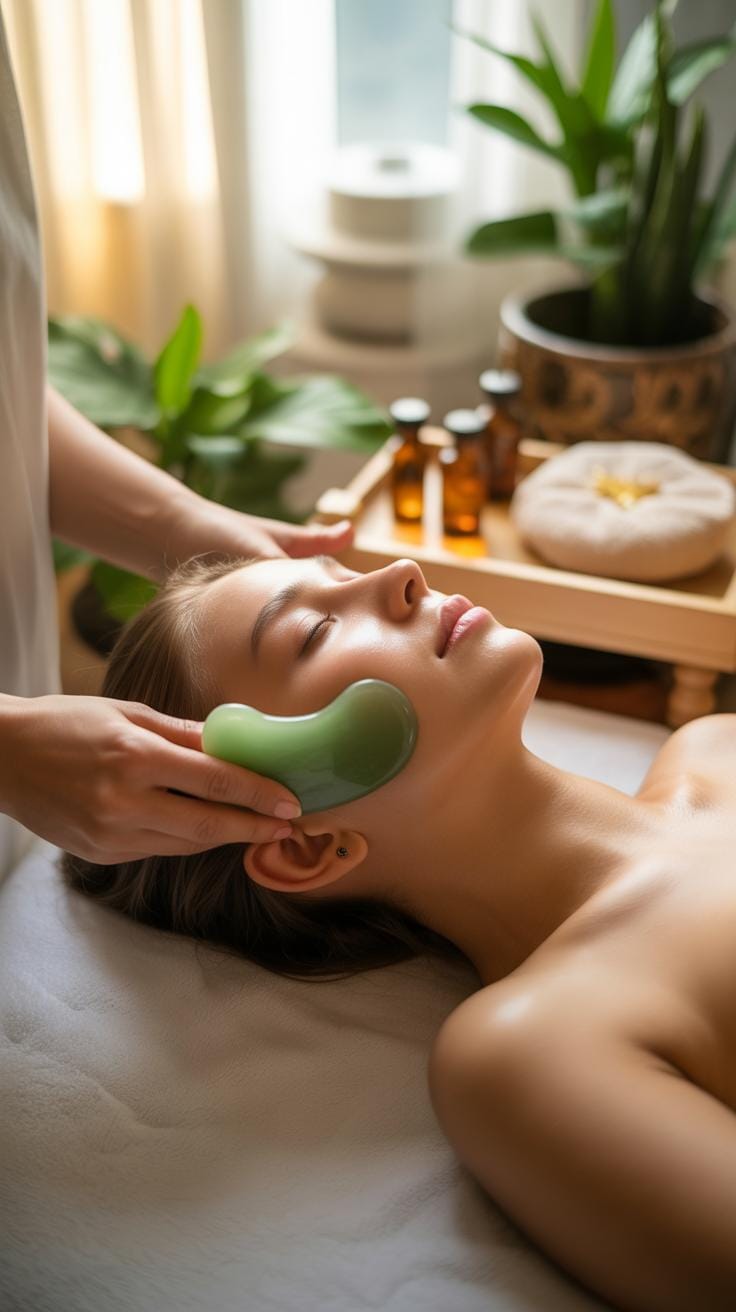
More recently, gua sha has jumped borders and cultures, landing squarely in the spotlight of global wellness. Beauty influencers and skincare enthusiasts rave about facial gua sha stones, claiming they reduce puffiness and boost circulation. You’ll see gua sha tools front and center in spa menus, often paired with oils or serums. People use them at home with hopeful dedication, sometimes finding relief, sometimes just enjoying the ritual.
The shift from traditional therapeutic use to beauty routine is interesting. It makes you wonder if the original medicinal purpose gets diluted, or if gua sha’s benefits adapt with the times. Some practitioners mix both, using gua sha for chronic issues alongside promoting glowing skin. Regardless, this modern take—while popular—is still evolving, and it’s a bit uncertain which benefits are truly universal and which depend on individual experience.
Conclusions
Gua Sha offers several potential health benefits, especially for improving blood flow and easing muscle pain. Its use as a skin care tool for style is gaining attention. By following proper techniques, you can safely try Gua Sha at home and notice changes in how your skin looks and feels.
While Gua Sha comes with some risks such as bruising and skin irritation, understanding these risks and proper hygiene can help you avoid problems. Consider trying Gua Sha tools as part of your wellness routine to see if it fits your health and beauty goals.