
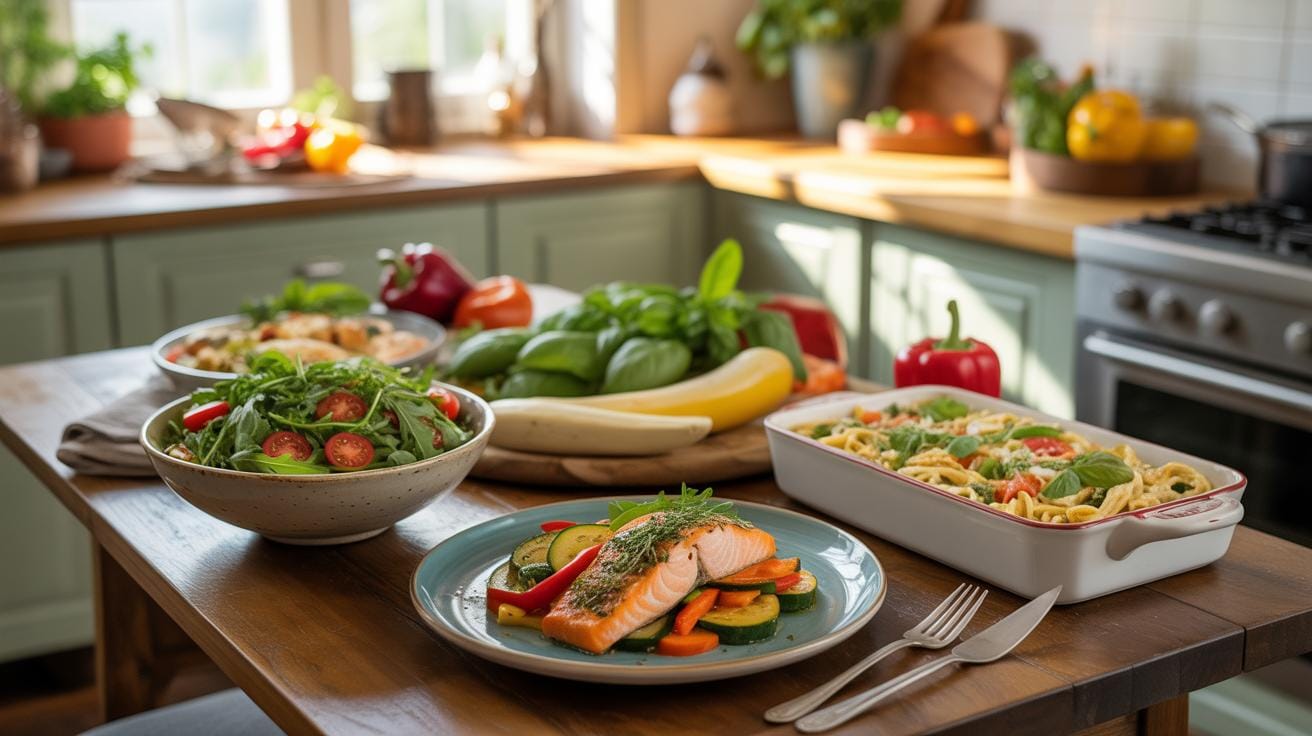
Quick Dinners That Still Impress
Easy Delicious Recipes For Quick Dinner Ideas That Impress are perfect when you want to eat well without spending hours in the kitchen. You can create meals that taste great and look nice using just a few simple ingredients and little time. This article will show you how to make quick, tasty dinners that impress your friends and family.
You will learn different recipes, tips to save time, and ways to make your meals look special. These ideas are easy to follow and will help anyone, even if you don’t cook every day. Let’s explore how you can make quick dinners that everyone will enjoy.
Choosing Ingredients For Fast Meals

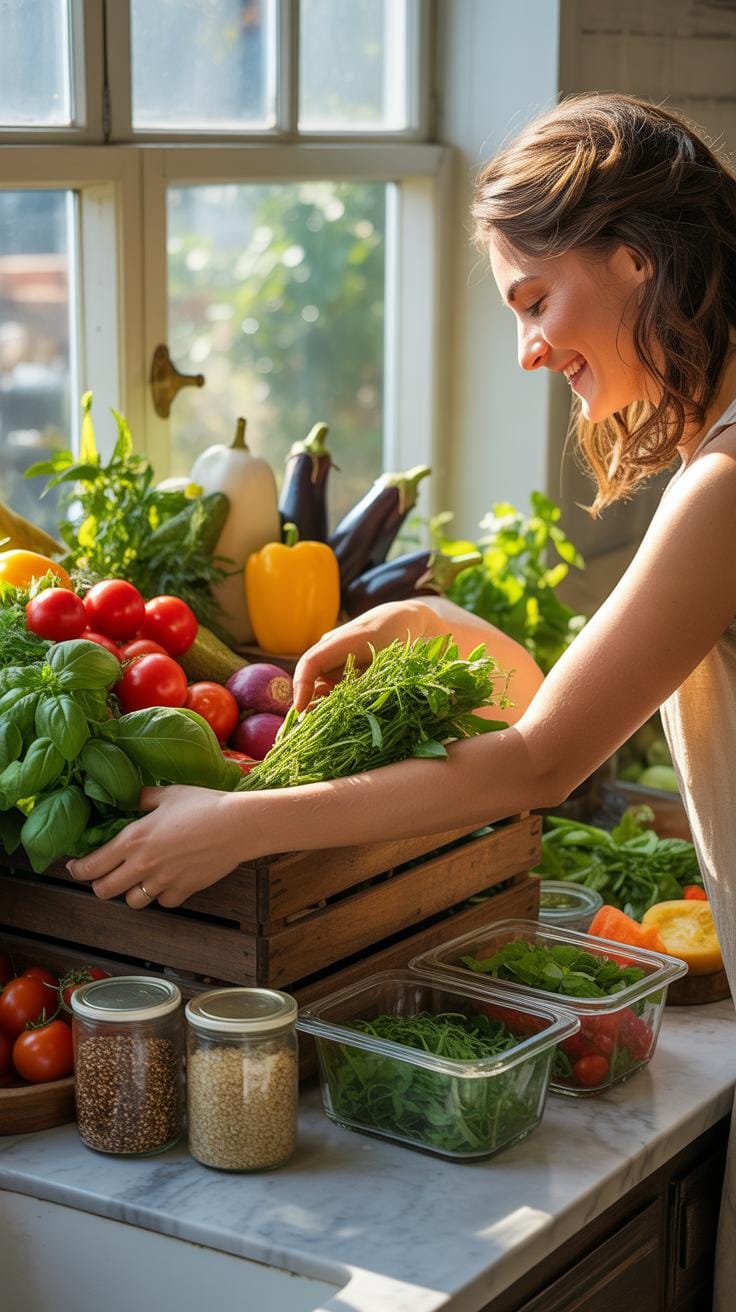
Picking ingredients that speed up cooking without sacrificing flavor can feel tricky. You want fresh items, but also those that don’t require hours of prep. Think about ingredients that multitask well—like bell peppers or onions—they work in so many dishes, from stir-fries to pasta sauces. Fresh herbs like parsley or cilantro add a big punch of flavor with minimal effort. If you find yourself rushing, frozen veggies might not sound like an option, but they really save time and hold flavor surprisingly well.

When shopping, try to grab basics that need little washing or chopping. Pre-washed salad greens or baby carrots, for example, cut down on prep. Choosing ingredients that cook quickly is another hack. Thin cuts of chicken or fish, quick-cooking grains like couscous, or even canned beans give you a jump start. You may wonder if this limits what you cook. Maybe a bit. But it often encourages creativity instead of overwhelming you with too many options.
Top Ingredients To Keep On Hand
Here’s a quick list of ingredients that stow easily and show up in plenty of quick recipes:
- Dry pasta and rice – staple carbs with long shelf life.
- Canned tomatoes – a solid base for sauces and soups.
- Frozen vegetables – no chopping, quick steaming or sautéing.
- Pre-cut fresh veggies – like cauliflower rice or spiralized zucchini.
- Eggs – cook fast and add protein in many forms.
- Bagged salad mixes – instant freshness without the fuss.
- Garlic and onions – basic flavor enhancers that don’t take much time.
- Yogurt or sour cream – for quick sauces or toppings.
These ingredients make it easy to throw together meals without hunting for items or doing heavy prep, which could derail your quick dinner plans.
How To Use Prepped Ingredients
Pre-chopped or pre-cooked ingredients can feel like a shortcut with a guilty edge. But honestly, they can brighten weeknight cooking without dulling taste. For example, pre-cut veggies like sliced mushrooms or diced onions save minutes—sometimes more—and let you focus on seasoning and cooking.
Pre-cooked ingredients like rotisserie chicken or cooked grains turn basic meals into something that feels thoughtful. Toss pre-cooked rice into a quick stir-fry, or add shredded chicken to tacos without standing over the stove. Pair these with fresh herbs or a splash of acid (lemon juice or vinegar) to lift flavors and avoid the flatness that prepped foods sometimes have.
I think the trick is to not rely entirely on these items. Mix fresh with prepped, and the results can be surprisingly satisfying with very little time spent.
Cooking Techniques That Save Time
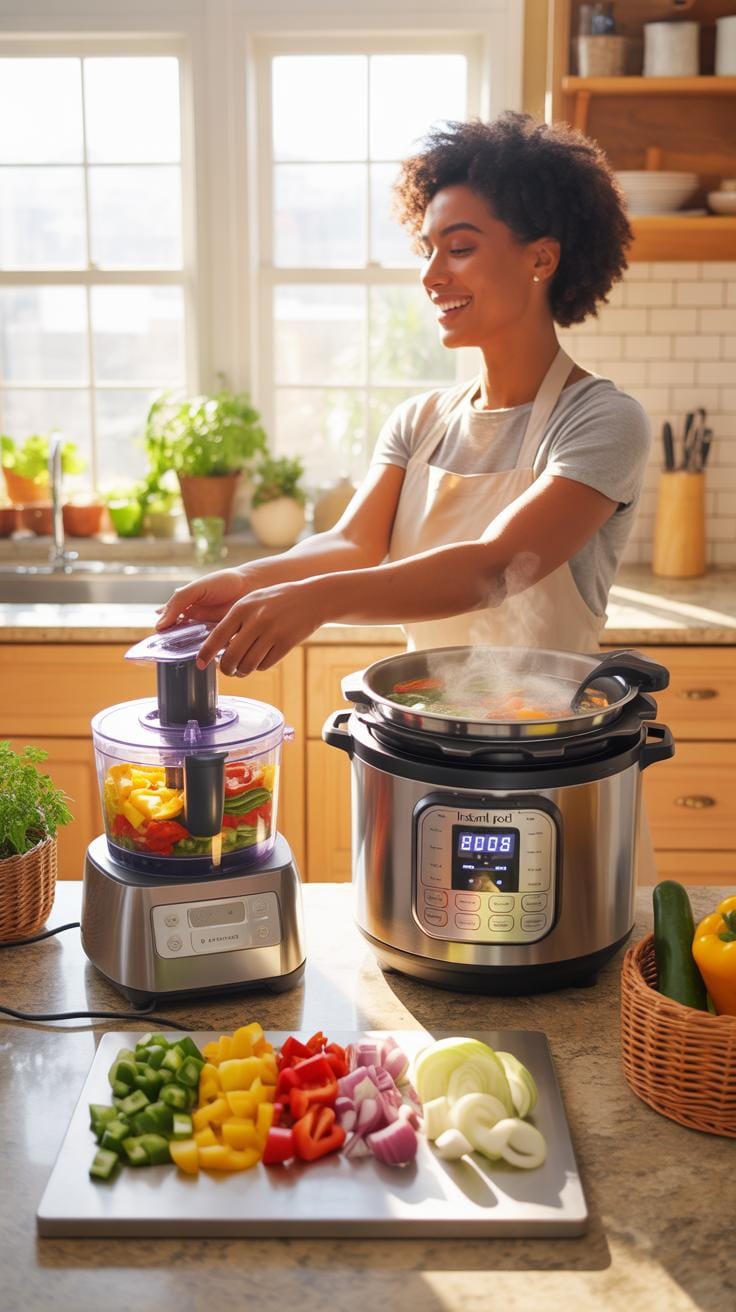
There’s something about cooking that can either drag on forever or wrap up before you even realize it started. If you find yourself pressed for time most evenings, certain methods might just make the difference. One-pot meals, for instance, aren’t only about having less mess—they often speed things up because you’re cooking everything together. Imagine tossing your protein, veggies, and sauce into a single pot, letting them meld while you catch your breath or prepare a quick side. It’s a simple trick but it saves minutes on both prep and cleanup.
Sheet pan dinners work on a similar principle but spread everything out, roasting your ingredients all at once in the oven. There’s something satisfying about sliding a loaded pan in and walking away. Plus, the roasting brings out intense, caramelized flavors without standing by the stove stirring constantly.
Then there’s sautéing, which is fast but can be tricky to do right. Quick heat and constant movement are key, but you also don’t want to dry out your veggies or proteins. A good tip I’ve learned (sometimes the hard way) is to keep ingredients uniform in size and avoid overcrowding the pan. That allows the food to brown nicely instead of steaming.
These methods all share a focus on cutting time—but not taste. They invite you to question whether long simmering is always needed or if maybe, just maybe, dinner can come together without hours of fuss.
Balancing Flavor And Speed
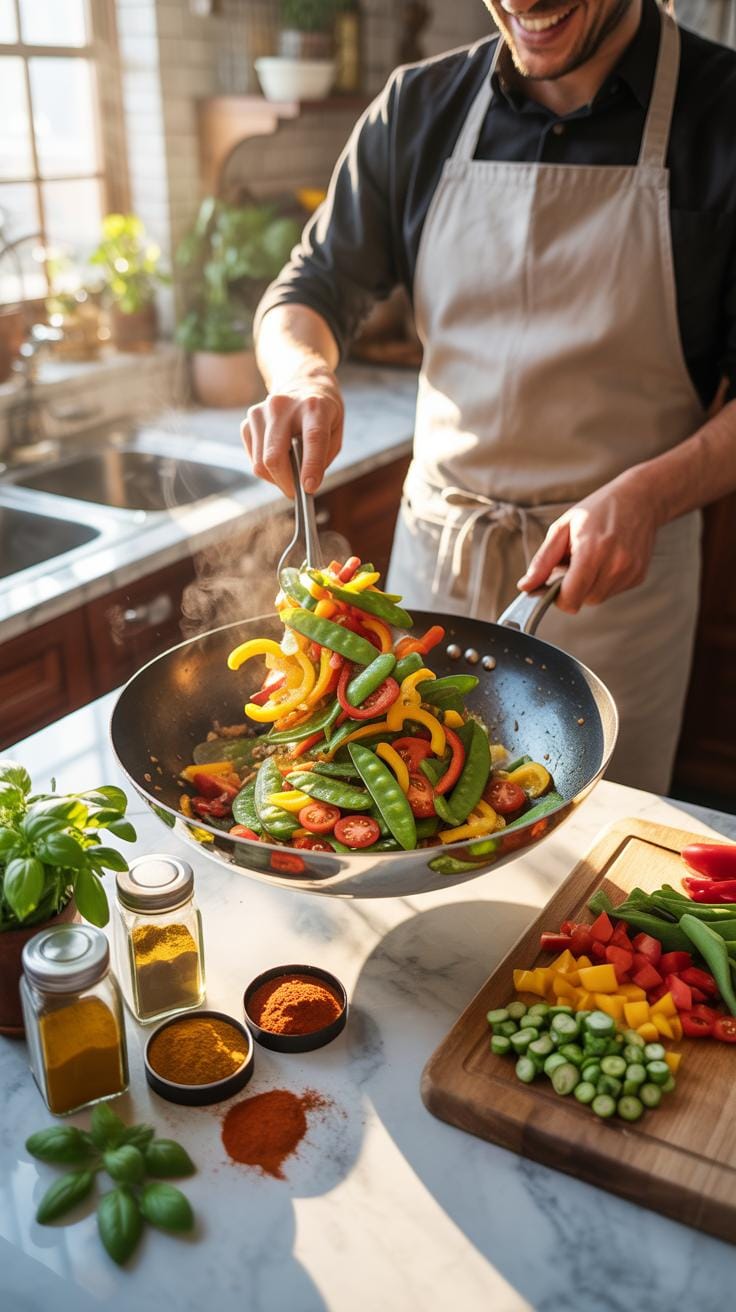
Fast meals don’t have to mean bland or boring. You can get depth from the right quick-cooking ingredients paired with smart seasoning. Think about things like garlic, onions, or fresh ginger—they soften quickly and add a base of flavor that feels satisfying even when cooked on a time crunch. Sauté them just long enough to release their aroma but not so long they lose their punch.
Spices come into play at this point. If you toast cumin seeds or chili flakes briefly in oil, their oils bloom and deliver an intense hit right away. This little step is surprisingly useful and adds complexity without slowing you down. What’s interesting is that sometimes a short blast of heat or acid—like a dash of lemon juice or a splash of vinegar—can brighten the whole dish almost instantly, giving more depth than simmering ever could.
So, layering quick elements like fresh herbs just before serving or stirring in a spoonful of yogurt or tahini can soften sharp edges and balance flavors. It’s a kind of balancing act that invites some trial—though often less complicated than it sounds—because the cooking time isn’t long, you can tweak as you go.
Using Spices To Boost Taste Fast
Certain spices really do pull their weight fast. Think ground paprika, turmeric, or even a pinch of dried oregano. They don’t require long stewing to make themselves felt. Fresh herbs like basil, cilantro, or mint work wonders too—they’re often tossed in at the end just to lift the dish.
Sometimes I wonder how much flavor you miss by skipping that final toss of fresh greens or a last-minute sprinkle of a spice blend. Garlic powder, chili powder, or smoked paprika offer a sudden depth that feels almost surprising in how quickly it happens. And you can experiment with spice blends designed for quick marinades or finishing touches, like za’atar or herbes de Provence.
The key is choosing spices that don’t need hours but can still transform simple ingredients into something memorable. Your spice rack hides a lot of quick flavor solutions if only you look.
Combining Ingredients For Depth
Layering flavors in a fast-cooked dish isn’t about many hours or complex steps. It’s about stacking quick bursts of taste that come together in the end. For example, salty soy sauce paired with a squeeze of lime and a sprinkle of toasted sesame seeds creates a harmony despite minutes of cooking.
Using contrasting elements—like sweet cherry tomatoes and sharp red onion or creamy avocado with crisp radish—adds texture and interest. These are usually tossed in at the end, quick and easy. You don’t have to cook every flavor out of ingredients; some punch comes through better raw or just warmed.
When you experiment with combining fast-cooking staples and fresh or lightly cooked add-ins, you might find your meals unexpectedly rich. It feels like cheating a bit, but it’s really about knowing which ingredients play well together and when to add them. That’s where quick dinner magic happens.
Meal Planning For Quick Dinner Success
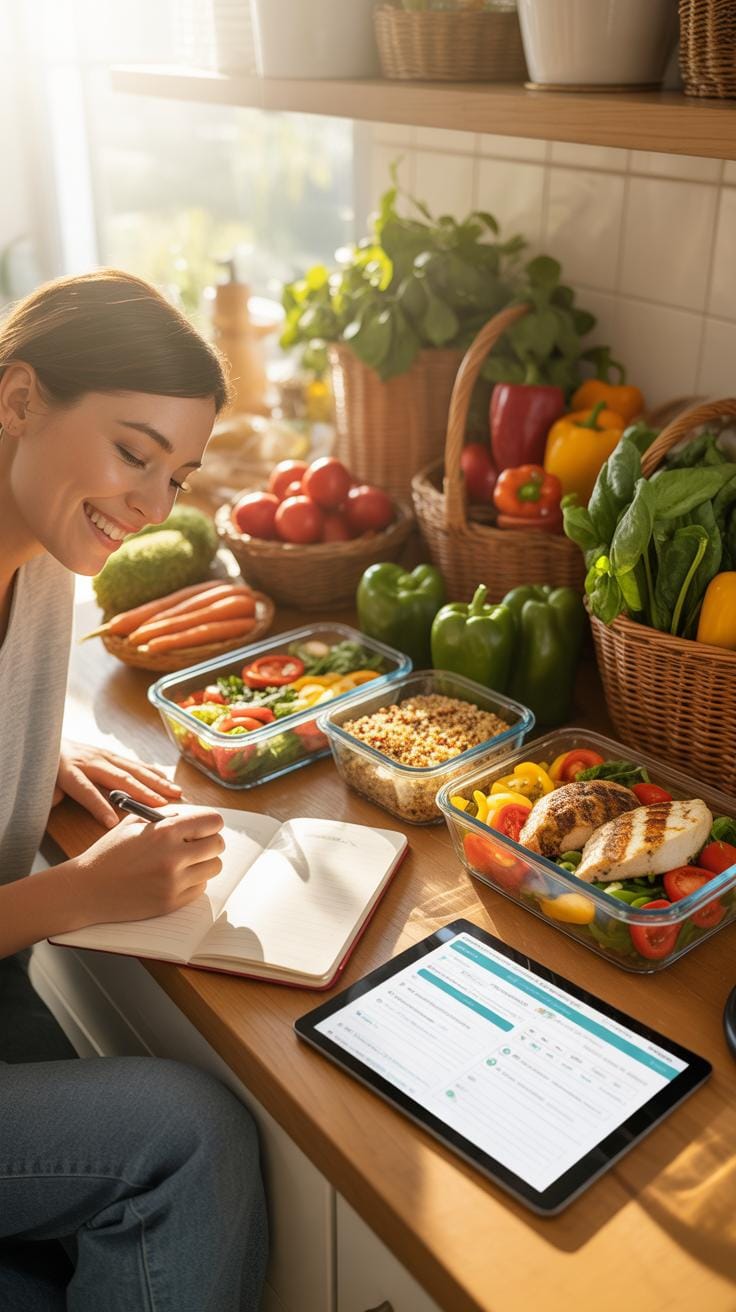
Planning meals ahead can feel like a small chore, but it actually clears up a lot of mental clutter when nights get hectic. Imagine coming home after a long day and knowing exactly what’s for dinner—no frantic decisions, no rummaging through the fridge. It’s kind of a relief, right?
By sorting out your meals in advance, you chip away at the stress that usually sneaks up around dinner time. You don’t have to scramble for last-minute ideas or run out to grab forgotten ingredients. Plus, it saves time because you can prep certain things early or simply pull dinner together fast.
Even on the busiest evenings, this kind of planning helps you avoid the usual pitfalls like ordering takeout too often or settling for something uninspired. There’s something satisfying about knowing your quick dinners don’t have to be boring or rushed.
Creating A Simple Weekly Menu
Start by picking a handful of core ingredients you can use multiple times through the week. For example, chicken breasts can appear as grilled chicken one night and then shredded into tacos the next. You don’t need a long, complicated list—just a few versatile staples.
Try mapping out meals that share elements but still feel different. Maybe roasted veggies one night, then tossed into a pasta the next day. This not only saves money, but also reduces waste.
Write down your plan roughly, leave room for flexibility. Sometimes you might feel like switching nights around or grabbing a shortcut. That’s okay. The goal isn’t rigidity but having a simple guide that keeps you on track.
Shopping List Tips To Avoid Extra Trips
When making your shopping list, think ingredients first, rather than meals. Group items by area in the store to speed up your trips. You want essentials that go into multiple dishes—like onions, garlic, or canned tomatoes.
Double-check your pantry before writing your list. Maybe you already have some spices or grains. Overbuying adds clutter, but missing one thing means in-store detours.
Try to limit impulse buys by sticking closely to your list, but don’t stress if you notice something fresh that inspires a new idea. The point is to shop smart enough that you can avoid those annoying extra trips when you just needed one tiny item.
How To Make Meals That Look Impressive
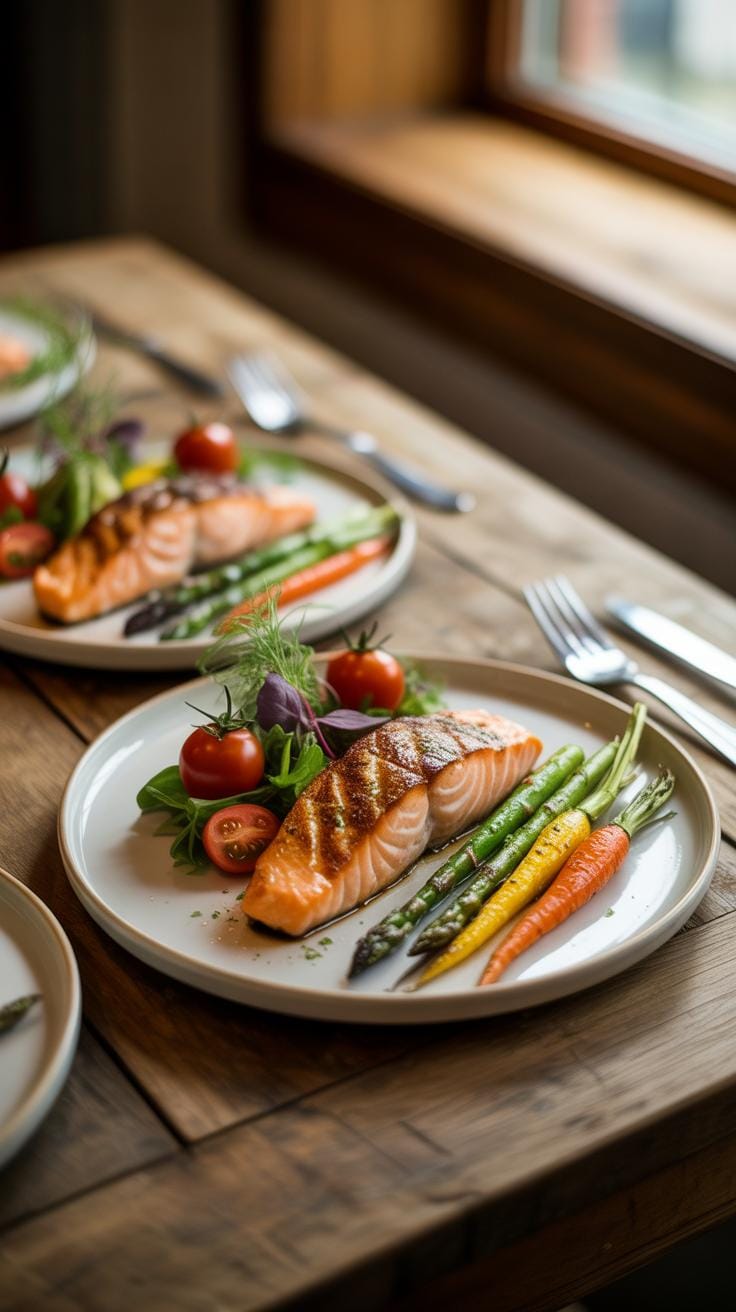
Making a quick meal look special doesn’t require fancy tools or hours of work. Often, the way you arrange the food on the plate and the little touches of garnish can change everything. When I first tried just adding a sprig of fresh herb or drizzling a sauce carefully around the dish, even my simplest dinners looked more inviting. It’s a bit like giving your food a small stage to shine on.
One simple tip is to think about balance on the plate. Avoid crowding everything in the center. Instead, try placing the main element slightly off-center, leaving room for sides or garnishes. This creates some natural space that catches the eye. Also, layering ingredients can add height and depth—stacking vegetables or placing protein on a bed of grain feels intentional and draws attention.
A quick wipe around the edge of the plate keeps things neat, and you’d be surprised how much that small gesture improves presentation. Sometimes you want a bit of messiness—say a light sauce splatter or uneven herb scattering—to add character, especially if the meal is rustic or casual.
Easy Garnishes For Visual Appeal
Herbs like parsley, cilantro, or basil are probably the easiest garnish, but you can do more than just sprinkle leaves. Chop them finely for a fresh green dusting or leave a single small sprig for simplicity. I find fresh herbs add both color and a subtle aroma that pulls the dish together.
Seeds and nuts bring unexpected crunch and visual texture. Think toasted sesame seeds on roasted vegetables or crushed pistachios on a creamy dip. A handful here or there brightens an otherwise flat plate. Even pumpkin seeds can feel fancy if sprinkled thoughtfully.
Sauces, used lightly, can guide the eye and add flair. Instead of pouring sauce over the entire dish, try drizzles, dots, or swipes with the back of a spoon. A bright green herb sauce alongside something neutral can pop beautifully. Just take a moment before plating to imagine where that splash of color will look best.
Plating Techniques For Quick Dinners
Arranging food is surprisingly powerful. You might want to start with the main piece, setting it at an angle or slicing it to reveal textures inside—like cutting a roasted chicken thigh to show juicy meat. Then add sides next to or beneath it rather than scattered randomly.
Think about using different shapes and colors. Round scoops of mashed potatoes next to rectangular grilled fish, for example, create contrast. If your vegetables are bright, place them in a neat pile rather than spread all over. When stacking ingredients, keep the heaviest item at the bottom to avoid a topple.
Sometimes plates look best when the components don’t touch, highlighting each element separately. Other times, slight overlap signals harmony in flavors. I guess it really depends on what you want to communicate with your meal. Trying different layouts can be fun—don’t be afraid to move pieces around a few times.
Examples Of Quick Dinner Recipes
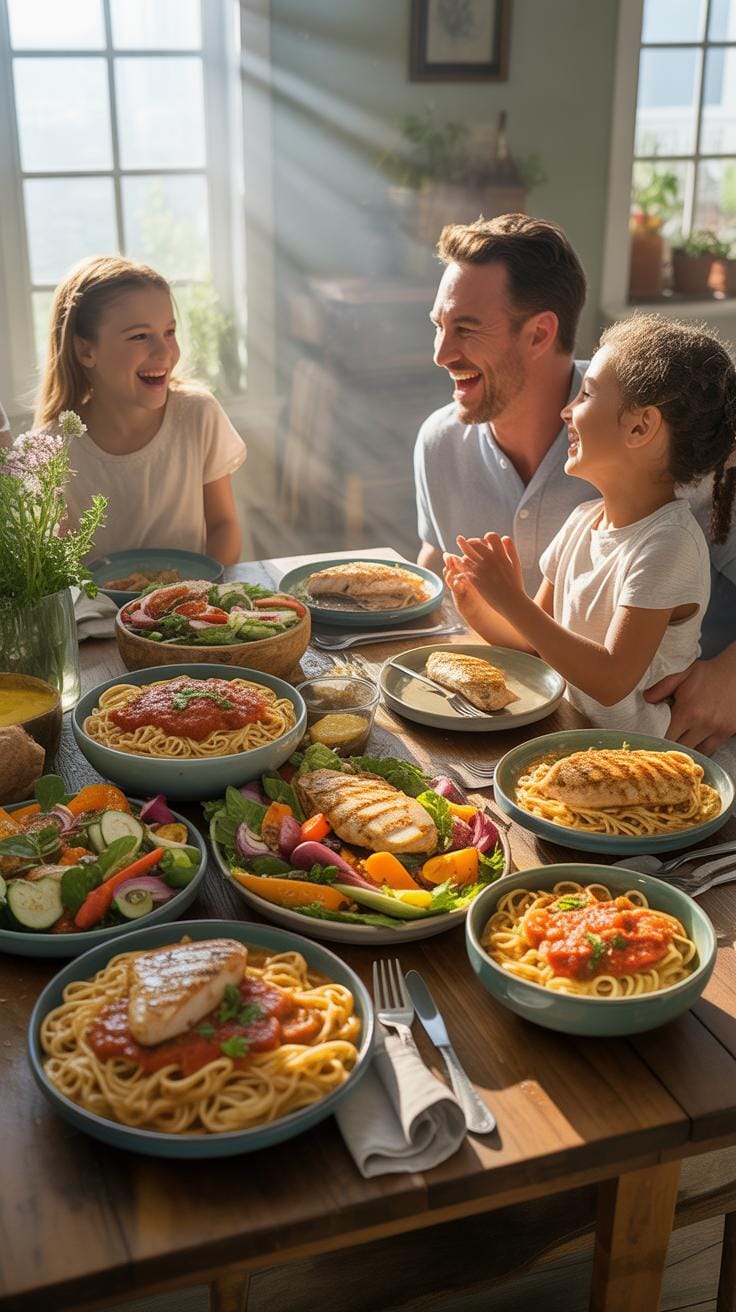
Sometimes, making dinner feels like such a chore, but it doesn’t have to be complicated or time-consuming. Take a simple stir fry with just five ingredients. You can toss in sliced chicken or tofu, fresh bell peppers, snap peas, soy sauce, and garlic. Quick to prep, fast to cook, and still full of flavor. It’s the kind of dish you can modify based on what’s in your fridge—flexible, really. The garlic gives it a nice punch, and the soy sauce ties everything together without extra fuss.
Or maybe you want something that practically cleans up itself. Sheet pan chicken and vegetables is your best friend here. Put chicken thighs on a baking tray alongside carrots, potatoes, and broccoli. Toss everything with olive oil, salt, pepper, and your favorite herbs. Pop it in the oven and walk away for 40 minutes. When you return, you have a full dinner cooked on one pan, with juicy chicken and roasted veggies all mingling together. It’s simple and honest—no multitasking needed.
Common Mistakes To Avoid With Quick Recipes
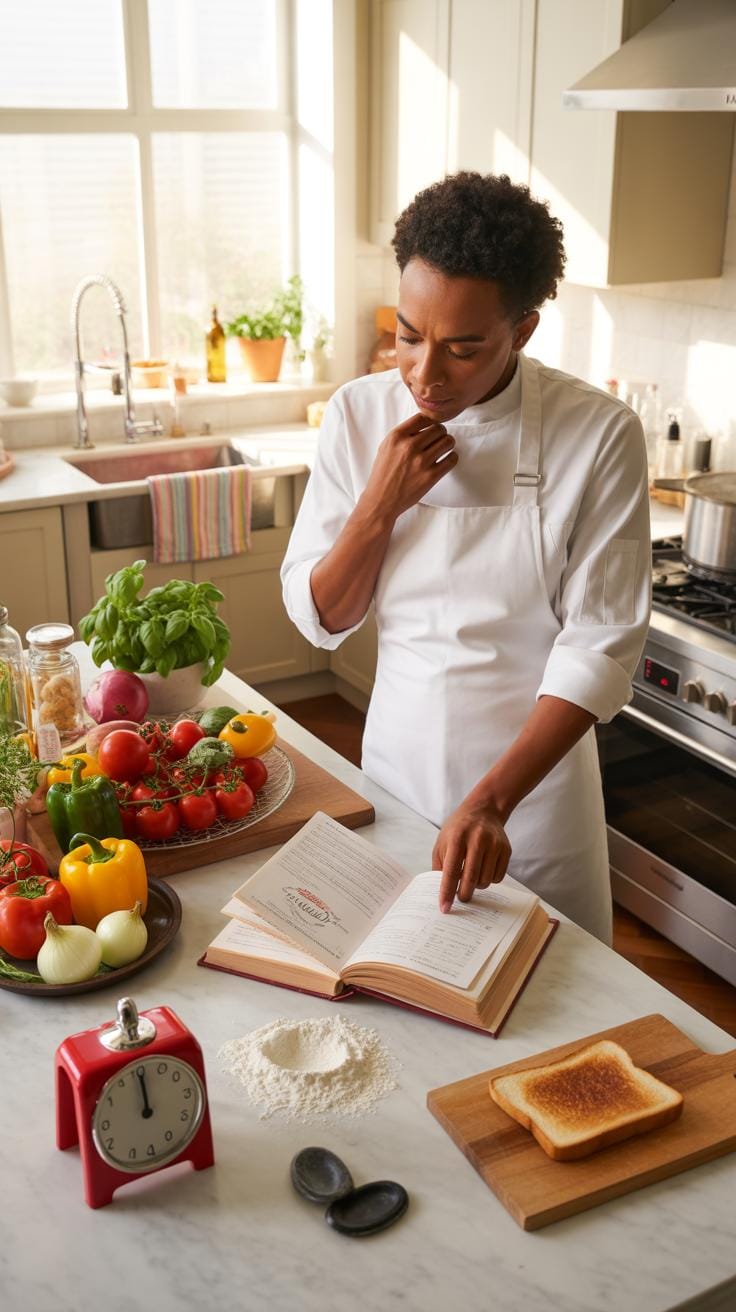
Overcrowding The Pan
Imagine you’re in a rush and toss everything into the pan all at once. It seems like a time-saver, but it actually slows cooking down and dulls flavors. When a pan is overcrowded, the temperature drops because all those ingredients release moisture and compete for heat. Instead of searing or browning, things steam—losing that tasty crust or caramelization you want.
Think about making a quick stir-fry. If you cram too many veggies or pieces of meat in at once, they end up soggy or unevenly cooked. A bit tedious maybe, but cooking in smaller batches gets better texture and flavor. Sure, it means a few extra minutes, but does that really defeat the purpose of a quick recipe if the dish disappoints?
Skipping Essential Prep Steps
Some days, chopping, seasoning, or marinating feels like too much work when you want dinner fast. But skipping these basics often makes meals bland and uneven. For instance, tossing unseasoned chicken straight into the pan rarely yields a tasty outcome. A quick sprinkle of salt and pepper beforehand can change everything.
Prepping ingredients isn’t just busywork. When you cut veggies uniformly, they cook evenly; when spices are added early, flavors blend deeper. Yes, it can feel like an extra step—especially when you’re tired—but that little extra effort often saves time by avoiding redo’s or bland dishes. Have you noticed how rushed chopping leads to longer cooking times or unexpected crunch?
Benefits Of Homemade Easy Recipes

Making quick dinners at home comes with a range of benefits that often get overlooked. When you cook yourself, you gain control over what goes onto your plate, which can seriously affect how healthy your meal ends up. You decide the quality of ingredients—from fresh vegetables to lean proteins—and avoid hidden sugars or preservatives that sneak into many takeout options.
The cost factor is another big one. Cooking your own meal usually means spending less. You can buy ingredients in bulk or choose budget-friendly staples like beans or rice, which stretch meals further. Honestly, it’s surprising how quickly those small saves add up compared to ordering out regularly.
Taste? Homemade dinners often taste better, or at least feel more satisfying, even when they’re simple. There’s that comfort in making something yourself—maybe it reminds you of meals from childhood or just suits your flavor preferences more closely than a generic takeout menu. Quick doesn’t have to mean bland or boring.
Would you rather eat a meal tailored exactly to your liking and needs, or take a chance on whatever a restaurant decides to serve? The answer seems obvious, but it’s easy to forget when life gets busy.
Healthy Choices With Control
Cooking at home puts you in the driver’s seat. You can pick ingredients based on what your body needs or what you enjoy eating. Want more veggies? Easy. Need lower sodium? Just skip the salt or choose a lighter seasoning. When you eat at a restaurant or grab processed food, much of that control disappears—recipes are fixed, and the nutrition facts often unclear.
Sure, sometimes it feels overwhelming to think about all those choices, but even small tweaks—like swapping heavy cream for a lighter alternative or adding herbs instead of sauces—can make a difference in your overall health. You don’t have to overhaul your diet overnight to see benefits.
Save Money And Eat Well
Money saved from not eating out every night adds up faster than you might expect. When you cook your own dinners, you’re not only spending less but often eating better quality food. Take the same ingredients and use them in multiple ways throughout the week instead of ordering different dishes every evening. This helps avoid waste and keeps the menu fresh without extra cost.
Additionally, shopping for meals means you can take advantage of sales, seasonal produce, or local markets. I once found a great deal on salmon, which became dinner three nights that week—not boring but budget-friendly and nutritious.
So, while the convenience of takeout is tempting, your wallet and your body tend to prefer home cooking in the long run. Would you agree? It’s not always obvious, but it makes a difference over time.
Questions To Ask When Planning Meals
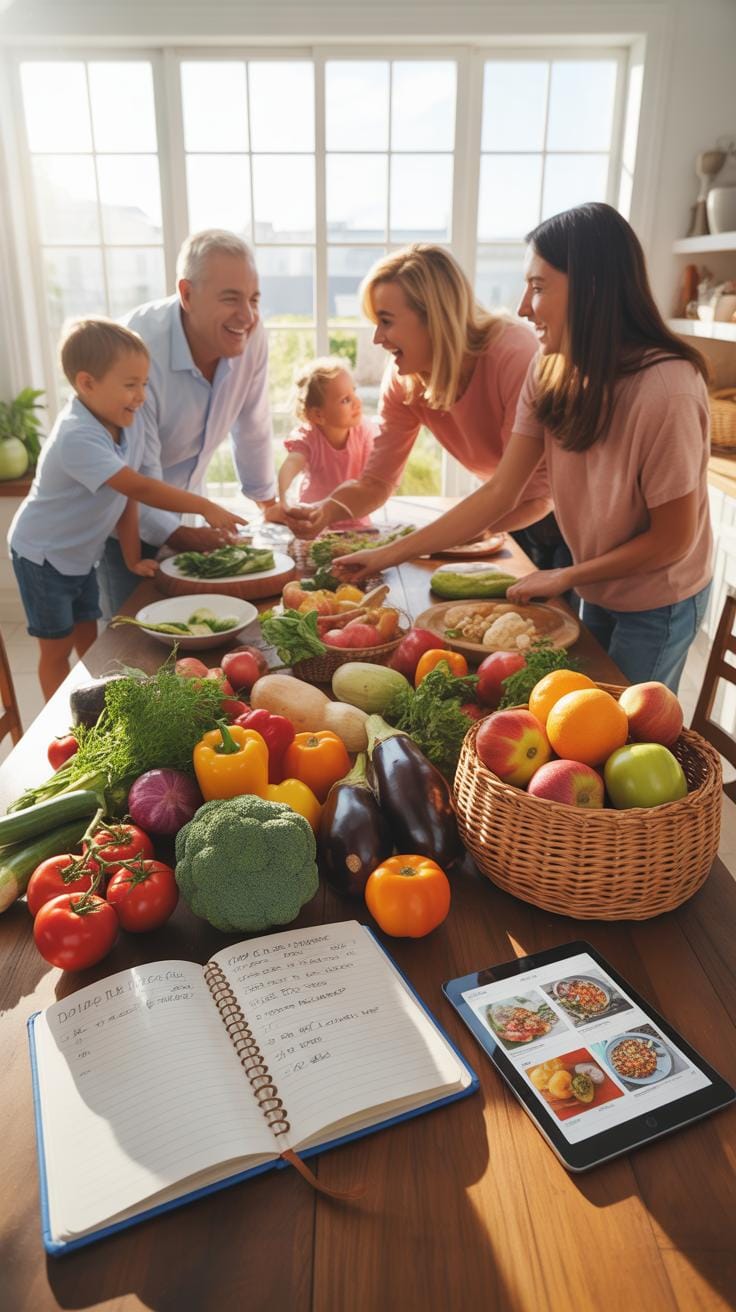
When you’re trying to decide what to cook quickly and well, asking the right questions can really help you avoid last-minute stress. Start by thinking about what you actually enjoy eating. Do you prefer something light, like a salad or stir-fry, or are you more in the mood for a comforting pasta or rice dish? It’s worth pausing here—sometimes you think you want something simple, but your cravings might say otherwise.
Next, consider your kitchen tools. Do you have a reliable skillet, a slow cooker, or perhaps just a microwave? This can shape what’s practical to prepare right now. For example, if your oven’s broken, roasting anything falls off the list, no matter how easy the recipe seems.
Also, reflect on your energy level. If you’re tired, a one-pot or no-cook meal could save you from feeling overwhelmed. When you ask yourself these simple questions, you start to clear away options that won’t fit your current situation. This clarity makes picking recipes faster and less frustrating.
Checklist For Quick Dinner Preparation
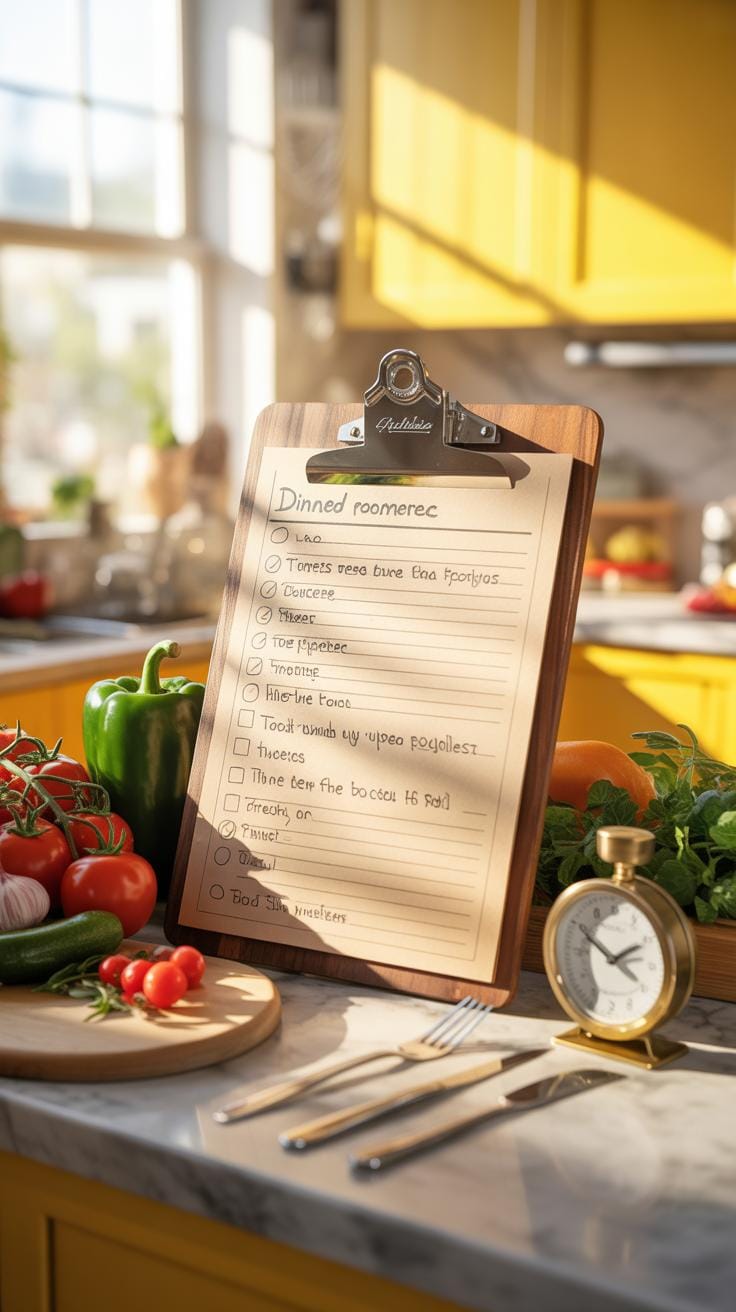
Before starting to cook, take a moment to gather everything you need. It really helps to avoid those frantic trips back and forth to the fridge or pantry. Here’s a simple checklist to keep your prep on track:
- Choose your recipe and read it through once.
- Pull out all ingredients and measure them—maybe even chop or wash veggies ahead of time.
- Have your cooking tools ready: pots, pans, knives, cutting boards, utensils, and timers.
- Set your cooking area clear and clean, so you have room to work.
- Preheat ovens or heat pans before adding ingredients.
- Prepare any side dishes or sauces in parallel if possible.
- Keep a trash bowl nearby for quick disposal of scraps to stay tidy.
Prepping ingredients beforehand changes everything; trust me, I’ve botched dinners by starting without it. Do you notice how much smoother cooking feels when you’re not scrambling? Staying organized really helps keep things moving, especially when juggling multiple steps. Try focusing on one task at a time, and don’t stress if something takes longer—that happens.
One trick I like is setting a timer for each major step—reminds me to check and keeps the pace steady. And yes, you can still chat or glance at a show while cooking, but if you get distracted too much, you might lose track of time. So maybe just a little.
Conclusions
You have seen that easy and delicious recipes do not need to be complicated or time-consuming. Using simple ingredients and smart cooking tips, you can create meals that taste great and look good fast. Quick dinners can be satisfying and impress your guests when you plan well and follow the right steps.
Try these recipes and suggestions to make your dinner times easier and more enjoyable. Cooking should be fun and stress-free, and with these ideas, you can have more good meals with less effort. Now you are ready to start making your own quick and delicious dinners that impress.