
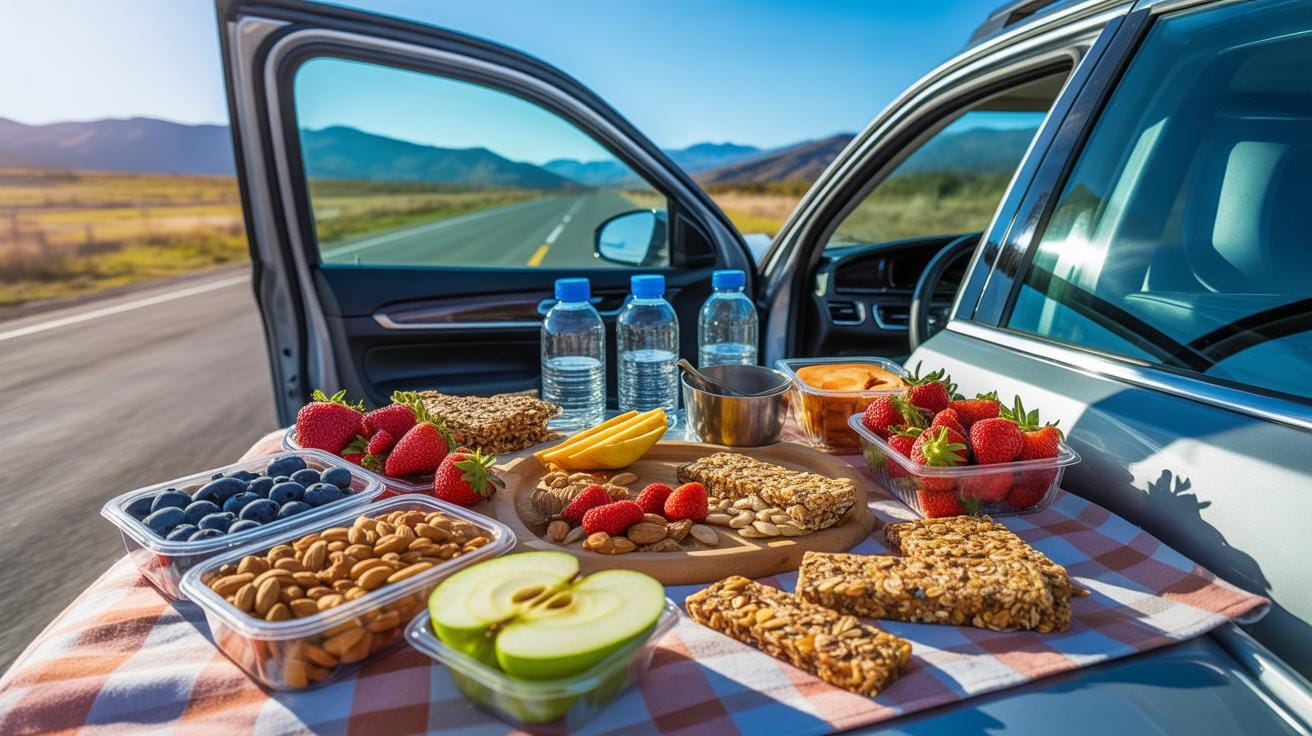
Packing Snacks That Survive A Road Trip
Road trips can be long and tiring. Having the right snacks can help keep your energy up and make the trip more enjoyable. Road trip snacks that boost energy and stay fresh are essential for a smooth ride and to avoid unhealthy fast food temptations.
This article focuses on the best snack choices for road trips. It also looks at simple ways to keep these snacks fresh for hours. You will find useful tips on picking snacks, packing them properly, and why these choices matter for your health and energy.
Why Energy Snacks Matter On Road Trips

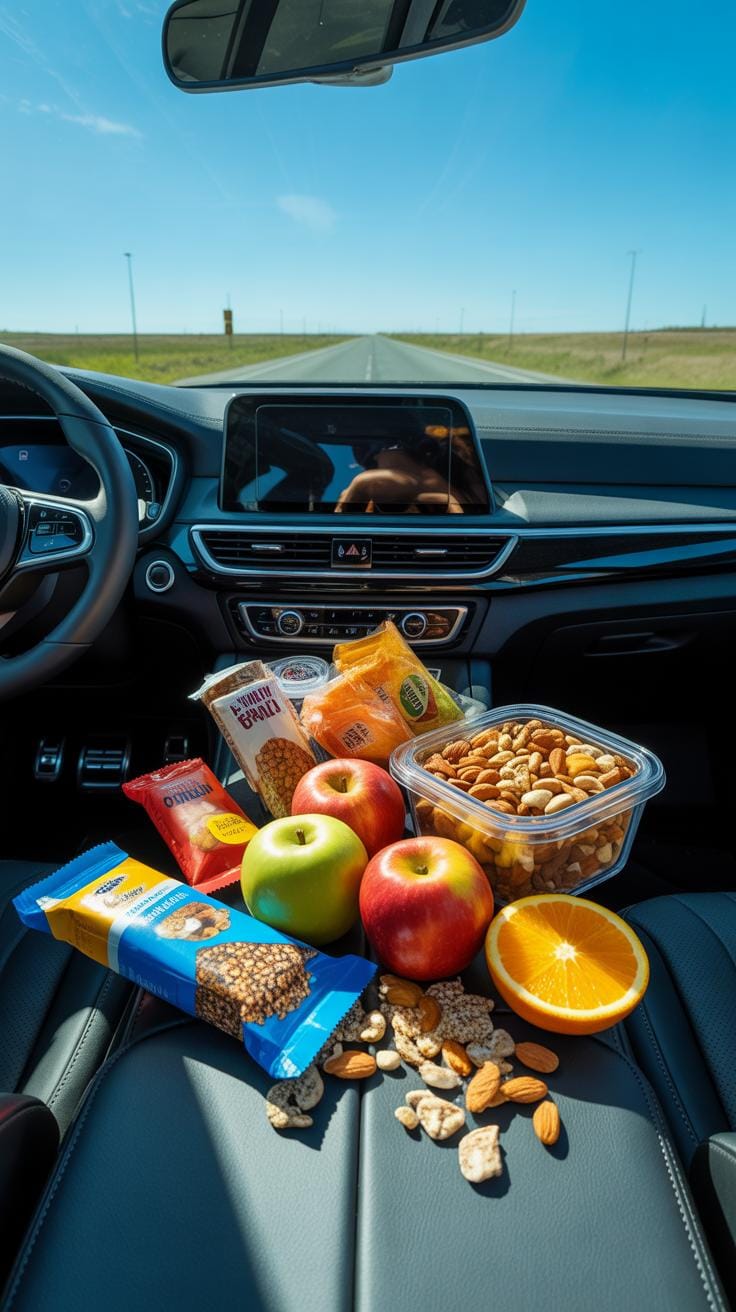
Long drives can be draining. Fatigue doesn’t just slow your reaction time—it also dulls your mood and clouds your judgment. When you’re behind the wheel for hours, your body craves more than just caffeine. That’s where energy-boosting snacks come in. They help refill your energy reserves steadily, avoiding those spikes and crashes that often come with sugary treats.

Eating the right snacks helps keep your blood sugar balanced, which influences how alert you feel. I remember a trip where I skipped snacks and ended up feeling groggy after a few hours. On another road trip, packing walnuts and some fresh fruit felt different—alertness stayed manageable, and I wasn’t as irritable.
Snacks also affect your mood. Feeling hungry can make anyone irritable or distracted, so munching on something nutritious isn’t just for energy, but also for staying calm and decisive on the road. It’s more complicated than just “eat or not eat” during travel; the type of snack matters a lot.
Health Benefits Of Energy Snacks
Choosing nuts, fruits, and whole grains isn’t random. These foods provide sustained energy because they release glucose slowly. For instance, almonds pack healthy fats and protein, which keep hunger at bay and fuel your muscles gently.
Fruits bring vitamins and hydration along, while whole grains add fiber that helps digestion on the go. This combination reduces the risk of sudden energy dips and supports your body in managing stress from travel. There’s something about eating an apple or a handful of trail mix that feels both grounding and refreshing.
These snacks also avoid the crash that comes after sweet, processed options. So not only do they keep energy stable, but they also protect your overall health during long hours of sitting and concentration. I tend to reach for a banana or some oats when the trip looks like it’s going to stretch beyond a few hours.
How Energy Snacks Support Focus
Certain nutrients in snacks play a bigger role than you might expect in keeping your mind sharp. For example, the magnesium in nuts supports nerve function, while the antioxidants in fruits protect brain cells from fatigue.
Simple carbs alone might give you a quick jolt but leave you tired soon after. Complex carbs and protein, by contrast, feed your brain slowly, helping maintain steady focus. You might notice it yourself: after eating something balanced, thoughts seem clearer and your patience lasts longer.
Have you ever tried munching on crackers made from whole grains while driving? That slow digestion helps avoid the slump that hits after sugary snacks and even supports your attention span. While this isn’t a magic fix, it’s certainly a practical edge when you need to stay alert and safe behind the wheel.
Checklists For Packing Snacks Safely
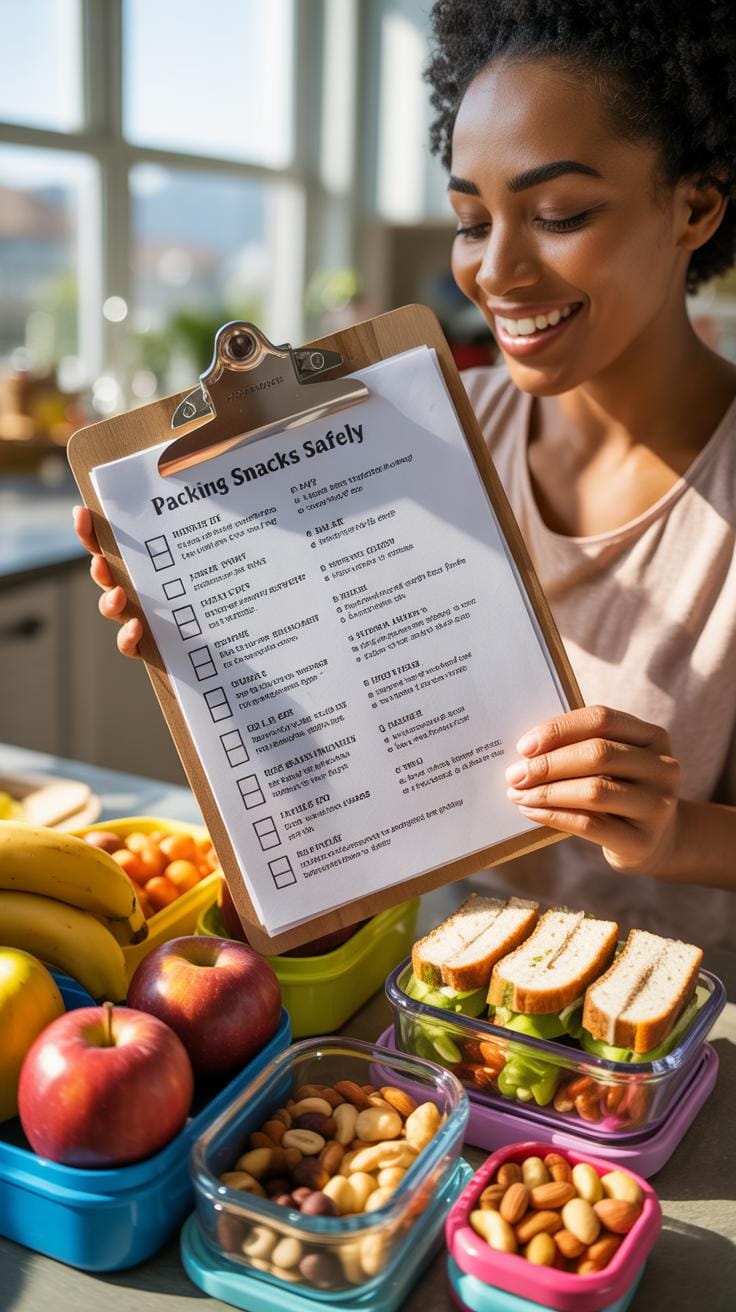
Packing snacks for a road trip isn’t just about grabbing a few bars and fruit. You want those snacks to stay fresh, safe, and ready to give you energy when you need it. Here’s a checklist to keep things on track:
- Choose sturdy containers that seal tightly to prevent spills and exposure to air.
- Pack perishable items like cheese or sliced fruits in coolers or insulated bags with ice packs.
- Separate raw foods from ready-to-eat items to avoid cross-contamination.
- Bring utensils or napkins to handle snacks cleanly, especially when on the move.
- Keep snacks easy to reach but out of direct sunlight inside the car.
- Check expiration dates before packing anything, including pre-packaged snacks.
- Consider portioning snacks in advance to avoid overeating or waste.
Having these basic points in mind can make a trip so much less stressful—especially if you’ve ever had that one unfortunate incident of spoiled food in the car.
Essential Packing Tools
Some items really help keep your snack game solid:
- Reusable airtight containers — plastic or glass depending on your preference.
- Insulated cooler bags or small portable coolers for perishable goods.
- Ice packs or frozen gel packs to maintain low temperatures for hours.
- Snack-sized zipper bags for grabbing and going, especially for nuts or dried fruit.
- Small cutting board or a sharp knife if you plan to prep fresh snacks during breaks.
- Wet wipes or hand sanitizer for clean hands before eating.
For me, I find a couple of well-packed containers and a good cooler bag make all the difference. They keep snacks from getting soggy or stale, which tends to happen all too often otherwise.
Tips To Prevent Food Spoilage
Long drives invite food spoilage challenges. You want to avoid that sour surprise. A few simple steps help:
- Chill perishable snacks before packing—never start with room temperature food if you can avoid it.
- Refill your cooler’s ice packs during stops when you can, to keep the cold consistent.
- Limit opening containers or bags frequently—less air means slower spoilage.
- Choose snacks that naturally resist spoilage, like hard cheeses, nuts, or certain fruits (apples, for example, last longer than berries).
- Don’t pack food meant for the entire trip into one container—portion them out so you only open what you need.
You may find it’s a tiny bit demanding at first, but preventing spoilage feels worth it when your snacks taste as good at mile 200 as they did at mile 2.
Examples Of Energy Boosting Snacks
Natural Snack Options
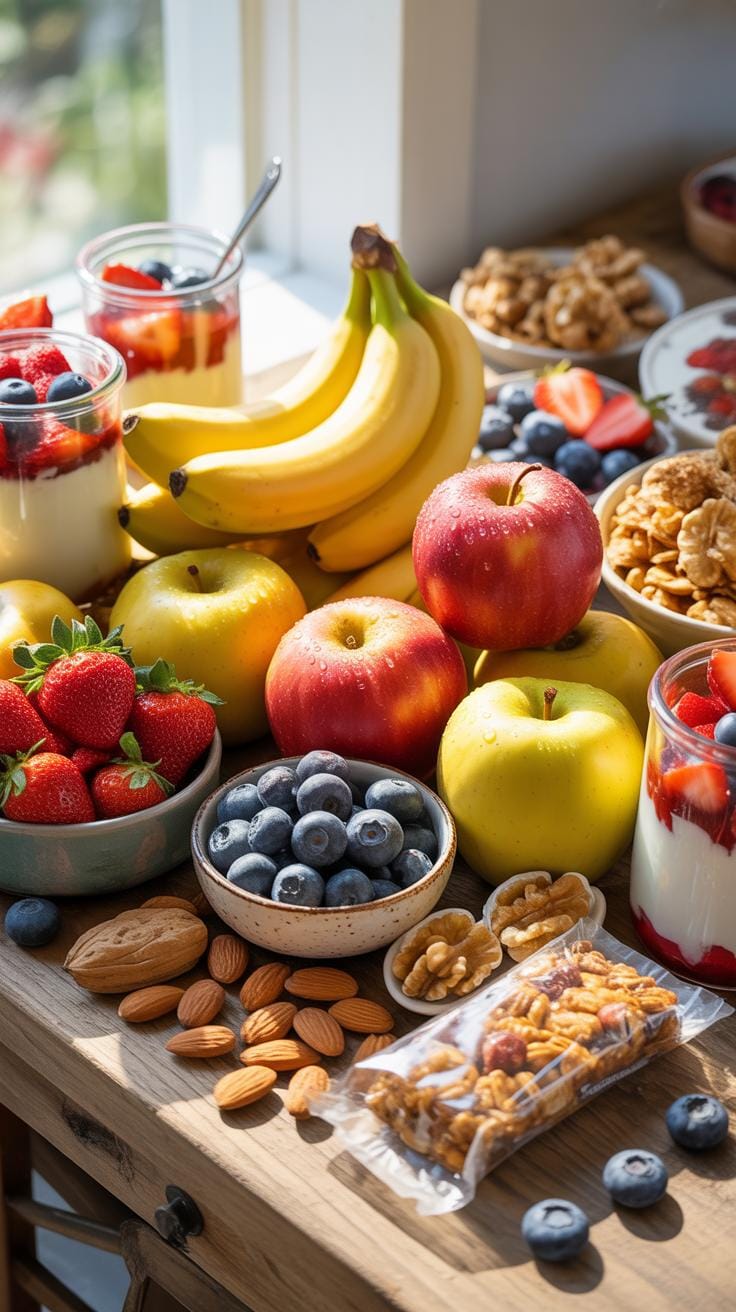
Fruits like apples, bananas, and oranges are surprisingly great for the road—they’re portable and full of natural sugars that give a quick lift. Bananas especially stand out because of their potassium, which can help prevent cramps during long drives or hikes. Nuts, such as almonds or walnuts, provide steady energy thanks to their protein and healthy fats. They don’t spoil easily, so you can stash them in your bag without much worry. Seeds like pumpkin or sunflower seeds add a bit of crunch and a dose of magnesium, which might help you feel less tired. Somehow, these natural options feel more honest than synthetic snacks, though they don’t last forever without refrigeration.
The one thing I’ve noticed is that natural snacks often don’t satisfy a sudden hunger pang as much as something dense with protein or fat might. Still, for a light but effective boost, these work well and keep you feeling more balanced on the road.
Packaged Healthy Snacks
Sometimes reaching for a packaged snack just makes sense—especially when you’re pressed for time or don’t want the mess. Protein bars come in countless varieties now. Some lean toward clean ingredients with nuts, seeds, and dried fruits, while others add in some fiber and simple carbs to help keep you alert. Trail mix might seem simple but it’s a classic for a reason. The mix of sweet, salty, and crunchy gives you a quick energy kick plus lasting satiety. Plus, the packaging is usually sturdy, keeping everything fresh.
One thing that’s tricky is that some packaged snacks claim to be “healthy” but carry hidden sugars or fillers you don’t really need. It’s a bit of a gamble—some bars fuel you well, others just spike your energy and let it crash unexpectedly. Personal taste and trial-and-error often guide the best choices here, so it might take a few tries to find what suits your needs the best.
How To Keep Snacks Fresh On Road Trips
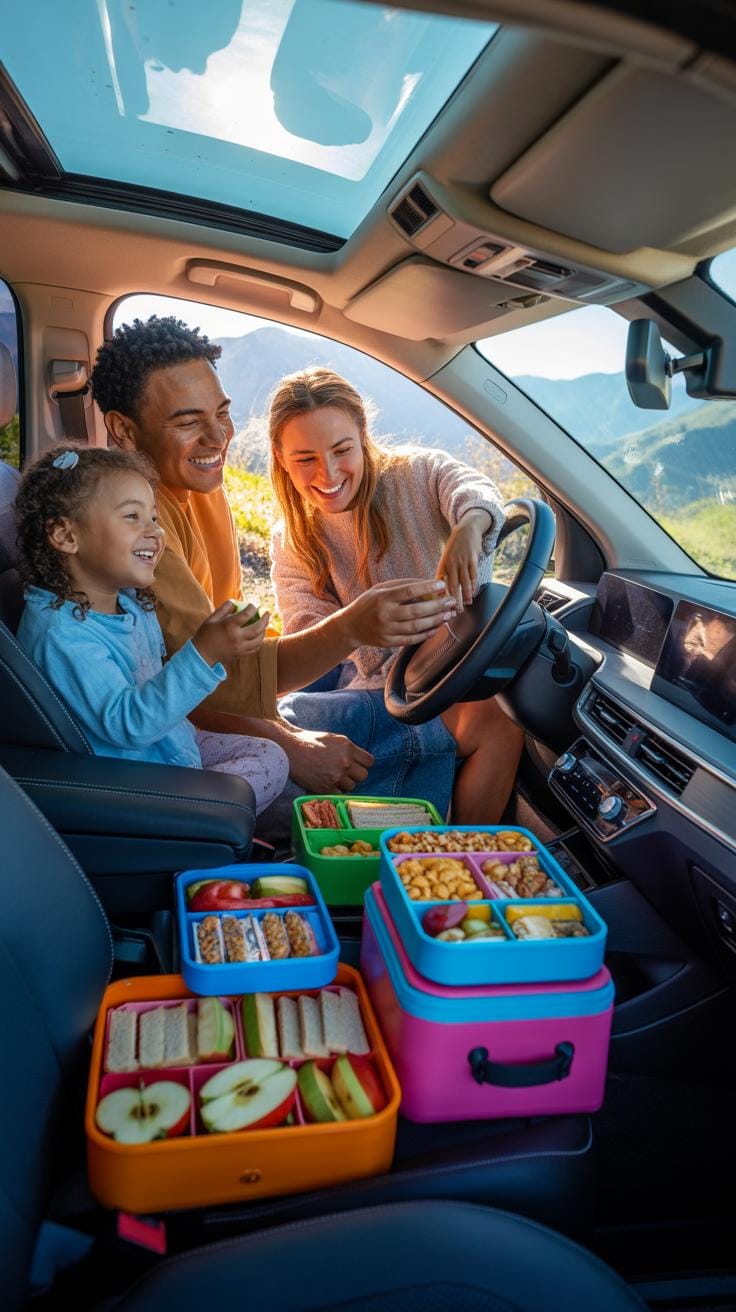
Keeping snacks fresh during a road trip can actually get tricky, especially as hours tick by and the car heats up. You want your food to taste good and be safe to eat, but that doesn’t always happen just by tossing it in a bag and calling it a day. Temperature control is definitely a big piece of the puzzle. Coolers and insulated bags help hold the cold in or keep things from roasting in the summer sun. I’ve learned the hard way how quickly some snacks go downhill if left out too long.
When choosing containers, think about how long you’ll be traveling. Ice packs are your best friends in coolers but can make things wet if they melt. Wrapping sandwiches tightly in plastic wrap or using airtight containers helps prevent sogginess and keeps the flavors intact. For fruits like apples or grapes, keeping them cool slows down browning and spoiling.
Different snacks have different needs, so storing them properly matters. Nuts do fine in a small container at room temperature, but sandwiches or cheese slices? They really do better chilled. Sometimes separating snacks into portioned bags or little boxes makes grabbing them simpler, and helps avoid crushing or mixing flavors unintentionally.
Ever wondered if you can just keep nuts and dried fruit out all day? Usually yes, but fresh-cut veggies or anything with mayo need those cold, cold conditions to stay fresh. It’s a bit of balancing act, really—packing smart and planning for snack timing. Does that mean you always need a big cooler? Not necessarily, but having at least one insulated bag can make your trip way smoother and tastier.
Energy Bars Vs Natural Snacks Which To Choose
Pros And Cons Of Energy Bars
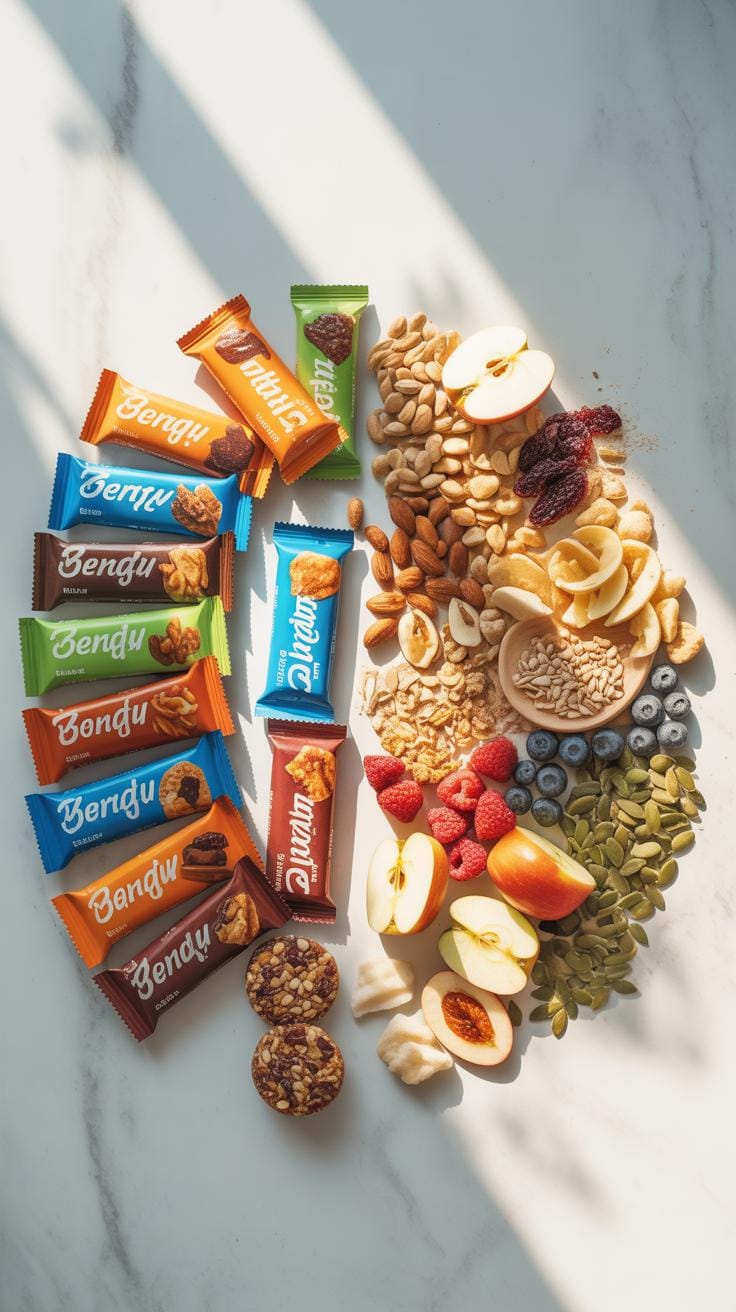
Energy bars are popular for road trips because they’re portable and don’t need refrigeration. They pack a punch of calories, often with a good mix of carbs, protein, and fats, which help keep your energy steady on long drives. Plus, you don’t have to stop or unwrap anything complicated—just grab and eat.
But, there’s a catch. Some bars come loaded with sugars or artificial ingredients that might make you crash later. Also, they can feel a bit dense or dry after a while, which isn’t great when you’re craving something fresh. I’ve found that relying only on bars sometimes makes snacking less enjoyable, almost like a chore.
Overall, energy bars offer convenience and consistent energy but might lack freshness and can vary widely in nutritional quality.
Benefits And Drawbacks Of Natural Snacks
Natural snacks like fruits, nuts, or veggies have a freshness that’s hard to beat. They often contain fiber, vitamins, and natural sugars that provide a cleaner energy boost. Eating an apple or a handful of almonds can feel more satisfying and less artificial, which I appreciate during a long trip.
On the downside, natural snacks can spoil or get bruised without proper storage. Some can be messy—imagine squished berries or sticky bananas in your bag. They also require a bit more prep, and you might not always have variety on hand, which sometimes leads to snacking boredom.
Natural snacks excel at freshness and nutrients but can be less convenient and riskier in terms of keeping well on the road.
Snack Timing And Portion Control Tips
When To Eat During Road Trips
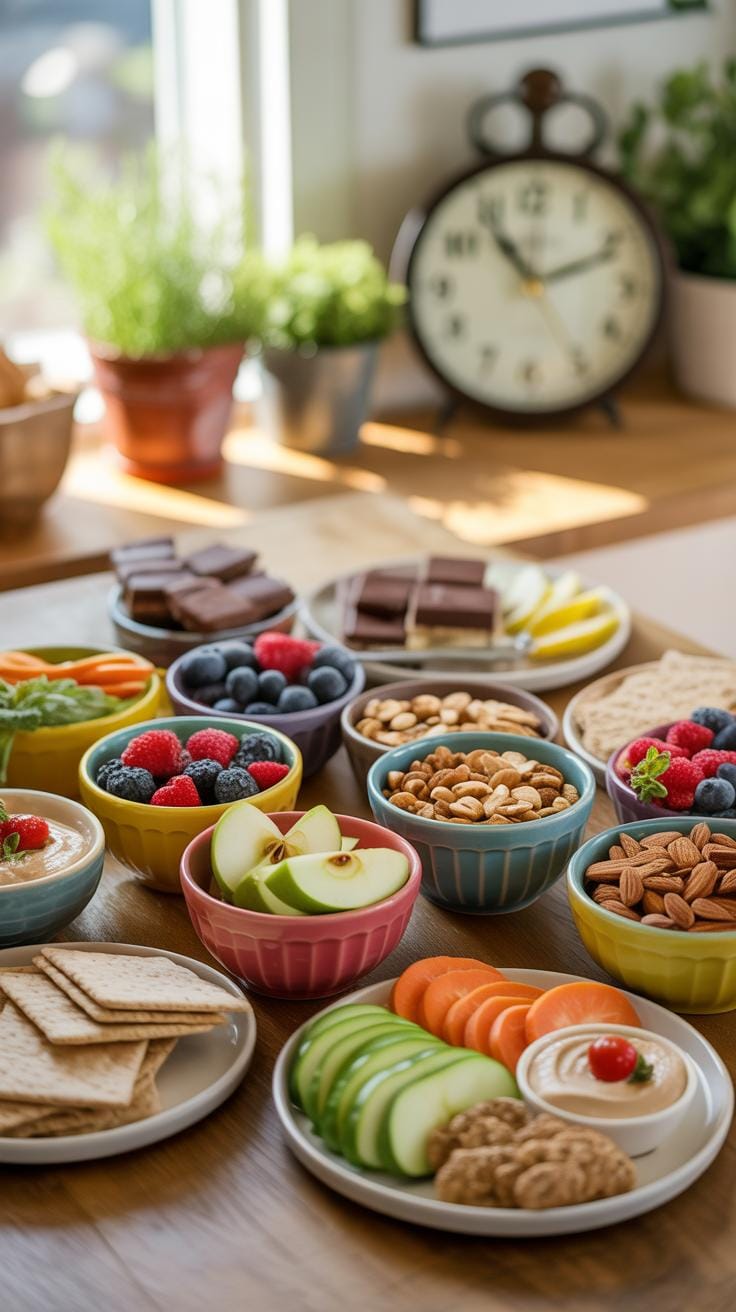
Knowing when to snack is almost as important as what you snack on. You don’t want to wait until hunger hits full force; that usually leads to overeating or grabbing the wrong kind of food. Try to eat snacks about every two to three hours to keep your energy from dipping too low. Say, mid-morning, mid-afternoon, and then maybe a little before dinner if you’re still on the road.
Some people prefer to eat as soon as they feel even a hint of hunger, while others might push snacks off longer. Both approaches have their merits. Honestly, it depends on how your body reacts. If you’re the type who gets hangry fast, smaller but more frequent snacks can keep you steadier.
Also, think about breaks. Snack during pit stops when you can stretch your legs. Sitting in a car for hours can dull your appetite or make you mindless snack, so tying food to physical movement might help you avoid overeating.
How Much Snack To Pack
Figuring out how much to bring is tricky. You want enough so you’re not starving, but not so much that you end up tossing food or munching absentmindedly. One rule I follow is to pack snacks in single-serving containers or baggies—around 150 to 250 calories each. That usually feels satisfying without being excessive.
Another tip is to portion out your snacks beforehand instead of eating straight from a big bag. When you’re driving, it’s easy to lose track and keep reaching in.
It might seem odd, but sometimes packing less can actually help you manage cravings better. If you have a limited amount, you tend to savor it instead of mindlessly eating. Of course, if you’re traveling with more people, plan accordingly, but still keep the portions reasonable to avoid waste.
Packing Hydration Alongside Snacks
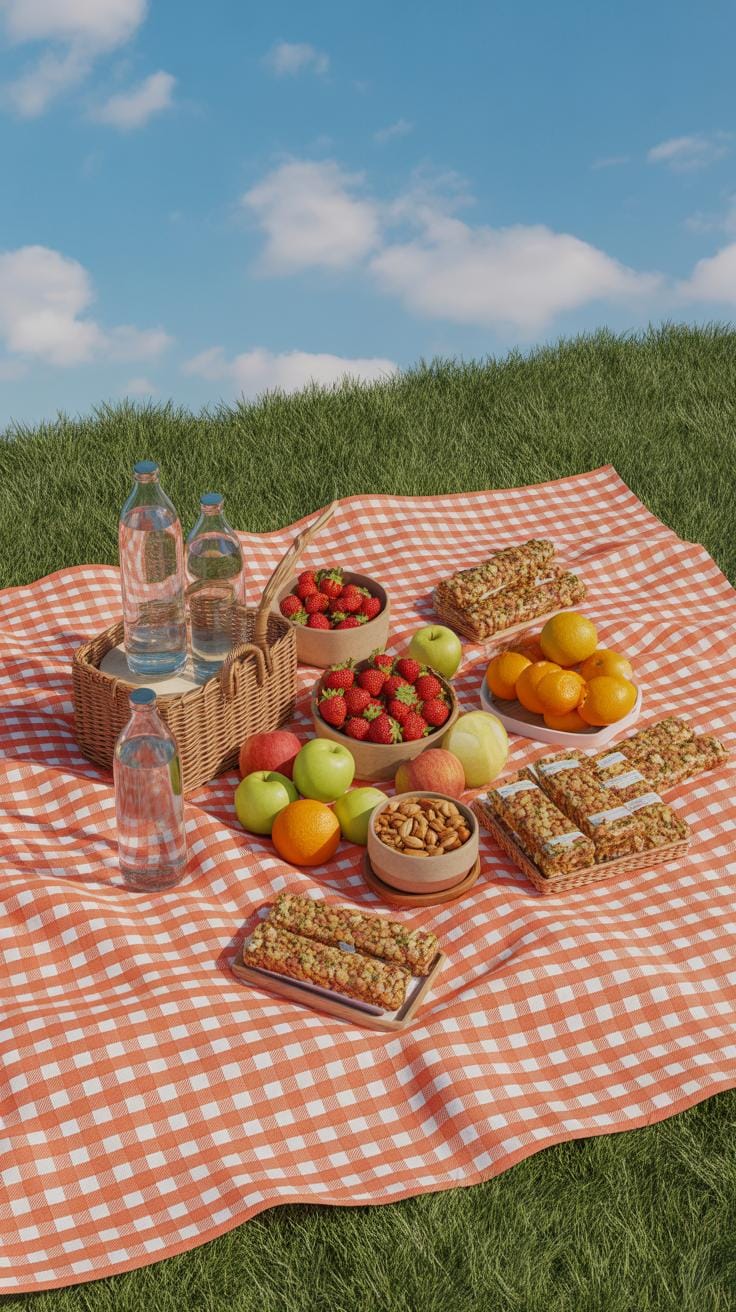
Staying hydrated on a road trip matters just as much as snacking. You might think grabbing a soda or coffee is enough, but those drinks don’t always keep you truly refreshed. Fluids help your body process energy from snacks and keep your concentration sharper, especially after hours behind the wheel. Sometimes thirst feels like hunger, too, so drinking regularly can prevent unnecessary nibbling.
Best Drinks For Road Trips
Water is the obvious hero here, but plain water can get boring fast. Try these options that keep hydration and energy in mind:
- Infused water with lemon, cucumber, or mint for a subtle flavor lift
- Coconut water, which offers natural electrolytes without the sugar crash
- Herbal iced teas, like chamomile or peppermint, that feel refreshing but don’t jolt your system
- Low-sugar sports drinks, but only if you feel you need a quick mineral refill
- Light green teas with some caffeine can act as a gentle pick-me-up
It’s tricky because you want something hydrating but also not too heavy or sugary, which can lead to crashing or frequent bathroom stops. You might have noticed that too much caffeine, though tempting, can backfire.
How To Store Drinks Safely
Keeping your drinks cool is more than just a comfort issue. Warm beverages often lose appeal quickly and, in some cases, can spoil faster. A good cooler is a must-have. Pack it with plenty of ice packs, not just loose ice, to avoid waterlogged bottles and soggy snacks.
Reusable bottles with tight seals also help prevent spills and keep drinks fresh. If space is tight, smaller insulated tumblers work surprisingly well for maintaining temperature over hours. Don’t underestimate the power of chilling bottles overnight too — cold drinks right from the start can set the hydration tone for the whole trip.
Sometimes, you might feel torn between packing more snacks or more drinks. Maybe it’s not an either-or choice, but balancing the two, imagining what you’ll actually want a few hours in. What do you usually reach for when you’re drowsy or thirsty on the road? Paying attention to those cravings can guide better packing decisions.
Avoiding Snack Pitfalls On The Road
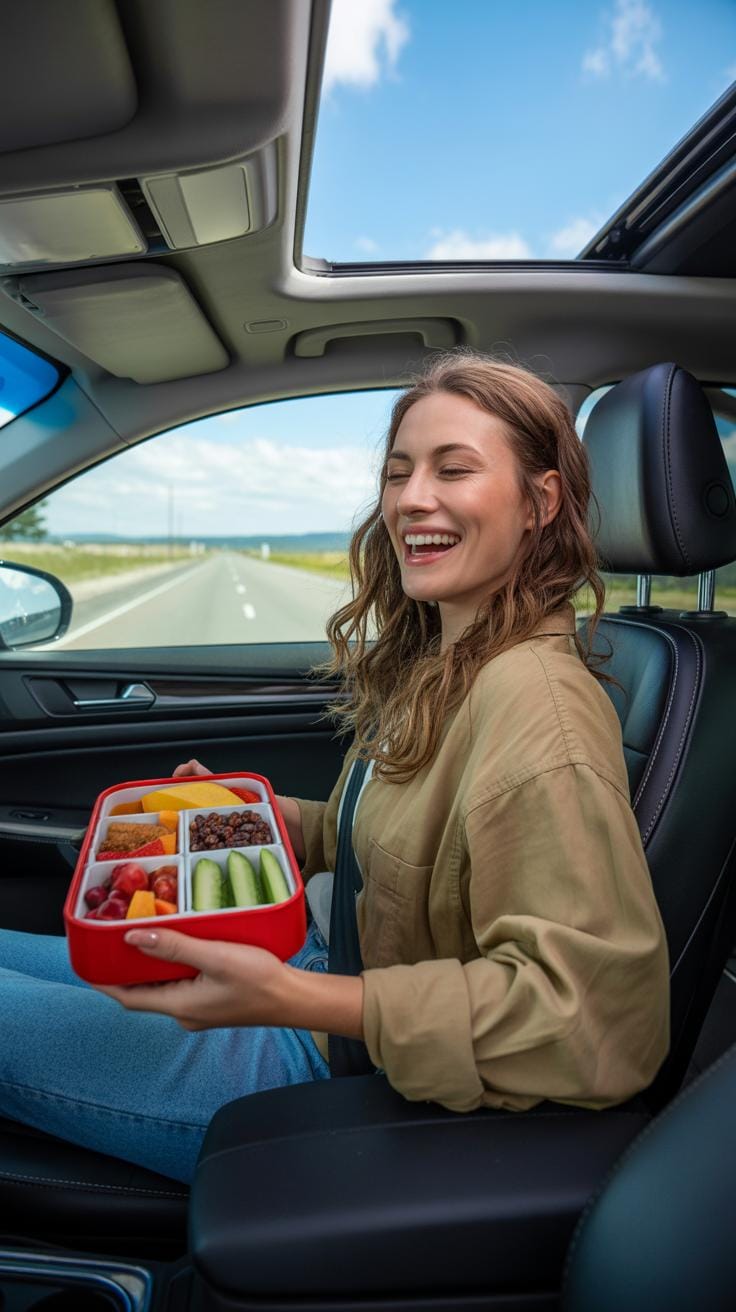
Common Snack Mistakes
When packing snacks for a road trip, you might think grabbing whatever’s easy or familiar will do. But often, the most common mistake is relying heavily on sugary treats like candy bars or soda. They give a quick spike of energy but lead to a crash soon after, leaving you more tired than before. Plus, sugary snacks rarely keep well in a hot car, turning sticky and unpleasant.
Another frequent error is neglecting the need for proper cooling. Packing perishables like cheese or yogurt without a cooler invites spoilage—sometimes without you noticing until it’s too late. Have you ever bitten into what you thought was a fresh sandwich only to find it stale or off? That’s probably what happened.
Sometimes snacks are chosen without considering how long you’ll be traveling. Grabbing fresh fruit without packing it carefully can result in bruised or mushy bites after hours on the road. It’s easy to overlook how temperature, time, and packaging affect freshness.
Solutions For Better Snack Choices
Try to replace sugary snacks with options higher in protein and fiber. Nuts, seeds, or homemade energy bars keep you feeling fuller longer and avoid energy crashes. Also, pack sturdy fruits like apples or clementines; they handle travel better than softer fruits.
Investing in a small cooler or insulated bag makes a huge difference. Even simple ice packs can keep foods fresh, especially on warm days. If a cooler isn’t possible, focus on non-perishable snacks that don’t spoil quickly.
Think about packing snacks in smaller portions. That way you can open just what you need at a time, keeping the rest intact and fresh for later. Also, wrapping sandwiches tightly or using resealable containers can prevent sogginess and mess.
Ultimately, the key is thinking ahead—not just about what tastes good, but how each snack will survive the trip’s conditions. Being mindful here can help avoid unpleasant food surprises and keep your energy steady along the way.
Conclusions
Choosing the right snacks for your road trip helps maintain your energy and keeps you feeling good. Energy boosting snacks like nuts, fruits, and protein bars are perfect for long drives. Keeping these snacks fresh will make them taste better and last longer.
By following simple storage tips and picking smart snacks, you can enjoy a healthier and more comfortable trip. Remember to plan ahead and pack snacks that meet your taste and nutritional needs. This makes your road trip safer and more fun.