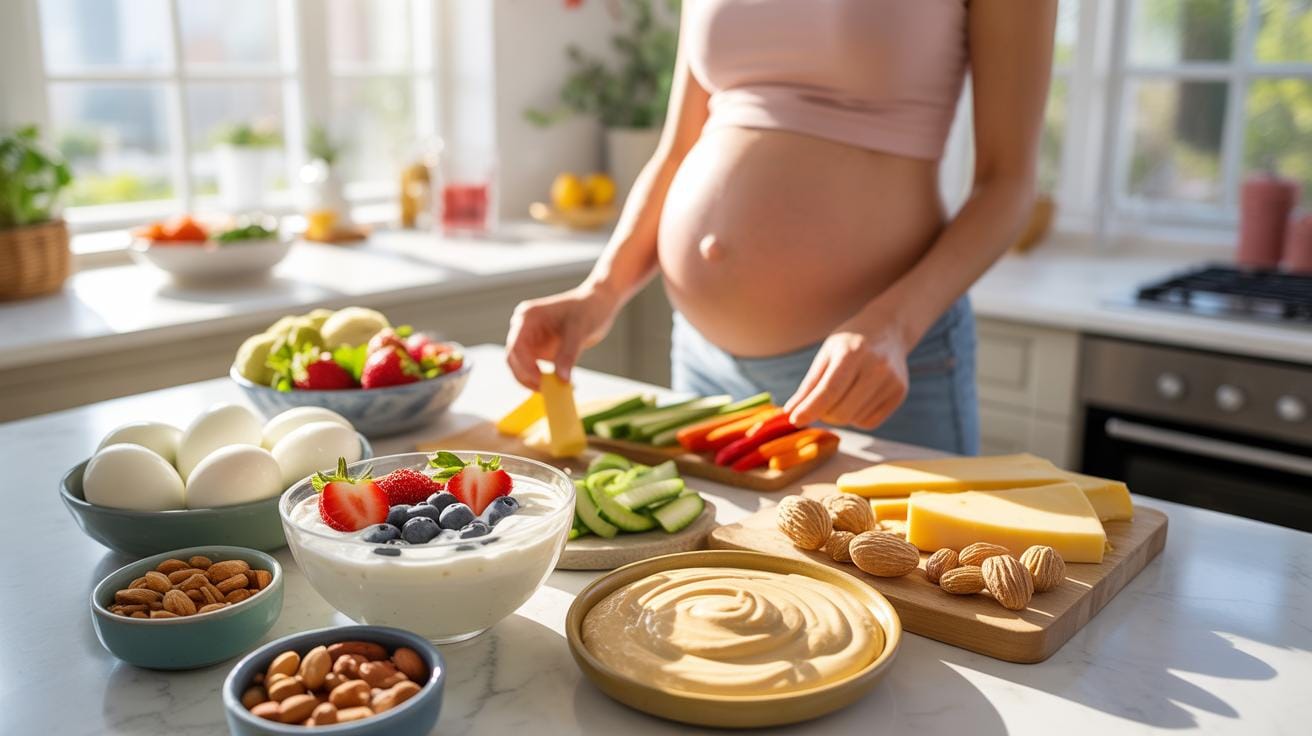
Why Protein Matters During Pregnancy
Eating the right snacks during pregnancy can help you stay energized, especially when you’re working. High protein snacks offer nutrients to support both you and your baby’s health. This article focuses on easy high protein snacks for pregnancy that boost energy at work. You will learn why protein matters and which snacks work best.
By choosing the right snacks, you can maintain your energy and focus throughout the day. This article will cover key benefits of high protein snacks and practical examples you can prepare or buy quickly. Let’s explore how these snacks can help keep you energized during pregnancy while at work.
High Protein Snack Benefits At Work


Eating high protein snacks during pregnancy at work can make a noticeable difference in how you feel throughout the day. Protein does more than just fill you up—it helps keep your energy steady, which is crucial when your body is working overtime to support both you and your baby.

Think about those moments when hunger hits hard and you reach for something quick and sugary. It might give a fast energy boost, but it often leaves you feeling tired or moody shortly after. Protein snacks, like a handful of nuts or some cheese slices, take longer to digest. This means your energy stays more balanced and your mood stays steadier too.
Protein also helps manage hunger. Instead of feeling ravenous an hour after eating, you’ll likely feel satisfied for longer and less tempted by unhealthy snacks. It’s a small change that could really help you avoid constant snacking or energy slumps, especially when work gets demanding.
For example, I once swapped out afternoon cookies for boiled eggs at work during pregnancy. Honestly, the difference was pretty clear. I wasn’t crashing mid-afternoon and felt less cranky, even during long meetings.
Choosing Fast High Protein Snacks
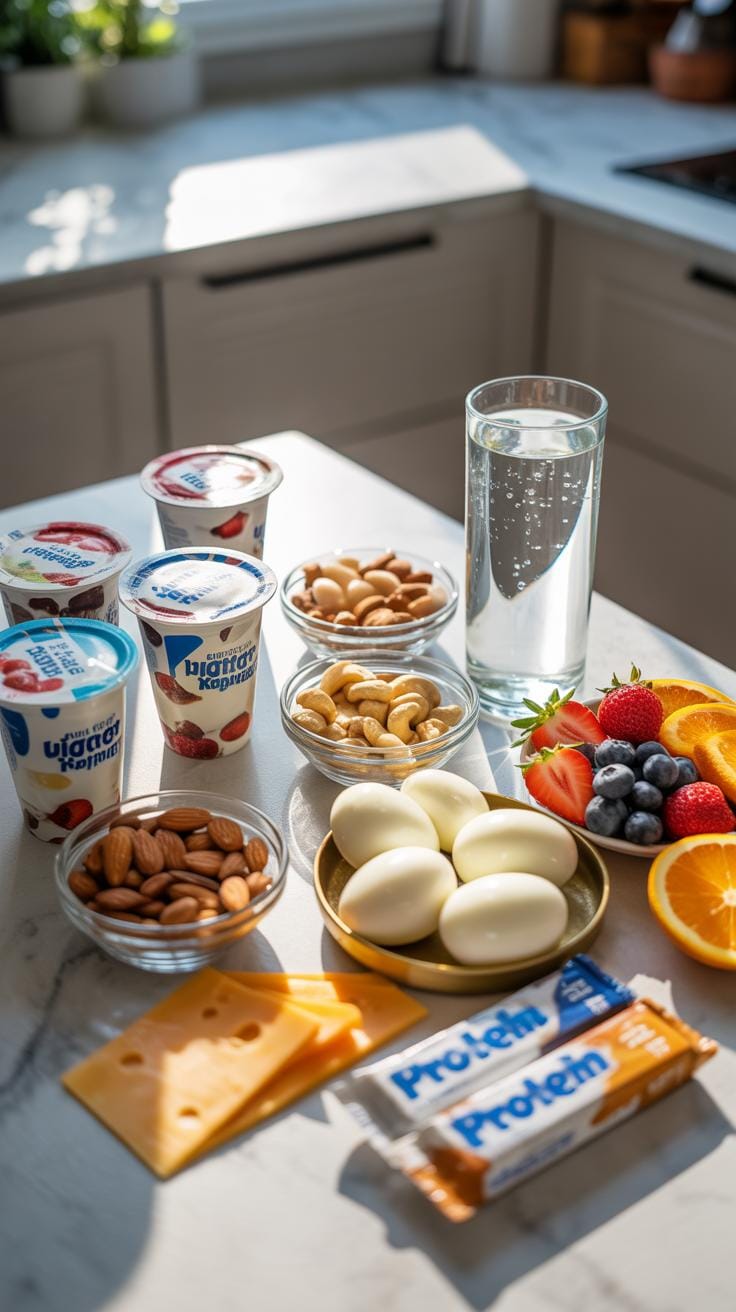
Finding snacks that fit into a busy workday during pregnancy can feel like a bit of a puzzle. You want something quick, yet nourishing enough to keep your energy up without much fuss. Thankfully, there are plenty of options that need little to no cooking and are easy to prepare at home or grab on the go.
Think about simple snacks like hard-boiled eggs—you can make a batch ahead, and they store well in the fridge. If peeling eggs sounds tedious some mornings, pre-packaged boiled eggs are often available in stores. Another choice is Greek yogurt, which offers a solid protein punch and pairs well with a handful of nuts or fresh fruit.
Nut butters, especially almond or peanut, spread on whole grain crackers or apple slices offer a nice combo of protein and fiber. Cheese cubes or string cheese are also handy, ready to eat, and require zero prep time. If you do enjoy a little kitchen time, mixing cottage cheese with some chopped veggies or a bit of honey creates a quick, satisfying snack.
For something completely no-prep, roasted chickpeas—either bought or homemade ahead of time—are crunchy and fulfilling. Jerky made from turkey or beef can be a decent option, though you might want to check for low sodium or additives. Essentially, the goal is to keep it simple and quick enough that you won’t skip snacking just because you’re short on time.
Top Easy Protein Snacks To Try
It’s surprising how some everyday foods pack a good protein amount with minimal effort. Here’s a list that might help you plan your snacks more easily:
- Mixed nuts: A small handful provides protein and healthy fats; just watch portion sizes.
- Greek yogurt: Look for plain varieties to avoid extra sugars; topping with berries adds flavor.
- Cheese sticks or cubes: Portable and satisfying, great to pair with whole grain crackers.
- Hard-boiled eggs: Simple, filling, and easy to eat anywhere.
- Cottage cheese: High in protein and pairs well with fruits or veggies.
- Nut butter with fruit: Apple or banana slices with a smear of peanut or almond butter.
- Roasted chickpeas: Crunchy, flavorful, and a good plant-based protein source.
- Jerky: Check ingredients for quality; offers a quick protein boost without refrigeration.
These snacks can be mixed and matched to prevent boredom and keep your routine manageable. Some mornings, you might crave something sweet; others, something more savory. It’s okay to listen to these little cravings and balance them with your nutritional needs.
Where To Find Ready Protein Snacks
If mornings are too hectic to pack your snacks, don’t worry. Many grocery stores carry an array of pregnancy-friendly protein snacks, especially in the health food or refrigerated sections.
You can find pre-portioned nuts, Greek yogurt cups, string cheese, and even pre-cooked boiled eggs in most supermarkets. Some cafes also sell protein-rich options like yogurt parfaits, cheese plates, or nut butter packets paired with fruit.
Pharmacies often stock snack bars designed for pregnant women, though it’s a good idea to read labels and pick ones low in sugar and artificial ingredients.
Farmers markets or specialty food shops sometimes offer fresh, local dairy or homemade snacks that might be worth trying. These places can introduce variety when workday snacking feels dull.
Have you noticed how snack choices can reflect your energy levels? When you’re tired, grabbing the most convenient option makes sense. It might not always be the perfect protein hit, but even small, quick snacks add up—making a difference over time during pregnancy.
How To Make Balanced Snack Choices
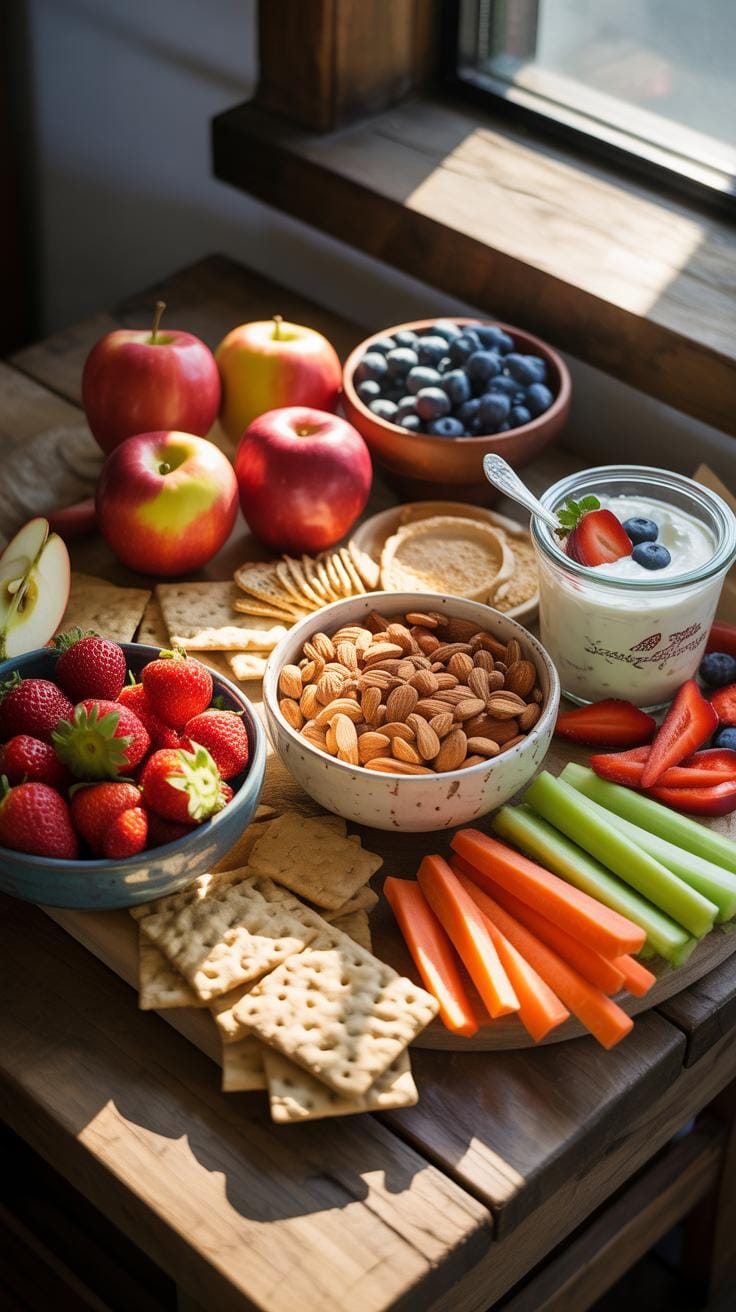
When you’re picking snacks to keep you going through work, it’s not just about protein alone. You want to think about combining it with other nutrients that provide steady energy and help you avoid those mid-afternoon slumps. Pairing protein with fiber, healthy fats, and vitamins can be a smarter way to fuel your body, especially during pregnancy when your nutrient needs shift.
Combining Protein With Fiber For Fullness
Protein can boost energy, but fiber is what slows digestion and keeps hunger at bay longer. That combination means you’re less likely to reach for something sugary or empty calories before your next meal. Think about snacks like a small handful of almonds with apple slices or Greek yogurt mixed with a spoonful of oats. It’s almost like pairing two pieces of a puzzle. The protein builds muscle and repairs tissue while fiber supports digestion and steadies blood sugar. Sometimes I just grab a banana with nut butter, which works surprisingly well to keep me from feeling hungry too soon again.
Adding Healthy Fats And Vitamins
Healthy fats play a key role during pregnancy—they support brain development and help you absorb fat-soluble vitamins like A, D, E, and K. Including a bit of fats in your snack makes it more satisfying and nutritionally rounded. You could try avocado spread on whole-grain crackers paired with a boiled egg or some walnuts tossed into your berry and yogurt mix. These combos provide not just energy but essential nutrients you might overlook otherwise. Vitamins come from fruits, vegetables, and sometimes nuts and seeds. These tiny powerhouses add antioxidants and minerals, which your body really appreciates when it’s busy making a baby. Have you noticed how a simple snack with a few nuts and fruit feels more energizing than a bag of chips? It’s probably the fat and vitamins working behind the scenes.
Snack Timing To Maximize Energy

When it comes to eating high protein snacks at work during pregnancy, timing really makes a difference. You want to avoid those sudden energy dips that leave you feeling drained and unfocused. It’s not just about what you eat but when you snack that can help keep your energy steady.
Many find that eating a protein snack mid-morning—around two to three hours after breakfast—helps bridge the gap until lunch. Think of options like a handful of nuts or a small yogurt. Then, an afternoon snack about the same time before dinner can prevent that slump many experience right after the mid-afternoon mark. This might be something like cheese sticks or boiled eggs. These snacks slow down hunger and give you consistent fuel.
Managing hunger isn’t only about stopping hunger pangs. It also helps prevent fogginess and irritability that can sneak in when blood sugar dips. So, if you feel tired or distracted before lunch or later in the afternoon, that’s a good signal it’s time for a snack.
Try to space snacks evenly rather than eating a big snack all at once. Smaller, frequent nibbling of protein-rich foods might do more for your work energy than waiting too long and then overeating. Ever noticed that when you wait too long, your next meal feels heavier and sometimes makes you sluggish? That’s why timing is worth a bit of attention—no need to overcomplicate it, just listen to your body.
High Protein Snack Prep For Workdays
Make Ahead Snack Ideas
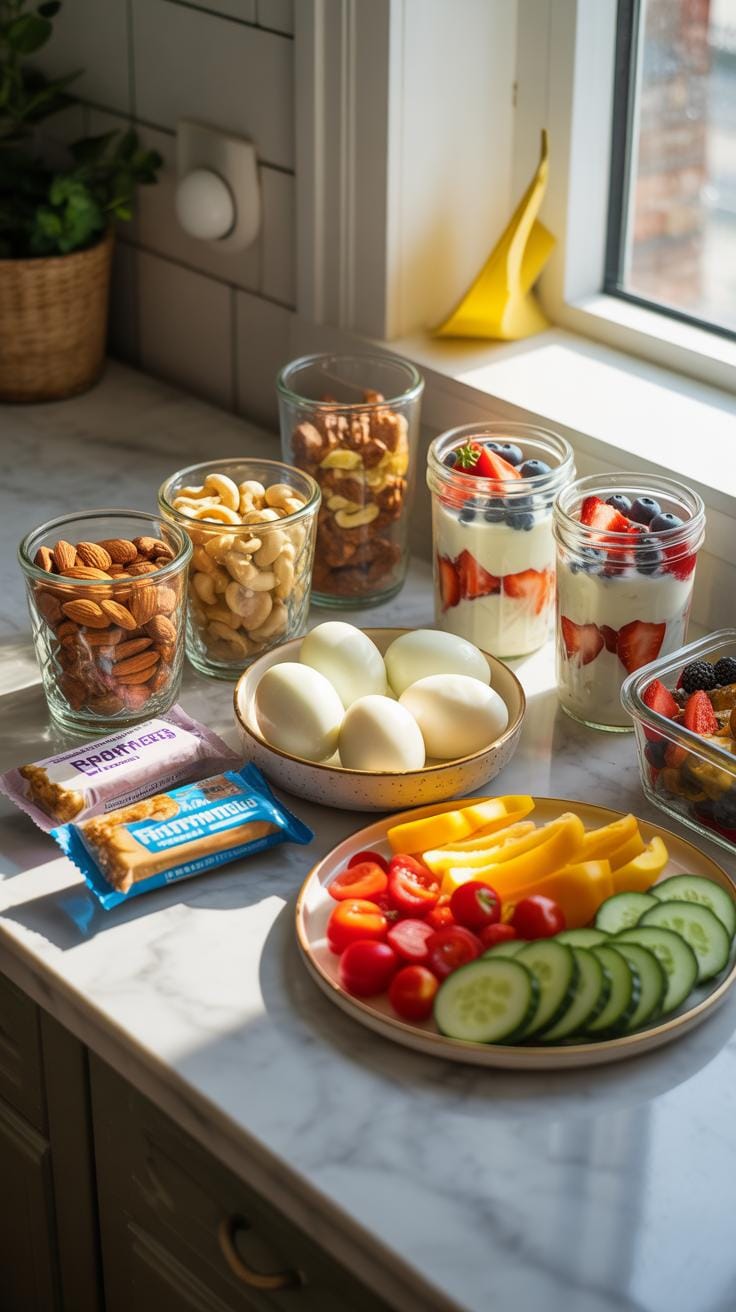
Preparing protein snacks before your workweek begins can save time and reduce stress. Think about hard-boiled eggs—they’re simple to make in bulk and last well in the fridge for several days. Pair them with a small container of cherry tomatoes or baby carrots for some added crunch. Another option is Greek yogurt mixed with a scoop of protein powder or a handful of nuts. Make single-serve portions in small jars or containers, so you don’t have to measure or guess during busy mornings.
Roasted chickpeas are surprisingly easy to make; season and roast a big batch, then store them in an airtight container. They stay crunchy and portable for days. Also, consider prepping homemade protein bars or energy bites using oats, nut butter, and protein powder—no baking needed. Wrap them individually and keep them in the fridge or freezer. One thing I’ve noticed is that having these ready-to-go really helps when you get swamped at work.
Packing Snacks For Work
How you pack your snacks matters as much as what you pack. For starters, investing in a few good-quality containers with compartments can make life easier—they help separate moist items from dry ones, so flavors don’t get weird. Small silicone snack bags or reusable pouches work well for nuts or roasted chickpeas.
Portion control helps, too. Pre-measure your snacks to avoid overeating or getting stuck without enough fuel. I tend to pack about 20–30 grams of protein per snack, but this might vary depending on your needs and appetite during pregnancy.
Coolers or insulated lunch bags with ice packs keep dairy or eggs safe for hours, especially if you don’t have a fridge at work. If you’re unsure about storage options there, consider snacks less prone to spoilage, like nut butters or shelf-stable protein bars. Carrying snacks might feel like an extra step, but once you find your rhythm, it’s usually worth the effort to keep energy steady throughout the day.
Reading Labels For Protein Content
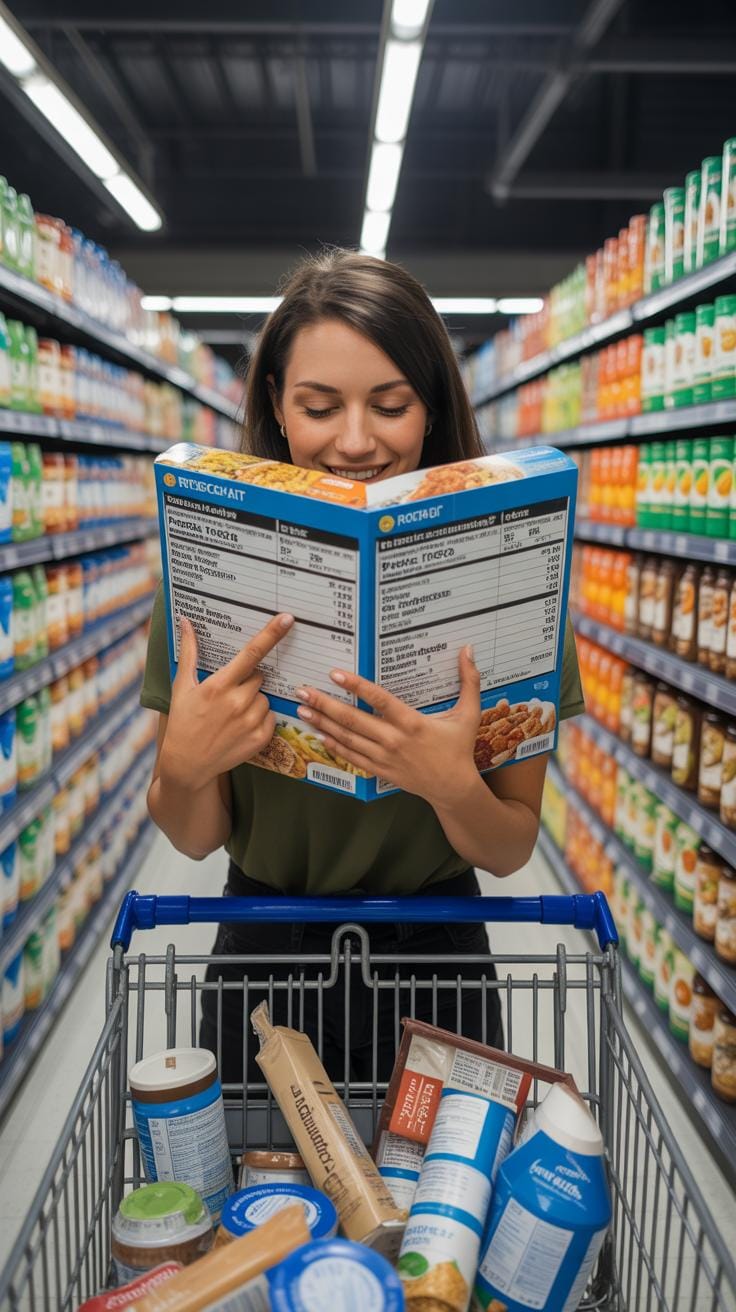
When you’re scanning the aisles or grabbing a quick snack at work, knowing how to read nutrition labels can really help you pick something that fuels you without extra junk. The protein content is usually listed in grams per serving, typically near the bottom or side of the label. That number tells you how much actual protein you’re getting, which is key if you want to boost energy during pregnancy.
It might seem simple, but some snacks can advertise “high protein” on the front while packing in a lot of added sugars or unhealthy fats. Checking the label helps you see through that. Start by finding the serving size—because sometimes the protein looks high, but it’s for more than one portion, which can be misleading. Comparing two snacks? Look at protein grams per serving, not per package.
Be cautious of ingredients that sneak in calories without added benefits. Common things you might want to limit include:
- Added sugars like corn syrup, cane sugar, or anything ending in “-ose.”
- Hydrogenated oils or trans fats, which can hide under “partially hydrogenated” in the ingredient list.
- Excessive sodium—especially if you already watch your salt intake.
- Artificial sweeteners or flavorings—sometimes present even in “healthy” bars.
Honestly, reading labels can feel a bit tedious, but it’s worth it, especially when snacks are supposed to keep you going through long workdays. Have you noticed how some nuts or seeds snacks look good but have added sugar you wouldn’t expect? That’s where labels save the day.
Protein Snack Differences For Pregnant Vs Non Pregnant

When you think about snacks, the protein needs for pregnant women and non-pregnant individuals really aren’t exactly the same. For pregnant women, protein plays a bigger role because it supports the growth of the baby, the placenta, and even the mother’s own tissues. You might notice a pregnant woman needing more frequent and richer protein snacks. Non-pregnant people often snack mainly for energy or muscle recovery, but pregnancy snacks should cater to those extra demands.
Protein intake increases during pregnancy—sometimes by quite a bit. That means snacks should contain more protein or come with other nutrients that help the body use protein effectively. For example, a small handful of nuts might work fine for someone who isn’t pregnant, but a pregnant woman might find herself needing a bit more, like nuts paired with cheese or Greek yogurt.
It’s also useful to pick snacks that bring more to the table than just protein. Folate, iron, and calcium are key players during pregnancy and can be found in snacks like fortified cereals, spinach with cottage cheese, or even a hard-boiled egg. So, it’s not just about how much protein, but also what else the snack provides.
Thinking about it, some pregnant women might find that certain snacks feel more satisfying or easier to digest depending on their stage of pregnancy. So paying attention to how your body reacts can make a real difference. After all, pregnancy isn’t one-size-fits-all, but tweaking your snacks to suit those unique needs? That’s something worth trying.
Common Protein Snack Mistakes To Avoid
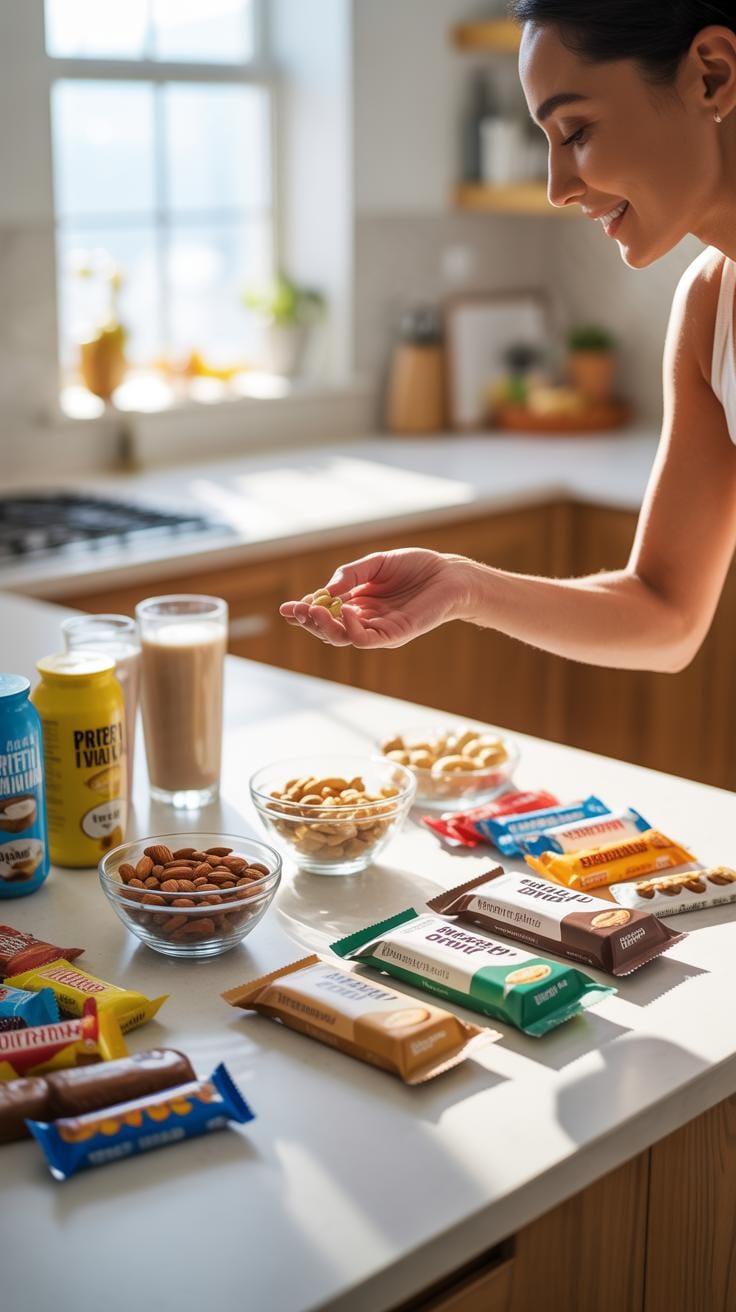
When you’re pregnant and need to keep up energy at work, picking the right protein snacks is trickier than it sounds. One frequent mistake is eating either too much or too little. Overeating protein snacks might leave you feeling sluggish or uncomfortable, especially since pregnancy changes your digestion. On the flip side, undereating can cause energy dips or leave you too hungry, making it tough to focus. Finding a middle ground can be confusing. Maybe stick to small portions like a handful of nuts or a single boiled egg. Trust your body, but pay attention to hunger cues—it’s a bit of trial and error.
Another pitfall is choosing low quality protein options. Some snacks are packed with additives, extra sugar, or artificial flavors—think protein bars loaded with ingredients you can’t pronounce. These don’t give you the steady nutrition you need and might cause energy crashes later on. Pre-packaged deli meats or processed cheese might seem easy but can be high in sodium and preservatives. Instead, aim for whole foods like Greek yogurt, cottage cheese, or roasted chickpeas. It might seem less convenient at times, but your body benefits from real nutrients rather than fillers.
Tracking Your Snack Impact On Work Energy

Noting Energy Changes After Snacks
Pay attention to how you feel shortly after eating a protein snack at work. Are you more alert? Does your concentration improve, or do you feel sluggish? It might help to jot down these observations in a simple notebook or on your phone. For example, you might notice that a handful of nuts energizes you for about an hour, but a yogurt helps you stay sharp longer. Try to note specific feelings like focus, tiredness, or hunger returning. This way, you get a clearer picture over time.
Don’t expect every snack to work the same way every day. Sometimes, even the same snack might feel different depending on other factors—sleep, stress, or workload. So, be gentle with yourself and keep observing without rushing to conclusions.
Adjusting Snack Plans Based On Feedback
If you find your energy dips just an hour after a snack, maybe try a slightly larger portion or combine protein with a bit of healthy fat or complex carbs. On the other hand, if a snack makes you feel too full or sluggish, consider lighter options or changing the time you eat it—perhaps earlier in the morning, or mid-afternoon instead of late morning.
It’s a bit of trial and error. For example, switching from protein bars to cottage cheese with fruit might boost your focus better. Or maybe two smaller protein snacks spaced out feel better than one bigger snack. Pay attention to your body’s signals and don’t hesitate to tweak the types or timing. Over a week, patterns often emerge that tell you what really works to keep your energy steady during work hours.
Examples Of High Protein Snack Plans
Simple Daily Snack Plan Example
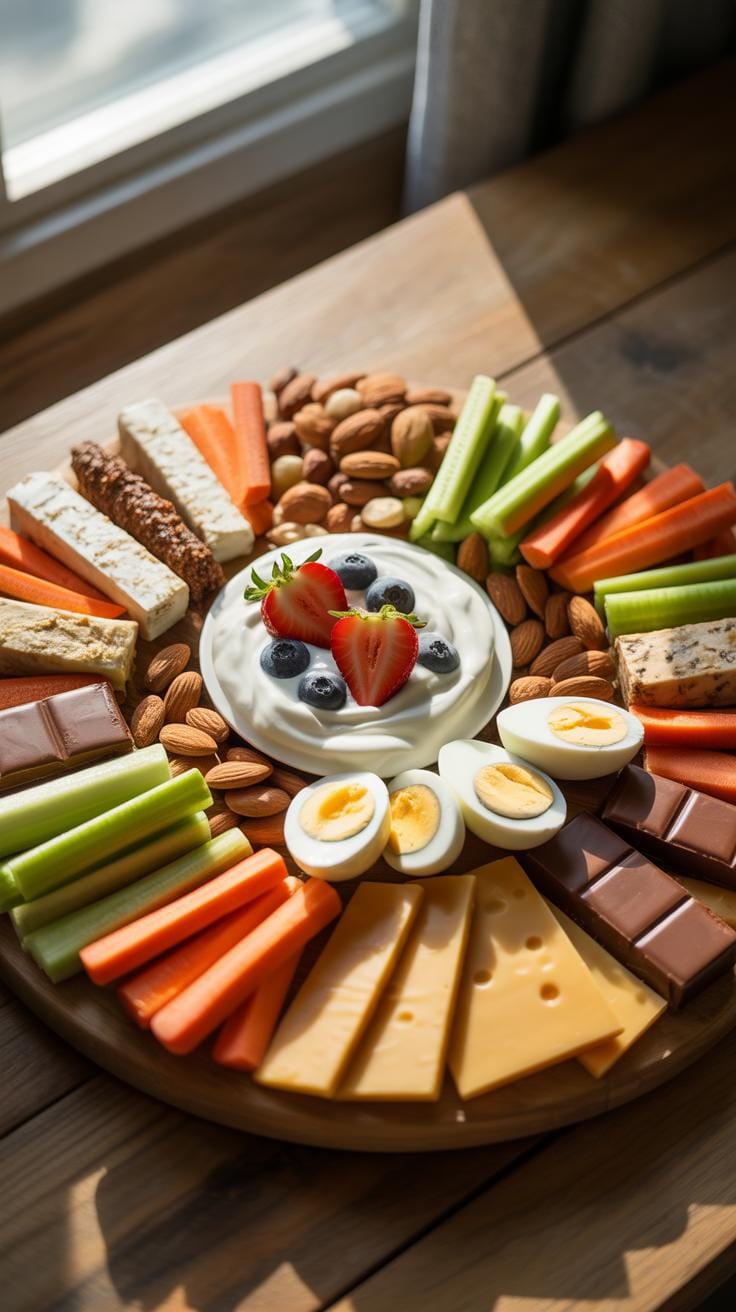
If you’re at work during pregnancy and looking to keep your energy steady, a few well-timed protein snacks can really help. Imagine this: mid-morning around 10 a.m., have a small handful of almonds—about 15 to 20 nuts. That’s roughly 6 grams of protein and healthy fats to stave off hunger. Then, at lunchtime, incorporate a Greek yogurt cup, say 150 grams, which packs around 15 grams of protein. Come mid-afternoon, maybe 3 to 4 p.m., a boiled egg or a cheese stick works well, providing another 6 to 7 grams of protein to keep you alert through the rest of your day.
Spacing these out doesn’t just fill you up; it maintains a good protein flow that your body appreciates, especially when you’re pregnant. You might find yourself less hungry during main meals and more steady energy-wise, which matters a lot when you’re juggling work tasks and pregnancy tiredness.
Customizing Plans For Personal Taste
Not everyone loves or can eat nuts and dairy, so feel free to switch things around. For instance, if you don’t like almonds, maybe try roasted chickpeas or edamame instead—both offer a solid protein boost. If you’re avoiding dairy, canned tuna or turkey slices can fill that mid-day gap nicely.
You could also swap the boiled egg for a plant-based protein bar if that sounds more appealing, though watch out for added sugar. Some days you might want something lighter or heartier—it’s okay to adjust portions too; 10 nuts instead of 20 or a smaller yogurt can be fine, especially if you’re eating a bigger meal soon after.
One thing to consider: pregnancy sometimes shifts cravings or what sits well in your stomach. So, listen to that too—and don’t hesitate to experiment until you find what keeps you comfortable and energized at work.
Conclusions
High protein snacks can keep your energy steady and support your pregnancy. Including these snacks during your workday helps meet your nutritional needs simply and effectively. Choose snacks that are easy to prepare and rich in protein for best results.
Planning your snacks with protein in mind can improve focus and reduce fatigue at work. Remember to balance your snack choices with other healthy foods to support your and your baby’s wellbeing. Adopting high protein snacks is a practical step toward better work energy during pregnancy.