

Starting Busy Mornings With Protein
Quick healthy breakfast with high protein meals can give you the energy and nutrients you need to start busy mornings well. A good breakfast helps fuel your brain and body for the day ahead. It is important to choose meals that are both nutritious and quick to prepare.
This article covers why a high protein breakfast matters and how you can make healthy and fast breakfast choices. You will find tips, meal ideas, and the benefits of adding protein to your morning meal.
What Is A High Protein Breakfast


A high protein breakfast is generally defined by a meal that contains a significant amount of protein relative to other nutrients like carbohydrates and fats. Usually, this means including at least 20 grams of protein or more in your morning meal, though the exact number can vary depending on your age, weight, and activity level. The goal is to prioritize proteins because they play a unique role in how your body processes energy versus other meal components.

Common sources of protein in breakfast meals include eggs, dairy products like yogurt and cheese, nuts, seeds, and various meats such as bacon or sausage. These proteins often come in more dense forms compared to carbs or fats and take longer to digest. This slower digestion means your body gets a steady supply through the morning, which tends to keep hunger and energy dips at bay.
Protein’s role in breakfast differs from carbs and fats in that it doesn’t just fuel immediate energy but also supports muscle maintenance and triggers feelings of fullness. Carbs may offer quicker bursts of energy, but protein slows down that process, providing more sustained fuel. That makes it especially useful in the morning when you’re setting up for a busy day ahead.
Protein Sources Suitable For Morning Meals
When you think of breakfast proteins, eggs often come to mind first—and for good reason. They’re easy to cook, versatile, and pack about 6 grams of protein per egg. Scrambled, boiled, or even poached, eggs fit well into quick, nutritious meals.
Yogurt, especially Greek yogurt, is another solid choice. It contains around 10-15 grams of protein per serving and can be paired with fruit or nuts for added texture and nutrients. You don’t need to prepare much—just spoon it out and add your favorite toppings, perfect when time is tight.
Nuts like almonds or walnuts work well too. They’re not only protein-rich but also provide healthy fats. Toss a handful into oatmeal or eat them alongside whole grain toast for a simple boost.
Meats, such as lean turkey or chicken breast slices, can be quick options if you prefer savory breakfasts. They might require a bit of prep, like cooking the night before, but they store well and heat up quickly.
How Protein Supports Morning Energy
Protein influences your energy levels by stabilizing blood sugar and keeping you feeling full longer. Unlike carbohydrates that can cause quick spikes and crashes, protein digests slowly and releases energy steadily. This effect can prevent that mid-morning slump many people experience.
Beyond energy, protein plays a role in repairing muscles. Even if you’re not hitting the gym in the morning, your body continuously rebuilds cells and tissues overnight and in the early hours, which requires protein.
Eating protein may also tune your hormones, specifically ones that regulate hunger and fullness. This means you could find yourself less tempted by unhealthy snacks before lunch. Whether or not you notice this right away probably depends on your usual eating habits and metabolism, but it’s a benefit that stacks up over time.
Why Protein Matters For Busy Mornings

On busy mornings, protein can make a real difference in how your day starts. When you have a jam-packed schedule, staying focused and energetic is tough. Protein helps by providing steady fuel that your body breaks down slowly. That means fewer energy crashes compared to sugary or carb-only breakfasts, which tend to spike and then drop your blood sugar.
Skipping protein in the morning—or eating too little of it—can leave you feeling foggy or distracted, especially during critical early tasks. It’s like running on empty when you most need the engine to perform. I’ve noticed on days when I skimp on protein, my concentration slips sooner than usual. And that’s risky when deadlines or meetings don’t wait.
There’s also the risk of reaching for quick snacks later, often high in sugar or calories, just to make up for the early deficit. This isn’t just guesswork—many people find that starting with a balanced protein breakfast helps maintain steady energy and focus throughout the hectic morning hours.
Effects Of Skipping Protein For Breakfast
When your morning lacks protein, the effects show up fast. Energy dips, concentration fades, and hunger kicks in earlier—all leaving you vulnerable to overeating.
- Low energy: Without protein, your blood sugar fluctuates, leading to tiredness before noon.
- Poor concentration: Protein supplies amino acids that support brain function. Missing them can cloud your thinking.
- Overeating: Without the feeling of fullness that protein brings, it’s easy to reach for snacks, often unhealthy ones, by mid-morning.
Imagine going through back-to-back meetings but feeling mentally drained halfway. That’s what happens when protein is missing from your first meal. Personally, I’ve caught myself grabbing something sugary around 10 a.m., which only leads to that energy roller-coaster all day long.
Protein And Fullness Throughout The Morning
Protein plays a key role in managing hunger. Unlike breakfasts high in carbs only, which digest quickly and can leave you hungry soon after, protein digests slower, keeping you feeling fuller.
Think about meals like eggs or Greek yogurt versus just toast or cereal. The protein-rich options hold you over longer without gnawing hunger pains. This means less distraction from hunger and fewer temptations to snack prematurely.
It’s not that carbs aren’t necessary—they are. But relying solely on carbs can be a quick ticket to an empty stomach and reduced focus. Protein offers a longer-lasting balance, which seems pretty beneficial when your morning doesn’t leave much room for breaks or extra snacks.
How To Make Quick Healthy Protein Meals
Step By Step Preparation For Protein Meals
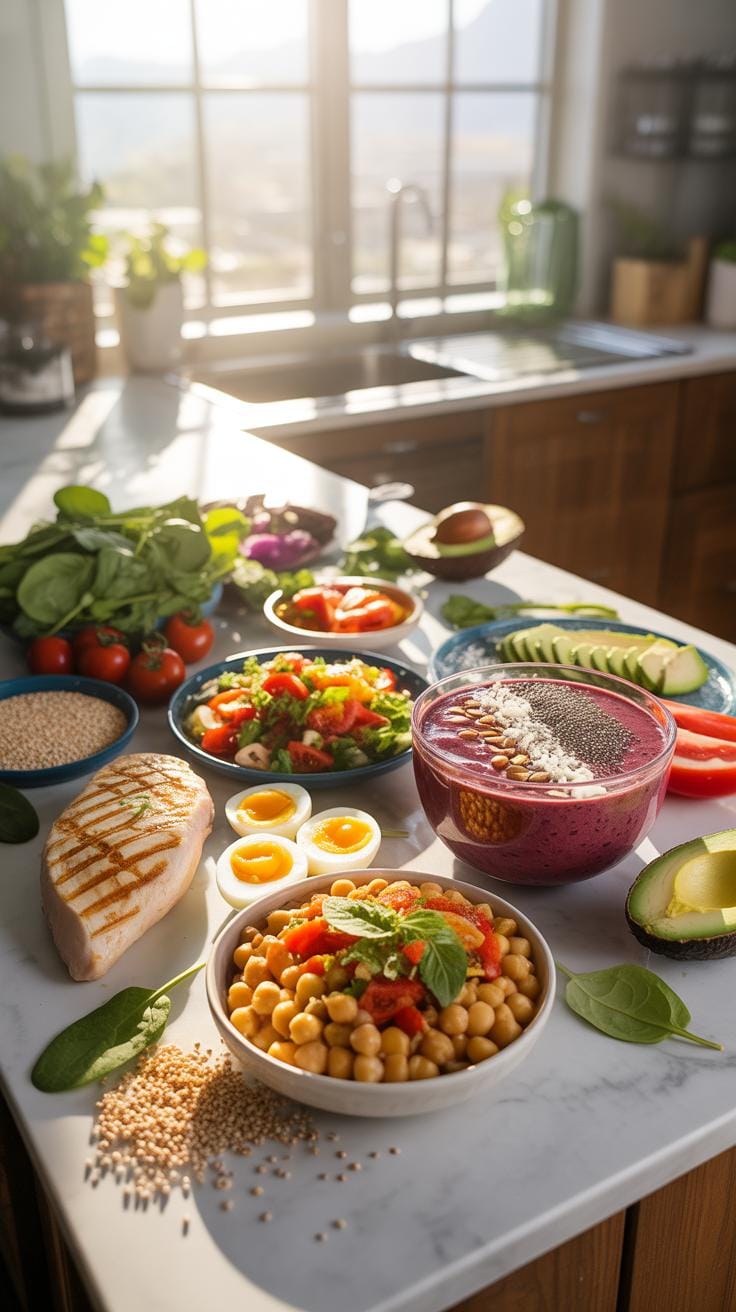
Start by choosing your protein source. Eggs are a classic, but Greek yogurt or protein smoothies can work just as well. For eggs, a quick method is scrambling directly in a non-stick pan—no need for grease if you use a good pan.
Here’s a simple routine: crack two or three eggs into a bowl, whisk them briefly, and pour into the heated pan. While the eggs cook, chop some veggies like spinach or tomatoes to toss in; it adds flavor and nutrients without slowing you down much.
For smoothies, blend a scoop of protein powder with frozen fruit, a handful of spinach, and milk or a milk substitute. You can even throw in some oats or nut butter to keep you full longer. The entire process can take about five minutes, tops.
Time Saving Tools And Tips
Having the right gear really helps speed things up. A good blender with a pulse option makes smoothies quick and smooth. For eggs, a non-stick or ceramic-coated pan lets you cook without extra oils—and cleaning becomes less of a chore.
Consider prepping veggies or chopping fruit ahead. I keep containers of mixed peppers and greens in the fridge, so morning assembly becomes almost automatic. Also, devices like egg cookers or microwave steamers can shave off precious minutes.
Frozen pre-portioned fruit and even ready-to-use protein packs save you from pulling out multiple ingredients each day. It might sound like extra effort up front, but trust me, these shortcuts often feel like a game changer on hectic mornings.
Popular Quick High Protein Breakfast Examples

If you’re pressed for time but want to fuel your morning well, some meals jump out as reliable and fast. Eggs often top the list—not just because they cook quickly but because they adapt easily. You could scramble a couple with spinach and tomatoes in under five minutes. Or boil a few eggs the night before, grab and go when mornings get hectic.
Omelets are another solid choice. Toss in some cheese, mushrooms, or lean turkey slices, and you’re set. These ingredients are usually easy to keep around, and the prep rarely takes long.
For those not wanting to cook at all, smoothies work surprisingly well. Mix a scoop of protein powder, Greek yogurt, a handful of nuts, and a bit of fruit like berries or banana. I’ve found that blending takes fewer than three minutes once everything is ready. Plus, smoothies are portable and mess-free—which might sway you if your kitchen feels cramped or chaotic in the morning.
So, maybe your ideal high-protein breakfast is some version of eggs paired with a quick smoothie or nuts. They’re simple, require little more than everyday ingredients, and they don’t force you to wake up earlier than necessary.
Morning Protein Options For Different Diets
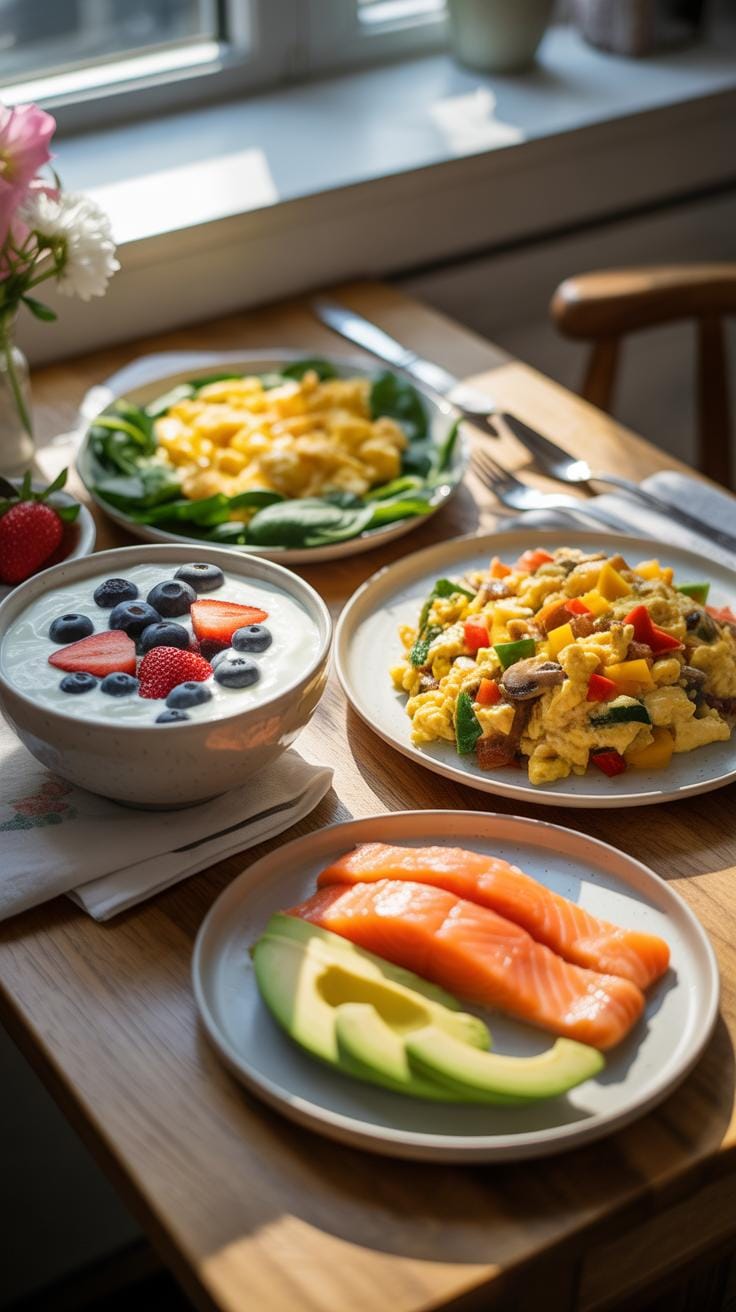
Choosing a high-protein breakfast can feel tricky when your diet has specific rules. But it’s not as complicated as it seems. If you’re vegetarian or vegan, plant proteins become your main focus. Think beans, lentils, tofu, and tempeh. They pack protein without the meat. For example, a tofu scramble with veggies can be quick and satisfying. Or some overnight oats mixed with chia seeds and nut butter adds a decent protein boost for vegans. Sometimes, a handful of nuts with fruit and plant-based yogurt works well if you’re in a rush.
Low-carb eaters, on the other hand, look for protein without the bread or cereal. Eggs are a classic choice, whether scrambled or boiled the night before. Pair them with some cheese or smoked salmon for variety. Greek yogurt with a few pumpkin seeds can also fit the bill, especially if you skip the sweeteners. It’s about balancing keeping carbs low but making sure you feel full, not hungry an hour later.
Dietary preferences push you to rethink what breakfast could be. But mixing and matching simple ingredients often gets you enough protein without a fuss. What’s your go-to protein source in the morning? Maybe it’s time to switch it up a bit—your body might thank you for it.
Common Mistakes When Choosing Breakfast

Relying On Sugary Cereals Or Pastries
Grabbing a quick bowl of sugary cereal or a sweet pastry in the morning might seem like an easy way to start the day. But these options often deliver a rapid spike in energy followed by a sharp crash that leaves you feeling drained much sooner than you’d expect. They contain very little protein, which means they don’t keep you full or support muscle repair and growth. You might notice your stomach rumbling just a couple of hours after eating.
Instead, swapping these for something with more protein — like Greek yogurt with nuts or a boiled egg — gives energy that lasts longer. For instance, adding a handful of almonds to your breakfast can make a big difference. It’s a small choice that feels simple but completely changes how sustained your energy becomes through the morning.
Neglecting Protein In Hurry
When mornings get busy, skipping protein feels tempting because it seems quicker. But this rush can backfire. Without enough protein, your body craves more food sooner, which leads to unhealthy snacking or overeating later. And your energy might dip, making those busy mornings even harder.
One trick is to prepare protein-rich items the night before. Hard-boiled eggs, cottage cheese, or pre-portioned nut butter packets save time but keep your breakfast balanced. You don’t have to scramble or cook much at all in the rush. It might take a little planning, but it pays off during the morning chaos.
Have you noticed how much better you feel when your breakfast sticks with you longer? Maybe it’s time to rethink what “quick” really means—speed doesn’t have to come at the cost of nutrition.
Protein Vs Carbs For Morning Energy

How Protein Stabilizes Blood Sugar
When you eat protein in the morning, your blood sugar levels tend to stay steadier throughout the first few hours of your day. Protein takes longer to digest than carbohydrates, which means glucose enters your bloodstream more slowly. This gradual release helps avoid the sudden spikes and drops that can make you feel jittery or sluggish.
Protein also triggers the release of hormones like glucagon, which work against insulin’s effect on lowering blood sugar. This balance keeps your energy more consistent, without the sharp highs and lows. I’ve noticed on days when I start with eggs or Greek yogurt, I don’t feel those mid-morning hunger pangs or the urge to grab a snack constantly.
Carb Only Breakfast Impact
Carb-heavy breakfasts, like sugary cereals or white toast, often lead to a quick burst of energy. That rush happens because carbs break down rapidly into glucose, flooding your bloodstream. But then, insulin kicks in strongly to clear the sugar, which causes blood sugar levels to drop fast after that initial spike.
This pattern is familiar to many—feeling energetic right after eating, followed by a slump, sometimes just an hour later. That crash can make it harder to concentrate and can leave you craving more carbs, kicking off a cycle that drains your mornings. Even if you don’t realize it, this may be why coffee and quick snacks become your go-to soon after breakfast.
Checklist For Planning Your Quick Protein Breakfast
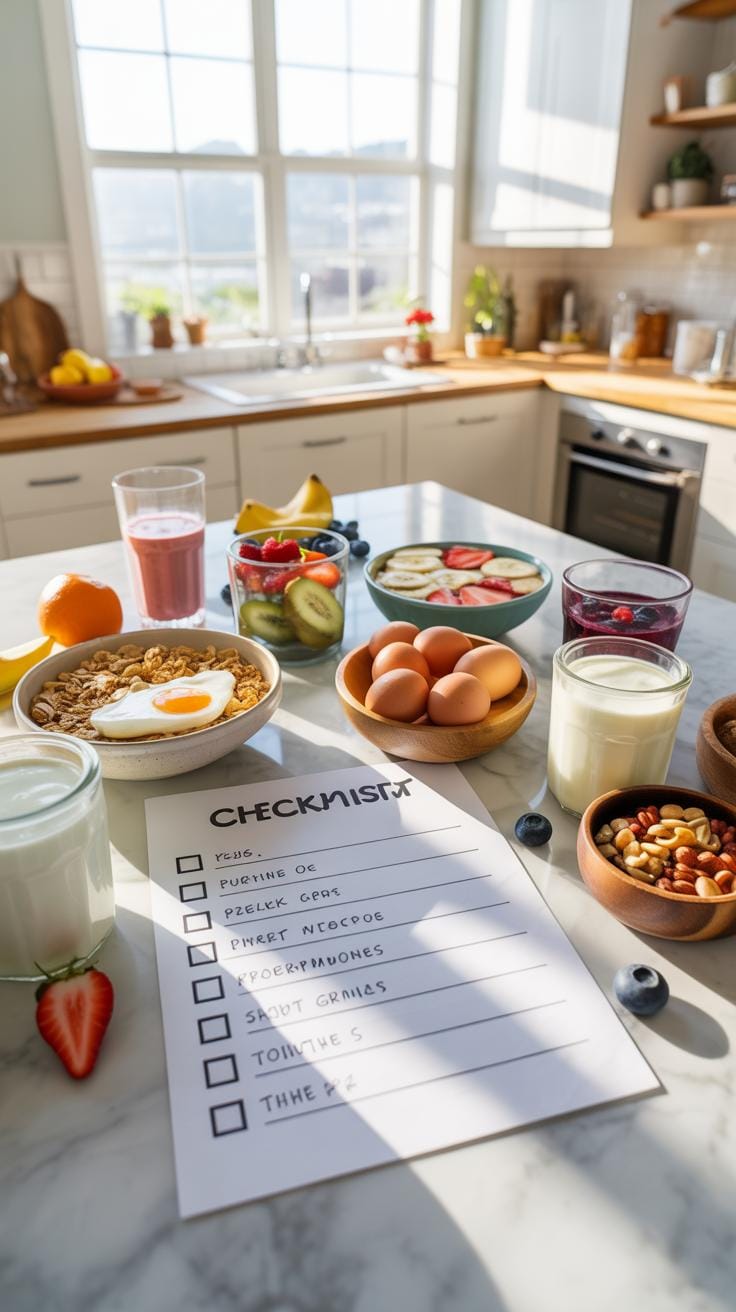
Planning a quick protein breakfast doesn’t have to be complicated, even if your mornings are hectic. To keep things simple, start by stocking up on key ingredients that save time and pack a protein punch.
Shopping For Protein Rich Ingredients
Try to keep these items in your pantry or fridge so you can grab and go:
- Eggs – fresh or hard-boiled for fast use.
- Greek yogurt – plain or flavored but watch the sugars.
- Cottage cheese – great for mixing with fruit or nuts.
- Nut butters – peanut, almond, or cashew.
- Pre-cooked chicken strips or turkey slices.
- Protein powder – easy to add to smoothies or oatmeal.
- Canned beans – black beans or chickpeas for savory options.
- Nuts and seeds – store in small containers for quick topping.
I find having at least half of these stocked changes how rushed mornings feel. It’s tempting to skip protein, but with these on hand, that’s less likely to happen.
Meal Prep Strategies For Busy Mornings
Meal prepping can make or break your protein intake during busy mornings. Pick one or two strategies that fit your routine and stick with them.
- Boil a dozen eggs on Sunday – peel and refrigerate for grab-and-go protein.
- Portion out yogurt with nuts or seeds in small containers the night before.
- Mix dry ingredients for protein pancakes or muffins ahead and freeze portions.
- Cook a batch of quinoa or lentils for adding to morning bowls.
- Prepare smoothie bags with fruit and greens, just add protein powder and liquid in the morning.
Even prepping 5 minutes the night before helps ease morning stress. But if you like a little more flexibility, keeping versatile ingredients handy lets you improvise without losing time or protein.
Conclusions
Picking quick healthy breakfasts with protein helps maintain energy and focus during busy days. Simple meals like eggs, yogurt, or smoothies can provide needed nutrients in just a few minutes. Planning ahead makes it easier to eat well even when time is short.
Remember that starting your day with the right foods supports your health and productivity. Try different protein options and find what you enjoy to keep your mornings easy and balanced.