Choosing Snacks That Match Your Fitness Goals
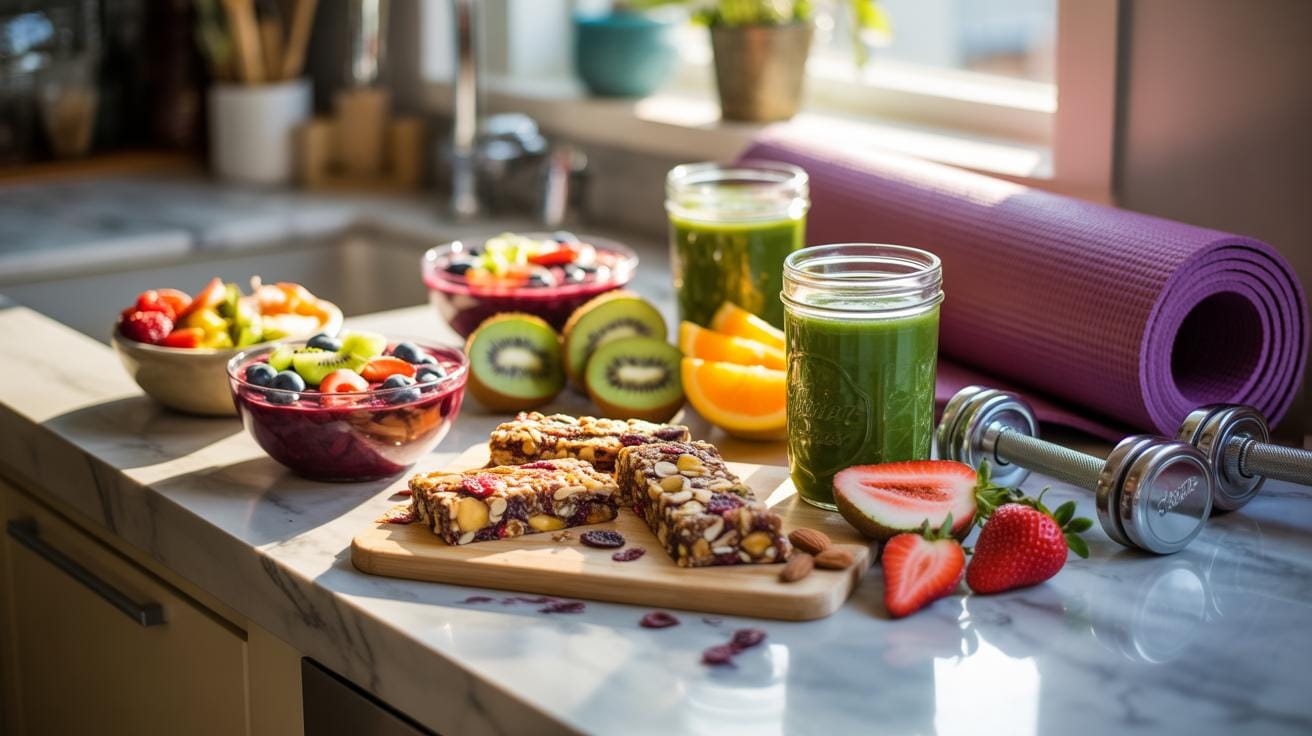
Delicious snacks can enhance your daily routine by fitting both your lifestyle and fitness aims. Snacking does not only mean eating quick bites; it means choosing the right foods that support your health and satisfy your taste. This article covers various snack recipes that blend well with your style and fitness goals.
From easy-to-make snacks to understanding the difference between nourishing and indulgent options, you will find practical advice and recipes for your snacking needs. Each section gives you clear steps and examples to help you pick snacks that suit your day and keep you on track with your health.
What Are Easy Snacks

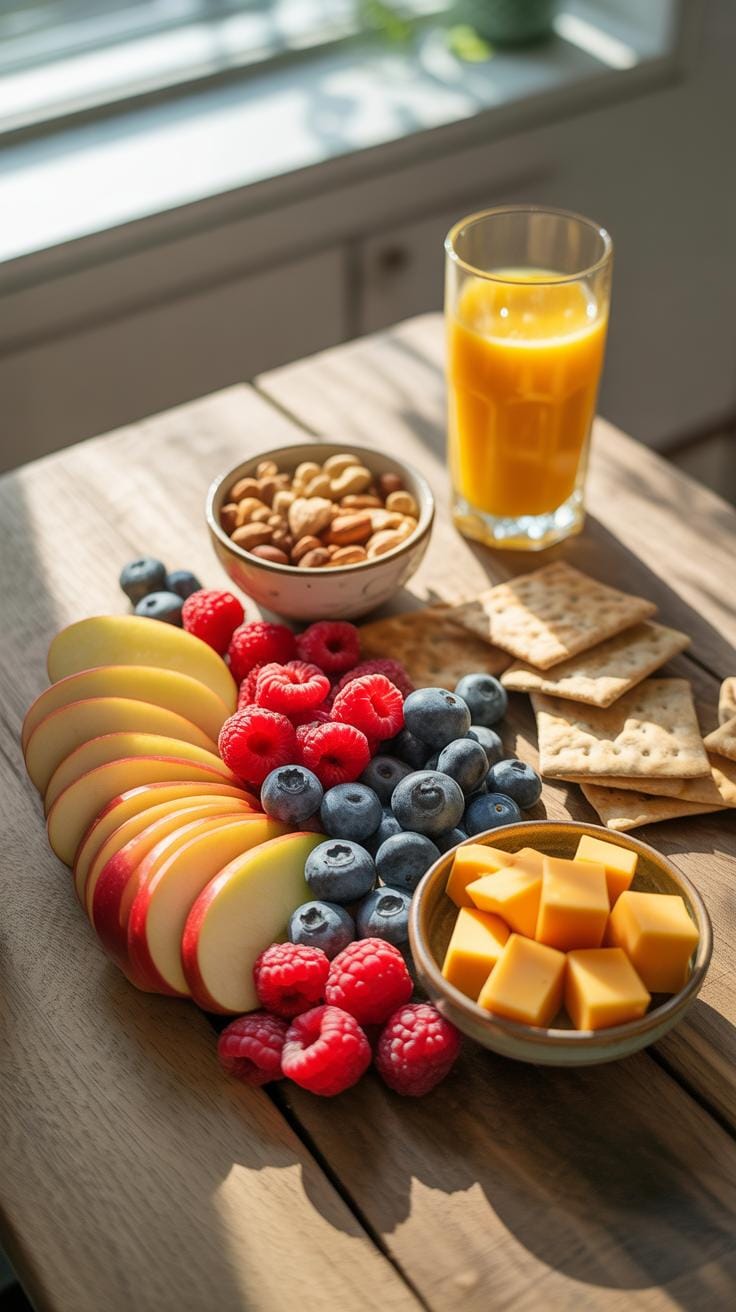
Easy snacks are those go-to bites that don’t demand much time or effort. Usually, they involve just a handful of ingredients and straightforward steps—sometimes just opening a package or tossing things together. Their charm lies in quick preparation and the convenience they offer. Think about something you can grab and eat without fuss, often portable and mess-free.

For example, a simple apple or a handful of nuts fits this idea: no cooking, no measuring, just ready to eat. You don’t want to be in the kitchen for long or need fancy tools. Often, they’re pre-packaged or need minimal assembly. The less time you spend prepping, the better, especially when hunger strikes unexpectedly.
Many easy snacks share traits like being small, easy to store, and good to carry around. Their simplicity means they’re accessible to almost anyone, regardless of cooking confidence or time constraints. That’s why they appeal across all lifestyles.
Examples Of Popular Easy Snacks
Some snacks have become staples worldwide, probably because they’re just so simple. Consider these:
- Yogurt with berries: Requires nothing more than spooning yogurt and topping it with fresh or frozen berries. No cooking, just a wholesome combo.
- Peanut butter on toast: Two ingredients, done in under five minutes. You might add a banana for extra flavor—still easy.
- Hummus and carrot sticks: Slice a carrot, dip, and enjoy. Convenience and nutrition together.
- Rice cakes with avocado: Spread mashed avocado on a crunchy rice cake. Simple, healthy, and light.
Each of these snacks shares certain qualities: quick to assemble, needing minimal kitchen tools, and made from easy-to-find ingredients. Their popularity partly comes from this uncomplicated nature.
How Easy Snacks Fit Into Daily Life
In our often busy days, these quick snacks become lifelines. At work, when meetings run long or deadlines pile up, grabbing something fast stops hunger without derailing your focus. Kids at school benefit too—snacks that slip into a lunchbox and don’t spoil quickly are a big help.
Travel brings another challenge. You can’t always predict when hunger will hit, and easy snacks solve this problem by being portable and tasty. They keep you going between meals, which means you’re less tempted by less healthy alternatives.
But, they’re more than just filler. Well-chosen easy snacks maintain energy levels and can support your fitness goals without requiring a lot of prep. Sometimes convenience doesn’t have to mean compromise. That’s the beauty of them.
Why Choose Snacks Matching Fitness Goals
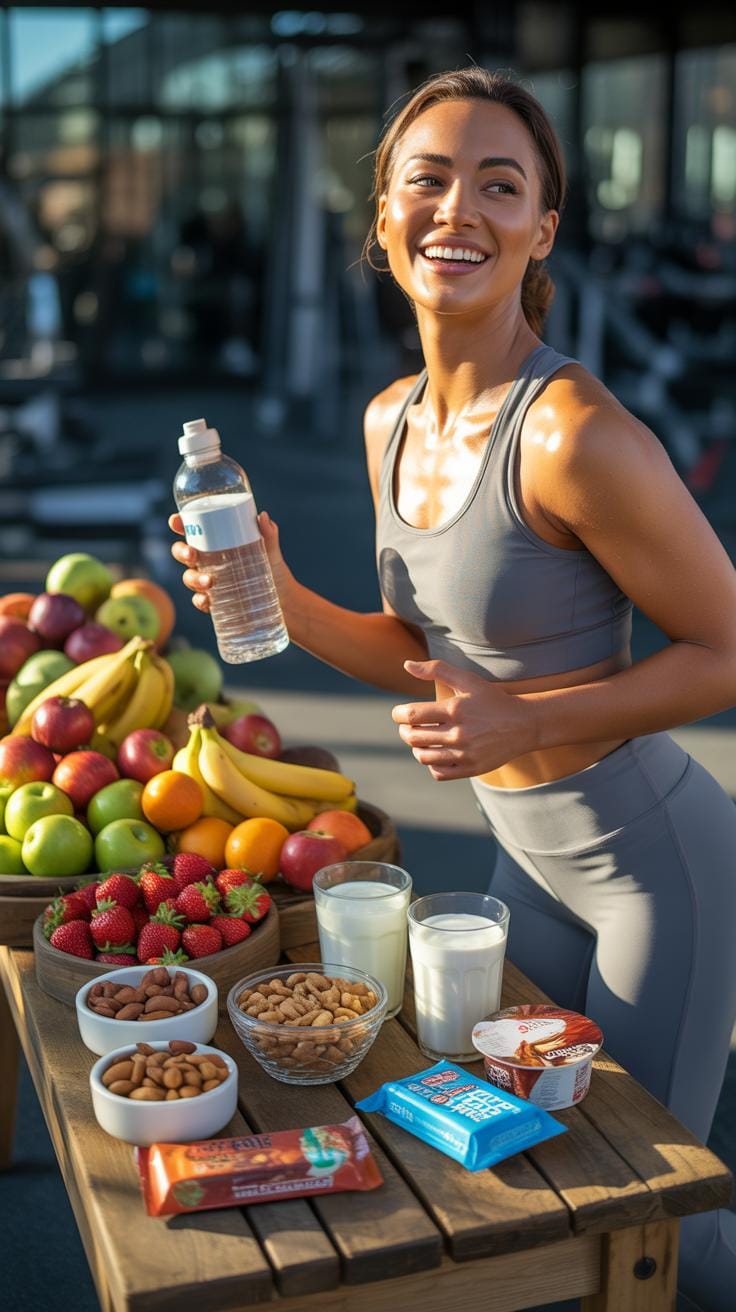
Picking snacks that fit your fitness goals isn’t just about discipline—it’s about making choices that actually help you move forward. When your snack supports your energy needs, it feels easier to stay active. For example, a quick protein and carb snack after a workout can aid muscle recovery, letting you bounce back faster. Without that, your muscles might feel more sore or tired than necessary.
Weight management also ties into this. Eating something filling, like a snack with fiber and protein, can help curb hunger longer, so you aren’t constantly tempted to reach for something less healthy. On the other hand, a poorly chosen snack might spike your blood sugar and leave you crashing soon after. I’ve tried this myself—sometimes I think a quick sugary snack will fuel me, but it just makes me more tired and sluggish.
And energy levels? They fluctuate quite a bit depending on what you eat. So if a snack is too fatty or sugary, your focus and stamina can take a nosedive. Matching your snack to your goals not only supports the body but can keep your mind sharper, too. It’s a subtle thing, but it makes a difference over time.
Nutrition Basics For Fitness Snacks
When you’re looking for snacks that help with fitness, some nutrients pop out as especially helpful:
- Protein: Supports muscle repair after workouts, and keeps you feeling full longer. Think nuts, yogurt, or a small piece of lean meat or cheese.
- Healthy fats: Needed for overall health and sustained energy. Foods like avocado, seeds, or olive oil fit here. They can help avoid quick energy crashes.
- Fiber: Helps with digestion and prolongs fullness. Fruits, veggies, and whole-grain options work well as snacks.
Each plays a distinct role but also overlaps. For example, eating a handful of almonds provides both protein and healthy fats, helping satisfy hunger without a sugar rush. It’s not always about hitting exact numbers but having a balance that fits your lifestyle and preferences.
Effects Of Wrong Snack Choices
Choosing snacks with lots of sugar or unhealthy fats can backfire in several ways. First, sugar often causes energy spikes followed by crashes, making it harder to stay motivated or focused. You might feel good briefly but end up more tired than before.
Also, too many unhealthy fats—like trans fats or those from overly processed foods—can interfere with your body’s metabolic processes. This can slow down progress and even affect feelings of well-being. I remember once grabbing a candy bar for quick energy, only to regret it when I felt sluggish shortly after.
Beyond energy, poor snack choices might lead to unwanted weight gain, especially if they don’t satisfy hunger effectively. That means you could end up eating more overall, unintentionally undoing some hard workout efforts. So, snacks aren’t just small meals; they’re strategic tools if chosen right.
How To Prepare Healthy Snacks Quickly
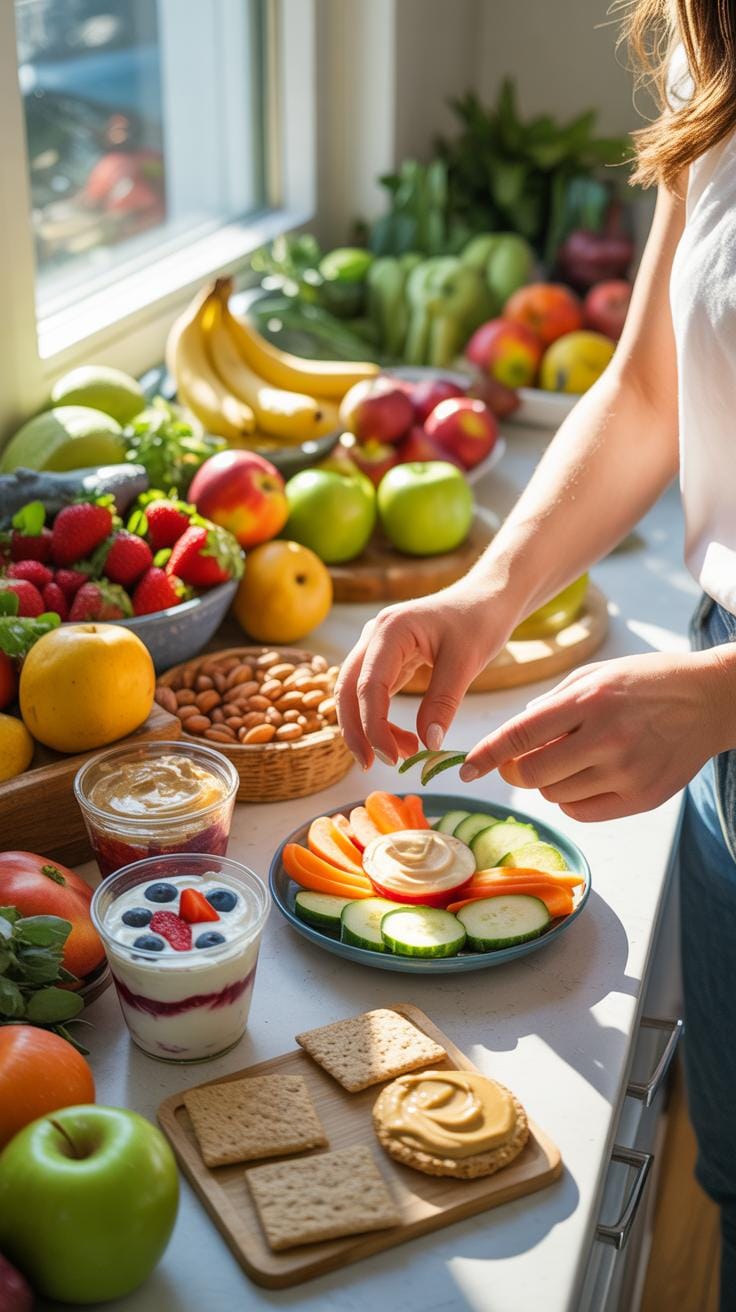
Preparing healthy snacks in under 10 minutes isn’t as tricky as it might seem. The secret lies in keeping things simple and focusing on fresh, readily available ingredients. You don’t need fancy tools or complicated steps. I find that having a mental checklist helps me stay on track when I’m in a hurry—and maybe you’ll find it useful too.
Step-by-Step Snack Prep Checklist
Start by picking fresh, whole ingredients. Think fruits, nuts, veggies, or dairy—easy to grab and naturally healthy. Next, wash and prep if needed. Peeling or chopping small portions speeds things up without much hassle. Then, assemble the snack—layer flavors or combine textures for something satisfying. Finally, store any leftovers properly to keep things fresh, or serve immediately if you’re hungry now. Each step feels basic, but skipping one might make the snack less enjoyable or less healthy. It’s a small routine, really, but it pays off.
Five Quick Snack Recipes Examples
Here are five snacks you can whip up almost effortlessly:
- Apple Slices with Peanut Butter: Slice a crisp apple, spread natural peanut butter, and sprinkle with cinnamon if you like. That crunch plus protein is always a winner.
- Greek Yogurt and Berries: Scoop some plain Greek yogurt and top with fresh berries and a drizzle of honey. Sweet, tart, and creamy—with lots of protein.
- Veggie Sticks and Hummus: Cut carrots, cucumbers, or bell peppers into sticks, and dip them in store-bought or homemade hummus. It’s an easy combo of fiber and healthy fats.
- Mixed Nuts and Dried Fruit: Toss together almonds, walnuts, and a bit of dried cranberries or raisins. Just watch the portion—you don’t want to go overboard.
- Avocado Toast: Mash half an avocado on whole grain toast. Add a pinch of salt, pepper, or red pepper flakes, if you’re feeling bold. Quick carbs, healthy fats, and a little kick.
Try these next time you need something fast but nutritious. You might even find that quick snacks can satisfy cravings without dragging you away from your goals. What’s your go-to quick snack? Sometimes I wonder if I should mix it up more, but simplicity often wins.
Tools Needed For Snack Preparation
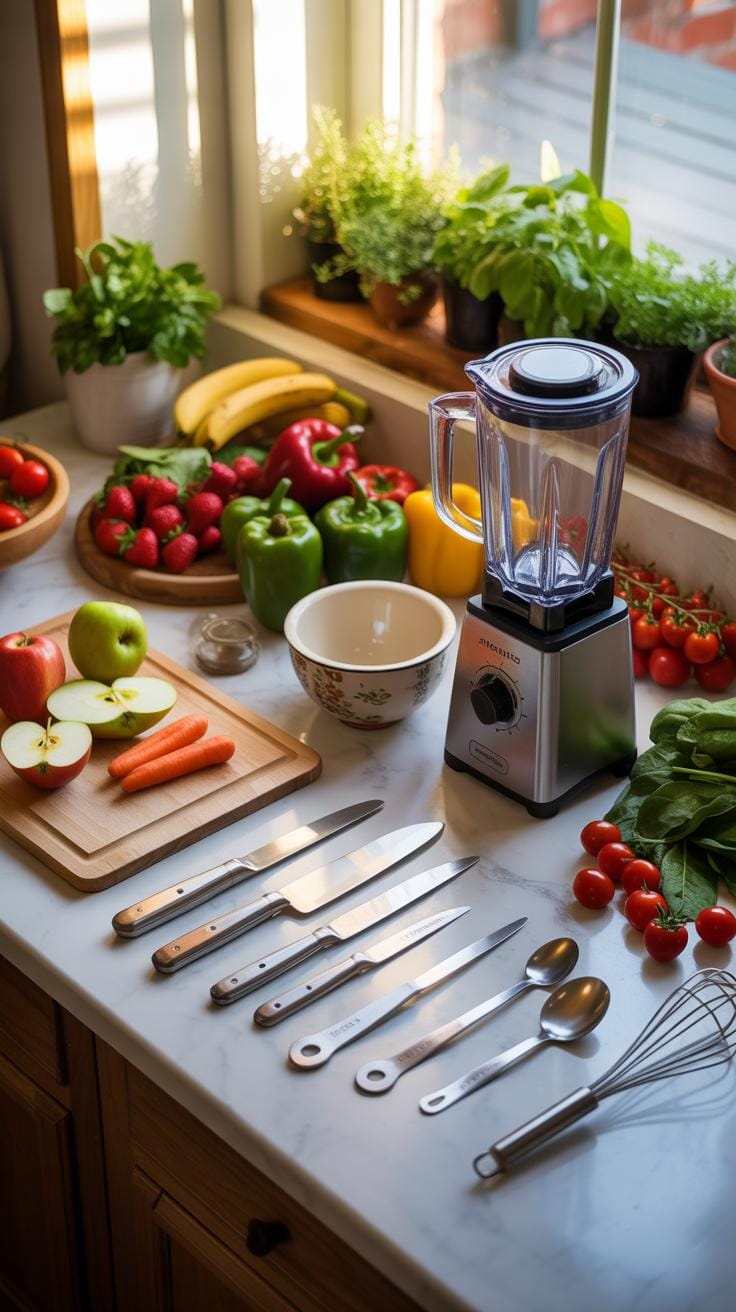
Essential Kitchen Gadgets For Easy Snacks
When it comes to whipping up quick snacks, a few basic gadgets can really save you time and effort. A blender, for instance, isn’t just for smoothies; it can crush nuts, whip up hummus, or mix batters in a flash. A food processor takes it a step further by chopping, slicing, and grating—making veggie sticks or energy bites simpler. You might not think a simple whisk or a sharp knife could matter much, but trust me, they do. The right knife speeds up peeling and dicing, which is great when you’re short on time.
Another handy thing to have are snack containers with compartments. They keep different ingredients separate—think nuts on one side, dried fruit on another—which can be a huge help if you’re packing snacks for work or on the go. Plus, reusable silicone bags are lightweight and seal tightly, perfect to avoid spills.
Storage Tips To Keep Snacks Fresh
Storing snacks properly can make or break your snack game. I’ve learned that keeping nuts in airtight containers in the fridge extends their freshness by weeks. For homemade treats like granola bars or energy bites, wrapping them individually before storing in a sealed box helps avoid sogginess after a day or two.
Clear containers help you see what’s inside at a glance, reducing the risk of snacks getting forgotten at the back of the pantry. Also, rotating your stock—using older snacks first—prevents waste. For pre-packaged snacks, resealing the bag tightly with clips or transferring the contents to smaller containers preserves crunch and flavor longer than leaving them open. You might find that even a simple zip-top bag, if properly sealed, holds up better than no container at all.
But sometimes, freshness depends on trial and error. Some snacks like sliced fruit just don’t last, no matter what you do, so prepping right before eating might be better. Have you noticed that too? It’s a bit tricky, really.
Common Snack Mistakes To Avoid

When it comes to snacking, you might think grabbing a quick processed bar or chips is harmless. But relying too much on packaged snacks often sneaks in hidden sugars and unhealthy fats that don’t serve your fitness goals. Eating large portions is another common trap. It’s easy to mindlessly finish a bag of nuts or crackers, thinking “it’s just a snack,” yet those calories add up faster than you realize.
Some snacks can drain your energy instead of boosting it. Sugary snacks might give a quick burst but leave you feeling tired and craving more. Eating late at night can disrupt your sleep, which in turn affects your workouts. Then there’s the habit of skipping snacks altogether, which can lead to overeating during meals or low energy between workouts.
To avoid these pitfalls, swap processed snacks for whole foods like sliced veggies with hummus or a handful of almonds. Keep portions in check by pre-portioning snacks ahead of time. Try to choose snacks that combine protein, fiber, and healthy fats to sustain you better. Maybe experiment with Greek yogurt and berries or apple slices topped with nut butter—simple swaps that keep calories in control while fueling your body.
Snack Timing For Energy And Recovery

When you think about snacks, timing can matter more than you might expect. Eating at the right moments can keep your energy steady and even help your muscles recover after exercise. It’s not just what you eat but when you eat. Sometimes, I’ve noticed that a mid-morning snack feels like a lifesaver, especially if breakfast was light or rushed.
Ideal snack times usually include mid-morning, mid-afternoon, and right after workouts. Mid-morning snacks patch the gap between breakfast and lunch, avoiding that sluggish, low-energy feeling. Afternoon snacks do something similar before dinner, especially when your day has been long and active.
Post-workout snacking is a bit different, though. Here, your body craves nutrients that help rebuild muscle and restore energy stores. Quick snacks with a mix of protein and carbs are best. Without them, muscles might feel sore longer or slower to recover.
Here’s a simple daily snack schedule that might work well:
- 10:00 AM – A handful of mixed nuts and a piece of fruit to sustain focus and energy.
- 3:00 PM – Greek yogurt with berries to avoid the afternoon dip.
- Immediately after your workout – A smoothie with protein powder and banana to kickstart muscle repair.
Of course, this can vary depending on when you eat your meals and exercise. Still, having these checkpoints can make sure you’re fueling yourself properly throughout the day. Have you tried snacking post-workout? Sometimes it feels like skipping it doesn’t make a huge difference, but over time, the benefits become clear—or so I think.
Cost Breakdown For Snack Ingredients
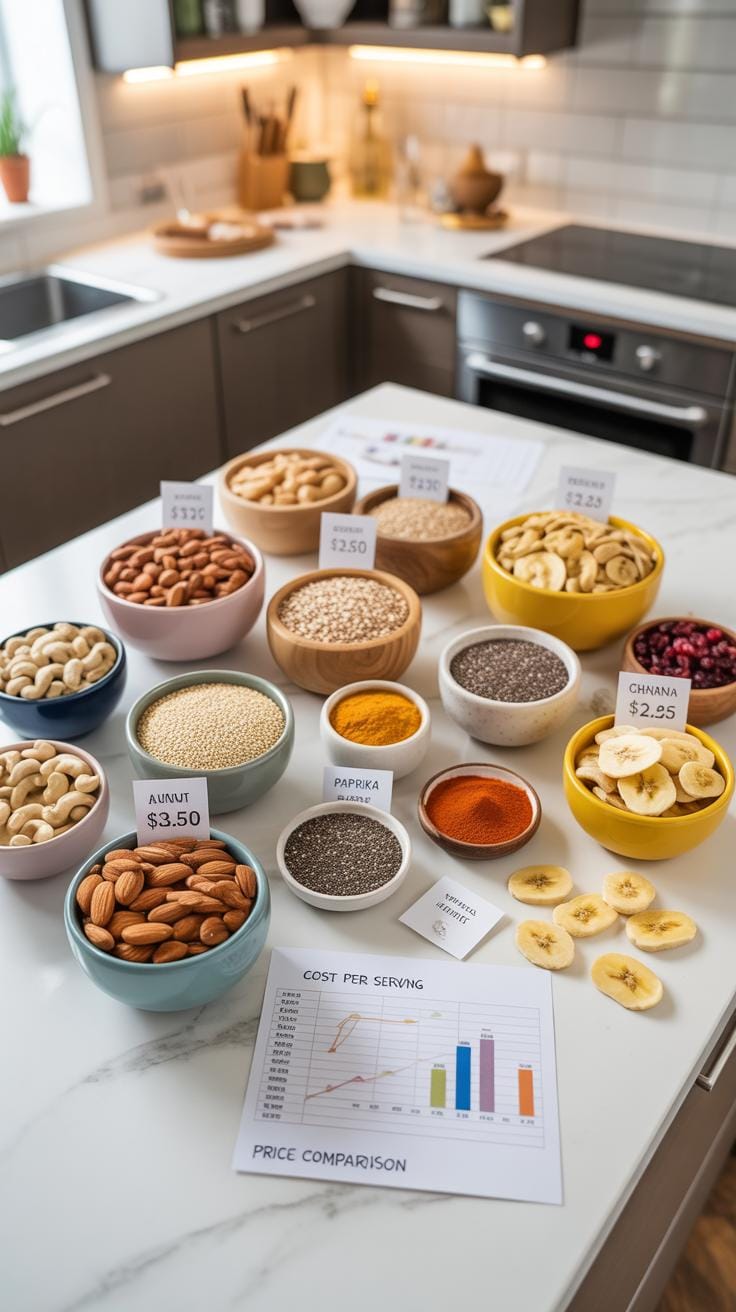
When you look at snacks through the lens of cost, the numbers often tell an interesting story. Making snacks at home almost always feels cheaper, but there’s more to it than just the price tag on the shelf. For example, buying a bag of nuts in bulk often costs less per serving than small, pre-packaged portions you find at the store. But it requires a bit more planning—storing them properly, portioning them out yourself.
Some staples like oats, peanut butter, and bananas are incredibly affordable and easy to transform into snacks. I know for a fact that a container of peanut butter lasts weeks compared to a box of granola bars that you might devour in just a few days. Plus, making snacks at home means you can skip the expensive additives and preservatives, which usually hike the price of packaged items.
Let’s quickly run through some budget-friendly snack ingredients and why they pay off:
- Dry oats – versatile, filling, and usually under a dollar per serving.
- Fresh fruit such as apples or bananas – they rarely cost more than 50 cents each.
- Peanut or almond butter – they seem pricey initially but the servings stretch out well.
- Carrots and celery sticks – cheap, crunchy, and great for dips.
- Greek yogurt – not the cheapest in stores, yet still less than pre-made parfaits.
Comparing these homemade snack ingredients to their store-bought counterparts, quality often leans in favor of homemade. Packaged snacks might seem convenient—yes, no doubt about that—but you pay a premium for portion control and packaging. While those little packets can be handy, they rarely offer the nutritional punch or flavor you get from carefully chosen, lighter-processed ingredients at home.
Still, is the time you spend preparing snacks worth the small savings? Sometimes the cost difference isn’t striking enough to motivate DIY snacking, especially if you’re juggling a busy schedule. On the other hand, discovering how affordable and satisfying homemade snacks can be might make you rethink that next trip down the snack aisle. Have you considered how many small convenience fees creep in with packaged snacks? It’s a little detail that, over time, adds up more than you might expect.
Snack Ideas For Different Dietary Needs
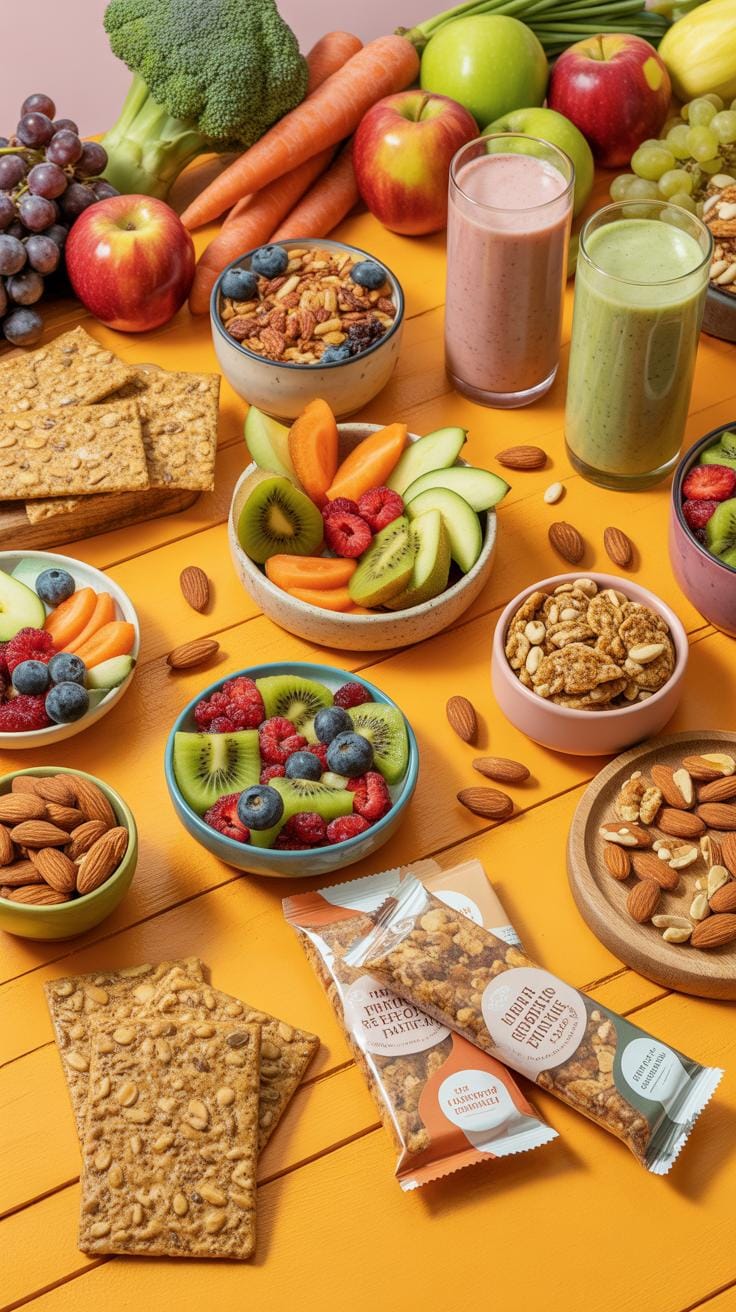
Finding snacks that fit your particular diet can sometimes feel like a puzzle. Vegan, gluten-free, and low-carb diets each come with their own quirks, and snacks should help, not complicate, your goals. The good news? Many snacks are naturally flexible, or you can tweak recipes with a little creativity.
Easy Vegan Snacks Examples
Vegan snacks don’t have to be complicated. Think simple: sliced veggies with hummus or nut butters, fresh fruit with a sprinkle of seeds, or even roasted chickpeas with a pinch of your favorite spices. You might try energy balls mixing oats, dates, and cocoa powder—just watch the sugar content if you’re cautious about that. Sometimes, just a handful of nuts or air-popped popcorn can satisfy a craving without any fuss. If you want to step it up a little, avocado toast on whole-grain bread or rice cakes is quick and filling, and you can play around with toppings like tomatoes or sprouts.
Gluten-Free And Low-Carb Snack Choices
Gluten-free snacks often overlap with low-carb options, but not always. For gluten-free, nuts, seeds, cheese, and sliced meats are safe bets. Crackers or chips made from almond or coconut flour suit both diets. Low-carb snacks often focus on higher protein or fat content to keep you full. Think cheese sticks wrapped in deli meat or celery with cream cheese. A little thing I’ve noticed—sometimes snacks that seem low-carb sneak in some carbs, so check labels if you rely on packaged snacks. You can also make your own vegetable crisps by baking thin slices of zucchini or kale. They’re crunchy, light, and work well for both diets.
Tracking Snack Impact On Fitness Goals

Keeping an eye on how your snacks affect your fitness journey can feel tricky. But really, it doesn’t have to be complicated. You can use basic tools like a simple notebook or one of those free apps on your phone to jot down what you eat and how you feel afterward.
Try to notice if particular snacks make you feel more energetic or sluggish. Maybe some help you push through workouts or, on the flip side, leave you craving more snack after snack. Tracking like this—even just for a week—can reveal patterns you weren’t aware of. Don’t stress about tracking every detail perfectly; a rough idea often paints a clearer picture than no tracking at all.
Weight changes aren’t always immediate, so pair your snack notes with weekly weigh-ins or simple body measurements to see any shifts. Muscle growth can be harder to spot quickly, but noting energy levels and recovery time might hint at whether your snacks support that goal.
Using Food Journals For Snack Tracking
Food journals don’t have to be a chore. When focusing on snacks, start by writing down what you ate, the portion size, and when you ate it. Include how you felt before and after—were you tired, hungry, satisfied, or maybe restless? Those little details often explain more than calories alone.
You don’t have to write pages; sometimes a few lines are enough. On busy days, just snapping a photo of your snack can help you remember. The key is consistency more than detail. Over time, you’ll look back and notice habits or tendencies you might want to adjust. I found myself realizing that late afternoon cookies often led to sluggish evenings, something I hadn’t connected before tracking.
Key Metrics To Track Progress
When recording snacks, keep an eye on a few metrics that matter:
- Calories: This helps you stay on track with your overall daily energy needs.
- Protein intake: Important for muscle repair and keeping you full.
- Energy levels: Note how your snack influences your alertness and stamina.
- Hunger cues: Does the snack curb cravings or spark more?
- Mood and focus: Sometimes snacks affect more than just hunger.
Maybe one snack hits your calorie target but leaves you hungry soon after. Another might be higher in protein, keeping you satisfied longer. Paying attention to these little nuances can guide better snack choices aligned with your goals. It’s not just about the numbers; it’s about how you feel and perform after eating.
Conclusions
Eating snacks that match your style and fitness goals keeps you energized and on the right path to health. Focusing on easy recipes with fresh ingredients helps you maintain a balanced diet without hassle. Be mindful of your snack choices and how they affect your energy and progress.
Use this guide to discover snacks that satisfy hunger and support fitness. Remember, the right snacks can fuel your body, fit your taste, and make your health journey sustainable. Keep experimenting with simple recipes and listen to your body’s needs for the best results.