
The Core Pieces Behind A Capsule Wardrobe
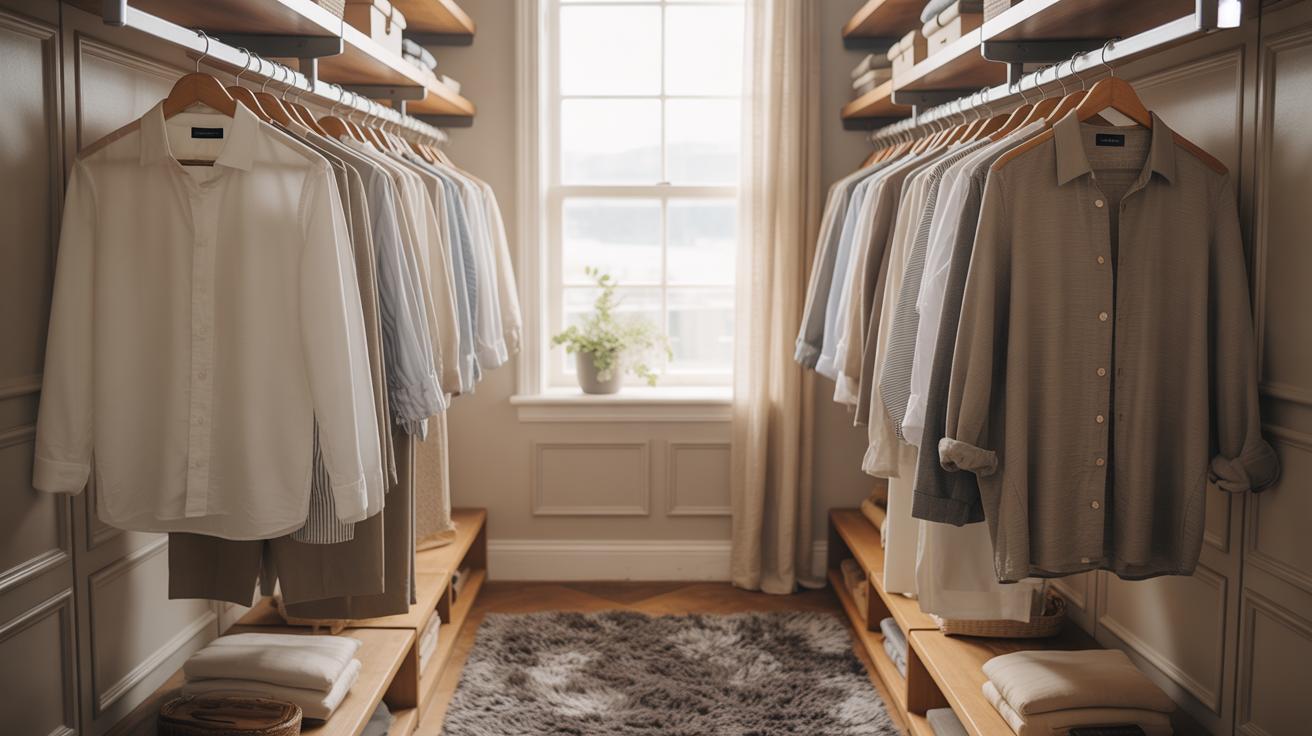
Capsule Wardrobe Checklist for Minimalist Style Success means having a small collection of clothes that are easy to mix and match. This type of wardrobe helps you look good every day with fewer clothes. It focuses on essential items like skirts, trousers, coats, and a few shoes. You can add seasonal pieces but keep the core pieces timeless and simple.
This article explains why a capsule wardrobe matters, how to build one, and what items to include. You will find easy steps and clear examples to create your own checklist. You will learn how to choose clothes that don’t go out of style and save money and space while always having outfits ready for any occasion.
Capsule Wardrobe Checklist

When you’re starting a capsule wardrobe, having a checklist can make the process less overwhelming. It’s easy to get stuck wondering what to keep or buy, so a focused list helps. Think of it as your guide to building a collection that works together without too much fuss.

Here are some typical items you might want to include:
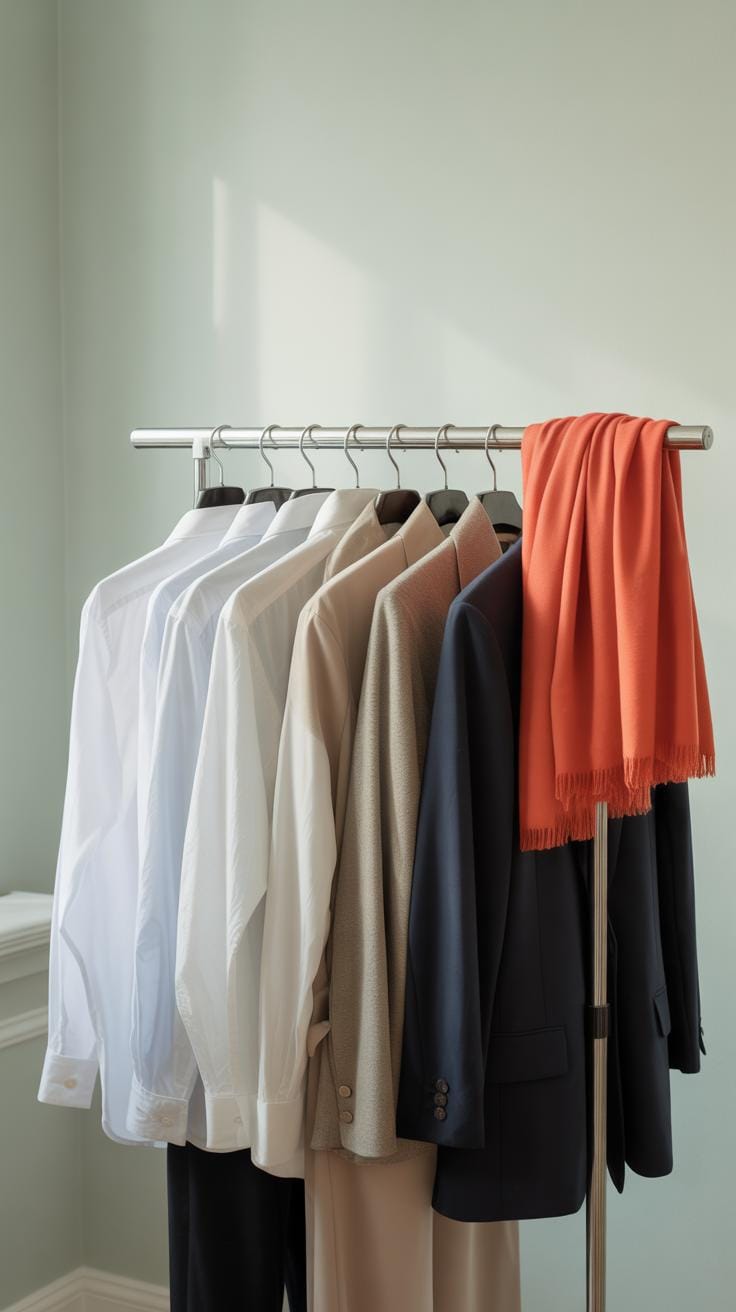
- Neutral tops: Basic t-shirts, blouses, or shirts in whites, blacks, greys, or navy. These form a base you can mix and match.
- One or two pairs of jeans: Classic blue or black denim that fits well and can be dressed up or down.
- Versatile bottoms: Think tailored pants, skirts, or casual shorts that match most tops.
- A jacket or blazer: Something practical for layering and smartening up an outfit.
- Comfortable shoes: Aim for two to three pairs, like sneakers, flats, and maybe boots or sandals depending on your climate.
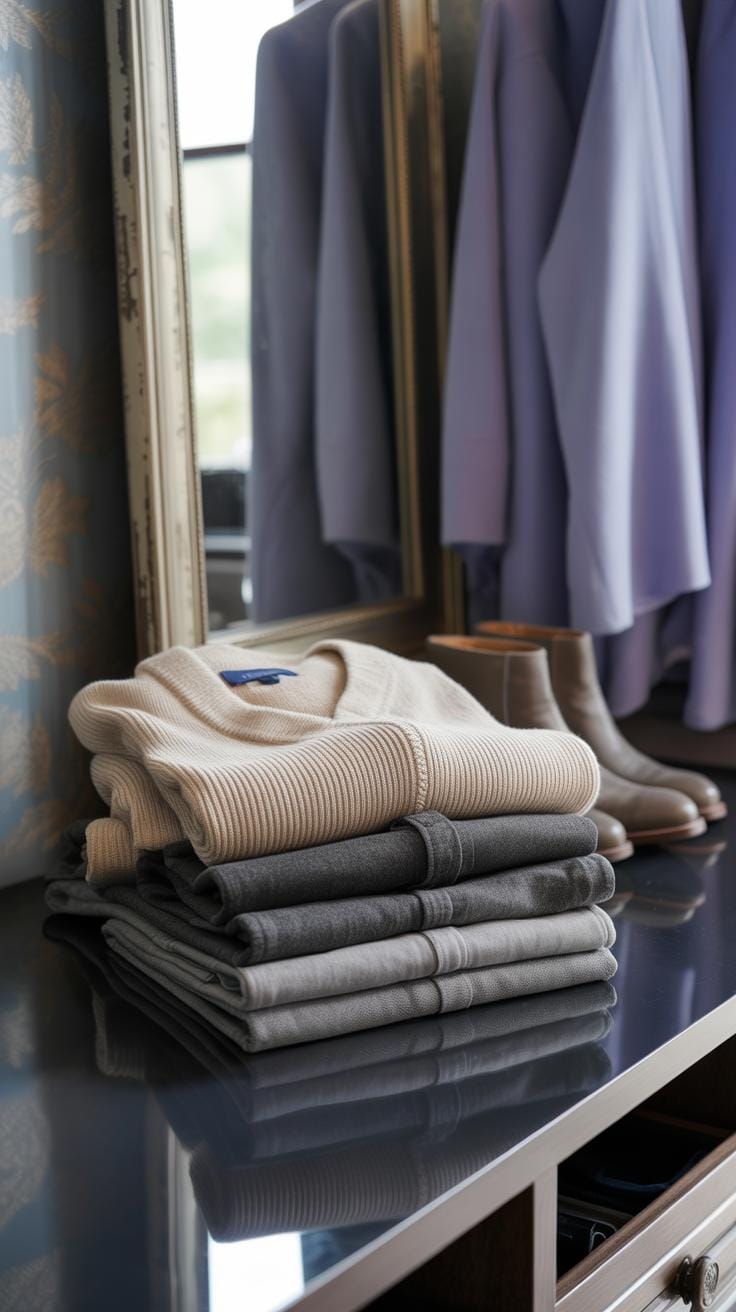
- Layering pieces: Cardigans, sweaters, or lightweight pullovers that add warmth and style.
- Simple accessories: Scarves, watches, or minimal jewelry that don’t clutter your style.
Of course, your capsule might look different. Maybe you prefer bold colors or styles that suit specific hobbies or work needs. The checklist isn’t about strict rules, but about making certain that each piece has a purpose. You’ll probably find yourself asking, “Do I wear this enough? Does it match the rest?” It’s okay to keep a few favorites that aren’t perfectly neutral, if they truly bring joy or fit your life well.
Remember, the goal isn’t just to reduce quantity but to improve daily choices. A checklist nudges you toward that balance. It’s a tool to keep you focused without feeling like you’re giving up everything you like.
Setting Your Wardrobe Goals
Deciding what you want from your wardrobe isn’t straightforward. It often hinges on your lifestyle—do you spend most of your time at a desk? Or maybe you’re constantly outdoors? Think about the climate too. If you live somewhere with harsh winters, your essentials will differ from someone in a mild, year-round warm place.
Personal style matters as well. Maybe you prefer classic pieces or lean toward more casual looks. Setting some goals helps avoid the trap of just buying “nice” items that don’t really fit your reality. For example, if you aim for simplicity and comfort, it’s easier to focus on versatile fabrics and cuts that work across seasons and situations.
When you know what you want, you can be choosier. It guides everything you include, making sure each piece truly serves a purpose rather than crowding your closet.
List Your Daily Clothing Needs
Start by writing down what you actually wear every day. That means separate lists for work, casual, and special occasions. Look back over a week or two—what did you reach for most? Which outfits felt the easiest?
Try to spot what’s truly essential. Maybe you always need a good pair of sneakers, a few basic tees, or a dress you love for formal events. Other items might only show up once in a while and can stay off your radar for now.
This reflection can clarify the line between what you need regularly and what’s just taking up space. It’s easy to convince yourself you “might use” something someday, but reality usually tells a different story.
Match Your Goals with Activities
Your wardrobe should fit what you actually do, not just what you hope to do. If your job requires business attire, for instance, your capsule wardrobe will look very different from someone working remotely in a creative field.
Think through your hobbies too. Jogging, cooking classes, or weekend hikes require specific gear. If you don’t account for those, you’ll end up with clothes that only partially fit your life.
For example, someone with an active outdoor job might need durable, weather-resistant clothing. A person attending frequent social events might prioritize statement pieces for evenings. Matching your wardrobe to these tasks means you spend less time searching and more time feeling prepared.
Core Items for Every Capsule Wardrobe
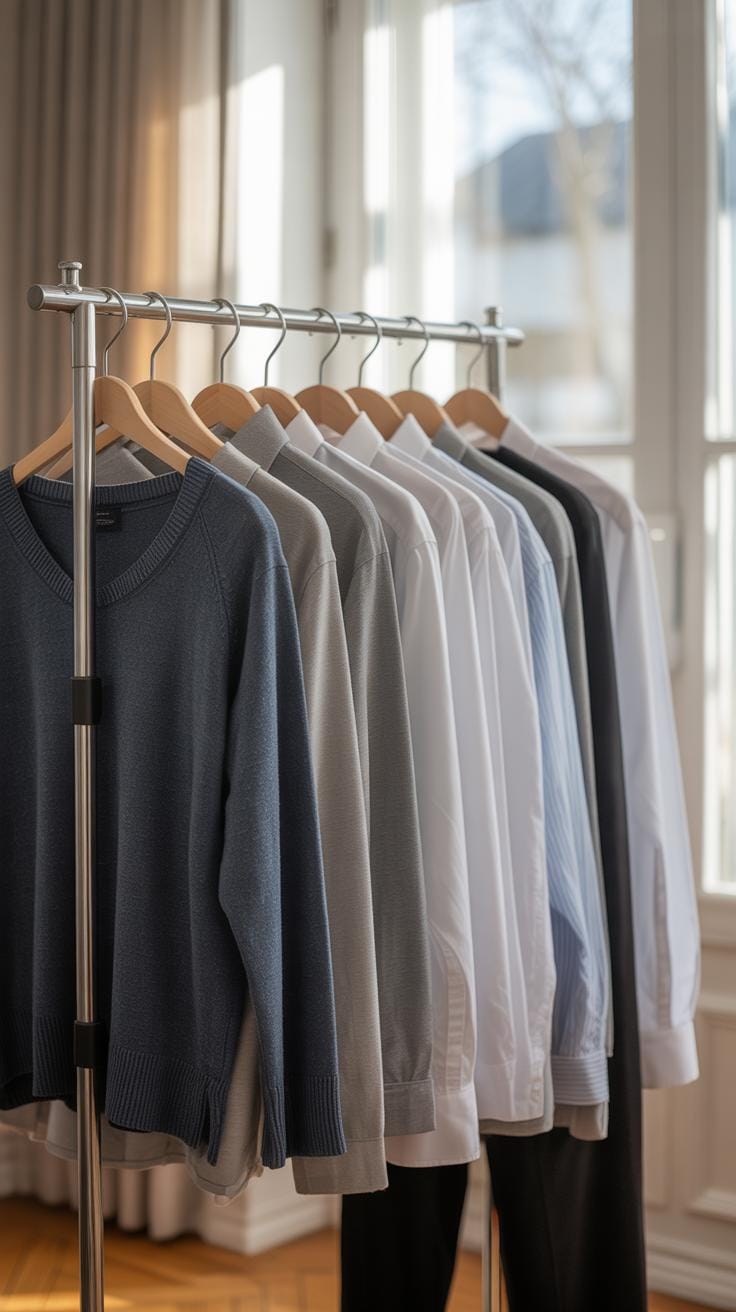
Thinking about the core of a capsule wardrobe, you really want pieces that work hard—and quietly—in the background. These essentials allow you to build countless outfits without the fuss of constant decision-making or overflowing closets. For starters, a pair of well-fitting trousers is a must. They should be comfortable, durable, and tailored enough to suit different settings. Neutral tones like black, navy, or gray tend to mix well, though sometimes a subtle earth tone can freshen things up if you’re feeling adventurous.
A simple skirt, preferably in a classic cut, is just as valuable. A-line or pencil shapes in neutral shades offer versatility and can be dressed up or down with ease. You’ll find they pair nicely with plain tops or even patterned pieces without clashing too much. Speaking of tops, think breathable shirts or blouses in white, cream, or muted pastels. You don’t want loud prints here; the goal is effortless coordination.
Outerwear deserves a mention too—consider a structured jacket like a blazer or a light trench coat. It adds polish and can turn a casual outfit into something business-ready quickly. Choose fabrics that hold up well over time; cotton blends, wool, or even certain synthetics might be your go-to.
Key Clothing Pieces to Include
Let’s break it down further:
- Trousers: Go for classic cuts—straight leg or slim fit—because they don’t date quickly. Think wool blends or sturdy cotton; you want them to bounce back after use.
- Skirts: A midi-length skirt in navy or black is practical. Sometimes fabric weight matters — lighter for summer, heavier for winter.
- Jackets: Blazers are versatile. Neutral colors, like gray or beige, often coordinate better than saturated hues.
- Tops: Opt for plain tees, button-downs, or long-sleeve shirts in simple cuts. Materials like cotton or modal feel good and last.
When picking colors, neutrals are safe bets because they form a base that supports other pieces or occasional pops of color. That said, don’t ignore your style instincts completely. Sometimes subtle individuality in style keeps the capsule wardrobe from feeling too bland.
Choosing Shoes and Accessories
Now, shoes and accessories. You don’t need many—just a few that work with most outfits. Neutral footwear—think black loafers, nude flats, or simple white sneakers—often covers various occasions. Comfort should guide you. It’s tempting to pick flashy shoes, but if they hurt, you won’t wear them much.
Accessories matter less in number but more in functionality. A classic watch, a minimal tote bag, and perhaps a scarf or pair of earrings that complement your wardrobe colors are enough. These subtle additions can actually elevate a simple outfit. Try to avoid items that feel too trendy; basics last longer and mix better.
Choosing what fits your lifestyle is key. If you’re mostly on your feet, prioritize comfort. If you attend formal meetings ever so often, maybe a sleek pair of heels is warranted. Think of these choices almost like an investment—you want pieces that return your time and attention many times over without ever feeling like a hassle.
How to Organize Your Capsule Wardrobe
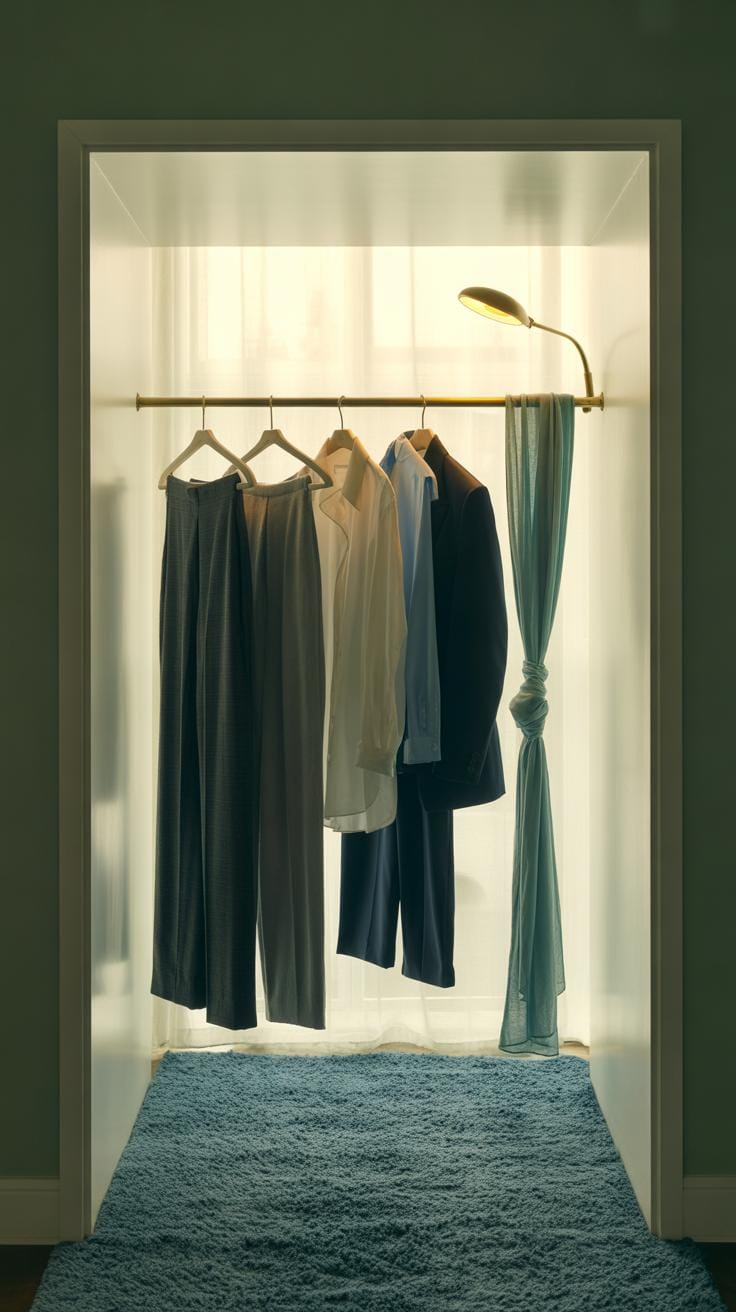
Start by pulling everything out of your closet. Yes, everything. Seeing all your clothes at once can feel overwhelming, but it’s necessary. Begin sorting into three piles: keep, donate, and repair. Be decisive here. Ask yourself: does this fit well? Does it match the style you want to keep? If the answer is no—even if it’s sentimental—put it aside.
When in doubt, try on the piece quickly. If it doesn’t look right or hasn’t been worn in months, it probably doesn’t belong in your capsule. Keep only what feels essential.
Next, consider how you store things. Hanging works best for delicate tops and dresses, while sturdier items like jeans and sweaters fold neatly. If you fold, try the file folding method—it helps keep things visible and easy to grab. Organize by type first, then by color if you want, but don’t get caught up in perfection. The goal is to find things fast, not to create a museum.
Finally, keep a small repair kit handy. Sometimes, a tiny fix can save a favorite piece from leaving your collection. But if something’s beyond repair, let it go. Letting things breathe in your wardrobe is part of what keeps this minimalist style working.
Comparing Capsule Wardrobes With Full Closets
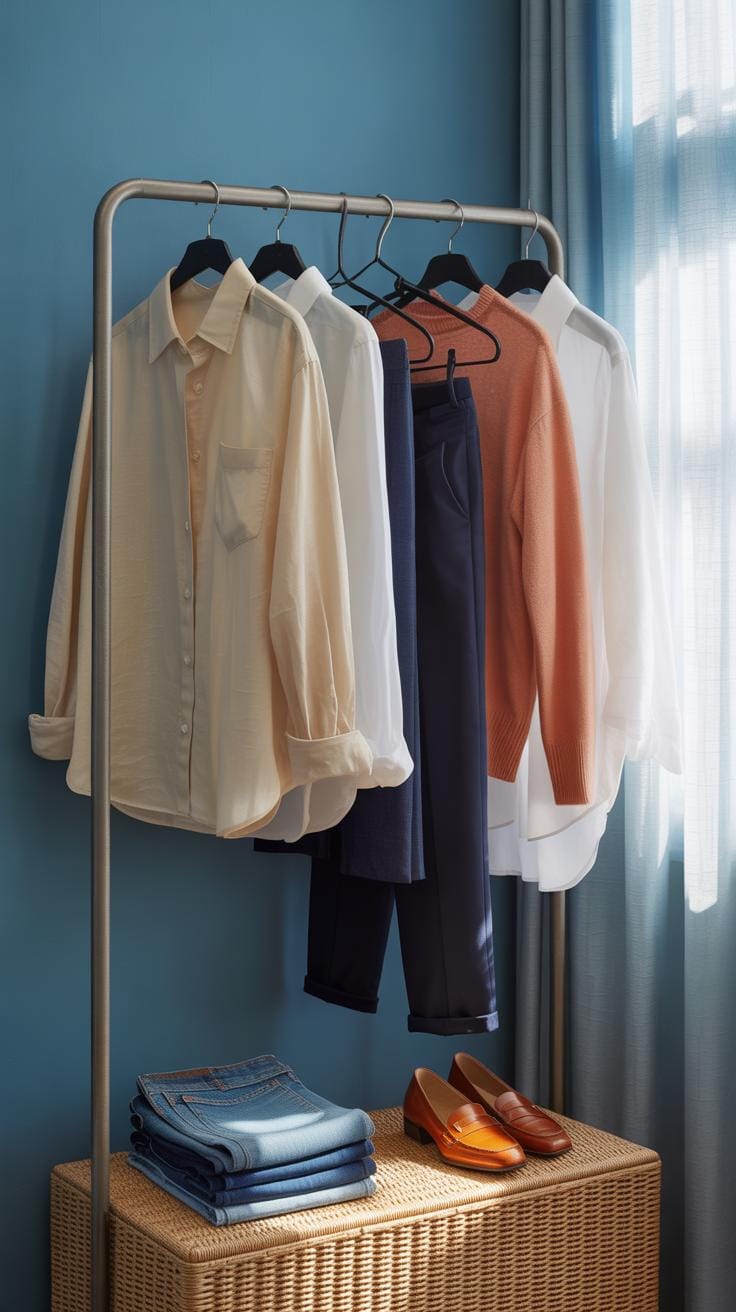
When you think about a capsule wardrobe versus a large, varied closet, the differences go beyond just the number of clothes. Maintaining a small, carefully selected collection often means less time spent organizing and less money wasted on items you rarely wear. With a capsule wardrobe, you’re more likely to reach for everything in your closet, which can make dressing easier. On the flip side, a full closet offers variety, but it can also bring its own challenges.
Capsule wardrobes tend to:
– Simplify daily decisions—you don’t get stuck staring at endless options.
– Reduce clutter, leaving your space cleaner and your mind less overwhelmed.
– Save money over time because you’re investing in fewer, higher-quality pieces that really work together.
Think about it: picking an outfit becomes quicker when your options all blend well and serve multiple purposes. One friend mentioned how she shaved off 10 minutes every morning by limiting her choices. That adds up.
On the other hand, large closets often lead to:
– Wasted money on trendy buys that never leave the hanger.
– Indecision caused by too many options, sometimes resulting in wearing the same few things repeatedly anyway.
– Time lost in sorting, cleaning, and maintaining clothes that rarely see the light of day.
Still, some people find comfort in the feeling of abundance—like having a go-to piece for every mood or occasion. But is that worth the clutter and cost? Maybe for some, but it can quickly become overwhelming. You might own 100 items yet feel like you have nothing to wear. That’s a common paradox.
So, comparing the two approaches isn’t just about how many pieces you own but how those pieces affect your daily routine and wallet. What’s more important to you: variety or ease?
Seasonal Updates for Your Capsule Wardrobe
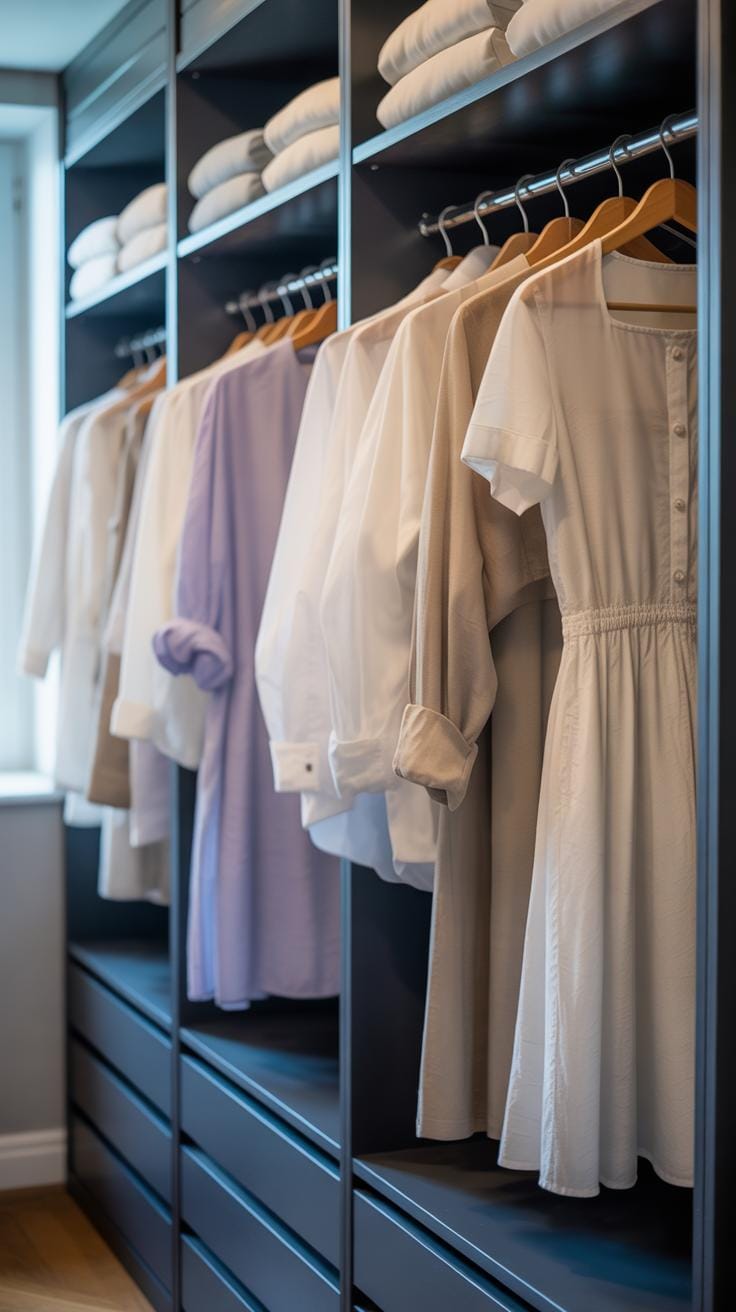
Updating your capsule wardrobe with seasonal pieces is less about a complete overhaul and more about subtle shifts. The goal is to blend a handful of new items that respond to the weather or current trends, without disrupting the core you’ve built. Think lightweight scarves in spring, or a cozy knit for early winter. These add-ons offer freshness without chaos.
When selecting seasonal pieces, focus on versatility. A classic trench coat, for example, works in both spring and fall, while a well-cut sweater might layer easily in winter but also suit cooler summer nights. Try to pick items that cross seasons, because let’s be honest—weather doesn’t always follow a strict calendar.
Keeping your capsule consistent year-round means rotating smartly. Store off-season garments—like heavy coats during summer or sandals in winter—in labeled bins or under-bed drawers. This frees up space and keeps the essentials visible. When you swap pieces, keep your foundational items visible: those timeless jeans, neutral tops, and reliable shoes. By doing so, your capsule remains stable and functional. Would you rather clutter your closet or keep a simple system that actually works?
Common Mistakes When Building a Capsule Wardrobe
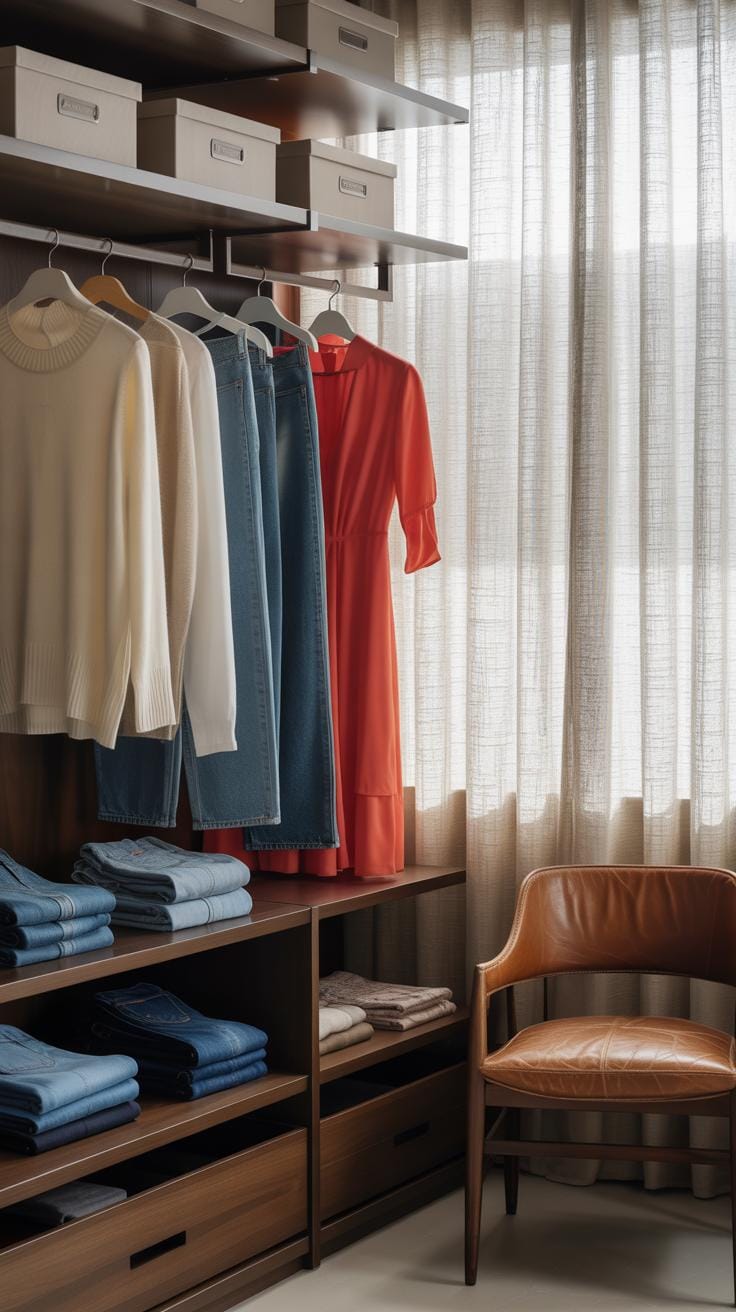
One of the biggest pitfalls when creating a capsule wardrobe is buying items that don’t really work together. It’s tempting to pick up pieces because they look nice alone, but if they don’t mix and match well with other clothes, they quickly become less useful. Think about versatility first—can this item pair with several other pieces? If not, you might end up with a bunch of clothes that rarely get worn.
Another common error is chasing too many trends. Trendy items often lose appeal fast or become hard to style beyond a season or two. Instead, lean toward timeless basics. For instance, a well-cut white shirt, classic denim, or a neutral blazer tend to stay relevant over years. They offer flexibility and create a solid foundation for your wardrobe, unlike flashy prints or overly seasonal cuts.
Fit is often overlooked but is crucial. An outfit won’t look or feel right if the clothes don’t fit well. Try on every piece and move around in it to check comfort. Don’t hesitate to invest in tailoring. A small alteration can make a huge difference and turn a so-so garment into one you love wearing.
Ask yourself: Are these clothes truly practical for my lifestyle? Do they fit comfortably enough to wear all day? And, does each piece match multiple items I already own? These questions help avoid mistakes and build a capsule wardrobe that actually works for you.
Building Your Capsule Wardrobe Checklist
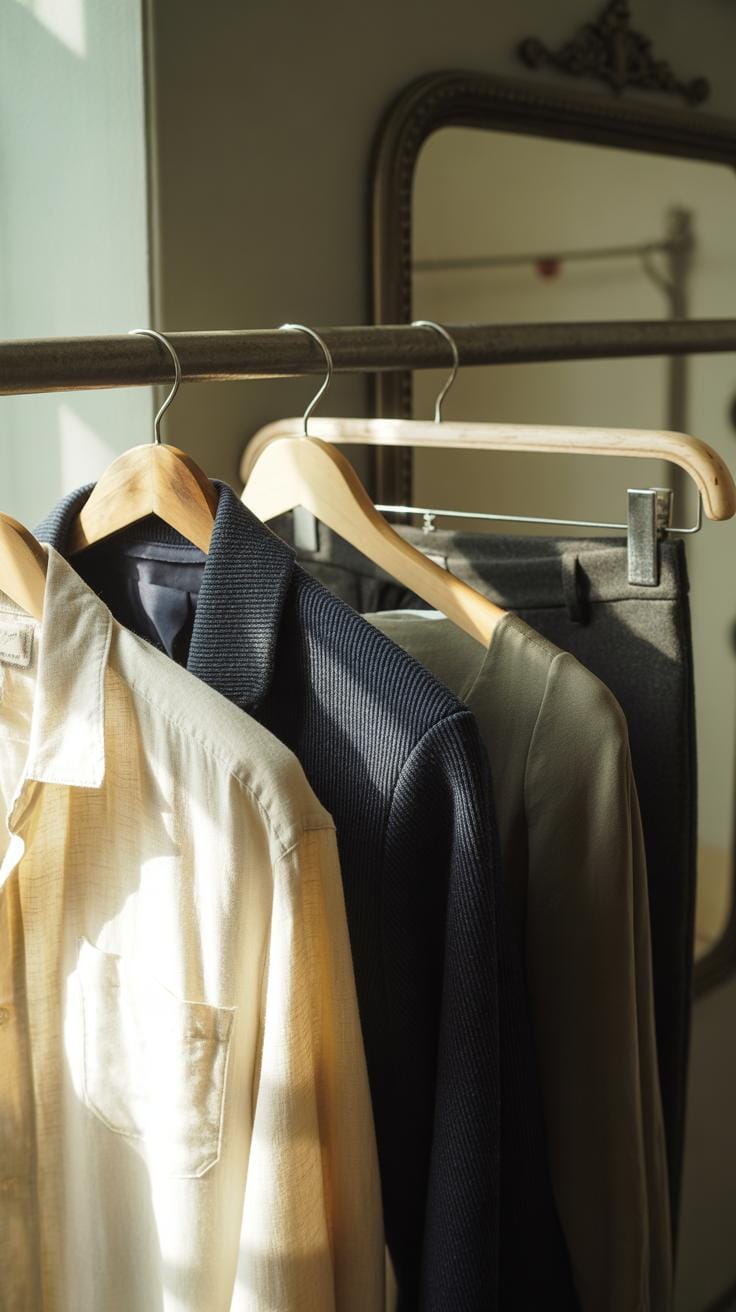
Creating a capsule wardrobe checklist isn’t as simple as jotting down a few items — it’s about focusing on what truly fits your life. Start by listing key clothing categories like tops, bottoms, outerwear, and shoes. Then, narrow down the number of pieces to a manageable quantity; maybe five to seven tops, three to four bottoms. Too many feel overwhelming, but too few might leave you frustrated.
Colors matter. Pick a base palette that works well together — neutrals like black, white, navy, gray, and beige are safe bets. Add one or two accent colors that suit your style. This approach helps with mixing and matching, making everyday choices quicker.
When thinking about quantities and items, consider your week. Do you need more casual clothes or office wear? Maybe you’ll want two pairs of jeans but only one dress. Write down specifics as you go along.
Example Checklist for Women and Men
Here’s a rough guide to get you started.
- Women:
- 5 Tops (mix of shirts and blouses) – mostly neutrals, one or two soft colors
- 3 Bottoms (jeans, trousers, or skirts) – dark wash/black and beige
- 2 Dresses (casual and a bit dressier) – versatile colors like navy or black
- 1 Jacket or blazer – neutral
- 2 Shoes (casual and dress)
- 1 Sweater or cardigan
- Men:
- 5 Shirts (mix t-shirts and button-ups) – white, blue, gray
- 3 Pants (jeans, chinos) – dark denim and neutral khaki
- 1 Jacket or blazer – dark color
- 1 Sweater or pullover
- 2 Shoes (casual and formal)
- 1 Set of activewear or lounge clothes
How to Customize Your Checklist
Not everyone fits into a standard list. Your job, your hobbies, even the climate you live in should shape what you include. For example, if you bike to work, maybe add a waterproof jacket or performance shoes. Love evenings out? Maybe a couple more smart-casual items.
Think about the seasons. You might swap out heavier knits for light layers in summer, or keep a cozy coat nearby for winter months. Your checklist isn’t static; it needs to flex with you.
Don’t forget special occasions. A wedding, formal dinner, or holiday party might call for something outside your everyday capsule. You can keep these items separate, but it’s useful to note them so you’re never caught off guard.
Maintaining Your Capsule Wardrobe Over Time
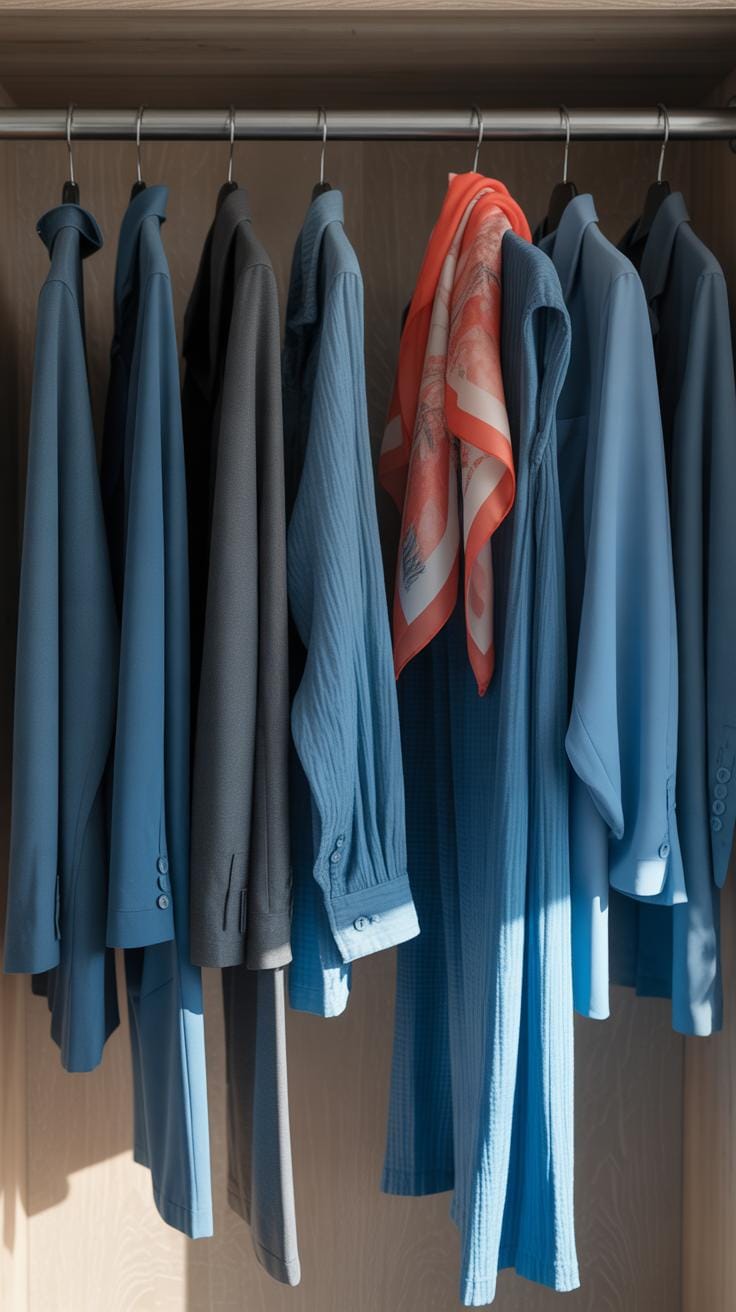
Keeping your capsule wardrobe working well isn’t just about choosing the right pieces at the start. It also means staying on top of it as time goes on. You need to check in on what you have every few months—say, once or twice a season. When you do this, pull everything out and really think about what you’re still wearing and what’s just taking up space.
Ask yourself: Does this item still fit? Do I reach for it often? If not, maybe it’s time to let it go. You might be surprised how quickly some things slip out of rotation. Don’t hesitate to donate or sell clothes that don’t match your current style or needs. It makes room for the pieces that actually serve you.
Taking care of your clothes keeps them wearable longer. Wash them according to their specific needs—some things don’t like hot water or harsh detergents. Store items properly, like hanging silk or folding knits carefully to avoid stretching. And don’t put off small repairs; sewing a button or fixing a hem can give a favorite piece extra life.
Honestly, caring for clothes can become a bit tedious, but it’s part of making your minimalist wardrobe last. What’s more sustainable? Replacing frequently or taking a little extra time to keep what you already have in good shape? It’s worth thinking about as you move forward with your capsule wardrobe.
Conclusions
Capsule wardrobes help you live with less clutter while dressing well every day. By choosing key pieces that fit well and match each other, you gain freedom and style. A minimalist wardrobe saves your time and money and reduces the stress of picking what to wear.
Use the checklist provided to build your capsule wardrobe step-by-step. Focus on quality, versatility, and personal preference. Over time, your wardrobe will be balanced, practical, and easy to use. This structure offers a calm and smart way to manage your clothes and your look.