
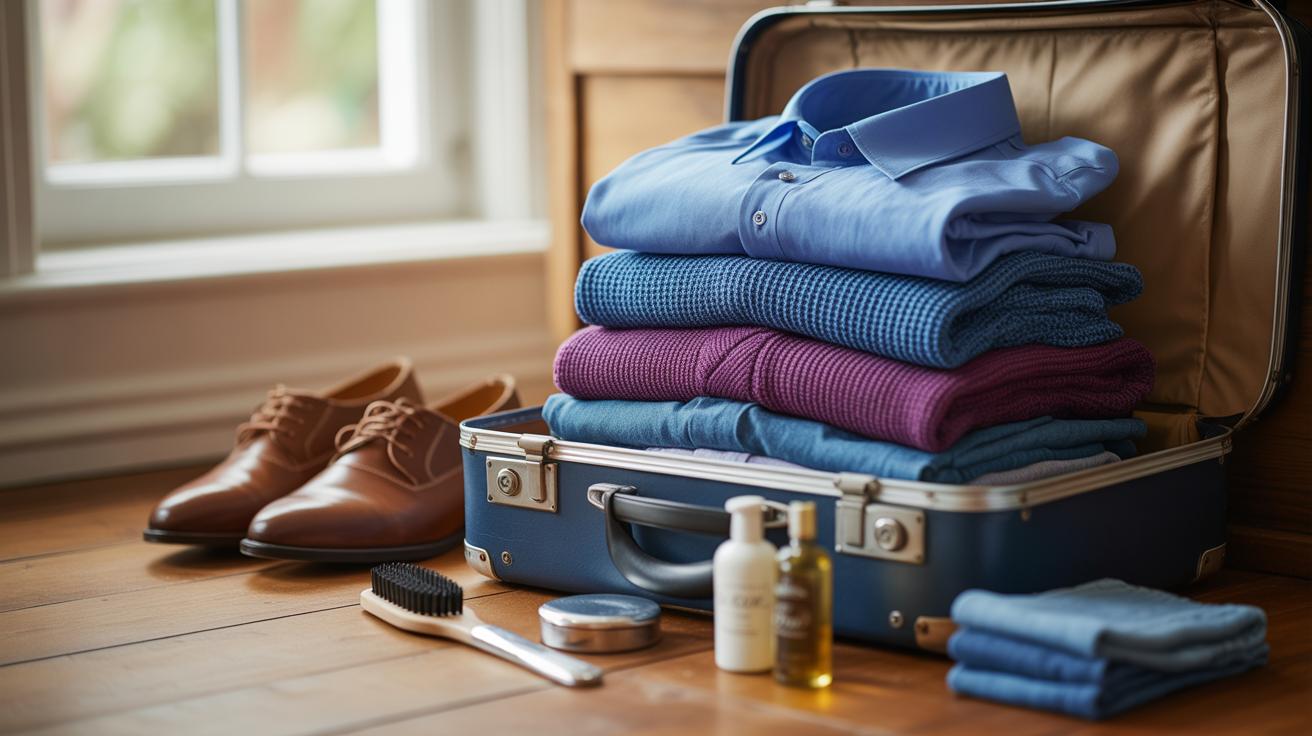
Packing Mistakes That Waste Suitcase Space
Travel capsule wardrobes help you pack smart with fewer items that mix and match well. But mistakes when choosing what to bring can cost you valuable suitcase space. Those errors add bulk, weight, and stress to your trip.
This article looks at common travel capsule wardrobe mistakes. We explain how they waste space and offer practical advice to help you pack better. Follow these tips to travel lighter and more efficiently.
Why Space Matters in Capsule Wardrobes

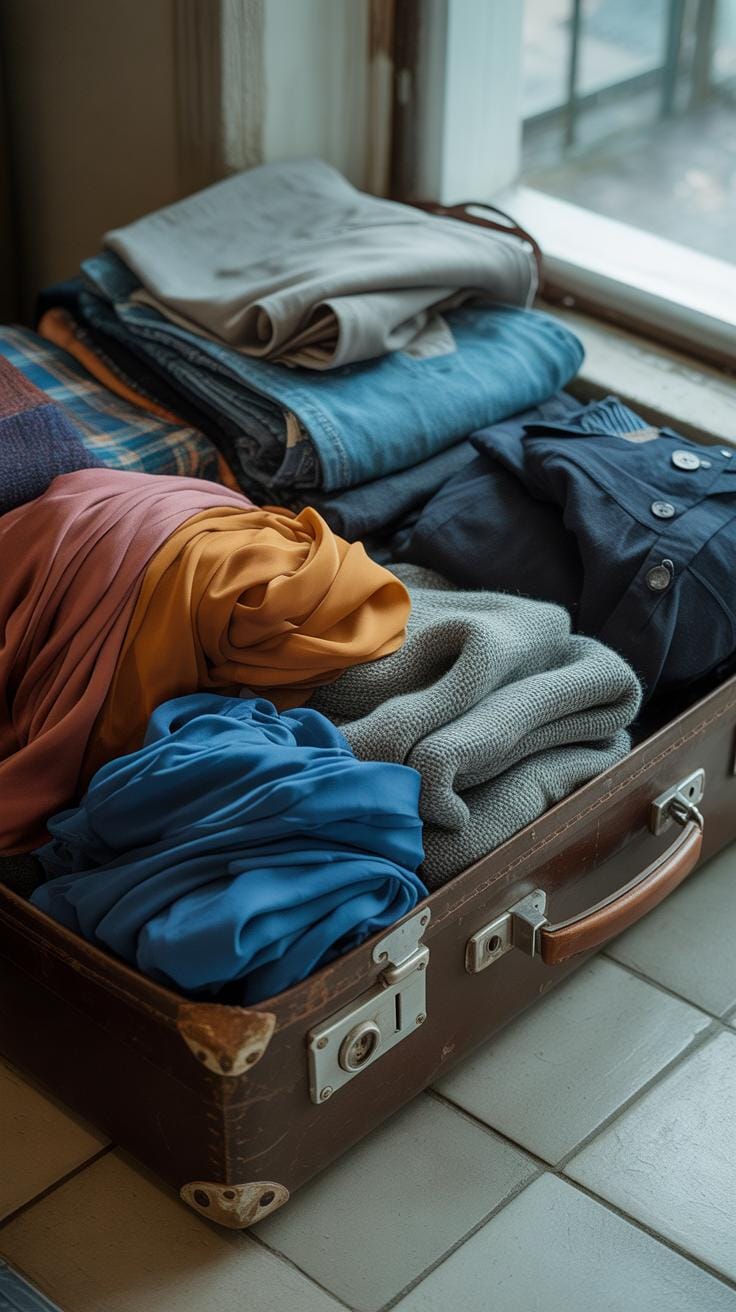
Suitcase space becomes surprisingly important when you’re working with a travel capsule wardrobe. The goal is to travel light, but it’s not just about weight—it’s about how having plenty of room can change how comfortable your trip feels. Imagine arriving at your destination and being able to unpack without wrestling with a cramped bag. It sounds simple, but that extra breathing room inside your suitcase affects everything from airport navigation to daily outfit choices.

Data from frequent travelers shows that those who pack lighter bags tend to feel less stressed and move more freely. For example, a study by travel researchers found that people carrying under 15 pounds of luggage move through airports 20% faster. That might not seem huge, but when every minute counts, it matters. Plus, a roomy suitcase means less wrinkling for your clothes—a small but real comfort when you don’t want to look like you just rolled out of bed.
So why does saving space matter? Because space translates to freedom—freedom to explore without dragging a heavy burden behind you, freedom to fit souvenirs or last-minute purchases, and freedom from constantly reorganizing your belongings. When your wardrobe truly fits, your trip flows better.
How Overpacking Affects Your Trip
Overpacking tends to sneak up on travelers, and the effects spiral quickly. Maybe you overloaded your bag with “just in case” items, thinking you’d need them all. The result? A suitcase that’s heavy and bulky, difficult to lift or wheel around, and often a cause of frustration. I once saw a traveler struggling with multiple bags while rushing to catch a bus; it slowed them down and made the trip more stressful.
There’s the obvious issue of mobility. Heavy luggage can keep you from fitting on crowded trains, getting into tiny taxis, or simply moving through tight spaces. Not to mention the risk of extra airline fees—one overweight bag could cost you fifty bucks or more. And that’s before you consider how the extra bulk limits room for souvenirs or gifts you might want to bring home. Often, overpacking ends up making travel more expensive and exhausting, just when you want things to be easier.
Benefits of a Compact Wardrobe
Traveling with a compact wardrobe blends well with the broader goal of making your trip smoother. Fewer clothes mean you pack quicker and unpack with less effort—done and dusted in minutes. You avoid the headache of deciding what to wear each morning because capsule pieces usually mix and match easily.
Another upside is that a small wardrobe can surprise you with outfit variety. With just a handful of items, you can create combinations you might not try at home due to clutter. Compact wardrobes allow you to focus on what you love wearing instead of what you brought “just because.” Plus, carrying less stuff means you can easily change locations, take last-minute trips nearby, or even handle public transit without wrestling a monster bag. It feels like your clothes are working with your trip, not against it.
Choosing Key Items for Your Capsule Wardrobe
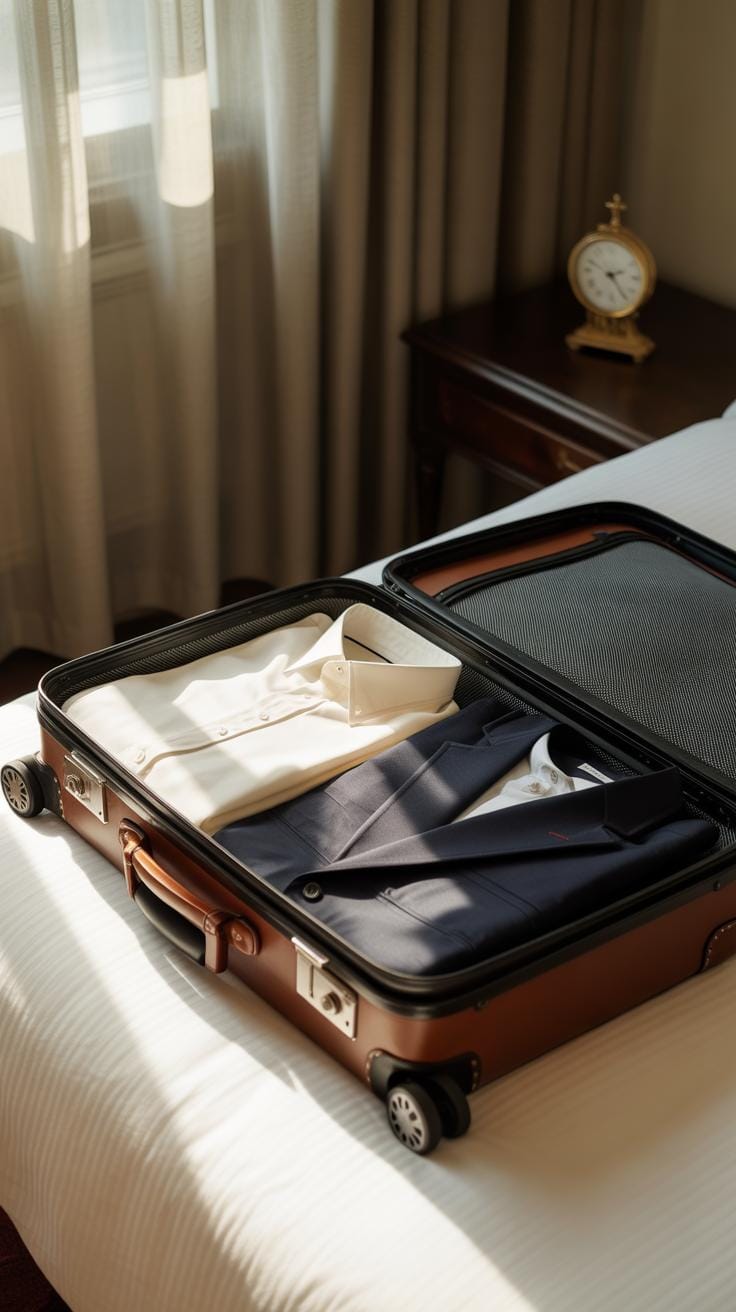
When packing a travel capsule wardrobe, the real goal is to pick pieces that play well together. It’s tempting to grab your favorite items, but versatility should be the priority. Think of clothing that can shift from a casual day out to a more formal dinner, without looking out of place in either setting.
Focus on essentials like a neutral-colored blazer, a pair of comfortable yet smart trousers, simple tops that layer well, and one or two dresses or shirts that can be dressed up or down. These items create a base that you can mix and match, making outfit decisions less stressful. It’s about quality over quantity—few pieces, many possible looks.
Does that mean no fun or personality? Not really. You can express style through accessories or by choosing pieces with subtle details, like a distinctive collar or an interesting texture that works with several outfits. Versatility doesn’t have to be boring, but single-purpose items—those reserved for one occasion only—should generally be left behind.
Selecting Multiuse Clothing Pieces
Choosing multiuse items means thinking beyond just what looks good. Consider:
- Color coordination: Stick to a simple palette—neutrals like black, white, navy, or beige—so pieces blend effortlessly.
- Fabric choice: Lightweight, wrinkle-resistant fabrics that handle layering and different temperatures well are a boon.
- Style adaptability: Classic cuts tend to fit various settings better than trend-driven pieces. A plain button-up shirt, for example, feels just right at a café or a casual meeting.
It’s not about limiting your options but about making sure each item can suit multiple roles. Think if the item can be worn with sneakers or dress shoes, paired with jeans or a skirt, layered under a jacket or worn alone.
Avoiding Single-Use Items
Single-use pieces weigh down your suitcase without providing much return. Wedding outfits, very flashy party dresses, or that one odd jacket you only wore once at home probably aren’t worth bringing. I remember once lugging a sequined top “just in case” and barely touching it—it took up space better used for something more practical.
Specialized workout clothes or bulky gowns rarely fit the travel capsule concept, unless that’s really your entire trip vibe. The harsh truth: items that serve only one purpose often end up unused and just add clutter. Instead, cut those loose and focus on clothes that earn their space by pulling double, triple duty, and sometimes more.
What Packing Method Saves Most Space
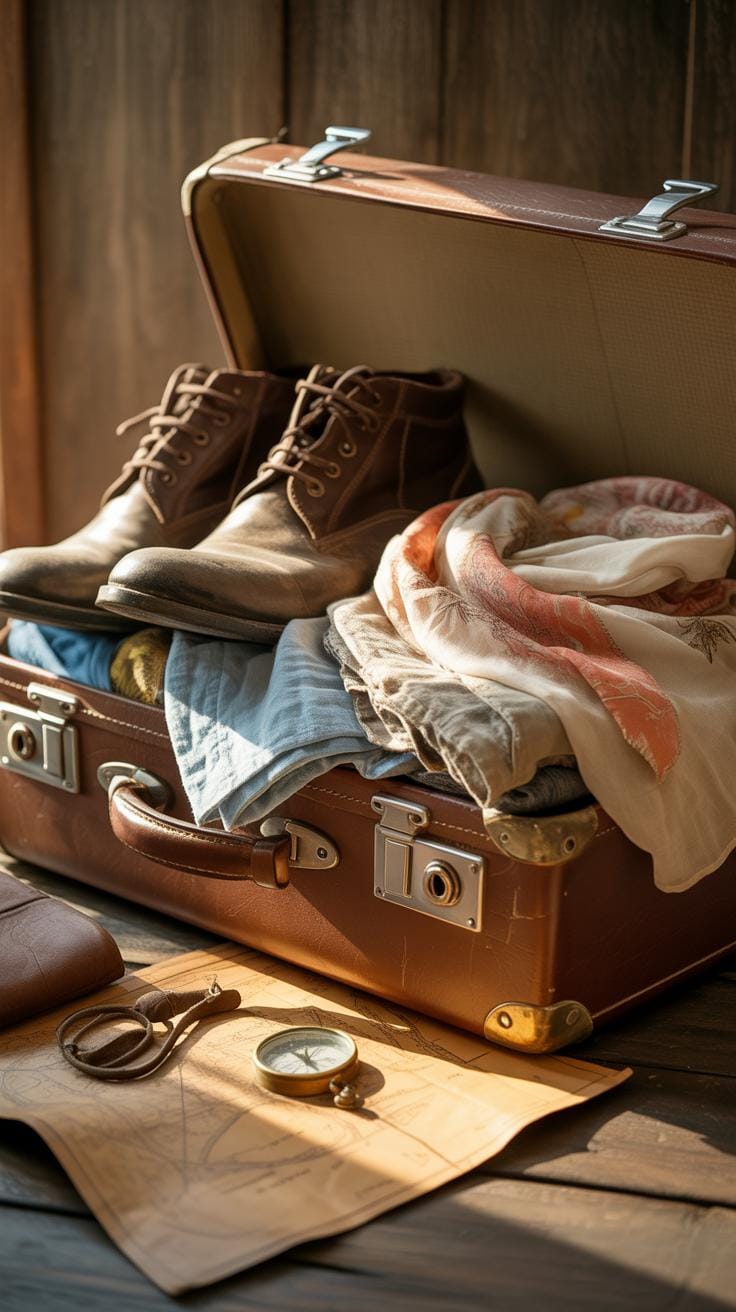
You probably have a favorite way to pack, but maybe it’s worth reconsidering. Folding is the classic approach, neat but often bulky. It works fine if you like order, but it can waste space, especially with soft fabrics. Rolling, on the other hand, can trim down your laundry pile nicely—and, surprisingly, helps prevent many wrinkles. It’s not magic, but tightly rolling shirts, pants, and even sweaters really compresses your clothes.
Then there are packing cubes, which might seem like just extra stuff in your bag. Yet they organize your outfits and sometimes compress better if you choose the right size. Cubes can keep your suitcase tidy and make it easier to switch gears mid-trip. I usually pack by outfit in cubes, less guessing what matches what. But some prefer grouping by clothing type.
Here’s a quick look:
- Folding: Good for structure, less for space saving.
- Rolling: Saves room, cuts wrinkles, great for soft, casual items.
- Packing cubes: Organize and compress, help stay unpacked and repacked efficiently.
Pick a method that matches your trip style—and maybe mix and match. Sometimes, a hard shirt folded inside a cube works better with rolled tees around it. There’s no one perfect way, just what fits your suitcase and patience level best.
Rolling Clothes for Minimal Wrinkles
Rolling keeps wrinkles low simply because it avoids sharp creases. Start by laying the garment flat, smoothing edges, then fold sleeves or pant legs inward to make a rectangle. From the bottom edge, roll tightly upward. For t-shirts or thin tops, this is almost foolproof. Sweaters or thicker pants might need a gentler roll to avoid stretching.
Here’s a quick step-by-step for rolling a shirt:
- Lay it front down, smooth out wrinkles.
- Fold sleeves inward to create a rectangle.
- Starting at the hem, roll tightly but carefully up to the collar.
- Keep it tight to save space but not so tight that it wrinkles fabric fibers.
Trousers or jeans can be rolled similarly, though heavier fabrics may stay better folded if you’re worried about their shape. I’m still torn on this one for denim; rolling helps space but can crease the fabric oddly.
Using Packing Cubes Efficiently
Packing cubes do more than keep your stuff organized—they can actually compress your clothes, reducing the bulk. Choosing the right cube size matters. Larger cubes suit bulky sweaters and pants; smaller cubes work well for underwear, socks, or accessories.
One way to pack cubes: by outfit. It’s like pre-planning days in your trip, which cuts down on morning stress. Another approach is sorting by category—shirts in one, bottoms in another. You might juggle between both depending on trip length.
Some tips for cube use:
- Don’t overstuff cubes; they’ll be hard to zip and may bulge.
- Use compression cubes if you want extra squeeze, but conventional cubes offer enough tidiness for most.
- Labeling cubes or using clear tops helps avoid digging through all your bags.
Over time, I realized cubes don’t just save space; they also save sanity. Between airports or hotel stays, grabbing one cube for the night feels better than rifling through loose piles. Still, it’s easy to go overboard and bring too many cubes—maybe a rookie mistake I keep making.
How Weather Influences Capsule Choices
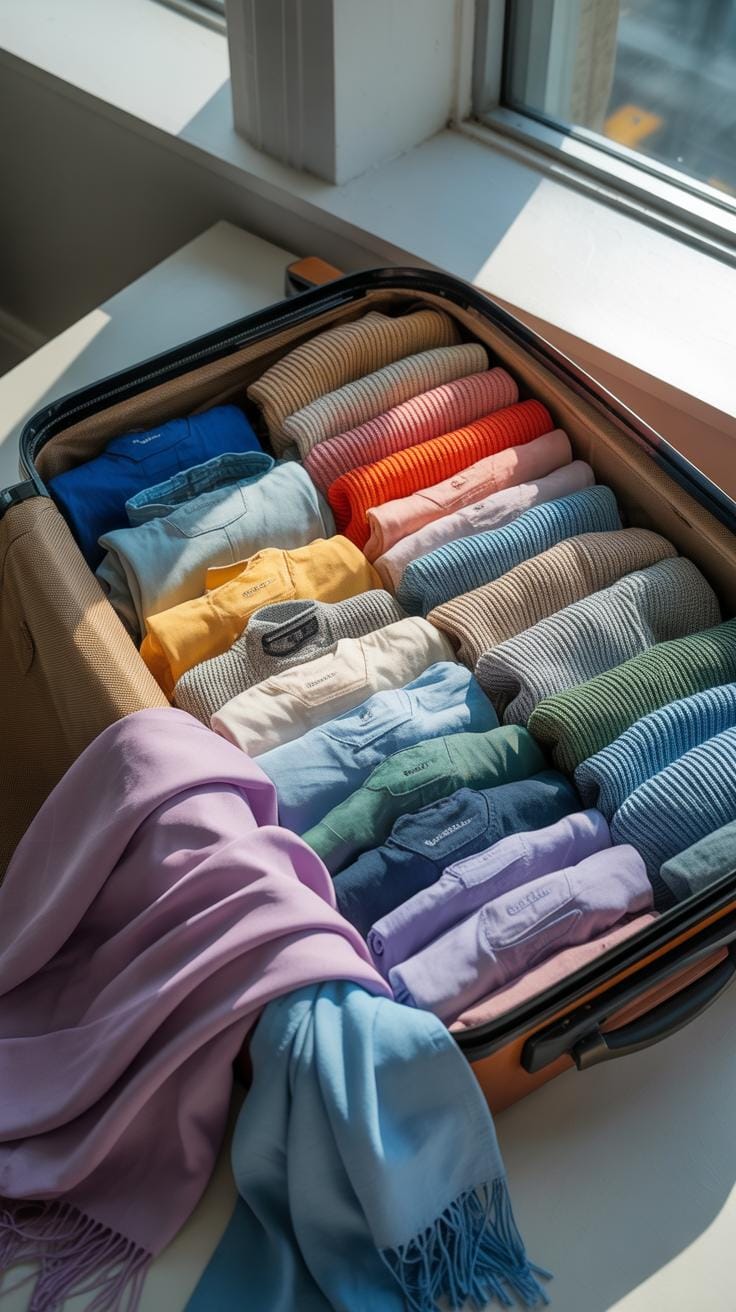
Weather shapes your capsule wardrobe more than you might expect. When you’re heading to a warm destination, packing light is key. Think breathable, easy fabrics that don’t take up much space. A few t-shirts, shorts, maybe a lightweight dress—simple basics that keep you cool. But cold climates? That’s a different story entirely. You need layers that trap warmth without bulk, which means choosing items you can pile on or peel off as temperatures shift.
Picking fabrics depends a lot on the kind of weather you expect. For hot places, materials like cotton and linen that breathe and wick sweat away are usually the best picks. Synthetic blends that dry fast can also work if you plan on being very active. On the flip side, cooler areas call for wool or fleece, fabrics known for keeping heat close but still allowing some breathability.
Smart layering saves space and hassle. Start with a snug long-sleeve shirt as your base, add a sweater or fleece, then top with a jacket that blocks wind or rain. For example, a merino wool base layer beneath a light insulated coat can replace bulky sweaters and still keep you warm. This method means fewer pieces overall, which keeps your suitcase lighter but your comfort intact. Ever tried layering a few thin tees versus one thick sweater? The layering usually wins—in both flexibility and space.
What Accessories Cost You Space
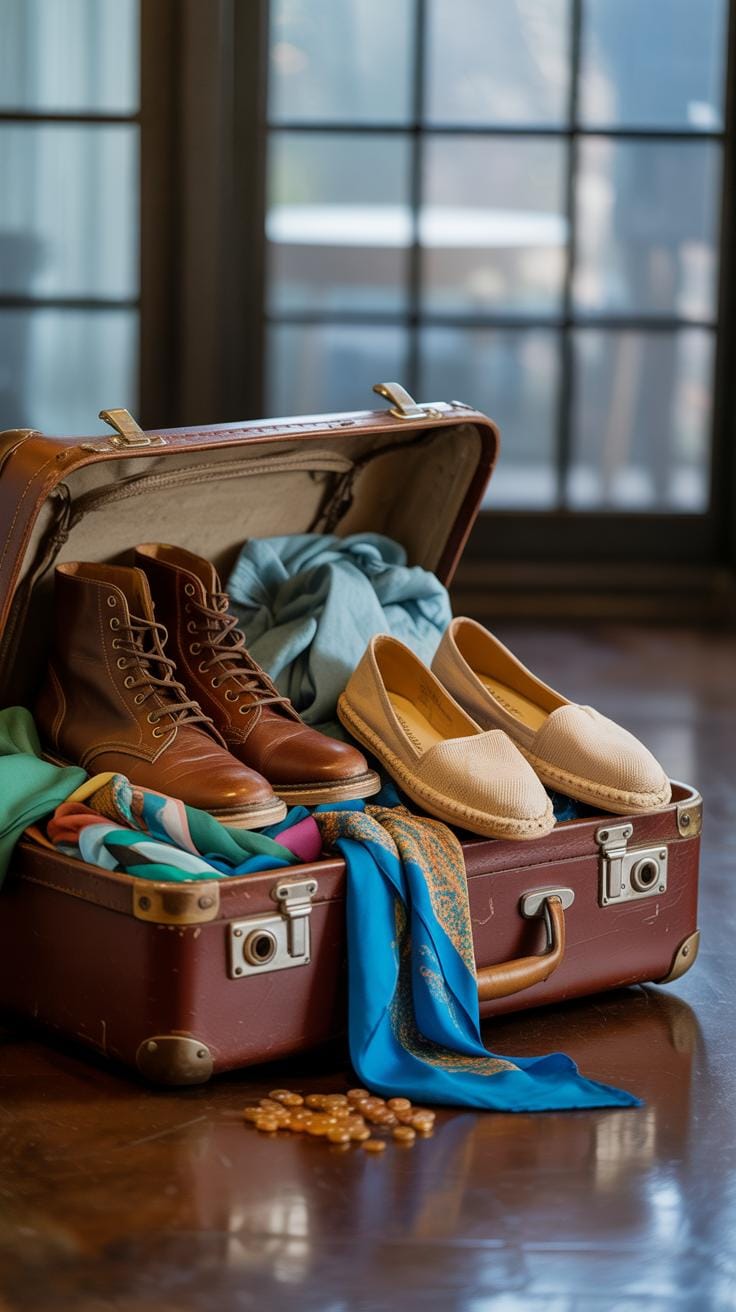
Accessories often sneak into your suitcase and quietly hog a lot of extra room. It’s easy to underestimate how much space they take. Think about chunky shoes, wide-brim hats, or a drawer full of random jewelry. These things add bulk fast. Sometimes you pack several pairs of shoes “just in case,” but they end up consuming space that could be better used for clothes or toiletries. Maybe you’ve found a hat crushed and misshapen at your destination — did it really need to come along?
There are smarter ways to trim these packing bulges. Instead of bulky sneakers and boots, try lightweight sneakers or sandals that work for multiple settings. Swap out rigid hats for foldable ones, or even skip the hat if your trip doesn’t demand it. When it comes to jewelry, choose a few versatile pieces rather than a whole collection. Think small, flat, and durable. For example, a simple pair of stud earrings or a thin chain won’t take much space but can still dress an outfit up.
Look for accessories that do double duty. Scarves can act as wraps, headbands, or lightweight blankets on chilly flights. A compact crossbody bag might serve as a purse and a daypack. These selections aren’t just space-savers; they also help you avoid decision fatigue. Does that scarf really fit every outfit? Maybe not, but it goes with enough to earn its spot.
Choosing multifunctional accessories can mean you’re not cramming your bag but still feel prepared. Ask yourself: can this item serve more than one purpose? Sometimes being a bit intentional about your accessory choices makes a bigger difference than any fancy packing trick.
In the end, it’s about knowing what you’ll realistically wear or use, not just what seems like a good idea at packing time. And, well, sometimes you just need to leave some things behind—even if it feels a bit uncomfortable at first.
What Clothing Fabric Saves Suitcase Space
Lightweight Fabrics for Travel
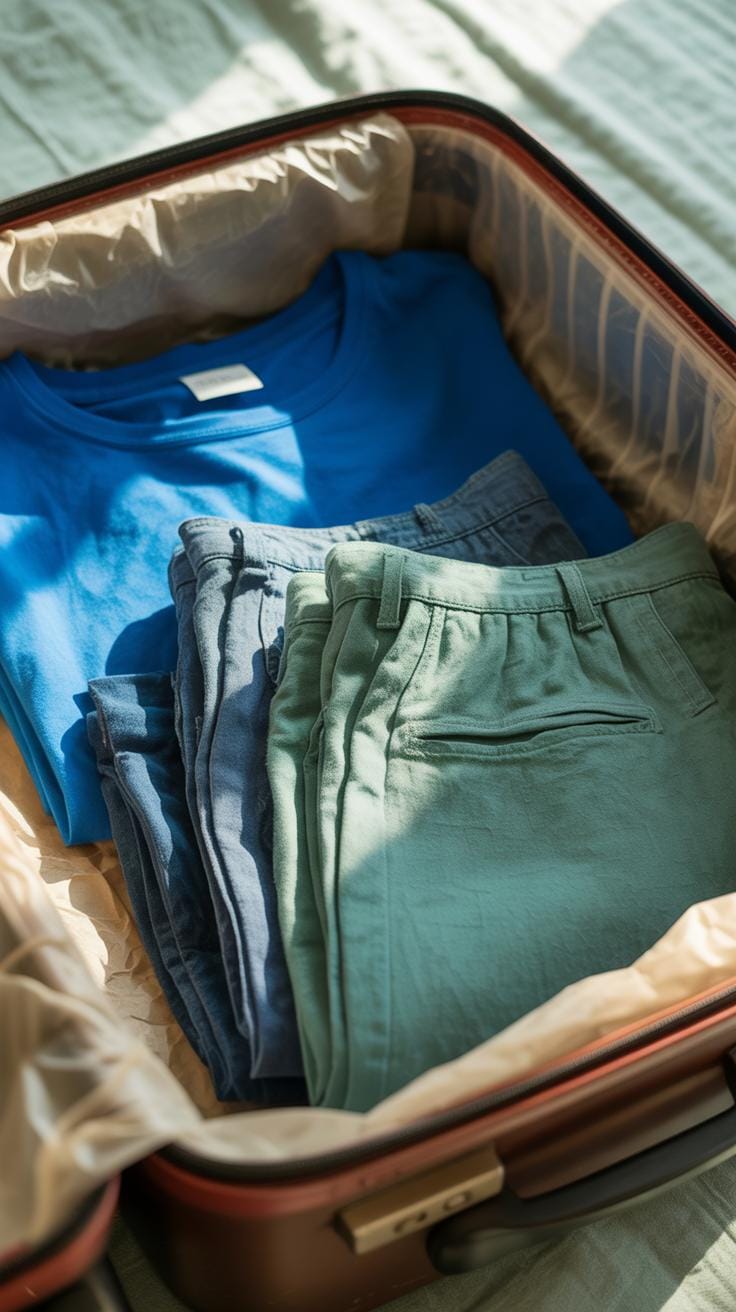
When you’re aiming to shrink your suitcase footprint, fabric choice plays a bigger role than you might expect. Lightweight fabrics like cotton blends, merino wool, and synthetics can really save you space and weight. Cotton blends often feel soft and natural, but plain cotton can bulk up or wrinkle easily. Still, blended with a bit of synthetic fiber, it compresses better and dries faster.
Merino wool surprises many travelers. It weighs less than you think and naturally resists odor, which is a bonus when you can’t wash clothes often. It packs down rather well, but keep in mind some merino pieces can be pricey and may need gentle care.
Synthetics such as polyester or nylon-based fabrics pack very small and dry quickly. They tend to be less breathable than natural fibers but resist wrinkles and stains well. Choosing the right synthetic blend can mean the difference between a bulky shirt and one that folds to nearly nothing—handy if you’re juggling several layers.
Durable Fabrics That Pack Tight
Nylon and polyester also lead the charge when it comes to durability and compressibility. They stand up to abrasion, which means your clothes won’t look worn out before your trip ends. These fabrics spring back after being squished, so your garments keep their shape better. A windbreaker or packable rain jacket made from nylon fits into a tiny pouch, carving out valuable suitcase real estate.
That said, while these fabrics are tough, they might not always feel luxurious or breathable. If comfort matters, you might hesitate. Still, for those planes, trains, and adventure stops, durability often trumps softness. Sometimes it’s about striking a balance: you want something that goes light but doesn’t wear out after a few uses.
So, ask yourself: do you want lighter layers that fold small but maybe don’t breathe as well? Or softer, natural fabrics that might take up more room but feel nicer on your skin? Your answers will shape your travel capsule wardrobe’s fabrics—and your suitcase space too.
Checklist for Packing a Capsule Wardrobe
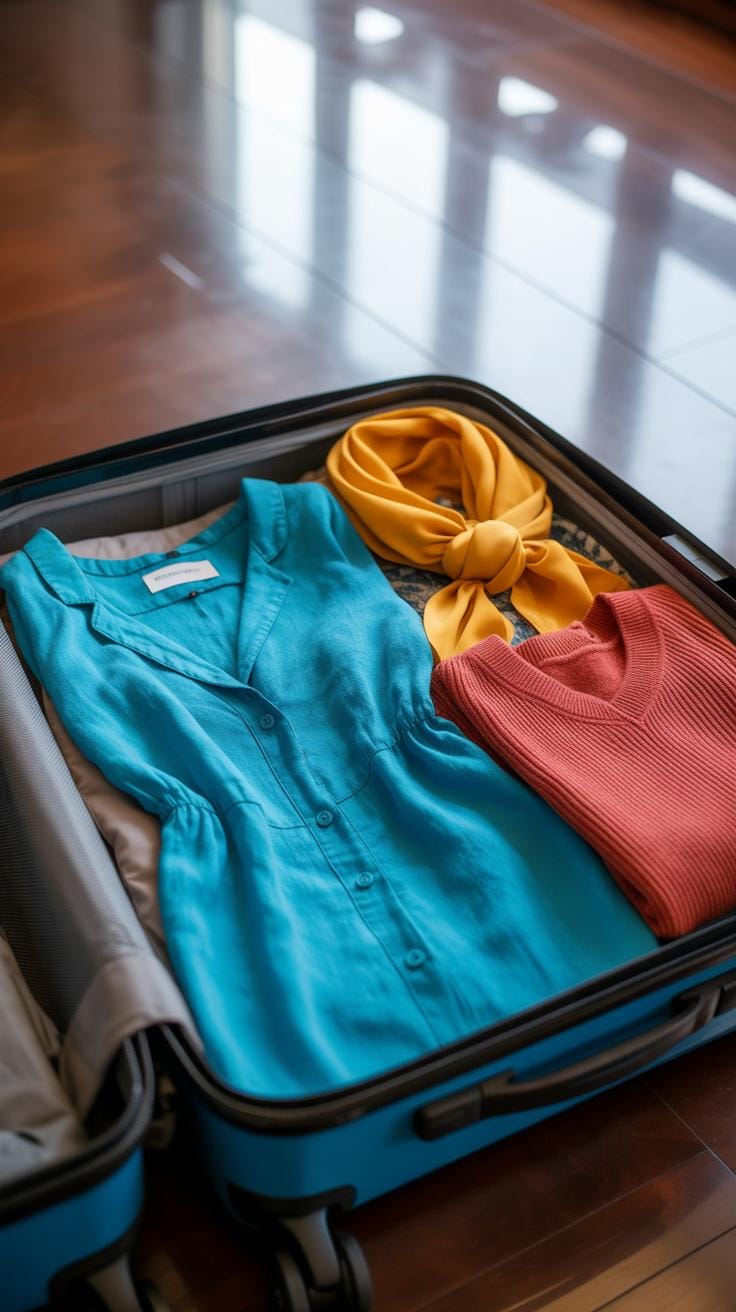
Packing a capsule wardrobe means bringing just enough to cover your needs without overfilling your suitcase. Start by listing out basic clothing categories—tops, bottoms, outerwear, and shoes—and decide quantities based on how long you’ll be away. For example, plan on about 3 to 5 tops. These should include versatile pieces, like neutral tees or a button-down that can dress up or down. For bottoms, 2 to 3 items usually do the trick: maybe jeans, a pair of shorts, or a skirt, depending on your destination.
Outerwear depends on climate, but one lightweight jacket or cardigan is enough in most cases. Shoes are trickier because they take space; limit yourself to two pairs—one casual and one a bit dressier or practical, based on activities.
Underwear and socks often get overlooked, yet they’re essential. Pack enough for every day of your trip plus two extras, just in case. Minimal accessories like a watch, a scarf, or simple jewelry can pull outfits together. Resist the urge to throw in too many extras; they end up being dead weight. What really matters? Choose pieces that mix and match, and you’ll feel prepared without lugging a heavy bag.
Essentials for Packing CarryOn Only
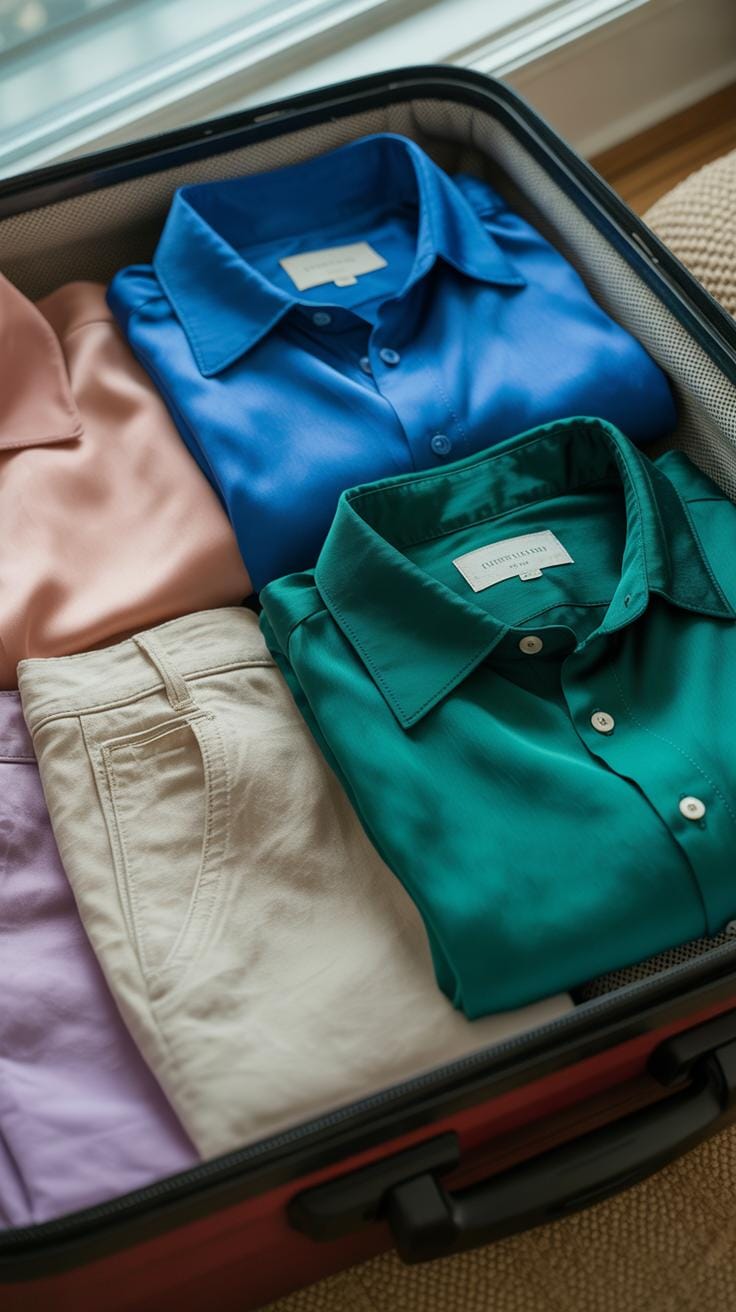
Packing a functional capsule wardrobe into a single carry-on bag feels like a puzzle sometimes. You need enough pieces to cover all your bases, but every extra item eats up precious space. The trick lies in setting clear limits: usually around 7 to 9 items of clothing, not counting underwear and accessories. Beyond numbers, focus on choosing clothing that serves multiple roles.
Space-saving strategies come down to choices and organization. Roll your clothes instead of folding, for example. It reduces wrinkles and compacts volume better. Consider packing cubes or compression bags; they’re not magic but help keep order and squeeze in that extra shirt.
Another angle—what you wear while traveling can free up bag room. Bulkier shoes or jackets make sense on the plane. Wearing your heaviest layers means they don’t take up space in your carry-on, leaving more room for essentials. But sometimes, wearing multiple layers can feel a bit much, especially if your flight is warm. So maybe pack some thin, light items that can be layered without adding bulk.
Ultimately, the goal is a carry-on that fits your trip’s needs without overpacking. You might question, “Is that second pair of pants really necessary?” Probably not. Compact, versatile, and limited—that’s your mantra for carry-on success.
Picking Compact and Versatile Items
Choosing items that do double duty is key. Think about pieces that transition from day to night or work and casual settings. Dark jeans, a simple black dress, a classic blazer—these are the kinds of items that stretch your wardrobe possibilities without stretching your bag.
Fabric choice also matters: lightweight cotton, wrinkle-resistant blends, quick-dry synthetics all save space and hassle. Bulky sweaters can feel like a comfort blanket, but maybe swap them for a thin, warm layer that can be dressed up or down. You might wonder if sacrificing comfort is worth space. It often is, but everyone’s tolerance differs.
Limit shoes to two pairs max: one comfortable pair for walking and one dressier option. Shoes take up a lot of room, so try slip-ons or foldable flats when possible. Also, pick tops and bottoms that mix and match easily. A capsule wardrobe isn’t about quantity but the right combinations.
Packing Techniques for Carry-On Bags
There are a few packing methods that really shine for carry-ons. Rolling clothes is popular but layering flat items in a bundle wrap can reduce wrinkling and save some space; try both and see what works for you. Sometimes packing heavier items at the bottom helps balance the bag and protect delicate fabrics.
Wear your bulkiest clothing on the plane whenever it makes sense—like boots, jackets, or sweaters. Not only does this save space, but it can keep you cozy. Wearing layers during travel can feel bulky, admittedly, but isn’t that better than having a cramped bag?
Also, pack smaller items like underwear, socks, and accessories inside shoes to fill every nook. It feels a bit odd at first, but it’s surprisingly effective at keeping things compact. Finally, keep your toiletries minimal—travel-sized, leak-proof containers only.
Packing light for carry-ons is a balancing act, and sometimes what works one trip won’t the next. Maybe you’ll overpack a little, or leave something behind you wish you hadn’t. That’s just part of learning the craft of smart travel packing.
Examples of Travel Capsule Wardrobes
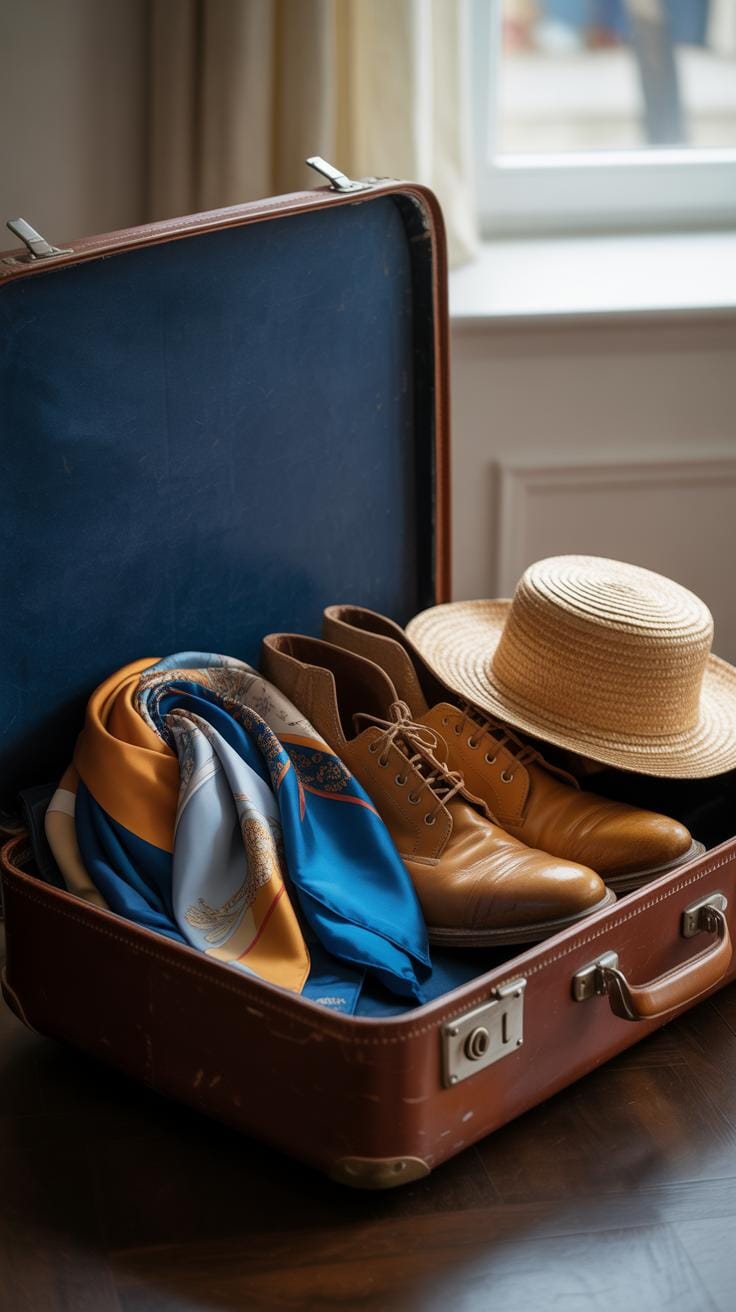
Let’s look at some specific capsule wardrobes that show how your choices really affect your suitcase space. You might find it surprising how just a few carefully chosen pieces cover most situations, without feeling repetitive or bulky.
Business Travel Capsule Example
For business trips, compactness meets professionalism. Imagine packing:
- Two tailored blazers—one navy, one black.
- Three button-down shirts in neutral shades.
- Two pairs of slim-fit trousers that mix and match with the blazers.
- One versatile pencil skirt.
- A pair of comfortable leather shoes that can work both for meetings and walking.
- A lightweight trench coat or blazer for layering.
This mix keeps your suitcase slim and still offers enough variety for multiple days of work with minimal repeats. I once tried a bigger business wardrobe and ended up regretting every extra item on the trip. Less really meant more space for other essentials—and less stress.
Casual Vacation Capsule Example
For a casual vacation, it’s tempting to bring, well, everything. But a better route might include:
- Three comfortable tees or blouses that can easily go from day to night.
- Two pairs of shorts or casual pants.
- A light cardigan or pullover for cooler evenings.
- A simple dress that can be dressed up or down.
- Comfortable sneakers or sandals that match everything.
- A versatile scarf or accessory to change up looks.
This setup gave me enough outfits for a week without feeling cramped in my suitcase—and I always found something that worked, no matter the plan that day. What trips do you think need even less or maybe a touch more? It really depends on your personal style and destination, but starting small often challenges you to rethink what you truly want to bring.
Conclusions
Smart travel starts with your capsule wardrobe choices. Avoid packing too many similar items or bulkier clothes that limit space. Follow practical steps like picking versatile pieces and rolling clothes tightly to save room.
With better planning, you can fit everything you need in your suitcase without sacrificing style or comfort. These tips will help you avoid wasting space and enjoy easier travel.