
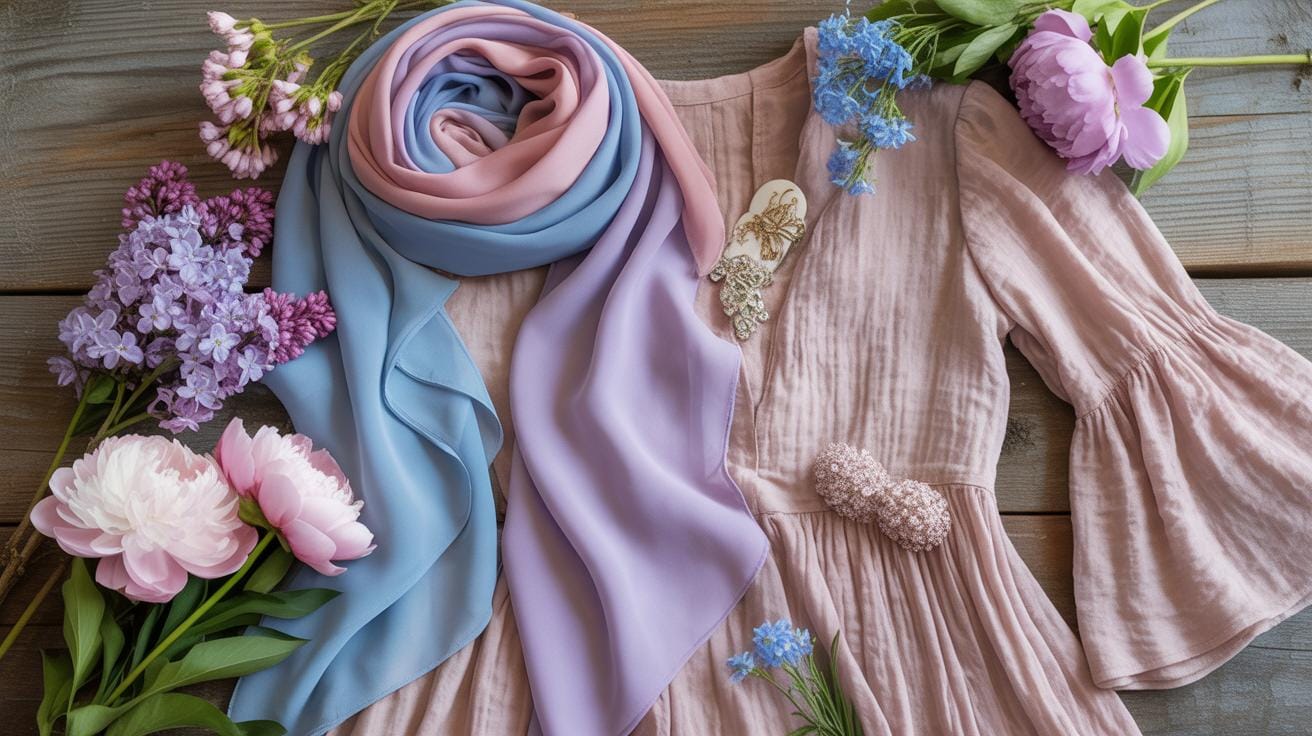
Key Outfit Trends To Watch This Spring
Outfit Trends Analysis for Spring 2024 Shopping Strategy covers the essential fashion ideas and shopping tips for this upcoming season. Spring 2024 brings fresh styles influenced by both past decades and today’s social media-driven fashion scene. You will find what the key outfit trends are and understand how to plan your wardrobe around them effectively.
This article explains the important outfit styles for spring, compares casual and formal looks, and offers a shopping strategy to get the best value. By the end, you will know what pieces to buy, how to combine them, and shop smart for spring 2024.
Spotting Spring 2024 Fashion Patterns

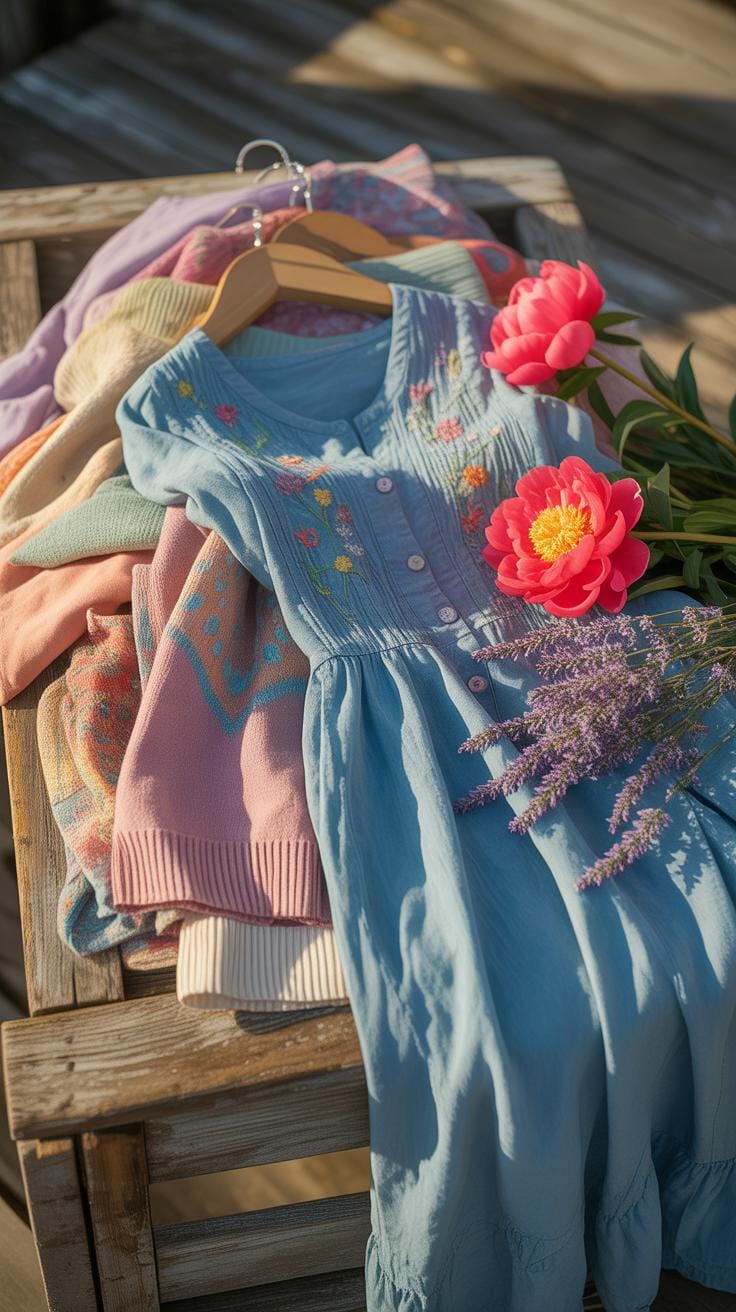
The patterns and styles for spring 2024 draw heavily from decades past—think the 70s, 90s, and early 2000s blending into one. Florals are back, but not just the dainty types. Larger, almost graphic floral prints evoke a 70s feel, with bold outlines and warm earth tones. At the same time, checks are having a moment too, but not the traditional picnic kind. Instead, there’s a twist: oversized checks and patchwork blends reminiscent of 90s grunge meets preppy schoolgirl vibes.

Then there’s the bold prints category—these range from abstract shapes to color-blocking in unexpected combos. You might spot some digital-looking prints that remind you of early 2000s tech culture – a bit chaotic, but intriguing. It’s like the past is being revisited, but through a filtered, slightly modern lens. You might wonder how wearable these feel day-to-day—some versions are subtle enough to work at the office, others push the envelope a bit.
Popular Colors and Textures
Spring 2024’s color palette feels both fresh and familiar. Soft greens and blues dominate, paired with pops of burnt orange and deep mustard—colors that nod to nature, yet keep some warmth. Pastels aren’t disappearing but seem less sugary than before, more muted or dusty. These colors affect how you might layer or combine pieces. For example, a mint green blouse in lightweight silk could brighten a work outfit without feeling too casual.
Regarding textures, the season favors natural fibers like linen and cotton mixed with unexpected elements—think a subtle sheen from sateen or a tactile crunch from seersucker. These fabrics make choices flexible, whether you’re dressing for a casual brunch or something a bit more formal. Texture often changes how a print reads, too, giving the same floral a fresh feel when on a rougher fabric compared to smooth satin.
Street Style Case Studies
Scrolling through Instagram, you’ll notice influencers confidently mixing these patterns. One influencer combined oversized checks with a soft floral scarf, creating contrast that’s striking but balanced. Another opted for a bold color-blocked jacket with neutral pants—turning what could be a loud piece into a versatile focal point.
What stands out in these street style looks is how effortlessly layered and personalized they feel. Outfits aren’t just following trends but adapting them—sometimes clashing prints intentionally, other times toning patterns down with layering. There’s a sense of experimentation, without losing sight of wearability. It makes you think about how you might try similar combos, maybe starting small before going all in.
Dress Smart for Comfort and Style
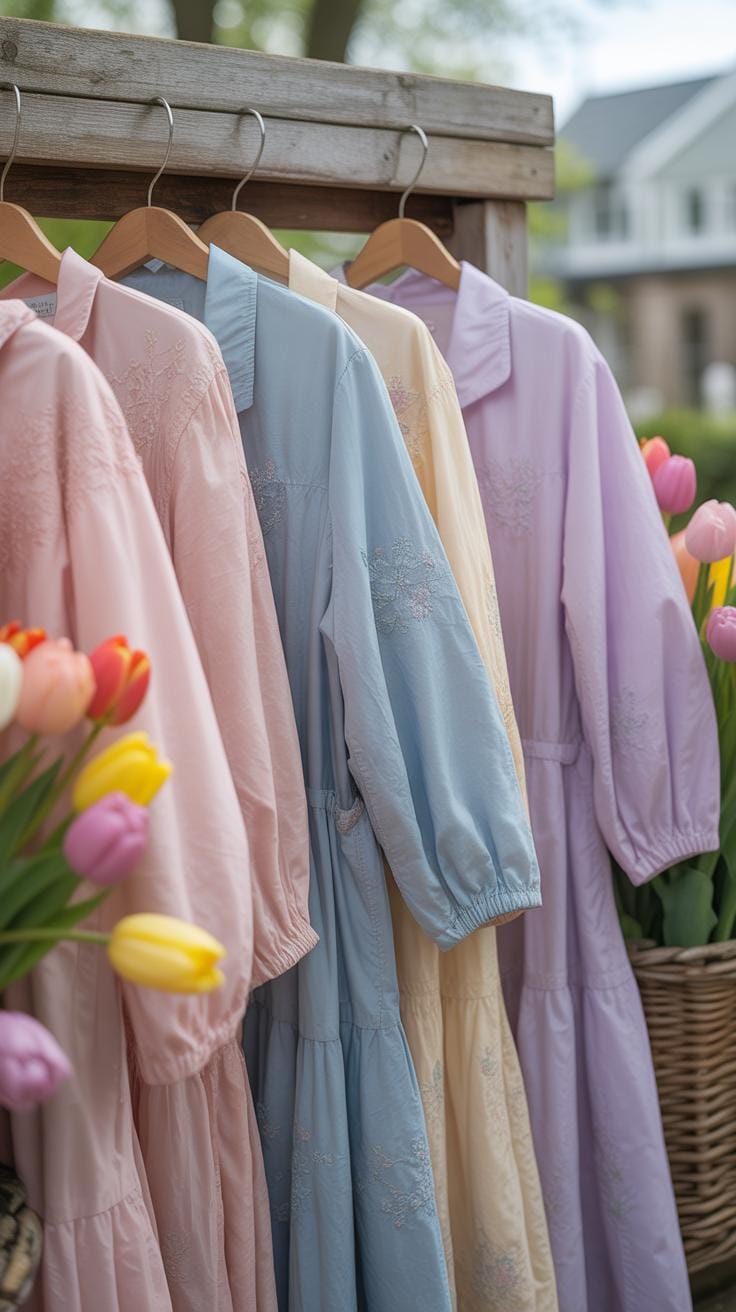
Comfort is simply hard to ignore when planning your spring 2024 outfits. After all, you want to feel good in what you wear, not just look good. Fabrics are playing a big role here. Soft cotton blends, lightweight linens, and breathable knits are dominating wardrobes because they allow easy movement and keep you cool without sacrificing style.
The fits are shifting, too. Think relaxed silhouettes rather than tight, restricting cuts. Loose trousers, flowy dresses, and boxy tops are popping up, offering room to breathe without looking sloppy. But that doesn’t mean you give up shape completely; subtle tailoring helps balance softness with structure.
Layering in spring is always a bit tricky, given the unpredictable weather. This season, smart layering means pairing light cardigans with oversized shirts or combining a sleek vest over a long-sleeve tee. You get the chance to adjust your look—and your comfort level—throughout the day. It’s a bit of a balancing act between function and flair, but when done right, it works well.
Athleisure Meets Everyday Wear
This spring, athleisure isn’t just for workouts anymore. It’s merging with everyday dress codes more naturally than before. You might spot sneakers under a midi skirt or joggers paired with a tailored blazer. The lines between activewear and casual wear are definitely blurring.
If you want to try this trend, start small. Swap your usual jeans for sporty track pants with clean cuts. Or, layer a sporty zip-up jacket over your casual tee to add a fresh vibe. The key is mixing sporty elements with classic pieces, so your outfit feels intentional rather than thrown together.
Comfort from athleisure pieces really shines here. Stretchy fabrics and casual cuts make the outfits feel easier to wear all day long. It’s almost like your clothes breathe with you, which might be why it’s catching on for more than just weekend lounging.
Layering Techniques for Variable Weather
Spring weather can be frustrating. One minute it’s sunny and warm; the next, a chill sneaks in. Layering helps, but it’s not just about piling on clothes.
Try lightweight jackets over breathable shirts, or thin sweaters that fit under a trench coat without bulk. Layers that you can easily add or remove make more sense than heavy pieces. Scarves work well here, too—they can dress up an outfit and keep the neck warm without overheating.
Footwear matters in layering, oddly enough. Weather fluctuates enough that swapping shoes—from sneakers to loafers, for example—can help keep your outfit appropriate and comfortable.
The goal is to stay prepared without looking overstretched. A few well-chosen layers let you move through changing spring days without fuss, maintaining style but never feeling weighed down.
Casual vs Formal Outfit Comparison
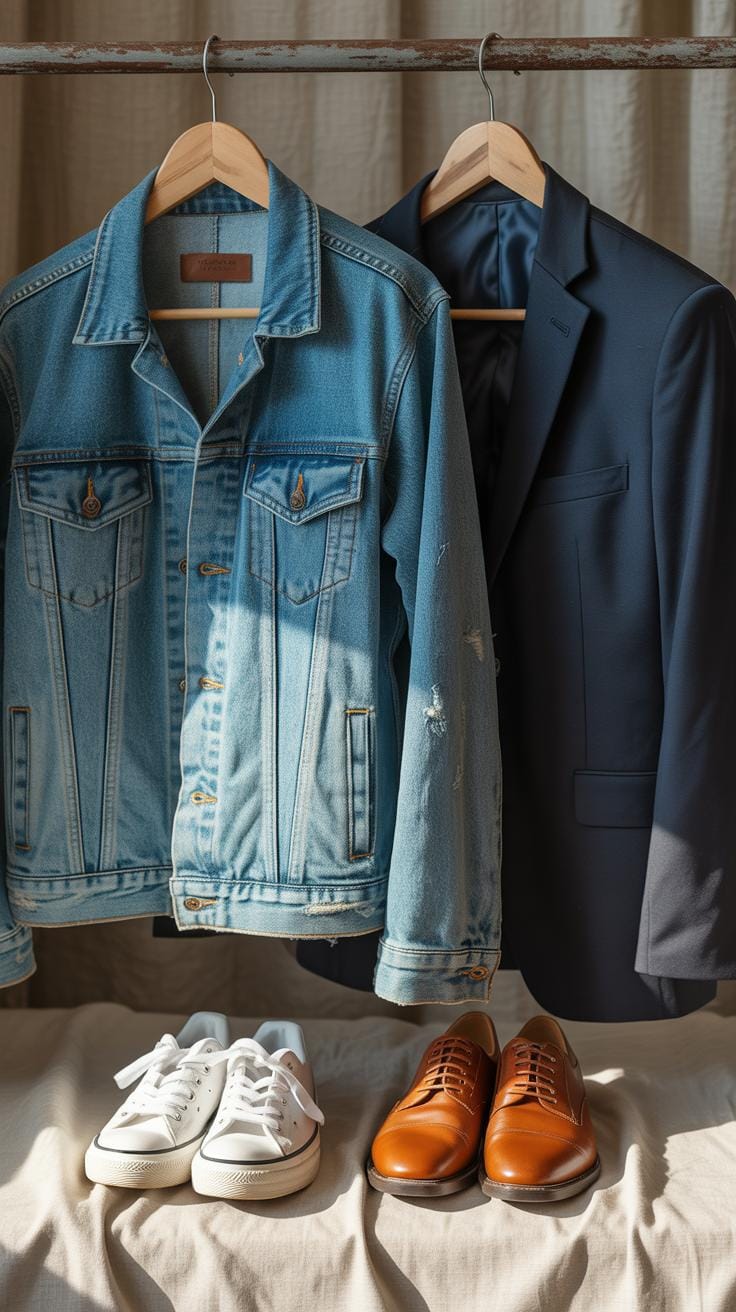
Spring 2024’s outfit trends show clear distinctions between casual and formal styles, but also some overlapping themes. Casual outfits lean toward comfort and ease, often featuring breathable fabrics like lightweight cotton and linen. Expect loose silhouettes like oversized shirts, relaxed trousers, and slip-on shoes. For instance, a flowy midi dress paired with flat sandals fits casual spring days perfectly. These styles suit anyone prioritizing comfort but wanting to stay stylish during errands or casual meetups.
On the other hand, formal looks this spring favor tailored pieces with clean lines and subtle details. Think structured blazers, pleated skirts, or sharply cut trousers, often in pastel shades or crisp whites. A fitted blazer over a silk blouse with pointed-toe mules nails the formal vibe. These outfits tend to fit office settings or events where you want to leave a polished impression.
Interestingly, both casual and formal trends share a focus on soft pastels and breathable fabrics. They also echo simplicity, avoiding heavy embellishments. Yet, while casual emphasizes ease, formal holds form and precision closer. So it depends—are you dressing for laid-back weekends or professional environments? Or maybe both?
Mixing Elements from Both Styles
Blending casual and formal pieces creates outfits that work across various settings without a full change of clothes. Try pairing a classic blazer with relaxed jeans or a cotton tee with tailored pants. This mix allows you to stay comfortable and polished simultaneously.
For example, a crisp white shirt under a lightweight knit sweater combined with culottes and loafers balances both vibes. Or a structured blazer with a soft jersey dress can soften the formality just enough to feel approachable but still neat. Wearing sneakers with traditionally formal pieces is another way to add casual flair while maintaining a refined silhouette.
Such combinations make it easier to navigate a day with unpredictable plans. You might wonder how far you can push this blending. Usually, the key lies in choosing one dominant style piece and supporting it with subtle touches from the other.
Case Examples of Day to Night Looks
Taking an outfit from a casual daytime setting to a more formal evening event can be surprisingly straightforward. For instance, start with a silk camisole tucked into high-waisted trousers paired with loafers for daytime errands. Swap the loafers for strappy heels and add a blazer or statement necklace for evening drinks or a dinner.
Another example is a floral midi dress paired with white sneakers during the day. Transition it for night by switching to heeled sandals and adding a sleek belt and drop earrings. A light trench or tailored coat can complete this shift effortlessly.
You might be tempted to carry extra items just in case, but a few smart pieces and accessories often do the trick. What’s clear is that spring 2024 encourages flexibility in dressing, making wardrobe choices both practical and stylish no matter the time or place.
Building a Practical Shopping List
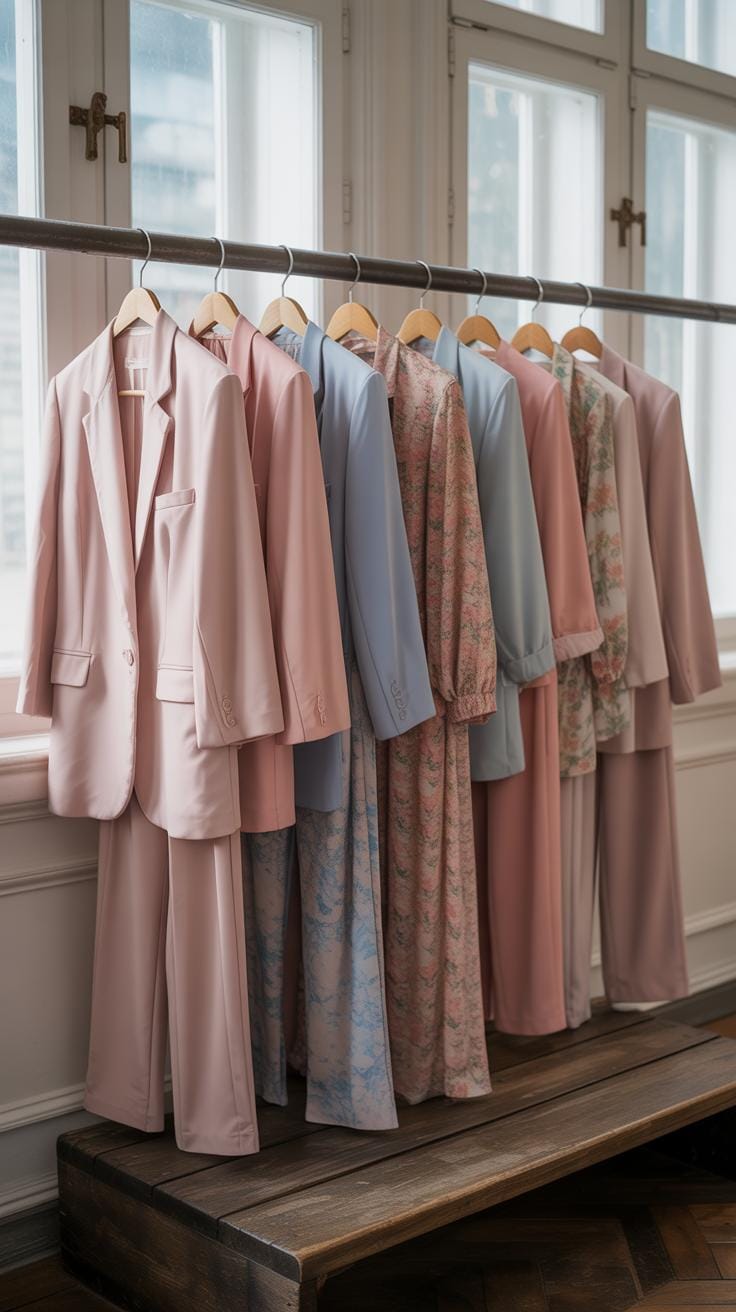
When you start planning your spring shopping list, focus first on pieces that can mix and match easily. Think about what you already own and what will fit multiple outfits without feeling repetitive. For example, a light blazer or tailored trousers? They can pull together casual and formal looks with little effort.
Next, aim for versatility. Pick solid colors or subtle patterns that won’t clash. It might feel safer to choose basics like neutral tees or simple skirts, but don’t avoid textures entirely—sometimes a linen shirt or a soft knit can add just enough interest.
Don’t forget layering options. Spring can be unpredictable—you want items that work well on their own or as part of a layered outfit. Consider scarves, cardigans, or lightweight jackets.
While shopping, jot down how each piece could pair with others. It’s tempting to grab every trendy item, but focusing on adaptability will save you time and money. For instance, would that floral dress work with sandals for day and boots for evenings? Can that wide-leg pant match your existing tops?
Finally, keep an eye out for fabrics and fits that suit your lifestyle. Comfort shouldn’t be sacrificed for style here, or you might end up with clothes that rarely see the light of day. So, building this list is as much about practicality as it is about trends.
Must-Have Staples for Spring
There are a few key staples that seem just right for spring 2024. A crisp white shirt is one—you can’t go wrong with it, and you’ll probably find dozens of ways to style it. Think layering it under dresses or pairing it with wide-leg jeans.
Denim remains reliable—maybe this season, lean toward a looser fit or cropped styles that feel lighter. A pair of tailored shorts or a midi skirt in a breathable fabric also makes regular appearances. These pieces keep things fresh without screaming fast fashion.
A trench coat, too, might feel a bit classic, but this year’s versions come with unexpected cuts or colors, so they don’t look tired. These staples work as your wardrobe’s backbone, helping to balance the flashier elements you add later.
Choosing Statement Pieces
When selecting statement items, think small but powerful. A bold-patterned blouse or a brightly colored bag can elevate simple outfits. Don’t feel pressured to overload on trends. Sometimes, one strong piece per outfit is enough.
Look for items that stand out because of texture or detail—a puff-sleeve top, a unique collar, or sculptural shapes. These elements can refresh your wardrobe without making you look like you’re trying too hard.
You might hesitate about investing in something less traditional, but the point is to inject personality. If a statement piece feels too much for daily wear, consider how it fits with your existing clothes. Can you dress it down? Could it brighten up neutral basics? Also, keep in mind your own comfort and confidence—that’s often what truly makes a statement.
Timing Your Spring Shopping

Figuring out when to shop for spring 2024 outfits can feel a bit like chasing a moving target. You want the newest styles, of course, but also good deals—finding both at once is tricky. Some shoppers swear by Black Friday, and honestly, it can be a goldmine if you’re looking for early spring collections or transitional pieces on discount. That said, spring seasonal sales, often kicking off in late March or even April, tend to clear out winter stock and start featuring fresh spring items at lower prices.
Seasonal sales flash up in cycles. Retailers usually drop prices near the end of the season to make way for new stock. That means snagging spring clothes might be cheaper before the peak spring season really hits, but then again, if you wait too long, the selection shrinks fast.
Try shopping these times:
- Black Friday and Cyber Monday—good for early spring arrivals, but limited spring-focused stock.
- End-of-winter clearance—late February to early March, when some brands push spring fabrics out at reduced prices.
- Spring sales themselves—from mid-March through April, when retailers start discounting older spring gear to introduce newer pieces.
Personally, I like to check sales early but also keep an eye on restocks later in the season. Sometimes stores bring in new items after initial sales start, which feels a bit unpredictable. Sometimes, waiting means missing out; sometimes, it means better choices.
Understanding Seasonal Sales Cycles
Seasonal sales follow a rhythm that retailers rely on to offload last season’s inventory and fund new collections. For spring outfits, this means you’ll often see winter gear clearances at winter’s end and gradual markdowns on early spring items as the season progresses. It’s a bit like a dance—some early buyers catch fresh drops at full price, while savvy shoppers can wait for those first price cuts.
Knowing when these shifts happen can guide your purchases. If you’re after staples like light jackets or versatile tops, buying right after winter might get you something just starting the trend cycle but for a better price. Meanwhile, the latter half of spring can reward you with discounts on the season’s established hits, if you’re flexible enough to take what’s left.
Using Online Tools for Discounts
Tracking sales and coupon offers can make a big difference. There are apps and websites geared towards fashion shoppers which can save both time and money—some of my personal favorites include:
- Honey: It automatically finds coupon codes at checkout on many fashion sites.
- ShopStyle: Lets you search for specific items across stores and alerts you when prices drop.
- RetailMeNot: Offers both coupons and cashback deals on popular clothing retailers.
- Slickdeals: Community-driven deals platform where users post current sales and discount alerts.
These tools work best if you check regularly, as some deals are flash sales or limited-time offers. I’ve lost out before by ignoring a sale alert thinking “I’ll wait”—but sometimes that means missing the exact outfit you wanted. Still, these apps can help keep the impulse buying in check and the budget intact.
Avoiding Fast Fashion Pitfalls
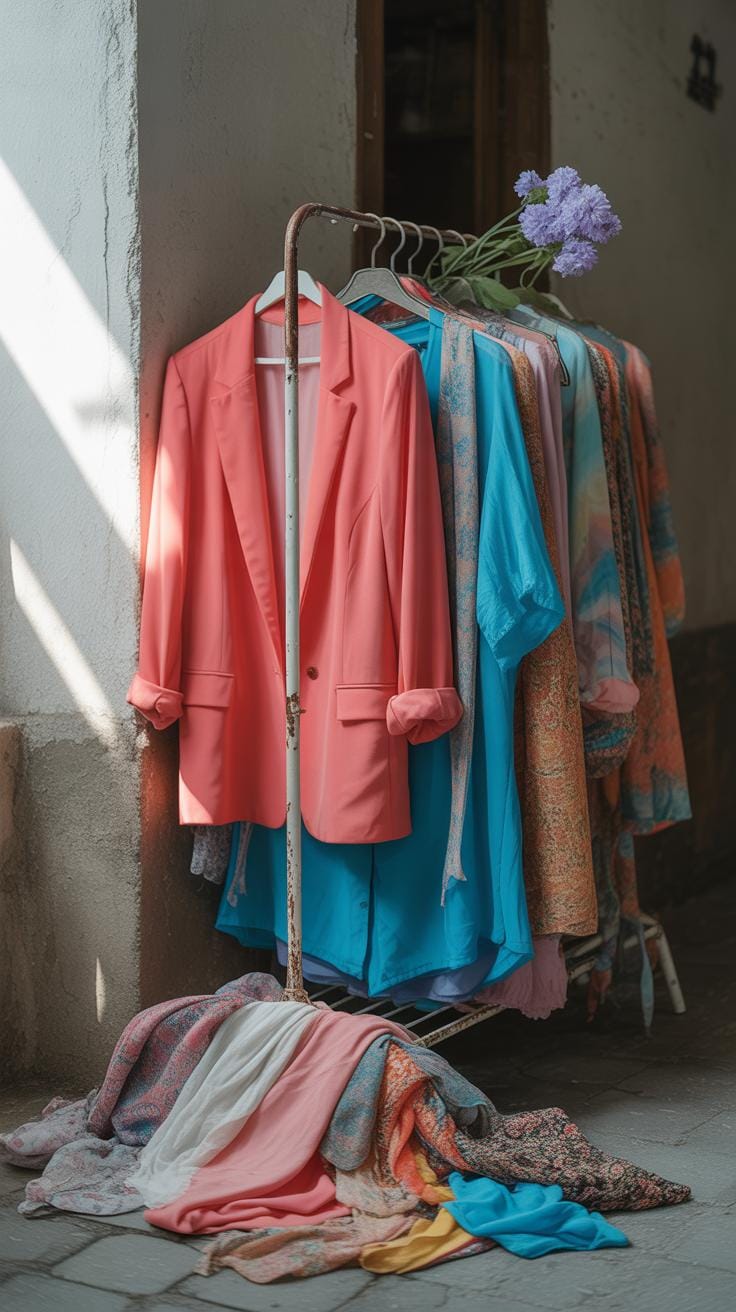
Fast fashion can feel tempting—those low prices, constant new drops, and trendy pieces everywhere—but it comes with risks you might not expect. For one, many fast fashion items fall apart quickly, which means you end up buying more to replace them. It can be frustrating spending money on clothes that don’t last beyond a season or two. It’s not just about your wallet, either. The environmental impact is pretty significant. Think: tons of textile waste ending up in landfills and the heavy use of water and chemicals in production. Sometimes it’s easy to forget how harmful this cycle can be when a sale is calling your name.
Alternatives do exist. Thrift shopping stands out as a way to avoid contributing to this waste. Plus, quality items may seem costly at first, but they hold up over time, which can actually save you money. Buying durable clothes might require patience and an eye for what’s truly well-made. But then, you won’t be caught in the endless loop of replacing your wardrobe every few months. It’s a small shift that could make a big difference, both personally and globally.
Thrifting Tips for Trendy Finds
Thrifting can feel overwhelming, especially if you’re used to shopping with a clear list in mind or browsing quick online collections. But with a bit of patience, you can find some surprisingly trendy and budget-friendly pieces. Try these ideas:
- Visit thrift stores regularly. Inventory changes often, so checking back can lead to fresh finds.
- Focus on classic items that never go out of style—think well-cut jackets or quality denim—and add trend-driven accessories to update your look.
- Bring a list of wardrobe needs, but stay open-minded. Sometimes unexpected pieces fit better than you imagined.
- Check for fabric quality and construction details. Thrift stores often have hidden gems that outlast most fast fashion.
- Shop off-season. Looking for spring pieces in late winter might mean better prices and less competition.
It can take a few tries to get comfortable with thrifting, but it’s kind of like a treasure hunt that rewards persistence.
Investing in Durable Clothing
Buying durable clothing might not fit every impulse, but the long-term benefits are worth considering. Quality pieces often feature sturdier fabrics, strong stitching, and timeless designs. They resist fading and wearing out, which means fewer replacements and less clutter in your closet. That can save money in the long run, even if the initial price seems high. Plus, durable items often feel better to wear—comfort matters, right?
It’s not just financial sense; it also reduces waste. When clothes last, they’re less likely to be discarded quickly. This helps reduce the massive amount of textile trash generated annually. Even if you don’t overhaul your entire wardrobe overnight, shifting your focus from quantity to quality can gradually change how you shop—and maybe even how you think about clothes.
Using Social Media to Track Trends
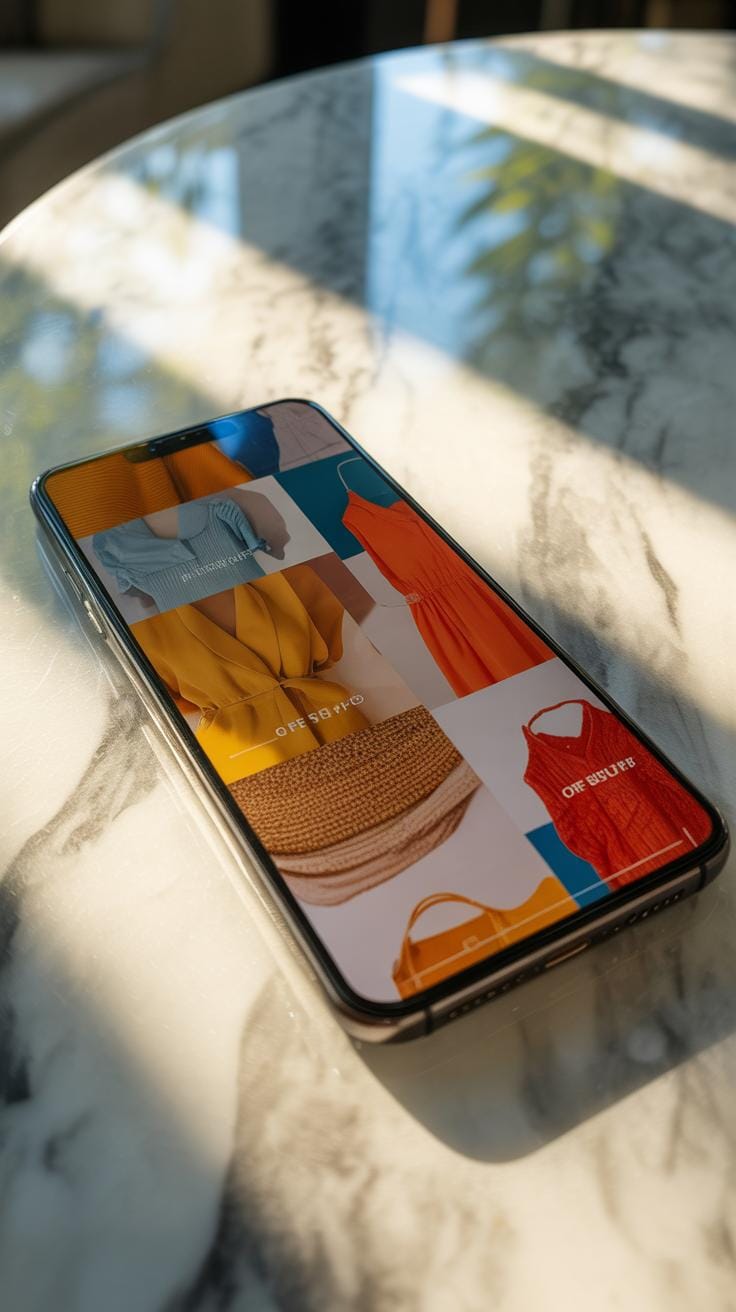
Social media plays a huge role in shaping fashion trends today. Platforms like TikTok and Instagram aren’t just places to share photos—they’re where trends are born and spread fast. You might catch a new outfit style on your feed one day, and before you know it, it’s showing up in stores and on the streets everywhere.
To really keep up, you need to follow a mix of creators: high-profile influencers, niche fashion enthusiasts, even smaller accounts with unique personal style. That mix fuels a steady flow of fresh ideas. And because trends move quickly online, checking these platforms regularly—maybe daily—helps you stay ahead. Scrolling through Reels or Stories can spark outfit ideas you wouldn’t have thought of otherwise.
Top Platforms for Outfit Ideas
Among all social sites, TikTok and Instagram lead for outfit inspiration. TikTok’s short videos make it easy to see how an outfit works in motion, which can reveal details photos sometimes miss. Instagram’s focus on high-quality images and Stories lets you explore looks through curated feeds, saved collections, or shopping tags. Pinterest also deserves mention—it’s great for planning because you can gather outfit boards organized by style, season, or occasion.
Each platform offers something slightly different, so using them together creates a fuller picture. Have you noticed how some trends pick up steam on TikTok before showing up on Instagram? That timing can help you snag pieces before they become mainstream.
Evaluating Trend Credibility
Just because something’s popular online doesn’t mean it fits your style or is truly worth trying. Ask yourself: Does this trend connect to your usual looks or personality? Will it feel comfortable and practical for your daily life? Look beyond what’s flashy and consider wearability.
Observe how the trend looks on different body types and ages. Sometimes people present an idealized version that doesn’t translate well. It helps to read comments or reviews — they often reveal what works and what doesn’t. Also, consider longevity: Is this a passing fad or something you’ll still like in a few months? Trends that fit your lifestyle and feel authentic stand a better chance of sticking around in your wardrobe.
Your sense of what suits you should guide choices, not just popularity. Have you ever tried a trending style only to realize it never really felt like you? That’s a clue to focus on trends that mesh naturally with your own preferences.
Organizing Your Spring Wardrobe
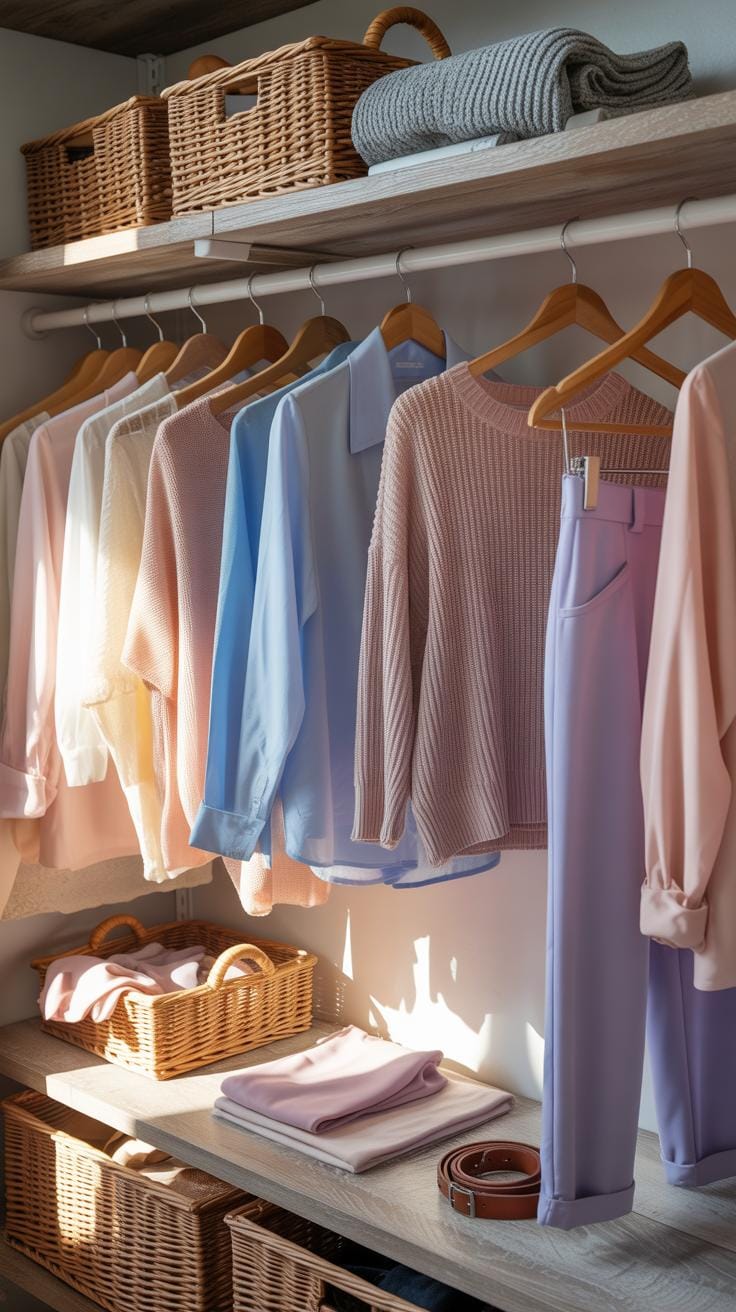
When it comes to readying your wardrobe for spring 2024, the process isn’t just about shoving clothes back in and hoping for the best. You want to think about what you actually wear and what’s just taking up space. Start by pulling everything out and giving it a look. Ask yourself if it still fits, if it’s in good shape, or if you’ve worn it in the last year or so. If anything feels like it belongs to a past era of your style, or maybe just never quite worked, consider setting it aside to donate or recycle.
Next, think about number and variety. You don’t need multiples of items you only wear once or twice. Freeing up room makes choosing outfits less of a chore. Try grouping your spring pieces together—light jackets, pastel tops, breathable pants—so you can easily spot your go-to options.
For organizing, it helps to arrange outfits by occasion: casual days, office wear, weekend outings. Maybe even create a designated shelf or drawer for accessories linked to those outfits. When you have looks prepped this way, mornings can feel a little less chaotic. You’ll thank yourself when you don’t have to dig through piles wondering what fits where.
Do you find yourself rushing to put something together in the morning? Consider prepping full outfits in advance. Having that slight edge of readiness can really ease decision fatigue, especially with spring’s unpredictable weather. Finally, keep an eye out for garments that might need a quick repair or freshening up—small fixes now save headaches later.
Creating Outfits from Your Collection

One way to refresh your spring wardrobe is by playing with what you already own and mixing in select new pieces. Think of this as a bit of experimentation rather than perfect planning. Sometimes, a casual blouse paired with a tailored blazer or a patterned skirt can offer a surprising new look that feels right for spring 2024. Don’t hesitate to layer textures—a silky camisole under a chunky knit or a denim jacket over a floral dress can add depth without needing all new clothes.
Try breaking the usual rules, like pairing colors you might not normally consider side by side. That green shirt you’ve been unsure about? It might work well with a soft pastel or even a bold stripe from your collection. The key is to keep your base pieces neutral and let the new items add interest.
Mix and Match Examples
Consider a lightweight trench coat combined with wide-leg linen pants and a fitted graphic tee. Or swap the tee for a layered button-up and add loafers for a more polished vibe. You could pair a floral midi dress with a cropped leather jacket to balance soft and tough elements. Or a pleated skirt with a chunky knit sweater and ankle boots for a spring twist. Texture mixing—like pairing corduroy with satin or cotton with leather—can subtly elevate your ensemble. Try combining patterns by keeping one print subtle and letting the other take the lead—for instance, thin stripes with small florals or plaid with minimal polka dots.
Personal Style Checklist
Defining your style might feel a bit elusive, but a quick checklist can get you thinking clearly:
- Which colors do you reach for most? Brights, earth tones, or neutrals?
- Do you prefer form-fitting styles or loose, flowing silhouettes?
- Are you drawn to classic pieces, or do you lean toward trend-driven items?
- What patterns make you feel comfortable—bold, subtle, or none at all?
- Is texture important—do you like the feel of certain fabrics more than others?
- Do accessories play a large role in your daily outfits?
Maybe you’re still exploring, and that’s fine. Sometimes your preferences change with the season or even the mood. Use this checklist to guide new purchases that truly complement your existing wardrobe, making outfit creation feel less like a chore and more enjoyable.
Conclusions
Spring 2024 outfit trends mix nostalgic styles with new twists. You saw that comfort, versatility, and social media influence shape what is popular. Comparing casual and formal trends helps you pick the right outfits for your needs. Focusing on key pieces lets you stay stylish without overspending.
Your shopping strategy should include checking trend sources early, picking versatile items, and avoiding fast fashion traps. With this approach, you can build a spring wardrobe that fits your style and budget, keeping you fresh and confident this season.