

The Intentionality Inversion: Why Most Biker Shorts Outfits Fail

Generic Advice Makes You Look Generic
You want permission to wear biker shorts without feeling like you’re making a mistake. Here’s the mechanism: the moment you follow the same styling formula everyone else does, you’ve already lost. Biker shorts became mainstream in the early 2000s through athletic wear, then cycled through high fashion around 2018. Now they’re everywhere. That saturation means the outfit that feels “safe” because it matches five Pinterest boards is precisely the outfit that registers as invisible.
The common advice tells you to pair biker shorts with an oversized blazer or a long cardigan. This works in the sense that it covers what makes people uncomfortable about the silhouette. But coverage isn’t strategy. It’s camouflage. Real styling means making a deliberate choice about what the shorts communicate, then building from there instead of neutralizing them.
Own Casual, Stop Defending It

Casual doesn’t mean incomplete. This distinction matters because most people treat casual biker shorts outfits like a placeholder until they’re ready to get dressed. The shorts themselves originated from function: compression, range of motion, sweat management. They’re built for activity. Rejecting that origin and styling them like you’re apologizing for wearing them produces the visual equivalent of hesitation.
Own what the shorts are built to do. That means pairing them with pieces that match their intentionality rather than contradict it. A fitted tank or an unbuttoned shirt over a sports bra. A minimal crossbody bag instead of a structured handbag. Sneakers instead of heels. The outfit works because every piece agrees on what it’s for: moving through the day without friction.

The Unspoken Code Of Black Biker Shorts: Not Just A Trend

Your Uniform, Not Your Statement
You want permission to stop thinking about what to wear. Black biker shorts deliver that. They function as foundational uniform in casual dressing, the same way a white oxford works in business wear. This is borrowed from military uniform theory: reduce decision fatigue by anchoring one piece so everything else becomes a variable you actually control. Black biker shorts don’t announce taste. They erase the question entirely and let the rest of your outfit do the work.
The piece itself comes from athletic compression wear, specifically the cycling and aerobics movements of the 1980s and 1990s. That technical heritage matters. You’re not buying fashion. You’re buying a garment built for function that happens to work visually. The fit stays consistent. The material doesn’t bag or shift. You can layer over it or build around it. That reliability is what makes it uniform material, not trend material.
Neutrality As Design Strategy
Black absorbs light and visual attention. In color theory terms, it’s the absence that makes everything else appear. Strategic neutrality means you’re not competing for attention with your base layer. A cream sweater lands harder over black shorts. A brown leather jacket reads richer. A printed top gets actual airtime instead of fighting a loud foundation. This isn’t compromise. It’s deliberate erasure of the wrong layer so the right one wins.
Common advice says to “let black biker shorts be your canvas.” That’s incomplete. The real mechanism is subtraction. You remove the variable that doesn’t matter so you can control the variables that do. This is why black biker shorts appear in professional minimalist wardrobes and why they survive trend cycles. They’re not bold or expressive. They’re strategic. Pair black biker shorts with one intentional top piece and one intentional outer layer. That’s the protocol.
Beyond The Oversized Shirt: The Biker Short Outfit Power Dynamics

Complementary Layers Over Camouflage
You’re reading this because you want permission to wear biker shorts without looking small. The real mechanism is this: the oversized shirt strategy fails because it treats biker shorts as a problem to hide instead of a design element to anchor. Complementary layering works by establishing visual relationship between pieces, not by adding bulk. A fitted tank, a structured jacket, or a cropped sweatshirt create intentional contrast. The outfit reads as deliberate rather than defensive.
The difference shows up in how people perceive your body. When you layer to complement, you’re making a compositional choice. When you layer to cover, the silhouette reads as confusion. A leather jacket over biker shorts signals authority. An oversized hoodie signals uncertainty. Same body underneath. Different visual language entirely.
Proportion Creates The Whole Game
Proportion in fashion works like counterbalance in physics: mass matters less than placement. Fitted on bottom demands fitted or structured on top, or the outfit collapses into visual noise. Biker shorts are form-fitted from hip to knee, which means they have inherent weight in the lower body. You’re not distributing that weight evenly if you add volume above. You’re stacking it.
The technical move is this: match the compression of your shorts with compression or structure in your upper half. A fitted crop top, a tight turtleneck, a tailored blazer. This creates visual rhythm. Your frame reads as intentional and grounded instead of accidentally proportioned. The outfit has presence because the silhouette has logic.
The Sporty Chic Outfit: A Masterclass In Calculated Contrast

Where Athletic Meets Refined
You want permission to look put-together without trying. That’s the real reason this matters. The mechanism is contrast theory from design: tension between opposing elements creates visual interest where sameness creates invisibility. Biker shorts are inherently athletic. Pairing them with tailored or luxe pieces transforms them from gym wear into intentional styling. The shorts stay functional. Everything else signals intentionality.
Most people get this backward. They throw biker shorts with other athletic pieces and wonder why they look like they rolled out of SoulCycle. That’s uniform matching, not styling. You need one anchor point that reads refined: a silk button-up, structured blazer, quality leather belt, or elevated shoe. The biker shorts become the textural break, not the aesthetic statement.
The Gym Floor Gap You’re Missing
The difference between sporty and sloppy is silhouette alignment. Avoid accidental “just left the gym” by controlling what happens at the hemline. Biker shorts that hit mid-thigh need a top that either tucks, ties, or ends above your natural waist. Oversized dropped hems paired with biker shorts create visual confusion. Your proportions read broken, not intentional.
Shoe choice matters more here than most people admit. Chunky sneakers with biker shorts land athletic. Pointed flats or structured loafers do the work for you. The shoe tells the viewer what category to put the outfit in. Neutral or muted tones on top keep the biker shorts from competing for attention. One statement piece per outfit, always.
The Biker Short And Oversized Shirt Fallacy: Reclaiming Silhouette

How Much Oversized Actually Means
You want the shirt to hide what you think people are judging you for, but that’s not how fabric works. The mechanism is simple: excess volume past your natural shoulder line reads as costume, not intention. “Oversized” doesn’t mean a shirt three sizes up. It means one size up, maximum, with the sleeve hitting mid-bicep and the hem landing at mid-hip. Anything beyond that collapses your frame into shapelessness and makes the biker shorts look like an accident you’re trying to cover.
The real play is shoulder drop. A proper oversized shirt has seams that sit one to two inches past your actual shoulder point. This creates intentional proportion without drowning you. Pair this with high-waisted biker shorts that sit at your natural waist, and you’ve got actual silhouette control instead of looking like you borrowed your roommate’s clothing. The shirt skims your torso without clinging or ballooning.
Cuffing And Tucking: The Micro Adjustments
Both tools move the same lever: breaking up horizontal line length. A front tuck (shirt tucked only at the center front, leaving sides loose) shortens your torso visually and anchors the biker shorts as intentional. A side tuck does the same work on your flanks. Cuffing the sleeves two to three times creates a finished edge that signals control, not default wear.
- Front Tuck: Tuck shirt center at biker short waistband, leave 2-3 inches of fabric loose on each side for movement and proportion.
- Side Tuck: Grab fabric at your hip bones and secure inside the shorts band, creating clean vertical lines without a full tuck.
- Half Tuck: Tuck shirt at one hip only for asymmetry that reads deliberate, not sloppy.
- Sleeve Cuff: Roll sleeves twice, cuff width should match your wrist width for visual balance at the arm opening.
- Hem Check: After any tuck, the shirt hem should graze your hip or sit one inch below, never bunching or creating bulk at the waistband.
The goal is breaking visual mass into sections your eye can parse. Without these adjustments, an oversized shirt and biker shorts read as two separate items fighting for attention. With them, they become one outfit with intentional proportion. Execute one adjustment per wearing, not all of them together.
Accessory Alchemy: Elevating The Biker Short Look
Footwear As Signal, Not Filler
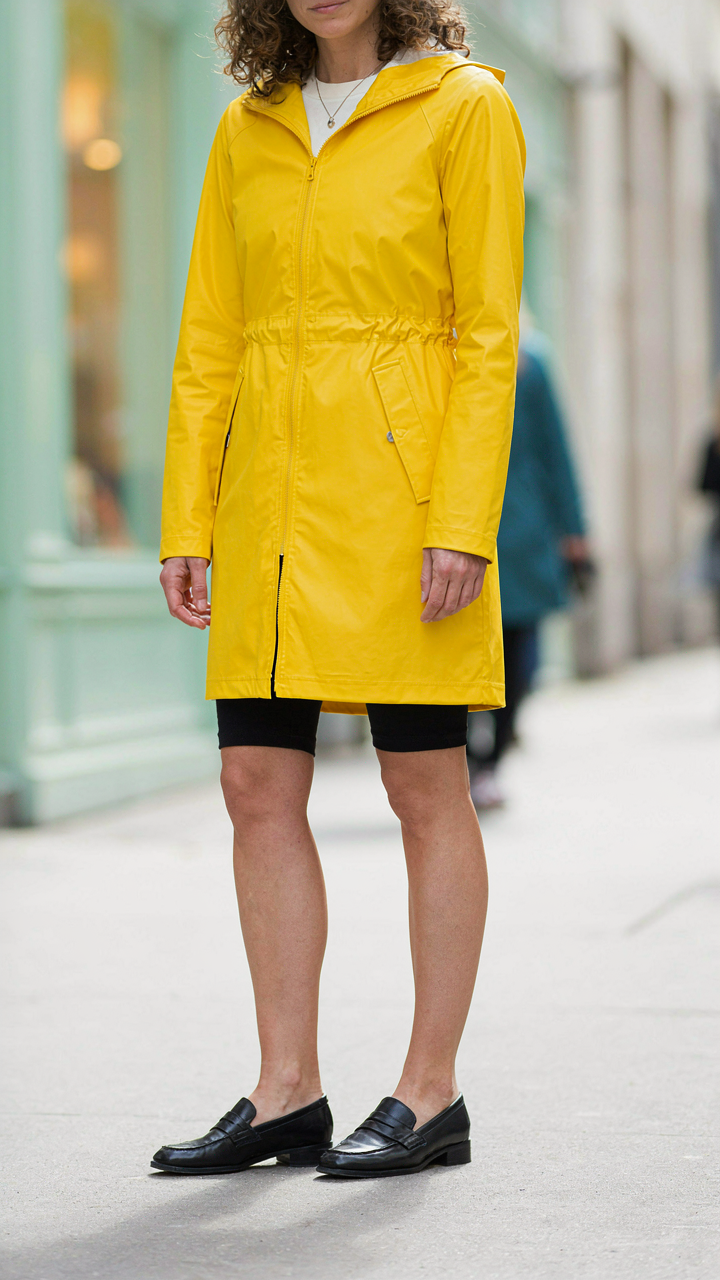
You’re worried that sneakers make you invisible. That’s the real problem here, and it’s solvable. Footwear works like economics: scarcity creates value. Common sneakers flood the market. Uncommon shoes create contrast. Biker shorts sit tight on the leg, which means your shoe choice becomes the visual anchor. A loafer, ballet flat, or pointed-toe mule changes the entire read from “athleisure default” to “deliberate aesthetic.” The shoe does the work that tight fabric cannot do alone.
Shoes dictate the outfit’s formality and intention faster than any other piece. Loafers signal polish without effort. Ballet flats read feminine and intentional. Pointed mules stretch the leg line and work with biker shorts’ clean geometry. Avoid the instinct to match energy levels between top and bottom. Clash them instead. Sleek shoe plus casual biker short equals stylistic control, not confusion.
Bags And Jewelry: Weight Through Precision
The common advice says “balance proportions.” That’s incomplete. Bags and jewelry operate through visual weight and intentionality, not through symmetry. A structured crossbody bag or a small shoulder bag grounds a biker short outfit because it anchors the silhouette at the torso. Oversized bags drown the clean line biker shorts create. Jewelry works similarly: one bold piece beats scattered accessories every time.
One silver chain or one set of chunky hoops creates presence. Multiple delicate rings scattered across both hands read as indecision. A watch or a bracelet serves as punctuation, not decoration. The mechanism is simple: precision signals intention. Casual days still benefit from intention. Choose one accessory category to emphasize. Leave the rest bare. That restraint is what separates an outfit from a collection of random items.
Black Biker Shorts Outfit Summer: The Heat Adaptation Protocol

Fabric Choice Beats Everything Else
You want black biker shorts to look intentional instead of like you gave up. That’s the real game here. The mechanism is material selection. Nylon and spandex blends dominate because they wick moisture away from skin faster than cotton. Cotton absorbs sweat and holds it. In summer heat, that distinction determines whether you look fresh or compromised by noon.
High-quality biker shorts use 80-90% nylon with 10-20% spandex. This ratio balances durability, stretch, and breathability. Four-way stretch fabric moves with your body without bunching. Avoid anything marketed as “heavy” or “thick” for summer wear. Lightweight nylon feels cooler against skin and dries completely within an hour of activity. The fabric thickness matters more than the brand name.
Strategic Layering For Temperature Control
Military dressing theory applies directly here: work from base layer outward, each piece reducing or trapping heat on demand. Your biker shorts function as the first control point in this system. The top layer determines your actual temperature management success.
- Oversized linen shirt: Drapes loose over shorts, blocks direct sun, and airflow keeps you cool without restricting movement or adding weight.
- Lightweight mesh tank: Pairs with black shorts while maintaining ventilation; mesh creates air channels that passive cotton cannot match.
- Unbuttoned camp collar shirt: Worn open over a fitted tee, this creates dead air space between fabric layers that insulates without trapping moisture.
- Cropped athletic tee: Sits at natural waist, exposes midriff for cooling, and balances the visual weight of longer shorts without overheating your core.
- Sleeveless button-up: Offers sun coverage on torso while keeping arms exposed; air moves freely through the open side seams.
The outfit stacks or removes layers based on morning temperature and activity level. Black shorts stay constant. The top piece shifts. Start covered at dawn, remove the outer layer by 10 AM when heat peaks. This prevents sweat damage to delicate fabrics and keeps you functional for eight hours instead of three.
The Biker Shorts Outfits Hierarchy Of Needs: Beyond Basic Comfort

When Comfort Becomes An Excuse For Invisibility
You’re not actually worried about comfort. You’re afraid that dressing intentionally requires effort you don’t want to spend. The mechanism at play here borrows from Maslow’s hierarchy: physical needs sit at the base, but self-expression lives higher up. Most people treat biker shorts as the base layer—a comfort purchase—and stop there. The real hierarchy inverts when you understand that how you present yourself affects how you move through the world. Comfort without direction reads as indifference.
A biker shorts outfit starts with fit and fabric, then builds toward intention. High-waisted cuts with a defined waistband create visual structure your body needs. Longer inseams (hitting mid-thigh or knee) establish proportion and prevent the athletic-wear-by-accident look. The material matters: compression blends with some structure outperform loose, droopy alternatives. From there, every layer—the top, the footwear, the outerwear—either reinforces or destroys the coherence you’ve started building. Comfort is the floor, not the destination.
The Hidden Tax Of Dressing Down Too Far
Most style advice tells you biker shorts are inherently casual, so pair them with anything and call it relatable. That’s incomplete. Trading style for perceived ease costs you presence, and presence costs you opportunities. When you wear an unstructured oversized tee with biker shorts and slides, you’re not maximizing comfort—you’re minimizing decision-making, which feels like comfort but reads as surrender.
The cost appears in micro-moments: how someone’s eye lands on you in a room, whether you stand out or fade, how your own posture shifts when you feel intentional versus thrown-together. A fitted tank top or a structured long-sleeve over biker shorts takes no more effort than an oversized shirt, but the output is radically different. Choose your top layer with the same attention you’d give to a staple jacket. That single choice transforms the outfit from accidental to deliberate.
The Biker Shorts Outfit As A Personal Brand Statement

What Your Outfit Actually Communicates
You want permission to believe your clothes matter without looking desperate. The truth is simpler: your outfit functions as a signal system. Every choice broadcasts a message about your values, priorities, and self-awareness. Biker shorts in particular carry loaded meaning because they emerged from function, not fashion. They say you understand the difference between trend adoption and deliberate selection. Your outfit is non-verbal data. People read it before you speak.
The mechanism works through pattern recognition. Your brain catalogues what someone wears and cross-references it against stored examples of “that type of person.” Biker shorts signal athleticism, directness, and comfort over performative dressing. They’re harder to misread than most garments because they demand a body confident enough to wear fitted clothing. This isn’t superficial. It’s how humans process information at speed. Your outfit either confirms consistency or creates cognitive friction.
Consistency Over Following The Cycle
Everyone else chases the rotation: biker shorts are in, biker shorts are out, biker shorts are back. This advice is useless. You’re not building a brand statement by riding waves. Real identity in clothing comes from repetition that aligns with actual behavior. If you’re sedentary, biker shorts paired with oversized blazers signal contradiction and confusion. If you move, train, or live in your body, they communicate authenticity. The gap between these two reads is enormous.
Build around what you actually do, not what feeds the algorithm. Wear biker shorts consistently if they serve your life, paired with pieces that reflect your genuine constraints and values. Someone who wears biker shorts three times a week to the gym, then styles them casually on weekends, builds a coherent statement. That repetition creates recognition. People remember you by pattern, not individual outfits. Your personal brand statement lives in the consistency, not the cleverness.
The Real Obstacle Isn’t Finding The Right Biker Shorts Outfit; It’s Your Inherent Aversion To Intentionality

Most people own biker shorts and never wear them because they refuse to decide. They wait for permission, scroll for inspiration, hope the outfit assembles itself. Stop. Pick one biker shorts outfit tomorrow morning and wear it. Not because it’s perfect. Because you chose it. The gap between mediocre and magnetic style isn’t taste or budget. It’s the willingness to commit to something before you feel completely sure. Get dressed like you mean it.