

The Myth Of Effortless Comfort: Why Your “Casual” Is Causing Stress

Comfort Clothing Isn’t Actually Comfortable
You want to believe that comfort clothes solve the problem of getting dressed. They don’t. The real issue is that “comfortable” has become marketing language for “I gave up deciding,” and that surrender costs you more than the two minutes you save each morning. Comfort in clothing works like comfort in economics: what feels easy in the moment creates hidden debt elsewhere. You pay for that ease through decision paralysis, repeat purchases of similar items, and the constant low-grade anxiety of never looking intentional.
The industry sells comfort as a destination, but comfort is just the absence of friction. A t-shirt that doesn’t itch is not the same as a t-shirt that works with your life. Generic comfort wear ignores the actual constraint: you need clothes that function across multiple contexts without requiring mental sorting every time you open your closet. Most people accumulate comfort pieces randomly, then wonder why they feel disorganized despite owning “so much stuff.” The pieces don’t talk to each other because they were never supposed to.
Too Many Options Kill The Point

Decision fatigue is real, but the real problem is worse than that. You have access to more clothing choices than any human in history, yet you wear the same five things. This isn’t laziness. It’s the paradox of choice operating at full force: when every item claims to be “versatile” and “casual,” nothing actually is. The mechanism is simple. Your brain needs constraints to function. Remove constraints and you get paralysis, not freedom.
Most casual wardrobes fail because they treat every piece as independent. You buy a “casual” shirt, then a “casual” pair of pants, then “casual” shoes, all separately, all from different retailers, with no coherent logic. The result is a closet full of items that don’t combine well. You end up with fifteen casual outfits that all feel like they’re missing something. The fix isn’t buying more. It’s establishing a clear system first, then buying only pieces that fit it. Start by defining three specific contexts you actually dress for, then build only for those.

The 3 Piece Power Play: Reclaiming Your Wardrobe With Core Essentials

Find Your Non Negotiable Anchors
You want permission to stop thinking about clothes. Most people frame this as minimalism, but the real mechanism is constraint. You’re not building a wardrobe. You’re eliminating the cognitive tax of daily choice. Pick three items you genuinely wear without forcing yourself, then stop shopping for that category. The items must fit your actual life, not the life you perform for Instagram. A navy blazer means nothing if you never leave your apartment.
Start with what already works. Look at the last thirty days of photos. What did you wear when comfort mattered more than impression? That’s your anchor. The anchor piece absorbs 70 percent of your wear because it solves a real problem you face repeatedly. Everything else in your casual capsule wardrobe exists only to rotate around these three. This is not about minimalism. This is about eliminating wasted mental energy on items that never leave your closet.
Three Items That Generate Infinite Combinations
The math here borrows from combinatorics, the field that solves how many arrangements you can make from a fixed set. With three core pieces, you’re not multiplying outfits. You’re multiplying the perceived variety while keeping the actual wardrobe static. A well fitted pair of jeans, a neutral long sleeve tee, and a casual overshirt create twelve workable casual capsule wardrobe combinations before you add a second layer. Most people see this and think “that’s boring.” The mechanism is different: boredom is avoidance of repetition. Uniform dressing destroys that signal.
Stack these three correctly and they become invisible. You stop choosing and start executing. The jeans stay the same cut and wash. The tee stays the same fit. The overshirt changes only in material or tone. Consistency trains your eye to see combinations other people miss because they’re drowning in options. After two weeks, dressing takes ninety seconds. After a month, you stop counting outfits because you’ve stopped counting at all.
Beyond Trends: Building A Casual Capsule Wardrobe For Women That Endures

The Trend Treadmill Never Stops
You want to feel current without looking desperate. That’s the real fear. But here’s the mechanism: trends work like planned obsolescence in manufacturing. Brands engineer desire by making last season’s items feel wrong, then push new silhouettes to restart the buying cycle. Your brain registers the shift as “I need to update,” when what actually happened is a coordinated marketing operation designed to make you feel behind. The moment you accept that fashion cycles exist to move inventory, not to improve your life, you stop chasing them. Women who build casual capsule wardrobes stop participating in this cycle altogether.
Chasing trends is a guaranteed path to style mediocrity because you’re always reacting instead of acting. You own pieces you don’t love, assembled because they were current when you bought them. A year later, they sit unused. The real cost isn’t the money spent on forgettable items. It’s the mental load of constantly deciding what’s still acceptable to wear. Trends demand perpetual recalibration. A casual capsule wardrobe demands one decision up front, then removes the question entirely.
Utility Over The Moment
Economics teaches us the concept of “sunk cost fallacy” and fashion exploits it ruthlessly. Here’s how it maps to your closet: you buy a trendy piece because everyone else owns it, then justify keeping it even after it stops working because you already paid. A utility-first casual capsule wardrobe inverts this. Every piece earns its place through function, not past investment. Cotton blends that move with your body. Necklines that work for the office and weekend. Fabrics that handle washing without degrading. Fit that doesn’t require tailoring or shrinking into.
Timeless utility means building around items that solve actual problems in your life. A well-made crewneck tee doesn’t go out of style because it was never in style to begin with. It simply works. The same applies to straight-leg jeans in dark indigo, neutral sweaters in merino wool or cotton, and simple button-ups. These pieces last years, not seasons, because their value comes from what they do, not from what they signify. Your casual capsule wardrobe becomes more useful the longer you own it, not less.
The Military Logistics Model: Deploying Your Travel Capsule Wardrobe

Every Item Serves Multiple Functions
You want to pack less because you’re afraid of looking unprepared or running out of options. That fear is the real problem, not the suitcase size. Military logistics calls this “multiplexing”—assigning one resource multiple roles to maximize operational capacity with minimal weight. In a capsule, this means each piece must work across at least three different outfits or contexts. A neutral overshirt becomes a layer, a light jacket, and solo wear depending on what you pair it with.
The mechanism is straightforward: eliminate single-use clothing. A sweater that only works over formal wear is dead weight. A shirt that pairs with exactly one pair of pants is a liability. You’re not minimizing for aesthetics or virtue signaling. You’re reducing decision friction and physical burden while maintaining coverage for actual life. Every garment earns its place by solving multiple problems in your regular rotation.
Fewer Pieces, All Scenarios Covered
Most packing advice says “lay out everything you might need, then remove half.” That’s backward and incomplete. You should start by mapping scenarios first, then identify the minimum pieces that cover them all. Military planners call this contingency mapping. In capsule terms, it means you write down actual situations you’ll face, then reverse-engineer the wardrobe from there instead of guessing.
Build your list around real conditions: office days, casual outings, weather shifts, unexpected dinners, exercise sessions. Then select pieces that handle multiple scenarios simultaneously. Neutral colors compound this effect—a single pant works with five different tops across totally different contexts. The test is brutal: if you can’t name three specific scenarios where a piece solves a problem, it doesn’t belong. Pack only what you’d actually wear in the situations you actually face.
Casual Work Outfits Capsule: The Unspoken Dress Code Of Competence

Clothing Signals Effort Before Speech
You care about this because people judge your reliability before you open your mouth. That’s the mechanism. Casual work wear operates like a visual contract: you’re saying “I take this seriously enough to dress intentionally, but not so rigidly that I’m performing.” This distinction matters. The difference between “I didn’t think about it” and “I chose this” reads instantly to everyone in the room. Your clothes are the first pitch before you throw any fastballs.
Most casual work guidance misses the actual rule: it’s not about relaxation. It’s about controlled choice. You wear casual work clothes to demonstrate decision-making, not to signal that you woke up and grabbed whatever. A wrinkled linen shirt reads as careless. The same linen shirt pressed with visible intention reads as thoughtful. The fabric doesn’t change. The signal does. Build your work capsule around pieces that show deliberate selection: chinos without wrinkles, a cotton shirt actually tucked, shoes cleaned. That’s the foundation.
Quiet Authority Through Fabric Choices
Fabric choice determines whether you look settled or scattered. Navy chinos in cotton twill project stability because the material itself resists wrinkles and maintains shape through a full day. Linen does the opposite by nature, introducing variables you can’t control. That’s not a flaw in linen, it’s a signal cost. In casual work settings, you absorb that cost and it reads as unprepared. Choose durable, structured fabrics for your baseline: cotton blends, wool blends, materials that keep their form without high maintenance.
Colors carry their own authority code. Navy, charcoal, olive, and cream form the anchor palette because they communicate consistency without screaming for attention. Bright colors, patterns, and novelty fabrics work against quiet authority because they demand interpretation. Your coworkers have to think about your clothes instead of thinking about your work. One printed shirt or one bright piece per week works fine. The rest should vanish into the background. That’s the mechanism: your outfit becomes invisible so your competence becomes visible.
The Anti Hoarding Protocol: Ruthless Elimination For A Leaner Closet

Define Your Expulsion Criteria
You’re reading this section because you want permission to throw things away without feeling guilty about waste. The real mechanism is simple: you need a written decision filter so emotion doesn’t hijack the process every single time you touch an item. Without criteria, you default to keeping everything because the cognitive load of deciding feels worse than the clutter.
Build your expulsion list now. These are the objective reasons an item leaves, no debate allowed:
- Doesn’t fit your body right now: If it requires tailoring, future weight loss, or aspirational sizing, it goes. Your closet is for your current life, not your projected self.
- Breaks within six months of regular wear: Fabric pills, seams split, zippers fail. Poor construction means it doesn’t belong in a capsule built for longevity.
- You haven’t worn it in a full calendar year: This is your personal wearing pattern baseline. If it didn’t make the cut through seasons, it won’t now.
- Creates decision friction when you get dressed: If you have to think about whether to wear it, your brain already rejected it. Trust that signal.
- Doesn’t align with your current life demands: You changed jobs, moved, or shifted routines. Clothes for your old context create clutter in your present one.
Apply these criteria without negotiation. The moment you start making exceptions, you’ve abandoned the protocol and returned to emotional hoarding. Print the list and reference it physically as you work through your closet. This removes the burden of deciding fresh each time.
The Weight Shift From Ownership
The psychology of excess isn’t about possession, it’s about the ongoing cognitive tax. You carry the mental weight of every item you don’t wear, every unworn purchase, every “maybe someday” piece. This tax compounds daily and masquerades as loyalty to objects or waste anxiety.
The liberation isn’t spiritual or aesthetic. It’s mechanical: fewer items means fewer decisions, less laundry, less storage management, less guilt about waste happening right in front of you. A leaner closet reduces the number of failed choices you encounter each morning. You stop seeing rejected outfits and start seeing only viable options. This is why people report that smaller wardrobes feel bigger, even though the math says otherwise. The signal to noise ratio improves. Keep only what you actually move your body in, and the friction of getting dressed drops to near zero.
Spring Travel Outfits For Women: Adapting To Environments, Not Emotions

Stop Packing For The Highlight Reel
You’re hoping a well-curated travel wardrobe proves you have your life together. The real mechanism is simpler: spring travel requires you to abandon emotional attachment to pieces and optimize for the specific climate zones you’ll actually encounter. Most people pack based on what they wish spring weather would be, not what it actually does.
Spring weather doesn’t care about your aesthetic. Temperatures swing 20 degrees between morning and afternoon in most regions. Humidity, wind, and sudden rain aren’t obstacles to your style—they’re the constraints that determine what works. Your capsule succeeds by treating spring as an engineering problem, not a fashion one. Pick neutral base colors, then stack pieces that move with temperature shifts without requiring you to change outfits.
Layering Is Your Weather Armor
Layering operates like thermodynamics: manage heat exchange, not just warmth. A tank top under a linen shirt under a lightweight cardigan isn’t redundancy—it’s a system where each piece removes independently as conditions change. Most people layer wrong because they treat it as “getting warmer,” not as “controlling when heat escapes.”
The standard approach is broken. Bulky layers take luggage space and create bulk at the core that ruins your silhouette. Instead, use a base layer (merino wool or a fitted tee), a mid-weight piece (a linen button-up or thin sweater), and a packable outer shell (a denim jacket or lightweight blazer). Each piece works alone or stacked. Pack one set in neutrals and rotate it through different outings. This collapses a five-day wardrobe into four tops and two bottoms that recombine endlessly.
The Investment Fallacy: When “Cheap” Costs You More In A Fashion Capsule Wardrobe

Why Disposable Clothing Drains Your Wallet
You’re hoping cheap basics let you build a capsule without spending real money. Here’s the mechanism: fast fashion operates on replacement velocity, not durability. A $12 shirt that loses shape after five washes costs you more per wear than a $60 shirt worn fifty times. The math is simple, but most people ignore it because admitting they got played by marketing feels worse than the actual dollar loss.
Economics has a term for this. It’s called the “cost of ownership,” and in casual capsule wardrobe strategy, it’s everything. Fast fashion weaponizes initial price to hide total cost. You buy more pieces to fill gaps left by items that deteriorated. You replace failed basics instead of rotating a smaller set of reliable ones. The capsule idea collapses when the foundation pieces don’t last long enough to justify the system.
What Actually Signals Quality Worth Paying For
Forget the generic advice about “natural fibers.” That’s incomplete. Real quality shows itself through construction density, not material name alone. A cotton twill shirt with tight, consistent stitching and reinforced stress points (shoulder seams, collar base, cuff attachments) withstands repeated washing because the maker engineered it to. Loose, skipped stitches are visible. Fraying hems appear in the first month. These aren’t subtle.
Weight matters in a specific way. A casual t-shirt or basic long sleeve should feel substantial in your hand, not flimsy. Thin fabric pills faster, bags at elbows and shoulders, and loses color saturation within weeks. Density also affects drape and longevity, which means your pieces continue to look intentional after months of rotation. Check seams, hems, and collar tape before buying anything that sits in your capsule rotation.
Beyond The Hype: Actual Capsule Wardrobe Principles That Deliver
Minimalism Without The Instagram Filter
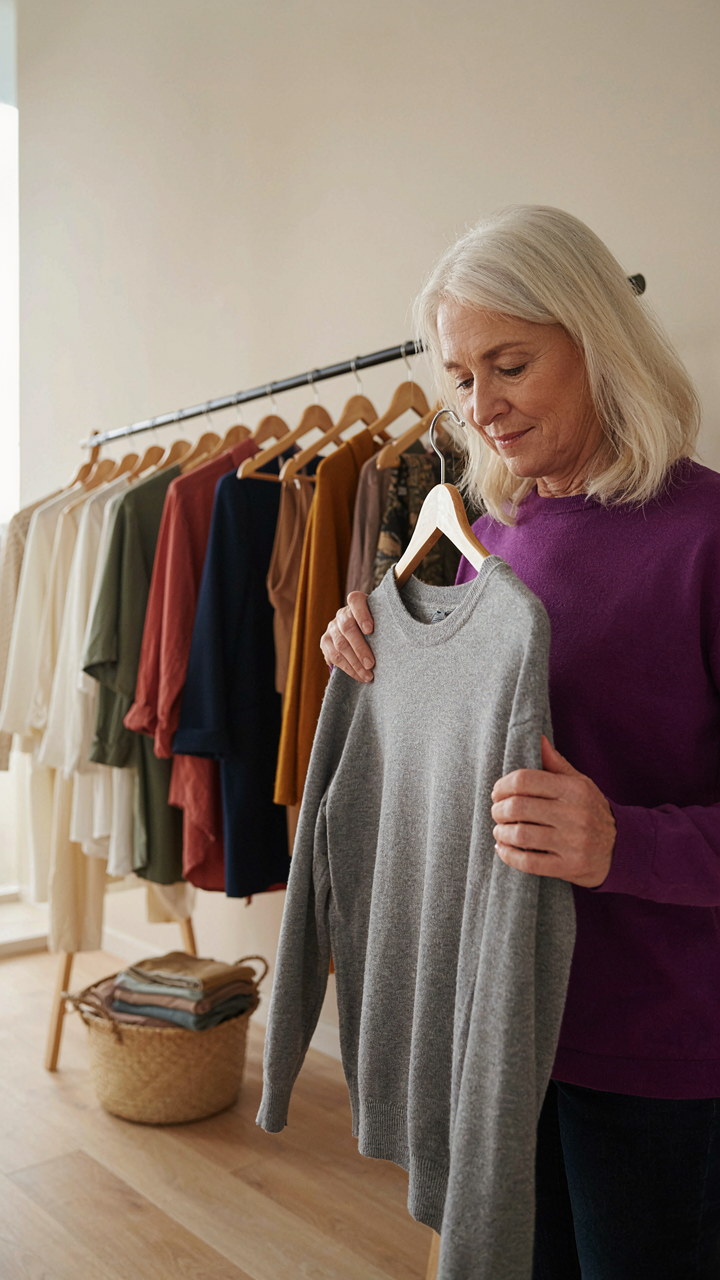
You want people to think you’ve figured something out that they haven’t. That’s the real reason this section matters. Here’s what actually separates real capsule thinking from the aesthetic version: genuine minimalism operates on constraint, not curation for appearance. A capsule wardrobe is a system, not a collection. The difference is mechanical. A system has rules that force trade-offs. A curated collection just looks intentional while you still own too much.
The Instagram version of minimalism treats clothes as props in a lifestyle narrative. You own fewer items, sure, but you still shop the same way—chasing visual harmony and the feeling of having solved something. Real capsule thinking inverts this: you own fewer items because you’re solving a problem, not illustrating one. You wear the same things repeatedly because they work, not because they photograph well together.
Versatility Over Visual Coherence
Economics calls this optimization under constraint, and a casual capsule wardrobe is just demand stacked against limited supply. You have ten tops. Each one must work with at least five bottoms. That forces a different purchasing logic than buying pieces you like. Most people buy what catches their eye. A functional capsule wardrobe requires pieces that solve for multiple contexts: office casual, weekend, low-stakes social, work-from-home. This is harder than it sounds, which is exactly why most capsules fail.
Versatility demands neutral colors, simple patterns, and fabrics that don’t dominate the outfit. It also demands you abandon the idea that every piece should feel special. Staple pieces feel boring precisely because they’re supposed to recede and let context determine the outfit. You wear the same gray crewneck sweater three times a week because it works with everything, not because you’ve learned to love it. Utility kills the need for novelty. Buy pieces that pair with at least sixty percent of what you already own.
The Systemic Efficiency Of A True Capsule Wardrobe
Decision Fatigue Is The Real Cost You’re Paying
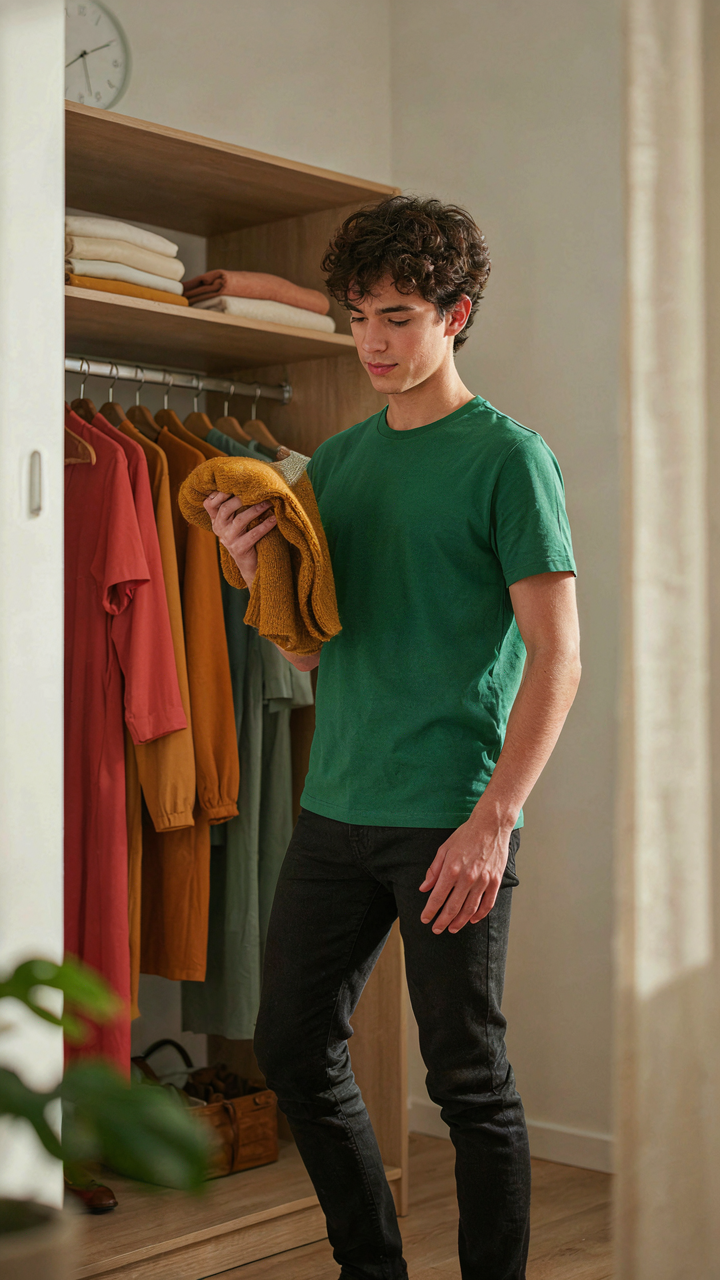
You think you want more choices. What you actually want is to stop choosing. A casual capsule wardrobe works through the same mechanism that economics calls “constraint as clarity”—removing options doesn’t limit you, it focuses your bandwidth toward decisions that matter. Every morning you spend five minutes deciding between thirteen similar shirts is five minutes stolen from work, strategy, or rest.
The math is straightforward. A 30-piece capsule wardrobe generates roughly 300 outfit combinations through basic mixing. A 60-piece closet filled with orphaned pieces generates decision paralysis instead. You hit a threshold where more items create negative utility. Beyond that point, each new piece forces you to mentally catalog what it pairs with, when it’s appropriate, and whether it actually serves a function. That cognitive load compounds daily.
Compounding Returns On Every Dollar Spent
Think like an investor, not a shopper. Economics teaches compounding—returns generating returns. A 70-dollar linen shirt worn 80 times across three years costs 87 cents per wear. A 40-dollar impulse purchase worn four times before abandonment costs ten dollars per wear. Most people calculate price. Smart people calculate cost per wear, which is the only metric that matters.
The efficiency accelerates as you shrink your collection. Each piece you add to a 20-piece wardrobe multiplies its value by forcing compatibility. A new neutral works with everything already hanging. A new color works with multiple textures. You’re not buying items—you’re buying compounding utility. When you actually commit to a casual capsule wardrobe, you reverse-engineer your purchases: you buy what fills gaps in what you already wear, not what excites you in a store.
The Real Problem Isn’t Your Wardrobe; It’s Your Indecision, Masquerading As Choice

You don’t need more clothes. You need fewer decisions. A casual capsule wardrobe forces you to commit instead of collect. Every piece either works or it doesn’t. Stop scrolling for the perfect item and buy three basics today—a white tee, dark jeans, a neutral jacket. Wear them for a week. You’ll realize the outfit never mattered. Your confidence did.