

The Cognitive Load Fallacy: Why More Clothes Mean Less Freedom

Decision Fatigue Is The Real Tax On Your Time
You think a bigger closet gives you more options. It doesn’t. You’re actually paying a hidden tax every time you open your closet door. Neuroscience calls this decision fatigue. Each choice depletes your cognitive resources, even when the stakes are low. A mom with 40 wearable pieces makes roughly 8 times more outfit decisions per week than a mom with 5. Those micro-decisions compound. By noon, you’ve burned mental energy that should go toward your actual work or your kids.
The consensus advice says “just wear what makes you feel good.” That’s lazy. The mechanism is simpler: abundance creates paralysis, not freedom. More options mean more variables to process. Your brain treats choosing between 30 black shirts the same way it treats a major decision. You feel the friction even if you don’t name it. That friction steals focus. This is why successful people wear the same thing repeatedly. They’re not being boring. They’re protecting their bandwidth.
Mental Bandwidth Returns When Constraints Tighten

Economics borrowed the concept of scarcity from resource allocation. In wardrobe design, scarcity works the same way. Fewer pieces force prioritization. You stop asking “what should I wear” and start asking “which piece serves today.” That shift collapses decision time from minutes to seconds. A mom who owns 7 core pieces knows exactly what works before she gets dressed.
The real payoff shows up in hours reclaimed. Not minutes. Research on decision fatigue shows that people with constrained choice sets make faster decisions and report higher satisfaction with their selections. You’re not sacrificing options. You’re eliminating the illusion of options that never served you. The protocol is direct: audit your closet, keep only pieces that solve a specific problem, and stop shopping. The mental space you recover becomes usable energy for everything else.

Beyond Basic: Defining Your True Mom Uniform Blueprint

What Actually Matters To Your Closet
You want permission to stop thinking about clothes. That’s the real problem here. Most advice tells you to identify your “lifestyle” as if that’s some fixed thing you discovered about yourself, but that’s backwards. Your capsule works only when it maps to the specific physical tasks you repeat most days. Identify the three to four activities that consume your time: school runs, work from home, errands with kids, social events. For each, name the friction points. Sticky fingers mean washable fabrics. Sitting on floors means you need pants that don’t split at the seam. Time scarcity means nothing that requires ironing or special care.
Comfort isn’t a luxury preference in a mom capsule. It’s a load-bearing requirement. Your body signals when a garment fails you, and you’ll abandon it in three wears no matter how strategic it looked on paper. Write down exact discomfort triggers: Do you overheat? Do bra straps dig? Does high waistbands cut into your midsection when you bend? Does fabric pill after washing? These aren’t complaints. They’re data that tells you which materials and cuts survive your actual life. Test this by wearing a candidate piece during your highest-friction activity, not around the house.
Design, Not Just Fabric
The phrase “mom friendly” usually means “elasticated and oversized,” which is actually lazy design disguised as practicality. Real functionality comes from cut and construction. A well-fitted pair of ponte pants with a structured waistband stays in place when you move, doesn’t gap at the back, and handles repeated washing without losing shape. A shirt with a slightly dropped shoulder and longer torso proportions works during pregnancy and postpartum without screaming “maternity wear.” Garment engineering solves the problem that stretchy fabric attempts to hide.
Washability and durability matter more than fabric fiber content alone. Natural fibers shrink or wrinkle. Synthetics pill or trap odor. Blends often perform better across multiple wash cycles. Check seam construction before buying. Flat-felled or reinforced seams at stress points outlast single-stitched garments by years. Examine how fabric recovers after wringing it in your hand. If it springs back, it survives the chaotic pace. If it stays creased, it won’t. Buy one test piece, wash it five times, then decide if the whole category works.
The Inversion Principle: Building A Casual Outfits For Moms Wardrobe Backwards

Start With What The Day Demands
You want to feel put-together without thinking about it. That’s not vanity—it’s the real reason you’re reading this. The mechanism is simple: most moms build wardrobes by collecting pieces they like, then struggle to combine them. Inversion flips this. You define the outcome first—the impression you need, the energy you want, the friction points you face—then you buy only pieces that serve those outcomes. This removes decision fatigue at the source instead of just making bad decisions faster.
A mom with three school pickups, a client call, and dinner prep needs her clothes to work across states. Not moods. Your wardrobe should solve for function before aesthetics. You’re not dressing for a photo. You’re dressing for a life that doesn’t pause. Start by listing the five situations you dress for most: morning routine, work or errands, kid activities, partner time, sleep. For each, write down what impression you need to project and what you actually need the clothes to do. Can the fabric handle being sat on a sticky car seat? Does it breathe if you’re stressed? Will you rewear it without washing? Answer these questions before you touch a shopping cart.
Cut Pieces That Cost You Energy
The common advice says get rid of things you haven’t worn in a year. Wrong. That metric misses the real problem: friction pieces. These are items you own but don’t wear because they require something else—a specific bra, tailoring, ironing, mental effort to match. They live in your closet like debt. Economics calls this a sunk cost fallacy. Apply it here as a removal principle: if you own a piece but avoid wearing it because it creates friction rather than ease, it’s a liability masquerading as inventory.
Friction isn’t always obvious. A white linen shirt might be beautiful but unwearable if you have young kids and no dry cleaner within ten minutes. Jeans that need a belt will sit while belted ones rotate. Neutral tones that don’t work with your skin tone create an extra mental filter each morning. Your job is ruthless: audit everything you actually wear versus everything that exists in your closet. For every unworn piece, identify the friction point. If it’s not something you can fix in five minutes, remove it. This clears space for pieces that genuinely support your life.
The Minimum Viable Wardrobe Protocol For New Mom Capsule Wardrobe

Build Your Foundation Before Accessories
You want permission to stop thinking about clothes. That’s the real draw here, and it’s valid. The mechanism is simple: anchor pieces reduce decision fatigue by establishing a stable base that works across multiple contexts. Think of it like inventory management in supply chain logistics. Your “stock” needs core items that pair with almost everything else, eliminating the cascade of choices that derails mornings.
A new mom operates under time scarcity. You need pieces that work unwashed, that tolerate spit-up and formula stains without showing them, and that transition from feeding at 2 AM to a grocery run without changing. These aren’t nice-to-haves. They’re the operating system your wardrobe runs on.
- Neutral Base Tees: 3-4 in white, gray, black, and one muted tone. Wear under layers, wear solo, pair with anything. Cotton blends dry faster than pure cotton.
- Well-Fitting Jeans: 2 pairs minimum, one dark wash one lighter. Skip trends here. You need them to fit postpartum bodies for months, not weeks.
- Layering Cardigan: Oversized neutrals work best. Covers nursing access, hides stains, functions as a jacket substitute on mild days.
- Structured Pants: One pair that isn’t jeans for non-weekend contexts. Soft fabrics with a hidden drawstring waistband beat rigid materials.
- Long-Sleeve Henley: Acts as a base layer or standalone. Solves the arm-coverage problem without the bulk of a sweater.
These five categories are non-negotiable. Every other piece you add should pair with at least three items already in rotation. This is how you avoid buying clothes that sit unused while you rotate the same three outfits. Test each anchor piece for one full week before adding anything else.
Buy For Your Current Life, Not Your Future Self
The standard advice here is wrong. You’ll hear “build slowly” and “invest in quality,” which sounds smart but misses the actual problem. Moms don’t fail at capsule wardrobes because they buy fast fashion. They fail because they buy for an imaginary version of themselves that has time, sleep, and a stable body weight.
Your purchases must solve for today’s constraints. If you’re nursing, buy nursing-accessible tops now, not the structured blazer you’ll “eventually” wear to client meetings. If you’re covered in spit-up daily, buy machine-washable fabrics, not delicates. If your body is still shifting postpartum, buy pieces with slight give in the waistband, not rigid fits. This isn’t settling. It’s building a wardrobe that actually functions instead of one that judges you for not being ready to wear it yet.
One rule eliminates 80% of bad purchases: don’t buy anything unless you’d wear it within the next two weeks. That timeline forces you to think practically. You’ll skip the aspirational white linen pants and grab the black ponte instead. You’ll pick the nursing tank over the structured top. Your wardrobe becomes useful immediately, which means you actually reach for it, which means it pays for itself through utility, not through promise.
The Redundancy Paradox: Why Duplicates Are Strategic For Mum Capsule Wardrobe

Predictable Systems Beat Perfect Variety
You want to believe one of everything is enough because it feels efficient. It isn’t. Military logistics solves this through interchangeable parts and predictable demand cycles. Your capsule wardrobe works the same way. When you own multiples of the same high-performing item, you eliminate the decision cost and the failure cost simultaneously. No scrambling when one is dirty or damaged.
The math is simple: duplicate your essentials and you remove friction from the system. A mom with two black Merino wool base layers never faces the choice between laundry delay and wearing something unsuitable. She also never wastes mental energy on this choice. That’s the mechanism. Redundancy trades variety for reliability, and reliability is what actually moves your life forward on a busy day.
Buy The Same Thing Twice
The advice to “invest in quality pieces” misses the point entirely. You don’t need variety in your best items. You need availability. When you find a fitted tee, a pair of trousers, or a sweater that works with your body and your schedule, buying two is not excessive. It’s operational. You’re guaranteeing one is always available while the other cycles through washing.
Strategic duplication also flattens the wear curve. Instead of one item taking all the stress from rotation, you split the load. That tee you wear three times a week lasts longer when you have two. Merino wool, cotton blends, and structured knits all degrade slower under distributed pressure. Buy the item that already works. Then buy it again. This removes the need to hunt for a replacement when the first one finally wears out.
Seasonal Cycles: Evolving Your Stay At Home Mom Wardrobe (Fall Capsule Wardrobe)

Build Layers Before You Buy
You’re hoping a seasonal refresh means you finally get to shop guilt-free. The mechanism is simpler: fall doesn’t require new clothes. It requires fabric weight and structure that your summer pieces don’t have. The engineering principle here is thermal resistance—layering creates insulation without bulk. A linen tank works in July. That same tank under a knit cardigan and structured blazer works in September. You’re not replacing the foundation; you’re adding density on top.
Most advice tells you to “add sweaters.” That’s incomplete. You need to audit what actually layers with existing pieces. A long-sleeve fitted tee under your summer dresses extends their life two months. A denim jacket that fits over everything becomes the workhorse. The bottoms stay the same—neutral pants, darker denim. Fall dressing is arithmetic, not reinvention. Count what stacks before you spend.
Strategic Swaps, Not Complete Rotations
Seasonal fashion dictation wastes both money and mental space. What actually works is identifying the three to four items doing 80 percent of the work in your summer rotation, then replacing only those with heavier-weight versions. Your white linen shirt becomes a cream knit long-sleeve. Your lightweight trousers become structured wool blends. Footwear shifts from sandals to ankle boots or loafers. Everything else stays.
The protocol is: photograph your most-worn pieces from August. Match the silhouette, not the season aesthetic. Avoid the trap of buying “fall colors”—burgundy, rust, chocolate brown—when you already have a neutral palette that works. Add one complementary shade maximum. Try on new pieces against existing items before checkout. One sweater that doesn’t coordinate with five bottoms is clutter, not a wardrobe.
The Anti Trend Imperative: Curating Your Mom Capsule Wardrobe

Invest In Timeless Utility, Not Fleeting Fads
You want permission to ignore what’s trending because you’re afraid you’ll look outdated and your kids will sense it. That’s the real mechanism at work. Trends exploit scarcity psychology. Fashion cycles create artificial urgency so you replace working clothes with new ones. Your mom capsule isn’t a fashion statement. It’s infrastructure. A pair of dark jeans functions identically whether they’re this season’s cut or from five years ago.
Utility pieces outlast trends by definition. A white cotton tee, a structured blazer, quality denim, a neutral cardigan: these items have remained functional for decades because they solve actual problems. They layer. They transition between contexts. They hide spills. They don’t require constant replacement because the design doesn’t depend on a seasonal pattern change. When you build on utility instead of novelty, you’re not fighting the calendar. You’re working with unchanging human needs.
Your Aesthetic Belongs To You, Not The Algorithm
The common advice says “find your style inspiration on Pinterest or Instagram.” That’s incomplete. Those platforms show you what performs well algorithmically, not what matches your actual life or body. Social proof becomes a trap. You see a piece worn by someone whose life looks like yours and assume it’ll work the same way. It won’t. Your commute is different. Your climate is different. Your body moves differently.
Define your aesthetic by constraint, not by curation. What colors make you feel capable instead of tired? What fabrics survive a washing machine and still fit? What necklines don’t trigger you to adjust throughout the day? What sleeve length works for your arm shape? Answer these questions yourself, without external reference. Your mom capsule works when it reflects your actual schedule and body, not when it matches someone else’s feed. Start by documenting what you already reach for and why.
Maintenance As Mastery: Sustaining Your Capsule Wardrobe Women
The Inventory Loop That Actually Works
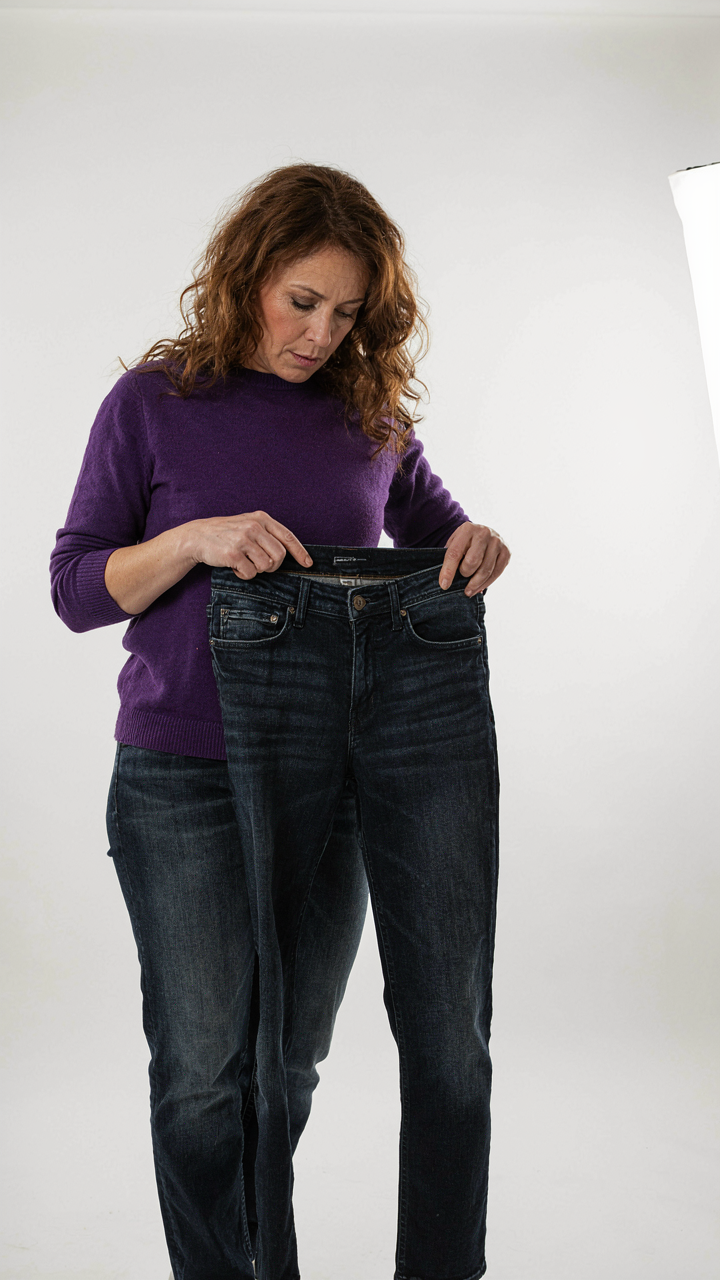
You want to feel in control. That’s the real reason you care about this section. The mechanism is simple: a capsule wardrobe only stays functional when you know what’s inside it and remove what no longer works. Most advice tells you to do a seasonal purge. That’s incomplete. You need a monthly audit that takes fifteen minutes. Pull every piece, check for damage, note what you actually wore, and immediately remove anything that didn’t perform. This prevents the slow decay where dead weight accumulates and your capsule becomes a regular closet again.
The second part of this is ruthless decluttering, and you must establish a clear decision rule before emotion enters the room. A piece stays if: you wore it in the last sixty days, it fits your current life, and it coordinates with existing items. Everything else leaves. Document what you remove and why, not to feel bad about past purchases, but to stop the pattern. Most moms keep clothes out of obligation or guilt. That’s the trap. Your capsule serves your life now, not your imagined life or your past self.
Guarding Against Creep
Fashion uses entropy as a concept, and your capsule experiences it constantly: disorder increases unless you actively prevent it. Wardrobe drift happens when you gradually add pieces without removing others, transforming your capsule back into chaos. The prevention strategy is a fixed quota. Decide your number: say thirty to forty pieces for a functional mom’s capsule. When you want to add something new, you must remove something old first. No exceptions. This creates friction that forces intentional decisions instead of reactive shopping.
The secondary guard is a one-in-one-out rule applied to each category: tops, bottoms, layers, outerwear. When a new top enters, an old top leaves. This isn’t deprivation. It’s boundaries that keep your system alive. Track this in a simple spreadsheet or note if you want data on what you’re removing and why. After three months of this practice, you’ll notice patterns: certain brands fit better, colors you reach for repeatedly, and gaps that actually matter. You’ve moved from passive owner to active curator. That clarity shapes every purchase from that point forward.
The Real Obstacle Was Never Your Closet; It Was The Unexamined Choices Stealing Your Cognitive Load

Every outfit decision you make drains the same mental energy you need for your kids, your work, your sanity. A capsule wardrobe for moms isn’t about looking polished. It’s about freeing your brain to do what actually matters. Stop treating your closet like a problem to solve and start treating it like a tool you optimize once then forget about. Today, pull out ten pieces you actually wear and commit to them for one month. You’ll realize you never needed the other eighty pieces. You just needed permission to stop choosing.