

How A Minimal Wardrobe Affects Your Routine
Minimal wardrobes help people simplify their clothing choices and reduce clutter. However, mistakes in building or maintaining a minimal wardrobe can hurt your style and fitness progress. Many people underestimate the effect of their clothing on their daily life, including exercise routines.
This article highlights common minimal wardrobe mistakes that impact how you look and feel. You’ll learn practical ways to fix these errors and align your style with your fitness goals. Whether you want to dress sharp or stay comfortable during workouts, avoiding these pitfalls can streamline and improve your wardrobe experience.
Understanding Minimal Wardrobes

What Defines a Minimal Wardrobe
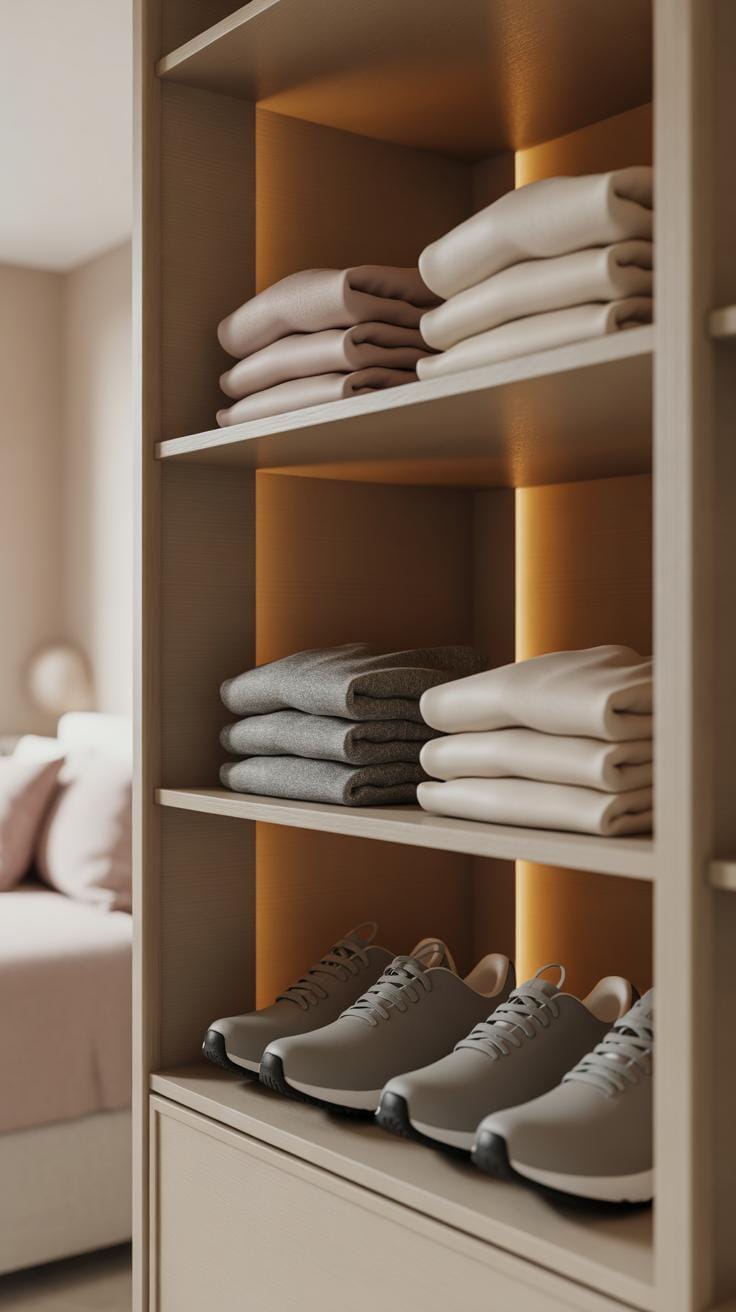
A minimal wardrobe is not just about owning fewer clothes. It’s a carefully curated collection focusing primarily on simplicity and necessity. The goal is to reduce clutter, making dressing easier and more intentional. Minimal wardrobes often prioritize versatility—pieces that can mix and match effortlessly rather than many unique items rarely worn.

Unlike regular wardrobes, which tend to accumulate a wide variety of styles, colors, and trends, minimal wardrobes concentrate on timeless basics and functional essentials. They strip away distractions, leaving you mainly with what you actually wear. That said, minimal doesn’t always mean boring. Sometimes, it’s about subtle choices, like selecting neutral tones that work well in multiple settings or cuts that flatter different occasions.
Types of Clothing Included
Typical items found in minimal wardrobes include:
- Plain t-shirts or long sleeves in neutral colors—think white, black, gray—because they layer well and never go out of style.
- A pair or two of well-fitting jeans or trousers, chosen for comfort and adaptability.
- A few versatile outerwear pieces, like a jacket or blazer, that can dress things up or down.
- Simple dresses or skirts that move easily between casual and slightly formal.
- Quality footwear selected for everyday wear rather than just style.
People often pick these items because they simplify choices without losing practicality. Though what’s “essential” can vary depending on lifestyle, the core idea is to have garments that serve multiple purposes and feel comfortable. I guess it’s sometimes tricky to decide what counts as essential—maybe a sweater is vital for one person but unnecessary for another. It’s a bit of a personal puzzle.
Why Minimal Wardrobes Matter
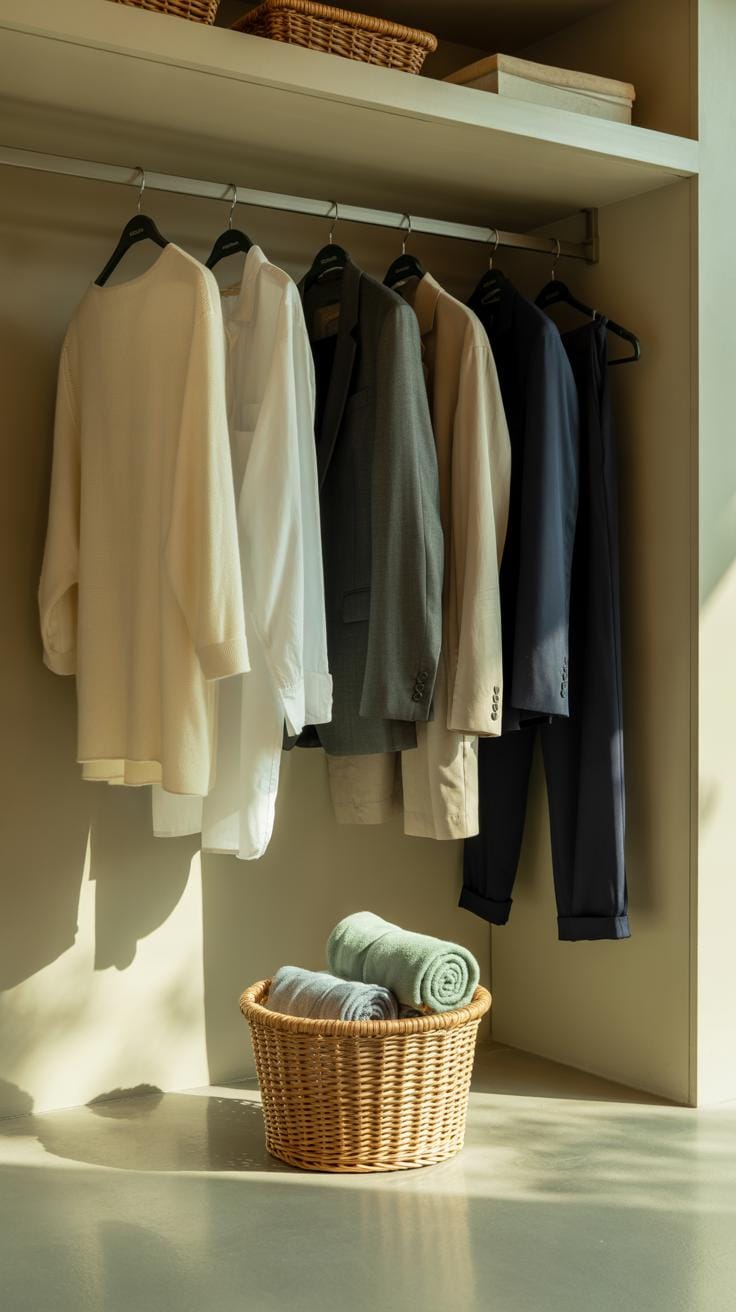
When you pare down your wardrobe to just the essentials, something interesting happens. Your style becomes clearer—not rigid, but easier to understand. It’s less about chasing trends and more about finding what really fits you, both physically and mentally. I’ve found that a small, well-chosen collection helps avoid the usual morning scramble. You spend less time deciding and more time… just being ready. That calm feeling tends to stick around.
There’s also a mental side to it. Too many options can actually tire you out in a subtle way, messing with your focus before the day even starts. Cutting back making those choices removes that fog. But, then again, some people might miss the thrill of variety. So, it’s a bit of a trade-off, which maybe depends on your mood or your lifestyle.
For those active in their daily routine, a minimal wardrobe supports movement and flexibility. You aren’t wrestling with stuff that doesn’t match or fit right when you want to be active. Clothes become tools rather than obstacles—even when you switch quickly from work to a workout. Simplifying what you wear can help you keep your momentum.
Sizing Issues That Derail Style
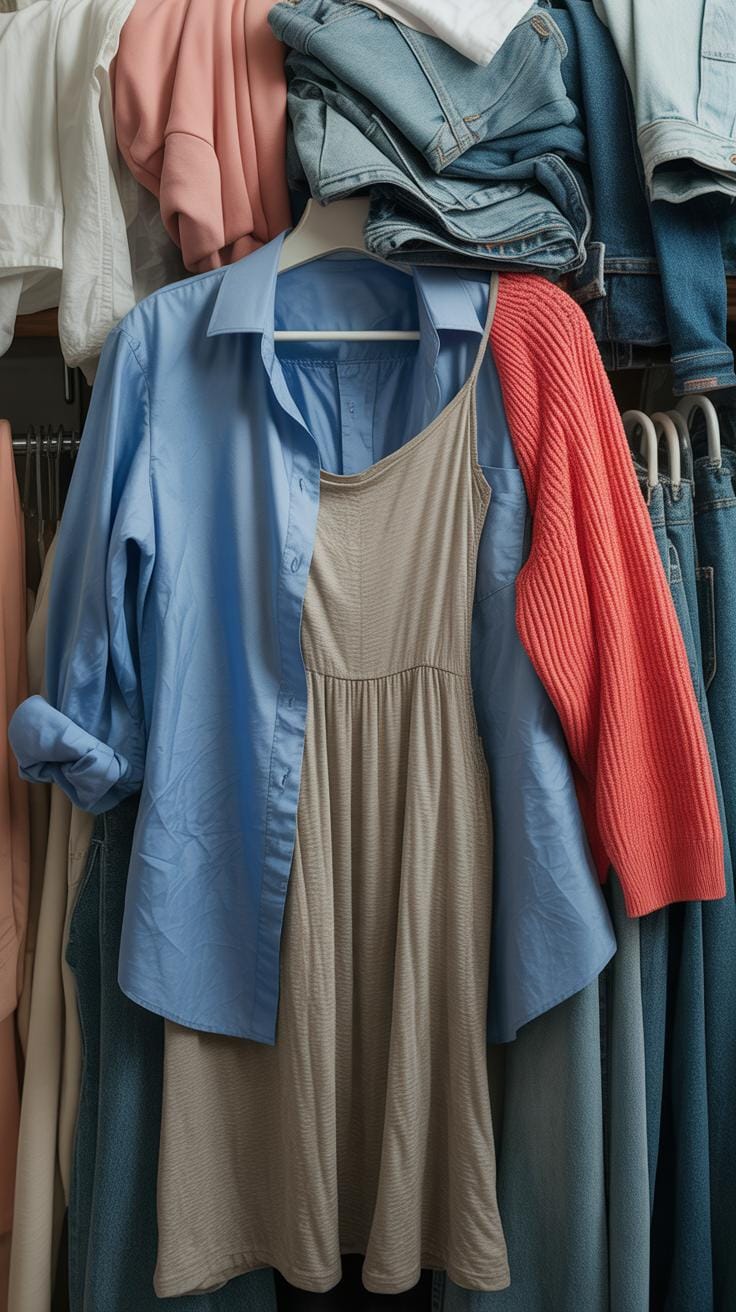
Poor fit can completely undermine a minimal wardrobe. When your clothes are too tight or too loose, they don’t just look off—they limit your movement, making physical activity uncomfortable or even awkward. Think about trying to stretch or bend in a shirt that’s a size smaller than you need. It’s frustrating and can discourage you from staying active. On the other hand, oversized pieces tend to drown your frame, hide your shape, and feel sloppy rather than minimal. You might believe a looser fit feels relaxed, but if it interferes with your comfort or confidence, it’s doing more harm than good.
When your wardrobe is minimal, every item should support both how you look and move. A badly sized piece stands out because there’s nothing else to distract from it, and that can shake your sense of style.
Choosing the Right Fit
Finding well-fitting clothing for a minimal wardrobe means focusing on a balance. Neither skin-tight nor baggy should dominate your choices. Here are some tips that have helped me and others:
- Try pieces on rather than guessing sizes. Sizing charts alone rarely tell the full story.
- Pay attention to key areas: shoulders, waist, and length. If those fit well, the garment is usually good to go.
- Consider your typical movements—if you’re often bending or stretching, test the garment for flexibility.
- Don’t aim for perfection. Slightly looser fits in some pieces can be fine if balanced with more tailored items.
Sometimes, the ‘right’ fit feels different depending on the fabric or cut, so trust how you feel wearing it too.
Adjusting Clothes for Comfort
If something doesn’t fit quite right but you love it or it’s a staple piece, altering may be your best choice. Simple tweaks can save a lot of frustration:
- Shorten sleeves or hems if they drag or catch.
- Taper pants or skirts at the waist and legs for a cleaner shape.
- Replace buttons or adjust closures for better security without tightness.
- Add small panels or stretches for more room without losing style.
Some clothes can also be ‘broken in’ with wear or gentle stretching. That said, if a piece resists adjusting comfortably, maybe it’s best to move on. Minimalism isn’t just about less—it’s about feeling good in what you keep.
Ignoring Fabric and Function
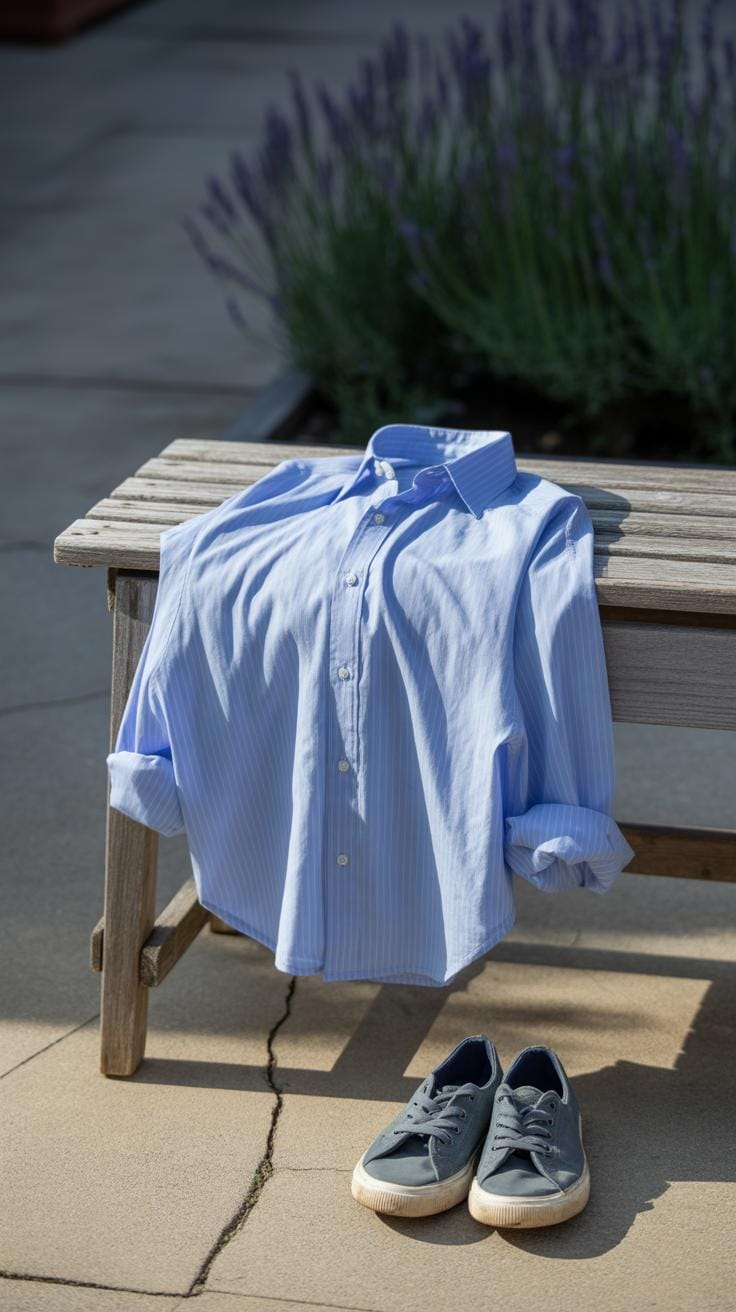
Choosing clothes without paying attention to fabric and function is a common pitfall in minimal wardrobes. You might pick a sleek top because it looks good, yet it feels heavy or doesn’t breathe, especially during workouts or busy days. The fabric’s role goes beyond just appearance—it affects comfort, durability, and how well a piece adapts to your lifestyle. Sometimes I’ve bought clothes that looked stylish but ended up sitting unused because they just didn’t work when I moved or sweated.
Choosing Fabrics Wisely
Not all fabrics are created equal, especially when you want a minimal wardrobe that serves both style and activity. Cotton is great for casual wear but tends to hold moisture, making it less ideal for intense workouts. On the flip side, synthetic fabrics like polyester blends wick sweat away but can sometimes feel less natural or less breathable. Wool—yes, wool—even in lighter forms like merino, can manage moisture and temperature well, but it’s often overlooked for everyday wear.
- Look for moisture-wicking fabrics for active wear, such as nylon or polyester blends.
- Consider cotton or linen for casual styles that prioritize comfort over performance.
- Try merino wool for pieces that transition between activity and casual wear.
Matching Function to Activity
Function matters because your clothes should support your movements and goals, not restrict or weigh you down. If you pick a jacket that looks sharp but doesn’t stretch or vent, it won’t be helpful on a brisk walk or a quick gym session. Your wardrobe should empower your daily routine and fitness choices, so it’s worth taking a moment to consider what each piece can realistically do.
Ask yourself: Will this hold up to my workouts? Can it handle sweat and still look good? Does it fit well enough to move freely? If the answer feels uncertain, maybe it doesn’t belong in your minimal collection. It’s about balance—sometimes a piece works fine for everyday wear but fails active needs. That’s okay, but don’t expect it to do both equally well.
Common Color and Pattern Mistakes
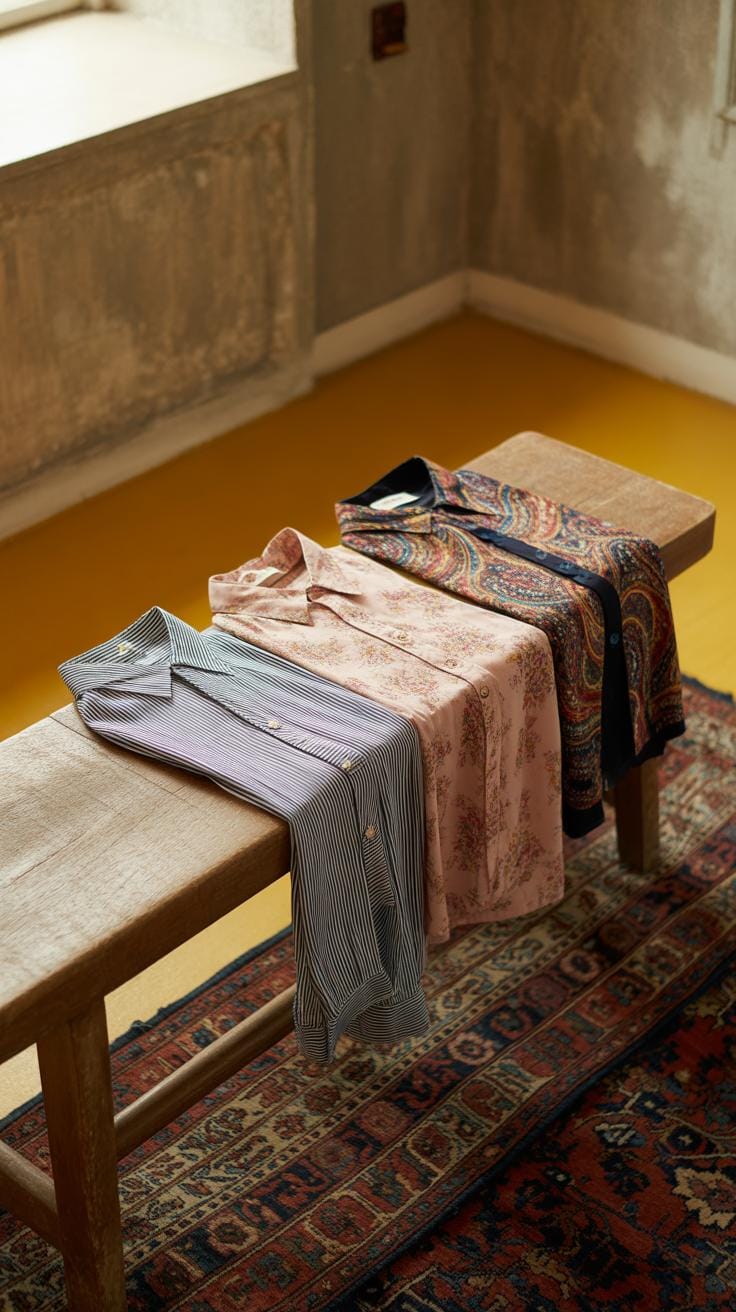
Poor choices in color and pattern can quickly clutter a minimal wardrobe, turning what should be a simple, versatile collection into a confusing mix. You might think adding more shades or busy prints brings interest, but often it just makes outfit pairing a headache.
When your colors don’t mix well, outfits feel forced rather than effortless. Imagine reaching for a shirt that clashes with every bottom you own—frustration creeps in. Minimalism thrives on harmony; different hues should complement, not compete.
Patterns, while tempting, often overwhelm a minimalist look. Too many stripes, florals, or geometric designs create visual noise instead of quiet style. The key is restraint—one patterned piece per outfit can punctuate interest without overtaking simplicity.
Selecting a Cohesive Palette
Picking the right colors is tricky because personal taste plays a big role, but aim for a palette where every piece can mix with any other. Start with a base of neutrals—think navy, gray, black, beige. Then add a few accent colors that harmonize instead of conflict.
Consider this approach:
- Choose three to five colors max, including neutrals and accents.
- Test pieces against your existing wardrobe before buying.
- Stick to similar color temperatures—warm tones with warm, cool with cool.
- Don’t chase every trend; focus on what suits your complexion and mood.
This strategy avoids the pitfall of isolated clothes that sit unused because they don’t coordinate well.
Using Patterns Sparingly
Patterns are tricky in minimalism—they offer style but can also tip the balance toward chaos. You don’t need to avoid them completely, but keep them limited and purposeful.
Try these ideas:
- Use one patterned piece at a time, like a striped shirt or subtle polka dots.
- Prefer patterns with simple, understated designs—bold prints often fight with other items.
- Match patterns only with solid colors from your palette to keep looks grounded.
- Think about texture as an alternative to pattern; sometimes fabric can add interest without visual clutter.
Patterns should feel like a thoughtful highlight, not a distraction. Ask yourself if a pattern really adds something or just makes dressing harder.
Neglecting FitnessFriendly Pieces
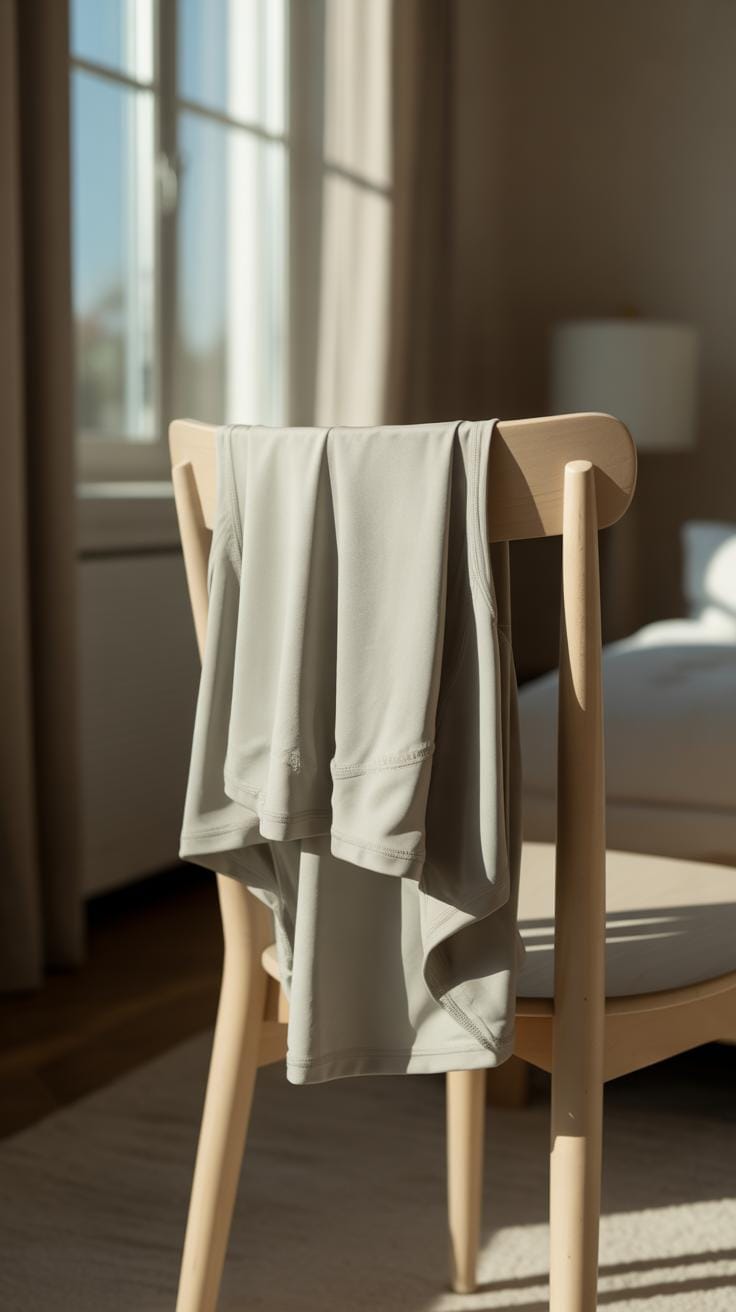
When building a minimal wardrobe, it’s easy to overlook the need for fitness-appropriate clothing. But skipping these pieces can quietly sabotage both your style and your fitness goals. Why? Because the right clothes support your movement and make staying active feel less like a chore and more natural. I once tried getting through a busy week without any workout-ready clothes in my capsule wardrobe. It made exercise feel like a hassle—forcing choices that were neither comfortable nor practical.
Consider pieces that can pull double duty. Clothes like:
- Simple moisture-wicking tees that don’t look out of place at casual meetups
- Sleek joggers or leggings that pair well with a laid-back jacket
- Lightweight hoodies or pullovers easy to layer
- Versatile sneakers suitable for a quick run or errands
Layering is key. Think of starting with a breathable base layer to manage sweat, topped with a mid-layer for warmth during cooler mornings, and maybe a windbreaker if needed. This approach keeps you comfortable whether you’re stretching at home or stepping outside for a brisk walk. Minimal wardrobes shouldn’t force you to compromise on comfort or performance. Fitness pieces that blend with your everyday style mean you’re always prepared—to move or to meet.
Comparing Minimal Wardrobes and Regular Closets

Space and Organization
Minimal wardrobes tend to take up far less space than typical closets stuffed with a variety of clothes. When you cut down to just what you truly wear, everything fits neatly. It’s easier to keep things visible and organized. You don’t find yourself digging through piles or shoving items aside, hoping to find that one shirt. This clarity can actually feel a bit relieving—like your stuff finally has a place to breathe.
On the flip side, larger wardrobes can store more, but that often means more clutter. Clothes get forgotten, stretched out, or even damaged simply because they’re buried under layers of stuff. Yet, some people might find the breadth comforting, almost like a safety net—you’re “prepared” for any occasion, if only mentally. This can lead to more mess, but the perceived security of options oddly appeals to many.
Decision-Making Made Simple
One of the biggest perks of a minimal wardrobe is the shorter decision time. When you have fewer pieces, you don’t spend ten minutes wondering what fits or what matches. It can reduce stress in those morning moments—from feeling rushed and indecisive to almost automatic preparation. You’re not really debating; you’re choosing what you know works.
But then again, fewer choices might sometimes feel limiting. Some days, you might crave variety or want to express something a minimal set doesn’t quite support. It’s not always black and white. Minimalism simplifies decisions but can sometimes feel like sacrificing spontaneity or personal experimentation when it comes to style.
Checklist for Building Your Minimal Wardrobe
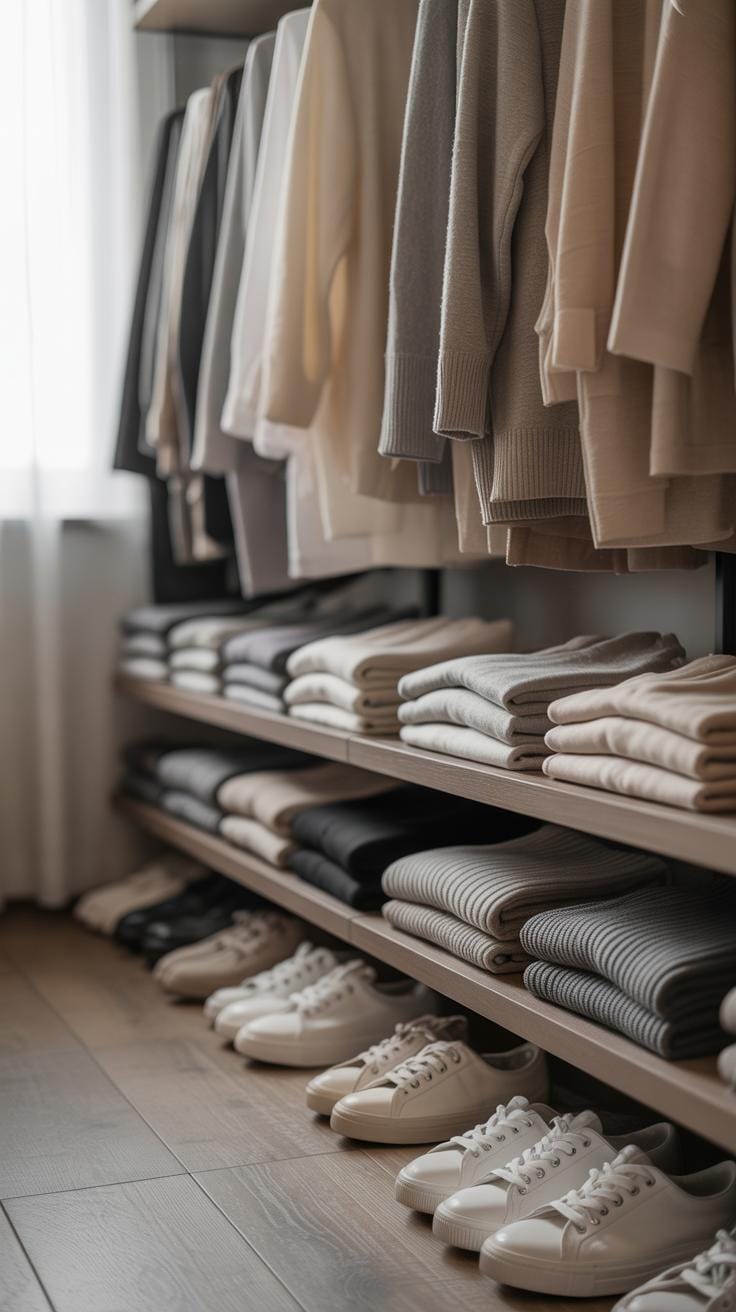
Creating a minimal wardrobe that truly works for both style and fitness is a bit trickier than just grabbing a few neutral pieces. Think of it as building a toolkit—you want the right tools, the ones you actually use, not just nice-looking gadgets gathering dust. So where do you start? Here’s a step-by-step checklist that might help, though I admit, it’s not a one-size-fits-all process.
Step One: Assess your lifestyle honestly. What activities fill your weeks? Do you work out daily or sporadically? Your wardrobe should reflect this. For example, a few well-fitting tees and leggings double well for casual wear and workouts.
Step Two: Choose versatile pieces that mix and match easily. Think plain tees, a couple of button-down shirts, neutral joggers, and a jacket that dresses up or down. You don’t need a dozen items, but each should pull its weight.
Step Three: Prioritize fabrics that breathe and hold up after washes. Maybe you’ve snagged a cotton shirt that shrinks too quickly, teaching you to check labels more carefully next time.
Step Four: Build in layers for different weather and occasions. A minimal wardrobe isn’t just summer clothes. Having a dependable sweater or a neutral hoodie helps avoid wasting choices on impulsive buys.
Step Five: Keep it tight, but allow a little wiggle room for personal style shifts. If you suddenly get into a sport or pick a new preferred color, your wardrobe shouldn’t feel like a prison.
Essential Clothing Items
At a minimum, consider these pieces for a balanced, functional wardrobe:
- A few plain t-shirts in neutral colors—white, black, gray
- One or two pairs of versatile pants—stretchy joggers or fitted chinos
- A jacket or blazer that fits well and suits multiple occasions
- Comfortable sneakers that work for casual and light workouts
- Simple, breathable workout gear for fitness days
- A quality pair of jeans or trousers that hold shape
- Layers like a hoodie or sweater for cooler days
It’s tempting to add more, but testing how far you can stretch these choices often reveals unnecessary extras you can avoid.
Maintenance Tips
Minimal isn’t low care. If you neglect your clothes, they won’t last, and you’ll end up replacing too often—defeating the whole purpose. Some practical tips:
- Wash clothes on gentle cycles, and avoid over-washing. Often, air-drying helps maintain shape and fabric integrity.
- Rotate your pieces regularly to prevent wear spots—your favorite tee shouldn’t live on constant repeat.
- Store items folded or hung properly to avoid stretching or wrinkles. It might feel tedious, but it saves you time ironing later.
- Fix small issues right away—missing buttons, minor tears. Letting them slide means faster degradation.
These simple habits can keep your minimal wardrobe sharp for longer. You might find that caring a bit more makes the entire concept more sustainable and actually easier in the long run.
Examples of Minimal Wardrobe Setups

Casual Fitness Minimalist
Imagine a wardrobe that suits someone who moves easily between weekend errands and workouts. This setup might include a handful of versatile pieces—think three pairs of good-quality leggings or joggers that can double for both gym sessions and casual outings. Then add about four simple tops, like moisture-wicking tees that look fine paired with jeans or shorts. A lightweight hoodie or zip-up might cover cooler days, while one pair of minimalist sneakers fits both active and relaxed moments.
You might wonder if this really covers all bases. Well, it depends on your exact activities and style preferences. For example, one person might rely heavily on layering, while another prefers quick changes between activities. Yet, sticking with just these essentials keeps clutter low and choices clear. Sometimes, less really is more—even if it means sacrificing a bit of variety.
Professional Minimal Style
For the professional who cares about fitness, minimal wardrobes often blend polished pieces with comfortable gear. Picture this: two pairs of tailored trousers, maybe in neutral colors, paired with three crisp button-down shirts. Now include one classy blazer that works for meetings or casual Fridays. To integrate fitness, there might be two smart, breathable polos or stretch-fabric shirts that transition easily from office to workout. Footwear might consist of one pair of sleek dress shoes and one pair of trainers that don’t look out of place in casual environments.
This setup assumes your job permits some flexibility in dress code and that you’re willing to blend style with function. It sometimes feels tricky—balancing the need to look professional while staying ready for a quick gym session. Do you lean more toward comfort or appearance on those days? Minimal wardrobes like this can shift depending on your priorities, making you reconsider what “minimal” really means in your workday.
Conclusions
Minimal wardrobes offer benefits but must be carefully planned to avoid style and fitness setbacks. Choosing the wrong pieces or neglecting function over fashion can limit your options and comfort. Small mistakes add up and undermine your goals.
By addressing the mistakes discussed, you can build a wardrobe that supports your style identity and fitness needs. Focus on versatility, proper fit, and quality to keep your closet simple yet effective. This approach helps you save time, reduce stress, and maintain confidence in how you look and move.