
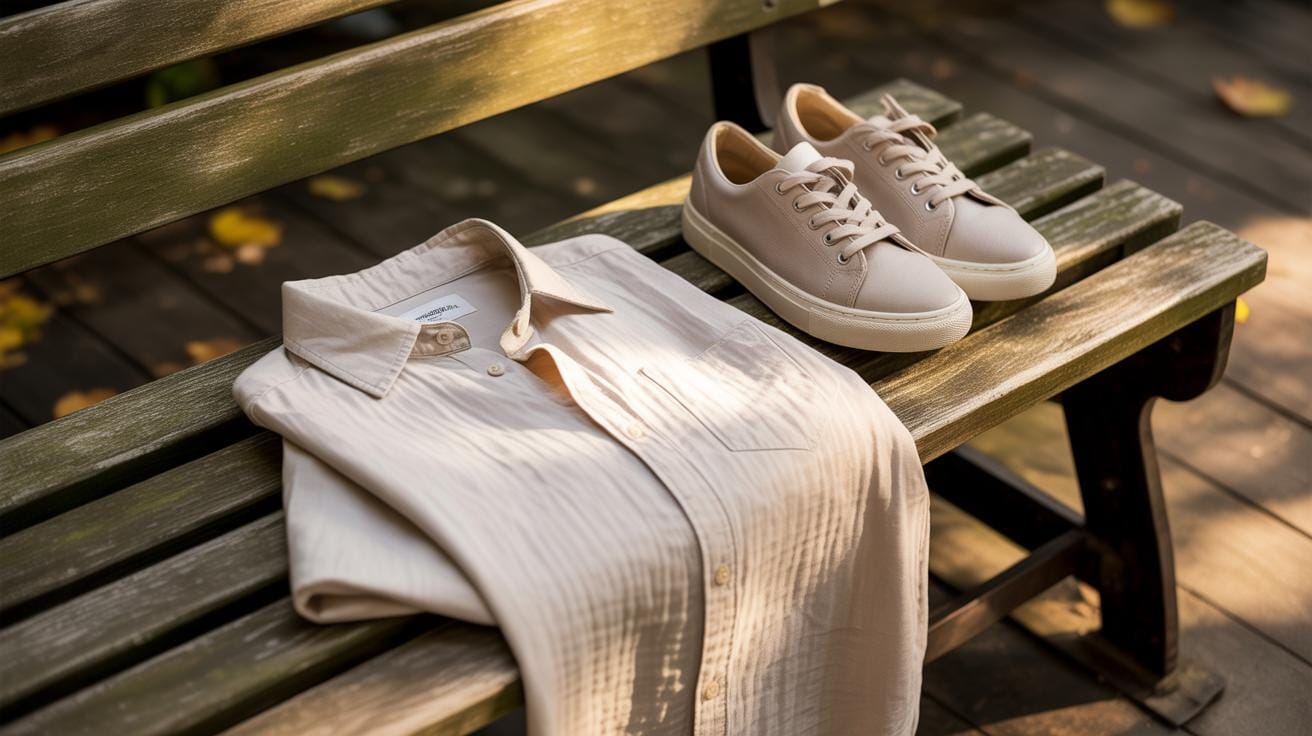
Simplifying Your Wardrobe Without Losing Style
Minimal Outfit Metrics to Boost Style and Maximize Comfort Daily is about simplifying your wardrobe without losing your personal style or comfort. By focusing on a few essential clothing items that work well together, you can create numerous outfits that fit many occasions and keep you comfortable each day.
This article presents practical tips and guidance to help you pick the right pieces, mix and match effortlessly, and maintain comfort while dressing minimally. You will learn how to build a functional, stylish, and comfortable wardrobe that saves you time and reduces decision fatigue.
What Defines a Minimal Outfit

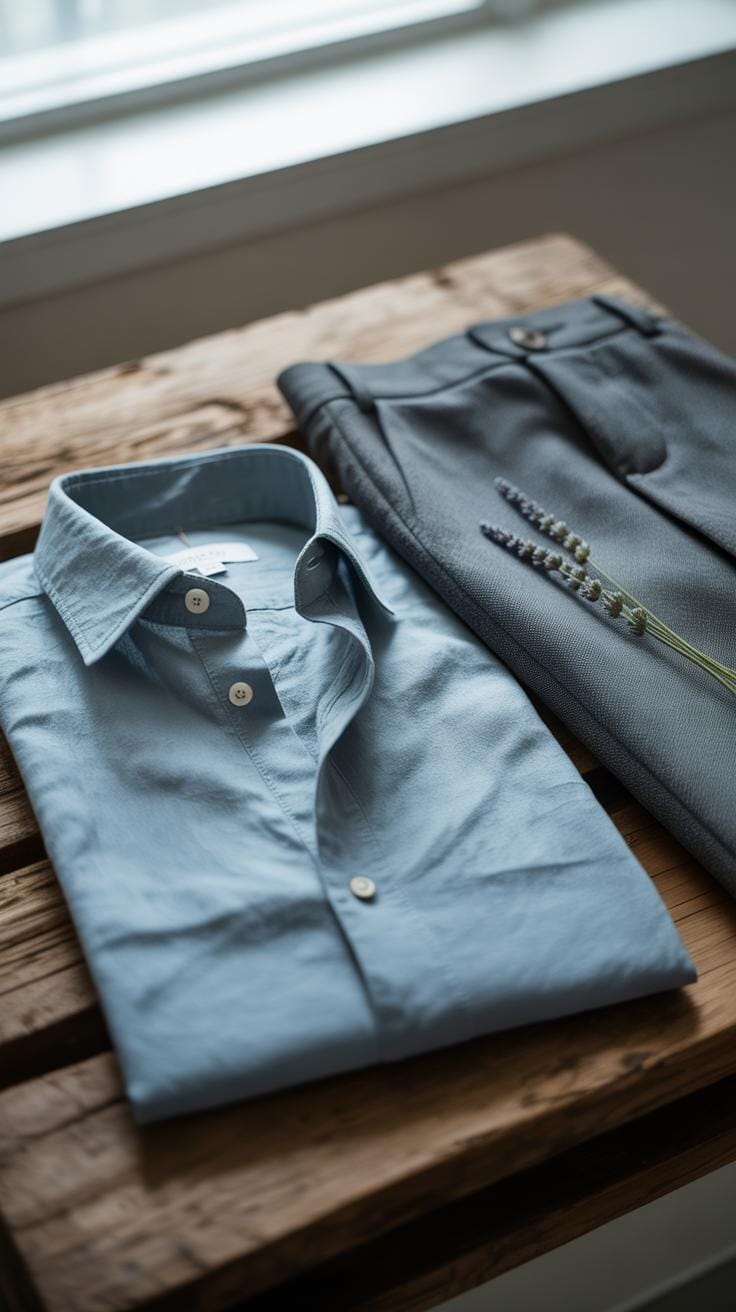
A minimal outfit is more than just wearing less. It’s about choosing pieces thoughtfully—focusing on simplicity in quantity, style, and function. By this, I mean opting for a limited number of garments that serve multiple purposes without overwhelming your wardrobe or decision-making.

Minimal outfits typically consist of a few versatile items that work well together, avoiding complicated trends or overly decorative details. The style feels clean and intentional, often grounded in solid colors and simple cuts. Function plays a role too; each piece should be practical, comfortable, and easy to mix with the others.
Minimalism in clothing closely ties to the idea of capsule wardrobes, where you create a small, curated collection of clothes that covers all your daily needs. That’s not just convenient—it’s kind of liberating. It reduces clutter and lets you focus on the pieces you actually enjoy wearing without chasing every new fashion wave.
Simple Items That Work Together
When you think about simple, essential pieces for a minimal outfit, imagine basics that blend in effortlessly. Solid colors—neutrals mostly—carry the day here. Objects like plain t-shirts, well-fitted jeans, classic button-downs, and tailored blazers tend to form the foundation. These items don’t shout for attention; instead, they quietly shape your overall look.
Think about a white cotton tee paired with black trousers or a navy sweater that matches well with denim. These pieces share traits like basic cuts—nothing too tight, no excessive embellishments. They’re often timeless and versatile, which makes building outfits less stressful because each piece complements the others.
It’s interesting—sometimes what works best is what you barely notice. That’s where staple garments show their worth. They behave like building blocks, letting you stack your outfit easily without fussing endlessly over what goes with what.
Why Less Is More in Clothing
Having fewer garments focused on versatility changes the whole experience of dressing. You spend less time pulling things off hangers and wondering if something really works for you. In real life, with all the other distractions, that small convenience adds up.
Also, with less in your closet, you reduce decision fatigue. It’s the nagging doubt over which top to wear or whether a piece fits the occasion. Minimalism cuts that out by narrowing your choices down to essentials that suit multiple contexts.
Moreover, owning fewer clothes means less clutter—not just physically, but mentally too. It stops the cycle of excess buying and feeling like you never have what you need. Instead, you start appreciating what you have. Perhaps surprisingly, this can lead to feeling more content with your style and comfort every day.
Why Minimal Outfit Matters
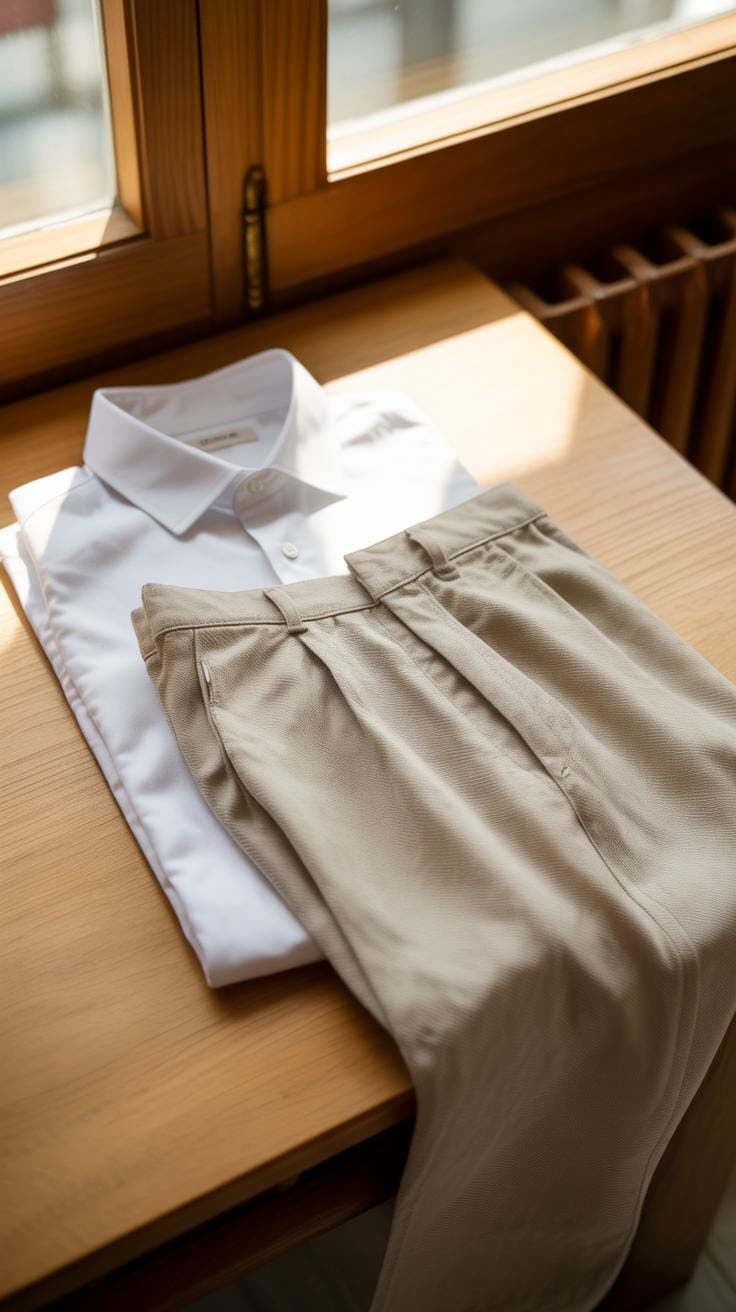
Adopting a minimal outfit approach isn’t just about wearing fewer clothes. It actually reshapes how you interact with your wardrobe every day. When you pare down your options, dressing becomes less of a chore and more of a straightforward process. You might notice less stress and fewer moments staring blankly at your closet, wondering what fits or what looks right.
There’s also the matter of clutter. A full closet can be overwhelming. Too many pieces often mean that some favorites get buried or forgotten. With a minimal outfit strategy, you create space for what truly works for you. This brings a kind of clarity—each item has a purpose and a place. You start to recognize your personal style more easily because your choices aren’t diluted by dozens of random items.
And, well, it can improve your style without trying too hard. When your outfits revolve around a few key items that suit you perfectly, each look feels intentional rather than accidental. It’s like having a small toolbox that’s always ready for the job, instead of a whole garage full of tools that might not even fit together. What’s your experience with simplifying your wardrobe so far? It might be trickier than expected, but the payoff feels different.
Save Time Every Morning
Mornings can feel rushed, right? Minimal outfits cut down the time spent deciding what to wear. Instead of flipping through an unwieldy number of options, you have a curated set of pieces that mix and match easily. You might find yourself reaching for the same few items with confidence because you know they work well together. This reduces hesitation and guesswork.
Try timing yourself for a week while having a minimal capsule versus a large, cluttered closet. The difference might surprise you. Even if you think you’re quick now, having fewer choices tends to make mornings smoother and less stressful. It’s like clearing the decks so you can focus on other things.
Cut Costs by Focusing on Key Pieces
Investing in fewer, quality pieces often means spending less overall on clothing in the long run. Instead of grabbing trending items or impulsive buys, you focus on lasting essentials. These pieces tend to wear better, fit well, and don’t go out of style quickly—so you don’t need to replace them often.
One friend mentioned she used to buy multiple inexpensive tops that faded or stretched out fast. Now she buys two good-quality shirts and wears them more. Her wardrobe lasts longer, and her expenses have dropped without feeling like she’s missing out. Of course, this doesn’t mean you won’t want something new occasionally, but it does encourage more thoughtful purchases.
How to Choose Clothing Pieces
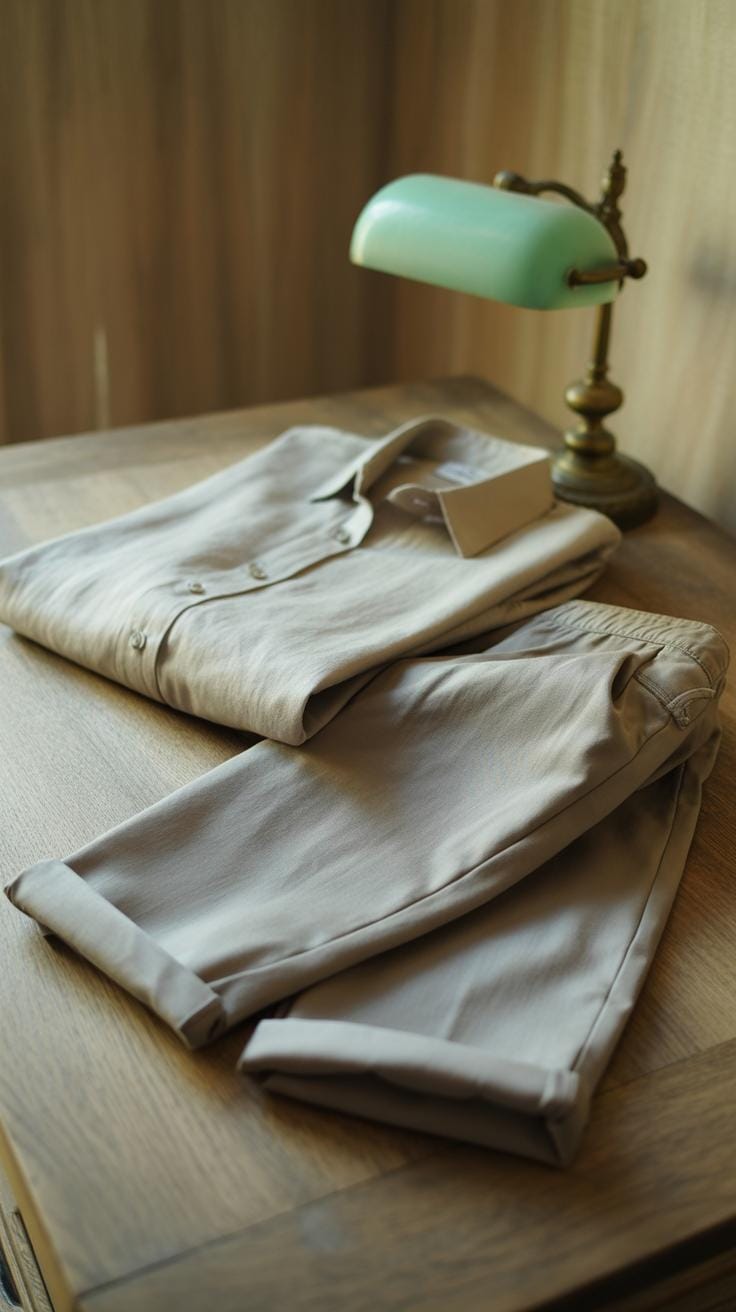
Picking the right clothing pieces for a minimal outfit isn’t about grabbing the trendiest items. It’s about thoughtful choices that serve you every day, sometimes for years. Start with colors that blend effortlessly with each other. Neutrals like black, navy, gray, or beige make sense here—they rarely clash and can feel surprisingly fresh when combined well.
Try to avoid overly bright shades unless you really love them, because they rarely mix in smoothly. Timeless styles—simple cuts, clean lines—will outlast fleeting fads. Imagine a plain white shirt or straight-leg trousers; they work in many settings.
Comfort is key and can’t be an afterthought. Fabrics like cotton, linen, or soft wools generally wear well across seasons and feel good on the skin. Before you commit, test the fabric’s texture and see how it moves as you wear it. Sometimes that smooth fabric looks nice but feels stiff—or pinches in a way you might hate after hours of use.
Fit matters more than size. Don’t settle for “close enough.” Check how the item hugs or drapes on your body. Can you move easily? Does it feel restrictive, even a little? These details affect your mood and style more than you’d expect.
When considering fabric and cut, think seasonally, but with some flexibility. A heavier knit might be fine for chilly spring mornings and fall evenings, while lighter layers can overlap for unpredictable weather. Pieces that adapt across seasons reduce the need for constant shopping and clutter.
So, ask yourself: Will this piece pair well with others I own? Will it hold up in comfort and durability? Does it fit my shape and lifestyle? The answers shape a functional, wearable minimal wardrobe rather than a collection of clothes that sit forgotten.
Mix and Match Process

Start with a base item that feels comfortable and neutral enough to build on. It might be a pair of well-fitting black pants or a simple skirt in a muted tone. I find it’s easier to begin with something like these because they don’t draw too much attention but provide a solid foundation. You can imagine your outfit as a blank canvas, but not literally—a canvas feels more high-maintenance, right? Your base should be wearable every day, adaptable yet reliable.
Once that base is chosen, add layers that can shift the outfit’s vibe without fuss. For example, throwing on a soft cardigan over a plain tee changes the whole look from casual to something a little more put-together, though you might still feel like you’re in pajamas. A denim jacket works just as well, casually cool but not too bold.
Then, accessories come last. Keep those simple but purposeful—perhaps a slim belt that defines your waist or a minimalist watch. Small tweaks here can turn the outfit’s tone up or down. Ever noticed how swapping sneakers for loafers suddenly makes you look more formal? It’s these tiny details you might overlook but that create variety. Could you get bored? Sometimes, but mixing basic pieces this way means you rarely have to stress about what to wear.
Examples of Effective Minimal Outfits

Work Appropriate Minimal Looks
When dressing for an office setting, minimal doesn’t mean dull. Think about a crisp white button-down shirt paired with tailored black trousers. That combo alone covers a lot of ground. You can add simple black loafers or low heels and keep accessories to a thin wristwatch or delicate studs. This look feels clean but professional, without many layers or fuss.
Another approach is a solid-colored sheath dress, perhaps navy or charcoal, worn with nude pumps. A slim belt can add shape without overcomplicating the outfit. Throw in a lightweight blazer for meetings or colder days, and you’re set. These pieces interchange well, so you could easily swap the dress with a pencil skirt and silk blouse if you want some variation.
Sometimes you want to dress up a bit without making it complicated. A high-quality turtleneck with straight-leg trousers can be surprisingly polished. Choose neutral colors like beige or grey to keep it simple but purposeful. It may feel minimal, almost too pared down, but that can work in your favor when you want to look effortlessly put together.
Casual and Weekend Outfits
Casual doesn’t have to mean sloppy. For weekend comfort that still looks good, try a soft, well-fitting tee with relaxed jeans or chinos. White sneakers or slip-on shoes fit this vibe perfectly. Accessorize sparingly – maybe a simple pendant necklace or a canvas tote that can carry everything you need.
You could also wear a lightweight sweater over a plain tank with drawstring trousers or joggers. It balances comfort and style without overthinking the outfit. If the weather’s warmer, a linen button-up shirt with shorts offers a fresh and minimal look. It feels simple but keeps you ready for whatever casual plans might pop up.
Sometimes minimalism means going monochrome. An all-black or all-navy outfit, like a fitted long-sleeve top with matching pants, can feel sleek while being easy. It’s something I often reach for on lazy days because it’s quick and still looks put together.
Common Mistakes to Avoid
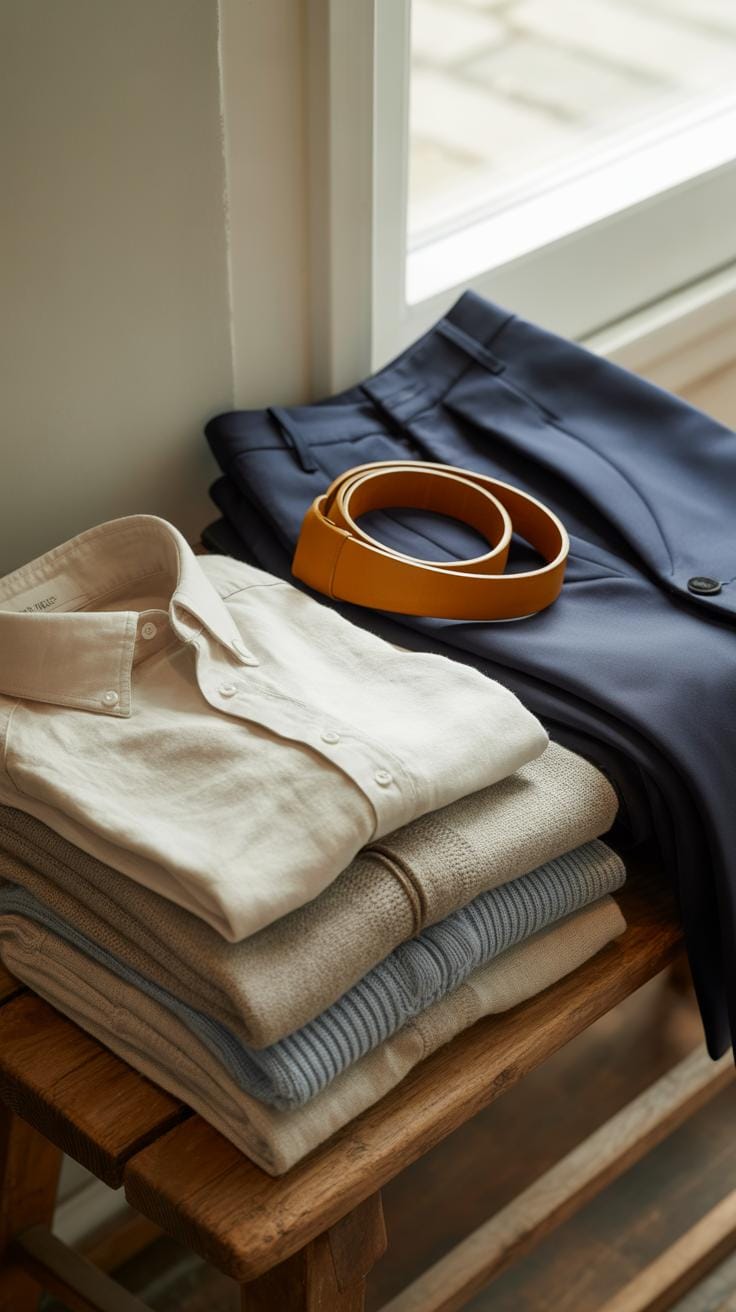
When building a minimal outfit, it’s easy to stumble into traps that seem minor but actually derail your entire effort. One of the most common mistakes is choosing too many specialty items. These are the unique, attention-grabbing pieces that feel cool in theory but don’t really work day-to-day. You might think a standout jacket or quirky accessory adds personality—but in reality, they complicate your wardrobe. Instead of simplicity, you get a confusing mix that’s harder to coordinate, which goes against the idea of minimalism.
Another issue that often comes up is ignoring comfort for style. Sure, a stiff shirt or tight jeans might look sharp for a brief moment, but when you wear them all day, discomfort creeps in fast. This sacrifice usually backfires—your confidence drops, you fidget, and the outfit feels like a burden. Balancing comfort with aesthetics might take some trial and error, but aiming for breathable fabrics and cuts that respect your body shape helps more than you expect.
Think about your last minimal outfit. Did you pick a piece only because it looked “on trend,” despite how it felt? Or did you mix colors without checking how they worked together? Small things like these can unsettle your minimal look without you even realizing it. Maybe slow down and ask: does this item serve multiple purposes? Do I feel good in it? Often, the answers guide you better than strict fashion rules.
Minimal Outfit Metrics to Track
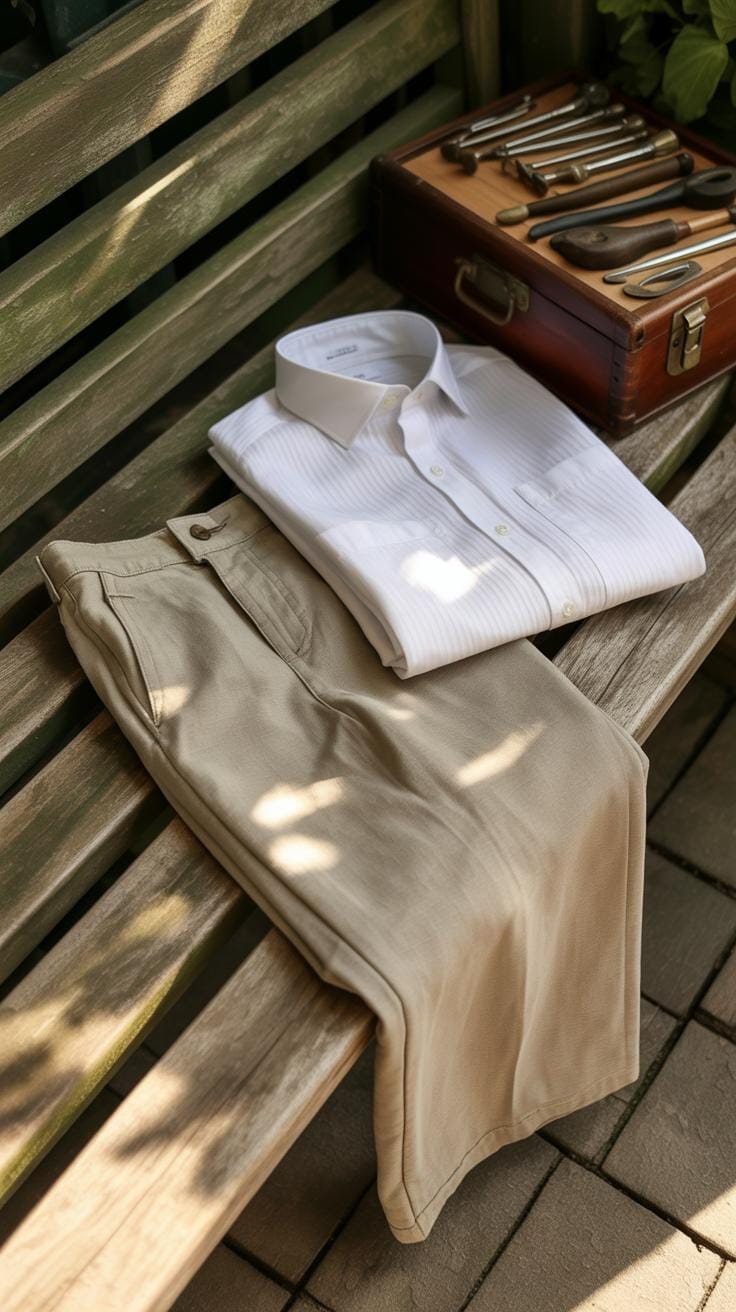
When building a minimal wardrobe, some numbers and signals quietly reveal how well your choices are working for you. The first one that often matters most is the wear rate of each piece. Tracking how often you wear every item can be surprisingly insightful. You might think every piece in a pared-down closet earns its time, but you could be gravitating to just a handful without realizing it.
To track wear rate, try jotting down or using a simple app to record what you wear daily. This doesn’t have to be tedious—just a quick note. Over weeks, patterns emerge. Maybe a jacket is left untouched. Why? Is it not fitting right, or does it not suit your current lifestyle? This metric helps avoid holding onto items that don’t actually serve you.
Comfort and satisfaction are trickier to measure but equally crucial. After all, comfort isn’t just physical; it’s also about how you feel in the outfit. You could wear a piece often, but if you spend the day tugging or adjusting it, that’s a red flag. Consider rating your comfort on a simple scale after each wear—say 1 to 5. Or keep a small diary note on how you felt, physically and mentally. Did the outfit boost your confidence? Did it restrict movement?
As you collect these metrics, you might find curious contradictions. A piece you love might rank low in wear rate. Or your comfort scores may vary wildly day to day, reflecting mood or weather. Tracking isn’t about perfection but about understanding what truly works for you, day after day.
Maintaining Your Minimal Wardrobe

Keeping a minimal wardrobe fresh takes a bit of effort, but it’s not as tricky as it sounds. The idea isn’t to buy endlessly, but to stay mindful about what you add and remove. Every season, take some time to review what you have and ask yourself a few simple questions: Are these pieces still comfortable? Do they fit me well? Am I actually wearing them? These reflections can highlight what stays and what quietly needs to go.
Seasonal changes give you a natural checkpoint. Think about swapping heavier items for lighter ones or vice versa. It’s tempting to hold onto everything “just in case,” but a truly minimal collection means letting go of stuff that no longer suits your current life or style.
When something wears out, replacing it thoughtfully matters. Instead of rushing into buying the exact same thing, consider if there’s a version with better quality or comfort. That might mean spending a bit more, which you’ll likely appreciate, because fewer replacements will be needed down the road.
Also, try to replace one piece at a time, not a bunch all at once. That way, you avoid the risk of layering on clutter. Stick to your core colors and styles to keep the collection coherent. Sometimes, experimenting with a new cut or fabric is okay—but if it disrupts your ability to mix and match easily, it might defeat the purpose.
It’s a balancing act. Your wardrobe can stay minimal and functional if you work with it, not against it, over time. Does your current approach let you feel ready each day? Maybe a bit of tweaking is overdue.
Seasonal Review and Update Checklist
Use this checklist when you rethink your wardrobe:
- Sort items by season – what did you wear last season? What stayed untouched?
- Assess condition – are there pieces showing wear or no longer flattering?
- Note changes in your lifestyle or preferences that demand new fits or fabrics.
- Plan to store or donate off-season clothes that no longer fit or suit you.
- Identify gaps or overlaps in your collection.
- Consider any environmental factors: weather shifts, travel, or work changes.
Replacing Pieces Smartly
When it comes time to replace clothing, think carefully. Try to find items that can serve multiple purposes. If a shirt or pair of pants is going, ask yourself if you want the exact same thing or something slightly better or different, to cover more bases. This helps keep your wardrobe lean.
Resist the urge to stockpile “just in case.” Instead, focus on durability and timelessness. I once replaced a favorite sweater with a sturdier knit that has lasted years beyond expectations. Choosing quality over quantity will save you from frequent shopping trips and wardrobe chaos.
Replacing pieces doesn’t mean compromising style or comfort. Sometimes, refreshing a classic with a new fabric or cut can renew your enthusiasm without making your closet explode. It’s about smart choices, not quick fixes.
Conclusions
Building and maintaining a minimal outfit is about selecting the right items that combine style with comfort. By focusing on versatile pieces, you can look good every day without overwhelming your closet. This approach reduces stress and makes dressing quicker and easier.
Minimal outfits also encourage thoughtful clothing choices with a focus on quality over quantity. These metrics guide you to a wardrobe that supports your lifestyle and feels comfortable, letting you put your best foot forward with less effort.