
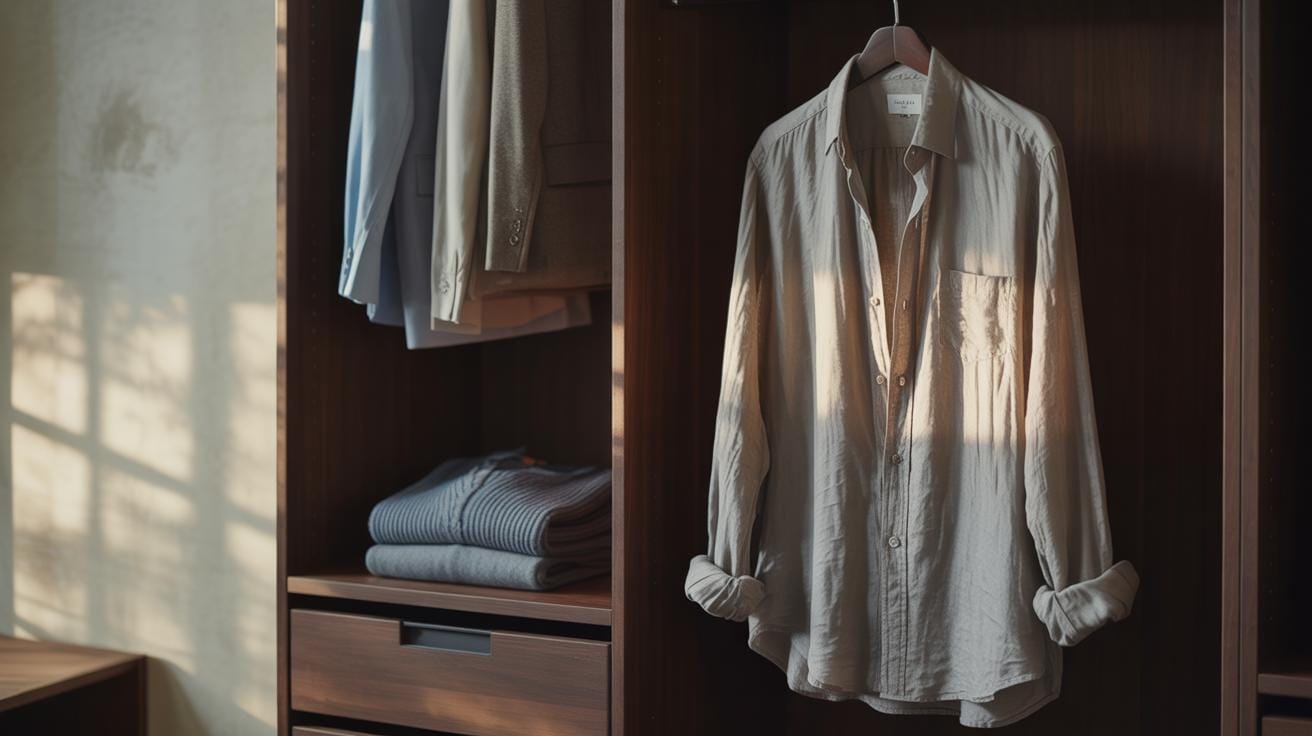
Why A Minimalist Wardrobe Pays Off
Building a minimalist wardrobe on a budget can improve both your health and style. Choosing fewer, better clothes helps you avoid clutter and makes daily dressing easier. You save money and reduce stress by focusing on versatile pieces that fit well and last long. This approach aligns with sustainable and healthy living.
In this article, you will find practical tips on how to create your minimalist wardrobe. We’ll cover the essential items you need, why the right choices matter for your health and style, and step-by-step guides to help you stay on budget. You will also learn how to maintain your wardrobe and avoid common mistakes.
Why Choose a Minimalist Wardrobe

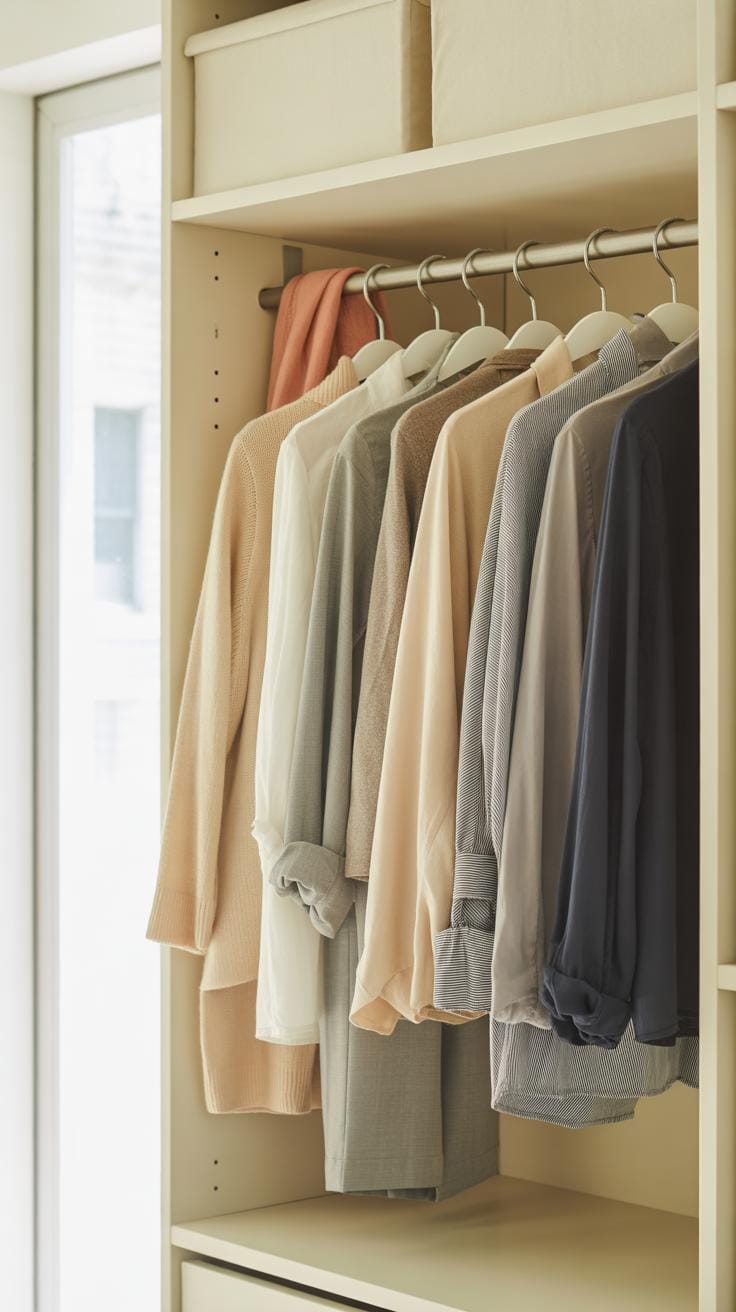
Choosing a minimalist wardrobe isn’t just about having fewer clothes—it changes how you live, spend, and even think. Less clutter means less stress. When your closet doesn’t feel like a chaotic mess, mornings take less time, and decisions get easier. You might find yourself wearing your favorite pieces more often, not because you have to, but because you want to.

Cost savings sneak up on you, too. Instead of buying many cheap, disposable items, you invest in fewer but better-quality pieces. This often means spending less over time, though it might feel like you’re spending more upfront. Still, it’s a balance—less waste, fewer impulse purchases, and maybe a little relief for your wallet.
Another angle many miss: health benefits. Clothes can hide a range of chemicals, from dyes to synthetic fibers, which may affect your skin. Cutting down your wardrobe means potentially reducing exposure to these materials. Plus, simpler spaces might calm your mind in subtle ways—it’s like your brain isn’t working overtime just managing stuff.
Finally, having fewer items changes how you dress. You focus on fit and quality rather than quantity. The clothes you keep actually earn their place, which can make you feel more confident. It’s not that you sacrifice style—you refine it.
Health Benefits of Minimalism
It’s easy to overlook how what we wear can impact health. Many textiles include chemicals from production that stay on fabric long after purchase. A minimalist wardrobe encourages you to choose natural fibers more carefully. Less clothing often means less exposure to irritants or allergens. For someone sensitive to synthetic materials, this can make a big difference.
But the benefits aren’t merely physical. Crowded spaces can weigh heavily on mental health. Clutter sometimes feels like noisy background chatter in your mind. Reducing your wardrobe can clear that noise.
You might notice fewer feelings of overwhelm or indecision when your environment feels lighter. It’s not a magic cure, but it nudges your brain toward calm. Even if you don’t think about it daily, this quiet influence adds up over time.
Style Simplicity with Fewer Items
With fewer clothes, you learn what truly works for you. Instead of chasing fleeting trends, you hone in on pieces that fit well and feel right. This means spending less time wondering, “Does this go with that?” and more time simply putting together an outfit.
Turns out, quality matters more than quantity. A small collection of well-made items can produce more polished looks than a bursting closet. And when you care about fit and fabric, your confidence grows, beyond just the clothes themselves.
Sometimes this reveals a surprising truth—your style becomes more personal, rather than a reflection of what’s popular. Or maybe you find that stepping back to fewer choices gives you room for creativity you hadn’t expected.
Budgeting Basics for Wardrobe Planning
Setting Realistic Budget Goals
Start by looking at how much you already spend on clothes over a month or two. Keep a simple list—maybe jot it down in your phone or use a spreadsheet—to get a clear picture. It’s surprising how small, frequent buys add up without you noticing.
Once you see your current flow, think about what feels reasonable to spend going forward. Your budget doesn’t have to be strict or fixed; aim for something manageable that won’t make you feel deprived. This might mean lowering your usual spending or perhaps allowing a little more to invest in quality basics.
Try setting a monthly or quarterly limit. Track your buys to see if you’re sticking to it—or if it needs tweaking. The goal? A realistic number that fits your lifestyle, not a perfect target you ignore.
Prioritizing Essential Purchases
When money’s tight, ask yourself: which pieces will get the most wear and last the longest? Start with items that create multiple outfit options and suit your daily activities.
Here are some good questions to guide you:
- Which clothing do I wear most often now?
- What’s missing that would help me mix and match better?
- Are there any worn-out essentials I need to replace first?
Focus on versatile staples—a classic pair of jeans, a neutral shirt, a jacket that works in different settings. Think about durability and fit over trends. It’s tempting to grab something flashy, but think about how it fits with what you already have. At times, less is more.
It’s okay if you miss a few pieces on the first go. A minimalist wardrobe doesn’t get built overnight. Buy thoughtfully, and prioritize what truly fills gaps, not what simply catches the eye in the shop window.
Key Wardrobe Pieces to Invest In

When you think about building a minimalist wardrobe, it’s tempting to focus on just a few items. But which pieces really deserve your attention? I find that certain essentials stand out because they form the backbone for nearly any outfit—and, yes, quality matters more than quantity here.
Start with basic tees. They’re simple but surprisingly powerful. Choose cotton or a cotton blend with a bit of stretch. Don’t just grab the cheapest option—something with a good fit and weight will last longer. You’ll wear these more often than any flashy shirt.
Well-fitted jeans are a must. Not the trendiest cut necessarily, but something classic that suits your shape. Make sure they don’t sag or feel too tight. You want them to look neat regardless of occasion.
Then there’s the versatile jacket. I mean, a piece that can be layered over everything: a denim jacket, a blazer, or a lightweight coat. Go for neutral colors that won’t clash with the rest of your wardrobe.
Other staples? Think simple button-down shirts, a pair of tailored trousers, and maybe one or two chunky sweaters. These can be dressed up, down, or worn casually in between.
Quality often means better fabrics and careful stitching. Sure, it might cost a bit more upfront, but I’ve noticed how these items keep their shape and color after several washes—a worthwhile trade-off, really.
What’s tricky is balancing between investing and overspending—you don’t need dozens of pieces, just fewer but better ones that you won’t want to replace every season. Does this approach feel doable for your style and budget?
Smart Shopping Strategies
Thrift and Secondhand Options
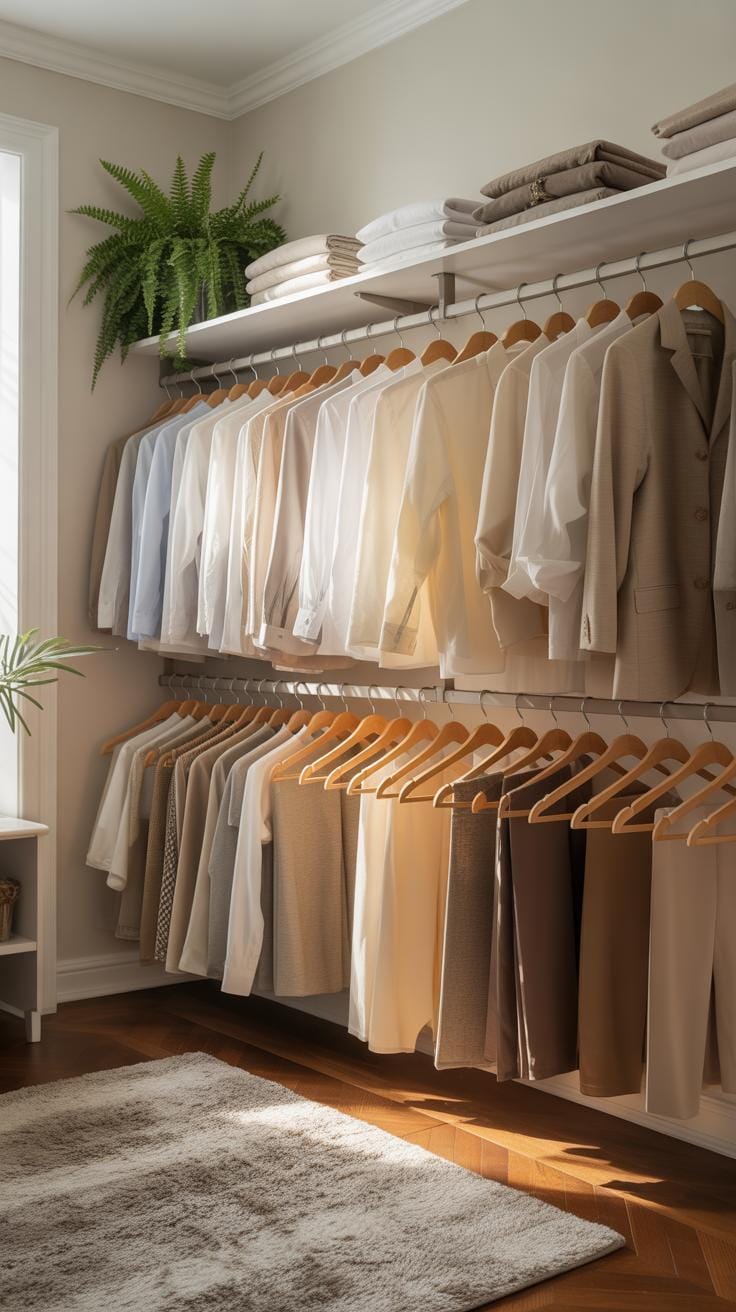
Buying gently used clothing can be surprisingly rewarding, both for your wallet and the planet. When you opt for secondhand, you often find unique pieces that aren’t available in stores anymore—a touch of personality in your wardrobe. It’s not just about saving money, though that’s a huge part; it’s about reducing the constant demand for new clothes. Fewer garments produced means less waste and less strain on resources, which quietly benefits your health by minimizing exposure to fast fashion’s industrial toxins.
Sometimes, thrift stores require patience. You have to dig through racks and maybe leave empty-handed. But when you find that perfect shirt or pair of jeans for a fraction of the price, it feels worth the effort. Plus, buying secondhand challenges you to rethink what “quality” really means. Clothes that last, even if previously loved, often outshine brand-new, cheap fabrics.
Finding Sales and Discounts
Tracking sales can be almost like a game. Signing up for newsletters or using apps that alert you about discounts helps you spot deals on brands you trust. But here’s the catch—there’s a fine line between catching a bargain and overspending because something’s “on sale.” The key is patience and clarity about what you actually need.
Look for off-season sales when retailers drop prices to clear stock. It might sound counterintuitive to buy winter coats in spring, but that’s when the best deals usually happen. Also, don’t overlook store loyalty programs or credit card rewards that sometimes give extra savings. You might feel a bit overwhelmed at first, but over time, it’s easier to predict when and where the best offers show up.
What feels tricky is balancing quality and price. Is a discount still good value if the item falls apart after a few wears? That’s where knowing brands with longer-lasting clothes helps. You might pay a bit more upfront, but it pays off—both for your budget and your style.
Care and Maintenance for Longevity
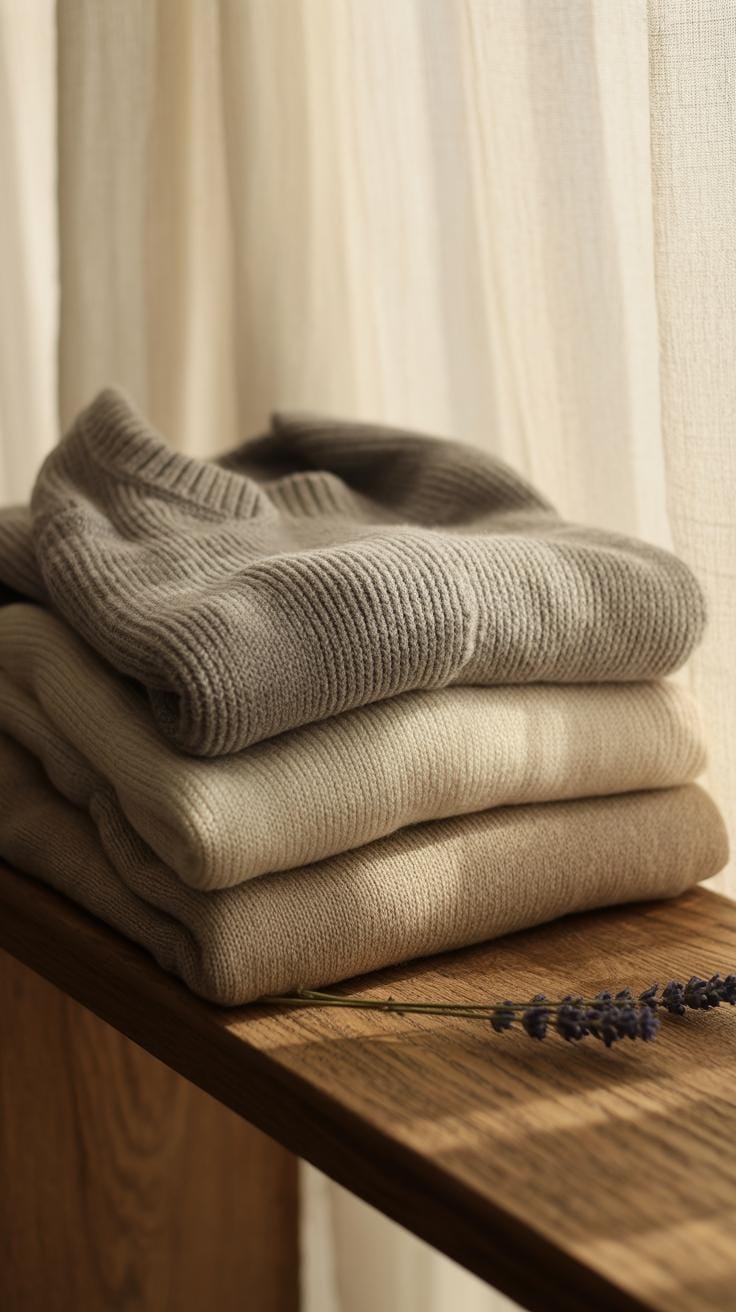
Taking good care of your clothes does more than just keep them looking nice. It actually supports the whole idea behind a minimalist wardrobe by stretching out the life of each piece. When you invest time and attention in maintaining your garments, you avoid unnecessary replacements that crowd your closet and budget. I’ve noticed that even a straightforward routine, if consistent, can make a big difference over time.
Laundry Tips to Preserve Fabrics
Washing clothes isn’t always simple. But a few small changes can prevent damage that’s hard to reverse. For example:
- Turn items inside out before washing to protect colors and surfaces.
- Wash at lower temperatures—cold water is often enough and gentler.
- Skip the dryer when possible; air drying helps fabrics hold their shape and avoids shrinkage.
- Use mild detergents that don’t strip fibers or fade colors.
You might think less frequent washing saves clothes, but sometimes a light clean is better than rough scrubbing. Do you find yourself over-washing? It’s a common habit.
Storage Ideas to Keep Clothes in Shape
How you store your clothes matters just as much as washing. Hanging isn’t always the best choice—some pieces stretch or develop bumps, while others wrinkle badly when folded.
Here are some practical tips:
- Use padded or wide hangers for delicate tops to prevent shoulder dents.
- Fold knits and sweaters gently to avoid stretching; placing them flat actually protects the fabric.
- Stack jeans and heavier items at the bottom of drawers so they don’t crush lighter pieces.
- Rotate clothes occasionally to avoid permanent creases or discoloration from sunlight exposure.
Sometimes I wonder if I’m overthinking it all, but then I look back at a sweater that’s still in great shape after years and think it’s worth the little extra care.
Avoiding Common Wardrobe Mistakes
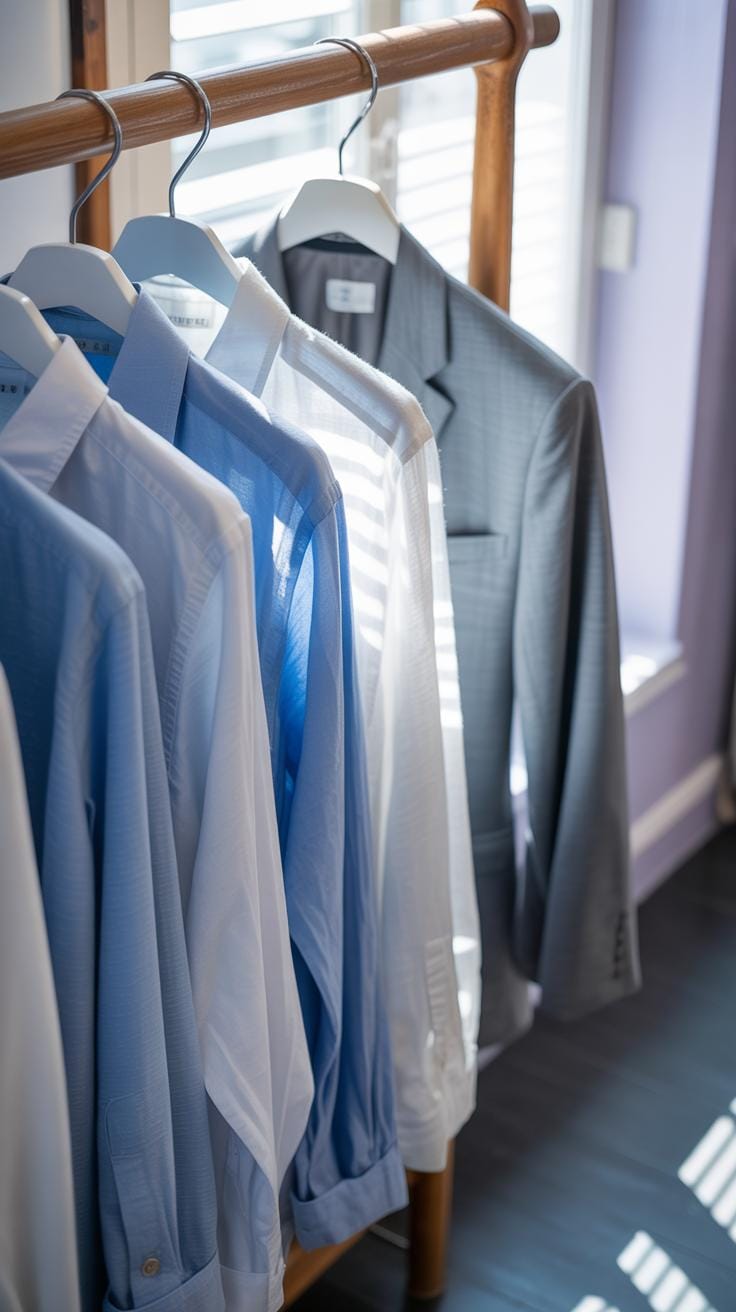
Impulsive shopping is a trap that many fall into without even realizing it. You know that quick decision to buy a shirt just because it’s on sale or it “looks nice” in the moment? That’s often impulse buying. It can sneak up on you, especially when stores push limited-time deals or flashy displays. Signs include grabbing items without trying them on or justifying purchases with vague reasons like “I might need this someday.” Once you recognize these signs, it’s easier to pause. Try creating a short list of what you really need before shopping. Waiting 24 hours before a purchase can also help calm that sudden urge.
Fit is something we often overlook, focusing too much on labels or prices instead. But clothes that don’t fit right will rarely look good. An ill-fitting garment can throw off your entire look, no matter how expensive or trendy it is. I’ve experienced this myself—buying a jacket just because it was branded, only to realize it hung awkwardly and felt uncomfortable. The key is knowing your proportions and trying clothes on, moving in them. Pay attention to shoulders, waist, and length. Don’t hesitate to get items tailored; small adjustments can make a world of difference.
Over-accumulating is another pitfall worth mentioning. It’s easy to think having “more options” means better style, but it can create clutter and confusion instead. Ask yourself if each piece serves a clear purpose or complements your existing wardrobe. If not, it might just be crowding your space—and your decisions.
Minimalist Wardrobe Examples
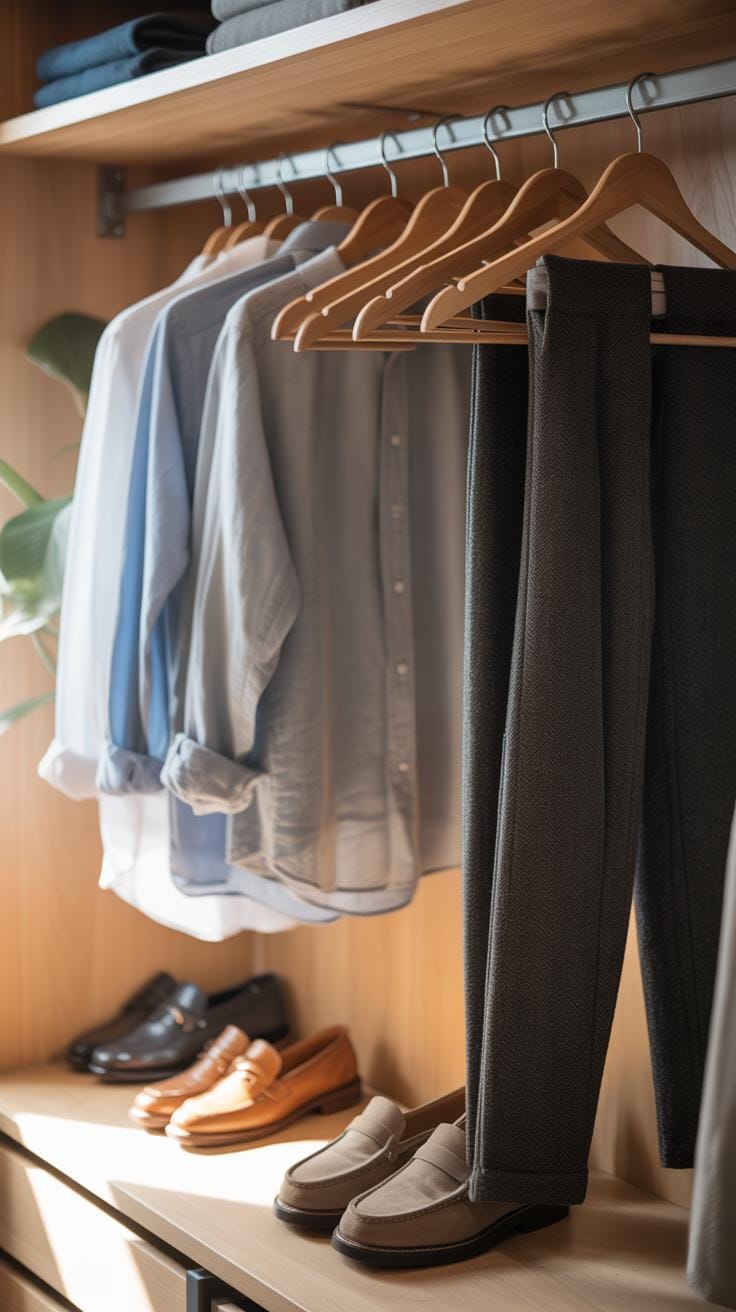
Casual Minimalist Wardrobe
Imagine a casual wardrobe built around comfort but not at the expense of style. A few well-chosen pieces can cover almost any everyday situation without feeling repetitive or restrictive. For example:
- A small selection of soft t-shirts in neutral colors like white, gray, and navy. Nothing flashy, just simple and easy to layer.
- A pair of dark jeans that fit well and a few pairs of comfortable sneakers or loafers.
- A couple of lightweight sweaters or pullovers, ideal for cooler days but not bulky.
- One or two casual jackets—think a denim or bomber jacket—that add shape and keep things feeling current without trying too hard.
What’s nice here is how easy it feels to mix and match without overthinking. Sometimes I find myself reaching for the same pieces, but that’s not always a bad thing—it feels familiar, comfortable. You might think this one’s a bit too plain, but honestly, it’s worth questioning if you need more complexity in your daily wear.
Professional Minimalist Wardrobe
Now, switching gears to a work-related wardrobe—here, versatility is king. You want pieces that move from meeting to meeting without needing an overhaul. A few staples often serve this purpose:
- A tailored blazer in black or navy. It makes a simple t-shirt look sharp, but also pairs well with dress shirts.
- Two to three button-down shirts in basic shades like white, light blue, or soft stripes.
- One pair of well-fitted dress pants plus a pair of dark chinos for a slightly less formal touch.
- A pair of black or brown leather shoes that you can wear multiple days if you take care of them.
This kind of setup feels restrained yet functional, though sometimes I wonder if I miss a bit of color or pattern for personality. Still, there’s a clean logic to this approach. It saves time and stress before workdays, even if it occasionally borders on feeling too… plain. Does a minimalist professional wardrobe risk looking a bit dull? Maybe. But if that simplicity means less clutter on your mind, it might be worth the trade-off.
Daily Dressing Made Easy
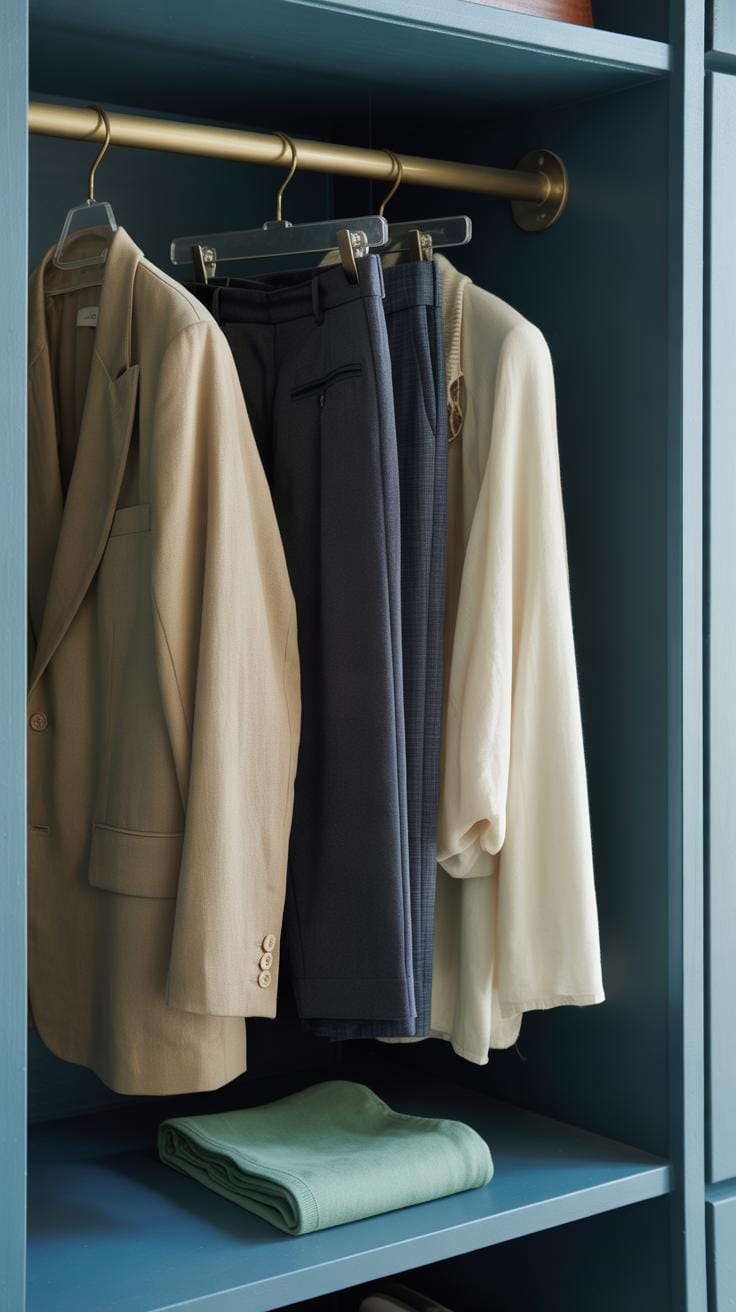
When your wardrobe is pared down to just the essentials, choosing what to wear each day becomes almost automatic. You don’t waste time staring at a closet full of clothes wondering what goes with what. Instead, you have a clearer sense of what fits your style and needs. This can actually reduce the stress of getting dressed, which I think is underrated. For many, mornings can be rushed and chaotic, but having a smaller number of versatile pieces means fewer decisions, and that’s a relief.
It might feel limiting at first, but after a while, you realize that less truly can be more. It’s not about sacrificing style or variety, but about making better use of what you have. Plus, you’re less likely to buy unnecessary items that just add confusion to your closet.
Mix and Match Tips
The key to keeping a minimalist wardrobe interesting is in how you combine pieces. Here are some straightforward ideas to try:
- Stick to a consistent color palette with a few neutrals. This makes pairing easier—jeans, black pants, white shirts all go well together.
- Layer different textures and fabrics to add subtle depth to your outfits, like a cotton tee with a wool cardigan.
- Use accessories sparingly but thoughtfully—a belt, scarf, or simple necklace can change the whole look without extra clothes.
- Choose pieces that can transition from casual to more formal with minor adjustments, like swapping sneakers for loafers.
You don’t need dozens of items to feel like you have options. Sometimes, a little creativity in mixing pieces gives you just enough variety.
Outfit Planning Checklist
Planning outfits in advance helps keep your wardrobe purposeful. Here’s a simple way to do it:
- Identify the main event or setting for each day (work, casual, outdoors).
- Select a base item, like pants or a skirt, that fits the occasion.
- Pick a top that complements your base, considering color and fabric.
- Think about layers if needed—jackets, sweaters, or cardigans.
- Add accessories or footwear that match the overall vibe.
- Check for comfort and practicality—will it suit your activities and the weather?
By looking just a few days ahead, you can make smarter choices and avoid last-minute scrambling. Maybe you prefer planning once a week, or just the night before. Either way, having a checklist helps keep your wardrobe working for you, not against you.
Tracking Wardrobe Progress
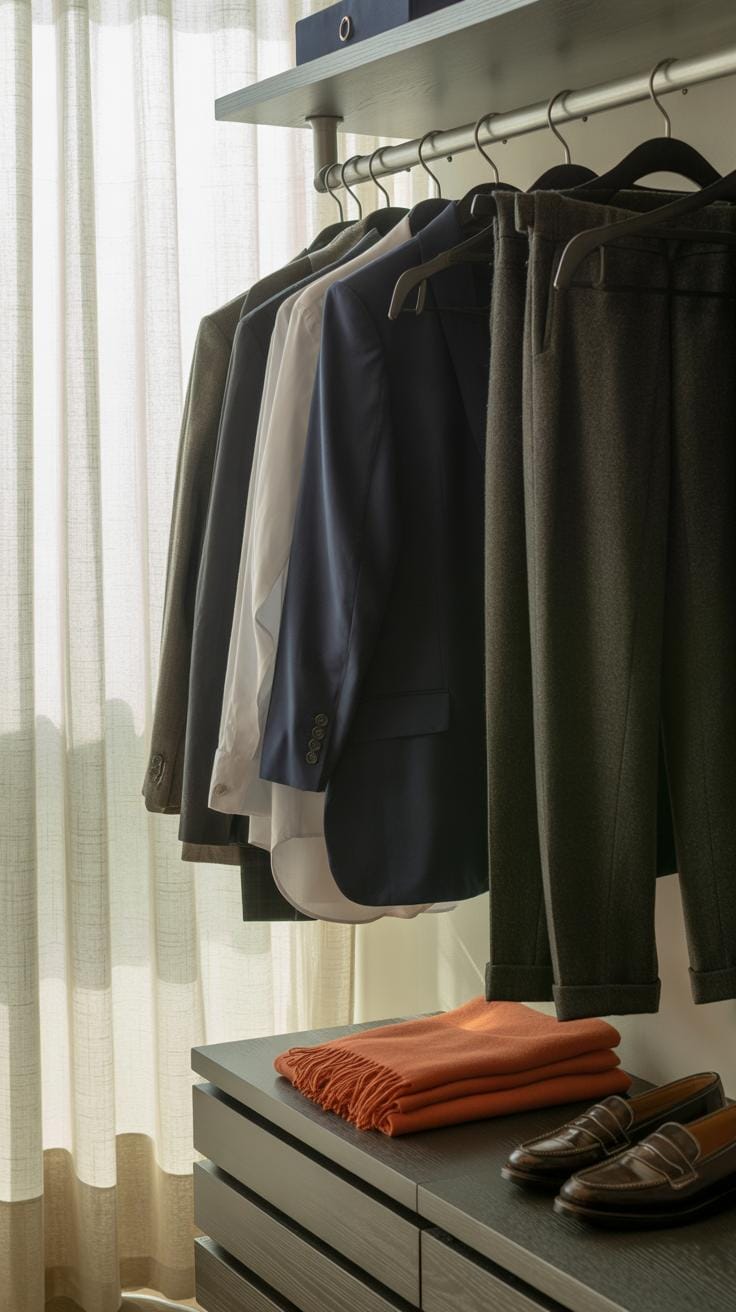
Keeping track of how your wardrobe grows—both in pieces and in style—can be surprisingly helpful. It’s easy to lose sight of what you already own or stray from your budget without realizing it. One practical approach is to create a simple system for monitoring these changes over time. You might set a monthly reminder to tally the number of items added or removed, check your spending, or even jot down thoughts about how your clothes feel.
Using a Wardrobe Journal
A wardrobe journal acts like a personal guide. By writing down what you buy, when you buy it, and why, you can reflect on your choices later. This record makes it easier to avoid impulse purchases because you have a clear history to review. Plus, you can note which items you wear most often and which ones just hang around. This helps steer future shopping and stops you from repeating mistakes—like grabbing a shirt that doesn’t quite fit your style.
Measuring Style Satisfaction
Assessing if your wardrobe fits your style and comfort takes more than glancing in the mirror. Try asking yourself questions such as: Do I feel confident in these outfits? Are these clothes practical for my daily routine? Or, how often do I reach for each item? You could even rate each piece on comfort and versatility. Sometimes, what looks good might not feel right—or vice versa. This kind of check-in forces you to think beyond aesthetics and can reveal gaps you didn’t notice before.
Conclusions
The minimalist wardrobe offers a clear path to healthier choices in clothing and personal style. By focusing on essential, quality pieces, you reduce waste and make dressing simple. This approach can help you save money while sustaining a look that matches your lifestyle.
Adopting a minimalist wardrobe requires thoughtful planning. Choosing the right items and caring for them well ensures your clothes last longer. With the tips shared here, you can build and maintain a wardrobe that supports your health, style, and budget goals efficiently.