
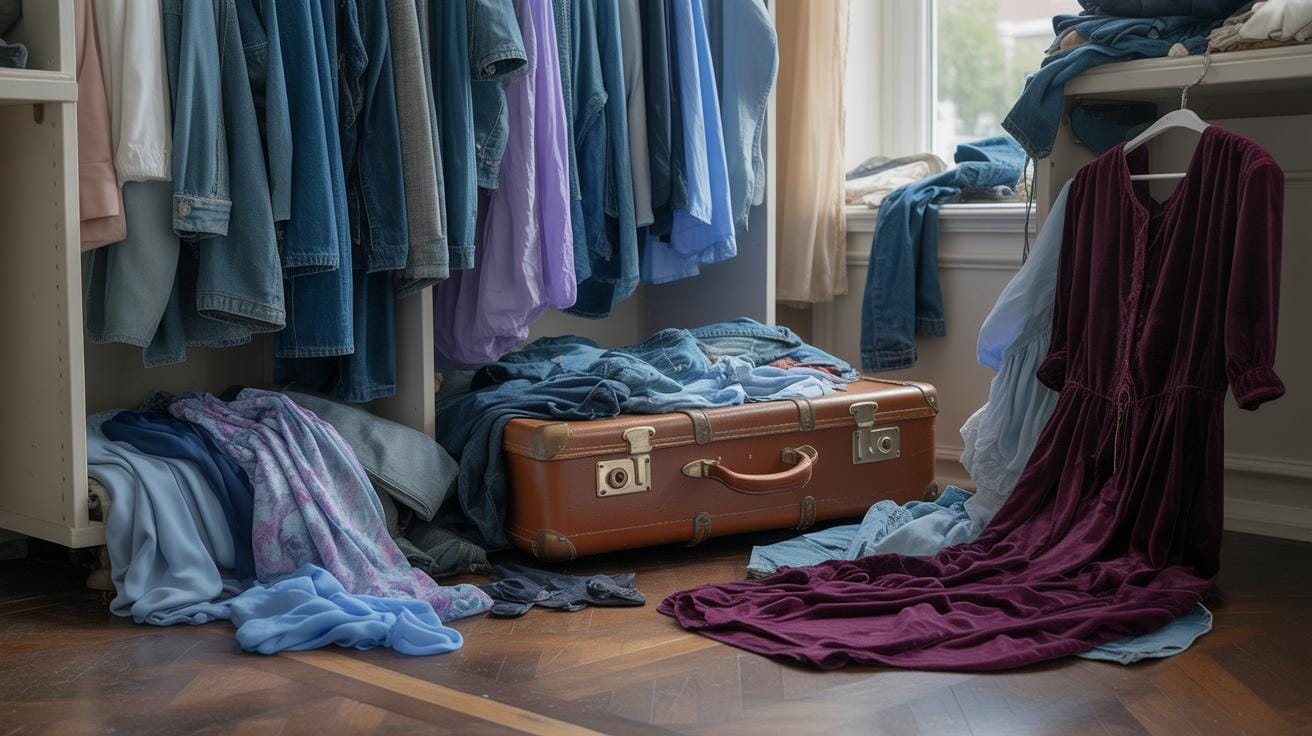
What Minimalist Fashion Is Meant To Do
Minimalist fashion focuses on simplicity and functionality in your wardrobe. It emphasizes clean lines, essential pieces, and versatility. But many people make mistakes when adopting this style that can hurt both their look and their wallet.
This article highlights common minimalist fashion mistakes that can ruin your style and budget. You’ll learn what to avoid and how to build a better wardrobe that saves money and looks good.
Recognizing Overbuying Risks

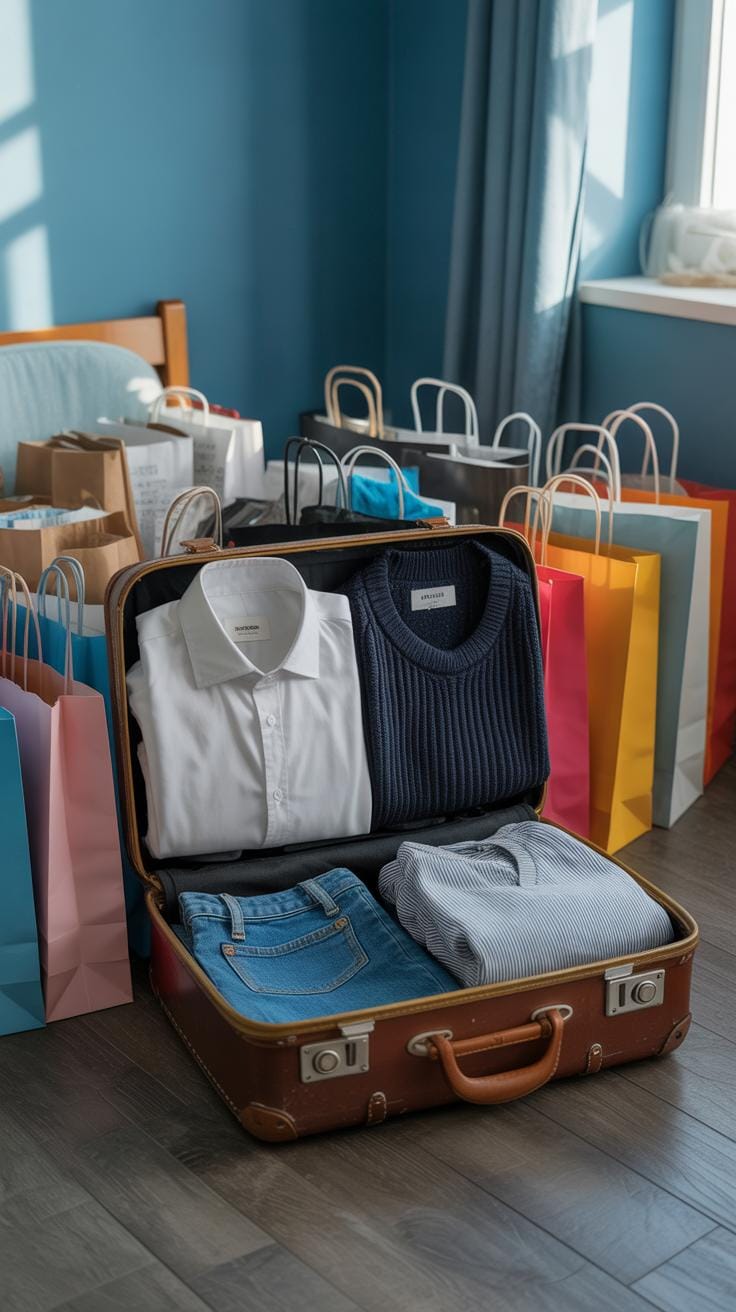
Overbuying in minimalist fashion often sneaks up on you when you think adding “just one more” piece will complete your wardrobe. It means buying clothes beyond what you genuinely need or can wear regularly. This habit can harm your style because it clutters your choices, making it harder to maintain that clean, intentional look minimalist fashion stands for. And your budget takes a hit too—because spending on extra items that rarely get worn is essentially wasted money.

For example, purchasing multiple similar T-shirts in different shades, or picking up trendy items you don’t actually love just because they’re on sale, are classic traps. These purchases don’t add real value but create unnecessary bulk. Avoiding them means knowing what fits your lifestyle and sticking to those essentials you’ll return to again and again.
Common Traps That Lead to Excess Clothing
People often fall into patterns where the minimalist goal seems out of reach. One trap is impulse buying. Walking into a store or scrolling online, you might grab a piece that looks great at first but doesn’t fit your style—or your wardrobe’s color palette. Without a clear plan, these decisions pile up.
Another scenario is the lack of wardrobe planning. Without a sense of what you already own or what’s truly missing, it’s easy to buy duplicates or mismatched clothes. Sometimes, summer sales or clearance racks tempt you to buy “just in case,” but these “just in case” items often end up forgotten.
Steps to Control Your Clothing Purchases
Limiting your clothes buying takes intention. Here are some simple steps you might find useful:
- Set a clear spending limit for clothes every month or season. This pushes you to choose wisely.
- Plan your wardrobe before shopping. Make lists of what you need and what outfits you want to create.
- Adopt mindful shopping habits: pause before buying, ask if it fills a gap or repeats what you have.
- Try delayed purchases—wait a week to decide if you still want the item.
Taking these steps might feel strict, sure. But over time, your wardrobe will start to reflect a real, usable style instead of clutter, and your budget will thank you too. Have you ever caught yourself buying something you later barely wore? What helped you resist the urge next time?
Why Quality Matters Over Quantity
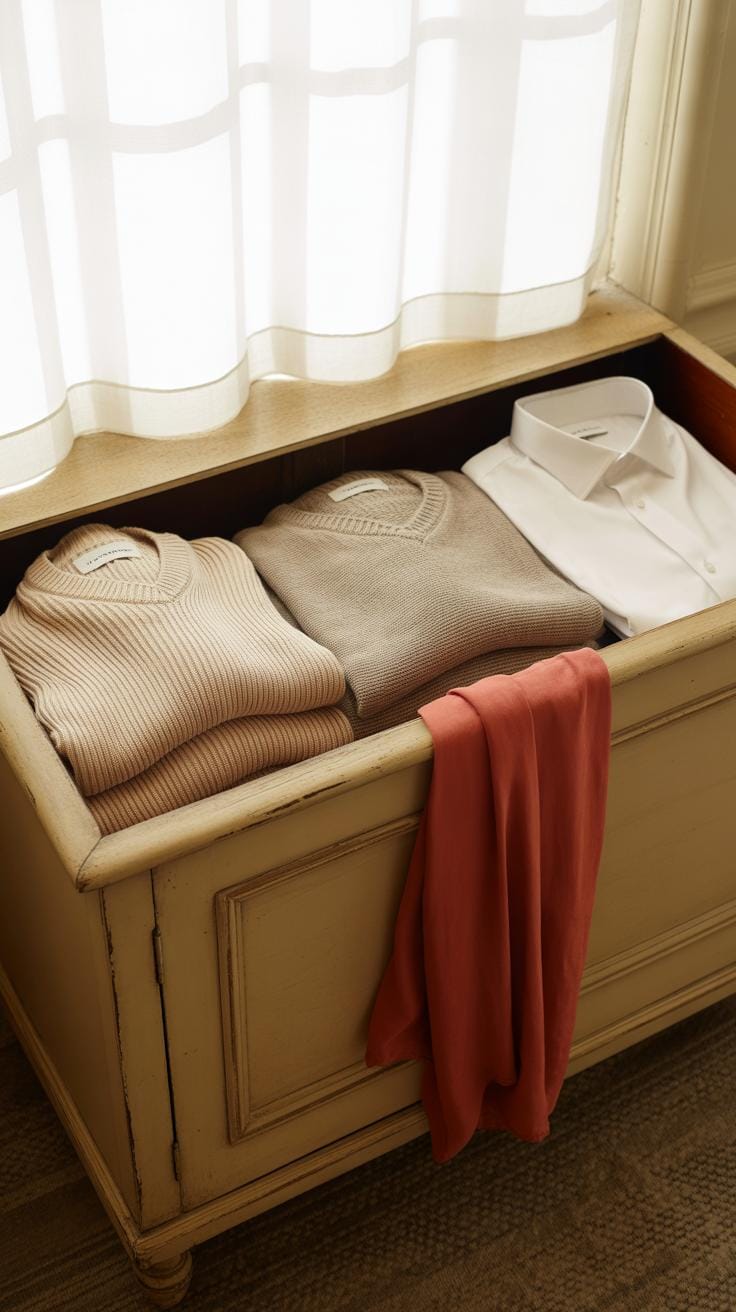
In minimalist fashion, the instinct to buy fewer pieces can sometimes backfire if you don’t choose quality over quantity. It’s tempting to grab several inexpensive items thinking you’ll cover all bases, but those quick buys often wear out fast and lose their shape. This affects your overall look—you might feel less polished even if you own a lot of items. That faded, stretched-out shirt or frayed hem? It sends the wrong message, no matter how minimal your wardrobe is.
Think about the money spent long-term. Buying many low-quality pieces means replacing them frequently. Over a year or two, those small, cheap purchases add up and sometimes cost more than a single, well-made item. You might hesitate spending more upfront, but eventually, you’ll likely spend more replacing worn-out clothes or getting repairs.
Identifying Quality Clothing Features
Recognizing quality takes some attention, but you don’t need to be an expert. Start with stitching—check if the seams are tight and even. Loose threads or inconsistent stitching often signal poor construction. Fabric type matters too. Natural fibers like cotton, wool, or linen generally wear better and breathe more than synthetics, though some synthetic blends can also be durable.
Look for details like reinforced stress points on elbows or pockets. These subtle reinforcements often indicate the maker expects the piece to last. The feel of the fabric can be a giveaway as well. If the material feels thin or overly stiff, it probably won’t age well. Sometimes, what looks good in the shop lighting won’t hold up after a few washes.
Cost vs Value in Minimalist Pieces
Paying more upfront doesn’t guarantee a perfect garment, but it often aligns with better craftsmanship and materials. Think of that simple white shirt you wear to work. A $20 version might look fine after one wear but could lose its shape or develop pilling quickly. A $100 shirt with better fabric and solid construction might look sharper longer, saving you from repeated replacements.
For example:
- A cheap t-shirt may last 3-6 months of regular wear.
- A quality t-shirt can last several years, keeping its fit and color.
- Cheap jeans may fade unevenly, stretch out, or rip sooner.
- Well-made jeans might cost twice as much but maintain their shape and finish for years.
You might wonder if spending more slows down exploration of style. It sometimes does, but in a way that forces you to think about what you truly want—leading to smarter buys, less clutter, and a wardrobe that actually delivers both look and longevity. Isn’t that what minimalism is about?
Understanding Fit and Its Impact
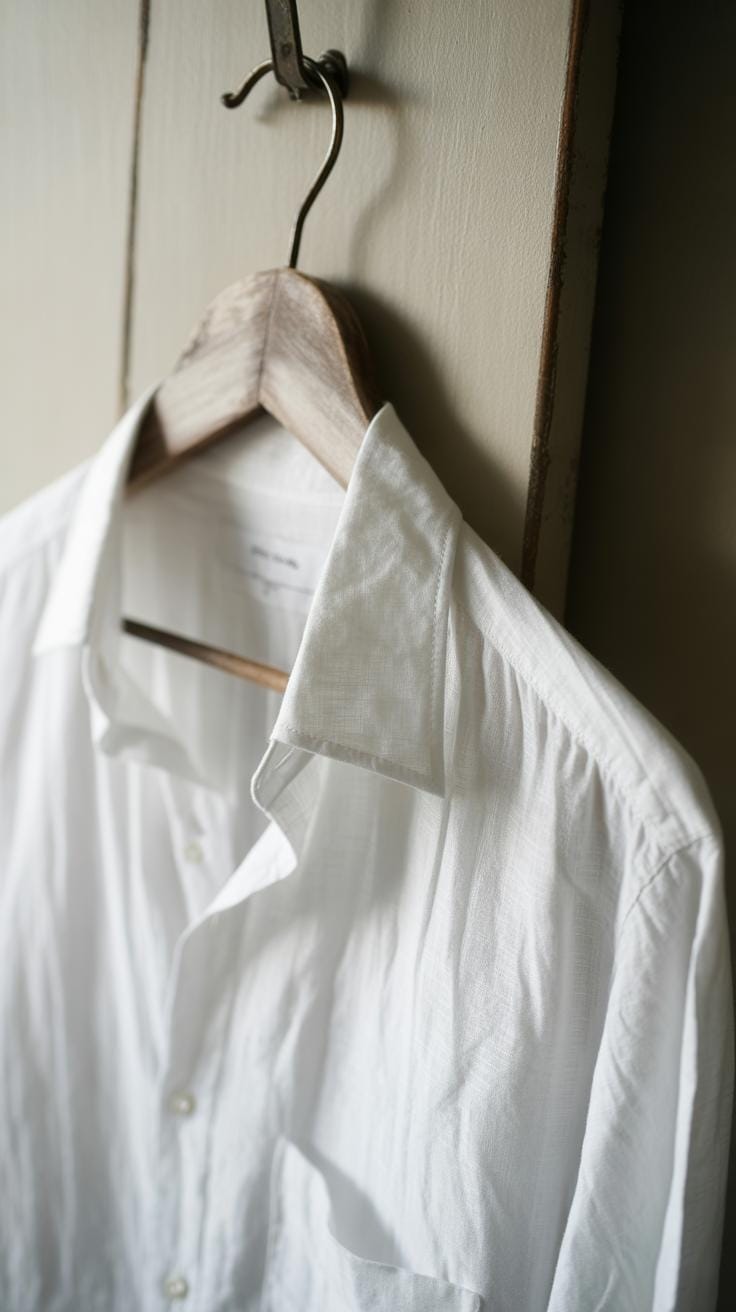
The fit of your clothes is maybe the single most crucial element in minimalist fashion. It shapes not just your look, but also how comfortable and confident you feel. Poor fit can make even the simplest outfit appear sloppy or ill thought-out. For instance, a shirt that’s too baggy loses all sense of structure, which is key in minimalist dressing. On the other side, something excessively tight can look forced, distracting from the clean lines minimalism aims for.
When clothes fit well, they highlight your natural form without adding unnecessary details. You might find that a well-fitted jacket or pair of trousers turns a basic outfit into something understated yet polished. That balance makes your wardrobe more versatile and, ironically, less expensive in the long run because you won’t feel the need to buy more to compensate for poor fit.
Common Fit Mistakes in Minimalist Fashion
There’s a handful of fit errors that pop up often in minimalist style, and they can quickly derail the effort:
- Wearing pieces that are too tight — it creates tension lines, restricts movement, and can feel uncomfortable.
- Choosing oversized or too loose items — which often look shapeless and overwhelm your frame.
- Ignoring proportions — like trousers that are too long or sleeves that don’t hit the wrist, making an outfit seem unbalanced.
- Neglecting shoulder fit — a boxy shoulder on a jacket can make you look either broader or slouchy.
Each of these mistakes can make your minimalist style appear careless rather than sleek, which is ironic given the simplicity it aims for.
How to Ensure Your Clothes Fit Right
Picking the right size is just the start. When you’re shopping, take a moment to move around in the clothes — sit, stretch, lift your arms. Does the fabric pull or bunch? Does it feel restrictive or sloppy?
Consider the following steps:
- Try multiple sizes — sometimes your true size isn’t the number you expect.
- Pay close attention to key areas: shoulders, chest, waist, and length.
- Don’t be shy about visiting a tailor — adjustments can make a huge difference, especially with minimalist pieces where every detail shows.
Remember, a piece doesn’t need to hug your body tightly to fit well. It just needs to complement your shape and allow ease of movement. You might be surprised how small tweaks can transform a mediocre fit into something that looks intentional and refined. Have you ever noticed how a pair of pants can look entirely different after hemming? Sometimes that tiny change solves all your fit problems.
Building a Capsule Wardrobe Checklist
Essential Pieces for a Minimalist Wardrobe
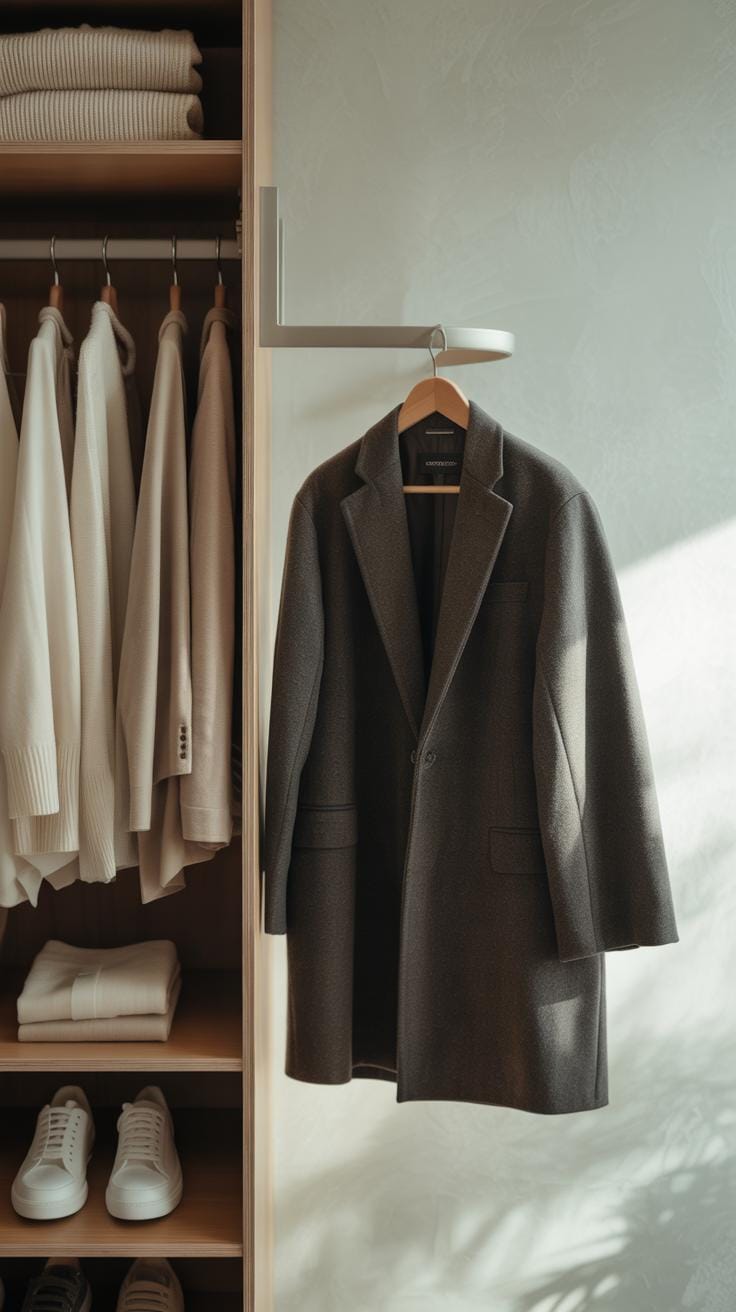
When building a minimalist capsule wardrobe, focus on items that serve multiple purposes and match easily with one another. Think simple shapes and neutral colors that won’t clash or feel outdated quickly. Key pieces often include:
- A classic white button-down shirt – timeless and easy to dress up or down.
- A pair of well-fitting jeans in a dark wash – versatile for casual or slightly dressier looks.
- A tailored blazer – adds polish without fuss.
- Neutral-colored t-shirts and long sleeves – think grey, black, white, beige.
- A little black dress or simple skirt – something flexible for various occasions.
- A quality pair of shoes that are comfortable yet polished, like loafers or ankle boots.
- A sturdy coat or jacket that fits your climate and style.
These pieces form the backbone of your capsule—enough variety without feeling overwhelmed. You might add or remove items based on lifestyle, but aim to keep the core versatile.
What to Skip to Save Space and Money
It’s tempting to hold onto every trend or sale find, but that usually just clutters your closet and drains your budget. Avoid items that serve only one or two outfits or that require special care, like overly embellished tops or novelty pieces you rarely wear.
Fast-fashion impulse buys often fall into this trap—cheap fabrics, poor fit, and styles that disappear next season. Also, skip multiples of basically the same item in slightly different shades. You want purpose, not excess.
Accessories that don’t match your core color scheme or jewelry that requires special maintenance can add unnecessary complexity. Space and mind share limits, so reserve both for what truly works and feels good to wear. Over time, this approach helps you avoid waste and stress, even if it’s hard to say no sometimes.
Comparing Fast Fashion vs Minimalism
How Fast Fashion Wastes Money
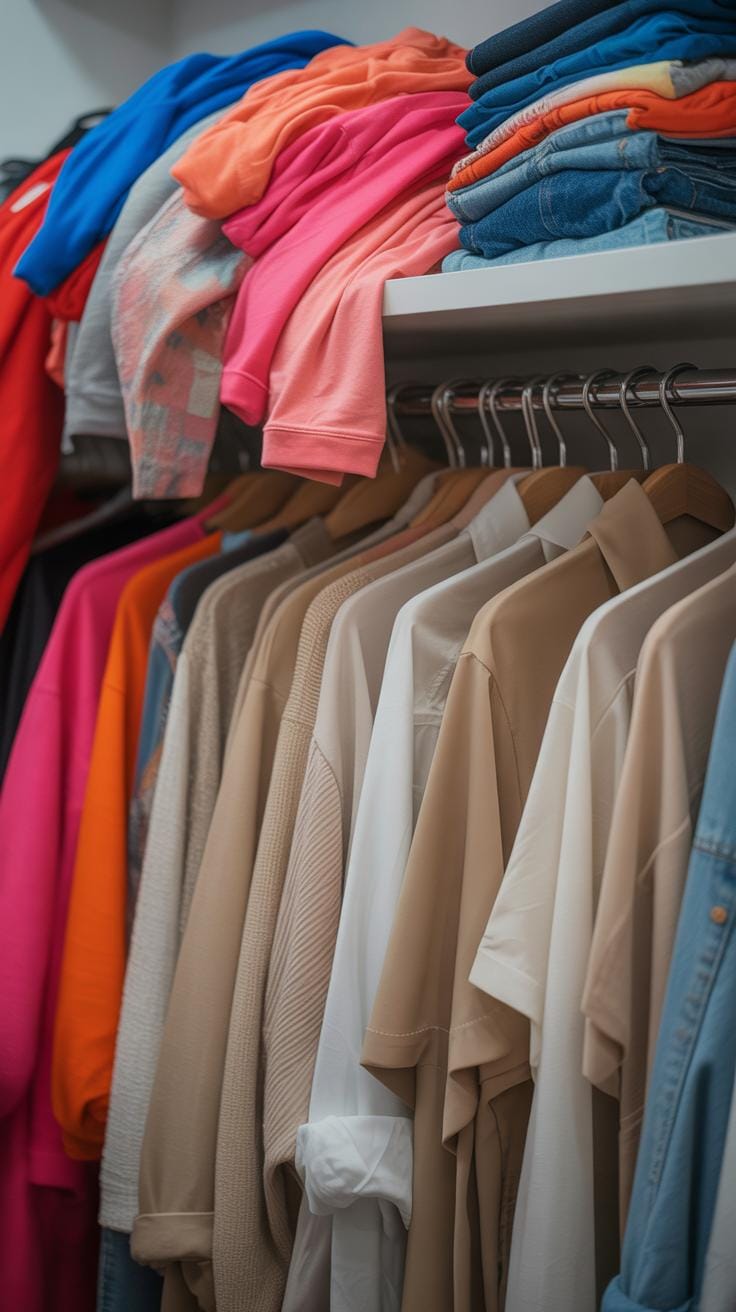
Fast fashion can be tempting. Prices are low, styles change quickly, and there’s always something new to catch your eye. But if you pause for a second, you might realize that buying these cheap, trendy items often leads to spending more in the long run. Clothes from fast fashion brands wear out faster because of their poor quality. You buy a shirt, wear it a few times, and it starts to fade, stretch, or lose shape. Then, you replace it. Rinse and repeat.
This cycle doesn’t just empty your wallet slowly—it also creates clutter. Your wardrobe fills up with pieces that don’t last or don’t quite fit who you are a month later. You end up overwhelmed by options but left with nothing reliable. It’s kind of ironic: spending less per item ends up costing more in time, space, and money.
Minimalism Focused on Longevity
Minimalist fashion takes a different path. The idea is to own fewer pieces, but ones that last. These items are made from better materials, sewn sturdily, and designed in a style that won’t feel outdated quickly. The aim is versatility—you pick pieces that can move from work to casual outings easily.
Because you invest in quality, these clothes stay sharp-looking longer. You also avoid impulse buys that just sit in your closet. Sure, the initial price tag can be higher, but over months and years, it pays off. Fewer shopping trips, less clutter, more clarity in your style.
So, instead of chasing trends, you build a wardrobe that suits real life—your life. And that’s where spending smarter becomes a kind of freedom, not a limitation.
Tracking Your Clothing Budget Effectively
Simple Budget Planning for Clothes
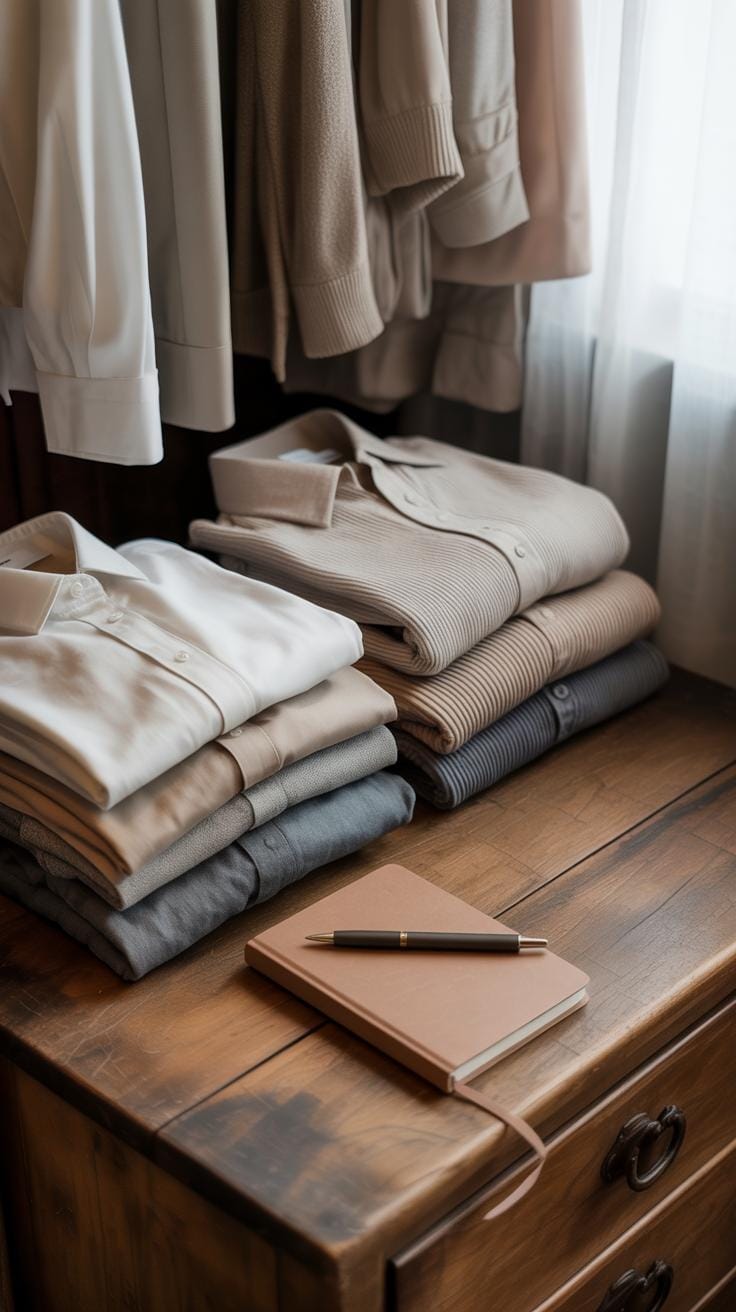
Setting a budget for minimalist fashion might seem straightforward—buy less, spend less—but it’s easy to underestimate the costs when you’re focusing on quality over quantity. One way to keep it in check is by deciding on a fixed amount, monthly or yearly, that feels reasonable for your lifestyle. For example, you could allocate $50 a month or $600 a year to clothing. The trick is to stick to that number, even when a tempting sale or a perfect basic piece appears. It’s okay to shift it around a bit, but tracking and adjusting helps prevent impulse overspending.
Try breaking that budget into categories. For instance:
- Essentials like plain tees or good jeans.
- Seasonal items such as coats or sandals.
- Occasion wear—sometimes these cause unexpected splurges.
Doing this can make your spending less vague and more manageable. It also encourages thinking ahead rather than buying on a whim.
Tools to Monitor Your Clothing Spending
Keeping tabs on your clothes spending doesn’t require fancy tools, but they certainly help. Many people find apps like Mint or YNAB useful; they can set spending limits and alert you when you’re getting close to them. Other simpler methods work too—like a dedicated spreadsheet or even a small notebook. You jot down every purchase, no matter how small. I’ve found that writing things down, not just typing, makes me pause and reconsider before buying.
Some other ideas worth trying:
- Set up calendar reminders to review your clothes budget monthly.
- Use envelopes or cash jars for your budgeted amount to physically separate clothing funds.
- Check bank or card statements regularly and ask yourself if each item fits your minimalist goals.
What often helps is a quick post-purchase reflection. Did this jacket really add value? Was it worth the budget chunk? Budgeting tools remind you not just to spend less, but to spend smarter. Or at least, that’s how I try to see them.
Avoiding Styling Mistakes That Clash
Minimalist fashion thrives on simplicity, yet it’s surprisingly easy to slip up when styling your wardrobe. One common error is mixing too many patterns or colors that don’t quite work together. You might think adding a bit of variety will make your outfit pop, but in minimalism, it often just creates visual clutter. Imagine pairing a striped shirt with a polka-dot skirt while wearing brightly contrasting shoes. The look feels chaotic rather than clean or refined.
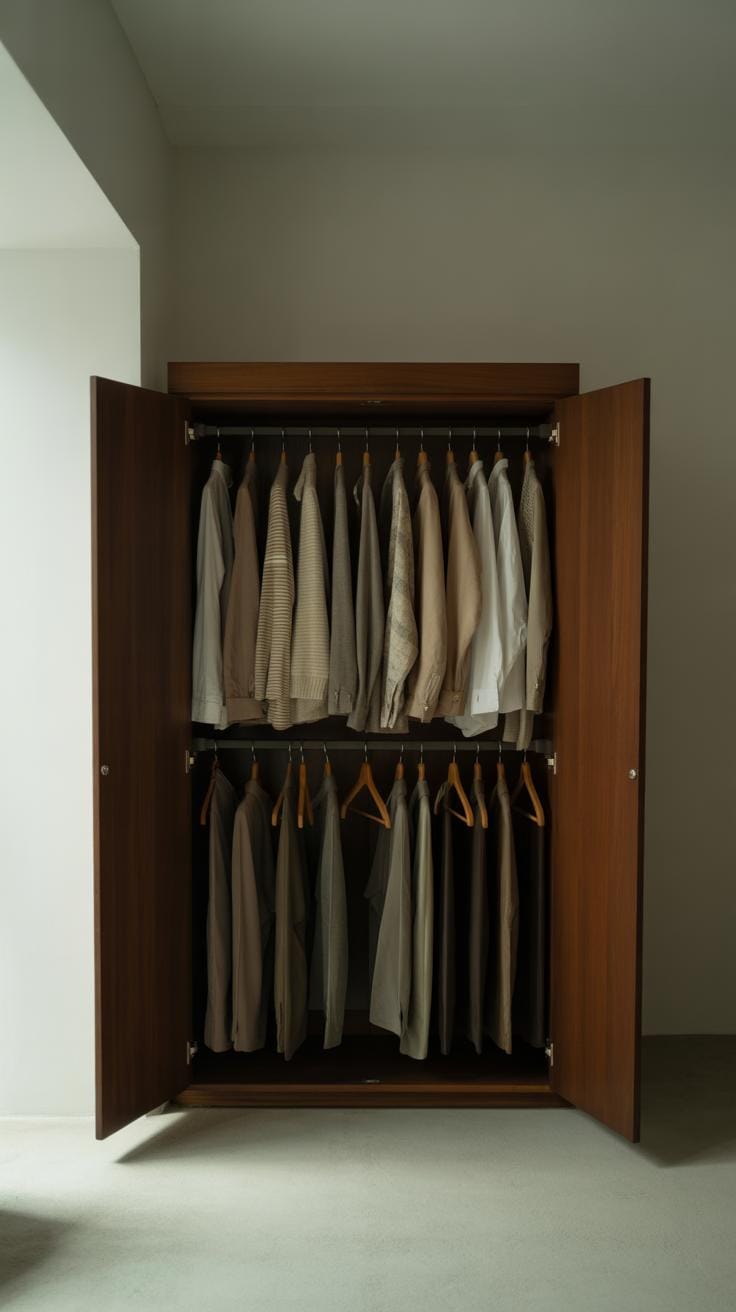
To fix this, focus on limiting patterns to one piece per outfit if you choose to wear any. Stick with subtle variations like thin stripes or muted prints rather than bold designs. When it comes to color, try to stay within a cohesive palette. Soft neutrals, monochrome tones, or muted shades work best. This doesn’t mean everything must be beige or gray—think about how navy, olive, and cream can blend effortlessly.
Creating a purposeful uniform look helps keep your style unified and budget-friendly. Choosing versatile basics lets you mix and match without guessing if something clashes. This way, every piece becomes a reliable part of your wardrobe, making what you wear easier to plan daily. Have you noticed how some minimalist outfits still feel fresh because the colors or shapes repeat with intention? That’s the kind of approach to aim for, rather than a random mash-up of colors and prints that fight for attention.
Maintaining Your Minimalist Wardrobe

Taking care of minimalist clothing isn’t just about keeping it clean. It’s about protecting the few pieces you own so they stay wearable and look good for a long time. When you have a smaller wardrobe, every item feels more significant, right? So, treating them right becomes a little more crucial than with a big collection.
Washing can be tricky. Some fabrics need cool water, others a gentle cycle—figuring this out once feels like a chore, but it pays off. I’ve learned to avoid harsh detergents and bleach; they wear out fibers faster than you might expect. Also, skip the dryer if you can. Air drying keeps shapes intact and prevents shrinking, though it takes time.
Storage also matters. Don’t cram everything tightly in your closet. Give each piece some room to breathe. For knitwear, folding works better than hanging—to avoid that stretched collar look. And I think investing in quality cedar balls or lavender sachets makes a subtle difference keeping moths away without heavy scents.
Repairs? A tiny hole or loose seam can feel annoying, but addressing these right away extends life a lot. Sometimes all you need is a little sewing or replacing buttons. Waiting too long just makes it worse and might push you to replace something prematurely.
Still, when should you replace a minimalist piece? Notice if fabric gets too thin, colors fade badly, or the fit changes with wear. Sometimes a garment just stops feeling right, even if it’s not broken. At that point, it’s OK to let go; keeping things out of obligation can backfire on your style and budget.
Conclusions
Minimalist fashion is about making smart choices that keep your wardrobe simple yet stylish. Avoiding key mistakes like overbuying, poor quality items, and ignoring fit will help you save money and look sharp. Focus on essentials that work well together and last long.
By following the tips and understanding the pitfalls covered, you can keep your style clean without wasting money. Minor changes and mindful purchases lead to a wardrobe that truly supports your lifestyle and budget.