

Common Mistakes That Hurt A Casual Look
Choosing a casual outfit may seem easy, but many people fall into simple mistakes that hurt both style and comfort. Getting your casual look right helps you feel confident and relaxed throughout your day. This article covers common errors in casual outfits and how you can avoid them easily.
We will explore 10 key areas where people often slip up and offer practical advice for improving your outfits. Whether you dress for work, hanging out, or running errands, this guide helps streamline your wardrobe choices and boost your appearance. Let’s dive into the most frequent casual outfit mistakes and learn how to fix them with clear tips.
Identify Uncomfortable Clothing Choices

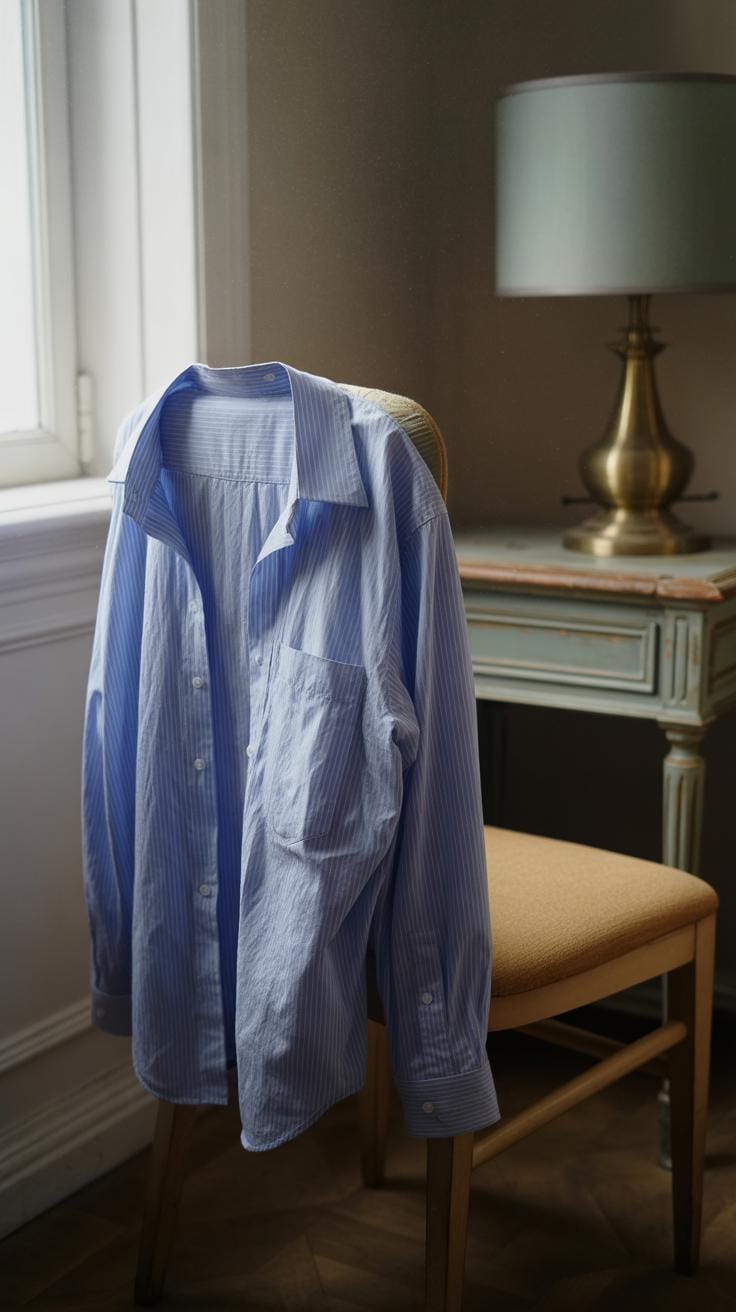
Comfort plays a bigger role in your casual outfit than you might guess. When clothes pinch, bind, or just don’t feel quite right, it affects how you move—and how you feel. You might brush it off at first, thinking you can “tough it out,” but over time that irritation grows. People often don’t notice when an outfit restricts movement until they try to sit, bend, or stretch. If you catch yourself adjusting your clothes constantly or feeling tense inside your shirt or pants, that’s a sign your choice isn’t working.

Recognizing discomfort can be tricky because it’s not always about obvious tightness. Sometimes, it’s about the fabric’s texture or how seams press against your skin. If you hesitate before reaching for an item or only wear something for a short while, there’s probably a reason. Comfort isn’t just about softness; it’s also about freedom—how your body interacts with the outfit without struggle.
Signs Your Casual Clothes Are Uncomfortable
Notice these common signs your casual clothes might be causing discomfort:
- Clothing feels tight, especially around the waist, shoulders, or thighs. This tightness limits your range of motion subtly, but it’s there.
- The fabric itches or causes a prickly sensation, making you want to scratch or shift frequently.
- Pieces feel heavy or bulky, like they cling awkwardly or weigh you down.
- Seams dig in at odd spots or labels rub where you least want them to.
- You catch yourself pulling at hems or adjusting waistbands more than once every hour.
Sometimes discomfort can be so mild that you question if it’s worth switching out your outfit. But these little irritations add up and wear you down faster than you realize.
Choosing Comfortable Fabrics and Fits
Choosing the right fabrics helps a lot. Soft clothes which breathe are easier to live in. Cotton, linen, and blends with modal or bamboo tend to feel good against skin and allow airflow. Avoid overly synthetic materials that trap heat or cling uncomfortably.
Fit matters too, but not always in the way we think. You don’t have to wear baggy clothes to be comfortable. Clothes that follow your body shape without squeezing are ideal. Stretchy fabrics with a bit of elastane can offer flexibility without losing style. And pay attention to cut—simple details like a higher waistband or raglan sleeves can prevent awkward pulling.
Try moving around in your clothes before deciding. Walk, stretch, sit, and see if anything bothers you. Sometimes a small adjustment or choosing clothes with more give changes everything about your comfort—and honestly, your confidence too.
How to Match Colors Effectively
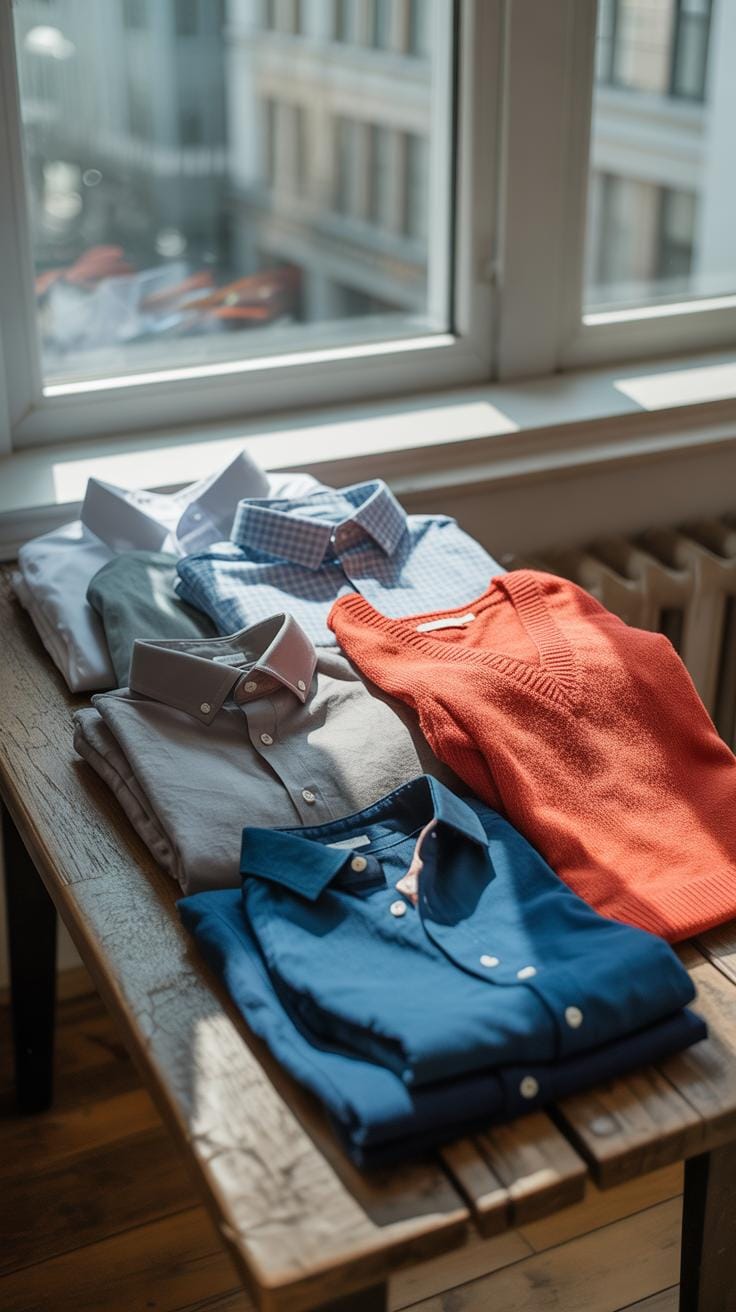
Color harmony can make or break a casual outfit. When you think about your clothes, it’s not just about mixing pieces, but about how those colors interact. If you pick colors that clash or compete too much, it tends to distract, or worse, makes an otherwise decent look feel off. I’ve noticed that people often overlook this detail, focusing on style but ignoring the color balance. That’s where most casual outfit mistakes happen.
Getting your colors right helps your outfit appear intentional rather than thrown together. Even if you’re going for a relaxed vibe, harmony in colors brings coherence and subtle polish. On the flip side, poor color matching generally creates confusion in your look—a sort of visual noise. So, it’s not just about wearing colors you like, but also about making them work together.
Basic Rules for Combining Colors
For starters, keep it simple. You don’t need to be an artist to avoid clashing colors. A few easy-to-follow guidelines can help you steer clear of common errors:
- Stick to two or three main colors in your outfit. More than that, and it could feel chaotic.
- Use neutrals as a safe base—colors like black, white, beige, gray, or navy can calm down brighter shades.
- Try pairing a bold color with something muted or pastel. This contrast often looks balanced without effort.
- Think about color temperature. Warm tones (like reds, oranges) tend to pair better with warm, and cool tones (like blues, greens) with cool.
- If unsure, choose shades that sit next to each other on the color wheel—these are called analogous colors and usually get along quite well.
These steps are simple, yet people sometimes miss the basics and end up with outfits that feel off—maybe too harsh or simply mismatched.
Examples of Color Combinations to Avoid
Some combinations seem like they should work but often don’t, no matter how hard you try. Here are a few pairs to be cautious with:
- Red and Green: Unless you’re aiming for a festive look, these colors can appear too vibrant and clash harshly.
- Brown and Black: While some say it can be done, it often looks muddy or unintentionally dull, especially in casual wear.
- Bright Orange and Bright Pink: Both are intense colors, and placing them together can overwhelm a look unless carefully balanced.
- Yellow and Purple: This duo can feel unbalanced and draws attention in a way that may not suit casual settings.
Of course, experiment if you want, but keep in mind, these pairs rarely come off as polished or comfortable—for everyday style, at least. Sometimes, it’s these little choices that unintentionally pull your outfit out of sync.
Distinguish Casual vs Smart Casual

Sometimes, telling casual and smart casual apart isn’t as simple as it sounds. You might think wearing jeans and a nice shirt automatically makes an outfit smart casual, but that’s not always the case. Casual usually means comfort comes first—think relaxed fits, basic tees, sneakers, and maybe even hoodies. Smart casual, though, demands a bit more thought. It’s about mixing comfort with a polished touch. Imagine swapping those sneakers for loafers or a crisp button-up over a plain tee.
Features of a casual outfit include items like:
- T-shirts or relaxed shirts
- Jeans or comfortable trousers
- Sneakers or casual slip-ons
- Sweaters or hoodies
- Minimal accessories
You’d wear these for errands, hanging out with friends, or casual weekends—anywhere you want to keep things easy but not sloppy.
To tip a casual look into smart casual territory, consider subtle changes such as:
- Replacing a basic tee with a collared shirt or a blouse
- Choosing a blazer or a structured jacket instead of a hoodie
- Opting for leather shoes or clean loafers over athletic sneakers
- Incorporating refined accessories like a watch or a subtle belt
It’s not always obvious how to balance the two. Sometimes, wearing jeans can feel too casual unless paired correctly with smarter pieces. You might wonder, can a simple polo make an outfit smart casual? It arguably can, but only if the rest of your look aligns with the sharper vibe. Dressing smart casual means picking your pieces thoughtfully, not just mixing them randomly.
Avoid Sizing and Fit Mistakes

How Poor Fit Affects Your Look
Wearing clothes that are too big can drown your shape, making you look sloppy rather than relaxed. Baggy jeans or oversized tops might seem comfy at first, but they often add bulk and confuse your silhouette. On the other hand, tight clothing can feel suffocating and restrict movement, which is never ideal for casual outfits meant to keep you comfortable. When clothes cling too much, they highlight areas you might prefer to downplay, or they might just look strained and uncomfortable.
There’s also a subtle awkwardness that ill-fitting clothes bring. A shirt that’s too small might ride up when you sit or stretch in odd ways, while pants that are too long can bunch around your ankles, tripping you up or messing with your overall balance. It’s a common mistake to overlook how fit changes throughout the day or with different activities. So maybe it’s not about looking perfect all the time but finding what doesn’t get in the way.
Fit Tips to Perfect Casual Outfits
Measuring yourself before buying can save a lot of guesswork. Use a soft tape measure for your chest, waist, hips, and inseam. Don’t rely just on labels; clothing sizes vary a lot between brands and styles. Trying clothes on in different sizes can be revealing—even if it feels tedious.
When testing fit, check for comfort first. Can you raise your arms without that strange tightness? Do the shoulders of a jacket sit right, or do they slump? Pants should skim your legs without pinching or pooling too much at your shoes. Maybe try squatting or walking, since casual wear needs to move with you. If you can’t zip or button something without effort, or if fabric pulls, that’s a sign to size up or choose a different cut.
Sometimes, alterations are worth considering. Even a simple hem or slight taper can change how your outfit looks and feels, especially for staple items like jeans or shirts. Don’t let the fear of spending extra stop you—well-fitted casual clothes almost always feel better.
Footwear Mistakes That Ruin Casual Style
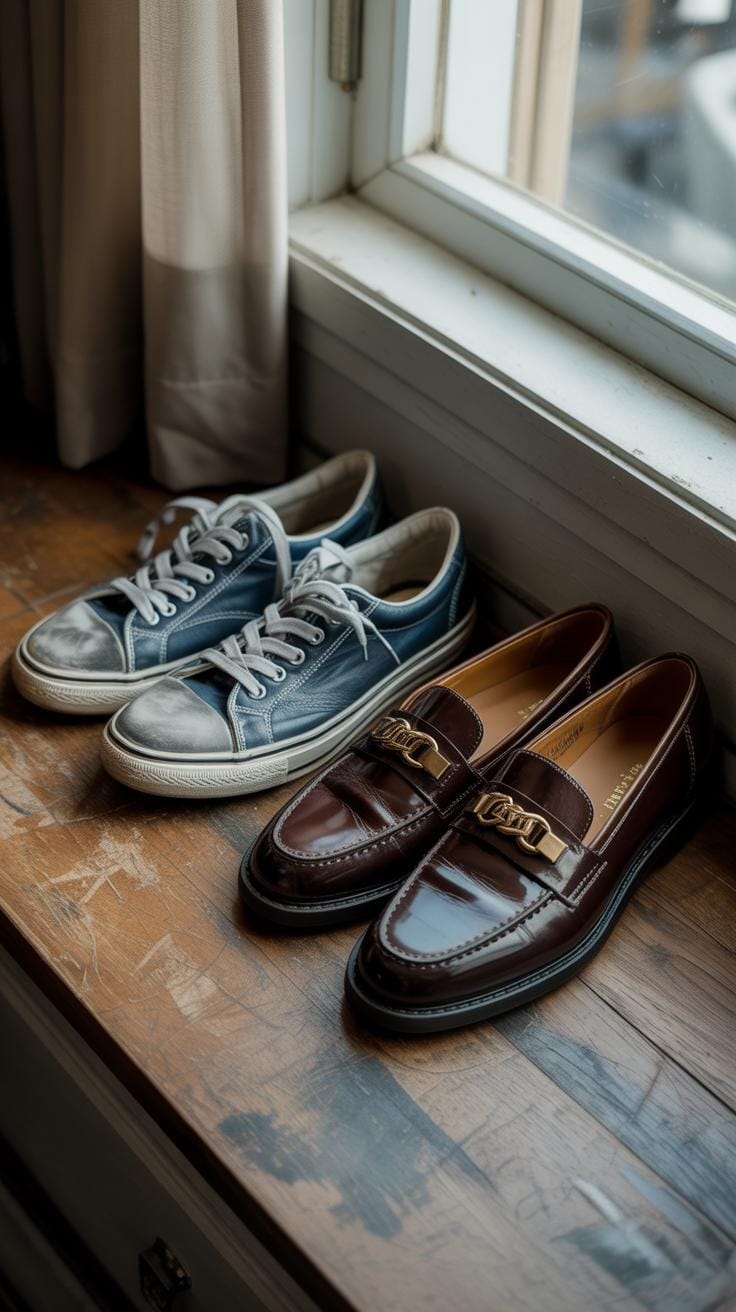
The wrong shoes can completely throw off a casual look. One common mistake is pairing formal shoes—like dressy oxfords or glossy loafers—with casual jeans. It feels off, as if you’re trying too hard but missing the mark. I’ve seen this happen more times than I expected. It’s not just about looking out of place; those shoes don’t usually offer the comfort a casual outfit demands. On the other hand, wearing worn-out sneakers or heavily scuffed shoes sends a message that you didn’t really care about your outfit or appearance. It doesn’t matter how nice your clothes are if the shoes look like they belong to another lifetime.
Another misstep is choosing footwear that’s too bulky or too delicate for the setting. Bulky boots might overpower a light summer look, while delicate ballet flats can look out of place with rugged denim. These mismatches confuse the vibe your outfit is supposed to convey.
Right Shoes for Casual Occasions
Picking shoes that fit the casual mood can be straightforward once you know your options. Here are some good choices to keep in mind:
- Clean sneakers – not pristine necessarily, but well-maintained and simple in design.
- Slip-on loafers or moccasins – if you want something a bit polished without going formal.
- Desert boots or chukkas – versatile and great for almost every casual setting.
- Simple sandals or slides – perfect for relaxed days when you want to keep it breezy.
- Casual boots – think suede or less structured leather, which keeps things casual yet stylish.
Each of these options bridges comfort and style without making you question if you’re over- or under-dressed.
Avoiding Overly Formal or Sloppy Footwear
It’s tricky to strike the right balance between dressy and lazy in your shoes. Formal footwear tends to stiffen your casual look, making everything feel disconnected. Imagine a casual tee paired with shiny, health-shiny dress shoes—it just doesn’t quite work. Conversely, slipping on cheap flip-flops or heavily worn sneakers can make you look like you didn’t put any thought into your outfit. Both extremes disrupt the casual vibe you’re aiming for.
Alternatives? Try to find shoes that complement rather than compete with your outfit. If you’re wearing jeans and a t-shirt, classic low-top sneakers often hit the right note of laid-back but intentional. If you want a hint of sophistication, suede loafers or desert boots gently elevate the look without going too formal. Think about your activity, too—comfort matters far more here than you might expect. After all, casual dressing isn’t just about looks; it’s about feeling at ease in what you wear.
Layering Your Casual Outfits Smartly
Benefits of Layering Clothes Properly
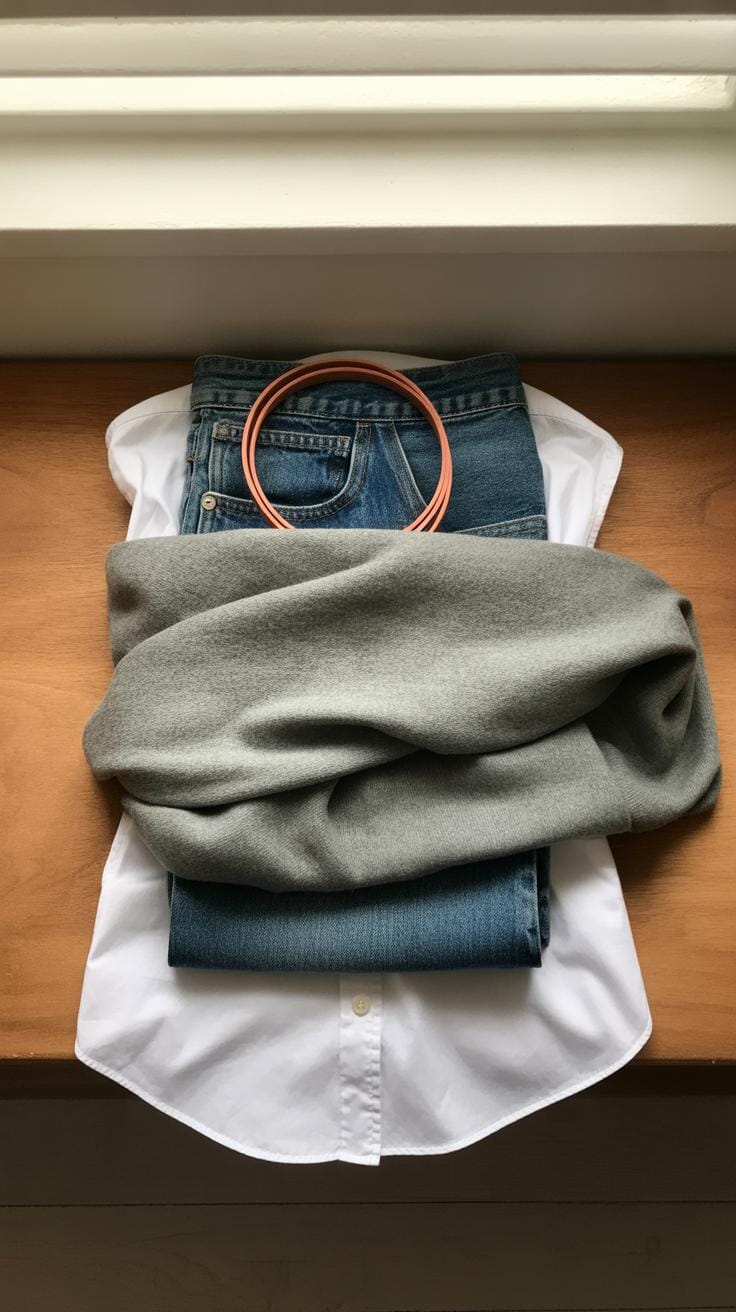
Layering can really change the way a casual outfit looks and feels. It’s not just about adding warmth or dealing with unpredictable weather—though that’s definitely part of it. When done well, layering adds depth and dimension to your look, making it feel more intentional and put-together without much effort.
Think about combining different textures or lengths. A basic t-shirt under a denim jacket, topped with a cozy scarf, suddenly becomes more interesting than just the t-shirt alone. Besides that, layers let you adjust throughout the day. Warm in the morning but chilly later? You can shed a piece without ruining your whole look.
Plus, layering gives you room to play with colors and patterns in subtle ways. For example, a striped shirt peeking out from under a neutral sweater creates balance without overwhelming your eye. It can make a simple outfit look carefully selected, even if you threw it on quickly.
Common Layering Errors to Watch For
That said, layering isn’t without its pitfalls. One common mistake is piling on too many layers. It feels cozy but ends up bulky or messy. Sometimes people go for every jacket or shirt they own, and it just overwhelms their shape. You want to avoid the “I’m drowning in clothes” effect.
Another misstep involves mismatching the pieces in a way that doesn’t click. If the colors clash or fabrics fight—like pairing a formal blazer with a very casual hoodie—the look becomes confusing. It doesn’t mean you can’t mix styles, but the combinations should complement each other or at least share a theme.
It’s also easy to forget about proportions when layering. For instance, wearing a bulky sweater under a fitted jacket might feel uncomfortable and throw off the outfit’s flow. Sometimes less is more, and choosing the right single layer can be better than forcing several that don’t work together.
Have you ever tried layering but felt awkward all day because your outfit just didn’t settle right? It happens. Paying attention to these factors can make layering a strategy you actually enjoy and rely on, rather than one you avoid out of frustration.
Using Accessories Wisely in Casual Wear
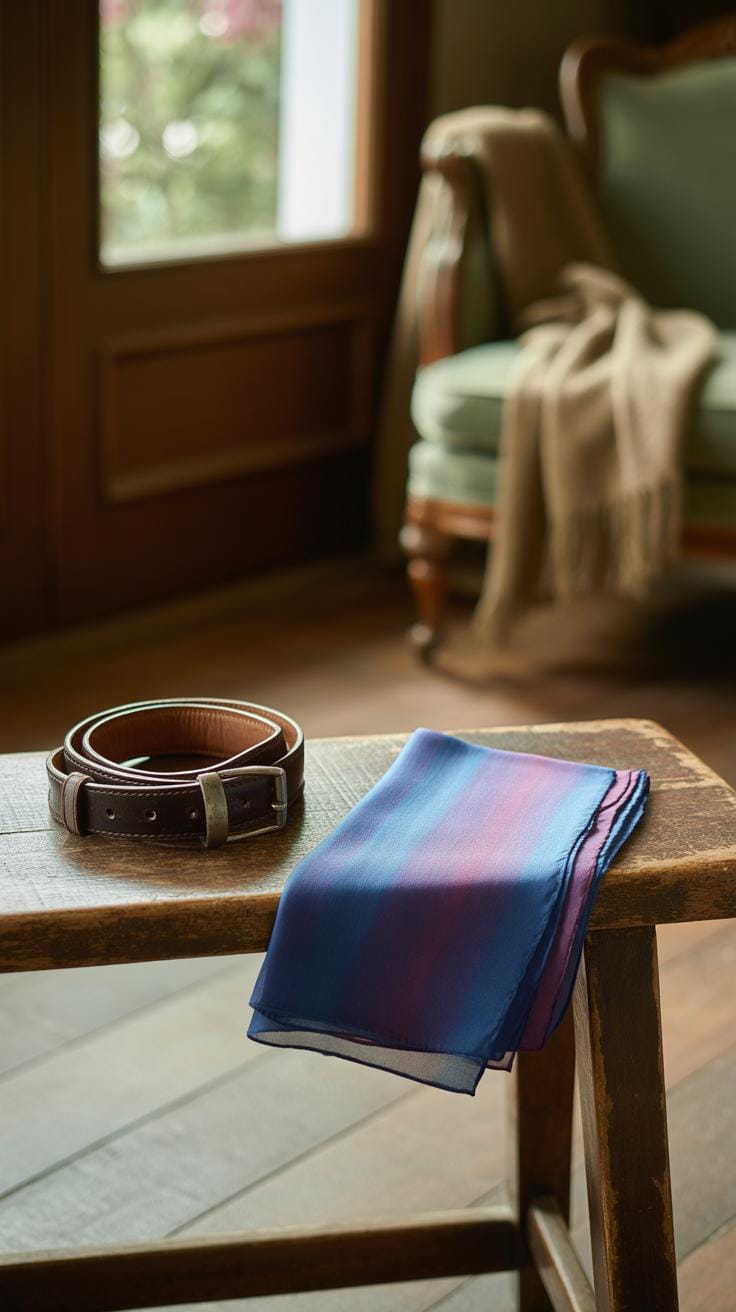
Accessories can make or break a casual outfit. They add personality and can polish even the simplest look. But too many accessories? That’s when things get messy. On the flip side, sometimes going completely bare feels a bit bland, right? Finding a balance is tricky but worth the effort.
Simple accessories usually work best. Think a classic watch, subtle earrings, or a sleek bracelet. These don’t steal the show but quietly boost your style. A leather belt that matches your shoes can tie everything together without shouting for attention. You might want to experiment with scarves or hats, but use them sparingly—they can quickly become overwhelming.
Common mistakes? Yes, plenty. Mixing gold and silver metals often looks off. Wearing too many rings or layered necklaces can turn casual into cluttered. I remember once piling on bracelets and feeling less stylish and more weighed down by midday. To avoid this, pick one or two accessories and stick to them. Don’t feel pressured to wear everything you own at once. Sometimes, less really is more.
Maintain Your Clothes Properly
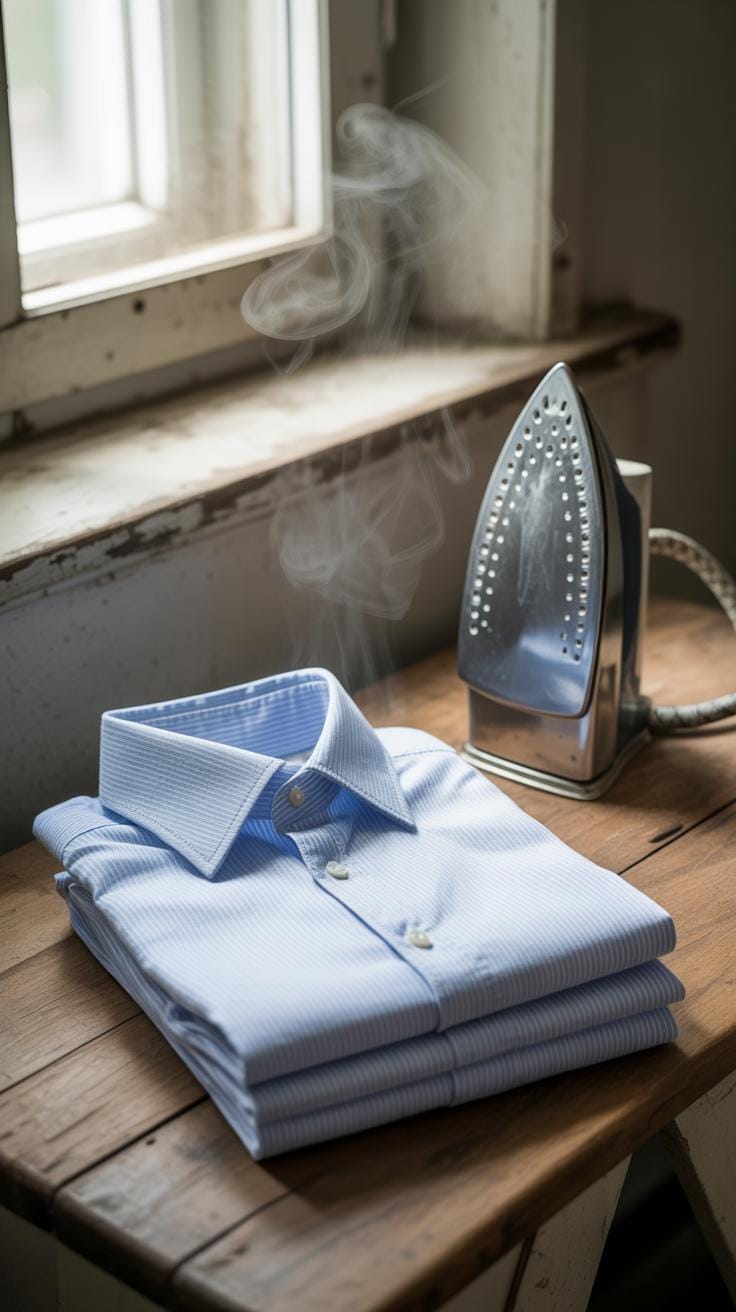
Taking care of your casual clothes isn’t just about preserving fabric; it actually shapes how you look day to day. Poor care leads to faded colors, stretched-out shapes, and frayed edges that make even the simplest outfit appear tired or sloppy. It’s a slow wear-and-tear process that sneaks up on you, and suddenly those tees and jeans you loved feel more like old rags.
Washing, drying, and storing your casual wear thoughtfully can make a noticeable difference. For example, washing jeans inside out in cold water helps retain color longer. Over-drying clothes in a heated dryer? That’s a quick way to shrink or weaken fibers. Lay knits flat to dry instead of hanging them, so they avoid stretching out of shape. Storing isn’t just tossing clothes in a drawer; folding tees neatly or using proper hangers can prevent wrinkles and maintain their form.
Sometimes you hold onto a favorite piece for too long, ignoring the subtle holes or stretched collars. But when wear and tear become obvious—like persistent fading or seams ripping—it’s time to let go. Replacing worn items keeps your casual wardrobe feeling fresh and intentional. After all, a neat, well-kept outfit beats anything that looks tired, no matter how comfortable it once was.
Seasonal Casual Dressing Tips
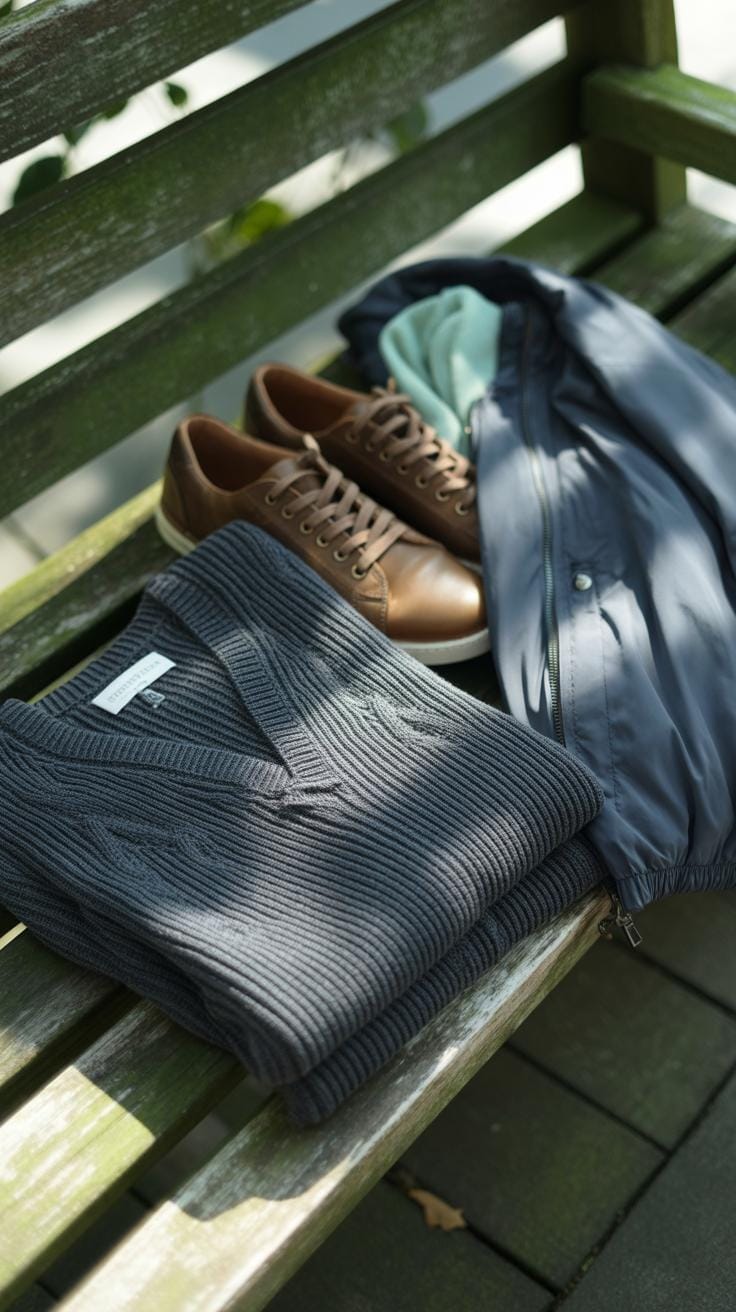
Dressing for Warm Weather
When temperatures rise, focusing on breathability becomes key. Light fabrics like cotton, linen, and chambray help you stay cool without looking sloppy. You might think a loose fit always means comfort, but sometimes well-fitted pieces made from natural fibers can feel just as airy and look neater.
Styles also matter in warm weather. Sleeveless tops, lightweight shorts, or relaxed-fit pants all work well, but don’t neglect the role of color. Lighter hues reflect heat better, which is practical and can add freshness to your look.
One tricky part—balancing casual with sun protection. Hats or lightweight long sleeves can help, although it sometimes seems like wearing less is the only way to beat the heat. I’ve found layering a thin shirt over a tank can offer sun coverage without overheating, though it depends on your tolerance.
Casual Outfit Ideas for Cold Weather
Cold months ask for layers but layering without bulk feels like an art. Merino wool sweaters, flannel shirts, and fleece-lined jackets make a good base. The challenge is picking layers that work with each other visually—sometimes you think they match until you see yourself in the mirror.
Fabric choice also influences warmth and comfort. Wool and thick cotton offer insulation, but synthetic blends can wick moisture better if you’re active outdoors. Sometimes, opting for a streamlined puffer over a bulky coat looks sharper and still keeps the chill away.
Don’t forget accessories: scarves, beanies, and gloves do more than just protect—you can play with colors and textures here. Oddly enough, mixing patterns with scarves can make an outfit feel more intentional even if it started as a lazy morning throw-on. It’s a bit like dressing—you might not realize what works until you try.
Step by Step Outfit Review Checklist
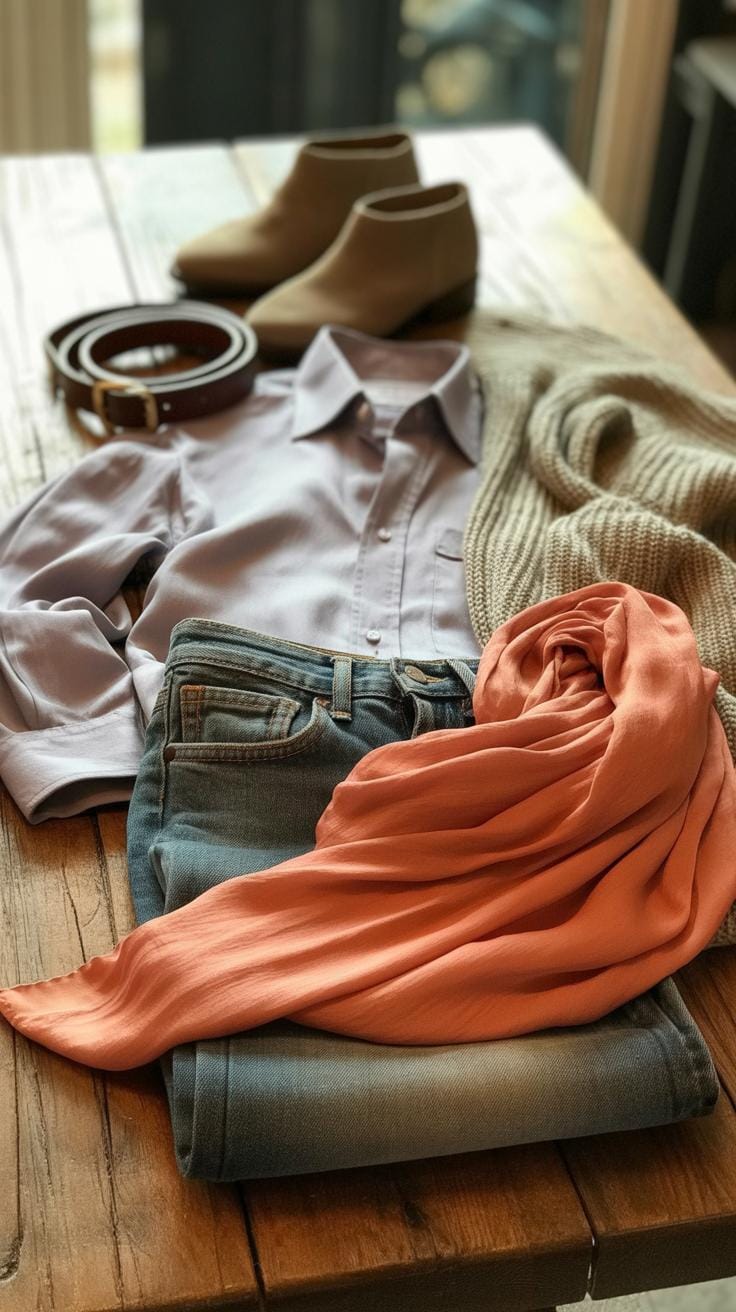
Before you step out, quickly run through a checklist to catch any casual outfit slip-ups. It doesn’t need to take long—just a quick moment of honest self-assessment.
Start with the fit. Does your shirt feel snug in the shoulders or too loose around the waist? Are your pants comfortably hugging without pinching? Sometimes, what feels “okay” in the mirror isn’t quite right once you move around. Try stretching or sitting down to see if anything shifts awkwardly.
Next, check the color balance. Do your pieces blend well or clash unexpectedly? Maybe the hues looked fine in the store but seem off now. If you spot something too loud or dull, consider swapping that top or accessory for a more neutral or complementary tone. A simple tee can often tone down a busy pattern.
Don’t skip over cleanliness and condition. A tiny stain or loose thread can quickly undo a casual look. If you notice those, a quick wipe or trimming with scissors can help. I remember rushing out with a small ketchup spot on my sleeve—never again.
If one part feels off, ask yourself: Can I fix this quickly? Roll up sleeves, change shoes, or add a belt. Having a few backup options ready—like a different jacket or pair of shoes—can save the whole outfit without much hassle.
Finally, trust your gut. If the outfit doesn’t feel quite right but you can’t put your finger on why, switch it. Sometimes comfort or style isn’t about perfect rules but how you feel in the clothes. And that feeling matters, maybe more than anything else.
Conclusions
Casual outfits work best when they balance style and comfort. The mistakes discussed—like wrong fits, clashing colors, and inappropriate accessories—can easily lower your overall look. By paying attention to these details, you can elevate your casual appearance without much effort.
Remember the advice on proper fit, suitable footwear, and layering smartly as you pick clothes. These simple steps will help avoid common pitfalls and keep you feeling great. Use this knowledge every day to create versatile, sharp casual outfits that suit your lifestyle and personality.