
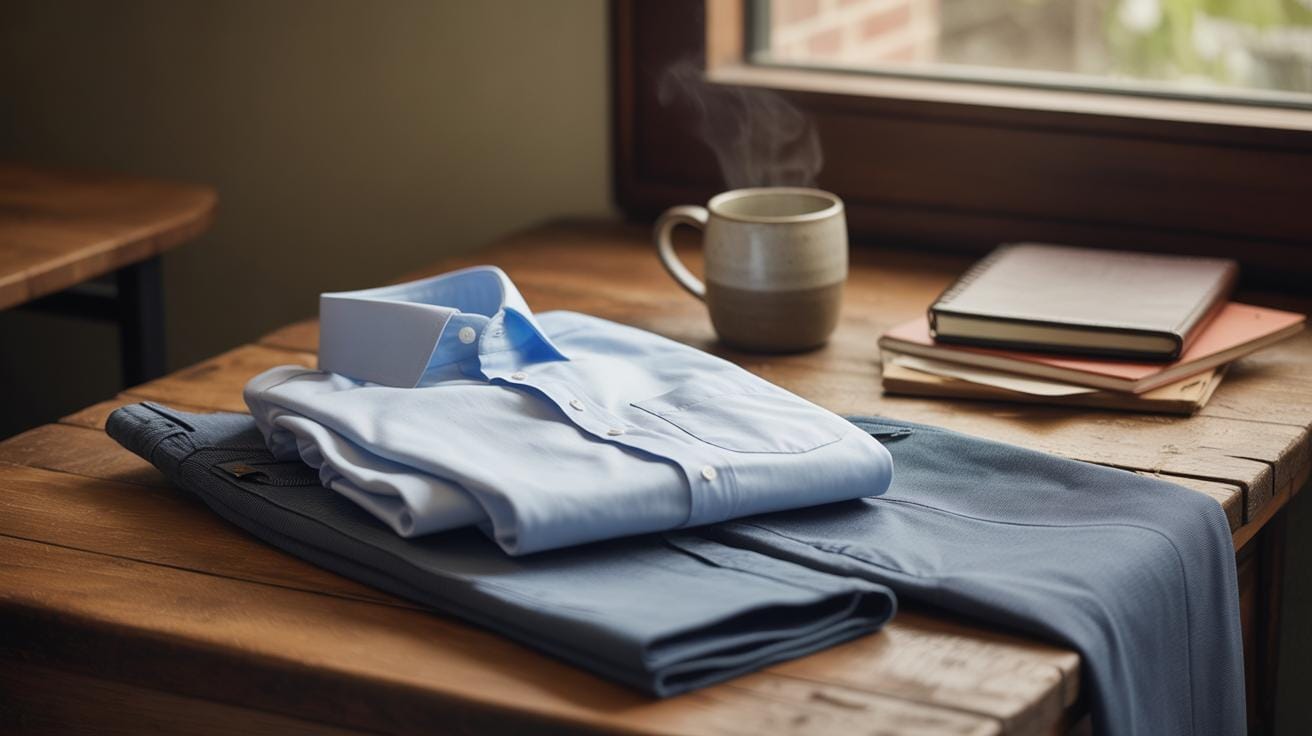
Balancing Comfort And Style At Work
Finding the right balance between comfort and professional appearance can be a challenge. Stylish casual work outfits offer a solution that lets you stay comfortable throughout the workday without compromising your style. These outfits are suitable for workplaces that welcome relaxed dress codes while maintaining a polished look.
In this article, you will learn about the core elements that create effective casual workwear. From understanding what casual work outfits entail to choosing the right clothing pieces and assembling them effectively, this guide will support you in dressing suitably for your work environment while feeling comfortable.
What Defines Casual Work Outfits

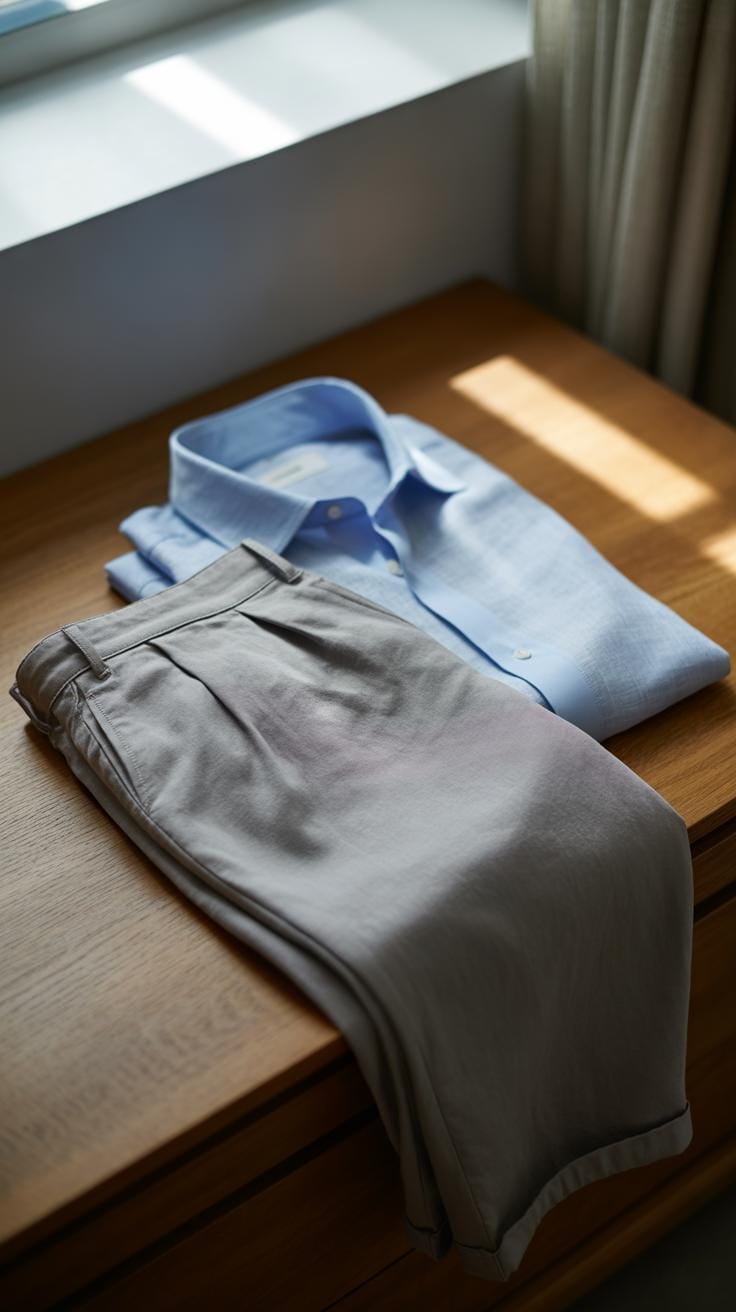
Casual work outfits sit somewhere between complete relaxation and polished professionalism. They lean towards comfort but still keep a tidy, presentable look. Think about those days when you don’t need to wear a full suit, but showing up in anything sloppy feels off. That’s the space casual work attire fills.

Dress codes like business casual set a clearer boundary, but casual Friday traditions show flexibility. Maybe your office allows neat jeans paired with a smart shirt, or a simple dress without a blazer. The key thread here is combining ease with neatness. Comfort doesn’t mean untidy, and casual doesn’t mean careless.
When you put on casual work clothes, you want to feel relaxed but ready. It’s a balance. Ask yourself, “Would this outfit work if I ran into a client unexpectedly?” If the answer’s yes, you’ve probably got it right. If not, you might be too casual for your setting.
Core Elements of Business Casual
Business casual usually includes staples like dress shirts, chinos or tailored trousers, blazers, and sometimes ties. Ties? Optional, really. Some offices love them; others see them as stuffy. What matters most is that clothing fits well and looks crisp.
Jeans often get the cold shoulder in business casual. Even dark denim can be tricky unless your office explicitly allows them and your overall outfit is sharp. Shorts, sweatshirts, or anything too sporty should stay on the weekend.
Pressed clothes make a noticeable difference. Wrinkled shirts or rumpled pants immediately downgrade the outfit, no matter how expensive the pieces are. I’ve noticed a simple ironed shirt can lift a look much more than a fancy accessory.
Differences Between Casual and Business Casual
Pure casual work outfits can include neat jeans, simple sweaters, collared t-shirts, or casual dresses. Think of it as clean and comfortable without the formality of dress shirts or blazers. On the other hand, business casual requires an extra layer of refinement—like a blazer or crisp collared shirt. Shoes matter here too. Sneakers might work for casual but are rarely fitting for business casual.
Knowing when to wear either depends on workplace culture. A creative studio might welcome casual throughout the week, whereas corporate settings lean toward business casual most of the time. Trying to guess? When in doubt, pick business casual. It’s safer, and you can tweak it a bit for comfort.
Choosing Comfortable Fabrics and Fits
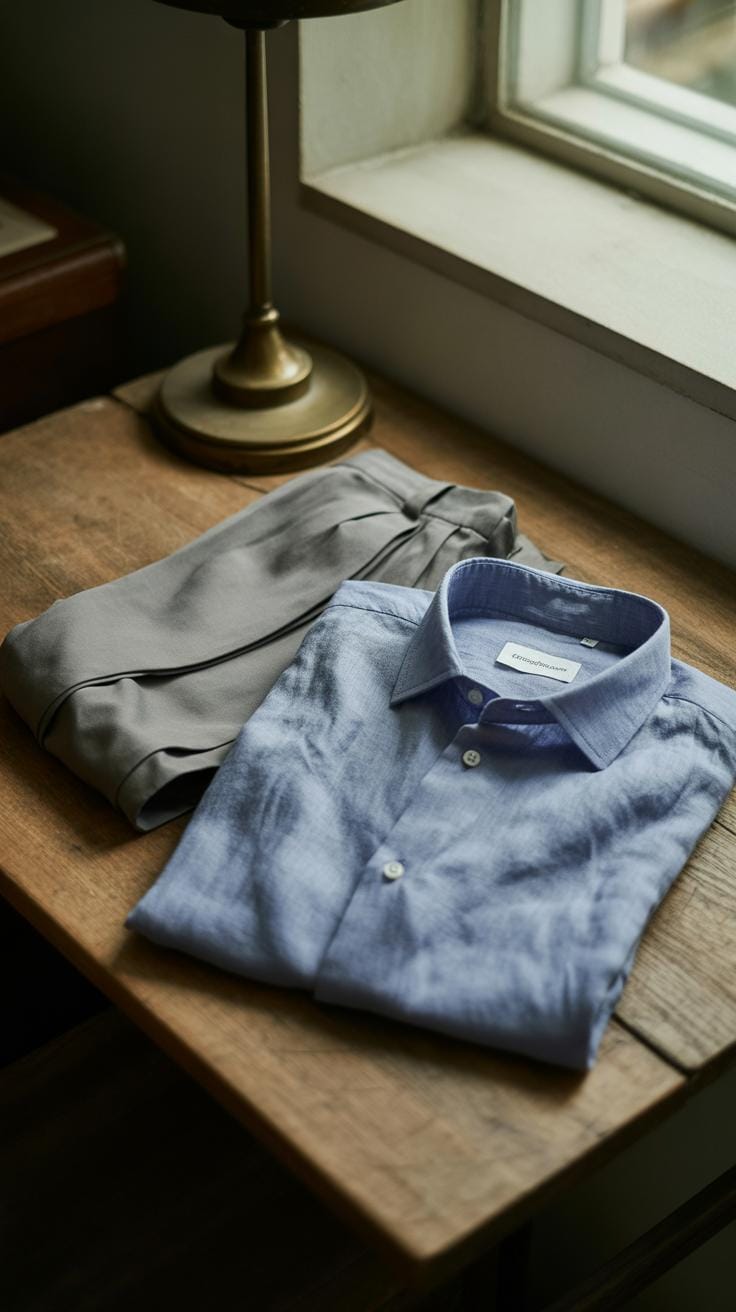
When it comes to casual work outfits, the fabric you pick influences how comfortable you feel all day long. Cotton is a go-to for many because it breathes well and feels soft on the skin, but it wrinkles more easily than some blends. Wool blends can surprise you—they manage heat well without feeling heavy, making them good for cooler days. Linen is great for airflow, though it tends to crease, which might look a bit informal if you’re not careful. Then there are synthetic fibers like polyester and spandex blends that stretch and resist wrinkles, keeping you looking tidy without needing a touch-up every hour.
Fit, on the other hand, can make or break the look you’re aiming for. Clothes that are too tight restrict your movement and make you fidgety, while overly loose pieces can appear sloppy, even if they’re clean and nicely styled. When shopping for a shirt, try to check if the shoulder seams line up with your shoulders—that’s usually a good sign. For pants, they should skim your hips and thighs comfortably without bunching or stretching awkwardly. Jackets should sit well across the back without pulling at the buttons. Getting these details right means you don’t have to worry about adjusting your clothes during the day, freeing you to focus on work instead of discomfort.
Building a Capsule Work Wardrobe

Creating a minimalist work wardrobe that actually works for you isn’t just about having fewer clothes. It’s about choosing pieces that fit well, feel comfortable, and can be switched around effortlessly. Think of it as building a small but flexible closet that covers all your bases without making you feel like you’re wearing the same thing every day.
For men, staples might include chinos in neutral colors like navy, beige, or gray. Add a few crisp button-down shirts—white, light blue, and maybe a checked pattern for variety. Blazers raise the outfit while still keeping it casual, so having one in navy or charcoal works well. Don’t forget practical yet stylish footwear, like loafers or desert boots, which marry comfort with professionalism.
Women can lean on classic blouses—plain white, soft pastels, or subtle prints work best. A tailored blazer, well-fitted chinos or ankle pants, and a pair of sleek flats or low-heeled shoes complete the essentials. It might seem limiting at first, but mixing a striped blouse with beige pants or layering a blazer over a simple tee can make your outfit feel fresh.
Colors should mostly stick to a simple palette. Neutral tones make it easier to combine pieces without the worry of clashing. Yet, don’t shy away from throwing in one or two bolder items—a deep green shirt or a burgundy shoe can revive an otherwise predictable look.
When putting together outfits, balance matters. Pair structured items like a blazer with softer fabrics to avoid looking too stiff. Swap chinos for dark jeans occasionally. Small changes make a big difference and keep your style from feeling repetitive day to day.
Does all this sound a bit restrictive? Maybe. Yet, many find that having a well-curated capsule wardrobe takes the guesswork out of daily dressing, especially when you’re rushing or tired. You end up spending less time stressing over choices and more time feeling comfortable in what you wear.
Footwear Choices for Casual Workdays

Choosing shoes for a casual work environment might sound straightforward, but it’s easier to slip into either too relaxed or too formal territory than you think. The goal is shoes that feel good on your feet but still look put-together—not easy if you spend hours walking around or sitting at a desk. You want footwear that blends the line between casual and professional without leaning too far in either direction.
Comfortable Shoe Options
In my experience, loafers are a solid pick. They’re easy to slip on, breathe well, and usually come with enough structure to avoid looking sloppy. Clean sneakers, especially in neutral hues, can work too, provided they’re in good shape and minimalist in design. Ballet flats strike a fine balance—simple, feminine, and comfortable if you pick ones with decent arch support. As for low heels, they’re great if you want a little lift without the discomfort of high heels. It’s surprising how much a modest heel boosts your posture without dragging your feet down by the afternoon.
Avoiding Style and Comfort Pitfalls
Here’s something I notice too often: people sticking with shoes long past their prime. Worn-out soles, scuffed toes, or faded materials can make an otherwise nice outfit look tired—like you tried but gave up halfway. Also, while sandals feel great, the overly casual types—think flip-flops or flimsy slides—don’t translate well to most workplaces. They make you look less serious, and that subtle message carries weight. You don’t have to go fully traditional, but shoe condition and style really affect how others perceive you, whether you mean it or not.
Accessorizing Without Overdoing It
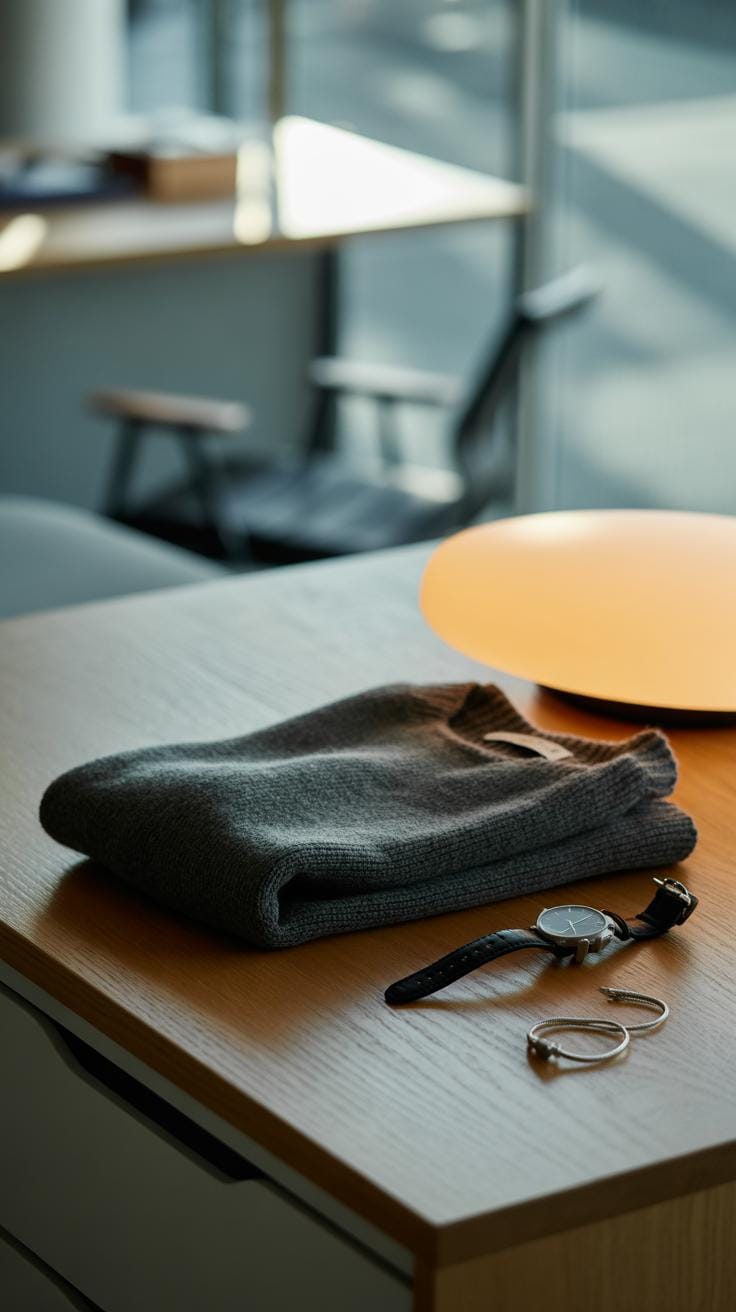
When dressing for a casual work environment, accessories should add to your look without stealing the spotlight. It’s easy to get carried away—especially when you spot a beautiful necklace or a statement watch. But subtlety often works better. You want pieces that quietly complement your outfit, not clash or compete with it.
Simple Jewelry and Watches
Think about small or delicate pieces. A thin chain necklace or small stud earrings can refine your outfit without feeling fussy. Watches, on the other hand, serve a dual purpose—style and practicality. A clean, classic timepiece, maybe with a simple leather strap or metal band, fits well here. You don’t need anything too flashy; something that you actually want to wear daily and that keeps time reliably works best.
When I first tried layering multiple necklaces for a casual work look, it felt like too much and distracted from the outfit. Scaling back to one subtle piece made a noticeable difference. Think less, not more.
Using Belts and Bags
Belts should be straightforward. Neutral colors like black, brown, or navy with minimal hardware tend to blend smoothly with casual styles. Chunky or overly embellished belts might overwhelm simpler pieces, so save those for different occasions.
Bags follow a similar rule. A clean, structured tote or a medium-sized crossbody in a neutral shade adds polish without fuss. Look for subtle details like muted hardware and smooth lines. These bags carry your essentials yet keep the look grounded and professional without screaming “workbag.”
Have you ever worn a bright, busy bag to a casual office and felt like it drew too much attention? That’s what I mean—sometimes less is more.
Dressing for Different Office Settings
Casual Looks for Creative Offices
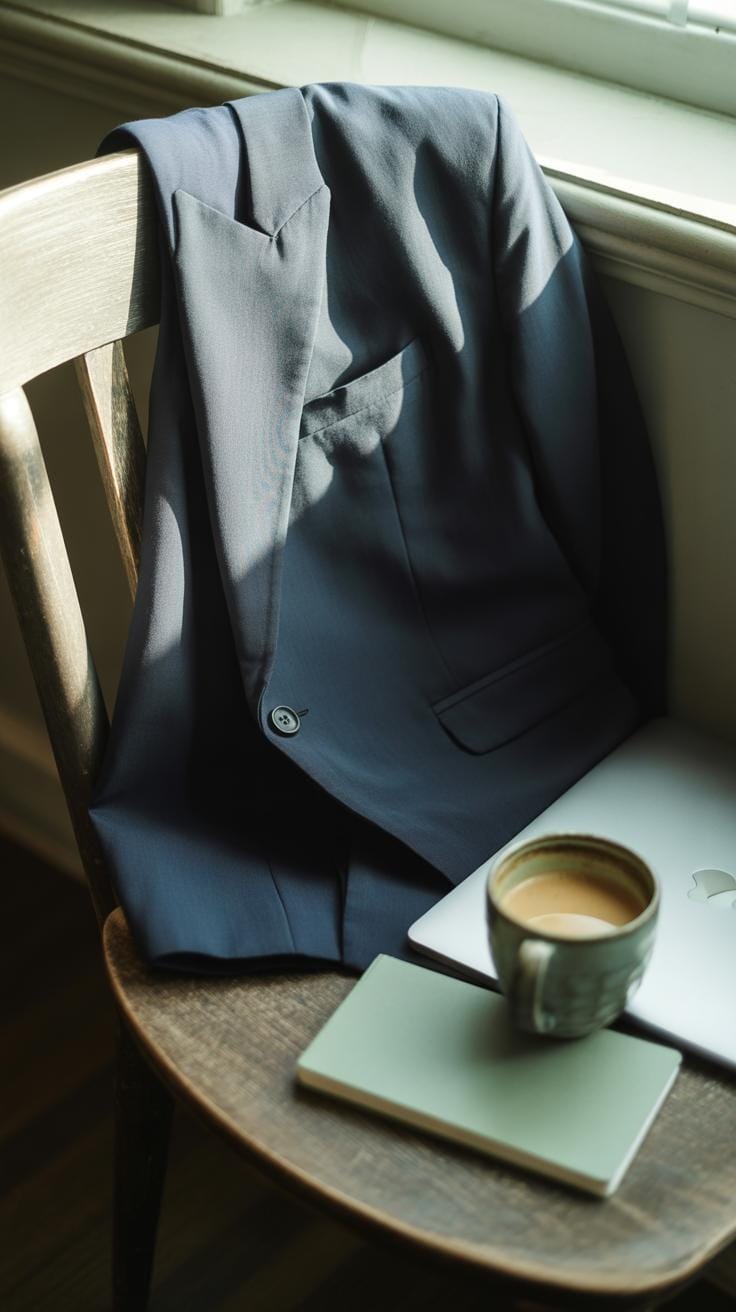
Creative workplaces often give you plenty of room to express your personality through your clothes. You might find that your office welcomes colorful prints, mix-and-match layers, and even statement sneakers. For example, pairing tailored jeans with a bold patterned blouse or a relaxed blazer can hit the right note between casual and stylish. Sometimes, comfort means oversized sweaters or flowing dresses, which still look intentional rather than thrown on.
In these settings, your outfit can reflect your mood or creativity, so experimenting feels less risky. I’ve noticed that adding accessories like quirky scarves or unique jewelry can elevate an otherwise simple outfit without feeling stiff. It’s not about dressing super formal; it’s more about showing you care about your appearance but also want to feel yourself. Yet, even here, there’s a balance—casual doesn’t mean sloppy, and that distinction can be subtle.
Adjusting for Corporate Casual Days
Corporate offices often reserve casual attire for specific days, typically Fridays, and even then, there’s an invisible line you can’t cross. Think tailored pants or chinos paired with neat tops, like a fine-knit sweater or a crisp polo, rather than worn-out tees or sweatpants. A blazer thrown over a smart t-shirt can soften the casual vibe while keeping things professional.
The challenge lies in blending comfort with an expectation of professionalism. You might wonder if sneakers are too relaxed, or if loose fit is jumping the line. Usually, simple leather sneakers in neutral colors work fine, but the outfit around them matters even more. It’s about keeping a polished edge—so avoid anything too flashy or revealing. Oddly, sometimes these “relaxed” days feel more stressful, trying to guess where casual ends and unprofessional begins.
Have you noticed how what’s acceptable changes from one office to another? That slipperiness keeps the casual dress code interesting, doesn’t it?
Incorporating Outerwear for All Seasons
Light Layers for Warmer Months
When the weather warms up, layering might seem unnecessary, but light outerwear can actually make a big difference in your casual work outfits. Think beyond just a sleeveless top or a blouse. A thin cardigan, for instance, adds subtle style and can save you from chilly office air conditioning. Denim jackets or unstructured blazers work well too—they bring shape without feeling heavy.
Try to pick fabrics that breathe, such as cotton or linen blends. They keep you comfortable while adding interest to your look. You might want to keep a few layering pieces on hand that are easy to put on or take off, like lightweight sweaters or soft scarves. These let you adapt your outfit quickly if the day turns unexpectedly cool or breezy.
What’s tricky is balancing practicality with style—at least that’s how I’ve found it. A cardigan that’s too baggy can look sloppy, while one that’s too fitted might feel restrictive. Striking that middle ground is key. Also, layering isn’t only for warmth; it can add dimension to an otherwise simple outfit.
Warm Outerwear for Colder Days
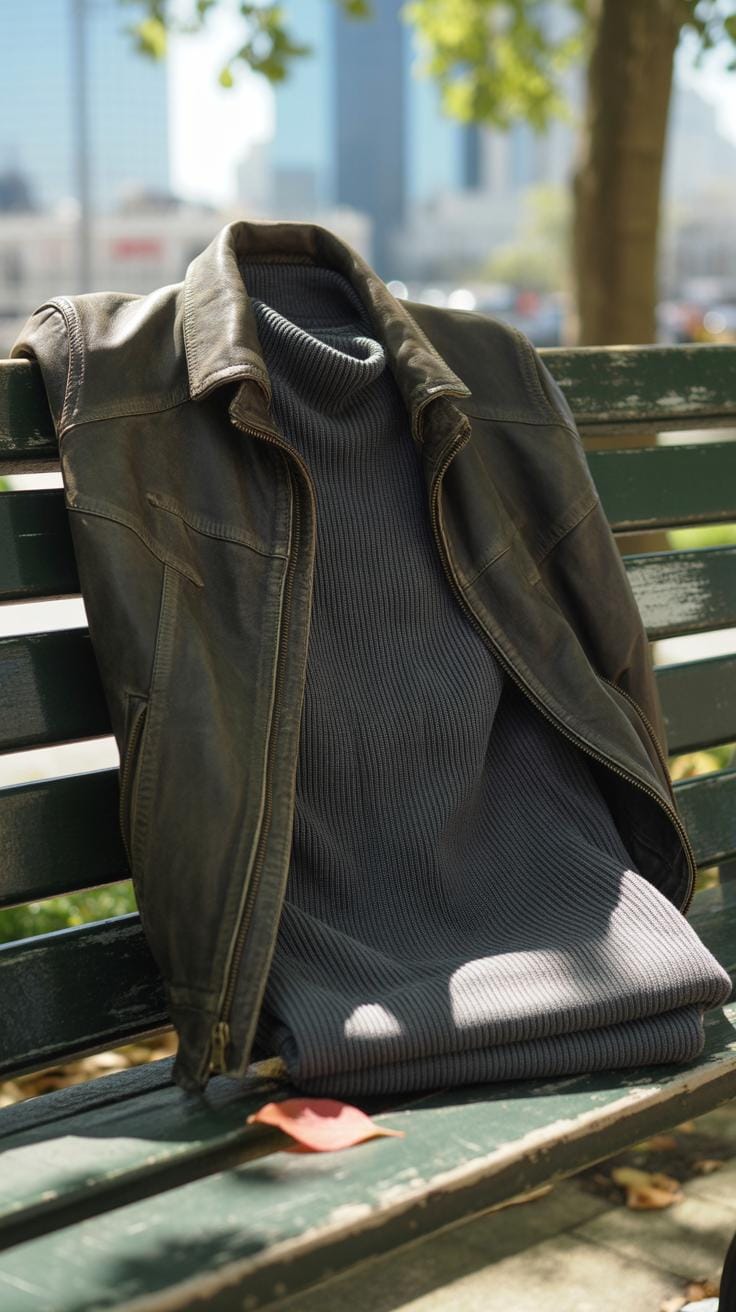
Cold days demand outerwear that holds more than just style—warmth has to be front and center. Still, this doesn’t mean giving up that casual but polished vibe you want for work. Sweaters in thicker knits—like chunky wools or cashmere blends—offer insulation without looking heavy. Pair them with smart coats that fit well around the shoulders instead of oversized parkas, which can drag your outfit down.
A coat with clean lines, maybe a tailored wool or a pea coat, can complete your look and still keep you protected from the cold. Layering beneath these coats is just as important—think a sleek turtleneck or a button-down shirt combined with your sweater. That way, you avoid bulk but stay warm.
Choosing the right outerwear feels like a balancing act. Do you prioritize freedom of movement or maximum warmth? Often, you can find pieces that moderately do both, but you may have to make some trade-offs. It can be frustrating, but trying on several options really helps. Those occasional chilly mornings make me appreciate having a versatile jacket that doesn’t look out of place in meetings.
Common Mistakes to Avoid in Casual Workwear

When it comes to dressing casually for work, some choices can unintentionally send the wrong message. Wearing overly casual items, like ripped jeans or plain T-shirts, often creates an impression that you’re not taking the setting seriously. Sure, they feel comfortable, but these pieces usually don’t fit the boundary between casual and professional. Instead, try swapping ripped jeans for well-fitted chinos or dark denim without distress. A neat polo or a casual button-down can replace a basic tee while still keeping things relaxed.
Outfit coordination is another area where many stumble. Colors and styles that clash or don’t complement each other can quickly make you look sloppy, even if each piece on its own is fine. For instance, pairing bright sneakers with muted clothing might draw attention away from your overall look rather than enhance it. You want your outfit to feel put together, not accidental.
Simple tactics like choosing a consistent color palette or matching the formality level of your clothes can help avoid this pitfall. Think about the kind of impression you want to give, and then dress accordingly—even if it’s just a casual day at work. Trust me, a little attention here can go a long way.
How to Refresh Your Work Outfit Regularly

Keeping your casual work wardrobe feeling fresh doesn’t mean a full shopping spree every season. Small tweaks can make a surprisingly big difference. Think about switching out just one piece or detail to update your look—maybe that’s your belt, or the shoes you pair with your favorite jeans. It’s easy to overlook how swapping in a new scarf or necklace can change the whole feel of an outfit—sometimes it’s just enough to make you feel like you’re wearing something brand new.
Seasonal colors and patterns are great tools for this. Instead of diving headfirst into the latest trend, try adding subtle pops—like a muted autumnal tone in your top or a soft floral print on your blouse. It keeps your outfit current but not overwhelming. I’ve found that layering in just a hint of seasonal shade can brighten a look without making it feel forced.
Accessories deserve more credit here. A fresh watch strap or a new belt can add personality without much effort or expense. Changing up your jewelry—maybe a different pair of earrings or a bracelet—shifts the vibe enough that you, and those around you, notice something new. These small changes can break the monotony. It makes me wonder why I didn’t experiment more with accessories earlier.
Conclusions
Building your casual work wardrobe starts with knowing what pieces fit comfortably within your workplace’s dress code. Selecting versatile items such as tailored trousers, neat shirts, and comfortable shoes ensures you can mix and match outfits easily. Adapting to your job’s environment and maintaining a clean, pressed appearance keeps you looking professional even with casual wear.
By choosing the right clothing and coordinating your outfits thoughtfully, you boost confidence and comfort every day at work. Embrace casual workwear thoughtfully, and you will enjoy both style and ease throughout your work hours. Your outfit choices can support your productivity and presence in any professional setting.