
How Recycled Materials Keep Fashion Affordable
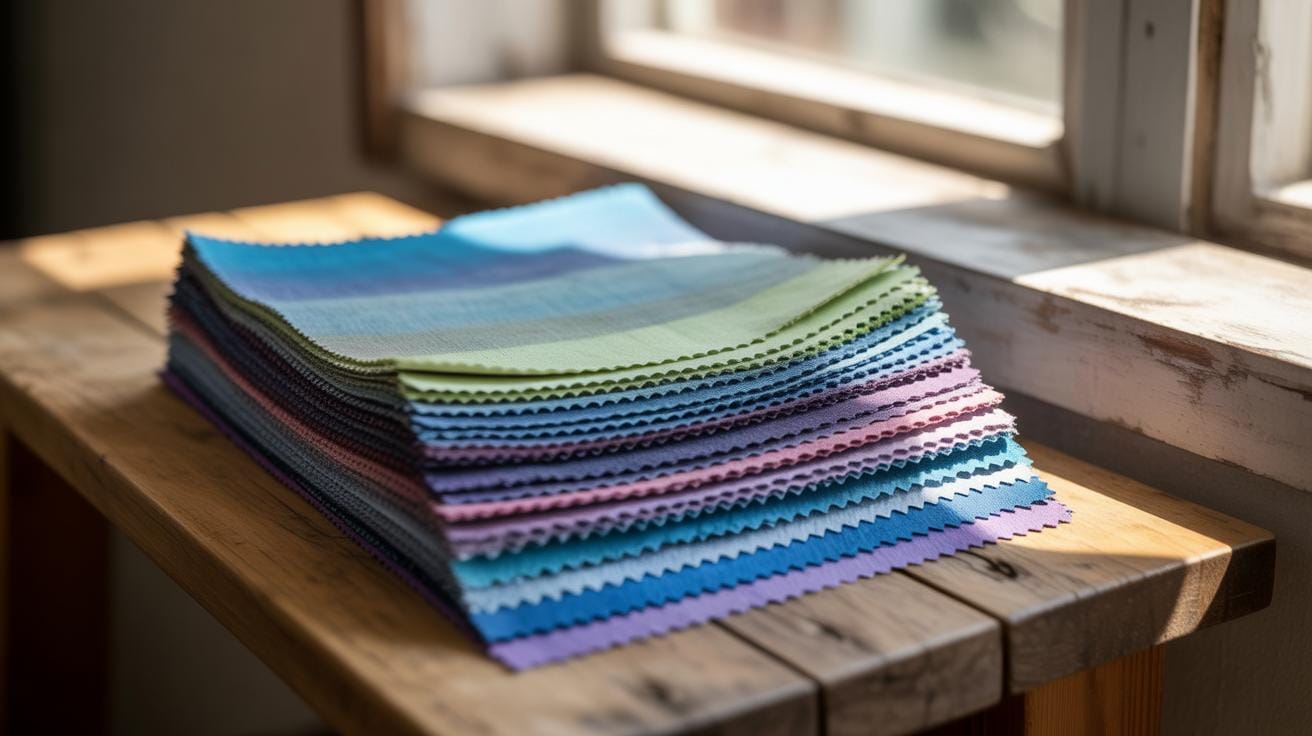
Bringing recycled materials fashion into your wardrobe can offer style without emptying your wallet. Using recycled fibers and fabrics not only reduces waste but also helps keep your clothing choices affordable. You get trendy styles while supporting sustainability. This topic looks at how recycled materials transform fashion and the value you gain by choosing these options.
This article covers the benefits, environmental impact, and how you can select recycled fashion pieces that fit your style. It will also look at different recycled fabrics available, compare recycled versus conventional fashion, and provide tips on maintaining your recycled clothes. By the end, you’ll find practical ways to grow your wardrobe with recycled materials fashion and save money and the planet as you do it.
Why Use Recycled Fabrics in Fashion

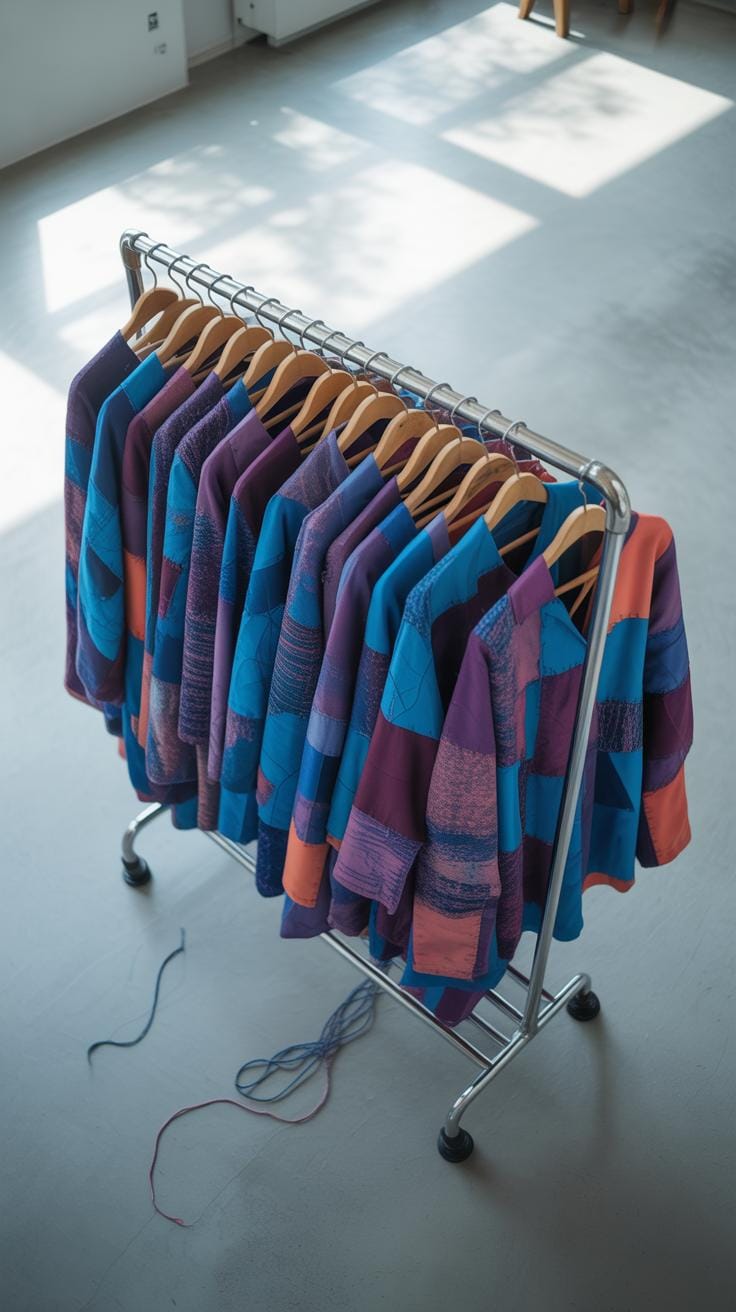
Using recycled fabrics in fashion brings a mix of environmental and financial upsides—some pretty tangible, others a bit less obvious.

First, let’s think about waste. Clothing scraps, old garments, and industrial leftovers often end up tossed in landfills. When brands use recycled fabrics, they’re giving new life to materials that might otherwise just pile up. This doesn’t only cut down waste but eases the pressure on natural resources because creating fabric from virgin fibers demands water, energy, and chemicals.
The process of recycling fabric generally requires less energy compared to producing textiles from scratch. For example, recycled polyester comes from plastic bottles, sidestepping the need to extract new petroleum. That means fewer carbon emissions as well. Though, I’ve read some reports suggesting the energy savings depend a lot on where and how recycling is done, so it’s not always straightforward.
On the cost side, recycled fabric production can sometimes be cheaper. It bypasses some raw material expenses and often uses existing supply chains differently. Brands can pass those savings onto customers, which makes sustainable fashion feel less out of reach. But keep in mind, not all recycled fabrics are cheaper. Some can be pricier due to processing complexity, especially when quality is key.
Still, if you’re weighing the pros and cons of your next purchase, it might be worth asking: is this made from materials that spare earth’s resources and maybe save a bit on your wallet too?
Common Recycled Textiles Explained
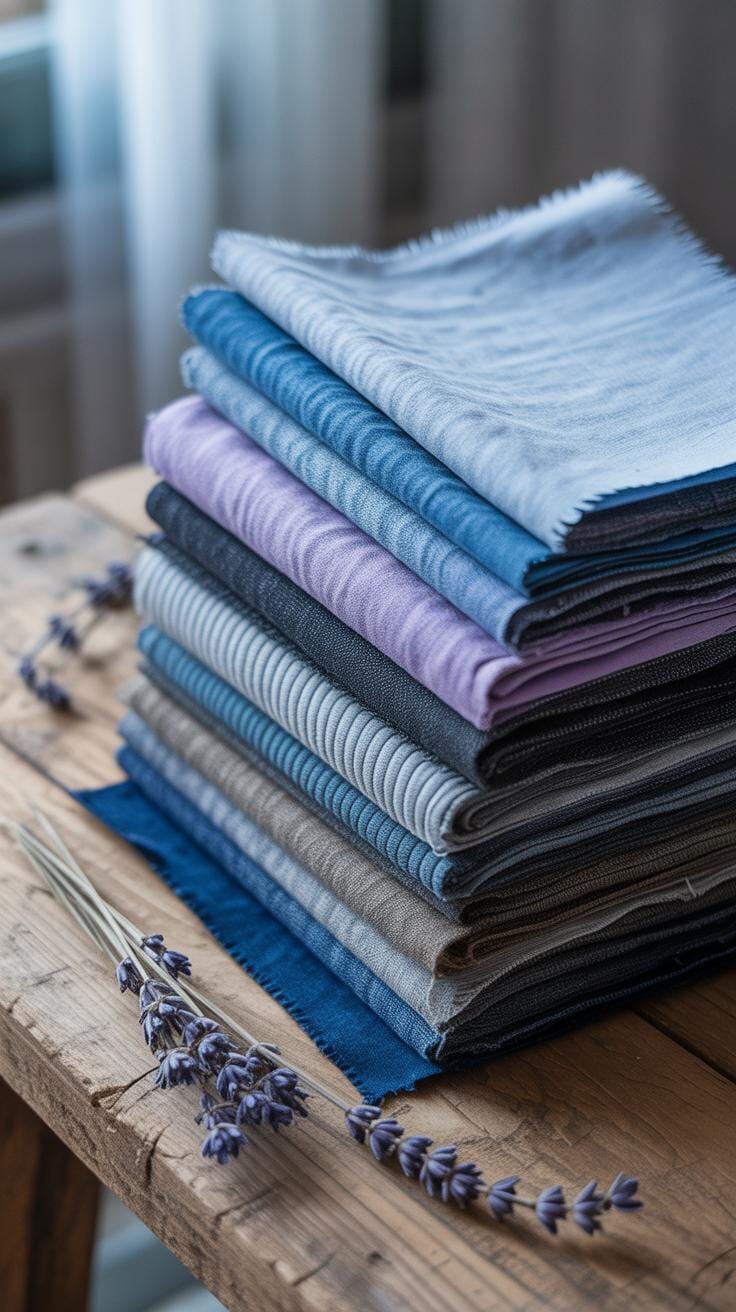
When you hear about recycled textiles in fashion, three materials often come up: recycled polyester, reclaimed cotton, and regenerated nylon. Each has its quirks, uses, and sources that might surprise you.
Sources of Recycled Polyester and Nylon
Recycled polyester usually starts life as plastic bottles. Imagine those clear plastic water bottles—once discarded, they’re collected, cleaned, and shredded into flakes. These flakes melt and are spun into new fibers that feel similar to fresh polyester. This process keeps tons of plastic out of landfills and oceans.
Nylon comes from a similar story. Waste fishing nets or fabric scraps get processed into tiny fibers. These fibers then become threads woven into clothing, such as activewear or outerwear. Brands often choose recycled nylon for stretch and durability, making it practical for sportswear without using virgin resources.
Turning Cotton Waste into New Fabric
Cotton waste is often overlooked. This includes scraps from garment manufacturing or textile offcuts that would otherwise be thrown away. These bits get sorted, cleaned, and spun into new yarn. The recycled cotton might be mixed with virgin fibers to keep strength, so the final fabric isn’t too weak or thin.
Reclaimed cotton clothes or scraps can take on a second life in casual clothes or accessories. I’ve noticed some brands offer cozy tees or even denim made with reclaimed cotton. It’s like your old shirt quietly becoming part of the next wardrobe, though the recycled textiles sometimes show subtle differences like a slightly rougher texture.
Recycled Fashion Versus Conventional
Durability and Look of Recycled Clothes
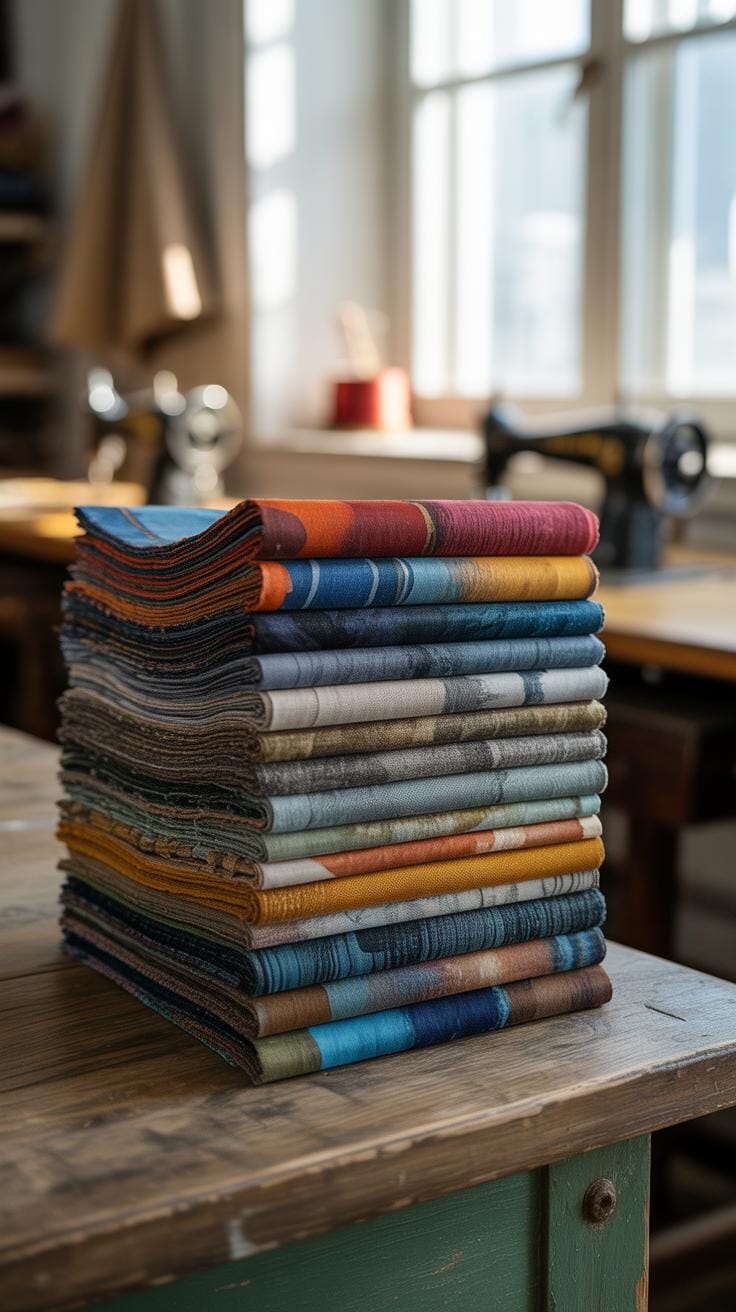
When you first touch a recycled fabric garment, it can feel surprising—sometimes softer, sometimes a bit rougher than you expect. Recycled fibers, especially those made from PET bottles or reclaimed cotton, often face skepticism about lasting wear. But after wearing a recycled polyester jacket for a year, I noticed it resisted pilling better than some traditional synthetics.
In terms of appearance, recycled fabrics nowadays come pretty close to conventional ones. Brands are investing in better processing techniques, so the textures and colors don’t scream “recycled” like they might have a decade ago. That said, you might catch subtle differences if you look closely—for example, slight variations in weave or less uniform color saturation in recycled cotton.
Still, it’s fair to ask: Does this subtle look difference matter to you? Some might actually prefer the unique feel or look of recycled pieces—they’re a little less polished but more authentic, maybe.
Which Uses More Energy: Recycled or New?
Producing fabric from recycled materials generally requires less energy than making new fibers from scratch. For instance, recycled polyester consumes roughly 40-60% less energy compared to virgin polyester. This happens because melting down plastic bottles uses less energy than extracting and processing petroleum.
But let’s be cautious here. The energy savings aren’t the same across all materials or processes. Some recycled fabrics need additional cleaning or chemical treatments, which can even out savings in energy use. Plus, collection and transportation of recyclable waste contribute their own energy costs.
Still, it feels like a win overall when you think about the total lifecycle. Using recycled fabrics often cuts back on raw resource demands and waste—even if it doesn’t always slice energy use in half. So, the question is: Are those savings enough to tip your wardrobe choices toward recycled materials? For me, the answer leans toward yes, despite small trade-offs.
How to Spot Quality Recycled Clothing
Read Labels for Recycled Content
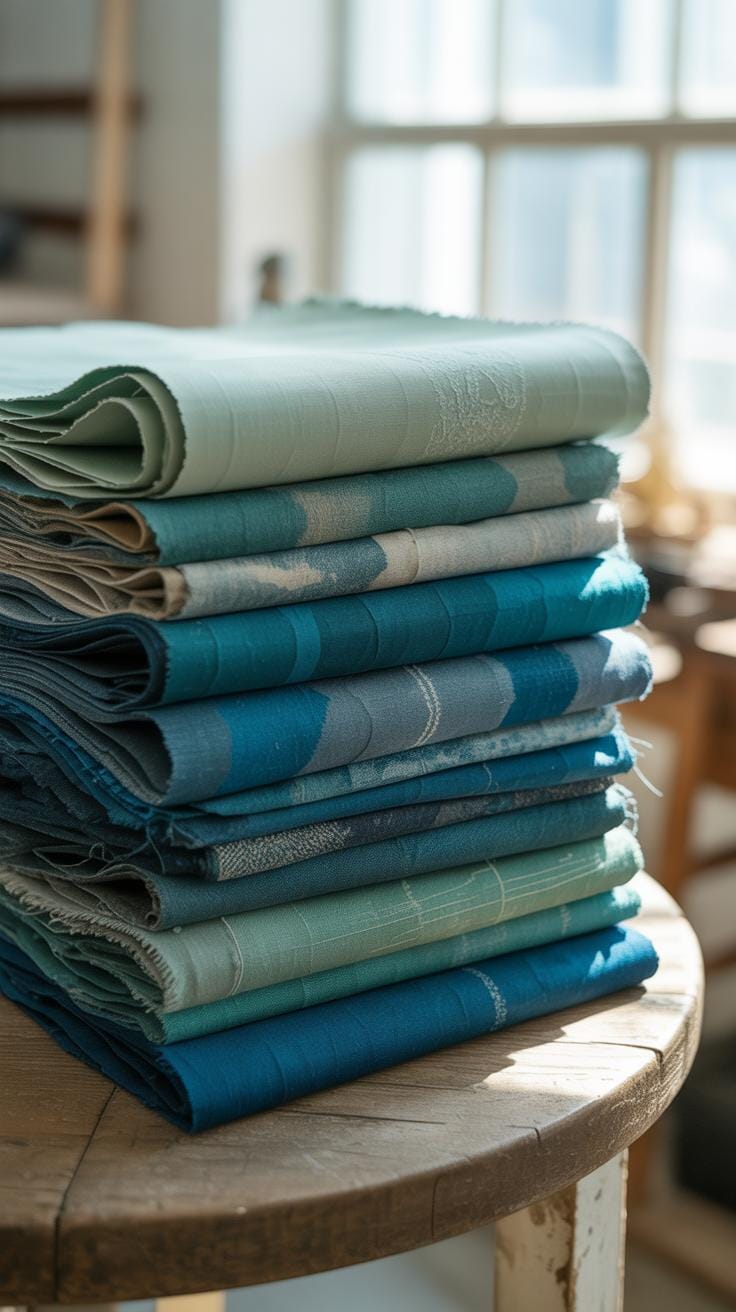
When you’re sifting through recycled fashion pieces, the fabric tag is your best friend. Look closely for the percentage of recycled material—a number like 50% or higher often means plenty of reclaimed fibers in the blend. Some labels even specify the source, like recycled polyester from plastic bottles or regenerated cotton. Those details can tell you a lot about the garment’s origin.
There are also certifications designed to verify recycled content. You might see labels from organizations such as GRS (Global Recycled Standard) or OEKO-TEX Made in Green. These indicate more than just recycled fibers—they assure certain environmental and safety standards too. It’s tempting to ignore tiny labels, but checking them can save you from buying something that’s only nominally recycled.
Check Stitching and Fabric Strength
Recycled doesn’t have to mean fragile. Actually, many recycled fabrics hold up well—sometimes better if the process enhances fiber strength. Still, it pays to inspect the garment carefully before buying. Stretch the fabric gently and see if it snaps back or feels thin in places. Thinness often signals lower durability or poor-quality recycling.
Next, take a look at the stitching. Uneven or loose threads usually mean the garment might fall apart after a few washes. On the opposite end, tight, consistent stitches indicate better construction. Pay attention especially to stress points—seams under the arms, hems, or around pockets—because that’s where wear appears first. If those areas feel solid, the piece is likely to last longer, even if the materials are recycled.
In my own experience, I once bought a recycled jacket that looked great but started unraveling at the sleeves surprisingly soon. Since then, I’ve gotten better at this check, and you might find it helpful too. Sometimes a quick touch and look reveal more than trusting the label alone.
How to Care for Recycled Clothes
Washing Tips for Recycled Fabrics
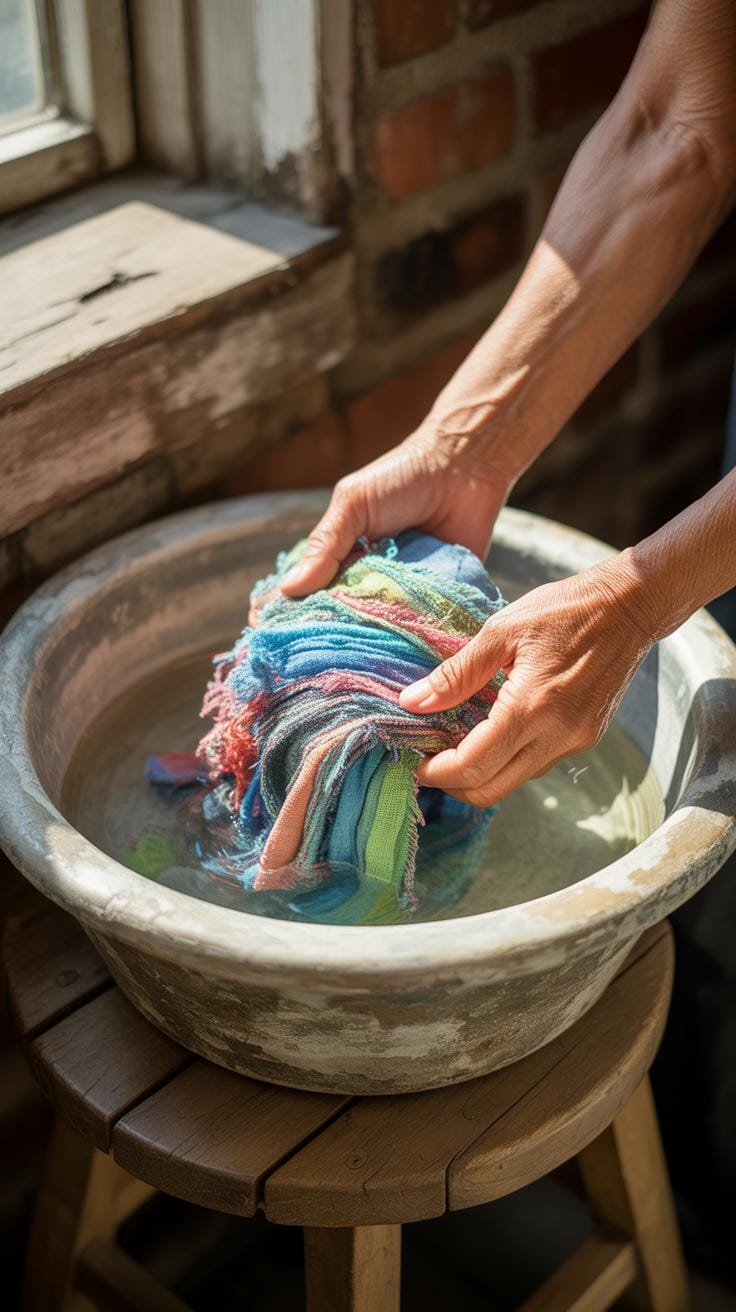
Washing recycled fabric requires a bit more attention than your typical cotton tee. These materials often come from diverse sources, so treating them gently can make a big difference. Use cold water whenever possible—warm and hot water might cause shrinking or fading. It’s tempting to just toss everything in, but hand washing or a delicate cycle usually works better, especially for garments blending different fibers.
Try to avoid harsh detergents. A mild, liquid soap is often kinder. Some people swear by adding a cup of white vinegar to the rinse; it helps refresh the fabric and keep colors from fading, though I haven’t fully tested this myself. Still, it’s an easy trick to try and sometimes works wonders.
Best Drying and Storage Practices
The way you dry recycled fabrics impacts their lifespan too. Avoid high heat from the dryer, which can warp or weaken fibers. Air drying flat is often safest, yet hanging can work if the item isn’t too heavy. Just watch out for stretching, especially with knits.
When it comes to storage, folding is better than hanging for many recycled clothes—they can lose shape over time on hangers. Keep them in a cool, dry place out of direct sunlight. Using breathable cotton bags or boxes helps prevent moisture buildup, which can lead to mildew. Sometimes, it’s the little things like stacking or avoiding overcrowding that preserve your favorites longer.
Where to Buy Recycled Fashion

Finding recycled fashion doesn’t have to be difficult or expensive. There are plenty of options that make adding sustainable pieces to your wardrobe quite doable. For starters, some brick-and-mortar stores are devoted entirely to recycled clothing. Places like Patagonia’s stores or dedicated eco-boutiques often have affordable lines made from recycled fibers.
Online, you can explore websites like Reformation, which focuses on recycled materials and sustainable practices while keeping prices accessible for many buyers. Another solid pick is ThredUp, where you’ll find a wide variety of secondhand clothes—more on that later. ASOS Marketplace also features brands that emphasize recycled fabrics and eco-friendly production.
Chain retailers such as H&M have a Conscious collection, which often includes garments made from recycled materials; prices tend to be reasonable, making that a good middle ground between fast fashion and ethical sourcing. You might want to keep an eye on specific sales or clearance sections for the best deals.
Popular Brands Offering Recycled Clothes
Some recognizable names have embraced recycled materials in their collections. Patagonia, for example, is well-known for using recycled polyester and nylon, and they often announce how much of their clothing line incorporates these fibers. Their fleece jackets and activewear pieces made from recycled plastics have a loyal following.
Nike also offers shoes and apparel with recycled content, like their Space Hippie collection, which combines scrap materials from their manufacturing process. Adidas has taken similar steps, creating sneakers made from ocean plastic. Those products might not always be the cheapest, but you get a sense of durability and style aligned with sustainability.
Everlane is another brand worth mentioning—they use recycled polyester in shoes and some outerwear. They tend to be transparent about where materials come from, which can help you feel better about your purchase. If you’re looking for casual basics, that’s often a safe bet.
Thrift and Secondhand Finds as Recycled
Buying used clothing is actually one of the best ways to support recycling and reduce waste. When you pick up something at a thrift store or online resale platforms, like Poshmark or Depop, you’re giving an item a new life instead of letting it end up in a landfill. It’s a form of recycling, just a bit less direct than buying from brands using recycled fabrics.
Besides being eco-friendly, secondhand shopping often saves money—you can find quality items with little wear for a fraction of their original price. Plus, it’s fun hunting for unique pieces that no one else has. But it does require some patience and a bit of luck.
Thinking about how many times a piece of clothing will be worn before it’s discarded makes you realize why secondhand is a practical choice. Have you ever stood in front of a thrift rack and wondered who wore that shirt before? There’s a strange connection to be found there, maybe confusing but somehow satisfying.
Making Your Clothes More Sustainable
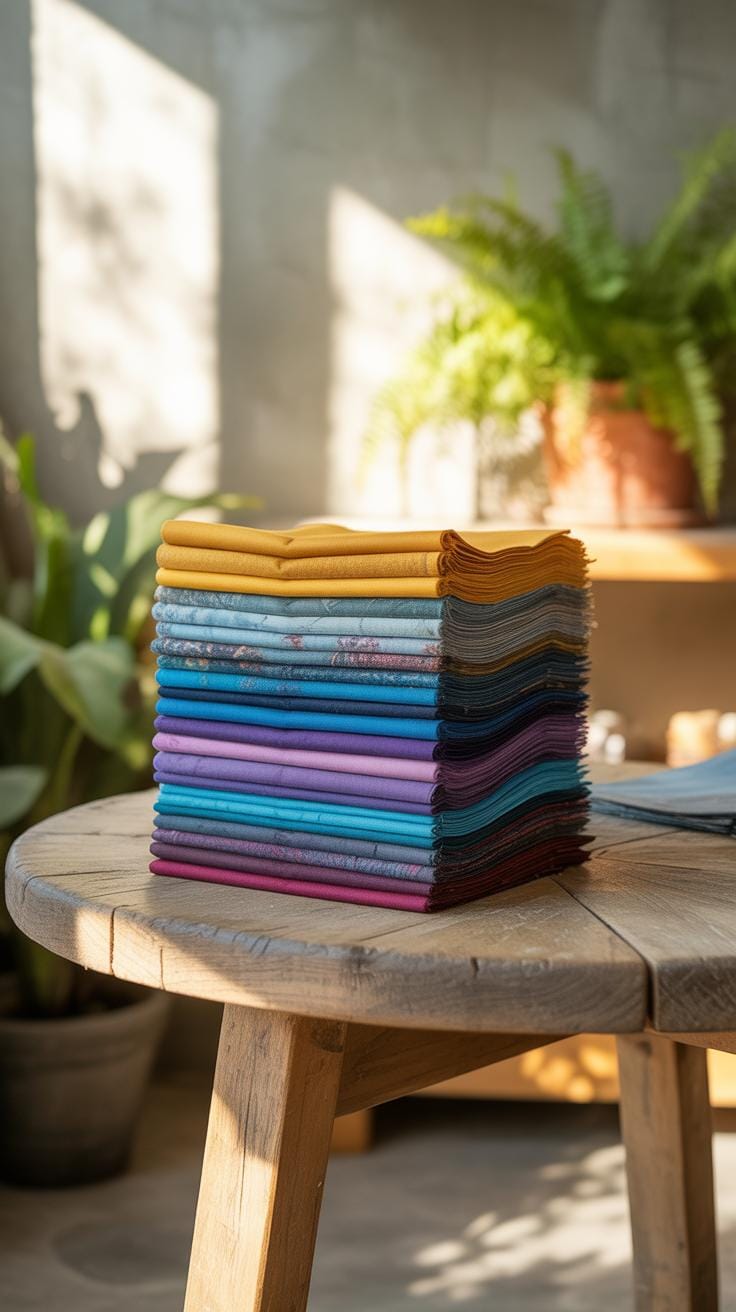
Thinking about how to reuse what you already have can be surprisingly rewarding. Recycling or upcycling your clothes not only cuts down waste but also gives your wardrobe an original touch. Maybe that old shirt with a small stain isn’t ruined after all—it can become a cool tote bag or a set of cleaning rags. Simple changes like turning long sleeves into crop tops or sewing patches over tiny holes can extend the life of your favorite pieces.
Here are a few ideas to get you started:
- Turn worn-out jeans into shorts or a denim skirt.
- Use fabric scraps to create unique brooches or appliques.
- Add new buttons or dye to refresh an outdated shirt.
- Convert old T-shirts into braided headbands or braided bracelets.
Also, check your community for textile recycling programs. Some thrift stores and recycling centers accept used clothing in any condition, even torn or stained. I once found a local program that collected garments to shred and reprocess into insulation materials. It’s worth looking up “textile recycling” or “clothing donation” in your area to see what’s available. Even if you can’t reuse an item yourself, someone else might give it new purpose.
Have you ever tried altering a piece that seemed beyond repair? Sometimes the results surprise you—both with creativity and usefulness. It might feel like more effort upfront, but it’s a small step toward reducing fashion waste.
Common Misconceptions About Recycled Fashion
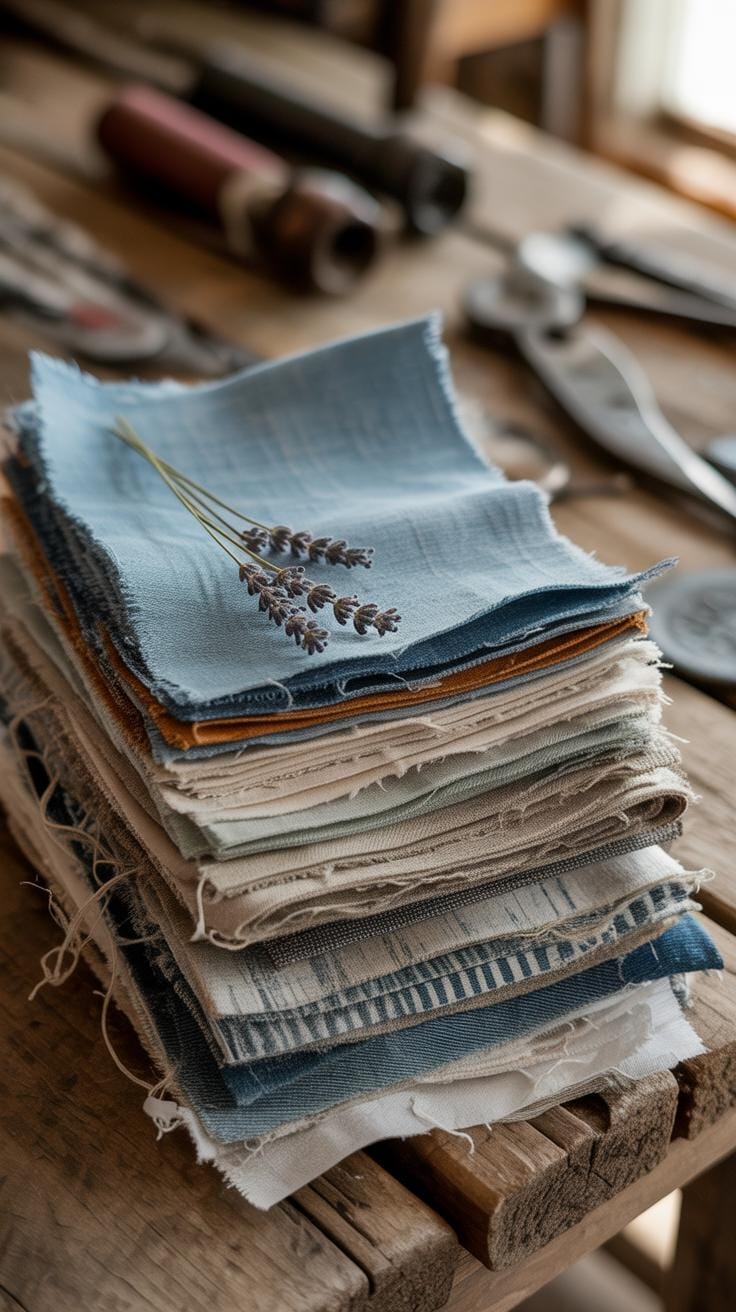
There’s a pretty persistent belief that recycled fashion doesn’t quite measure up—especially when it comes to style and quality. You may have heard recycled clothes described as outdated or plain. But is that really true? The truth is, recycled fashion often surprises people. Many pieces come from carefully selected materials and are crafted with attention to current trends. Think about brands that mix vintage fabrics with fresh designs; they create something new without losing style. It’s not about old or dull—it’s more about thoughtful reuse.
Then there’s the price factor. Some assume recycled fashion means paying more—like you’re buying something ‘green’ at a premium. But that’s not always the case. You can find recycled clothing that fits comfortably within your budget, simply because the process sometimes saves costs on raw materials. Plus, many recycled options come from upcycling, which often involves small batches or local production. That can mean both better prices and unique pieces. So before dismissing recycled fashion as expensive or unfashionable, it might be worth trying a few pieces for yourself.
Checklist for Building a Recycled Wardrobe

Starting a wardrobe focused on recycled fashion can feel a bit overwhelming, but breaking it down helps a lot. First, think about the recycled fabrics that feel right to you. Do you prefer something soft like recycled cotton, or maybe sturdy like recycled polyester? It’s okay to not know immediately—trying a few pieces might reveal what fits your style and comfort best.
Next, plan your core pieces. Think about what you wear most days. A recycled denim jacket, basic tees, or even a versatile dress made from recycled fibers can cover a lot of your needs. Don’t rush to fill your wardrobe all at once; build slowly, focusing on items you’ll actually wear. It’s better than hoarding a bunch of “eco” clothes that sit unused.
Here’s a simple checklist you can follow:
- Identify recycled fabric options you find comfortable and stylish.
- Choose one or two key pieces to start—like a recycled cotton tee or polyester jacket.
- Consider how these pieces mix with what you already own.
- Add versatile items that can be dressed up or down.
- Gradually replace older clothes with recycled alternatives when you’re ready.
What pieces do you think would fit your daily routine best? Sometimes just thinking through that helps you avoid buying something that looks good but never gets worn. Building a recycled wardrobe isn’t about perfection—it’s about making better choices, one step at a time.
Examples of Recycled Fashion in Practice
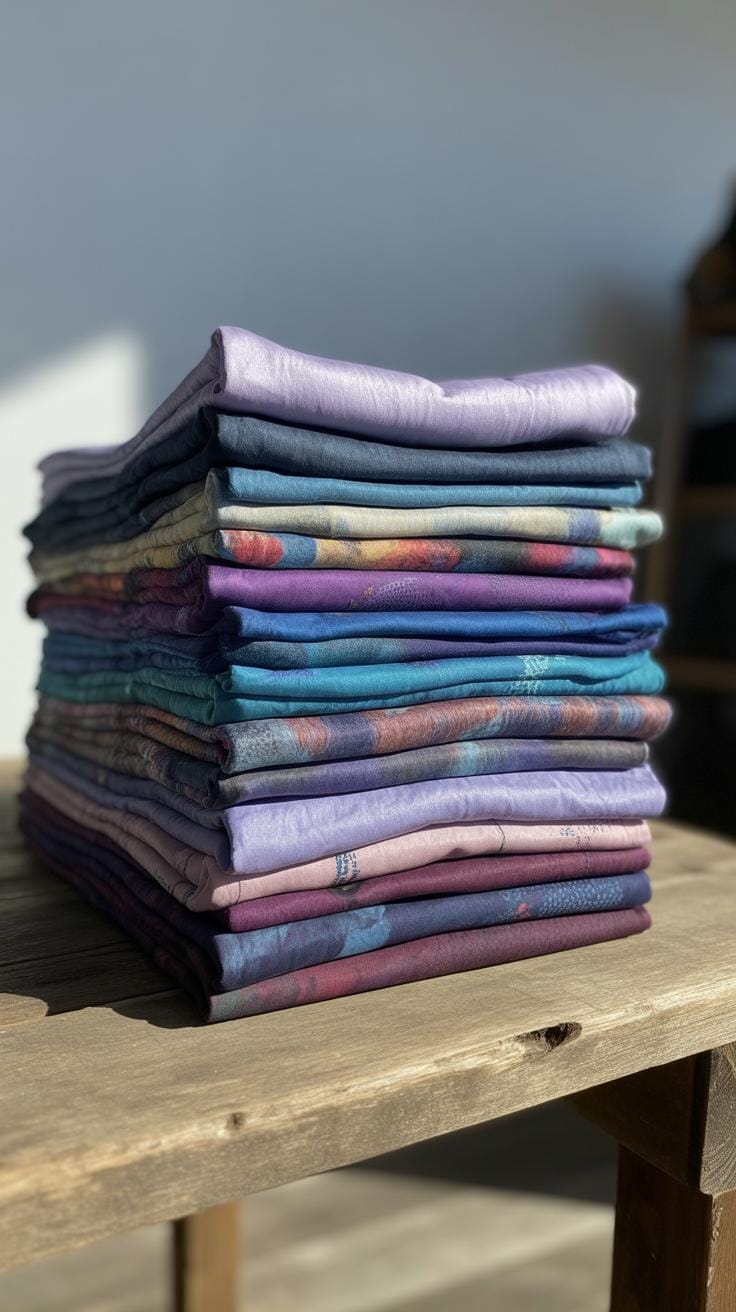
Brand Case Study on Recycled Fabrics
Take Patagonia, for example. This brand has made recycled materials a core part of its identity. Their line includes fleece jackets made entirely from recycled plastic bottles. Each jacket diverts dozens of bottles from landfills and waterways. What’s interesting is how the brand doesn’t just use a token piece of recycled fabric but often creates entire collections focused on sustainability. Patagonia’s approach shows you can scale recycled fashion without losing style or function.
That said, the price point is a bit higher than fast fashion brands, which might put some people off. Yet, many say the durability and feel of these clothes justify the cost over time. It’s a reminder that recycled does not mean cheap or unfashionable—quite the opposite, sometimes.
Customer Stories Wearing Recycled Clothes
Emily, a city planner, shares that she switched to recycled fashion mostly for the environmental benefits but found she actually prefers the quality and fit. She recently bought a shirt made from recycled cotton and says it “breathes better” and lasts longer than her previous inexpensive options. On the other hand, she admits it took a bit of getting used to the textures—it isn’t always like her old clothes.
Then there’s Mark, a teacher, who started with just a recycled t-shirt but now tries to buy only recycled materials for casual wear. He’s noticed friends often ask where he finds such unique clothes. Sometimes, he’s unsure about the origins of some labels but appreciates that the wearer community around recycled fashion feels more thoughtful overall.
These stories suggest recycled fashion isn’t only about ethics but also about personal experience—sometimes surprisingly positive and sometimes a bit challenging. It makes you wonder, how might your own wardrobe change if you explored recycled pieces more seriously?
Conclusions
Recycled materials fashion brings you affordable and eco-friendly style options. Clothes made from recycled fabrics help reduce waste and lower the need for new raw materials. This supports environmental health while keeping your wardrobe fresh and budget-friendly. You can feel good about what you wear and its impact.
By understanding the benefits, knowing what to look for, and learning how to care for recycled garments, you can build a stylish wardrobe that stands out. Adopting these practices encourages more sustainable fashion choices. Your wardrobe can be both trendy and responsible, showing that affordable style and conscious consumption go hand in hand.