
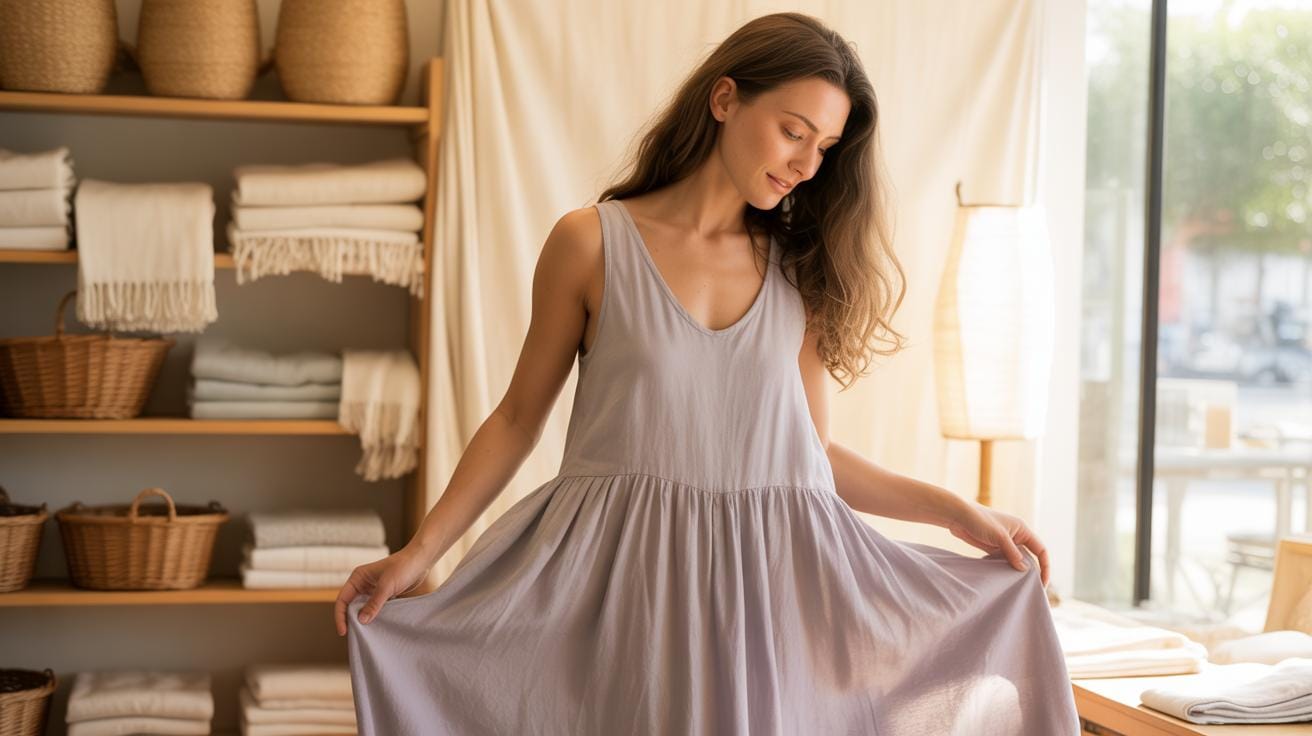
The Link Between Eco Fashion And Wellbeing
Eco Fashion Styles That Boost Health and Fitness While Shopping Smart focuses on clothing choices that protect your health and encourage well-being. This topic looks at how eco-friendly materials and thoughtful shopping habits lead to better physical comfort and mental satisfaction. As you explore eco fashion, you will see the link between what you wear and your health.
This article explains the many benefits of eco fashion beyond protecting the environment. It guides you on picking clothes that fit well, feel good on your skin, and help you stay active. You will also find practical tips for shopping smart and making choices that suit your lifestyle and values.
Why Choose Eco Fashion for Health

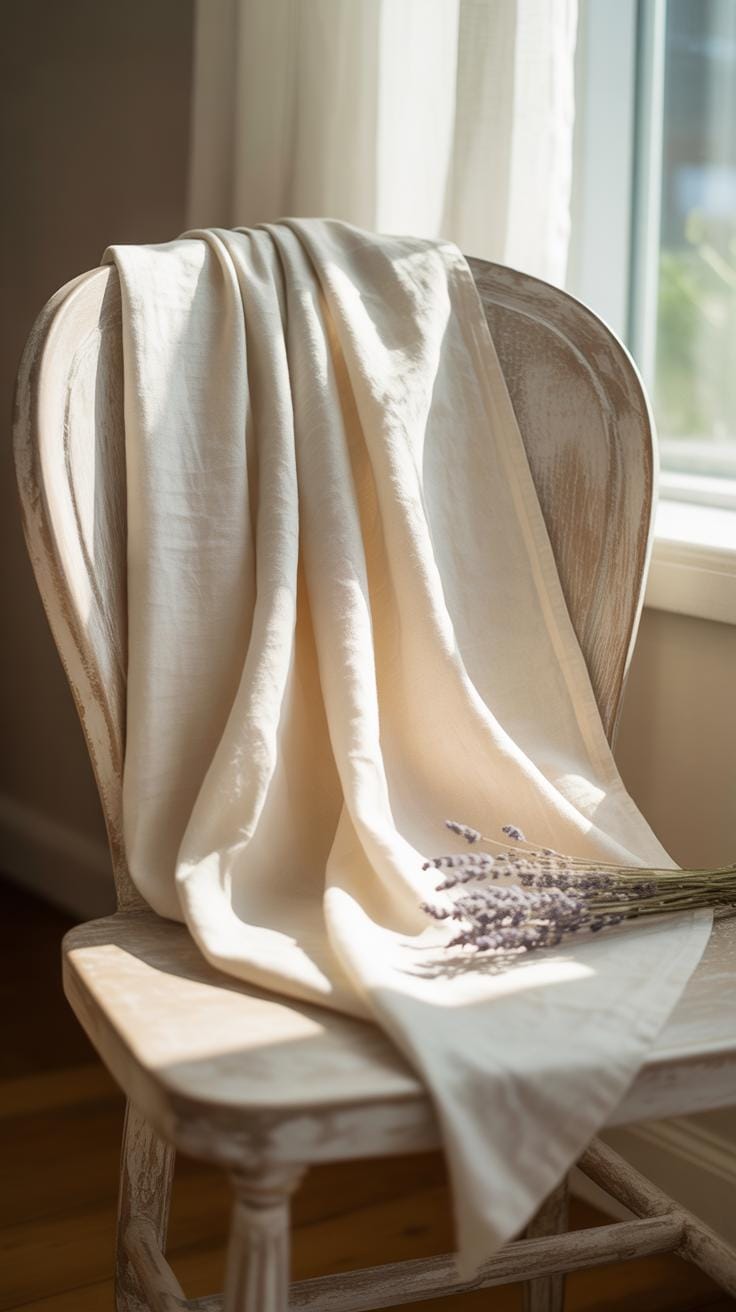
Choosing eco fashion isn’t just about the planet; it can quietly improve your health, too. Natural fabrics like organic cotton and bamboo don’t trap heat or moisture like synthetics often do, letting your skin breathe more easily. This ease of breathing through your clothes can actually reduce skin irritation and breakouts, something I’ve noticed myself after switching from polyester to organic fabrics.

Fewer chemicals go into making eco-friendly clothes, which means less exposure to harsh dyes and finishes. Your skin, especially if it’s sensitive, gets a break from potentially irritating substances. That break matters because it lowers the chances of itching or allergic reactions.
Comfort plays a role beyond just feeling nice. Comfortable, well-fitting clothing can help prevent muscle strain or minor injuries during daily tasks. If your clothes restrict movement or cause chafing, that can build up tension or discomfort without you realizing it.
Effects of Fabrics on Skin and Body
Not all eco fabrics are created equal, but many, like organic cotton, bamboo, and hemp, tend to be softer and gentler on the skin than popular synthetic alternatives. For example, bamboo fabric feels smooth and almost silky against the body, while organic cotton is breathable and less likely to harbor bacteria.
In contrast, synthetic fabrics often trap sweat, which can aggravate acne or cause irritation. Plus, they sometimes create that clammy feeling when exercising or in warm weather, which nobody really enjoys. Eco fabrics naturally wick moisture away, so your skin stays drier and calmer throughout the day.
Link Between Clothing and Fitness
When you’re active—whether heading out for a jog or just staying busy around the house—your clothes need to keep up. Eco-friendly fabrics often offer more flexibility, stretch, and breathability. This means they adapt well to movement instead of restricting it, which is crucial to avoid discomfort or even injury.
I’ve found that breathable clothing helps regulate body temperature better, so you’re less likely to overheat or feel stiff after exercise. Plus, they’re often lighter, which can make any workout feel a little less daunting. Makes you wonder why more fitness wear isn’t eco-based. Don’t you think it’s time your workout clothes respected both your body and the environment?
Recognizing Sustainable Materials
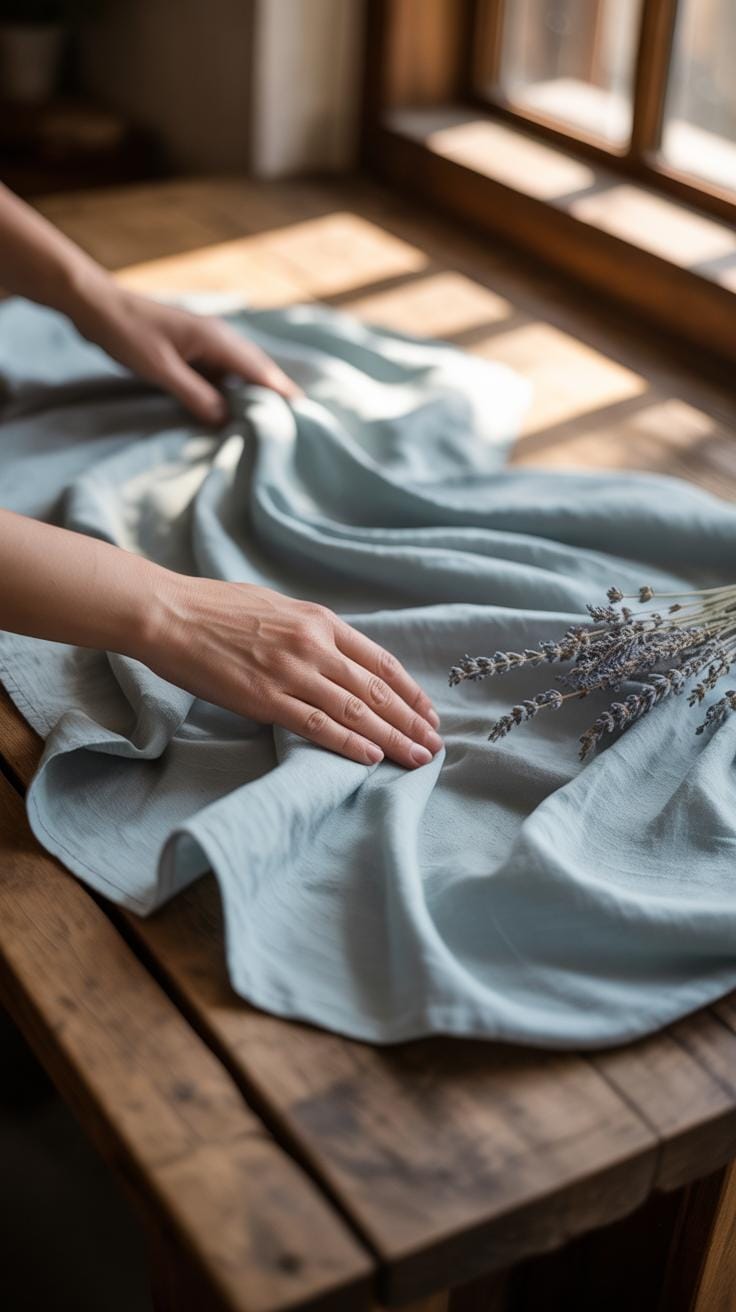
When you start looking into eco fashion, certain fabrics keep popping up—organic cotton, hemp, and linen are some of the most common. These materials come from plants grown without harsh pesticides or chemical fertilizers, which means less damage to the soil and cleaner water sources nearby. This alone makes a big difference, but it’s not just about the planet. Wearing clothes made from these materials can feel quite different on your skin, too.
Compared to synthetic fibers, natural ones tend to breathe better. Have you ever worn polyester during a workout and felt sticky or overheated? Natural fabrics often help regulate temperature and reduce irritation. It’s subtle, but your body’s comfort and even your motivation to stay active might improve if you’re not distracted by itchy or damp clothing.
On the flip side, synthetic fabrics like nylon or polyester are often praised for durability and moisture-wicking in sportswear. Yet, they come with environmental baggage, such as microplastic pollution, something that’s hard to ignore. There’s a trade-off here—synthetics can perform well but might impact health and the environment negatively in ways that aren’t immediately obvious.
Durability matters a lot. Natural eco fabrics usually last longer when cared for right, which helps you avoid constantly replacing your gear. This saves money and cuts down on waste. For example, hemp is known for toughness and resistance to wear. Of course, natural fibers can sometimes wrinkle or fade, but many people find this less troublesome than discarding fast fashion items frequently.
So, how much does your choice of fabric impact your overall fitness and well-being? Maybe more than you realize, both in how you feel and how sustainable your habits can be. It might be worth trying a few items yourself and noticing the difference. Do you think your preferences could change once you pay attention to these subtle details?
Common Chemicals to Avoid in Clothing
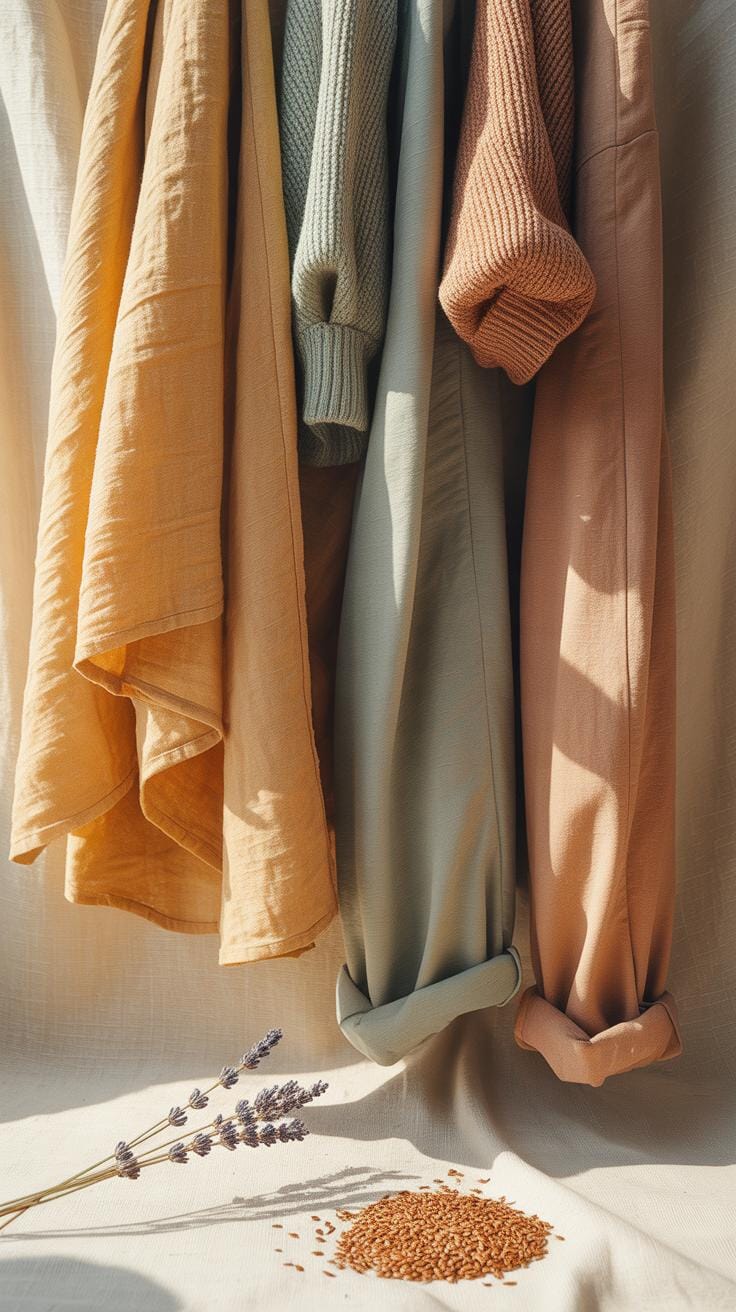
Health Risks from Toxic Dyes and Treatments
Many clothes you find in typical stores contain chemicals that can irritate your skin or worse. For example, azo dyes are common in bright-colored garments but some release carcinogenic compounds once they break down. You might not notice right away, but these dyes can cause allergies or skin rashes, especially if you have sensitive skin.
Then there’s formaldehyde, often used as a finishing agent. It keeps clothes wrinkle-free but can cause breathing issues or allergic reactions. Prolonged exposure may even increase risks linked to respiratory diseases. Aside from formaldehyde, resins and flame retardants often sneak into fast fashion textiles. These can disrupt hormonal balance and sometimes have toxic effects on the liver and kidneys.
Identifying these chemicals isn’t always straightforward. If a garment has a strong chemical smell or feels unusually stiff, that’s a red flag. Washing new clothes before wearing can reduce some risks, but it doesn’t eliminate the chemicals completely. Wouldn’t it be better to avoid them upfront?
Certification Labels to Trust
Luckily, some certifications help filter out harmful substances. The Global Organic Textile Standard (GOTS) certifies organic fibers and restricts toxic chemicals throughout the production process. Clothes with GOTS labels ensure lower skin irritation potential and reduced environmental damage. Another label to look for is OEKO-TEX Standard 100, which tests textiles for harmful chemicals regardless of material content.
Not every label guarantees perfection, but these certifications offer some peace of mind. Next time you shop, look for tags that mention these standards — they might cost a bit more, but your body and mind will thank you. Do you really want to wear something that could trigger allergies or worse?
How to Shop Smart for Eco Fashion
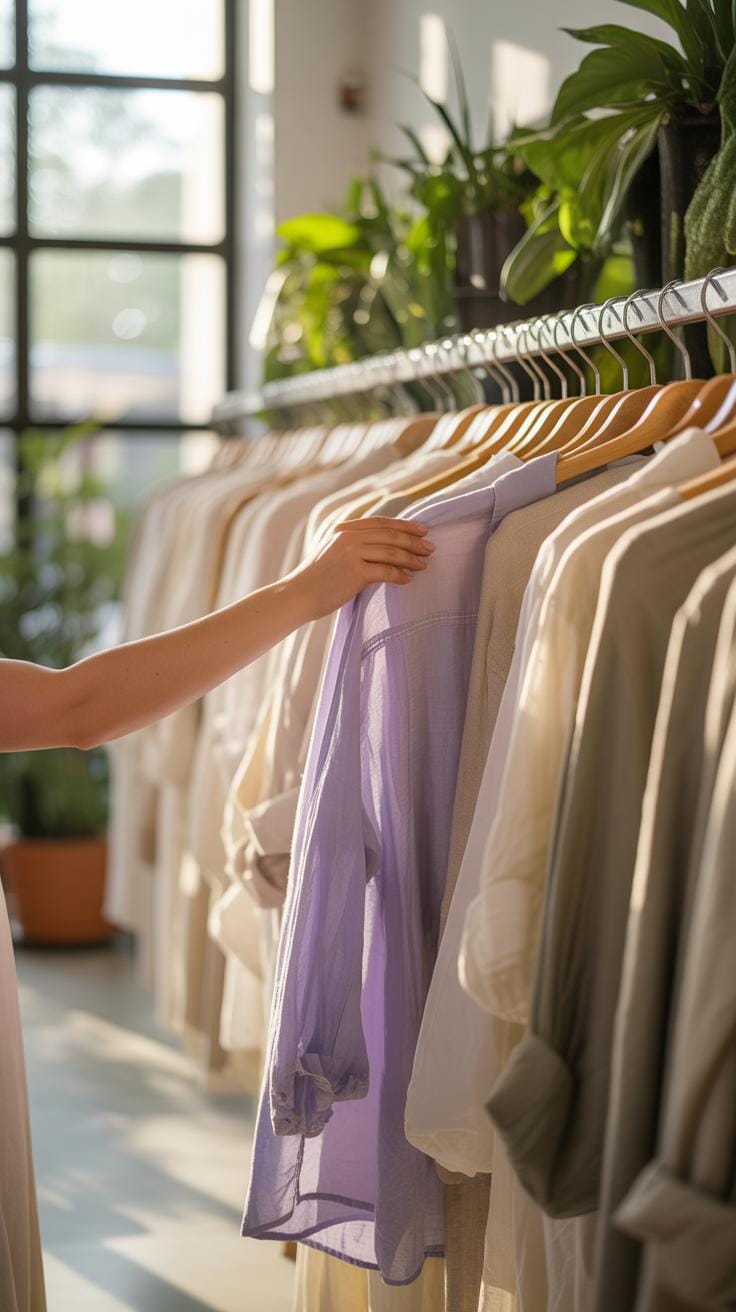
Finding eco-friendly clothing can feel overwhelming at first. But once you know what to look for, it’s a bit like a treasure hunt—except the treasure is clothes that feel good on you and on the planet. Start by checking for trustworthy labels. Look out for certifications like GOTS (Global Organic Textile Standard), Fair Trade, or OEKO-TEX. They signal that the garment has passed certain environmental and social criteria. Although these labels don’t guarantee perfection, they’re better than nothing.
Don’t be shy to examine the quality of the fabric closely. Natural fibers, like organic cotton, hemp, or Tencel, tend to last longer and breathe better. But quality also shows in stitching and finishing details. If seams look messy or buttons feel flimsy, that piece might not last through many washes—meaning it’s less eco-friendly than it seems.
Budget can be tricky here. It’s easy to assume all eco-friendly clothes are expensive, but some smaller brands offer good deals if you watch sales or shop off-season. It might mean fewer pieces, but better ones. And sometimes investing more upfront pays off because you don’t replace worn-out clothes as often. Think quality over quantity.
Checklist for Eco-Friendly Clothing Shopping
Use this checklist when you shop—whether online or in person:
- Material: Is it organic cotton, hemp, linen, bamboo, or recycled fabric?
- Certifications: Does it have GOTS, Fair Trade, OEKO-TEX, or Bluesign labels?
- Brand Transparency: Can you find clear information on sourcing, labor practices, and environmental impact?
- Durability: How solid are the seams, zippers, buttons?
- Price: Does it fit your budget? Would you wear it enough to justify the spend?
This simple list can keep you grounded during impulsive buys that might feel eco-friendly but aren’t truly sustainable.
Finding the Right Fit and Function
Fit matters more than you might expect—especially if you want clothes that support your active lifestyle. A loose T-shirt might feel airy but could get in your way during a workout. Tight leggings that don’t stretch enough can cause discomfort. So, test the clothes by moving around—squat, stretch, lift your arms. See how the fabric behaves.
Also, think about breathability. Natural fibers usually handle sweat better on long walks or gym sessions. Don’t just trust the label; if possible, try garments indoors and outdoors. Sometimes comfort and function clash with style or sustainability. You might have to compromise a bit, but your body will thank you.
Ultimately, consider shopping slower and smarter. Choose fewer pieces that genuinely work for your body and routine. Your health, comfort, and the planet all benefit from that.
Eco Fashion Benefits for Physical Activity

When you think about exercise gear, breathability stands out as critical. Natural fabrics like cotton, linen, and bamboo have tiny pores that help air circulate close to your skin. This means your body temperature stays more balanced during workouts. Unlike many synthetic materials that trap heat and moisture, these eco-friendly fabrics let sweat evaporate more easily. The feeling? Less clammy, less sticky—just more comfortable.
Moisture-wicking often gets tossed around as a must-have for workout wear. But some synthetic moisture-wicking fabrics can actually hold onto odors or irritate sensitive skin. Natural fibers tend to handle sweat better by absorbing moisture and drying without causing irritation. Over time, they may also reduce the chance of that itchy or prickly sensation you sometimes get with man-made textiles.
Skin issues like rashes or chafing often pop up during exercise, especially with tight, synthetic clothing. Some non-eco fabrics contain chemicals or dyes that can exacerbate these problems. Natural fibers usually minimize this risk because they’re gentler and less processed. I’ve found that wearing eco-friendly clothes during runs cuts down redness and discomfort, which can really shift your focus from battling your outfit to actually enjoying the movement. Ever wondered why your skin feels better after a yoga class in organic cotton? It’s not just in your head.
Mindful Shopping to Reduce Waste
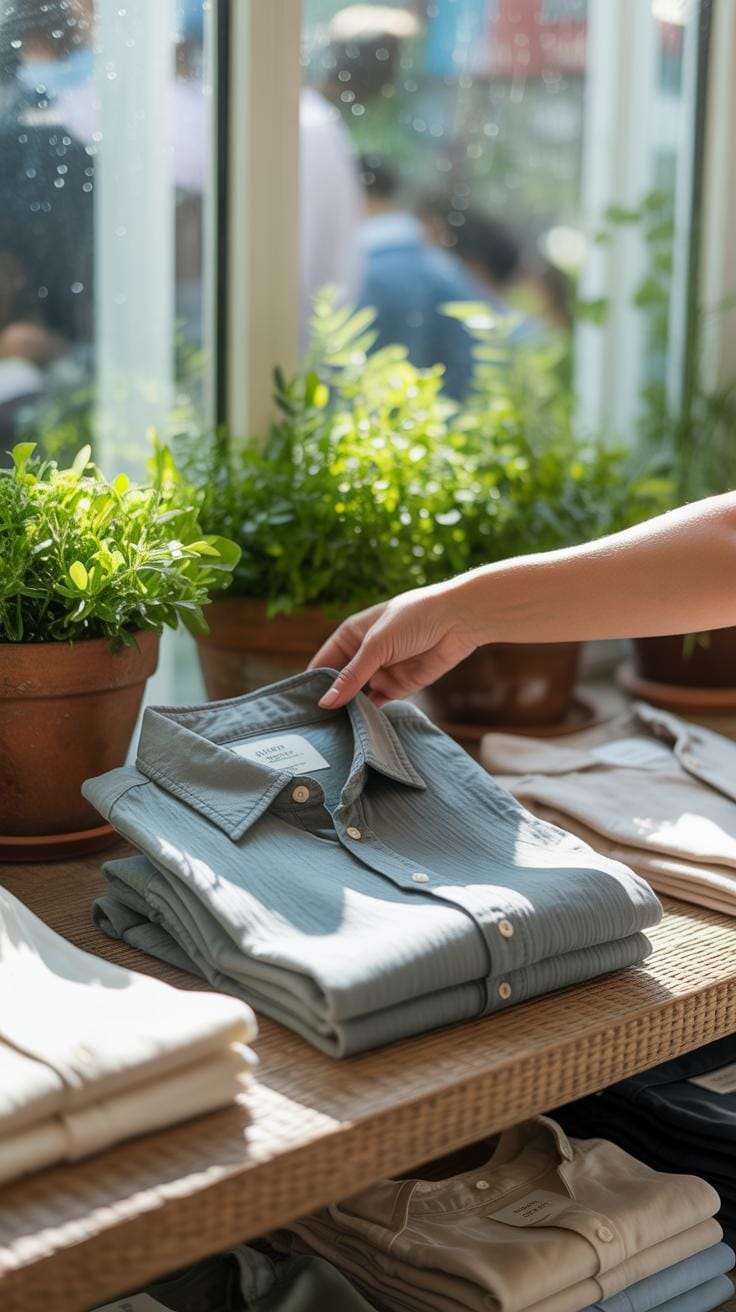
When you adopt mindful shopping habits, you’re not just picking clothes—you’re actively cutting down waste. Think about it: buying fewer, higher-quality pieces means less landfill overflow. It’s tempting to chase trends, but slowing down your purchases can make a real difference. You might find that repairing or updating a favorite jacket is more satisfying than grabbing something new. I once held onto a thrifted sweater just because it had sentimental value—and fixing its loose sleeve felt like preserving a story.
Repairing garments breathes new life into them. Small sewing fixes or patching holes stretch how long your clothing lasts. Recycling and donating also play a big role. Instead of tossing old items, you can pass them on or recycle materials, which keeps textiles out of landfills. Have you ever considered how just a little more care before discarding can support sustainability? It’s a chance to rethink your relationship with clothes.
Steps to Extend Clothing Lifespan
The way you treat your eco fashion pieces changes everything. Washing less often can help, especially if you handle stains spot by spot rather than tossing everything in the machine. Also, using cold water preserves fibers better—it’s a small tweak, but noticeable over time.
Storage matters, too. Hanging delicate items or folding knits prevents unnecessary stretching or damage. I’ve found that keeping my clothes in a well-ventilated closet helps avoid that stale smell and keeps fabrics fresh longer.
Mending might seem old-fashioned, but it’s worth it. Even simple stitches or replacing buttons can save a shirt from becoming scrap. Learning these small skills or visiting a local tailor once in a while stretches the life of your pieces in a way buying new never will.
Ways to Donate or Recycle Clothes
When clothes no longer fit or you simply don’t want them, consider these options:
- Donate to local shelters or charities that accept clothing in good condition.
- Use textile recycling bins, often found in community centers or stores.
- Participate in clothing swaps with friends or community groups.
- Sell or give away items through online platforms designed for circular fashion.
Choosing where your clothes go matters. Not all donation centers recycle responsibly, and some end up discarding what they can’t sell. Investigating local programs with transparent practices makes a difference. When you donate or recycle thoughtfully, you contribute to a system that truly supports sustainability—and, I think, it feels better knowing you’re helping rather than just offloading.
Comparing Eco Fashion Costs and Savings
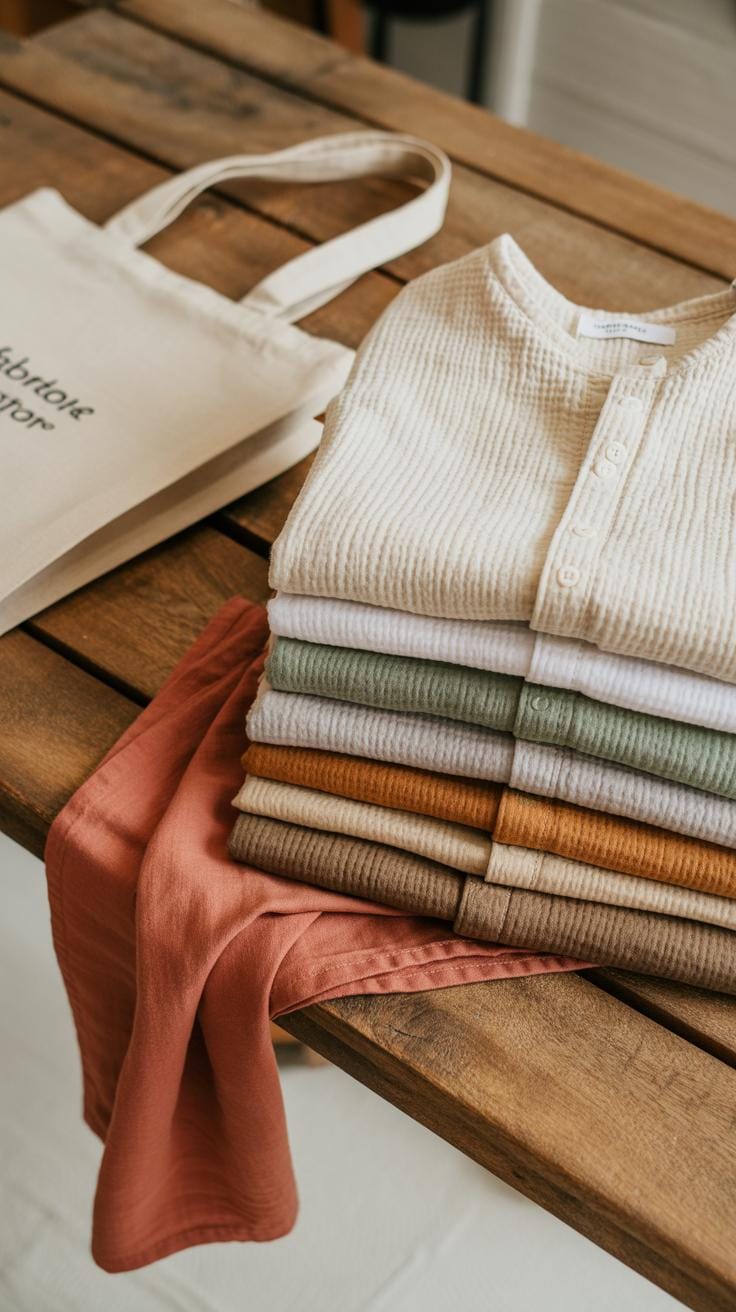
When you first look at eco fashion, the price tags can feel a bit steep compared to conventional clothing. It’s easy to hesitate—why pay more upfront? But if you pause and consider the bigger picture, there might be more savings hiding beneath those numbers.
Eco-friendly clothes often last longer. Think of a simple organic cotton tee versus a fast-fashion alternative. The eco piece might cost more, but it won’t stretch out, fade, or tear as quickly. That means fewer replacements—and fewer trips to the store. Over time, those savings can add up in ways you might not expect.
There’s also a subtle health angle to consider. Eco fabrics tend to avoid harsh chemicals and dyes that some people find irritating. Wearing something gentle on your skin can reduce discomfort or allergic reactions. I’ve noticed that switching to eco clothes helped me avoid the occasional rash I used to get with synthetic fabrics. Saving on skin care or treatments might not be as obvious as a price tag, but it’s real.
So, while eco fashion costs more initially, the long-term value often balances out if not exceeds expectations.
Upfront Cost vs Long-Term Value
Yes, eco clothing usually carries a higher upfront price. But that’s mostly because these garments use better materials and ethical production. Quality rarely comes cheaply. Still, that price can feel like an investment—one that pays off gradually.
Think about your wardrobe over a year or two. If you buy cheaper clothes that wear out, you replace them faster. With eco items, replacements happen less frequently. That stability helps your budget in the long run, especially if you lean toward classic, versatile pieces that don’t go out of style.
Also, reduced exposure to toxins in fabrics may save you from minor health annoyances, which can add up too—less itching, fewer laundry treatments, no mystery skin irritations. That’s a cost saving, too, one you might not have factored in.
Budgeting Tips for Eco Fashion Buyers
Buying eco fashion doesn’t have to drain your wallet all at once. Here are some ways I found it manageable:
- Watch for sales or discounts from ethical brands. They pop up—I promise.
- Thrift stores and online secondhand shops often carry quality eco items. This can make pricey pieces more affordable.
- Focus on essentials first. Maybe start with a good pair of jeans or a jacket you wear daily.
- Mix and match with what you already own. You don’t have to overhaul your whole wardrobe at once.
Affording eco fashion might take some planning, sure. But it isn’t out of reach, especially if you’re willing to look beyond the standard shopping experience. Sometimes spending a little more up front pays off better than constantly chasing the next cheap buy.
Examples of Eco Fashion Brands
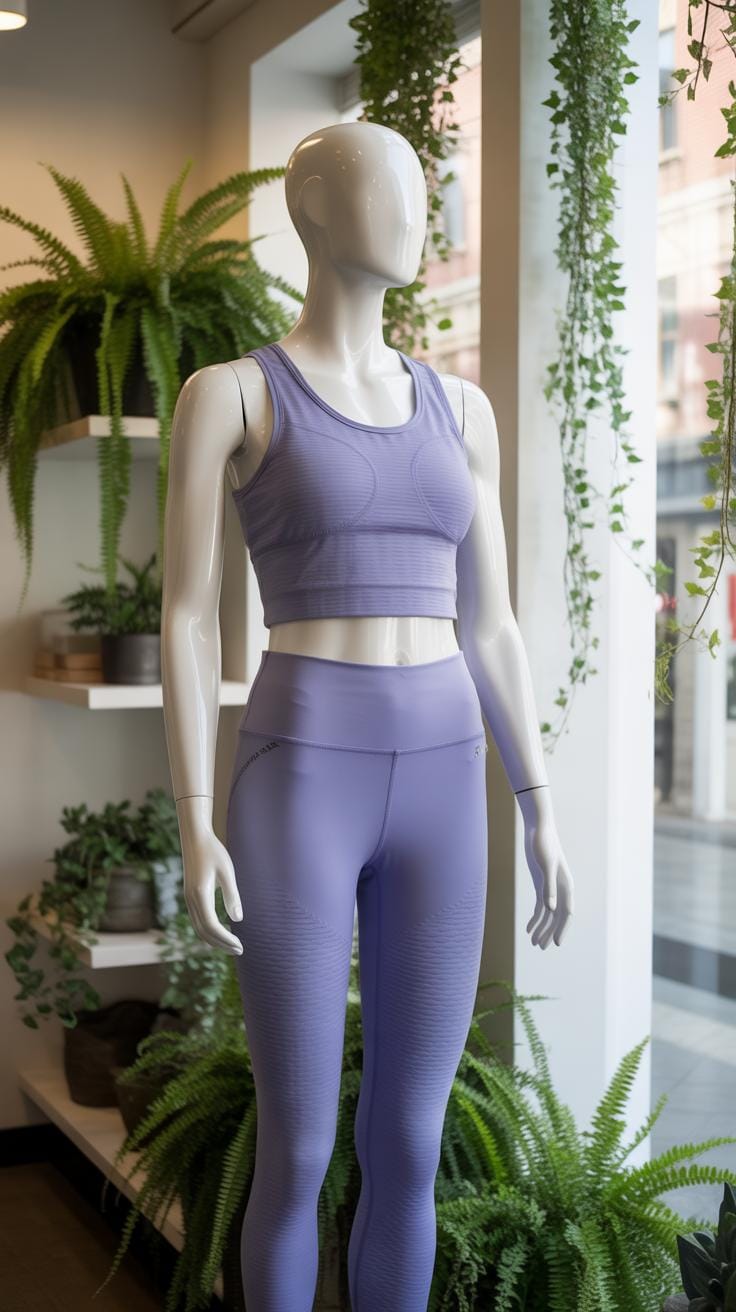
When you start exploring eco fashion, some brands naturally come to mind because they’re more than just labels—they’re champions of health and sustainability. Take Patagonia, for example. They focus on organic cotton and recycled materials while committing to fair labor. I’ve noticed their transparency, like how they openly share supply chain details, makes you trust them more, even if their prices are higher.
Another name is Pact, which leans heavily into organic fabrics and clean production methods. Their clothing feels softer on the skin, which might be due to fewer chemicals, and that’s a big deal if you care about how what you wear affects your body. Then there’s Girlfriend Collective, offering workout gear made from recycled water bottles. Their niche is activewear, perfect if you’re combining eco-conscious shopping with fitness goals.
What makes these brands stand out is their willingness to be transparent. They often have certifications like GOTS (Global Organic Textile Standard) or Fair Trade, which you can verify. Plus, customer reviews online usually mention how comfortable the clothes are—which hints at thoughtful design, not just green marketing. It’s tempting to wonder if all this is perfect, but these brands at least put trust and health first, which is a solid starting point when choosing eco fashion.
Creating Your Eco Fashion Wardrobe Plan
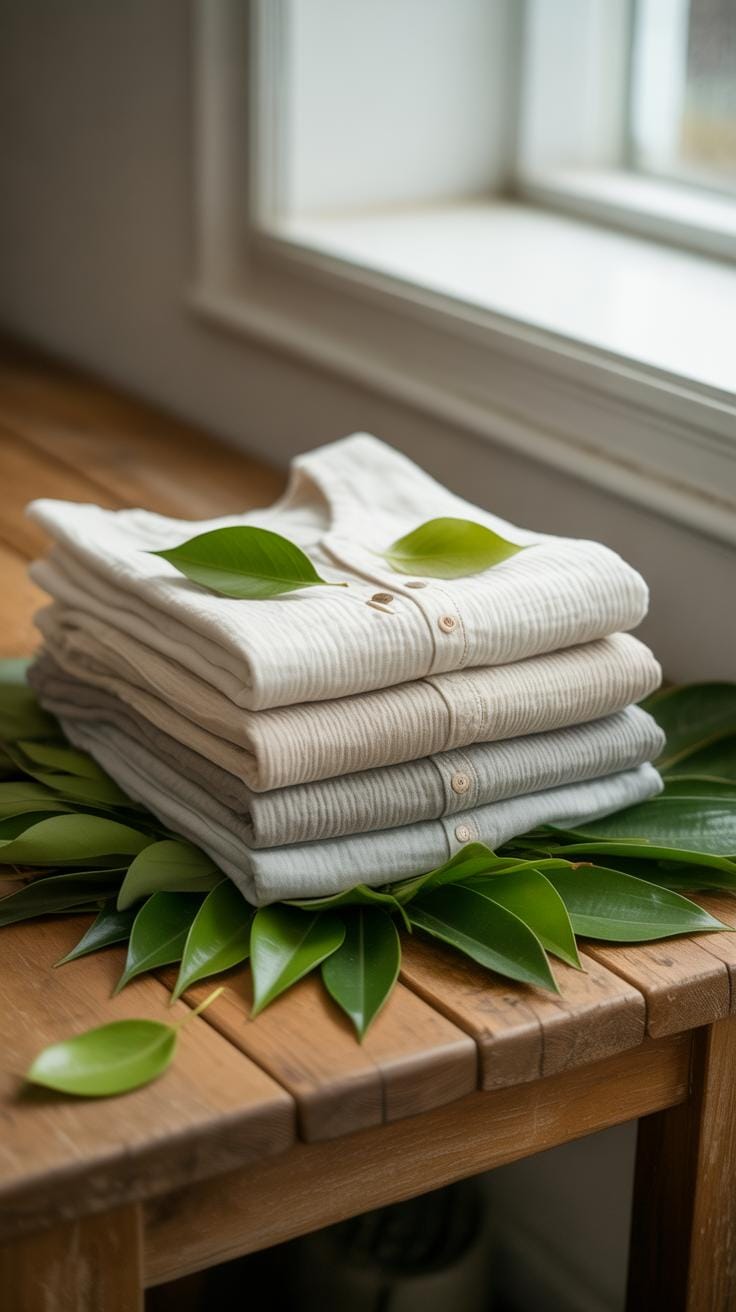
Building an eco fashion wardrobe can feel a bit overwhelming at first, but breaking it down can make it manageable. Start by setting clear goals. Ask yourself: what do I want from this shift? Maybe you want to reduce waste, support ethical brands, or simply feel better about what you wear. Having a goal keeps you focused, even if your steps are small.
Assessing Your Current Clothing
Take a thorough look at what you own. Lay everything out and ask which pieces really fit your lifestyle—and which don’t align with eco values. Some items may be fine to keep; others might be worn out or made from synthetic fabrics you want to phase out. It’s okay if this feels slow. You don’t need to toss everything overnight. Instead, note which clothes to replace first and which can wait.
Steps to Build a Sustainable Wardrobe
Start picking eco-friendly pieces as you need new clothes. Look for natural fibers, fair trade labels, or local brands. Maintain your clothes well—repair instead of discard, wash gently, and store smartly. Also, rethink your shopping habits. Maybe pause before a purchase, or explore secondhand options more often. The idea isn’t to be perfect but to move steadily toward choices that reduce your footprint.
Conclusions
Eco fashion offers more than environmental benefits. It supports your health by using natural materials that breathe better and reduce skin irritation. Choosing eco-friendly styles can keep you comfortable and encourage a fitness-friendly lifestyle. When you shop smart, you save money and get clothes that last longer and fit your unique needs.
By learning about eco fashion and how it relates to health and fitness, you can make decisions that benefit you and the planet. Start with small changes like selecting sustainable brands and understanding fabric types. These steps will help you feel better and enjoy shopping in a way that respects both your body and the earth.