
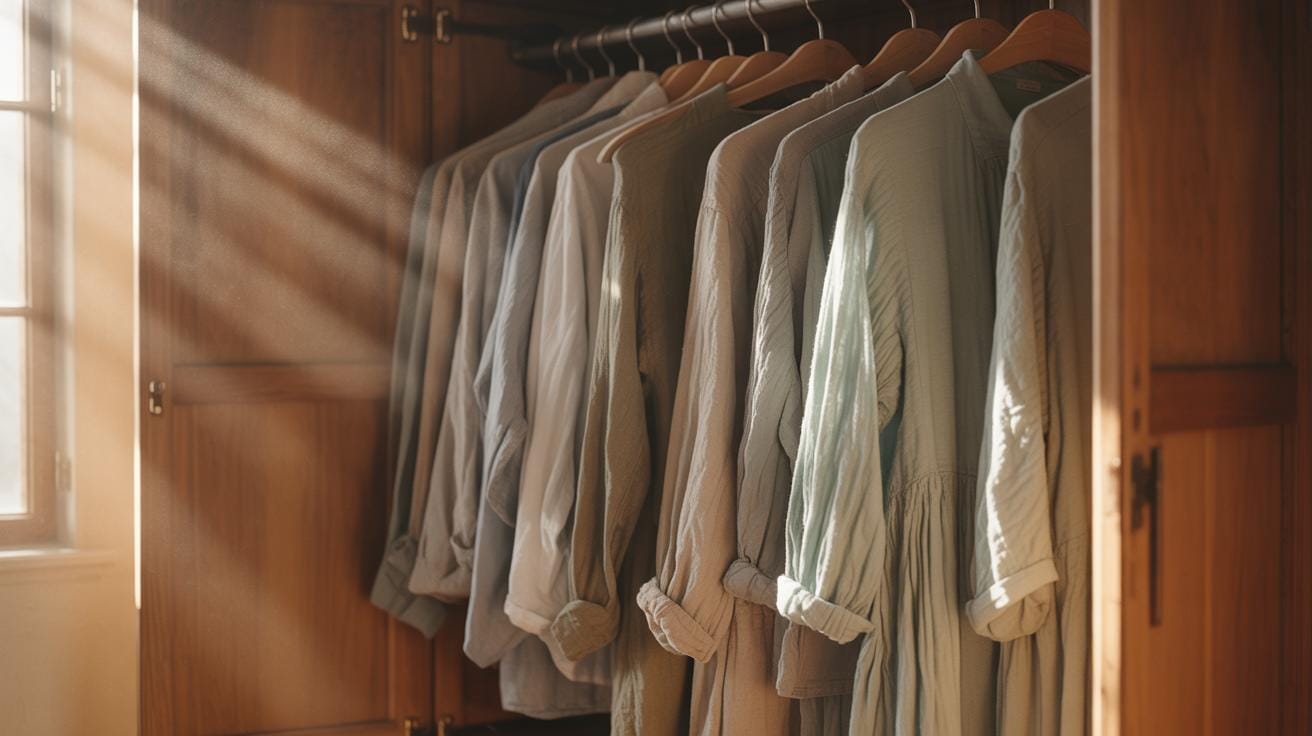
What Nature Girl Style Is About
Nature Girl fashion is about embracing natural elements, comfort, and sustainability in your wardrobe. It involves choosing clothing that reflects a love for nature and aligns with environmentally friendly practices. However, mistakes can easily happen that undermine these goals.
This article highlights common errors Nature Girls make in their style choices and details ways to build a sustainable fashion wardrobe that truly respects the environment. You will learn how to spot pitfalls and what changes to make to improve your fashion impact and personal style.
Recognize Fabric Mistakes


When building a sustainable Nature Girl wardrobe, fabric choice often makes the biggest difference. It’s easy to overlook what your clothes are made of, but fabric matters more than you might think.

Synthetic fibers like polyester and nylon, common in many fast fashion pieces, proudly resist wear and tear but carry hidden costs. They’re produced from petroleum, a nonrenewable resource, and shed microplastics every time you wash them. These tiny particles choke waterways and wildlife, which feels at odds with a nature-inspired lifestyle.
Natural fibers offer a cleaner alternative, yet not all are created equal. Cotton, for example, can demand large amounts of water and pesticides unless it’s organic. Wool, linen, hemp, and bamboo tend to have lighter impacts if sourced thoughtfully.
When you shop, look for:
– Certified organic cotton or linen
– Renewably harvested hemp or bamboo
– Wool from farms practicing responsible animal care
Picking these fabrics may cost a bit more or require extra effort, but your wardrobe turns into a quieter statement. Something I often wonder—can a truly sustainable closet ever be fully synthetic-free? Maybe not, but aiming for mostly natural fibers feels closer to the ideal Nature Girl spirit.
Avoid Overconsumption Traps

Buying lots of clothes quickly feels tempting, especially when sales pop up or trends change fast. But piling up clothes this way often leads to waste, which clashes with the core of Nature Girl values. It’s easy to lose track of what you actually need, ending up with pieces that rarely get worn.
Overconsumption puts pressure on resources—water, energy, land—and the environmental cost piles up. It undermines efforts to have a truly sustainable wardrobe. Plus, when you buy indiscriminately, your choices become less thoughtful and more impulsive, which doesn’t sit well if you care about lasting quality.
Fast fashion is a big part of this problem. Its rapid production cycles churn out cheap garments designed to be forgotten after a few wears. This clashes with the ethos of Nature Girl, who values durability, connection to nature, and mindful living.
To avoid these traps, try these approaches:
- Choose timeless pieces over fleeting trends.
- Support brands that prioritize ethical labor and materials.
- Look for clothing made from organic or recycled fabrics.
- Invest in fewer but higher-quality items that last.
- Consider local artisans or smaller slow fashion labels.
Brands like Patagonia, Eileen Fisher, and Veja come to mind. They focus on durability and transparency, fitting better with the slow fashion mindset. Building a wardrobe slowly can feel challenging, but it makes your style choices more meaningful—and your impact lighter.
Spot Unethical Production Choices

When building a sustainable wardrobe, spotting unethical production is key. It’s not just about eco-friendly fabrics or style; where and how your clothes are made really matters. Some brands might claim sustainability but overlook the people making the garments. That disconnect can feel frustrating, especially if you care about the full story behind your pieces.
Labor practices directly affect sustainability since poor working conditions often lead to low wages and exploitation. If workers aren’t paid fairly or work in unsafe environments, can a brand truly call itself sustainable? You can usually find clues online—brands transparent about their supply chain, with clear policies on worker rights, often share audit results or factory visits. If they don’t, that might be a red flag to pause and dig deeper before purchasing.
Watching for recognized certifications helps too. Certifications like Fair Trade, GOTS (Global Organic Textile Standard), or B Corp indicate that brands meet certain ethical and sustainability benchmarks. They’re not flawless—sometimes paperwork doesn’t capture every detail—but they offer a helpful starting point. Think of them like guideposts rather than guarantees.
So, next time you shop, question not just the materials but also the people behind the seams. How transparent is the brand? What do these little logos really mean? It’s messy territory, but noticing these issues sharpens your awareness—and your choices as a nature girl trying to do right by the planet and its people.
Care for Your Clothes Properly
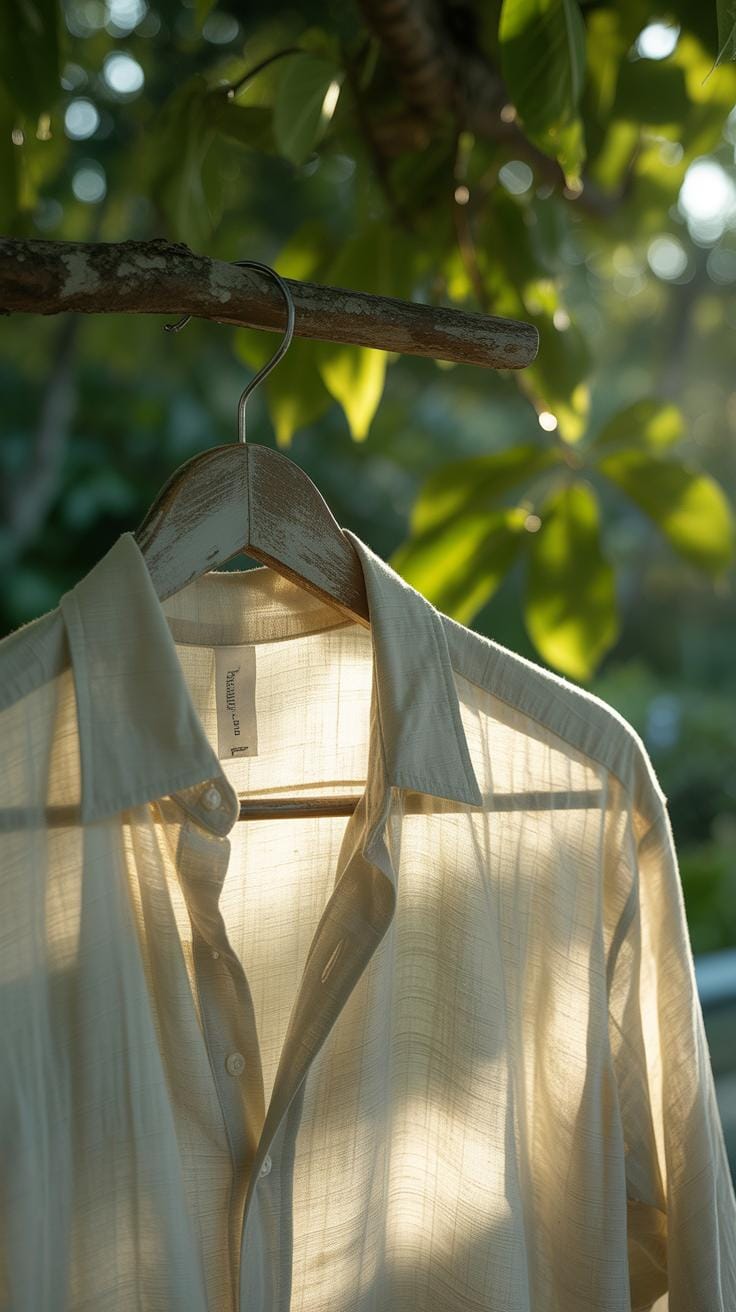
When you build a wardrobe centered on sustainability, like a Nature Girl’s, taking care of your clothes becomes almost as important as choosing them. It’s not just about wearing eco-friendly fabrics; it’s about how you treat those fabrics afterward. Improper care can wear items out faster, leading you back to the store sooner than necessary—a cycle that feels a bit wasteful, doesn’t it?
Washing and Drying Best Practices
Think about how often you wash your clothes. Overwashing can be a real problem. For Nature Girl wardrobes, washing less often saves water and energy, but also keeps fabrics in better shape. Cold water washes are usually enough for most clothes and gentle on fibers. Hot water might feel like it cleans better, but it often just fades colors and weakens fabric.
Choose short cycles and delicate settings whenever possible. These use less water and strain your garments less. You might hesitate to skip certain cycles, but maybe it’s fine to air clothes out or spot clean instead. For drying, air-drying is ideal—even if it takes longer. It prevents shrinking and fabric damage that tumble dryers can cause. Still, in rainy weather or last-minute outfit emergencies, low-heat dryer settings can save the day.
Repair and Repurpose Tips
When clothes get a tear, button loss, or slight wear, think of mending as a small, creative ritual. Sewing on a patch, darning a hole, or even replacing buttons can give a piece a new life. It’s surprising how a little hand sewing or basic tools revive favorites.
If something is beyond simple repairs, consider repurposing. Old tees turn into cleaning rags. Worn-out jeans become a tote bag or cushion cover. You can even get a bit experimental—like turning a fabric scrap into a patchwork scarf. You don’t have to be an expert to do this; sometimes just trying is enough to find a new use for things you’d otherwise toss out.
Have you ever thought about what happens to your clothes after you’re done with them? Maybe it’s time to explore how keeping them longer through care or creativity reduces your fashion footprint.
Select Versatile Wardrobe Pieces

Choosing garments that serve more than one purpose is key to building a thoughtful Nature Girl wardrobe. Think about pieces that easily transition from weekend hikes to casual lunches or even relaxed office settings. For example, a simple, well-cut linen shirt can look fresh with jeans during a walk in the park but also smart enough when tucked into a skirt at work. This flexibility reduces the need for excess clothing and prevents unnecessary waste.
Have you noticed how layering can extend an outfit’s life? A sleeveless dress paired with a cozy sweater or jacket can feel new each time you wear it. Opt for neutral colors or gentle earth tones; they match with almost everything, making mixing and matching easier than you might expect.
Building Capsule Collections
The capsule wardrobe idea fits perfectly with Nature Girl fashion, focusing on fewer pieces but better ones. You pick carefully selected items that work together, creating countless outfit options. This approach encourages mindful shopping, which tends to mean less impulse buying.
Capsule collections stay manageable. Imagine having ten to fifteen pieces that cover all your needs without crowding your closet. You might find yourself appreciating each item more, wearing them more often and avoiding the cycle of fast fashion.
Mix and Match Examples
Try pairing a soft cotton tee with high-waisted trousers for a simple, polished look. Add a denim jacket and some boots, and you have something ready for a forest walk or a casual meet-up. The key is balance—loose with fitted, soft with structured.
Another useful combination: a flowy maxi skirt with a tucked-in long-sleeve top. Throw on a lightweight cardigan, and you’re set for a variety of activities, from gardening to a coffee date. Notice how these items complement each other without clashing, proving that versatility often lies in subtlety rather than bold statements.
Check for Greenwashing Claims

When you’re building a sustainable wardrobe, spotting greenwashing can feel like navigating a maze. Brands often use vague language—words like “natural,” “eco-friendly,” or “green” without any clear proof. It’s tricky because these terms sound good but don’t guarantee anything. Sometimes I find myself wondering if the label “organic cotton” really means much or if it’s just marketing fluff.
Here are some signs to watch out for:
- Claims without certifications. If the brand never shows proof or specific labels, be cautious.
- Overly broad statements like “environmentally safe” with no explanation.
- Focus on one small eco-friendly aspect while ignoring bigger issues (for example, using recycled buttons but producing garments in pollutive factories).
- Use of images that suggest nature—trees, animals, earth—without clear facts.
On the flip side, real sustainable brands usually offer transparency. Look for certifications like GOTS (Global Organic Textile Standard), Fair Trade, or Bluesign. These indicate some level of independent verification. Also, trustworthy brands often share detailed info about material sources, labor conditions, and environmental impact. Seeing this kind of openness helps separate genuine efforts from superficial buzzwords.
You might feel overwhelmed trying to tell the difference. I do. Sometimes it’s easier to trust familiar names you’ve researched rather than new brands with flashy ads. Still, staying curious and asking questions about those labels can help you avoid falling for greenwashing traps.
Plan Your Shopping Checklist
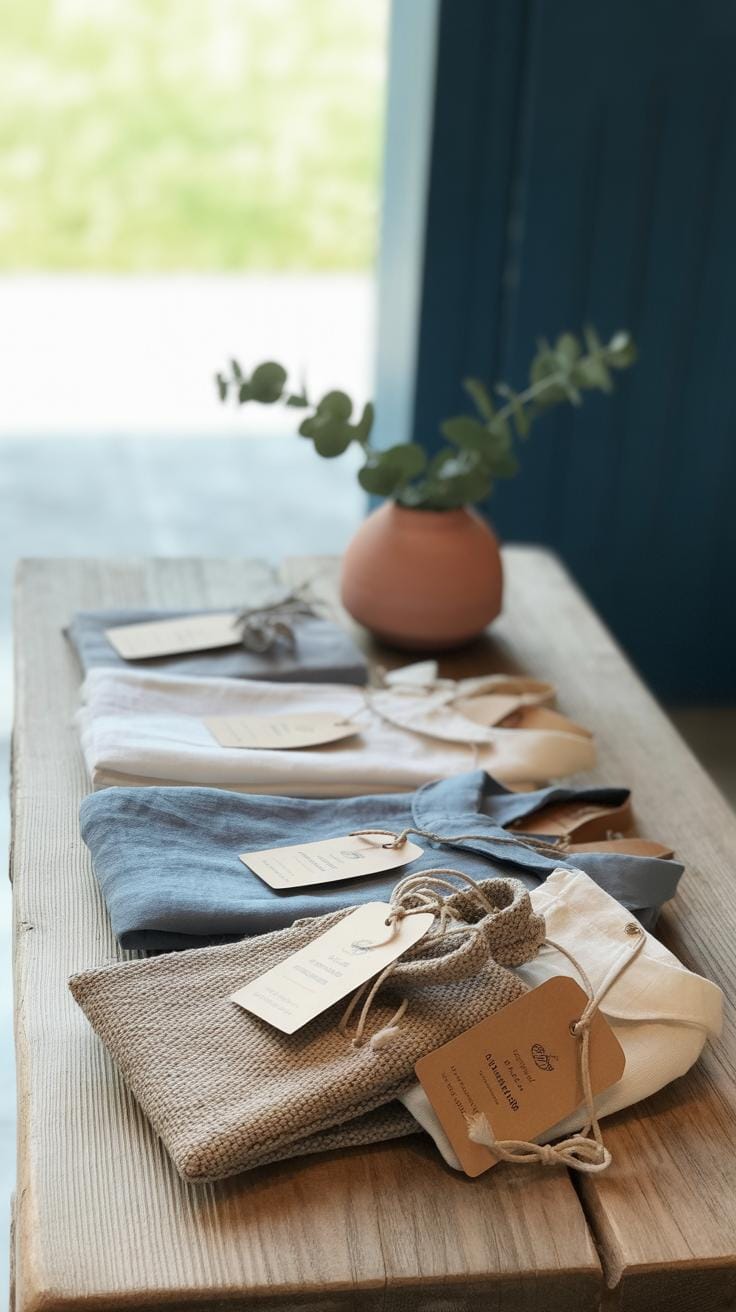
Before stepping into the world of sustainable shopping for your Nature Girl wardrobe, it really helps to have a clear checklist. Without one, impulse buys creep in, distracting you from what you actually need. I’ve noticed this myself—sometimes the thrill of a sale or a cute print pulls me off track, even when it doesn’t fit my style or values.
Start by listing items that genuinely fill gaps in your existing wardrobe. Maybe you need a durable pair of hiking pants or a versatile organic cotton tee. Write these down clearly. Then keep that list close when browsing, so you don’t grab every tempting piece.
Prioritize Needs Over Wants
Try this: for every potential purchase, ask yourself if the item serves a specific, practical purpose. Will you wear it to the places you actually go? Does it complement what you already own? When I began focusing on Nature Girl style, I found my wishlist shrinking once I really thought about those questions.
Also, consider how often you’ve worn similar pieces before. If a trendy jacket catches your eye but you hardly reach for outerwear, maybe skip it. Your wardrobe should work with your lifestyle, not clutter it. It’s tricky, since wants often feel urgent, but distinguishing them makes a big difference.
Evaluate Each Potential Purchase
Here’s a process I try before buying anything for my Nature Girl collection:
- Check the fabric—natural, organic, or recycled fibers fit the sustainable ethos better than synthetics.
- Think about durability. Will the item last for several seasons, or is it destined for a quick turnover?
- Consider care—can you easily maintain it without excessive washing or dry cleaning?
- Ask whether the brand’s values align with sustainability practices. It’s not always advertised plainly, so a little research helps here.
Going through these steps might take some time, sure. But it ensures that each piece supports your style and your commitment to the environment. You don’t have to get it perfect every time—just aiming toward these questions refines your choices. And then, perhaps unexpectedly, shopping feels less overwhelming and more intentional.
Compare Nature Girl Style Versions
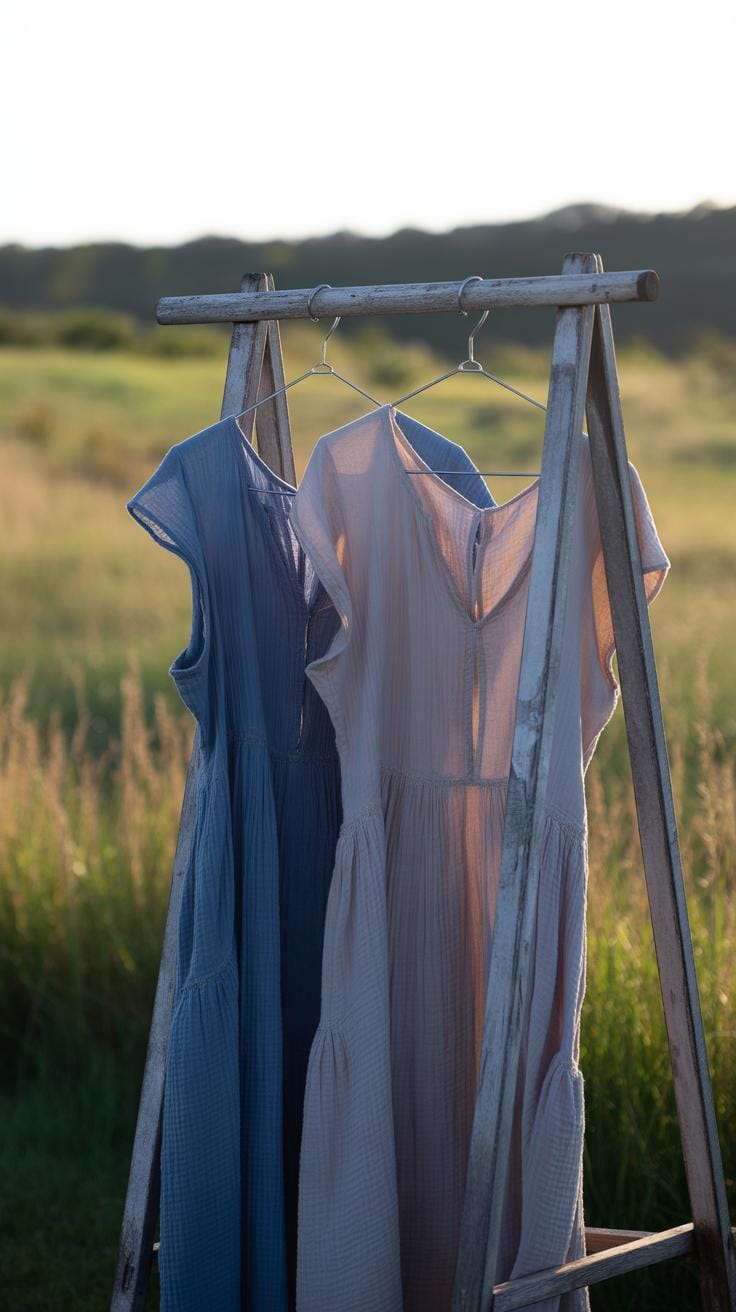
The Nature Girl style isn’t a single look but rather a spectrum. When you dig into it, you find quite a few interpretations that express connection to nature in different ways, with varying effects on sustainability. It’s interesting how these versions diverge and sometimes overlap.
Boho vs Minimalist Nature Looks
Boho Nature looks lean into layers, prints, and a rather “assembled over time” vibe. It feels organic, but often involves multiple pieces made from different fabrics. That’s where the sustainability question gets tricky. Will that flowy cotton blend top you found secondhand still hold up? Or does crafting an entire outfit like that mean more resource use? I guess it depends on how you source it. Secondhand or upcycled boho pieces can be great, but new fast-fashion boho items are usually heavy on environmental cost.
Minimalist Nature styles, by contrast, stick to simple lines and neutral colors. They seem less wasteful because the pieces are versatile and often timeless. I find that minimalist wardrobes tend to encourage fewer, but better-made items, which can pay off sustainability-wise. Still, the minimalist look can become a bit sterile or detached from the whimsical feel of nature, so it’s a trade-off between style and principles.
Cottagecore and Other Trends
Cottagecore has risen to popularity with its embrace of pastoral, vintage-inspired pieces—think floral dresses and soft knits. It definitely feels “close to nature,” but the sustainability angle is complex. The look often relies on materials like linen and organic cotton, which is positive, but the surge in demand sometimes pushes mass production. That can clash with eco-friendly goals if you’re not careful.
Other aesthetics tied to Nature Girls, like forest-core or fairy-core, also hover between handmade, artisanal items and commercialized versions. It’s worth asking what’s behind the garment: Is it locally crafted from sustainable fibers? Or is it a cheaply made costume? These questions matter if your intention is a genuinely sustainable wardrobe.
You might wonder—can a fashion movement centered on nature really stay true to sustainability when it involves so many different styles? Maybe it’s less about picking one version and more about how you approach the pieces you choose within those styles.
Use Sustainable Fashion Tools

Keeping a Nature Girl wardrobe truly sustainable can feel tricky without some help. Luckily, there are digital and offline tools that make it way easier to stick with eco-friendly choices. For example, apps like Good On You rate brands based on their environmental and ethical practices, so you can quickly check if a label is worth your money. Also, platforms like Depop or ThredUp offer secondhand shopping options, letting you refresh your style without adding to waste.
Tracking your own wardrobe’s impact is possible too. Apps such as My Green Closet let you log your clothes and monitor how often you wear them, nudging you to get the most out of each piece instead of impulsively buying new ones. It’s a bit like keeping a journal for your sustainable style habits.
Apps and Websites for Sustainability
Here are some handy resources to explore:
- Good On You – Brand ratings for ethics and sustainability
- Depop – A marketplace for buying and selling pre-loved fashion
- ThredUp – Online secondhand shopping with a wide range of brands
- My Green Closet – Wardrobe tracker to help reduce unnecessary purchases
- Vestiaire Collective – Luxury resale platform encouraging circular fashion
There might be even more out there, but trying a few could get you off on the right foot. Exploring these apps often sparks curiosity about where clothes come from and what happens after we toss them out.
Community and Swap Opportunities
The offline side matters just as much. Local clothing swaps are great for connecting with others who share your Nature Girl values. You’ll find it’s not just about clothes—it’s about exchanging ideas, learning about sustainable fabrics, and maybe stumbling on a piece you didn’t expect to love.
Online communities also offer support, from Facebook groups to forums focused on sustainable style, where people swap tips and stories. Sometimes, the feeling of being part of something bigger helps you stay committed, even when fast fashion’s appeal sneaks in unexpectedly.
So why not check if your town hosts regular swaps, or search for an online group? Engaging with others makes maintaining a mindful wardrobe feel less like a chore and more like a shared adventure.
Case Studies of Nature Girl Success
Influencers Leading by Example
When thinking about Nature Girl style, a few people come to mind who really stick to sustainable choices, and not just for show. Take Emma, for instance — she built her style around slow fashion and secondhand shopping, avoiding fast trends that lose appeal too quickly. Her feed isn’t packed with constant new haul videos; instead, it’s more about mixing and matching timeless pieces that last. It feels genuine, perhaps because she admits making mistakes early on, like buying items just because they were “eco-friendly” labels without knowing the brand’s actual impact.
Then there’s Leo, who focuses heavily on transparency. He often shares behind-the-scenes looks at how the fabrics are sourced and questions brands openly if they can’t provide answers. His approach is less about perfection and more about constant learning, which feels more relatable than the usual polished influencer content. They both show that being a Nature Girl in style means questioning, adjusting, and sometimes even rethinking your choices.
Brands Focused on Eco Impact
On the brand side, some have quietly grown in popularity among the Nature Girl community by sticking to core values without overpromising. Take Patagonia, whose commitment to recycled materials and fair labor practices resonates with many. What stands out is how they encourage repairing old gear instead of just buying new, which, honestly, is a rare stance in fashion.
Then there’s Eileen Fisher, a smaller name but well-known for circular design efforts. Their take-back programs and use of organic fibers make them a solid pick for anyone who doesn’t want to just consume, but also care about the lifecycle of their clothes. You might wonder if these brands feel too basic sometimes, lacking flashy appeal — yet that grounded simplicity seems to be what Nature Girls appreciate most, even if it’s not the obvious trend.
Conclusions
Choosing a Nature Girl style is a positive step towards sustainability but avoiding common mistakes is vital. By being mindful of fabric choices, production ethics, and longevity of garments, you can create a wardrobe that honors the environment.
Use this guide as a checklist to refine your style. Opt for sustainable brands, think before buying, and consider garment care that extends life. A careful approach to Nature Girl fashion not only benefits the planet but also enhances your personal expression and confidence in your choices.