
Capturing The Grit Of Old Metal And Industrial Decay
Beauty Of Decay
The visual appeal of rusting metal stems from its unique colors and patterns. Unlike factory paint, rust creates organic blends of orange, red, and deep brown. Artists use rust photography to document how weather changes industrial materials over long periods. These surfaces offer a tactile quality that smooth finishes lack. A close up of rusted metal reveals intricate flakes and pits that catch the light beautifully.

Weathered iron and steel structures represent a transition from function to art. Many people appreciate the earthy tones found in a rusty metal texture. This natural oxidation process adds character to simple objects. High contrast photography highlights the orange hues against gray shadows. Observing these changes helps us value the life cycle of metal objects. Rough edges and peeling layers create a compelling story of resilience.
Industrial History
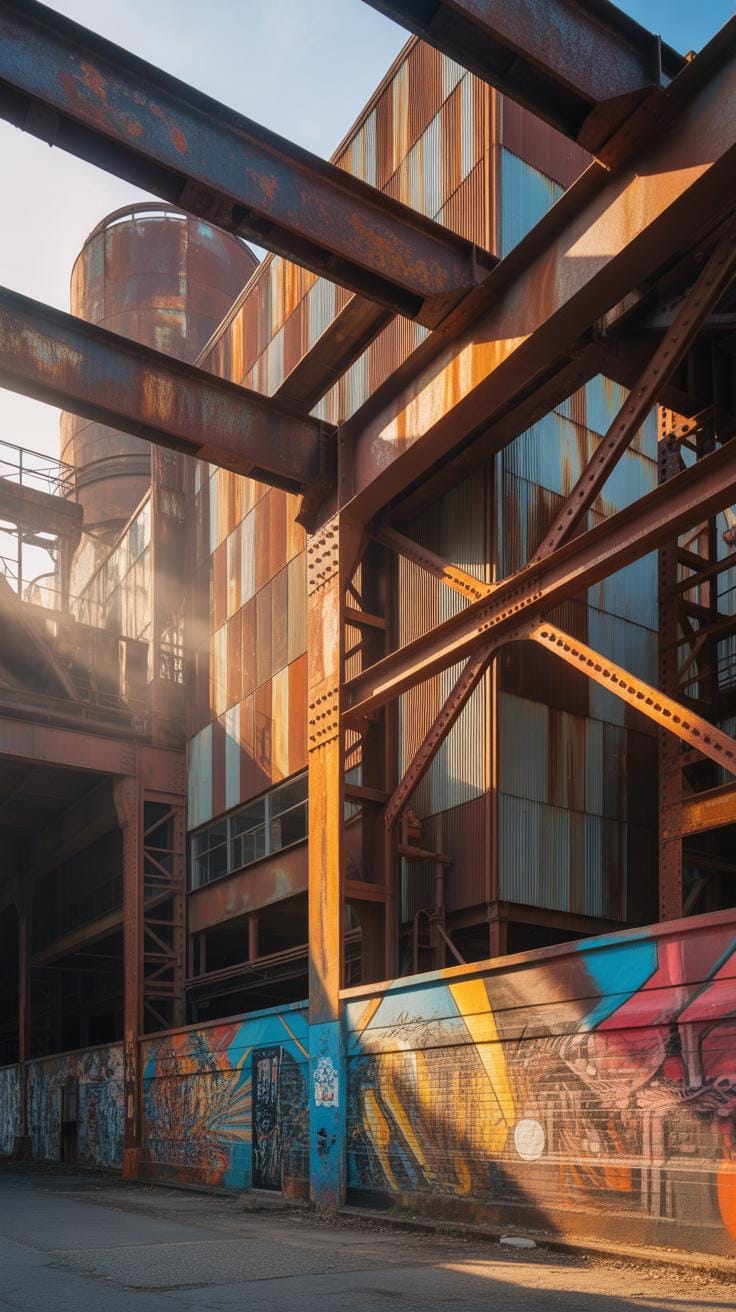
Aging metal serves as a physical record of past labor and manufacturing. These heavy parts once belonged to busy factories and bustling railways. Every scratch on the old metal shows where workers used tools during long shifts. These objects illustrate the rise of the machine age during the nineteenth and twentieth centuries. We see the strength of the people who built the modern world.

Decaying structures remind us of older production methods. Most rust textures develop on high carbon steel or wrought iron equipment. Scientists study how oxygen and water impact these metal alloys over decades. Documentation of rusting metal preserves the memory of those industrial sites. Seeing rust metal helps people connect with their local community history. It provides a tangible link to the builders and operators of the past.
The Intricate Patterns Found In Rust Textures
Color Variations
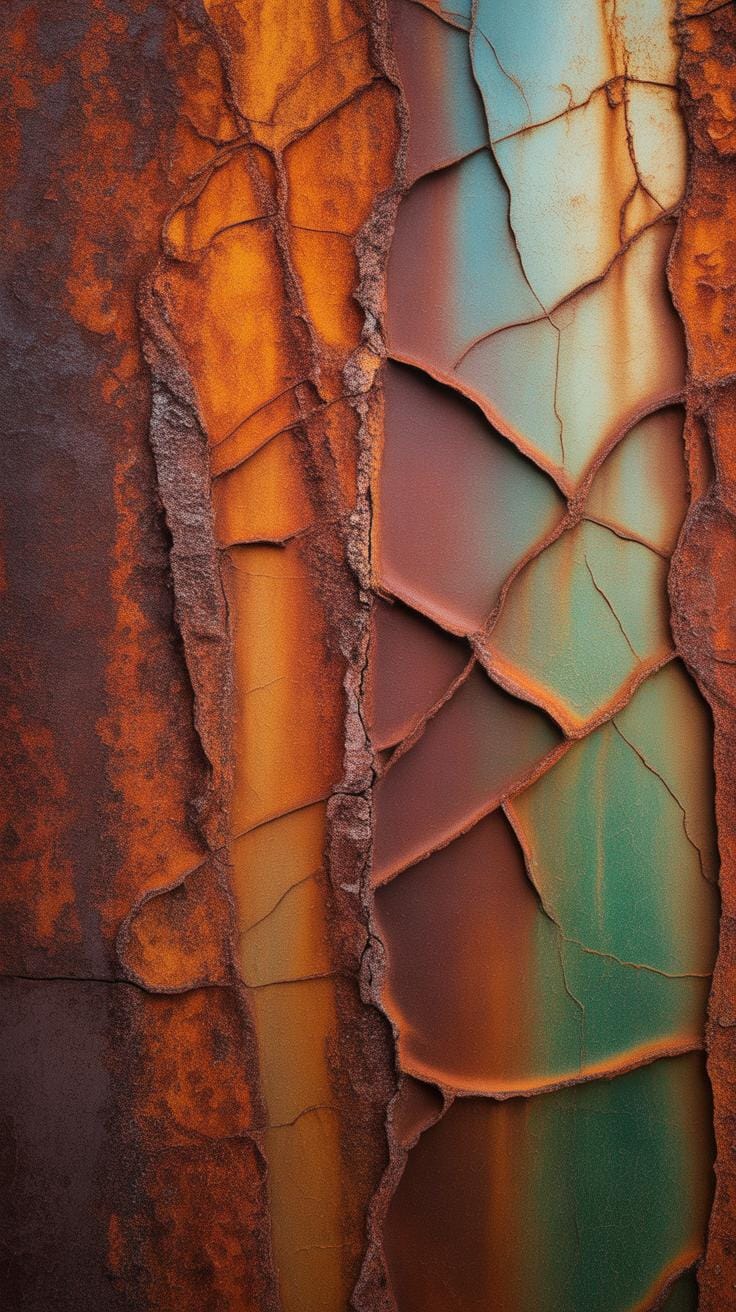
Iron oxide creates a shifting palette on Industrial Materials. New corrosion starts as a bright orange dust on the surface of Rusty Metal. This stage shows high hydration in the chemical mix. Older layers turn into a deep maroon or earthy brown. These dark tones appear when oxygen and moisture reach deeper into the core of the iron. This process builds a rich story of time and weather.
Rust Photography captures these vivid shifts in tone. Deep reds often signal heavy damage on Rust Metal items. Brighter yellows usually appear where water runs down the surface. Light reflects differently on these patches of color. Each shade tells a specific story about the environment. You can see how the metal reacts to rain and sun cycles. These natural changes produce a beautiful and complex visual look.
Tactile Details
A Close Up Of Rusted Metal shows a world of rough surfaces. Advanced corrosion makes the metal swell and crack into thin plates. These flaky parts feel brittle and crumble under pressure. Large scales often pull away from the main body of Old Metal. This creates a deeply layered Rusty Metal Texture. The physical depth adds a strong sense of age to any industrial object.
Photographers capture the friable nature of Rust Textures by using side lighting. This technique highlights the jagged ridges and sunken pits on the surface. Rusting Metal often exhibits a bubbly or blistered appearance. These bumps show where the gas expanded beneath the paint or coating. Every small peak and valley creates a unique pattern. The resulting look is raw and honest. It shows the true strength and eventual decay of steel.
Highlighting Industrial Materials In Automotive Design
Steel Construction Cars Parts
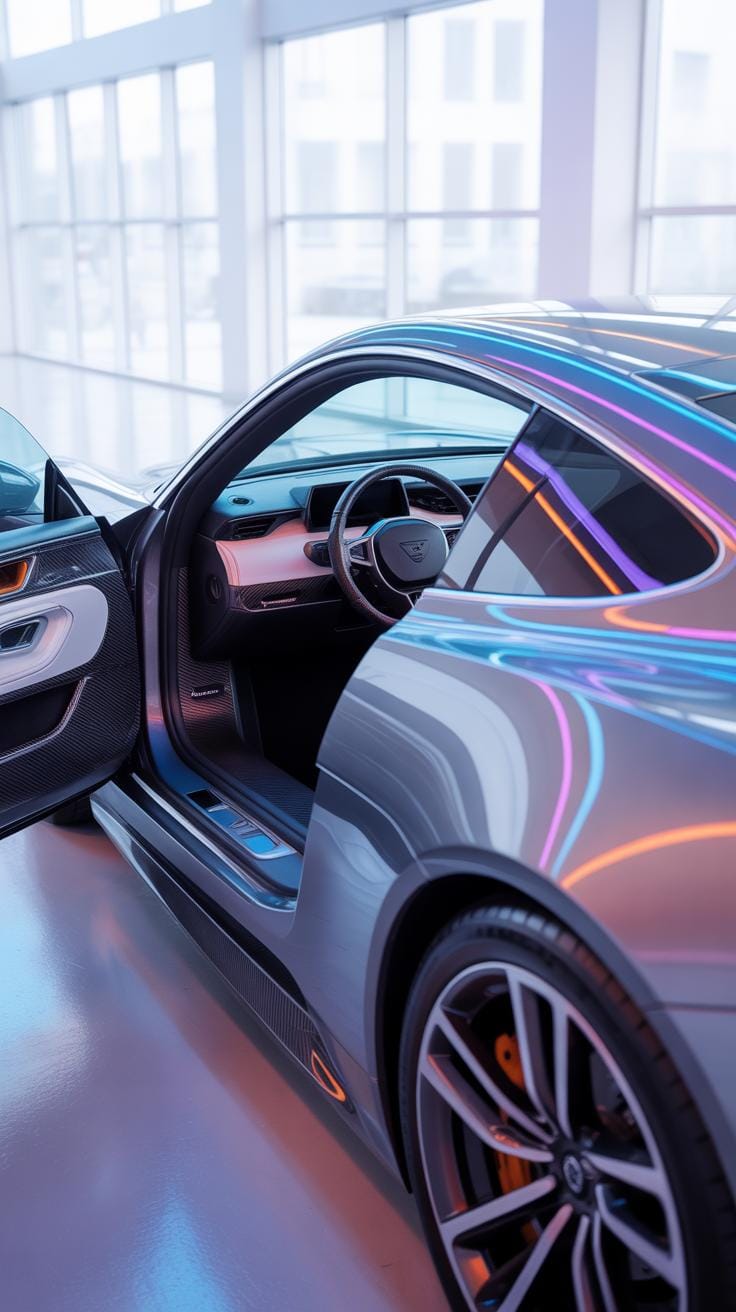
Classic muscle cars relied on heavy steel for their frames and body panels. Builders used thick iron and chrome to create strong machines that lasted for decades. These cars represent a time when Industrial Materials were solid and heavy. Today, many enthusiasts enjoy Rust Photography because it shows the aging process of these sturdy parts. Seeing Old Metal on a vintage chassis tells a story of strength and time.
Nature eventually changes these strong parts through a slow chemical process. Water and air create Rust Textures on the surface of hoods and fenders. Owners often find beauty in Rusting Metal because it adds character to the vehicle. A Close Up Of Rusted Metal reveals unique patterns that paint cannot replicate. Collectors value these original parts because they show the true history of early automotive manufacturing and engineering.
Objects of the past are our true heritage, as every scratch of rust and gleam of chrome holds a story worth preserving.
Material Durability
Old vehicles used thick carbon steel which offers great structural support. Modern cars use lighter synthetic alloys and plastic to save fuel and money. However, these new materials lack the heavy feel of Rusty Metal from the past. Heavy metals resist dents better than thin modern panels do. Many people still prefer the weight and solid feel of a car built from traditional Rust Metal components.
The strength of old steel remains visible even after years of exposure. While surface Rusty Metal Texture appears, the core of the beam often stays strong and thick. Modern alloys might not corrode as fast but they can crack under pressure easily. Rusting Metal shows that the vehicle survived many seasons outside. These vintage materials continue to prove their worth by lasting much longer than many cheaper contemporary alternatives.
The Science And Visuals Of Rusting Metal Processes
Oxidation Physics
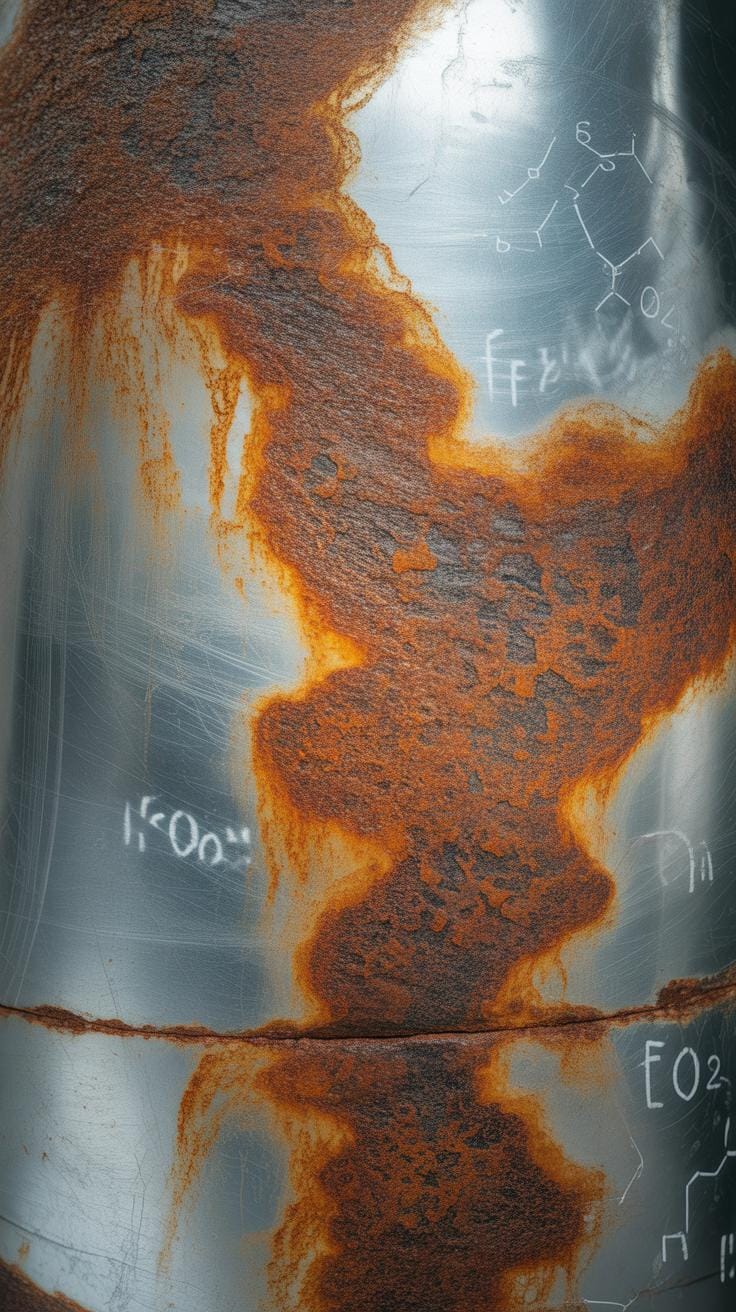
Rusting metal occurs when iron meets oxygen and water. This chemical reaction creates iron oxide on the surface of industrial materials. This orange coating slowly eats away at the solid structure. Old metal loses its strength as the layers flake off. These rough rust textures show how time and nature work together to break down man made objects.
A close up of rusted metal reveals a complex landscape of pits and ridges. This process happens more quickly in open environments where rain and air move freely. Photographers capture these details in rust photography to show the beauty of decay. The rust metal changes from a smooth surface to a dry and crumbly rusty metal texture over many years.
Environmental Impacts
Coastal air carries salt that speeds up the decay of heavy machinery. Salt water acts as a bridge for electrical charges during the oxidation process. This causes rust metal to form much faster than in dry inland areas. Workers often see rusty metal appearing on tools and beams within months. Constant humidity keeps the surface damp and prevents the metal from staying dry.
The visible decay of these parts creates a deep contrast against polished surfaces. Thick layers of orange and brown cover the once shiny industrial materials. Watching this change helps people understand how nature reclaims old metal. Rusting metal serves as a reminder of the power of the natural world. Many artists use a rusty metal texture to add a sense of history to their work.
Finding Contrast In Rusty Metal And Polished Chrome
Contrast Techniques List Tips
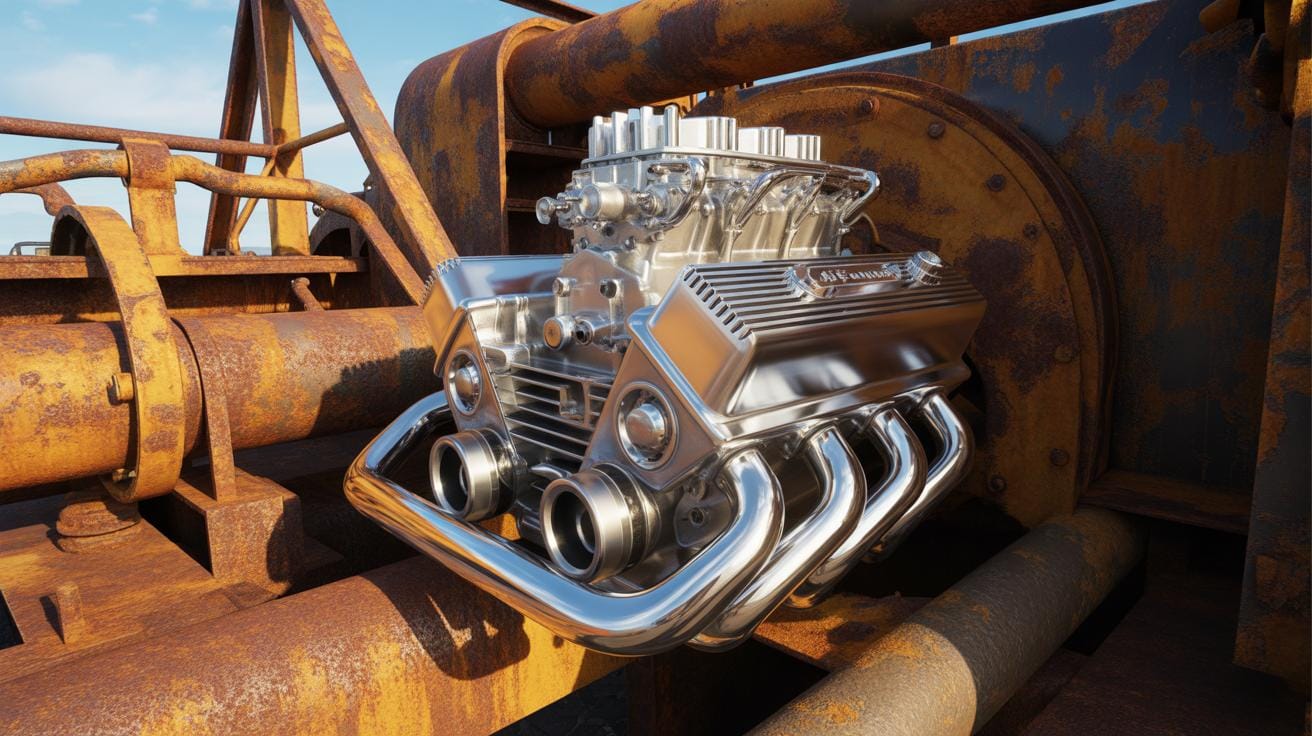
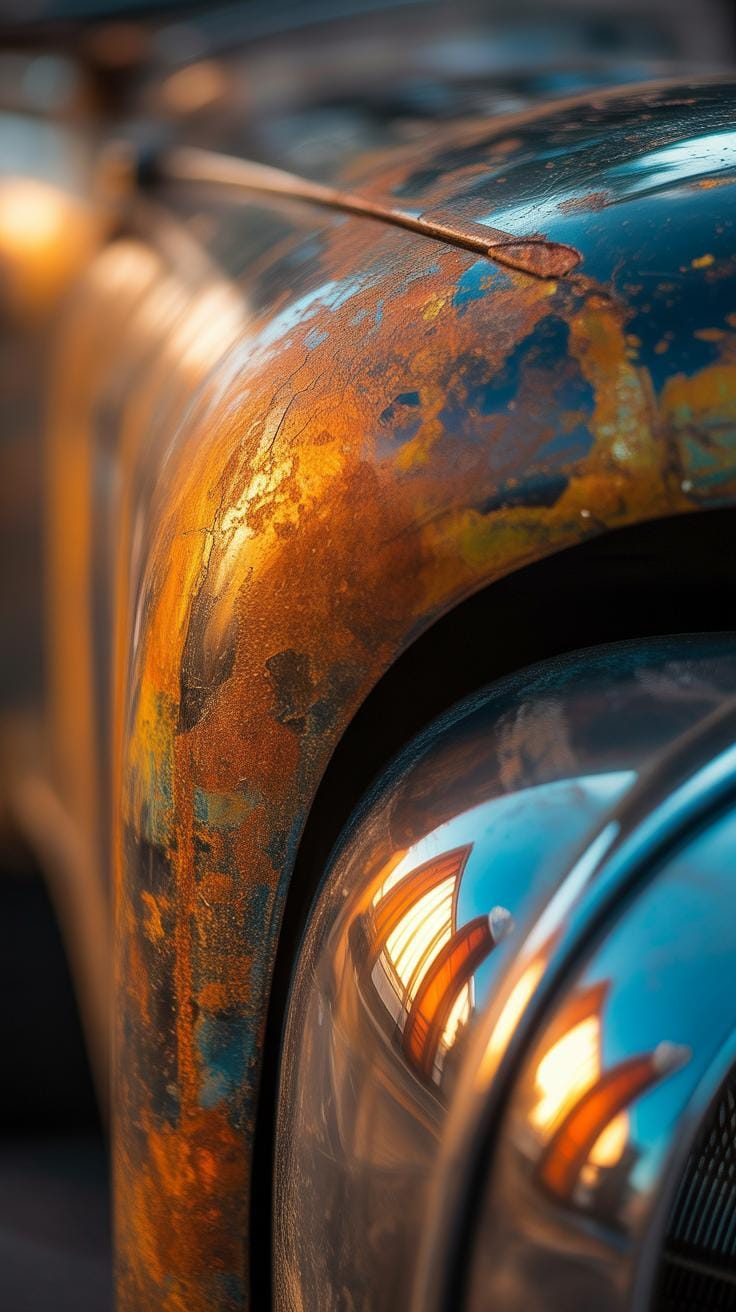
Capturing the tension between smooth chrome and old metal requires a steady hand and sharp focus. Chrome reflects the world like a mirror while rusting metal absorbs light. You can highlight these industrial materials by placing them side by side in your frame. This creates a powerful visual story about age and care. Look for areas where chrome trim meets a rough rusty metal texture for the best impact.
- Focus Locking: Set your camera focus on the edge where the shiny surface meets the decay. This sharpness highlights the fine details in the rust metal while keeping reflections clear. It shows the true grit of the subject.
- Angle Selection: Move around the object to see how the chrome reflects its surroundings. A low angle often emphasizes the height and weight of heavy industrial materials. This perspective makes the contrast look more dramatic and bold.
- Manual Exposure: Control your light levels to avoid blowing out the bright highlights on the polished parts. You want to see the deep oranges in the rusty metal without losing the silver details. Proper exposure keeps the colors looking rich.
- Macro Positioning: Get very close to the surface for a close up of rusted metal. This reveals small bubbles and flakes that the naked eye might miss. The tiny details in the rust textures provide a great counterpoint to smooth chrome.
- Frame Layering: Place the polished chrome in the foreground to create depth against the dull background. This layering guides the eye from the clean surface to the decaying metal. It adds a sense of three-dimensional space to your shot.
Good rust photography depends on showing how time changes different surfaces. Chrome represents the machine in its prime while rusting metal shows the cycle of nature. Use these tips to document the slow transition from perfection to decay. Many photographers enjoy the warm secondary colors that appear in these shots. Keep your lens clean to ensure the reflections stay crisp next to the rough patches of rusty metal.
Compositional Balance
Balanced photos use light to show the difference between a soft glow and a harsh grit. Polished chrome bounces sunlight into the lens while a close up of rusted metal shows a matte finish. You should position your light source to hit the chrome at an angle. This prevents bright glare from hiding the intricate rust textures nearby. Shadows help define the deep pits found in old metal.
Hard light creates sharp lines that separate the two materials. Soft light helps blend the colors of the rust metal with the silver tones of the chrome. You can use these shadows to give your image a heavy and solid feel. This approach honors the history of the industrial materials used in classic machinery. Great shots show the strength of old metal even after years of rain and sun.
Composition Tips For A Close Up Of Rusted Metal
Macro Focus Tips
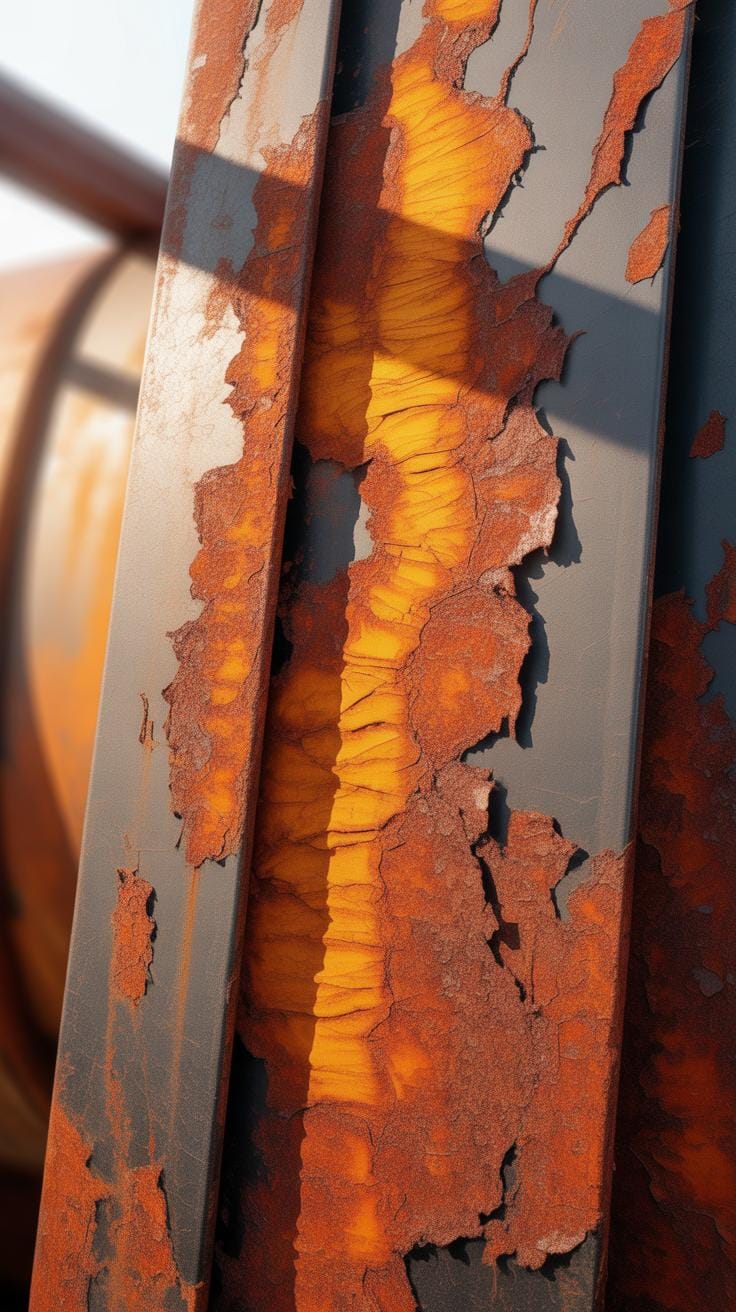
Macro lenses allow you to see the tiny details of rusting metal. These lenses reveal a hidden world of peaks and valleys on the surface of old metal. You can capture the rough way that air and water change industrial materials over time. Move your camera closer to see the tiny orange flakes and deep brown pits. A shallow depth of field helps one specific detail stand out clearly.
Good rust photography requires a steady hand or a tripod. When you zoom in on rusty metal texture, even tiny movements can cause blur. Use plenty of soft light to show the depth of the rust textures. This lighting helps you see the different colors hidden in the aging surface. Focus on the sharpest edges of the rust metal to create a clean and crisp image for your viewers.
Abstract Framing
Tight cropping turns a simple piece of rusty metal into a work of art. You do not need to show the whole object to tell a story. Focus on how industrial materials change into something organic and soft. Look for patterns where the orange rust meets the original gray of the metal. These small sections of rusting metal create shapes that look like maps or distant mountain ranges.
Successful abstract shots use the natural lines found on old metal. Use these lines to guide the eye across your photograph. You can find beauty in the way paint peels away from a rusty metal texture. Choose a small area with high contrast between light and dark colors. This approach makes your rust photography feel modern and bold. Simple frames allow the viewer to appreciate the raw details of the close up of rusted metal.
Utilizing Rusty Metal Texture For Artistic Depth
Layering Textures
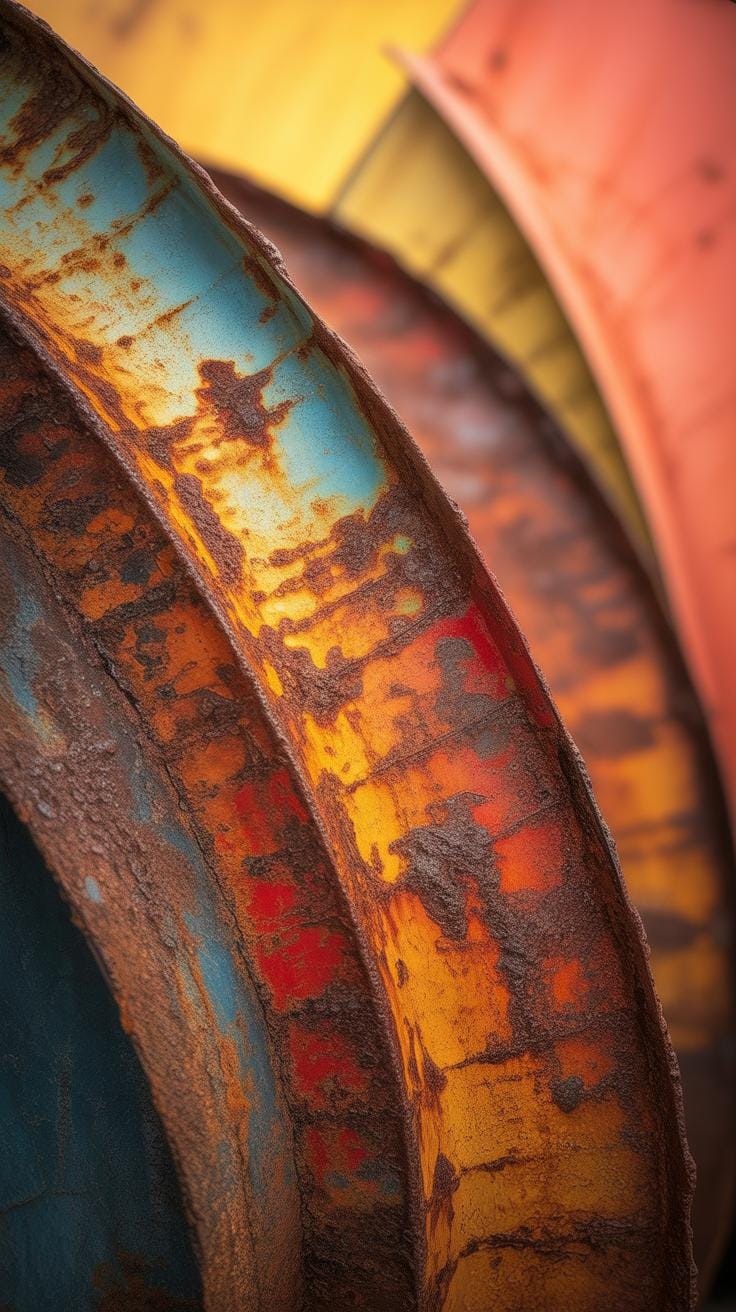
Rust textures form over many years as oxygen and water meet industrial materials. This natural chemical process creates thick flakes and pits on old metal surfaces. These overlapping layers add physical weight to a photograph. A close up of rusted metal shows how these patterns build up over time. Photographers use these details to show the passage of time in a clear and simple way.
Rusting metal creates a complex web of brown and orange tones. These repeating patterns help build a sense of history in every shot. Each layer of rust metal tells a story of weather and wear. Using a rusty metal texture gives your image a solid foundation. These rough surfaces stand out against smooth backgrounds. The thick crust of rust adds a real sense of touch to your viewers.
Tonal Diversity
Rust photography relies on the way light hits different surfaces. The matte finish of rust metal absorbs light instead of reflecting it. This dull surface acts as a perfect stage for shiny objects. It makes bright highlights from polished steel or chrome pop with high intensity. Using rusty metal creates a strong visual gap between old and new parts. This contrast helps direct the eye toward specific details.
Industrial materials often lose their shine through heavy use. This change creates a unique palette for any artist. A close up of rusted metal provides a dark and earthy backdrop. These deep colors make nearby metallic glints look much brighter. Photographers love how old metal grounds a composition with its heavy shadows. Clean lines look sharper when they sit next to the uneven edges of a rusty metal texture.
Professional Gear And Settings For Rust Photography
Essential Gear List Items
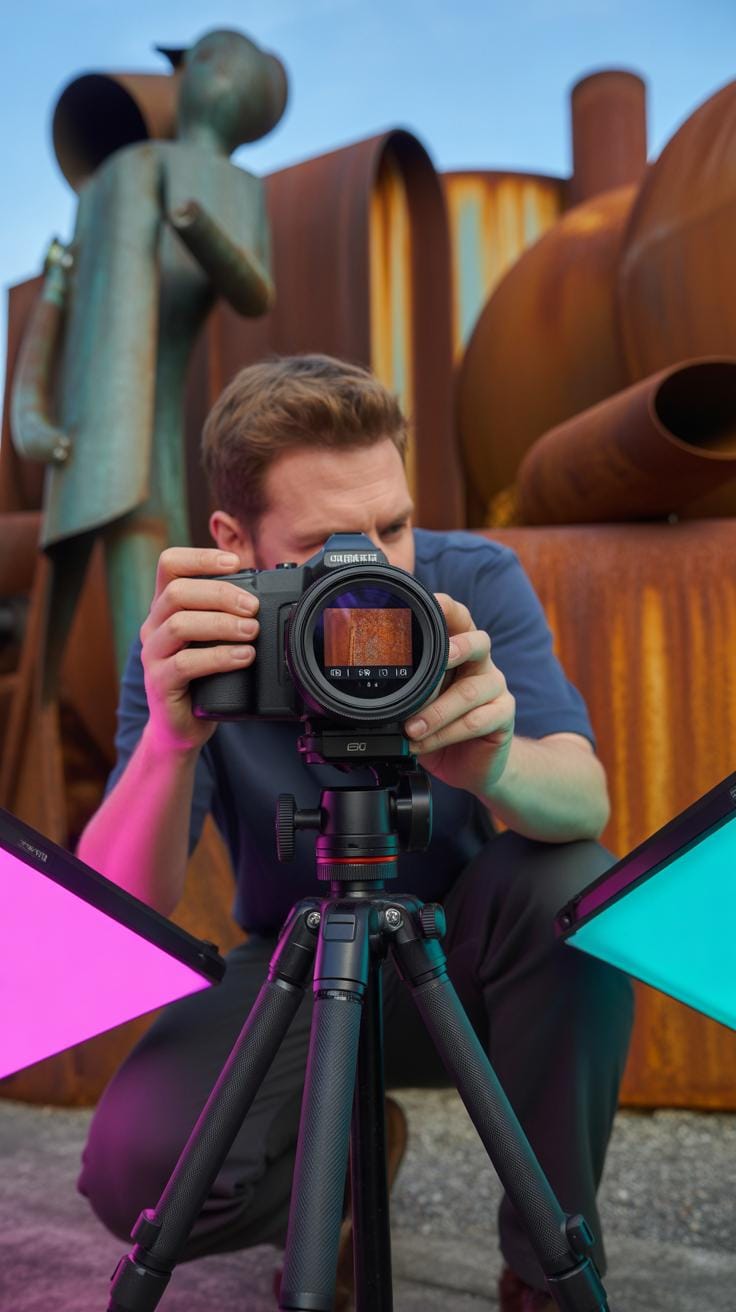
Capturing the grit of Industrial Materials requires specific tools that emphasize sharp details and deep colors. You need a camera capable of handling high dynamic range to show the difference between dark pits and bright flakes. A tripod keeps your frame steady when you use narrow apertures for maximum depth of field. These tools help you document the slow decay of Old Metal with clarity and technical precision.
- Macro Lens: A dedicated macro lens allows for a Close Up Of Rusted Metal with incredible detail. It reveals tiny orange flakes and jagged edges that the human eye often misses. This lens is vital for showing the fine grit of any Rusty Metal Texture.
- Sturdy Tripod: Rust Photography often happens in dim factories or shaded yards where light is low. A heavy tripod prevents camera shake during long exposures. This ensures every line in the Rusting Metal stays crisp and sharp for your final image.
- Circular Polarizer: This filter removes unwanted glare from wet or shiny surfaces on the Rust Metal. It helps saturate the deep reds and browns found in heavy corrosion. Using one makes the colors pop against the grey tones of Industrial Materials.
- Remote Shutter Release: Pressing the camera button can cause tiny vibrations that blur your shot. Using a remote or a timer ensures total stillness when capturing Rusty Metal. This simple tool helps maintain the highest possible resolution for your industrial gallery.
- Microfiber Cloths: Dust and modern debris often sit on top of the beautiful Rust Textures you want to shoot. A soft cloth lets you gently clean the area without scratching the delicate flakes of oxidation. Keeping your lens and the subject clean improves your overall results.
High quality gear translates the raw feeling of aging iron into a visual story. You should choose lenses that offer edge to edge sharpness to capture every crack. Proper equipment helps you respect the history of the objects while creating art. Taking time to set up your gear ensures the final photo honors the rugged nature of the original piece.
Lighting For Texture
Side lighting is the most effective way to highlight the rough surface of Rusty Metal. When light hits the object from a low angle, it creates long shadows inside every pit and groove. This technique emphasizes the three dimensional quality of the decay. You will see every ripple and flake stand out clearly against the flatter parts of the remaining structure.
Overcast days provide soft and even illumination for capturing a complex Rusty Metal Texture. Clouds act as a giant light box that prevents harsh highlights from blowing out the fine details. This balanced light reveals the true colors of the oxidation without Distracting glares. Shooting during the golden hour also adds a warm glow that complements the natural orange and brown tones of the iron.
Frequently Asked Questions

What does the term industrial rust contrast mean in home decor?
Industrial rust contrast is a design concept that pairs the weathered, gritty textures of aging metal with the sleek, reflective surfaces of polished machinery or modern finishes. This aesthetic celebrates the tension between decay and refinement. By balancing these opposing elements, you create a visually dynamic space that feels both historic and edgy, highlighting the raw beauty found in oxidized materials against the “muscle” of clean, powerful lines.
How can I successfully achieve an industrial rust contrast look in my living room?
To master this style, start by choosing a focal point, such as a salvaged metal coffee table with a deep patina. Juxtapose this weathered piece against high-shine accents like chrome floor lamps or polished steel hardware. The key to successful industrial rust contrast is layering; pair your rugged, oxidized surfaces with smooth leather or glass to ensure the room feels intentional and balanced rather than simply unfinished or overly worn.
Is it possible to create this high-end industrial look on a tight budget?
Absolutely! You can achieve a striking aesthetic without a massive investment by visiting local salvage yards or thrift stores for raw metal frames. Use affordable chemical patinating kits to DIY a rusted finish on inexpensive steel items, then buff others to a high shine with metal polish. This hands-on approach allows you to curate a custom space that features expensive-looking textures and sophisticated visual weight while keeping your overall costs very low.