Designing A Vision Board For Your Workout Goals
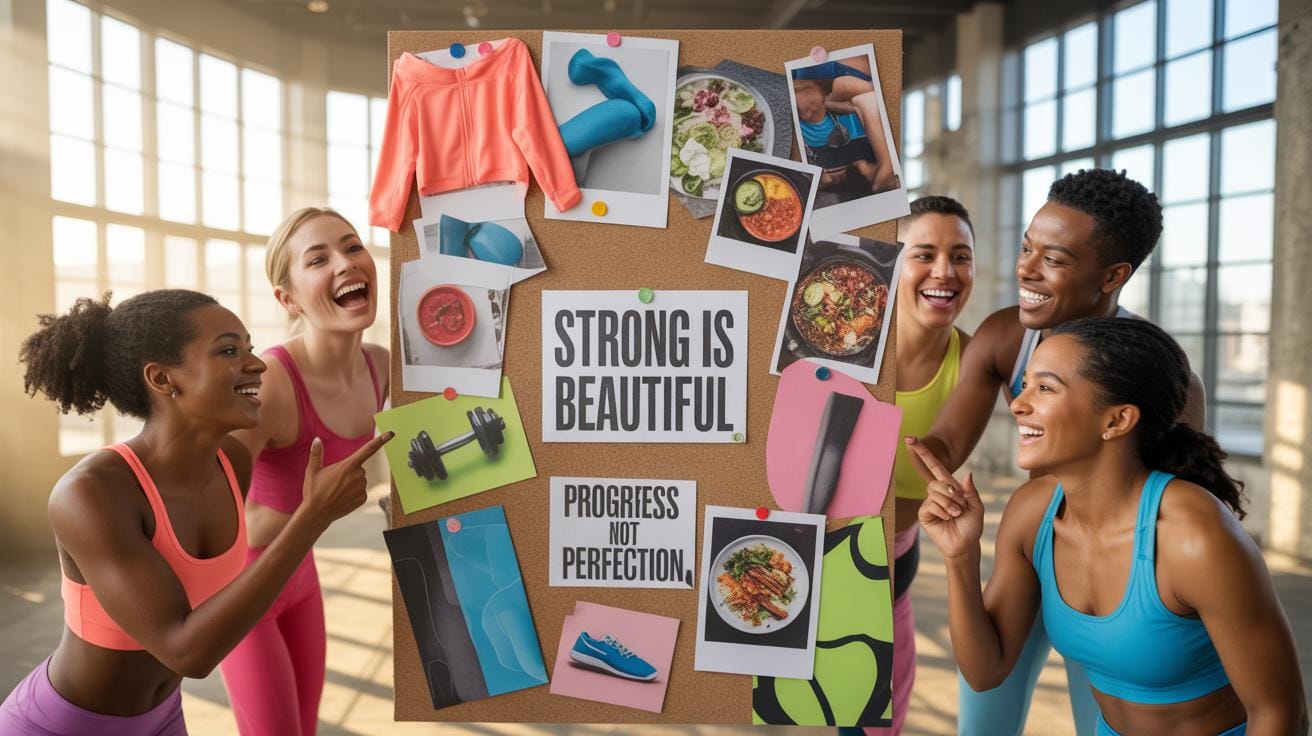
Your workout routine is more effective when paired with clear goals and inspiration. A fitness vision board helps you focus on your desired workout aesthetic by giving you a visual guide. It keeps your motivation high and your goals in sight during every session. This article covers easy ideas to design a fitness vision board that matches your workout style and boosts your commitment.
Using images, quotes, and plans on your board strengthens your resolve. It highlights what you want to achieve, from muscle tone to overall body shape. Let’s explore practical ways to create a vision board that makes your workout aesthetic clearer and your fitness journey smoother.
Create A Workout Aesthetic Vision Board

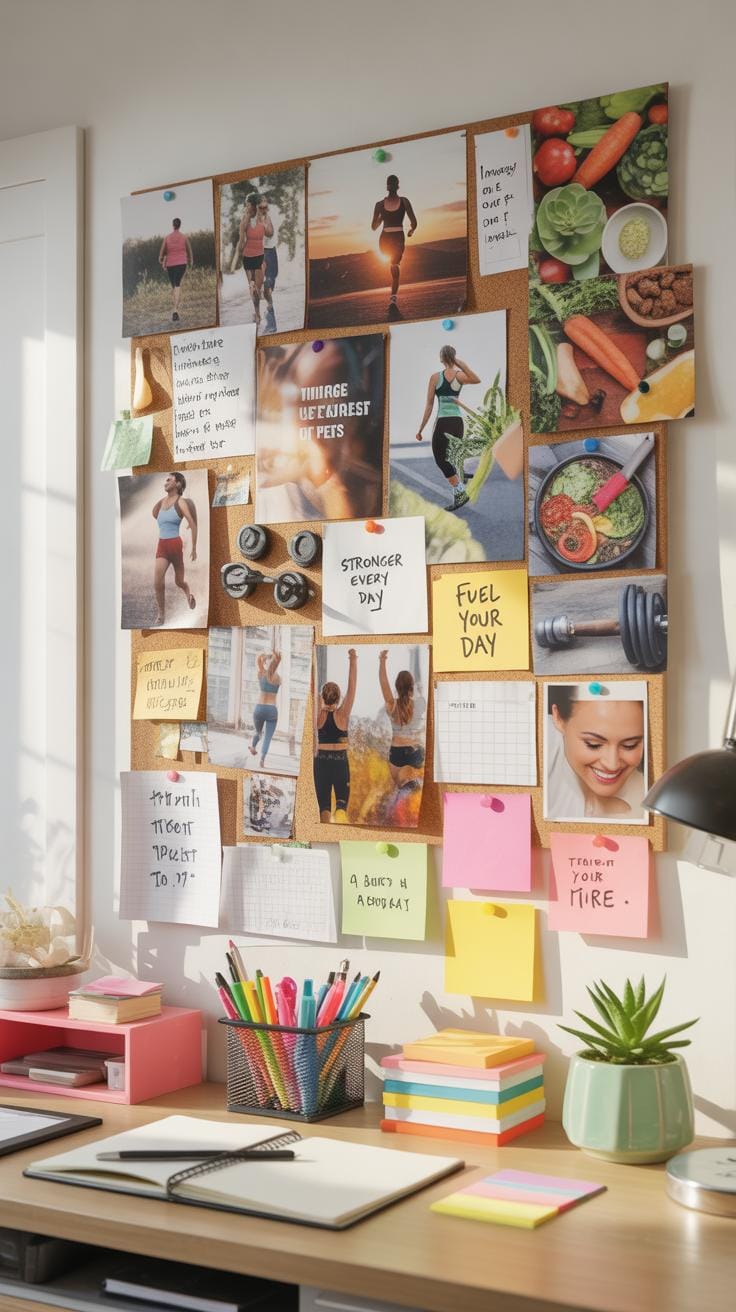
A workout aesthetic vision board is essentially a visual collection of your fitness aspirations, styled in a way that resonates with your personal taste. Think of it as a physical or digital collage that organizes images, quotes, and symbols representing your goals and the vibe you want your workouts to embody. Drawing your fitness journey visually can actually make it clearer and more tangible. When you see your aspirations laid out, it sharpens your focus in the gym or during any workout session.

Mapping out your goals visually taps into mental imagery—a concept athletes often use to improve performance. It’s not just about setting goals with words, but about creating vivid pictures that your mind can connect with emotionally. This connection can then fuel your commitment and boost motivation, even on days when enthusiasm dips.
Why Add Visuals To Your Workout Plan
Images and motivational quotes do more than decorate your workout plan; they serve as mental anchors. Every time you glance at a picture or phrase that inspires you, it nudges your mind back to that goal-oriented state. For example, a photo of someone lifting weights with perfect form might inspire you to refine your posture during your own sessions.
Visual aids often help cement positive habits by making goals feel achievable and real. They can turn vague ambitions into specific, actionable items. Sometimes, a simple quote like “Progress, not perfection” can be the push needed to keep going despite setbacks. It’s about creating an environment where your brain continuously receives encouragement, quietly reinforcing your workout priorities.
Simple Steps To Build Your Board
Creating a vision board doesn’t have to be complicated. Start with basic materials—poster board or corkboard, magazines or printed pictures, scissors, glue or pins, and markers for personal notes. Pick images and words that truly resonate with you; don’t just settle for the first thing that looks nice.
Arrange these items in a way that makes sense to you, maybe grouping similar goals or mixing them to keep things interesting. Place your board somewhere you’ll see it daily—near your workout gear, at your desk, or on a bedroom wall. That frequent exposure is key. It constantly reminds you of your intentions and can keep motivation present, even during moments when commitment feels shaky.
Compare Digital Versus Physical Vision Boards
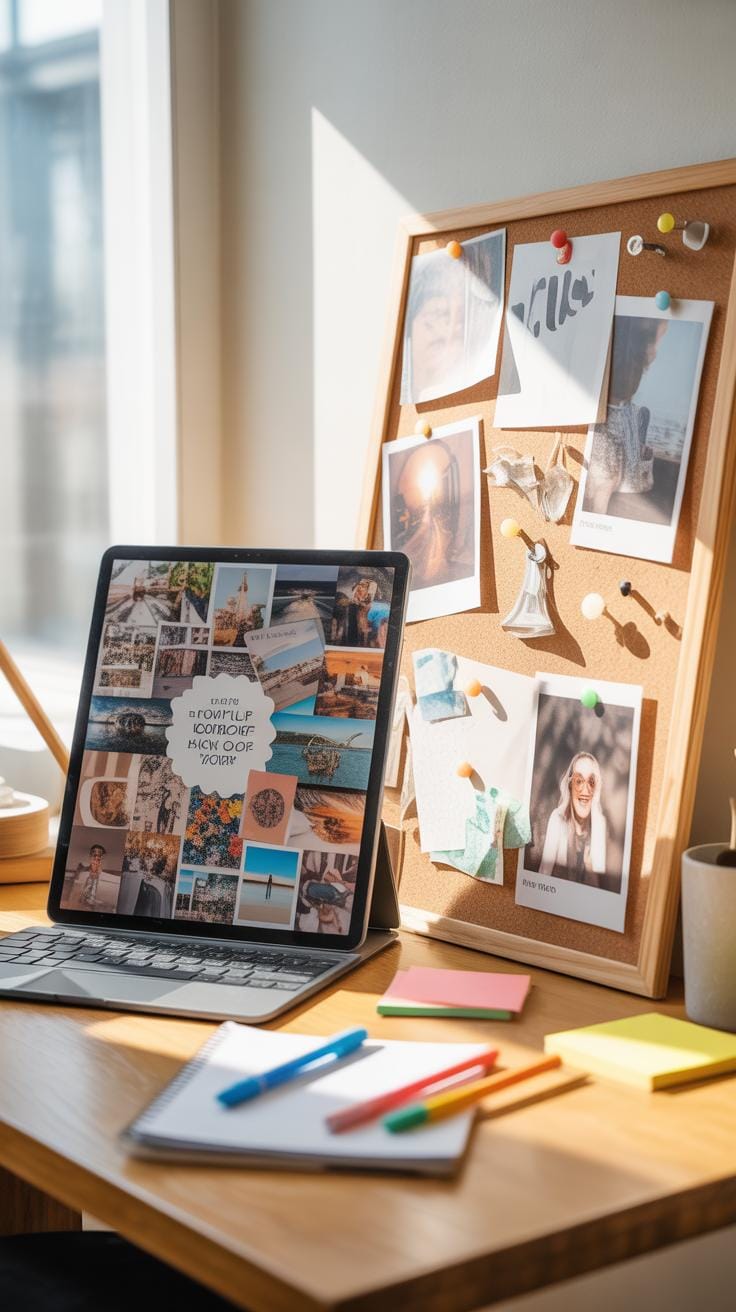
When it comes to workout aesthetic vision boards, you might wonder which form fits your style better: digital or physical. Both have distinct qualities, each lending itself well to different needs and preferences. Digital boards offer a flexibility that’s hard to beat. You can rearrange images anytime, update your goals, or add new fitness inspirations quickly. The use of apps and online platforms means your board is accessible wherever you go—on your phone, tablet, or laptop.
Sharing these digital boards with an online community or workout buddy is easy, which can create a bit of positive peer pressure, pushing you forward. But there’s a flip side. Sometimes, swiping through images on a screen feels less tangible, a bit less impactful than having a physical reminder staring back at you.
Physical vision boards offer that constant, tactile presence. The act of cutting, pasting, and crafting your board connects you to your workout aspirations differently—a sort of hands-on commitment. Seeing your board in the morning light on your wall or next to your workout gear becomes a subtle, almost unavoidable nudge.
On the other hand, physical boards aren’t as easily updated. You might hesitate to remove something meaningful just to add new goals. Plus, they lack the portability of digital boards—you can’t lug around a board like you do a phone or laptop.
Choosing between these two often comes down to whether you value physical interaction over convenience, or vice versa. Or maybe, you find a blend of both works best. Have you thought about how each format might fit your workout routine and aesthetic inspiration?
Select Images That Match Workout Aesthetic Goals
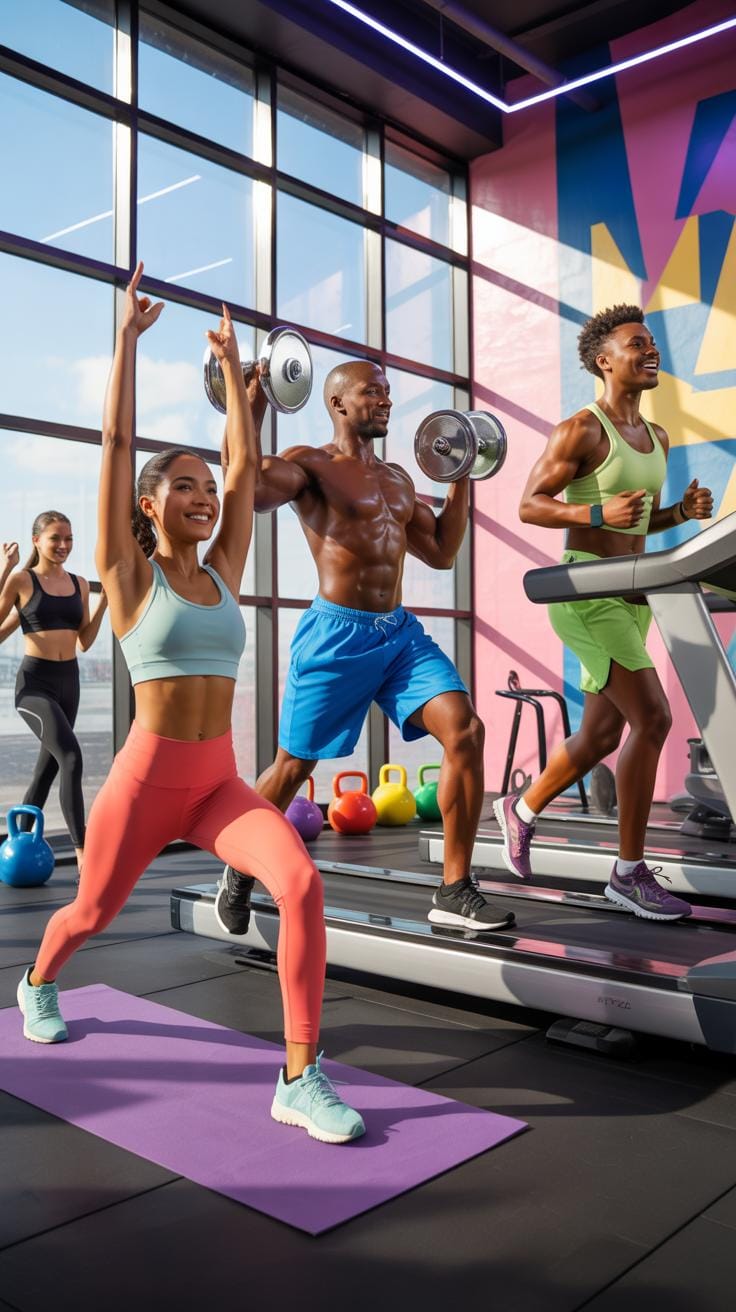
When you choose images for your workout aesthetic vision board, make sure they truly reflect what you want to achieve — not just any picture that looks good. Think about your specific fitness goals and styles. Are you aiming for strength training with defined muscles, or maybe yoga with a calm, balanced vibe? Images that match these moods will resonate more and keep you motivated.
For example, if you’re into high-intensity interval training, pictures showing dynamic, powerful poses or sprinting moments might inspire you. On the other hand, if you prefer pilates or flexibility workouts, look for calm and graceful poses or serene outdoor settings. The connection between the images and your goals helps keep your mind focused on the kind of workout lifestyle you want to build. It might seem simple, but having that visual alignment makes a real difference when motivation dips.
Examples Of Motivational Images
You can gather images from several categories that boost different aspects of your workout aesthetic:
- Athletic poses: These highlight strength or form and can ignite your desire to improve technique or muscle tone.
- Workout gear: Photos of sleek gym wear or innovative equipment can push you to dress the part and take workouts seriously.
- Healthy foods: Pictures of colorful, nutritious meals remind you how diet pairs with exercise for results.
- Success stories: Before-and-after transformations or quotes from athletes can reinforce belief in your progress.
Each type holds different power depending on your mindset and goals. Maybe you love seeing the gear because it makes the process feel official. Or success stories remind you that change is possible, especially on tough days. Choose carefully what sparks you most.
Use Personal Photos For Impact
Nothing beats personal photos when it comes to impact. Adding snapshots from your own workout journey — like a progress pic or a proud moment at a race — can personalize your board like no other image. These photos serve as proof of your effort and success, boosting your confidence each time you look.
Imagine glancing at a photo of yourself lifting heavier weights than last month. It can remind you how far you’ve come and push you to keep going. Personal pictures anchor your vision board in reality, making it more than just an aesthetic display — it becomes a visual record of your achievements and potential. So, don’t hesitate to include those real moments, even if they aren’t perfect snapshots.
Include Inspirational Quotes To Enhance Focus
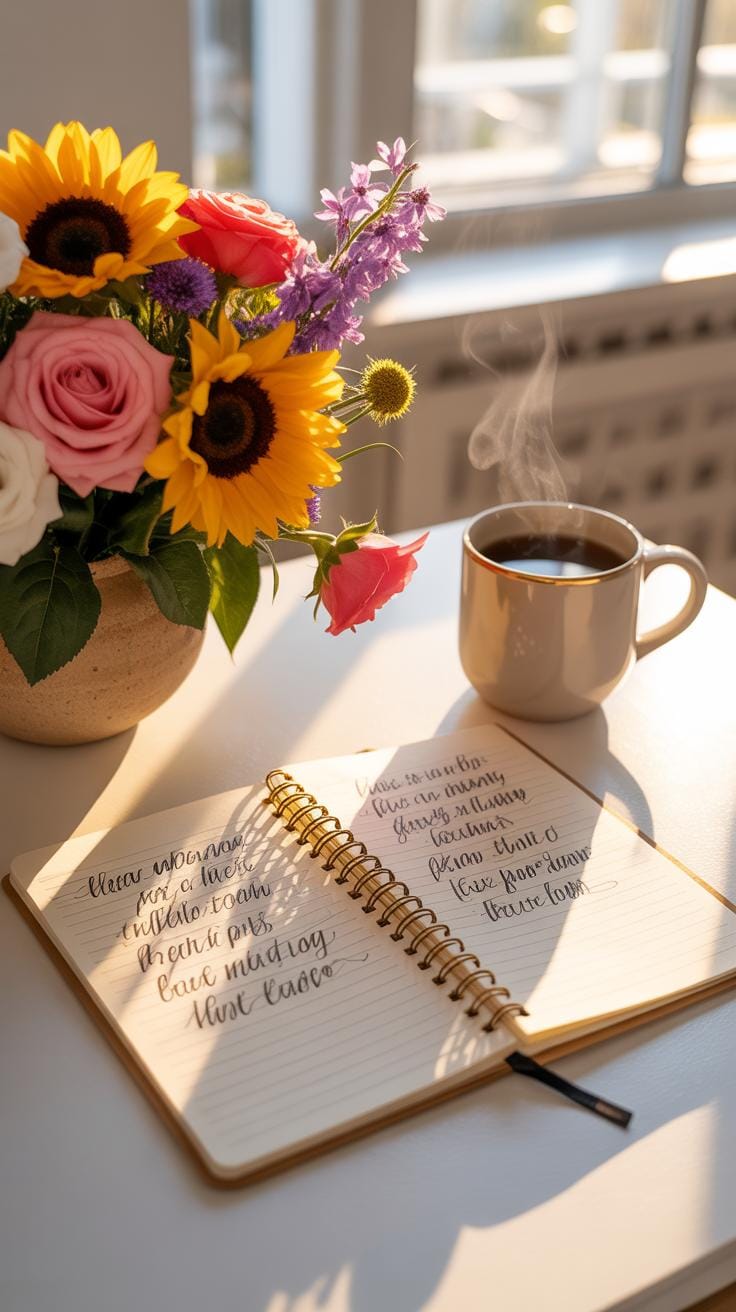
Adding inspirational quotes to your workout aesthetic vision board can do more than just decorate—it can quietly reinforce your discipline and motivation every time you glance at it. I’ve noticed, for example, that certain phrases stick with me during tough sets, almost like a mental push. It’s funny how simple words can shift your mindset just enough to keep going, even when the energy dips.
What Types Of Quotes Motivate
Quotes that highlight persistence, strength, and self-care tend to resonate the most during workouts. Think about quotes that remind you, “Progress over perfection,” or “Strength grows in the moments when you think you can’t go on.” These phrases don’t just hype you up; they subtly encourage a healthier relationship with your fitness journey—valuing effort and resilience over unrealistic standards. Positive affirmations also work wonders because they help reframe doubt or fatigue into confidence and calm focus.
Position Quotes For Maximum Effect
Where you place these quotes matters more than you might expect. Surrounding the main images on your vision board with them can create a kind of mental anchor for the qualities you want to embody. Placing a few near your workout equipment or in your workout space itself provides repeated reminders—almost like little pep talks scattered around. That way, inspiration feels constant, not just something you see once and forget.
Track Progress Visually On Your Board

Adding a progress tracking system to your workout aesthetic vision board does more than just organize your goals. It gives you something tangible—something real to look at, almost like a report card on your journey. Seeing measurable achievements laid out visually can subtly nudge you forward, especially on days when motivation is thin. I’ve found that even a simple visual cue can spark a surprising amount of encouragement.
Use Charts And Checklists
Simple charts or checklists can work wonders here. Imagine a minimalist grid where you mark off each completed workout, or a milestone tracker for hitting targets like lifting heavier or running longer. For instance, a bar chart could show weekly progress in minutes or reps completed. A checklist might include daily goals or weekly challenges. The key is to keep it straightforward and visually connected to your aesthetic—neat lines, calming colors, or textures that fit your vibe.
Celebrate Small Wins Visibly
Don’t underestimate the power of marking achievements with something celebratory. Maybe it’s a colorful sticker, a little note, or even a doodle of a smiley face when you reach a mini goal. These elements add personality and remind you that progress isn’t always about the big leaps—it’s those small wins that build momentum. Plus, it makes the board feel alive because it’s an evolving story of your efforts, not just static art on a wall.
Avoid Common Vision Board Pitfalls
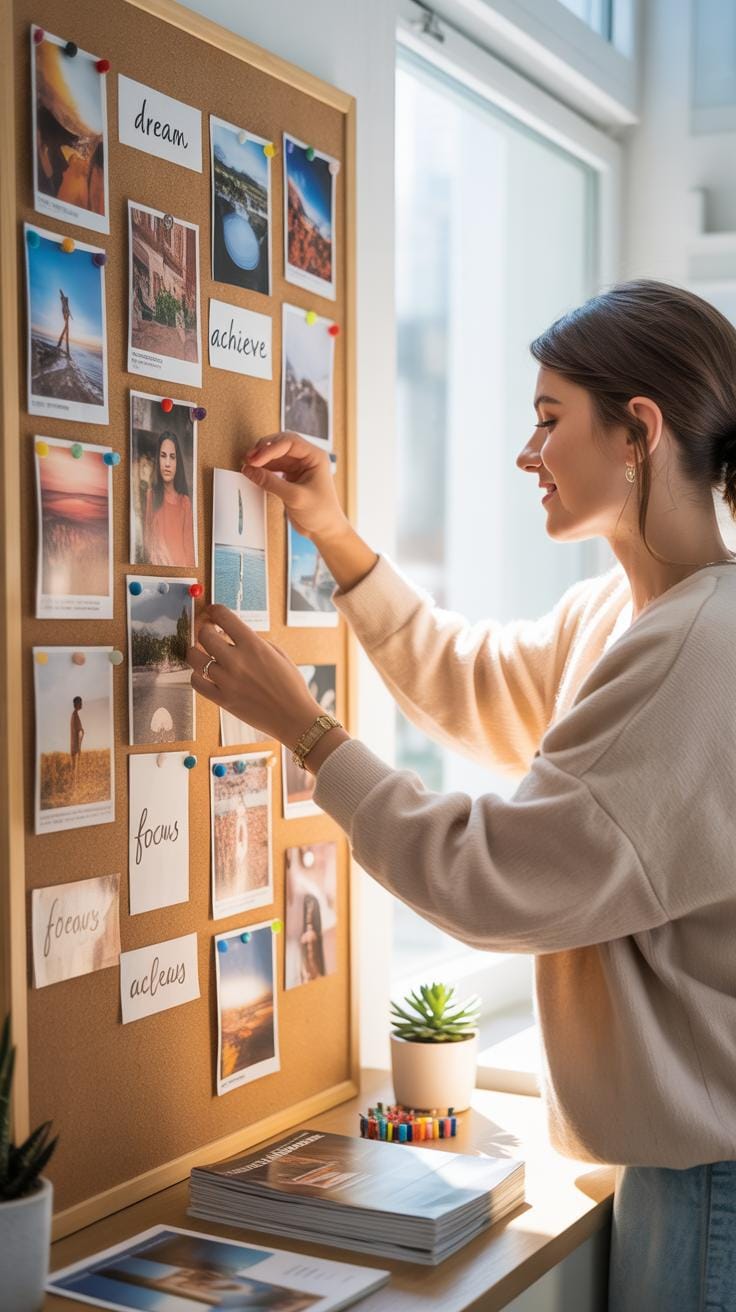
Too Many Goals At Once
When creating your workout aesthetic vision board, it’s tempting to toss every goal under the sun onto the board. But too many goals can quickly muddle your focus. A cluttered board might make you feel overwhelmed instead of motivated. Fewer goals actually help you zoom in on what really matters.
You might want to try prioritizing your goals. Which one or two outcomes matter most to you right now? Write those down first. Then cycle through other goals as you achieve them or as your priorities shift. This way, your vision board stays fresh and pointed. For instance, you could focus on building strength for a few months, then shift to flexibility or endurance next. This keeps your energy directed, not scattered.
Unclear Or Vague Images
Images are the heart of a vision board, but unclear or unrelated pictures can throw you off. Imagine staring at a blurry photo or something that doesn’t really connect to your goals. Instead of inspiring, it disrupts your mental flow. Your brain might even get distracted or confused.
Choosing clear, sharp images increases their power to inspire and drive you forward. Pick visuals that directly reflect your workout goals—a photo of someone doing the exact exercise you want to master or the precise gear you want to use. Avoid random or overly abstract images. If you aren’t sure, ask yourself if the image makes you feel motivated or relates specifically to your intended achievement. If not, it probably doesn’t belong on your board.
Use The Board To Plan Workout Outfit Style
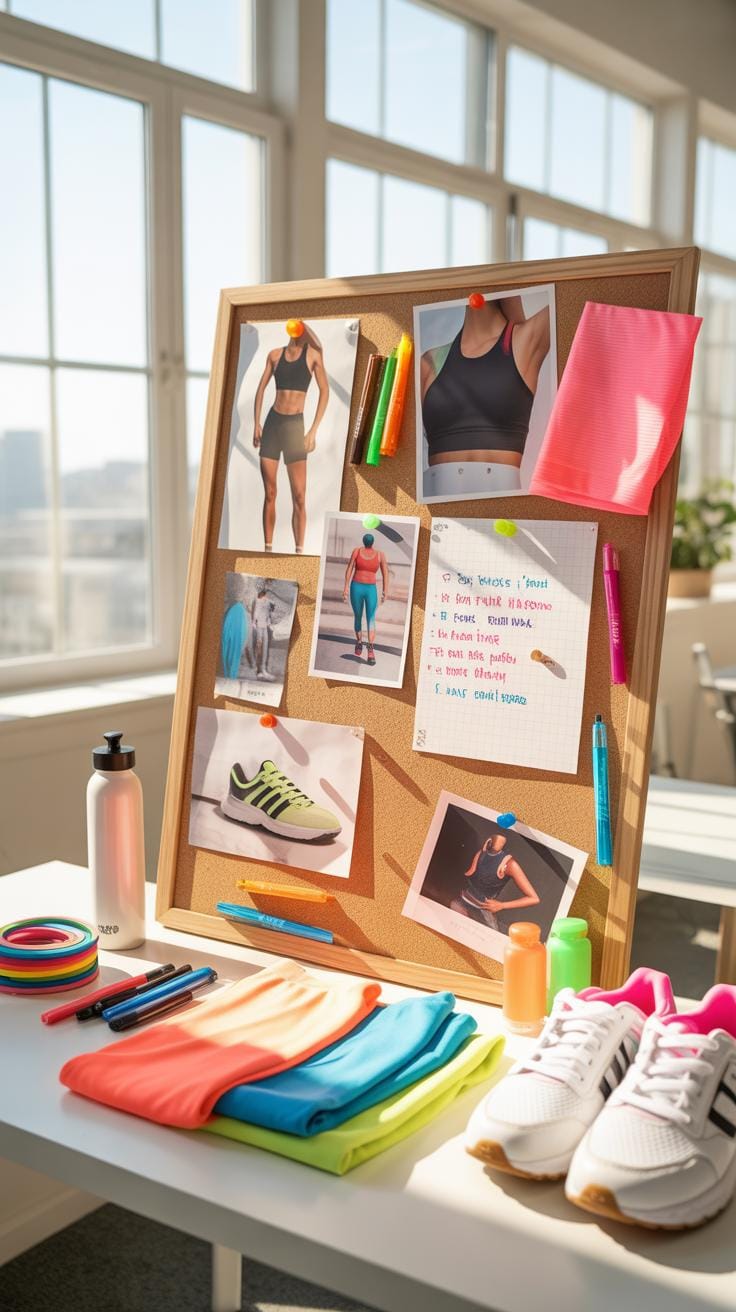
A vision board can be a surprisingly effective tool for planning your workout outfit style. Including images of clothes that match your workout aesthetic helps you visualize how you want to present yourself when exercising. When you see those well-coordinated looks on your board, it’s easier to picture yourself wearing them, which can boost your confidence before you even change into your gear. That little confidence boost often translates to a more enjoyable workout session—you tend to feel better when you like how you look.
Picking out your favorite workout apparel for the board isn’t just about style; it’s about choosing items that make you feel good and empowered. Think about the clothes that motivate you to keep moving—whether it’s the perfect pair of leggings or a breathable top. Seeing those images regularly can remind you why you stick to your routine, supporting consistency by making exercise feel less like a chore and more like part of your personal style statement.
Colors and accessories also matter. Coordinating a color scheme on your board—matching tops with bottom pieces, or adding coordinating accessories like headbands, socks, or shoes—can tie your whole look together. It’s easy to underestimate how a cohesive look can affect your mood and performance. When your outfit feels complete, it’s like a small win before you even start your workout. Have you noticed how putting even a little effort into matching your gear changes the way you approach exercise?
Plan Your Fitness Routine With Vision Board
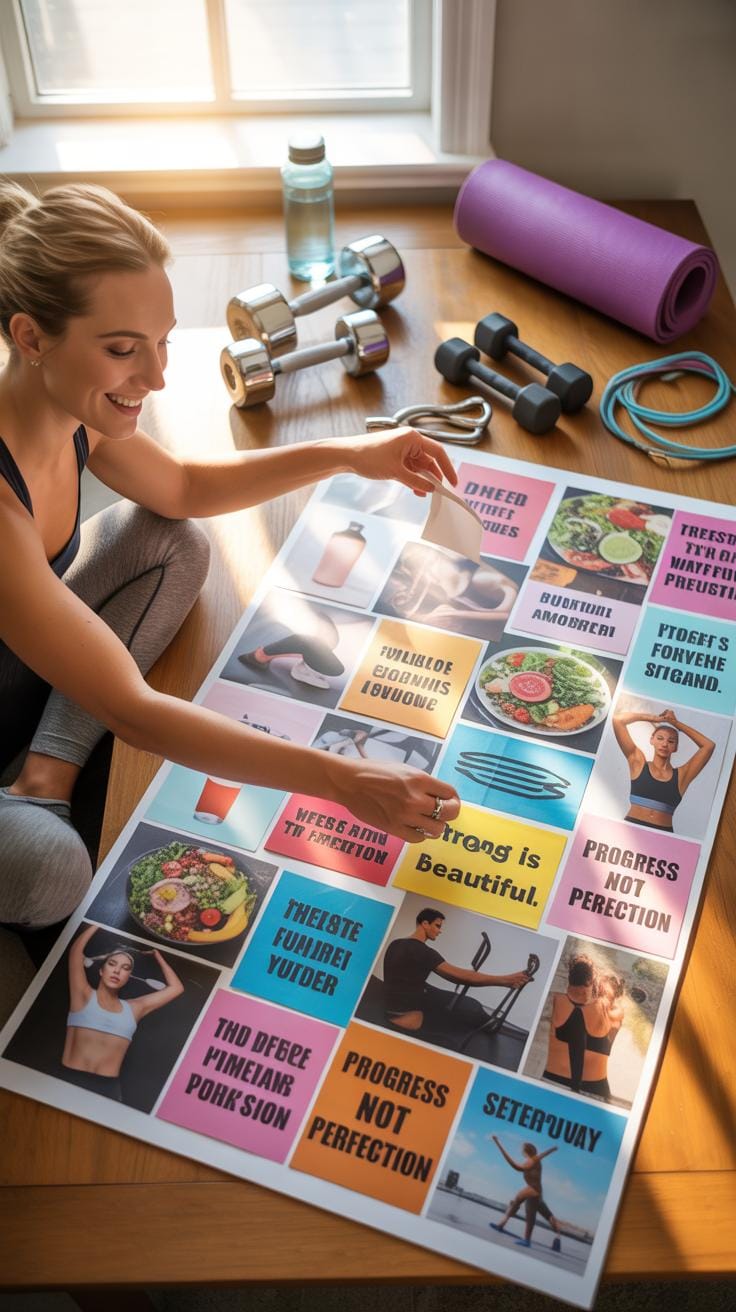
Using a vision board to plan your fitness routine can bring clarity and focus to your workouts. Begin by visualizing what your ideal workout aesthetics look like—perhaps sleek and toned, muscular, or flexible and agile. Place images or words representing those goals on the board. This makes your intentions tangible and easier to follow.
Next, outline a realistic schedule on the board. Pin down the days and times you’ll dedicate to exercise. Think about how each session supports an aesthetic goal you’ve set. For example, if your vision is a lean physique, workouts emphasizing cardio and full-body toning might be a priority. If muscle definition is key, add strength training routines. Use sections or color codes to keep these aligned.
Don’t hesitate to include motivational quotes or phrases that resonate with your aesthetic aspirations. These small reminders can keep you on track when motivation dips. Your vision board here acts like a roadmap, guiding you step-by-step rather than leaving your routine vague or overwhelming.
List Key Workout Activities
Identifying key exercises that fit your desired aesthetic is crucial. List them clearly on your board and group them by type or purpose. Want a gym-toned, sculpted look? Add weightlifting, bodyweight resistance exercises, and Pilates. If you’re into a more fluid, dance-inspired aesthetic, incorporate barre, yoga, or even contemporary dance workouts.
For each activity listed, consider including:
- Intensity level – light, moderate, or high
- Frequency – how often you’ll perform it weekly
- Specific muscle groups targeted
You might want to blend activities. For instance, kettlebell swings and sprint intervals combine power and cardio for an athletic aesthetic. Listing them gives a clear blueprint and makes it easier to prepare for each session. It’s a bit like having a personal trainer in pictures!
Adjust Routine Based On Progress
Your fitness journey won’t be static, and your vision board shouldn’t be either. As you improve, adjust the activities or their intensity depicted on the board. Maybe a once-challenging routine becomes easier, or your goals shift. That’s okay. Swap out exercises or add new ones to keep pushing forward.
Review your board regularly. Ask yourself: Is this still inspiring me? Are these workouts matching my current strength and stamina? Have my aesthetic goals changed with my evolving fitness? Changing the visual representation keeps your routine fresh and relevant, preventing plateau or boredom.
Remember, flexibility in planning doesn’t mean losing focus—it means adapting smartly to your body’s responses and preferences. Over time, this makes your workout aesthetic personal, sustainable, and genuinely motivating.
Conclusions
A carefully made fitness vision board turns your workout aesthetic from a vague idea into a clear target. It gives you reminders and inspiration right when you need it most. Keeping your goals visual helps you stay motivated and pushes you to work harder and smarter in the gym or at home.
By following simple steps to add images, quotes, and plans that speak to your workout aspirations, you build a tool that supports your fitness routine every day. Use what you learn here to create a vision board that strengthens your workout aesthetic and keeps you on track for success.