
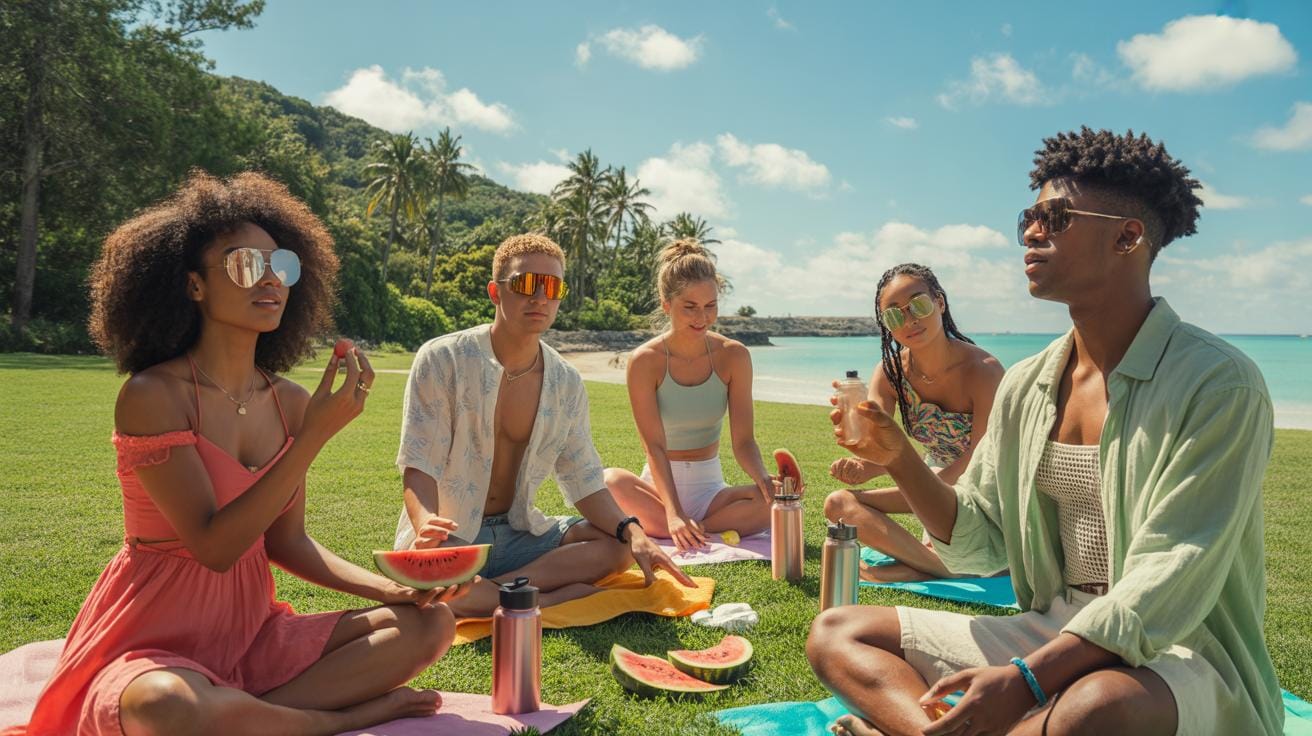
What To Pack For A Stylish, Healthy Summer
Summer Essentials With Summer Must Haves 2025 For Stylish Health covers important items you need to stay comfortable, fashionable, and healthy during the hot season. This guide helps you pick the right pieces for your wardrobe and routines.
From clothing to skincare to hydration tools, each section offers practical advice. You will learn what items work best and why they matter for your style and wellbeing this summer.
Essential Summer Clothing And Fabrics

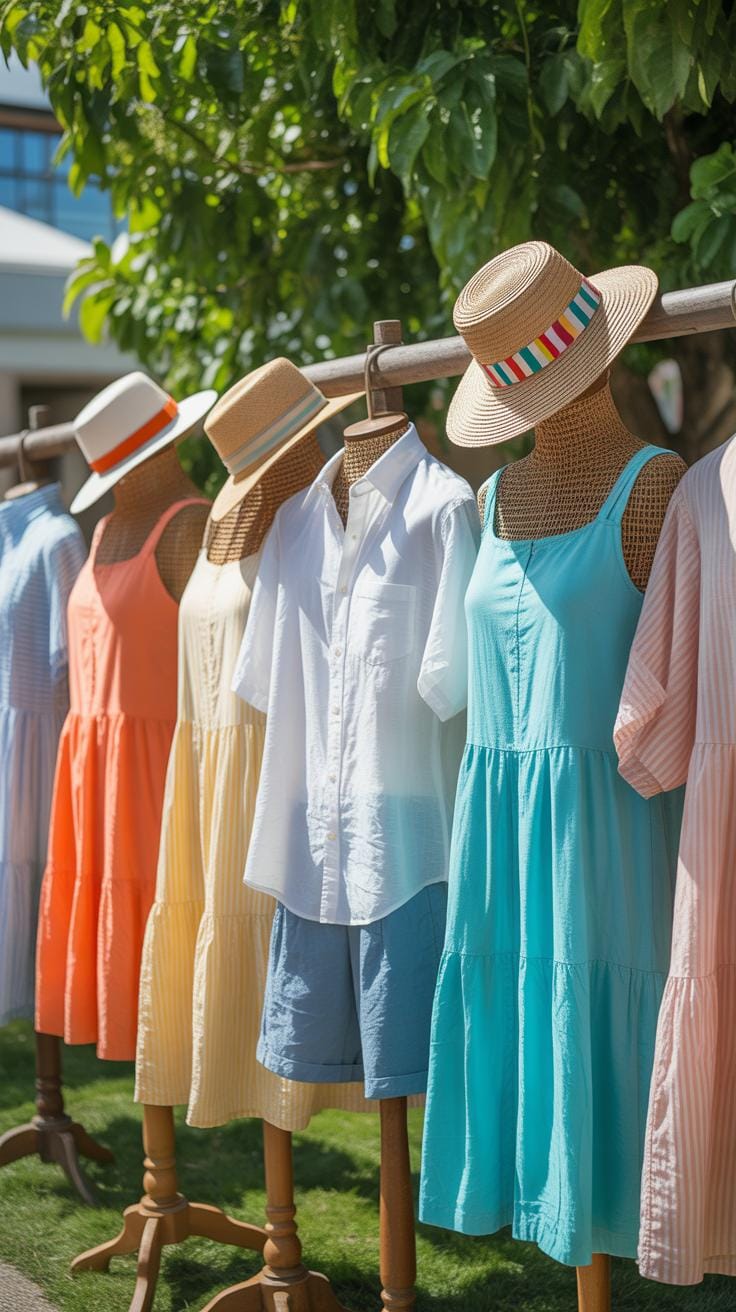
Choosing the right clothing for summer 2025 means focusing on natural fabrics like cotton and linen. These materials have been favored for centuries, partly because they allow air to flow freely, which helps keep you cooler. Cotton, for instance, is soft and very breathable, while linen dries quickly and has a distinct texture that some find perfectly suited for hot weather. Light colors make a difference too, reflecting rather than absorbing heat and helping you stay comfortable under the sun.

Loose fits are just as important. Tighter clothing tends to trap heat and sweat, making you feel hotter. So opt for airy styles that feel light on the skin. For casual days, think cotton T-shirts paired with linen shorts; for a semi-formal look, linen trousers and a light button-up shirt work beautifully.
Why Choose Breathable Fabrics
Breathability is key when temperatures climb. Fabrics like cotton and linen allow moisture to escape and air to circulate, which means sweat evaporates faster. This isn’t just about comfort—it helps prevent skin irritation and keeps your body temperature from spiking. You might also try blends that include bamboo or modal, known for their moisture-wicking properties. Synthetics generally trap heat and can lead to discomfort, so they’re less ideal if staying cool is your priority.
Summer Outfit Ideas For Different Occasions
For everyday wear, a cotton tank top with loose linen pants and sandals hits the mark—simple and refreshing. Heading to work? A lightweight cotton blouse with tailored trousers in soft beige tones looks polished without overheating. Outdoor events demand versatility: pack a light cardigan or shawl in breathable fabric to layer against evening chills. Stick to pale shades, and don’t hesitate to mix textures—linen with cotton, for instance—to keep things interesting while staying practical. Have you noticed how layering lightly can avoid that sticky feeling? It’s a small trick that often goes underappreciated.
Protective Skin Care Strategies

When it comes to summer skin care, the basics revolve around shielding your skin from UV damage. Sunscreens come in two main types: physical (or mineral) and chemical. Physical sunscreens use minerals like zinc oxide to reflect sunlight, while chemical ones absorb UV rays. Choosing the right one partly depends on your skin type—sensitive skin might react better to physical sunscreens.
Applying sunscreen properly isn’t just about slathering it on before heading out. Experts suggest applying sunscreen 15-30 minutes before sun exposure and reapplying roughly every two hours, or immediately after swimming or sweating. It’s easy to forget, but frequent reapplication really makes a difference.
Besides sunscreen, antioxidants and moisturizers play significant roles. Antioxidants like vitamins C and E can neutralize skin damage caused by free radicals generated from sun exposure. Moisturizers help maintain hydration; sun and heat can quickly dry your skin out, leading to irritation or premature aging. Using products that combine antioxidants with hydrating ingredients is often a good choice during summer months.
Picking The Right Sunscreen For You
SPF ratings guide you on protection level, but remember, they mainly measure UVB defense—not UVA. Ideally, your sunscreen should be broad-spectrum to guard against both. For daily use in the city, maybe SPF 30 is enough, but if you spend hours outdoors or at the beach, something higher might be warranted.
Also, consider your activity level. Water-resistant sunscreens are better for swimming or intense sweating. If you have oily or acne-prone skin, look for formulas labeled “non-comedogenic” to prevent breakouts. And yes, physical sunscreens often feel heavier, which might be a turnoff on hot days, but they’re less likely to irritate.
Daily Skincare Habits To Avoid Sun Damage
Keeping your skin fresh and guarded requires a simple routine. Start with a gentle cleanser—summer sweat and sunscreen residues can clog pores. Follow up with a moisturizer suited to your skin type; even oily skin needs hydration.
Don’t skip the sunscreen step every day, even if you’re indoors a lot; UV rays can penetrate windows. Consider wearing protective accessories like hats or sunglasses too. Finally, after a long day in the sun, a calming after-sun lotion or gel can soothe irritated skin and replenish moisture.
Hydration Tools And Nutrition Tips
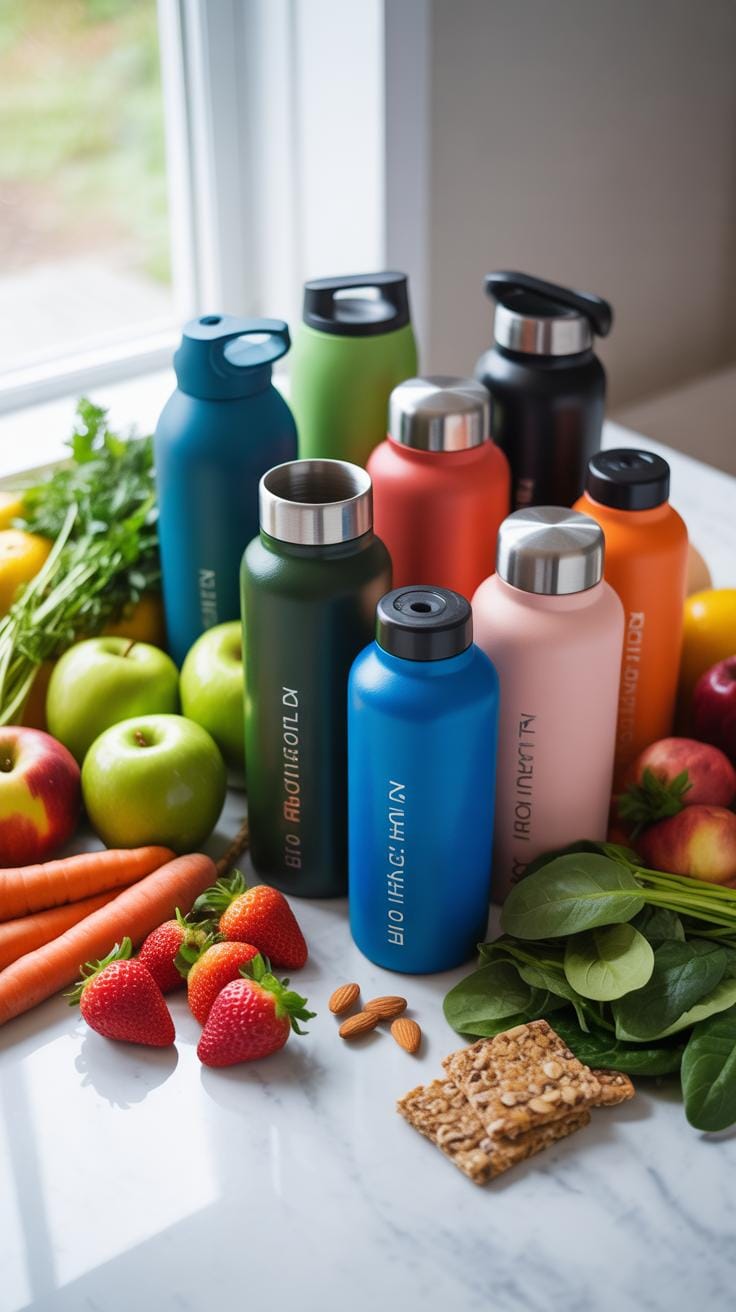
Summer hydration isn’t just about drinking water mindlessly. Tools and habits can make a real difference in how well you stay hydrated, especially in the heat. For instance, having a reliable water bottle on hand encourages consistent sipping throughout the day. I remember forgetting water on a hot day—never again. Electrolyte drinks also play a role here; they replenish essential minerals lost through sweat, but they’re not for constant consumption. You don’t want to load up on sugary substitutes unnecessarily.
Setting hydration reminders on your phone or watch can keep you on track. It’s easy to get distracted and forget. Personally, those reminders are lifesavers during long outdoor activities. Plus, summer-friendly foods contribute significantly. Water-rich fruits like watermelon or cucumber not only refresh but also add nutrients critical for keeping your overall health in check. They’re easy, tasty, and feel less like ‘work’ than chugging plain water all day.
Best Hydration Devices For Outdoor Use
When it comes to summer activities, portability and temperature control of hydration devices are game-changers. Here are some favorites:
- Insulated Stainless Steel Bottles: These keep drinks cold (or hot) for hours. Their durability is a bonus for hiking or beach trips.
- Collapsible Silicone Bottles: Ideal for packing light and space-saving. You might hesitate about their durability, but many hold up well.
- Hydration Packs: Designed for hands-free access, perfect for cycling or running. The tubing can get warm in intense sun sometimes, which is a bit annoying.
Choosing the right one depends on your activity level and how much gear you want to carry. If you’re going out for hours, insulation matters more. For quick outings, something lightweight might be better. Of course, knowing you have water within easy reach probably encourages better hydration habits in itself.
Foods That Help You Stay Hydrated
Certain fruits and vegetables are more hydrating than you might expect. For example:
- Watermelon: Over 90% water, plus some vitamins A and C. It’s refreshing and works great as a snack or in salads.
- Cucumber: Also high in water. Makes an easy, cooling side or snack with minimal prep.
- Tomatoes: Rich in water content and antioxidants. Sliced fresh or tossed in summer dishes.
- Leafy greens: Spinach or lettuce can add hydration and nutrients; they work well mixed into salads or smoothies.
Simple summer meals often involve these hydrating ingredients. Think a fresh watermelon feta salad or cucumber yogurt dip. By focusing on these foods, you can sneak hydration into your diet without feeling like you’re forcing it. It’s a subtle but effective way to stay healthy and refreshed.
Footwear Choices And Care
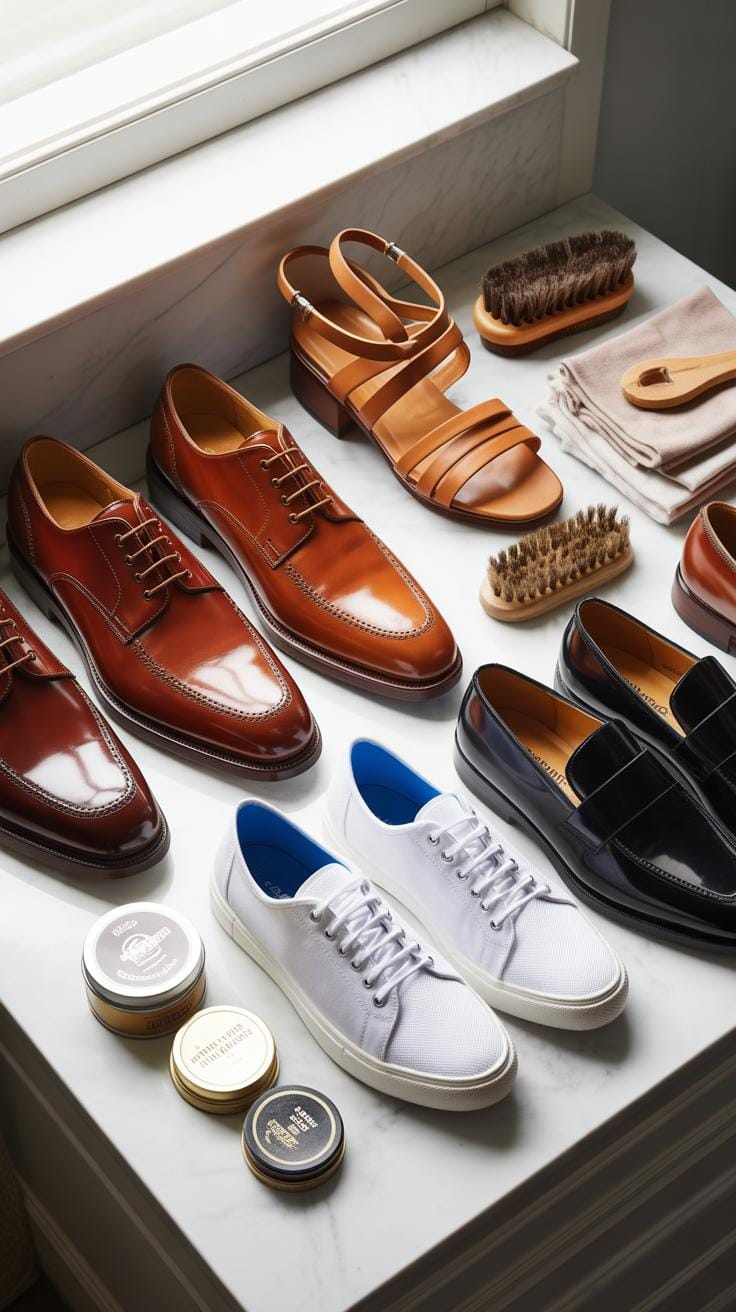
When summer hits, your footwear often faces the harshest test. Sandals are a popular pick — they let your feet breathe, are easy to slip on, and perfect for casual strolls or beach days. But they do require some care: regular cleaning prevents buildup of dirt and sweat, and making sure the straps aren’t too tight keeps blisters at bay.
Sneakers take on a more active role. For summer, look for those made with breathable mesh to avoid overheating. Keeping them dry is key; moisture invites odor and bacteria. A good trick is to alternate pairs and let them air out between wearings.
Water-resistant shoes come handy if your plans involve lakes or unexpected rain. They protect your feet and dry quicker than standard shoes. But, watch out—their waterproofing can limit ventilation, so wear them for shorter bursts or when wet conditions are certain.
Your feet deserve comfort and care especially in summer heat. It’s not only about style but also supporting foot health—think cushioned soles, arch support, and materials that allow airflow.
Selecting Summer Shoes For Comfort And Support
Choosing shoes for hot weather means focusing on materials and fit. Lightweight fabrics like canvas or mesh help with ventilation, while synthetic materials often offer water resistance. Fit matters—too tight, and your feet swell uncomfortably; too loose, and blisters become a risk.
Ventilation can’t be overstated. Shoes with perforations or breathable uppers let air circulate, preventing sweat buildup and heat retention. Outsoles with good grip are also smart for outdoor adventures: think trail walks or city explorations. You might hesitate about them, but they truly make a difference.
Foot Care Tips To Avoid Common Problems
Summer foot care involves more than just picking the right shoes. Wash your feet daily, dry thoroughly, especially between the toes, to prevent fungal infections. Applying foot powder can help manage sweat and reduce odor.
Blisters often come from new shoes or tight straps—break in footwear gradually. If you feel a hotspot forming, a blister pad can save you trouble. Also, keeping toenails trimmed minimizes risk of painful scrapes.
Sometimes, a little extra care seems tedious, but it pays off. Healthy feet keep you comfortable and ready to enjoy every summer moment without interruption or pain.
Summer Accessories For Health And Style

When thinking about summer accessories, it’s tempting to focus only on style. But some pieces do double duty — protecting your health while enhancing your look. Hats, sunglasses, and specialized clothing play a key role. You might underestimate their impact, but these items can seriously shield you from sun damage.
Consider hats: wide-brimmed styles cover more than just your face, helping block UV rays from reaching sensitive skin on your neck and ears. Caps provide shade too, though less coverage. Choosing breathable fabrics matters because the last thing you want is to bake under the sun while trying to stay protected.
Sunglasses aren’t just a fashion statement either. Picking ones with real UV protection blocks harmful rays that can lead to cataracts and eye damage. Not all dark lenses do this — so check for UV400 or 100% UV protection labels.
UV protection clothing often uses dense weaves or treated fabrics to reduce UV penetration. Some sport UPF ratings indicating effectiveness; higher UPF means better protection. Think long sleeves, loose fits, and lightweight materials designed for summer comfort.
These accessories aren’t merely add-ons but essential components of a smart summer wardrobe. In blending style with function, you can enjoy the sunshine without worrying too much about its hazards.
Choosing Sunglasses That Protect Your Eyes
Picking sunglasses involves more than just grabbing the coolest pair. UV protection is crucial. Look for labels confirming 100% UVA and UVB blockage—sometimes marked as UV400. This means the lenses block all light rays with wavelengths up to 400 nanometers including UVA and UVB rays.
Style also plays a role, but remember that bigger lenses or wrap-around designs often provide better coverage, minimizing ray entry from the sides. Yet, not every oversized pair meets UV standards, so verification is essential.
Polarized lenses reduce glare and improve visual comfort, especially near water or reflective surfaces. But polarization doesn’t guarantee UV defense; you need lenses that do both. Sometimes it’s a trade-off between fashion, comfort, and protection that you’ll have to weigh.
Useful Hats And Clothing With UV Shields
Different hats serve different purposes. For full UV protection, wide-brimmed hats (brim at least 3 inches) are your best bet. Bucket hats and caps provide some shading but less coverage overall.
Sun-protective clothing often features fabrics with a UPF rating, which measures how much UV radiation a fabric allows to reach your skin. For example, UPF 30 means only about 3% of UV rays pass through. Some garments have treatments or special weaves to block more rays while staying breathable.
Look for long sleeves, collars, and longer garment lengths to cover more vulnerable skin. Light but dense fabrics like tightly woven cotton, polyester, or blends work well. Ventilation features or moisture-wicking finishes help offset warmth that some protective fabrics may cause.
In the end, using the right hat and clothing can significantly reduce UV exposure, reducing risks of sunburn and long-term skin damage. It’s a balance between comfort, coverage, and style that many overlook but shouldn’t.
Planning Outdoor Activities Safely
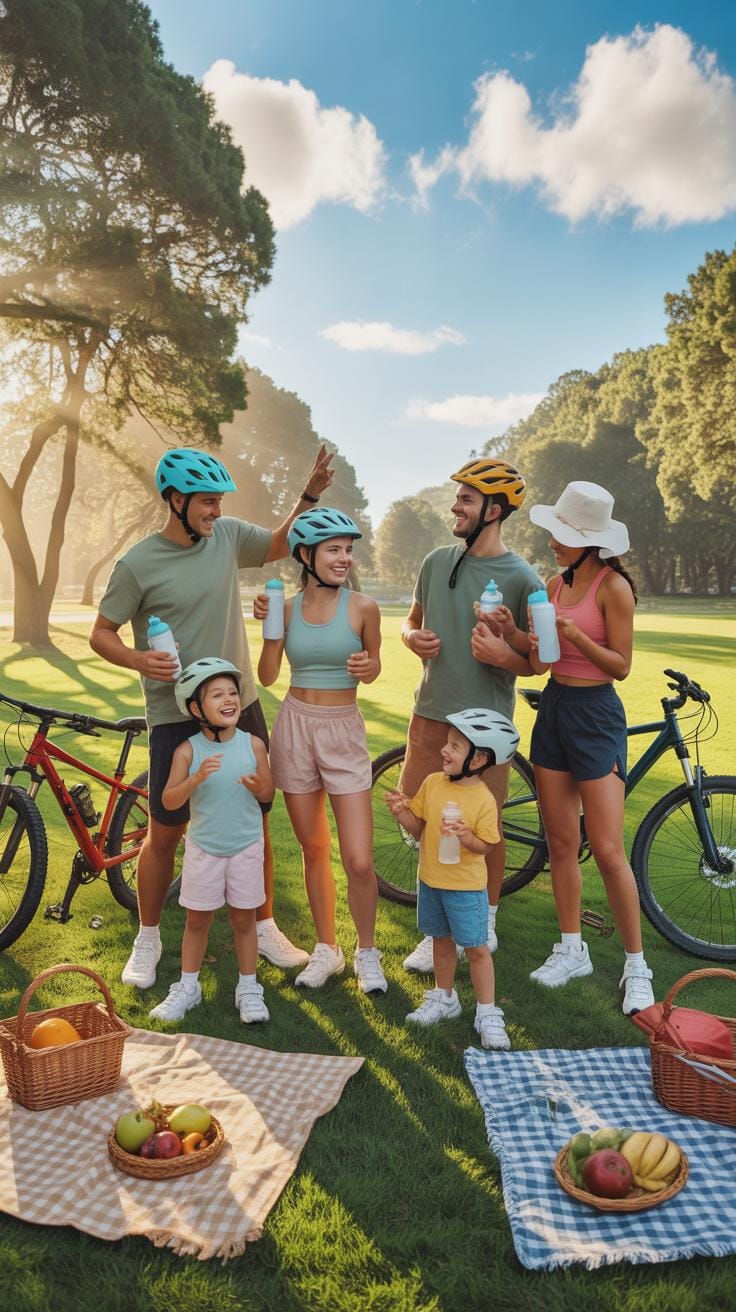
When it comes to spending time outdoors during summer, the timing really matters. Aim for early mornings or late afternoons. Around these times, the sun’s intensity eases and the temperature is more manageable. Midday, especially between 10 am and 4 pm, sees the sun at its strongest. It’s tempting to dive into activities then, but that’s when risks of heat exhaustion and sunstroke spike.
Hydration is a must. Carry water and sip regularly—even if you don’t feel thirsty. Your body loses fluids faster in the heat than you might expect. Take short breaks in shade or cooler spots often. It’s better to pause for a few minutes than push through and risk your health.
What about clothing? Light, breathable fabrics work best. Loose-fitting long sleeves and hats protect against sunburn and help your body cool down. Sunglasses aren’t just a style statement—they shield your eyes from harmful UV rays.
When And How To Schedule Outdoor Time
The early morning (before 10 am) and late afternoon (after 4 pm) are generally the safest times for outdoor activities. The sun’s rays aren’t as harsh, and temperatures tend to be cooler. If your schedule forces you into the midday sun, try breaking up outdoor time into shorter sessions and take more frequent cool-down breaks.
Also, keep in mind that humidity affects how hot you feel. On a humid day, your body’s ability to cool itself through sweating decreases. So, adjust your plans accordingly.
Checklist For Safe Summer Outdoor Events
- Plenty of water bottles or a hydration pack
- Light, loose clothing and a wide-brimmed hat
- Sunscreen with high SPF and broad-spectrum protection
- Sunglasses with UV protection
- Shade options—umbrellas, tents, or tree cover
- Snacks that provide energy but aren’t too salty or heavy
- Plan for regular rest breaks, especially if you’re active
- Know the signs of heat exhaustion and have a plan to respond
Preparing well for outdoor summer activities isn’t just about comfort; it can prevent serious health issues. Sometimes, though, despite all your planning, the weather might just be too much. In those moments, it might be worth reconsidering your plans, even if just for a day.
Cooling Techniques For Hot Days

When the sun blazes and the air feels thick, finding ways to cool down becomes a bit of an art—and well, maybe a small science, too. Wearing lightweight, loose clothing made from natural fibers like cotton or linen lets your skin breathe more easily. You might want to stay away from dark colors; they tend to soak up heat rather than reflect it. An often overlooked tip is to keep a cooling spray handy—something with water or aloe vera—because a quick mist can refresh your skin fast, especially when you’re outdoors.
At home, fans can be your trusty sidekick. Placing a bowl of ice or cold water in front of a fan can give you a mini air conditioner effect. Cold packs work well too—they’re simple yet effective on pulse points like your wrists or neck. Don’t underestimate the power of shading your windows during peak sunlight hours; it can make a surprising difference in keeping indoor temps manageable. It might seem obvious, but these small actions help without needing to crank the AC all day, which can get exhausting and a bit harsh on your energy bills.
Simple Cooling Methods To Lower Body Heat
Anywhere you go, some methods are easy to pull off.:
- Pick breathable clothing in pale colors—it’s not just for style but for comfort.
- Keep a spray bottle filled with water in your bag; a few spritzes can cool your face and arms quickly.
- Using wet wipes to dab sweat off your skin offers fast relief and doesn’t require a sink.
- Don’t forget to hydrate. Drinking cold water lowers your core temperature and feels refreshing.
- Applying a damp cloth to the back of your neck or forehead can be surprisingly soothing.
Such little habits may seem minor, but over a warm day, they add up, helping you avoid that sluggish, overheated feeling.
Home Cooling Solutions For Summer Comfort
Now, about keeping your home cool without blasting the air conditioning—there are quite a few tactics. For instance, thick curtains or blinds drawn during the hottest hours prevent heat build-up. Cross ventilation is another great option: open windows on opposite sides of your house to create a breeze. Ceiling or standing fans help move air around, making your space feel cooler even when the actual temperature stays put. And here’s a trick you might not have tried—placing a cold, damp towel on your windowsill can cool the incoming air a bit.
Also, consider the layout of your home. Rooms shaded by trees often stay cooler naturally. Using light bed linens or fabrics indoors can subtly keep the space from feeling stuffy. It’s not about making your place icy, just comfortable enough to relax or work without sweating buckets.
Building A Summer Health Routine
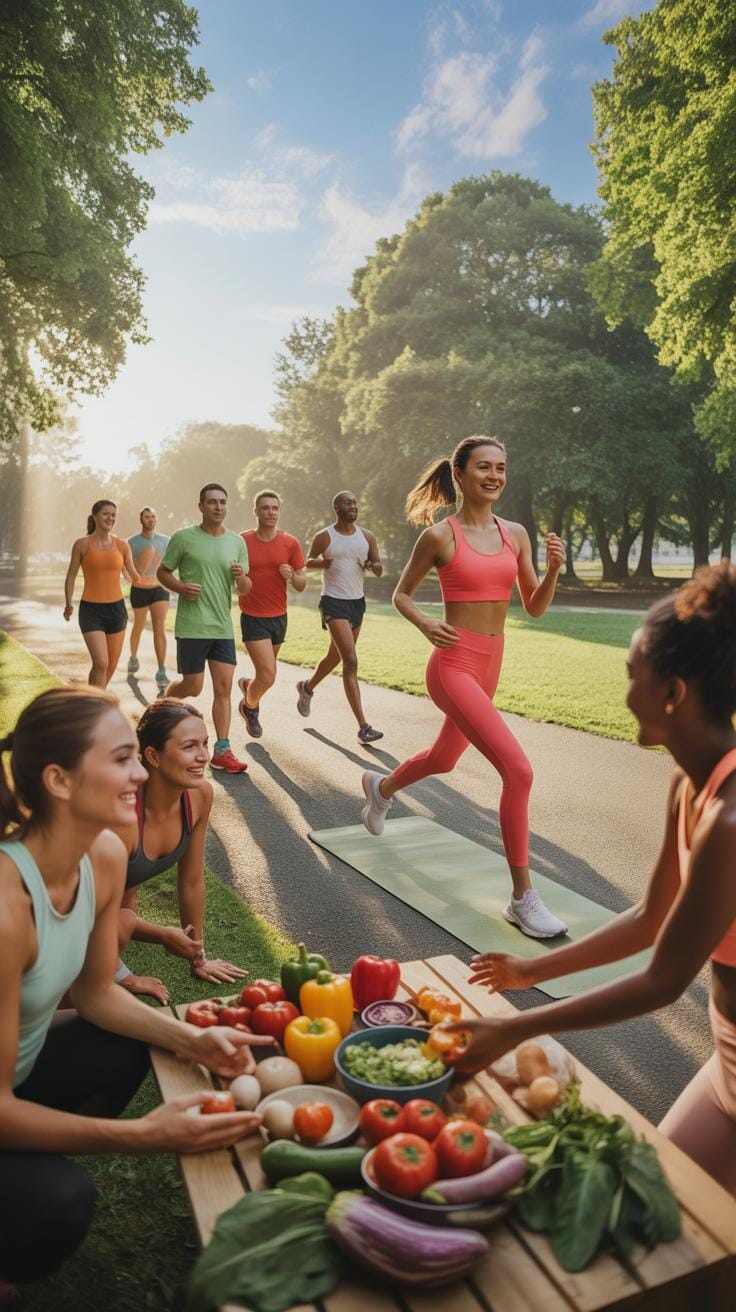
Creating a summer health routine can feel a bit daunting, but it doesn’t have to be complicated. The key is to balance exercise, nutrition, hydration, and rest in a way that suits your lifestyle and the summer heat. Maybe start with light morning walks or cycling before the sun gets too strong—these help wake up the body without overheating. For meals, think fresh fruits, veggies, and lean proteins; they’re easier to digest and provide essential nutrients without weighing you down.
Hydration is non-negotiable; water should be present at every meal and throughout the day. If you’re less sure about how much to drink, a good rule is keeping close to a liter for every few hours, adjusting if you’re active. Rest might be overlooked, but it’s integral—cool, quiet evenings help your body repair and prepare for another day under the sun.
These habits don’t require huge shifts; just simple, consistent choices day by day. Can you picture your own routine fitting into this? Sometimes it takes trial and error to find the right rhythm, but keeping it manageable is key.
Daily Practices To Support Summer Wellness
Daily habits are the building blocks of summer wellbeing. Start with gentle exercise like yoga or a swim—it’s soothing and cools you down. Aim to drink water regularly, almost like setting little reminders to drink, especially if you lose track when busy. Your meals might include a mix of colorful salads, whole grains, and a good balance of protein and fiber to keep energy stable.
Adding some variety can help too; maybe a short evening stroll or switching between swimming and cycling during the week to keep things interesting. It’s easy to slip into routines, but sometimes a little change keeps motivation higher. Also, listen to your body’s signals—it might want to rest more some days or push a bit harder on others.
Do these habits feel doable? Often, the simplest additions bring the biggest benefits.
Creating A Weekly Plan For Healthy Living
Planning the week ahead can make a big difference in staying on track with your summer health goals. Consider penciling in specific workout times, meal prep sessions, and set hydration milestones. If cooking daily feels like a chore, batch preparing meals like grilled chicken and roasted vegetables or overnight oats can save time and reduce stress.
Think of your energy levels throughout the week. Maybe Monday is for a light walk, Wednesday for a swim, and Friday a dance class or jog—something that feels fun rather than forced. Look at your schedule and figure out pockets of time when you can sneak in stretches or quick walks. Don’t forget to schedule proper rest days; they’re part of the plan, not a break from it.
Do you feel more in control with a plan, or does it seem restrictive? Finding the sweet spot between structure and flexibility might take a bit of tuning, but it’s worth it for steady energy under summer’s sun.
Comparing Summer Essentials For Budget Options
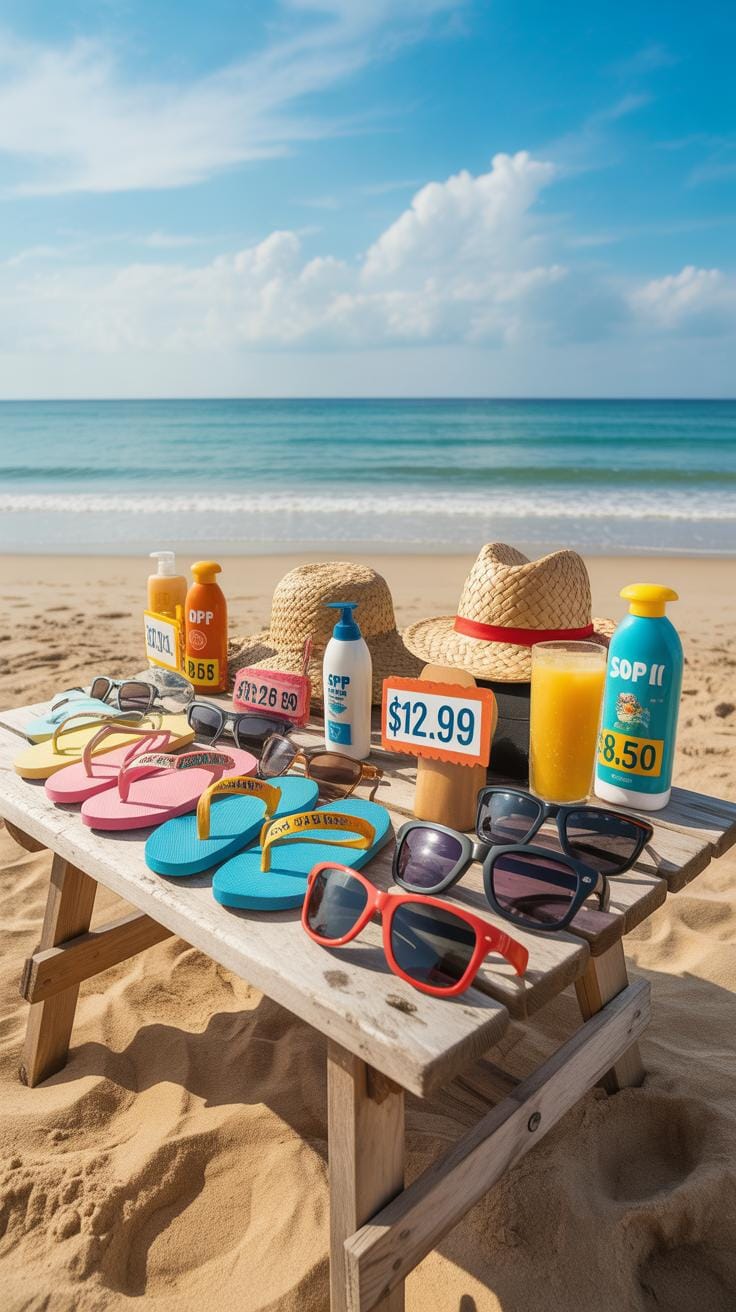
Deciding where to spend and where to save on summer essentials can be tricky, especially when you balance style, health, and practicality. For clothing, investing in breathable, durable fabrics is wise if you’re outdoors often, but less expensive basics can suffice for occasional wear—cotton tees from budget brands, for example, often provide enough comfort.
When it comes to sunscreen, splurging on high-end products isn’t always necessary. Many drugstore sunscreens offer broad-spectrum protection and water resistance just as effectively. The key is consistency in use, so buying larger, affordable bottles might be smarter than a small pricey one that you hesitate to apply often.
Hydration gear shows more variation: premium insulated bottles keep water cool for hours, which is great if you’re active all day; cheaper bottles work fine for short outings or occasional use. Your decision could hinge on how frequently you need hydration on-the-go.
Quality Versus Cost In Summer Clothing
Expensive summer clothes often bring better fabric technology—like moisture-wicking or UV protection—which is fantastic if you plan extended outdoor activities. However, for casual wear or occasional use, budget-friendly clothes can hold their own. Sometimes, the difference is mostly branding rather than function. It’s worth treading cautiously before splashing out.
On the flipside, invest in one or two staple pieces that fit well and feel comfortable. Think of a good pair of shorts or a light jacket. These tend to last through multiple seasons and justify the higher price.
Affordable Options For Skincare And Hydration
You don’t have to break the bank for safe and effective skincare. Look for sunscreens with at least SPF 30 and broad-spectrum coverage—many affordable brands meet these criteria. Pairing it with a simple, budget moisturizer can keep skin hydrated without fancy ingredients.
For hydration, consider refillable water bottles with basic insulation or even sturdy plastic ones. They are often cheaper yet efficient enough for daily needs. Sometimes, the simplest solutions prove most useful.
Ultimately, evaluate your habits: Are you a sun worshipper or a shade-seeker? Frequent hiker or casual beachcomber? Your answers might reveal where a pricier splurge is worthwhile—and where you can safely save. Does that sound reasonable to you?
Conclusions
These summer essentials provide a balance of style and health. By choosing carefully, you stay protected and comfortable while looking good. The items discussed will keep you prepared for warm weather activities.
Remember, summer is about enjoying the outdoors safely. Use this guide to create your own checklist for a smooth and pleasant season in 2025.