
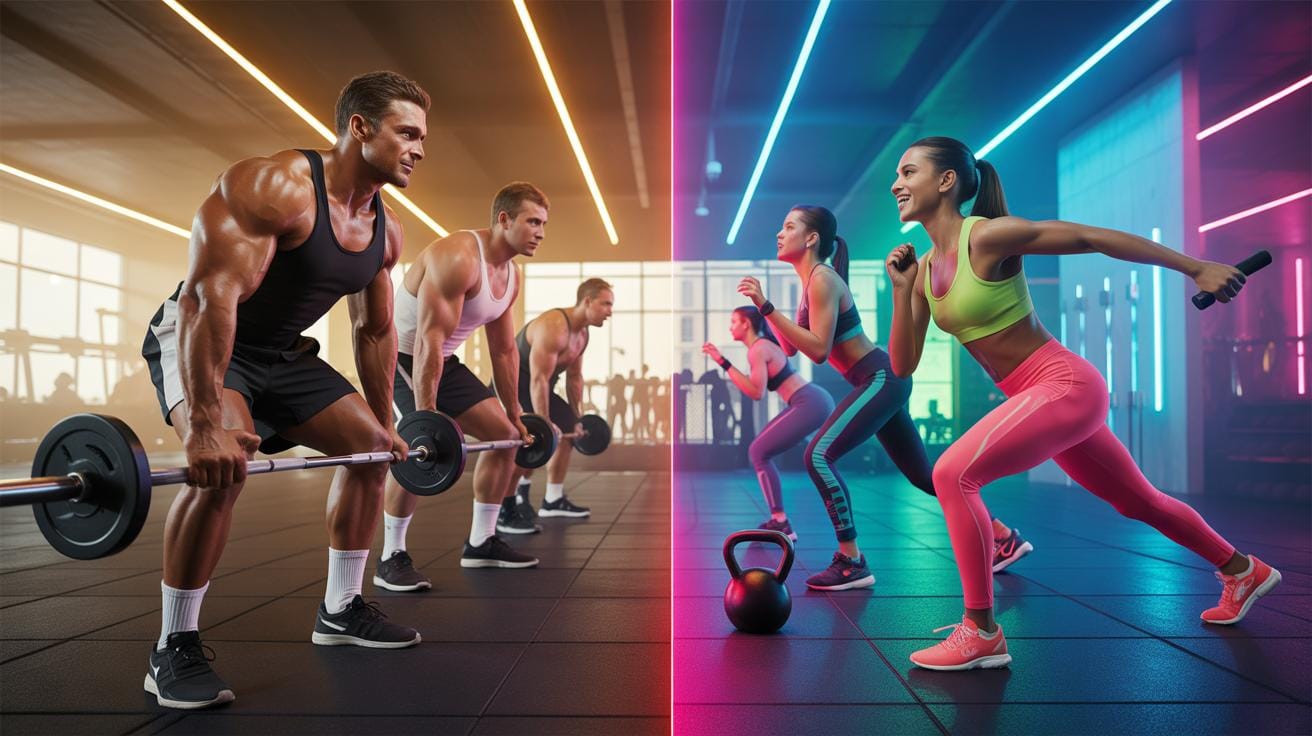
Sports Aesthetic Versus Fast Aesthetic Explained
Sports aesthetic and fast aesthetic trends in fitness both influence how people approach their workout routines and physical appearance. Sports aesthetic focuses on athletic, functional, and sustainable body development inspired by sports culture. Fast aesthetic trends shift rapidly, often driven by social media, emphasizing looks more than long-term health or performance.
This article compares sports aesthetic style with fast fitness aesthetics. We explore their core ideas, benefits, and drawbacks. You will learn how to identify each style and make choices that fit your goals. Whether you want lasting fitness or quick trends, this guide will give you clear insight.
What Defines Sports Aesthetic


The sports aesthetic style in fitness centers on athletic function first and foremost. It’s not just about looking muscular; it’s about developing a physique that supports real movement and performance. You’ll see balanced muscle development rather than oversized or isolated muscles. This style draws heavily from sports culture, where form follows function. Think athletes who need to stay strong, agile, and durable on the field or court. The look is lean yet powerful, reflecting training that supports endurance and speed, not just muscle size.
Core Principles Of Sports Aesthetic

Sports aesthetic has a few key values that shape its approach to fitness. Durability comes first—you want a body that can handle long hours of training or competition without breaking down. Functionality matters more than pure appearance; exercises chosen aim to improve real athletic skills. Then, there’s the pursuit of realistic fitness goals, rooted in sports training methods. These aren’t about quick fixes or overnight transformations but steady progress through consistent practice. The emphasis is on blending strength, speed, and coordination so your body performs well in dynamic situations.
Examples Of Sports Aesthetic Workouts
The workouts typical of this style highlight different aspects of athletic ability:
- Strength training: Not just building muscle but improving power useful in sports movements.
- Plyometrics: Exercises focused on explosive movements like jump training for quick bursts of power.
- Agility drills: Activities that enhance coordination and quick direction changes, vital for many sports.
These workouts aren’t just random—they mimic the demands athletes face, making the sports aesthetic one grounded in practical training rather than fads.
Sports Aesthetic
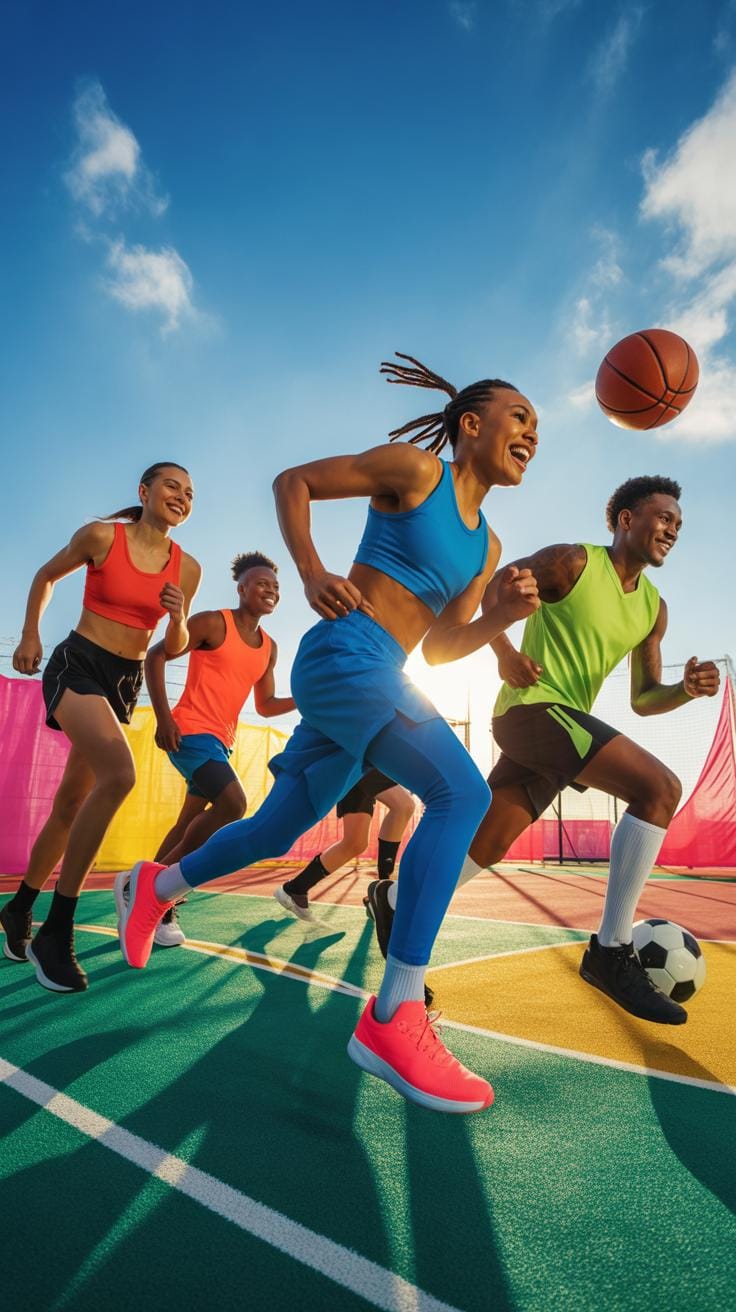
Sports aesthetic is a concept rooted in the pursuit of balanced physical development paired with functional strength. It focuses not just on how the body looks, but how it performs. This approach often values proportional muscle growth, symmetry, and posture—all indicators of a healthy, capable athlete.
Unlike some fleeting fitness crazes, sports aesthetic isn’t driven by the latest viral workout but by time-tested training principles. It’s about consistent application and gradual improvement. Think of it as cultivating an athletic form that supports endurance, agility, and power.
This style often draws inspiration from various sports. For example, gymnastics and track athletes emphasize lean muscle and flexibility, while swimmers combine strength with smooth lines. The aesthetic reflects the body’s natural function and discipline. It’s not purely about size or shape but about harmony between them.
There’s a strong connection to training methodology too. Weightlifting, controlled movements, and tactical conditioning form the core. The focus is on sustainable progression, avoiding shortcuts, and respecting what the body needs to grow effectively.
Some might argue that sports aesthetic appears conservative compared to fast trends. But it holds a quiet power—and often, it lasts longer. Its values align with practical fitness goals beyond appearance, even if those goals change over time as personal aspirations evolve.
Comparing Benefits And Drawbacks

When it comes to sports aesthetic, the focus is more on sustainable development rather than rapid changes. This style emphasizes gradual improvements in strength, endurance, and form, which often results in more consistent, long-lasting health benefits. You might notice that those who follow sports aesthetic tend to have fewer injuries and a deeper understanding of body mechanics. This awareness helps avoid the pitfalls of burnout or overtraining, which can be common in fast-paced fitness trends.
The structured approach promotes not just physical results but also mental resilience — something fast trends sometimes overlook. On the other hand, fast fitness trends might give you quick visible changes or a motivational jolt, especially if you’re just starting or need a short-term boost. They can add variety and excitement, potentially pulling you out of a workout rut. Still, they often lack the longevity and foundational principles that sports aesthetic upholds.
Sports aesthetic is about fitting your fitness into your lifestyle in a way that doesn’t exhaust or overwhelm you. Even so, it takes patience — which not everyone has in today’s fast-paced world. Perhaps, for some, fast trends provide that immediate gratification which helps them stay engaged, but for those aiming for true performance and overall health, sports aesthetic might be the better path.
- Sports aesthetic promotes long-term joint and muscle health through consistent, planned routines.
- Fast trends can be motivating but sometimes prioritize appearance over function, risking injury.
- Slow and steady progress often fits better into everyday life without causing disruption.
- Quick fitness fads might work well for short-term challenges or specific event preparation.
- Sports aesthetic encourages learning about your body’s needs, fostering a sustainable routine.
- Fast trends might feel more thrilling but can leave people feeling lost once the hype fades.
When you reflect on your personal goals, ask yourself: do you want a quick fix or a lasting foundation? This question often guides which approach fits you best.
Choosing Your Fitness Style
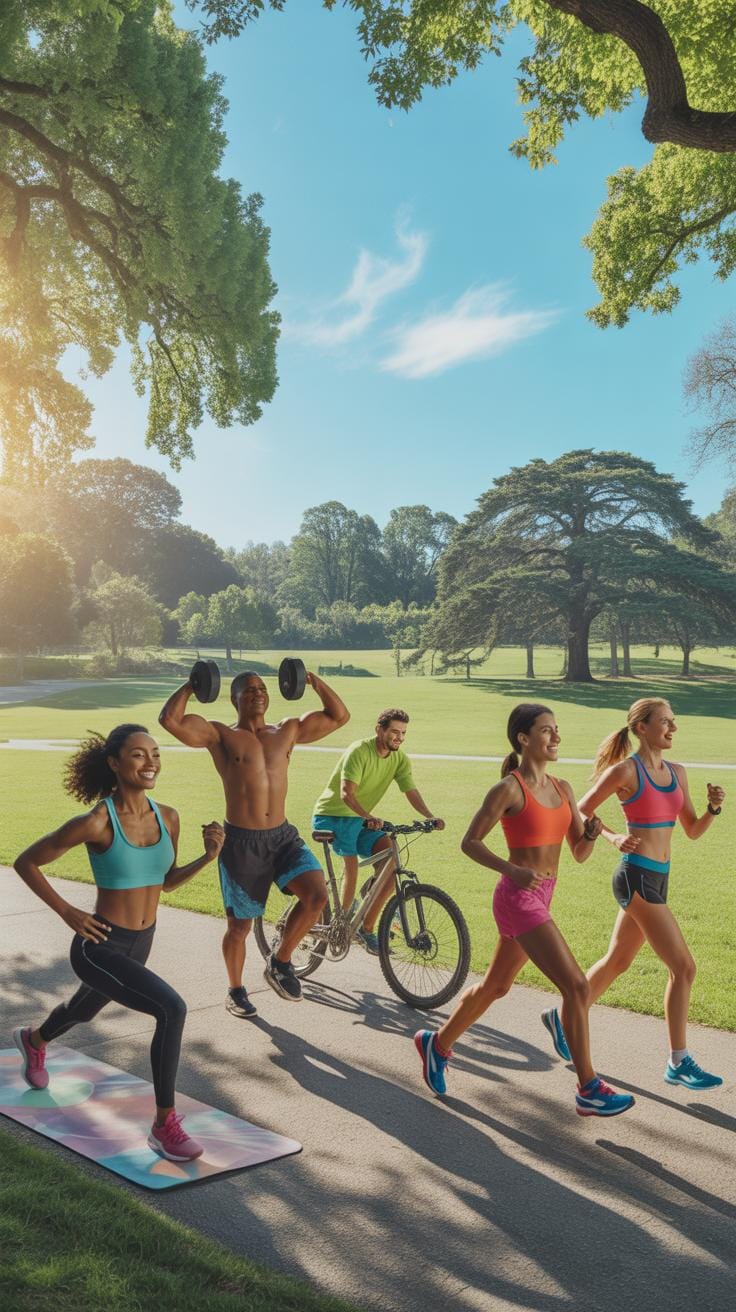
When deciding between a sports aesthetic and fast fitness trends, start by clarifying what you really want. Are you chasing performance improvements, a specific look, or just general well-being? This seemingly simple question can shape everything. If strength and skill count most, you might lean toward sports aesthetic. If quick changes in appearance are your main goal, fast trends could seem tempting.
Next, think about your lifestyle—how much time can you realistically commit? Sports aesthetics often require consistent training, sometimes focusing on specific skills or muscle control. Fast trends may fit short bursts of exercise across the week but might lack depth. Access matters, too. Do you have a gym, a track, or maybe just a small space at home? Motivation fluctuates; some prefer routines that gradually build, others thrive on constant novelty.
It’s not black and white. Sports aesthetics might demand patience but tend to embed lasting habits. Fast trends promise speed but face questions about sustainability. What feels doable and worth your effort? This little bit of uncertainty makes the choice quite personal. It’s about matching your fitness path with your daily rhythms and long-term aims.
Day 014 Sports Aesthetic Setup Checklist
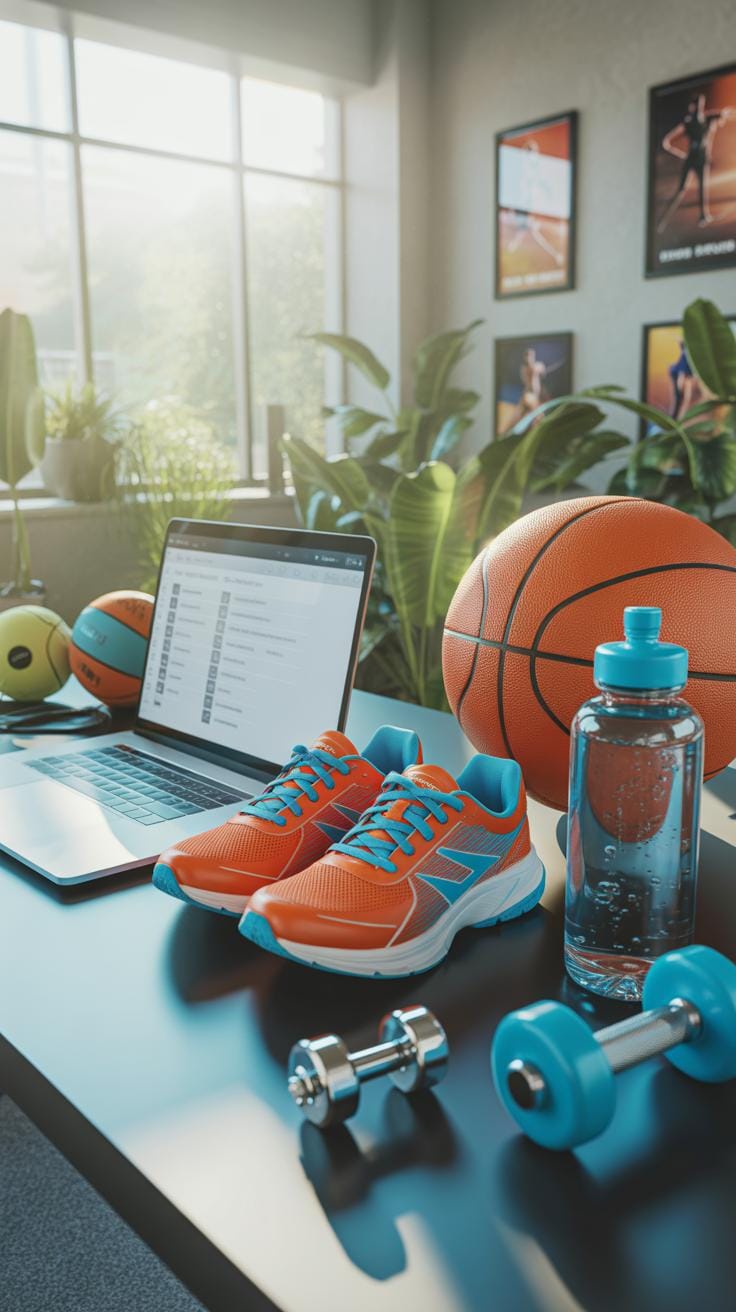
Starting a sports aesthetic routine means building a solid foundation in the first two weeks. First, you’ll want to focus on consistency over intensity. Begin by scheduling 4 to 5 workout sessions weekly. Each session should mix strength training and cardio, slowly increasing intensity as you progress. Nutrition-wise, aim for a balanced intake of protein, healthy fats, and carbohydrates to fuel muscle growth and recovery. Drink plenty of water and prioritize whole foods. Tracking your progress with photos or journal entries might feel a bit tedious but can really highlight subtle changes.
Essential Equipment And Tools
For beginners dipping their toes into sports aesthetic training, a simple setup goes a long way. Start with resistance bands—they’re versatile and gentle for joints. A set of dumbbells with adjustable weights is equally useful, allowing gradual progression. A sturdy bench supports different exercises, while a yoga mat provides cushioning for floor work. If possible, access to a pull-up bar adds a valuable dimension to upper body training. Don’t overlook a reliable water bottle to stay hydrated during workouts.
Sample Workout Plan For Week 1
Your first week could look like this: Day 1 focuses on upper body—dumbbell presses, rows, and band pull-aparts. Day 2 shifts to lower body: squats, lunges, and glute bridges. Day 3 is a rest or light cardio day, maybe a walk or gentle cycling. Day 4 revisits upper body with push-ups, dumbbell curls, and planks. Day 5 targets legs again with step-ups and calf raises. Each session includes a 5 to 10-minute warm-up and cool-down. Don’t rush through the reps; quality matters more than quantity. It’s okay if the plan feels a little challenging; that’s part of the process.
Spotting Unsustainable Fast Trends
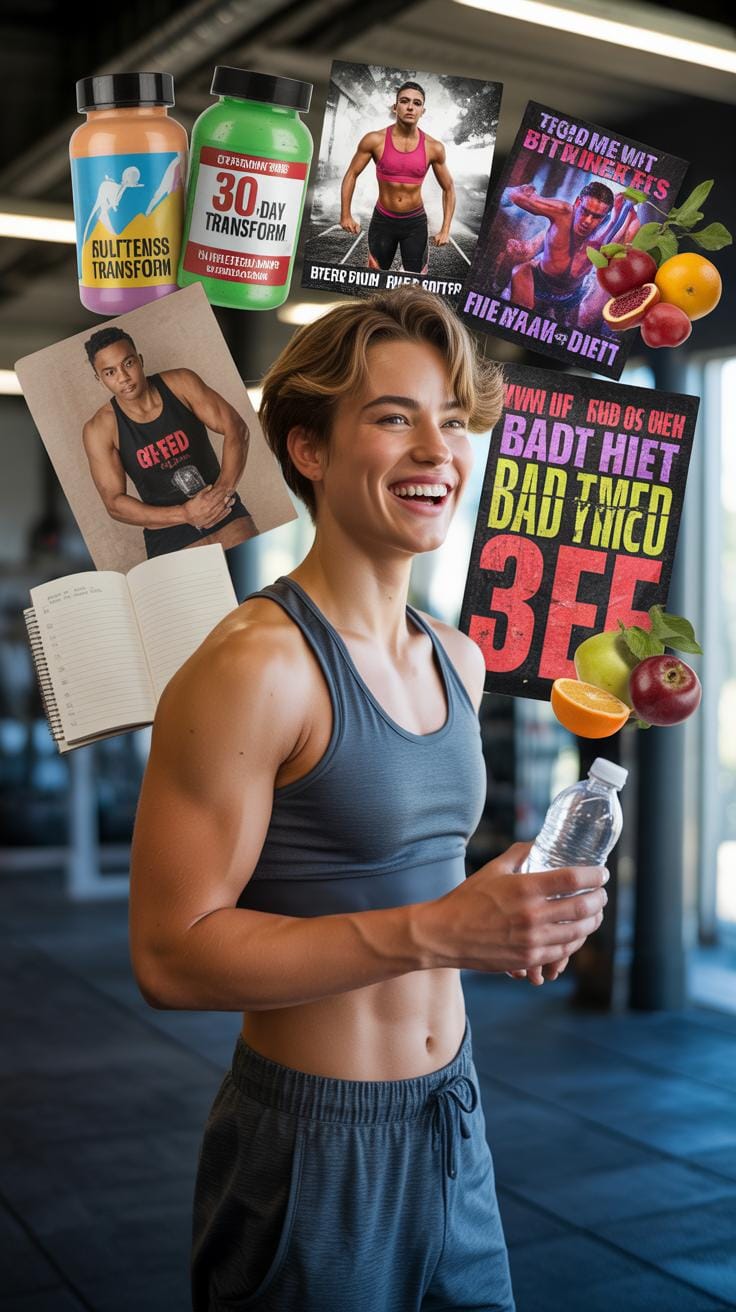
When you look at sports aesthetic, what often comes to mind is a blend of discipline, form, and sustained effort. Unlike some of the quick-hit trends that explode on social feeds, sports aesthetic is rooted in practice that’s meant to last. It’s about building a body and a routine that holds up, rather than chasing flash-in-the-pan results.
You might notice that sports aesthetic values consistent progress, even if slow, over flashy promises. It respects the natural pace of muscle growth, endurance building, and skill development. True sports aesthetic isn’t about overnight change — it’s about cultivating a look and performance through real athletic principles.
Thinking about it this way, sports aesthetic almost acts as a filter for the fast trends you see. It makes you ask: does this new workout or diet align with principles that are proven over time? Or is it just a fleeting fad promising immediate changes but little long-term payoff?
There’s also an element of mindfulness; sports aesthetic tends to encourage understanding your body’s limits rather than pushing blindly into extremes. It’s personal, it’s practical, and yes, sometimes slower — but it avoids the pitfalls of rapid burnout or injury common in many fast trends.
When you spot a workout or plan that looks too complicated or too quick to guarantee lasting change, sports aesthetic thinking nudges you to pause and reconsider. Are you building a foundation — or just playing with surface-level stats?
Tracking Progress In Sports Aesthetic
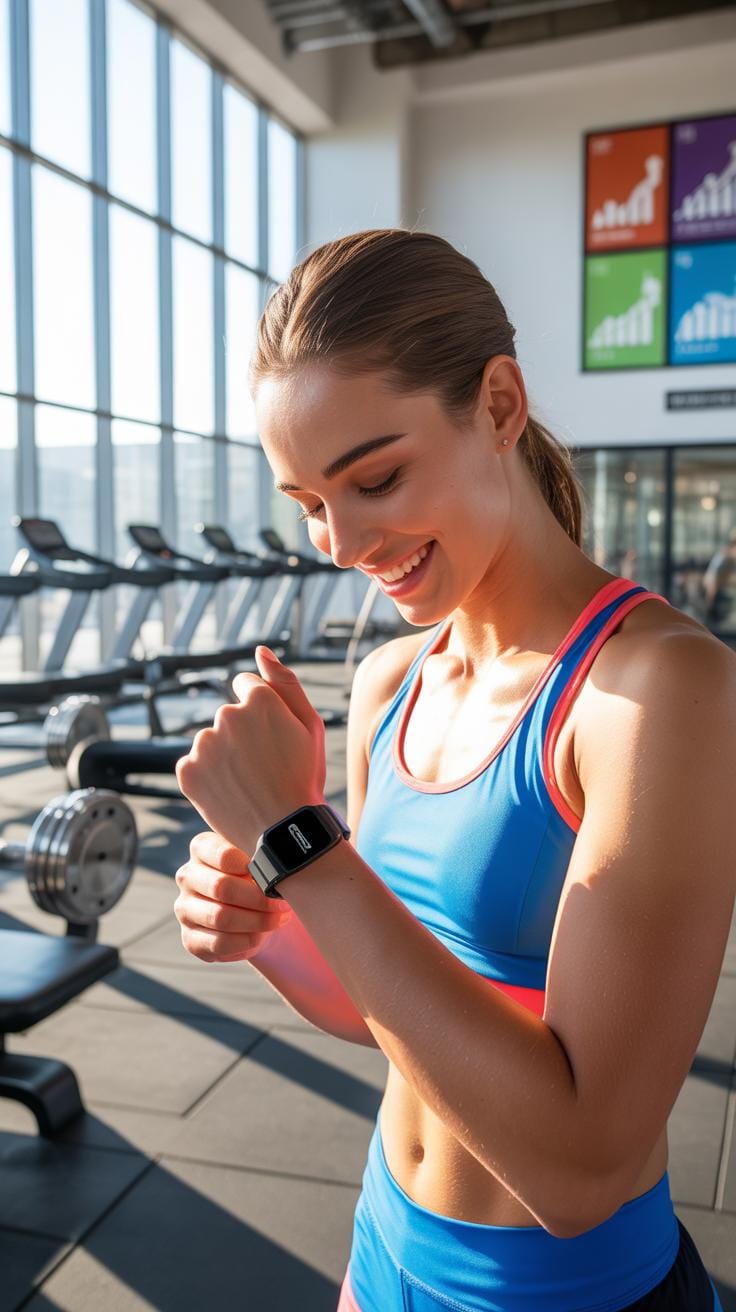
When you’re working on sports aesthetic training, tracking progress can feel tricky. It’s not just about how much you lift or run but also how your body changes in ways that matter for your sport and look. Relying only on scale weight can mislead you; muscle gain and fat loss might cancel each other out numerically but show very differently visually and functionally.
Performance Metrics To Watch
Focus on measurable outputs that reflect your growing capability:
- Strength lifts: Track your max or reps in key exercises like squats, deadlifts, or bench presses. Seeing steady improvement here is a clear sign of muscle and power gain.
- Endurance tests: Timed runs, cycling distances, or rowing can map cardiovascular improvements. Maybe your last 5K felt hard, but now it’s smoother and faster.
- Mobility assessments: Sports aesthetic demands functional movement. Checks on joint range of motion or flexibility drills help pinpoint progress or stiffness areas.
Visual And Health Indicators
Physical changes speak volumes too. Muscle definition often emerges subtly, at first maybe just in certain areas like shoulders or arms. It’s easy to overlook these small shifts unless you look regularly. Also, consider your overall energy levels and sleep quality. Improvements here might mean you’re recovering well and your body is adapting—sometimes, that’s the best sign of all.
Tracking progress is partly science, partly art. You measure numbers but also note what your body tells you day to day. That mix gives the best real picture of how you’re evolving in sports aesthetic training.
Incorporating Trends Safely
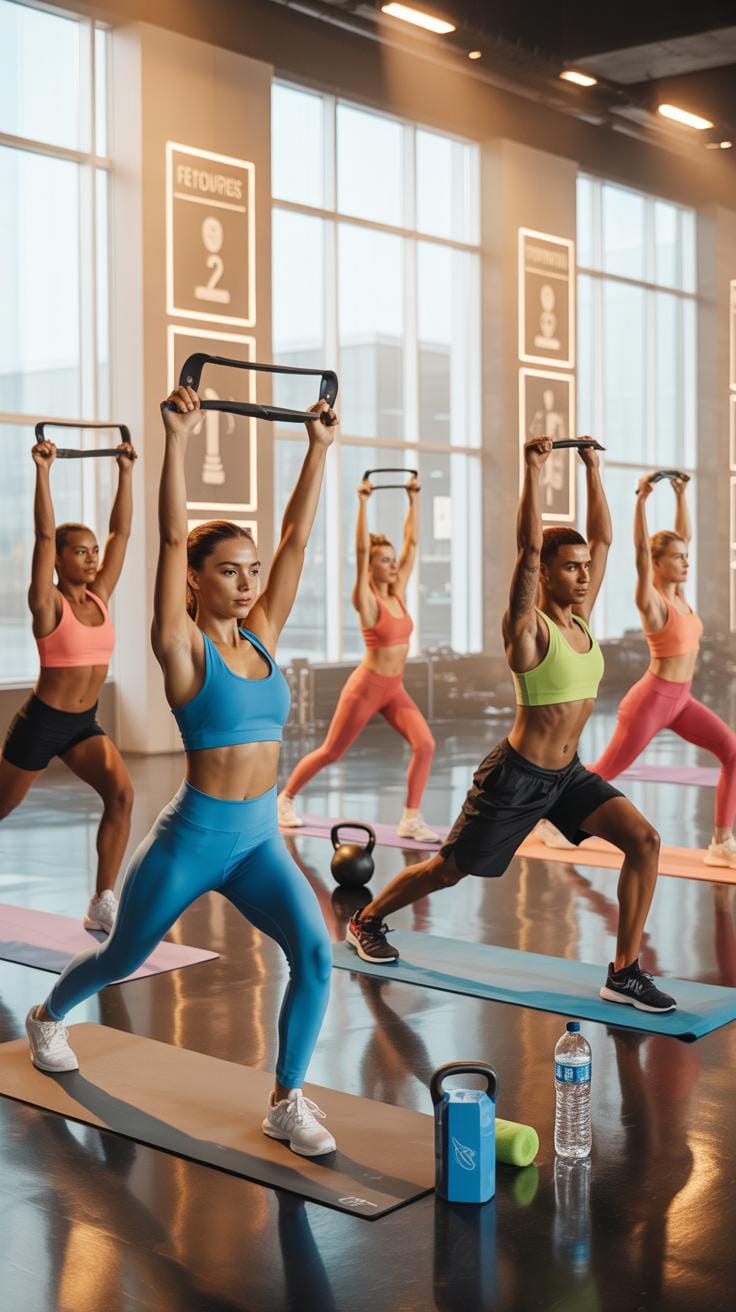
Finding a way to bring fast fitness trends into your sports aesthetic routine isn’t as straightforward as copying exercises. It’s sensible to proceed with caution and listen to your body. Consider starting with smaller doses of new movements before fully embedding them. For instance, if a trending HIIT workout includes intense plyometrics you’re not used to, try reducing the volume or slowing the pace to avoid overdoing it.
Keeping an eye on how your body reacts can prevent burnout. Sports aesthetic training values harmony between form and function, so balance intensity with recovery. You might want to schedule trend workouts alongside your usual regimen, not as a full replacement. This way, your body adapts gradually.
Seek credible sources for guidance—trends often come with a lot of hype but sometimes lack structural integrity. Maybe watch videos for proper form or consult trainers who understand both aesthetics and safety. The last thing you want is to chase results fast and end up with setbacks.
Selective Trend Integration
It’s tempting to dive headfirst into every new fitness trend. But, really, it helps to be picky. Ask yourself if an element fits your core sports aesthetic goals. Is it improving muscle balance, enhancing strength, or building flexibility? If it doesn’t, maybe skip it.
For example, certain trends focus on quick calorie burn without considering posture or muscle symmetry. That might clash with the balanced physique and functional strength typical in sports aesthetic training. On the other hand, slow eccentric training or mobility drills appearing in trends could fit neatly with your goals.
- Look for trend components that promote control over speed—precision over chaos.
- Choose exercises that support long-term durability, not just quick results.
- Consider whether a new move complements existing routines rather than replaces them abruptly.
Sometimes, you may find a trend’s flashy parts distracting. You don’t have to embrace everything wholesale. Select the bits helpful to you personally and discard the rest.
Maintaining Consistency
It’s easy to get caught up in the charm of something new and forget the value of consistency. Progress in sports aesthetic training rarely comes in leaps but through steady steps. Swapping out your whole program every time a new trend emerges can backfire. You risk losing the gains built up over months or even years.
When incorporating new ideas, keep your core routine intact enough to maintain strength and muscle memory. Think of progress as a slow curve rather than quick jumps. Remember, sometimes sticking to a routine you already know well is better than chasing the latest craze.
What happens if you jump too fast from one trend to another? You may burn out, lose motivation, or even get injured. So, try to keep a balance: evolve your workouts, yes, but not at the cost of regularity or gradual improvement. This approach helps build resilience and sustainable fitness.
Case Study Sports Aesthetic Success
Background And Initial State
Take Sarah, for instance. She started her fitness journey with a focus on general health improvement but lacked direction. Her routine was inconsistent, mostly cardio-based with some weight lifting, yet nothing tailored to build a cohesive physique. Sarah’s goal wasn’t just weight loss—she wanted a body that looked strong and functional, a look reflecting athletic capability rather than fleeting trends she had seen online. Initially, her fitness level was average; she felt she had potential but wasn’t tapping into it fully or efficiently. She was a bit hesitant to dive into new methods but curious about sports aesthetic training.
Results And Lessons Learned
After adopting a sports aesthetic training regimen, Sarah noticed gradual changes—not just in appearance but in her performance. Her muscle tone became more defined. Movements that once felt awkward grew fluid. Recovery time shortened. She learned that consistency beats intensity in this style. The focus shifted from quick fixes to sustainable progress. Importantly, Sarah realized the value of patience and personalized routines that emphasized form and balance over just lifting heavier weights. She also discovered that building the sports aesthetic took more mental engagement and discipline than she expected, which built confidence outside the gym too.
Though she sometimes questioned if a faster, trendier workout might deliver quicker results, the lasting improvements and healthier habits dissuaded her from switching back. Sarah’s story shows that sports aesthetic training isn’t about instant gratification—it’s about crafting a body and mindset that hold up over time. It made her appreciate fitness as a deliberate practice rather than a sprint. Would this approach work for everyone? Perhaps not, but for her, it was a steady, rewarding path worth maintaining.
Conclusions
Sports aesthetic emphasizes strength, function, and a consistent approach to fitness. It values routines built around sports principles and physical capability. Fast aesthetic trends can offer fresh motivation but risk becoming outdated quickly and may focus more on appearance than health.
Your choice between these approaches should reflect your personal goals. Seek sustainable habits if you want lasting fitness. Use trendy styles to refresh your routine without losing sight of health. Combining both thoughtfully can enhance your fitness journey.