
How Socks Became A Style Statement
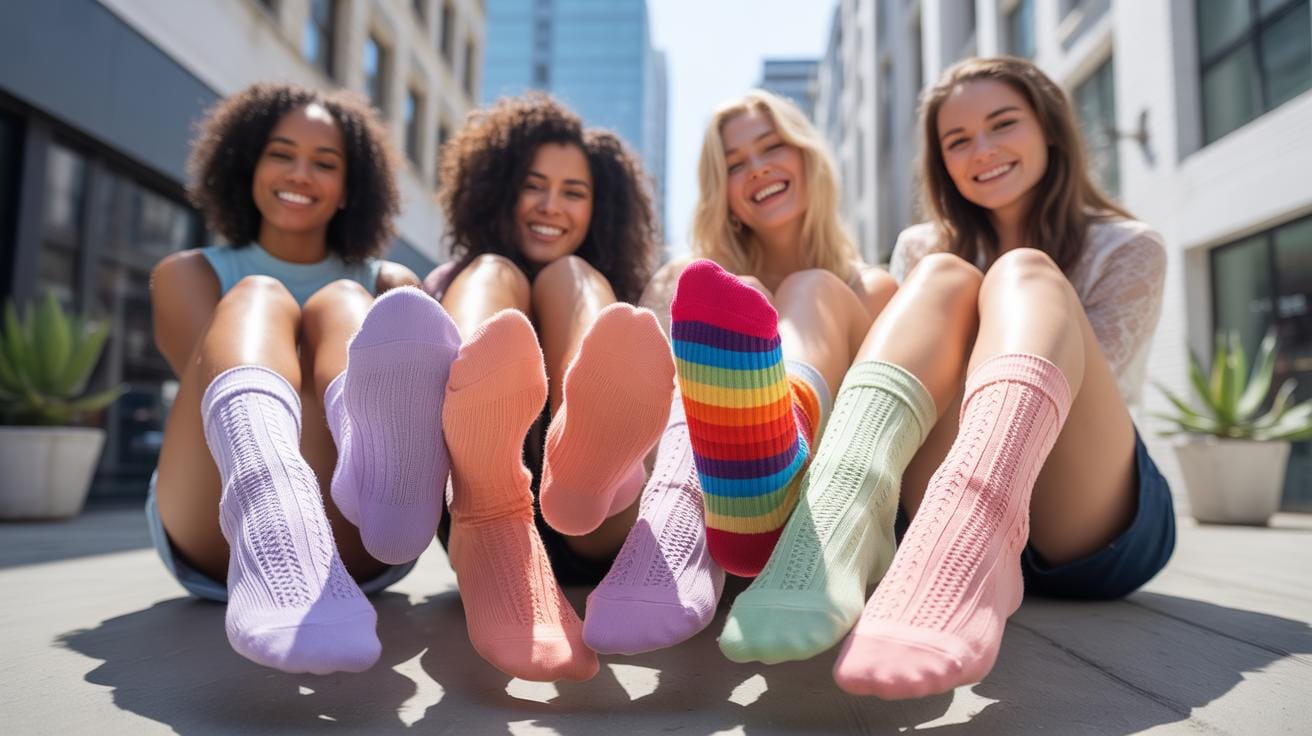
Socks are becoming more than just a functional item. They serve as a way to express style and personality. The trends in socks aesthetic play a significant role in today’s fashion world, especially among modern women.
This article reviews the current socks aesthetic trends influencing the design of women’s socks. You will learn about materials, patterns, colors, and what makes socks a style choice. We will also look at how to pick socks to match your outfit and setting.
Socks Materials And Fabric Choices

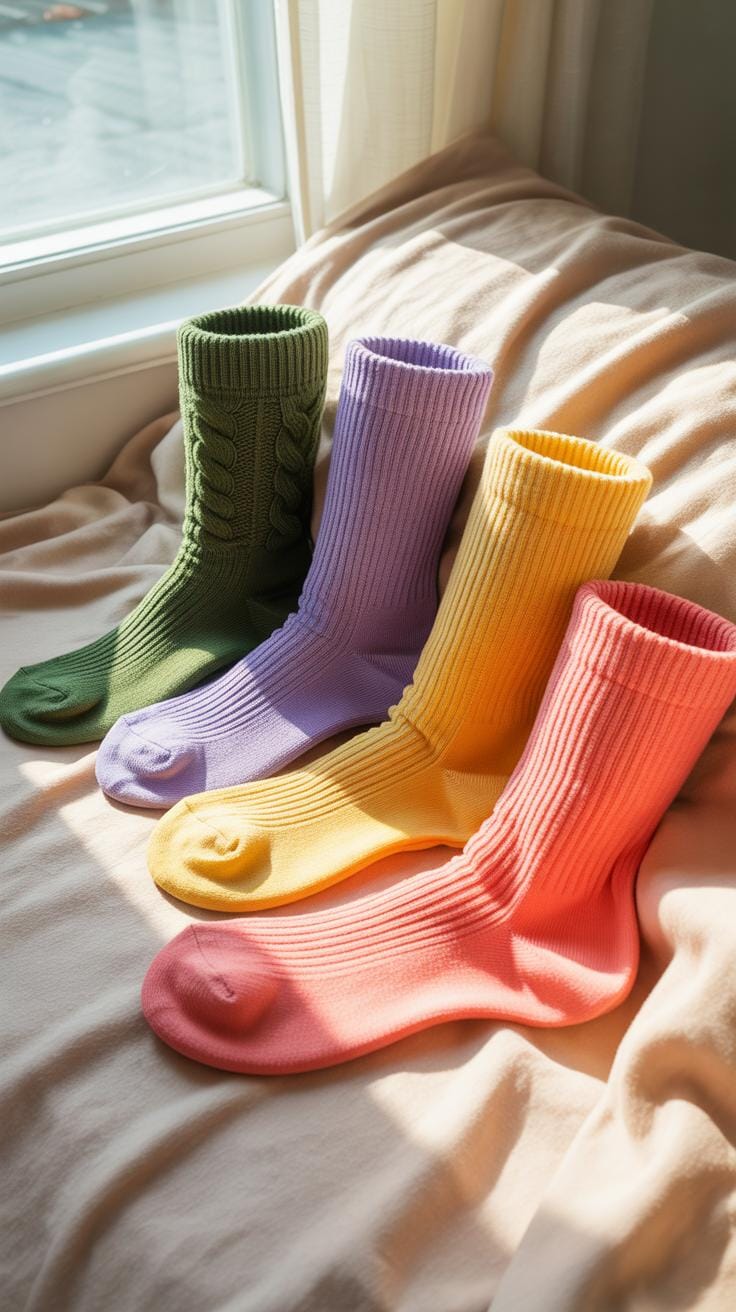
When choosing socks, especially for women, the fabric can significantly affect how the sock feels, lasts, and looks. Cotton, wool, and synthetic fibers are the most commonly used materials each offering unique traits.

Cotton stands out for its softness and breathability. It’s composed mostly of cellulose and is known for being comfortable next to the skin. You might notice cotton socks have a natural matte look, and while they feel great, they tend to wear out quicker than some alternatives.
Wool, on the other hand, comes from animals like sheep and is protein-based. This makes it feel quite different from cotton. Wool fibers have a natural crimp, which creates bulk and warmth. It’s excellent for insulation and moisture absorption but might feel itchier if you’re sensitive to textures.
Synthetics, such as nylon, polyester, and acrylic, are man-made fibers created through chemical processes. They can offer good stretch and durability, often lasting longer and retaining shape better than natural fibers. That said, they sometimes trap moisture and can feel less breathable. They also tend to be more cost-effective, which explains their popularity in fast fashion.
Cotton Versus Wool Features
Cotton socks are generally cool and breathable, making them suitable for everyday wear or warmer seasons. They absorb sweat well but can retain moisture, which might make feet feel damp over long periods. So, if your feet tend to sweat a lot, cotton socks might not always be ideal.
Wool socks excel in warmth and moisture management. Thanks to their natural crimp, they trap air for insulation and wick moisture away from the skin. This makes wool a great choice for cooler weather or outdoor activities. But, wool socks can sometimes feel bulky, and some might find them less soft, especially if the wool is coarser.
Choosing between cotton and wool depends on your comfort preferences and the situation. Do you want something lightweight and airy, or do you need warmth and moisture control? The answer isn’t always straightforward.
Synthetic Fabrics Impact
Synthetic socks have brought a new dimension to sock design. They often have excellent elasticity, which helps socks stay in place and fit snugly without sagging — a big plus if you move around a lot. Plus, their durability generally surpasses natural fibers, so they resist wear and tear well.
On the downside, synthetics might trap moisture and heat against your skin, which isn’t perfect if you have sweaty feet. Some synthetic socks aim to address this with moisture-wicking technology, but the effectiveness can vary between brands.
Cost-wise, synthetic socks are usually more affordable to produce, making them more accessible for a broader audience. Yet, if you value sustainability or a natural feel, synthetics might feel less appealing.
So, when considering synthetic socks, weigh their stretch and price benefits against the possible trade-offs in breathability and comfort.
Patterns Influencing Socks Aesthetic
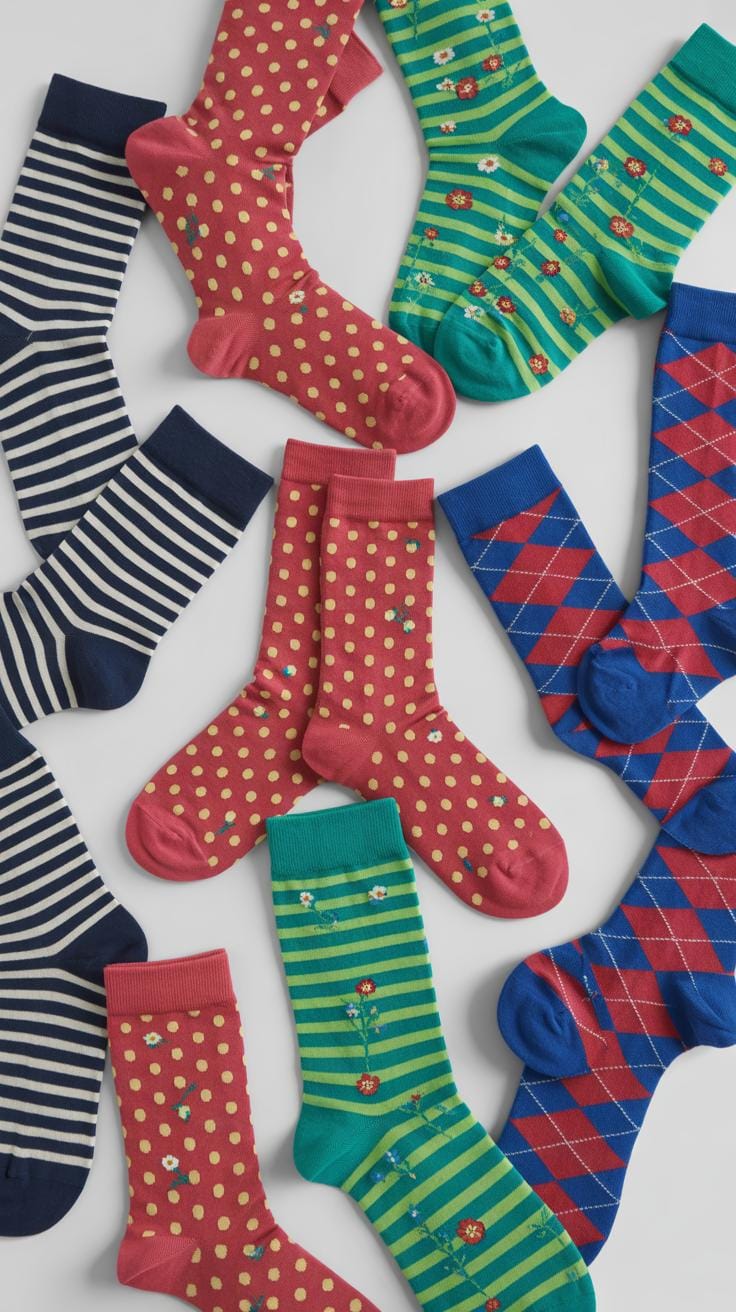
Pattern choice in socks might seem trivial, but it actually plays a big role in style. The right pattern can transform an ordinary outfit into something more interesting or cohesive. Common women’s sock patterns include stripes, polka dots, and florals. Each carries a distinct vibe and can either blend in or stand out depending on the occasion and outfit.
Stripes And Geometric Shapes
Stripes and geometric designs add a structured visual element, breaking up solid colors and adding energy to your look. Stripes can elongate or broaden the appearance of your legs depending on their direction and width. Geometric shapes, like diamonds or zigzags, bring texture and a sense of rhythm. These patterns usually match well with solid or neutral clothes, making them quite versatile. They can be casual or slightly formal, depending on the complexity of the design.
Floral And Novelty Designs
Floral and novelty socks often appeal because they add personality and a touch of whimsy. Florals can be delicate or bold, often lending a feminine, vintage, or playful air. Novelty designs, like quirky motifs or themed prints, make a statement and invite conversation. They’re great for casual wear, weekends, or when you want to express mood or interests subtly. But wearing them with formal or minimalist outfits can be tricky—it sometimes feels like a clash.
Color Selection For Socks Guide choosing sock colors
Neutral Socks For Versatility
Neutral sock colors like black, white, gray, beige, and navy play a surprisingly crucial role in your wardrobe. They’re the quiet heroes that blend effortlessly with nearly any outfit, providing flexibility that’s hard to beat. When you’re rushing in the morning or facing a busy day, having go-to neutral socks means you don’t have to think twice about matching colors. They work well with formal wear, casual jeans, and even semi-casual dresses, making them truly indispensable.
It’s easy to overlook how much easier life becomes not worrying about clashing colors or patterns. Yet, it’s not just about convenience; neutral tones can also create a subtle, polished look. But, of course, one might ask, do neutrals risk being too plain or boring? Sometimes, yes. However, their adaptability generally outweighs that, especially for those who prefer simplicity or want their socks to complement rather than dominate.
Bright Colors As Style Statements
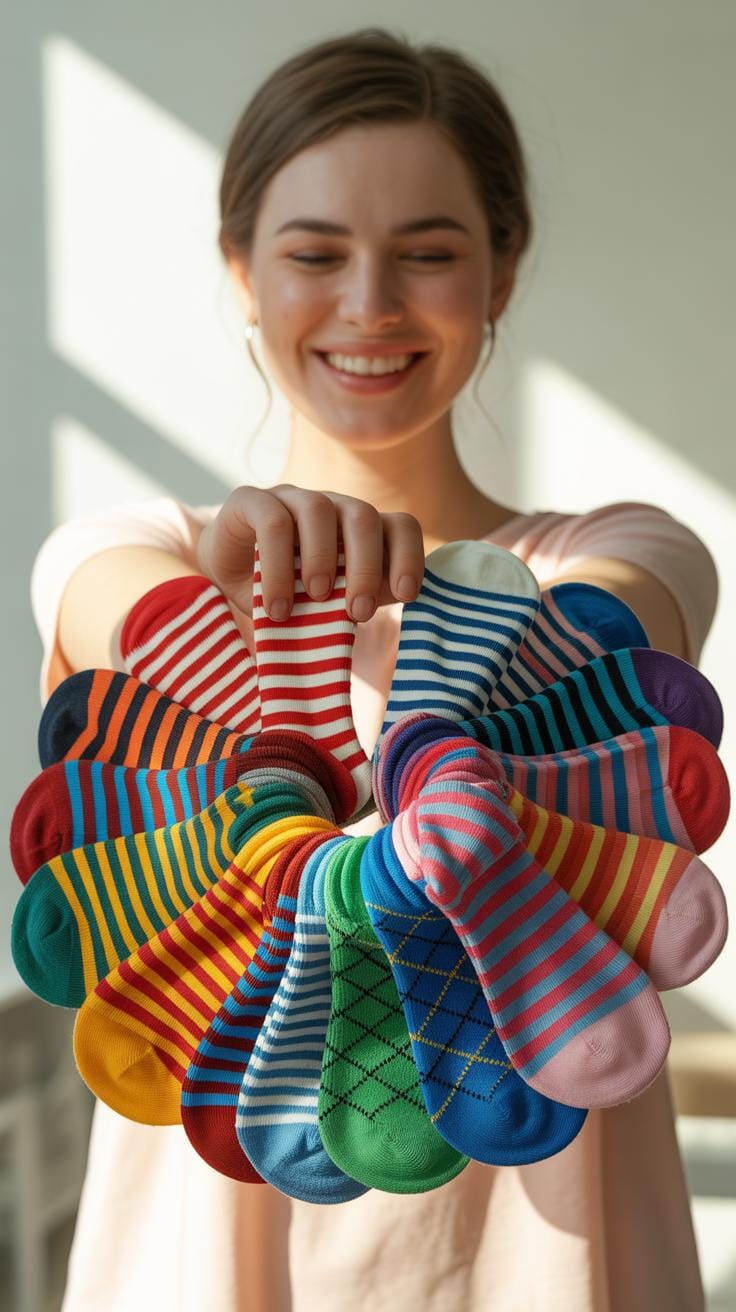
On the flip side, bright and bold sock colors make a statement. They tell part of your story when words don’t quite cut it. Choosing vivid reds, electric blues, or sunny yellows can show off your personality or mood. They grab attention—sometimes deliberately, sometimes unintentionally, but always effectively.
Bold socks can add flair to an otherwise neutral ensemble, or match a quirky outfit to amplify your style. But, here’s the twist: while they can boost confidence and express creativity, bold colors may also feel overwhelming or tricky to coordinate. What clothes do you pair them with to avoid a clash? Should the socks be the sole colorful element, or part of a harmonious palette? The answers will vary by personal taste, but one thing is clear: bright socks aren’t just accessories—they’re conversation starters.
How To Match Socks With Your Outfit
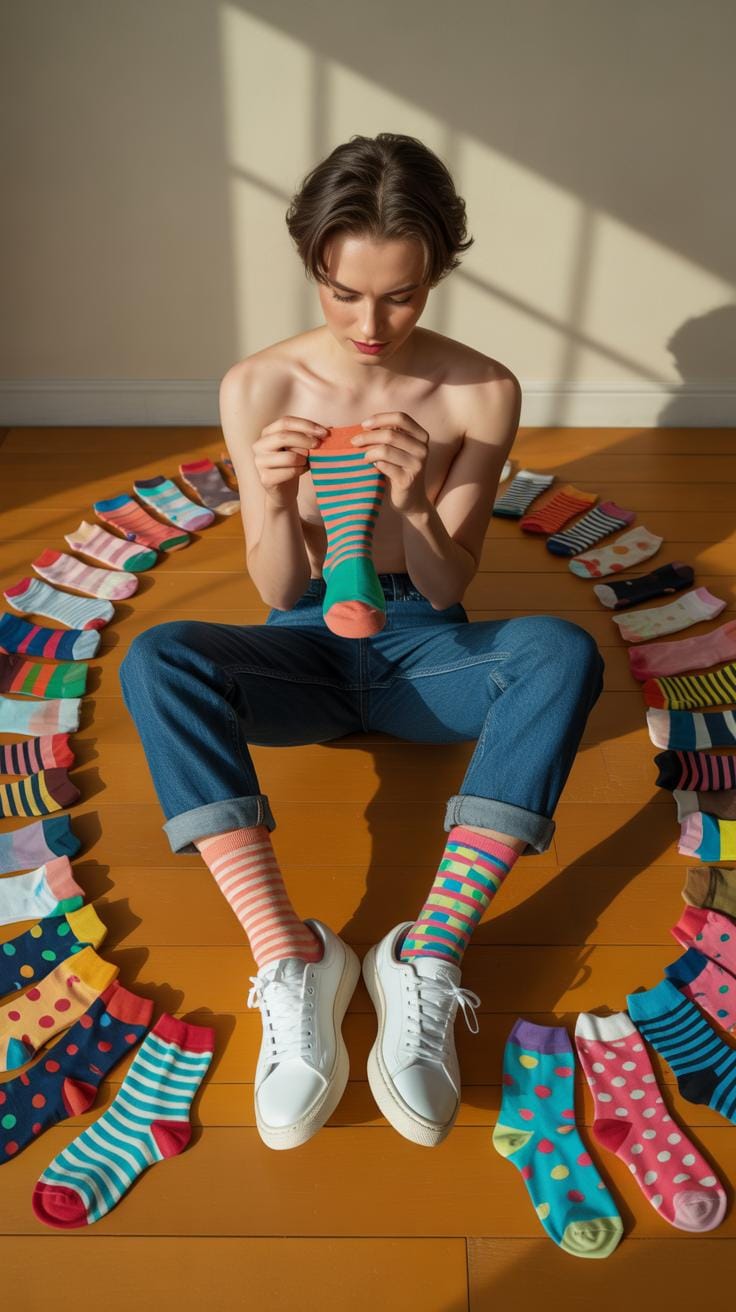
Choosing socks that fit well with your outfit can be quite the task. You might find yourself wondering if the socks should blend in or stand out. The answer often depends on the occasion and your overall style.
When it comes to casual outfits, you have more freedom. Bright colors, bold patterns, and playful designs are acceptable—sometimes even encouraged. Feel free to experiment with quirky prints or vibrant hues that reflect your personality. These can add a fun twist to simple jeans and sneakers or a laid-back dress.
Formal settings, on the other hand, tend to call for more subtle choices. Stick to neutral shades like black, gray, navy, or brown—colors that complement your shoes and trousers. Plain or minimally patterned socks work best here, helping to maintain a polished, professional look.
Regarding layering socks with shoes, the shoe style can really dictate the type of socks you should wear. For instance:
- Sneakers pair well with ankle or crew socks that peek out just a bit—think sporty and comfortable.
- Loafers or flats often go well with no-show socks or thin, barely-there socks to keep the look sleek.
- Dress shoes typically require longer sock lengths that cover the calf, ensuring no skin shows when you sit or cross your legs.
Matching socks feel like a small detail, but they can change the whole vibe. You might want to match socks to your pants for a seamless look or pick up a color from another part of your outfit to tie everything together. It’s a chance to express subtle creativity—or simply avoid a fashion faux pas.
Check Your Socks Care Routine

Taking care of your socks isn’t as straightforward as throwing them in the wash, right? You want to keep them looking good and feeling comfortable, so you need some practical tips on washing and storing. It’s easy to overlook how your washing routine can slowly wear the fabric down or make colors fade too quickly. Have you ever noticed those tiny fuzz balls appearing sooner than expected? That’s often the result of improper washing or storage.
For washing, consider the material. Cotton socks can usually handle regular machine washing, but do you really want to expose delicate cashmere or wool to the same treatment? Some fabrics need gentler care to avoid shrinking or losing softness. And I think air drying is often better—yes, it takes longer, but a dryer can distort the shape and elasticity of socks.
When it comes to storage, simply tossing your socks in a drawer might be convenient, but it does take a toll on their shape and wear. Folding them properly or using dividers can reduce stretching and prevent holes. Also, keeping them away from direct sunlight and moisture is something that’s sometimes forgotten but crucial. You might not think sock care matters that much, but over time, these small habits add up to a longer lifespan and better-looking socks.
Washing Instructions For Different Materials
Different socks, different needs. Cotton socks are generally durable, so machine washing at moderate temperatures usually works fine. Toss them in cold or warm water rather than hot, to reduce fading and shrinking. But what about wool or cashmere? These demand a gentler touch. Hand washing in cool water with a mild detergent is best, and drying flat prevents misshaping.
Synthetic blends, like nylon or polyester, can handle machine washing too, but with caution—too hot and the fibers might degrade. Avoid bleach regardless of material; it’s harsh and breaks down fibers quickly. And pause on fabric softeners—they can affect your sock’s breathability, which defeats one of their key purposes.
Storage Tips To Avoid Damage
Ever wonder why some socks lose their stretch or acquire odd creases? Storage methods have a lot to do with it. Avoid balling socks up; this stresses and stretches the fabric over time. Instead, try folding them flat or rolling them gently. Using drawer dividers or boxes can keep pairs together and prevent snagging on other clothing.
Also, consider the environment where you store them. Damp, dark places might encourage mildew or unpleasant odors. Direct sunlight can fade colors and damage fibers. A cool, dry drawer or box is ideal. If you’re like me, sometimes offhanding a pair on the floor might seem harmless—but it’s not exactly the best for socks’ longevity.
So, does it seem like a bit much? Maybe. But if you want to protect your investment in stylish, comfortable socks, a bit of care goes a long way. Have you given your socks the attention they deserve lately? It might be time to rethink the routine.
Socks Aesthetic In Different Cultures
Traditional Socks Styles Worldwide
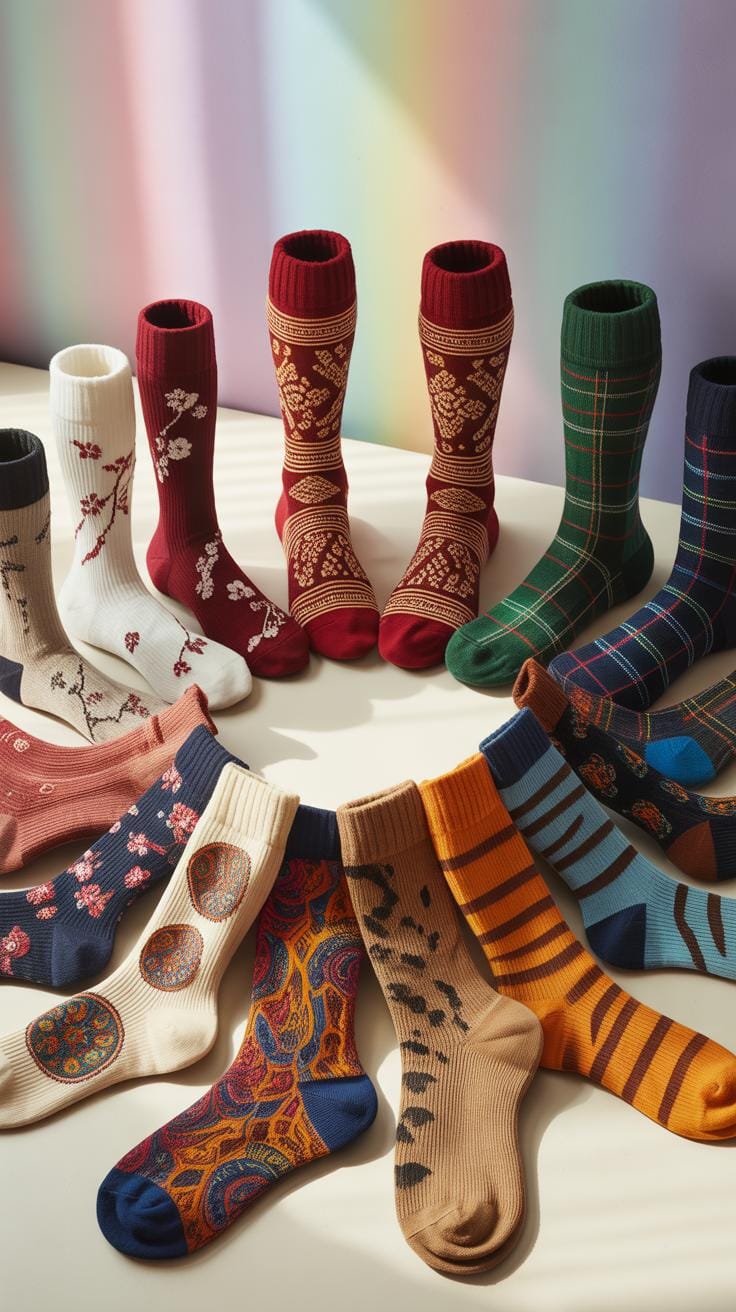
Socks have traveled through history and culture with distinct designs rooted in their origins. For instance, Egyptian socks from the 11th century reveal fine, colorwork patterns reflecting practical craftsmanship. Spanish medieval knitters produced intricate silk socks with motifs such as family crests and blessings, merging function with symbolism.
You also find woolen mitten fragments from Estonia dating back to the 14th century, demonstrating stranded color patterns important in northern European traditions. Such socks weren’t only clothing, but stories on feet, imbued with history and meaning. It makes you wonder — how much of these narratives do our favorite pairs of socks carry, unknowingly?
Adapting Cultural Trends Today
These ancient techniques and motifs seep into contemporary sock fashion in curious ways. Modern designs often incorporate patterns inspired by global folk art, blending vivid color blocks from Scandinavian knits with angular shapes echoing Middle Eastern calligraphy. It’s like a quiet conversation between vastly different cultures.
Yet, this fusion can be uneven. Some designers stay faithful to heritage patterns, while others remix visuals freely, sometimes emptying them of original significance. You might notice this in your sock drawer or in the shops. It invites a subtle question — are today’s global designs enriching cultural stories or diluting them?
Socks Aesthetic Trends For Seasons
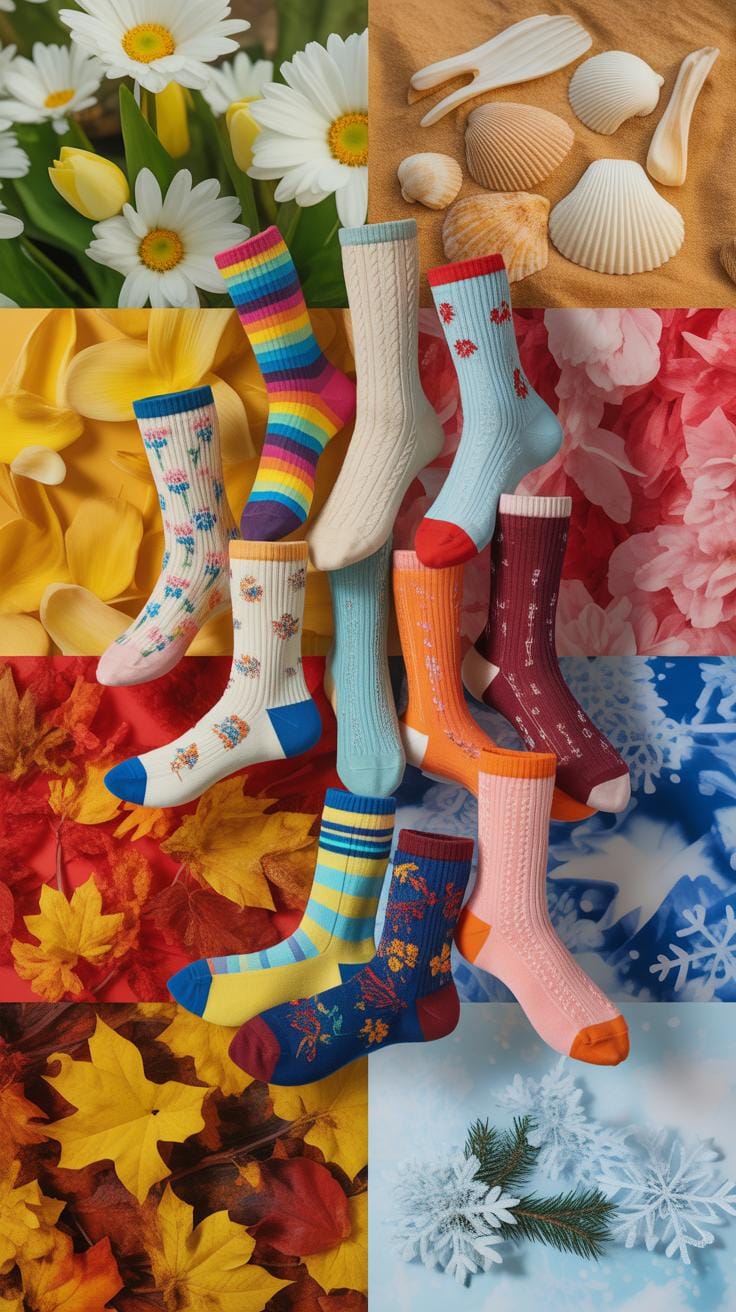
Seasonal shifts have a direct impact on how socks look and feel. You might notice the textures and colors changing more than you realized—there’s a reason behind it. As temperatures drop, socks tend to get thicker and warmer, embracing cozy materials like wool or blends that keep your feet snug. Colors switch too, with earth tones and muted shades dominating cooler months.
When spring arrives, there’s a noticeable lightening both in fabric and palette. Breathable cottons and linens replace heavier knits, making it easier to stay comfortable. Colors become fresher, often inspired by blooming flowers or the brightness of longer days. Yet, sometimes, there’s an odd mix—some may still cling to winter’s warmth or vibrant hues, showing that sock fashion isn’t always straightforward.
Warm Socks For Fall And Winter
As the cold settles in, sneaker socks give way to thicker, often ribbed or cable-knit styles. Merino wool stands out—a favorite for its insulation without bulkiness. Acrylic and blends with fleece linings also show up, perfect for those chillier mornings or crisp evenings. Browns, deep burgundies, navy, and forest greens are popular, reflecting a connection to nature’s seasonal palette. Sometimes, bright reds or patterns like argyle sneak in, perhaps to break the monotony of dull winter wardrobes.
Lightweight Socks For Spring And Summer
When warmth returns, so do socks that breathe. Cotton blends, bamboo fabrics, and sometimes sheer nylons become evident players. These materials help keep feet dry and cool, essential for the longer days and increased activity. Color-wise, pastels, whites, and delicate floral prints dominate—though vivid neons occasionally pop up, challenging the idea that spring and summer socks should be subtle. The season encourages experimentation, and you might find yourself mixing materials or colors you never thought would pair well.
Innovations In Socks Design
Comfort Enhancements In Socks
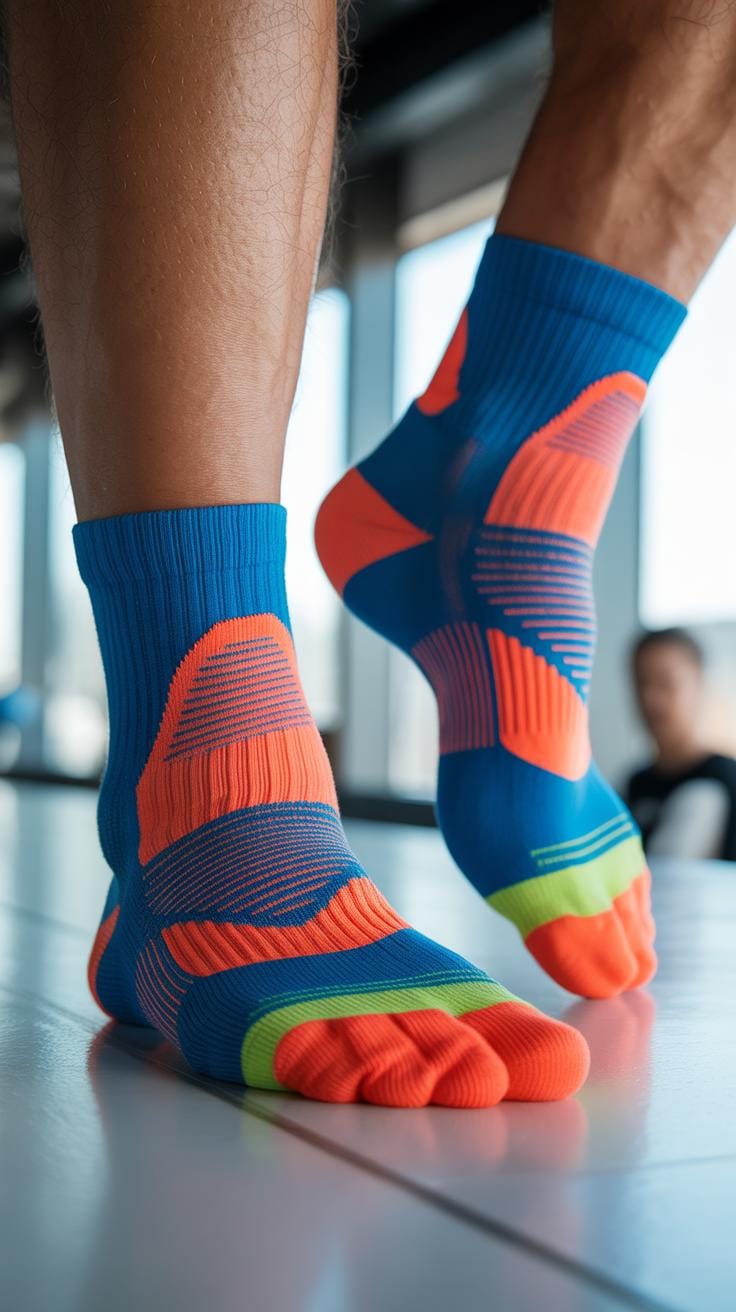
Let’s talk about cushioning first. Modern socks often include targeted padding areas—like the heel and ball of the foot—to absorb impact during walking or running. I think this small detail can make a noticeable difference, especially after a long day on your feet.
Arch support has come a long way too. Some socks now offer built-in compression zones that snugly embrace the arch, helping to reduce foot fatigue. It’s not just about comfort but also about promoting better circulation.
And then there are breathable fabrics. The game-changer here is moisture-wicking materials, often blends of synthetic fibers and natural ones like merino wool. These fabrics manage sweat better, keeping your feet dry and, I must say, feeling less… well, sweaty. This can prevent a lot of discomfort and even skin issues.
Design Techniques For Style
Now, about the aesthetic end. Printing methods have evolved—digital printing, for example, allows for highly detailed and vivid patterns on socks, way beyond the traditional knit patterns. This means socks can be tiny canvases for complex art or playful designs.
Textures play a subtle but important role too. Using varied knitting techniques, designers create textures that you can both feel and see—ribbing, cables, or mesh panels add visual interest and sometimes practical benefits like enhanced breathability or stretch.
These techniques can turn an ordinary pair of socks into something that catches the eye, maybe even starts a conversation. Have you noticed how a simple print or texture can transform your whole outfit? It’s interesting how much style can be packed into such a small garment.
Socks Shopping Tips And Brand Choices
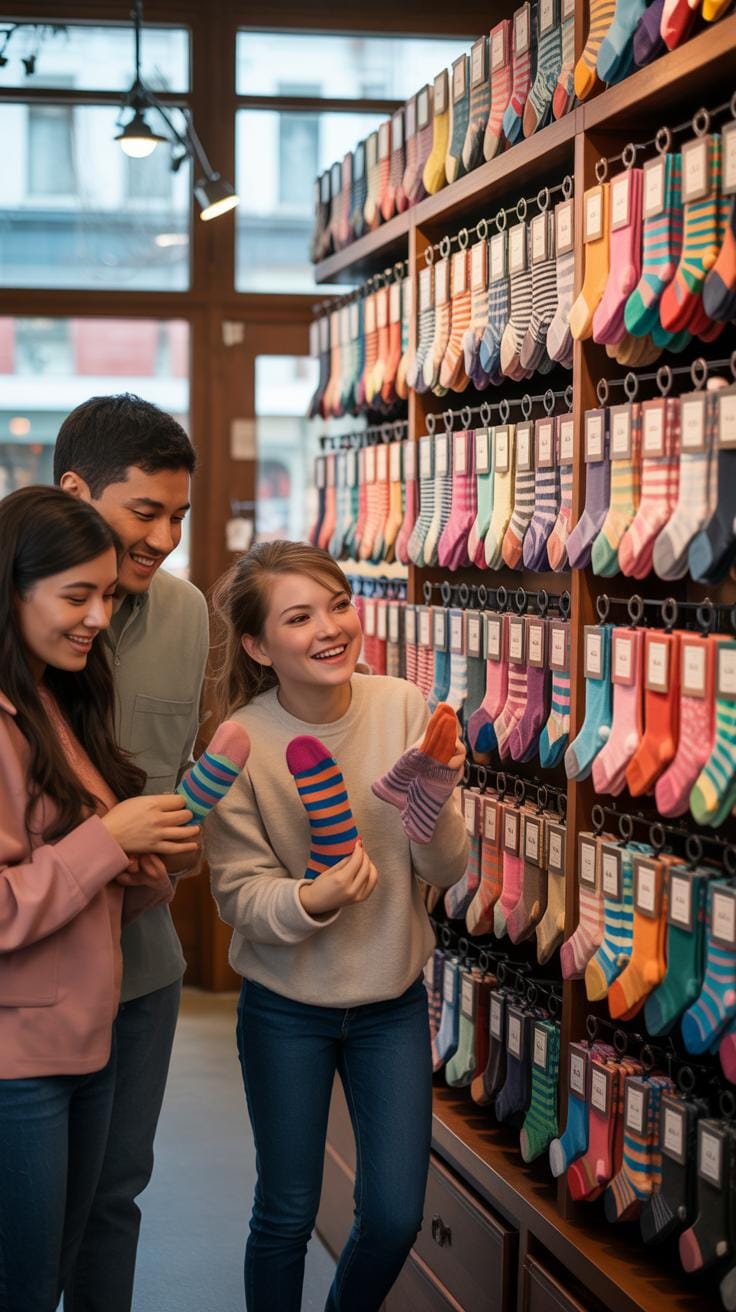
When you’re in the market for socks, quality matters. It’s not just about appearance but how they hold up over time. You want to look closely at the stitching — uneven or loose threads are a red flag. Socks should feel smooth to the touch but not too thin unless they’re meant to be sheer. The fit is just as crucial; a sock that bunches or slips down quickly won’t serve you well. I once bought a pair that looked fantastic, but the fit was off and they barely lasted a week.
Certain brands have earned reputations for producing fashionable socks that also last. You might want to explore brands like Bombas, which focus on comfort and social impact, or Happy Socks for colorful, trend-forward options. Falke is another, known for elegant designs with a snug fit. Each brand brings something different to the table, so it depends on what you prioritize most. Do you lean towards durability, style, or ethical production? The choice can be a bit perplexing, but it’s worth considering what works best for your lifestyle.
Conclusions
Understanding socks aesthetic trends helps you select socks that complement your clothing and express your style. Modern women use this small garment to make statements and complete their look.
Keeping up with trends like material choice, pattern variety, and color use can enhance your wardrobe. Socks are no longer just practical items but crucial parts of modern fashion. Choose socks wisely to add flair and confidence to your day.