How Pop-Up Events Boost Fashion Brands
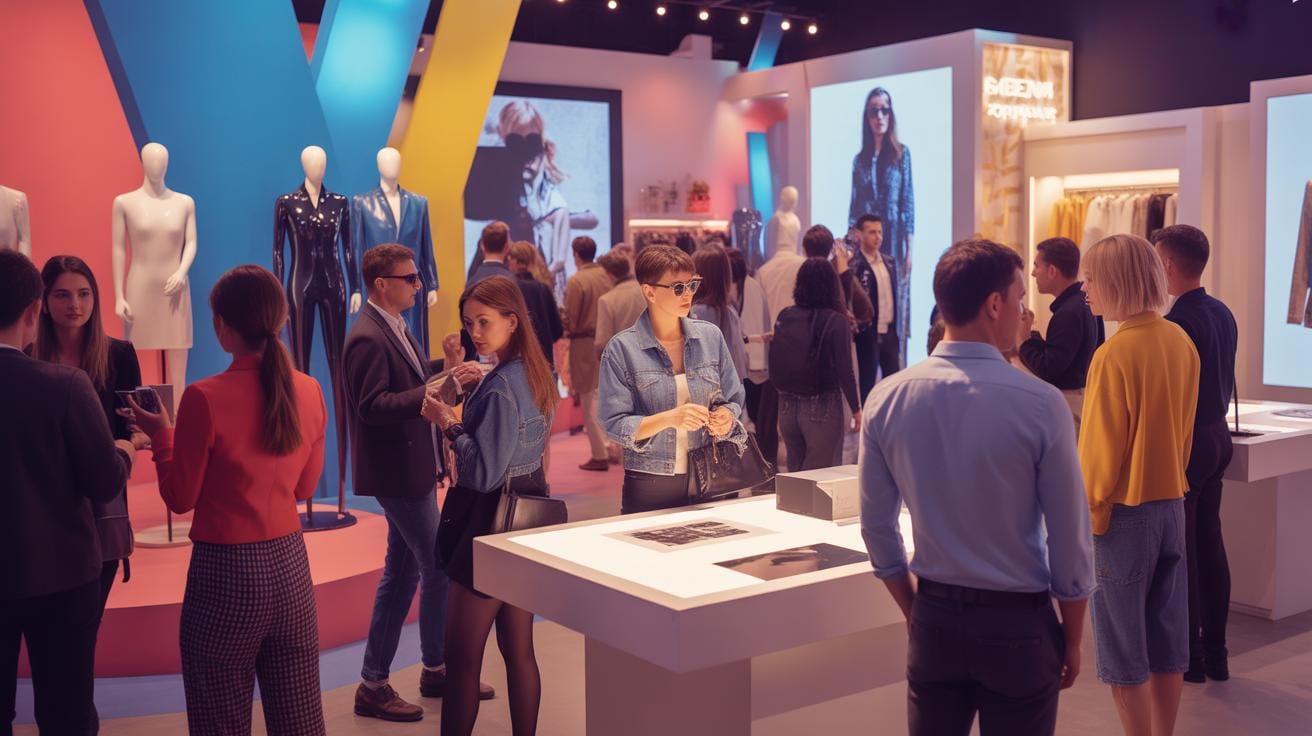
Brand activation through pop up events has become a powerful tool in fashion marketing. These events offer a unique way to connect your brand with customers in a stylish, memorable environment. In this article, you will find practical ideas to create a pop up event that works well in the fashion industry, motivating your audience and boosting your brand visibility.
From choosing the perfect spot to engaging visitors, we will guide you through steps that help you design a pop up event that reflects your brand’s style. Whether you are new or experienced in marketing, these tips will help you make an impact with your pop up event.
Setting Objectives For Your Pop Up Event

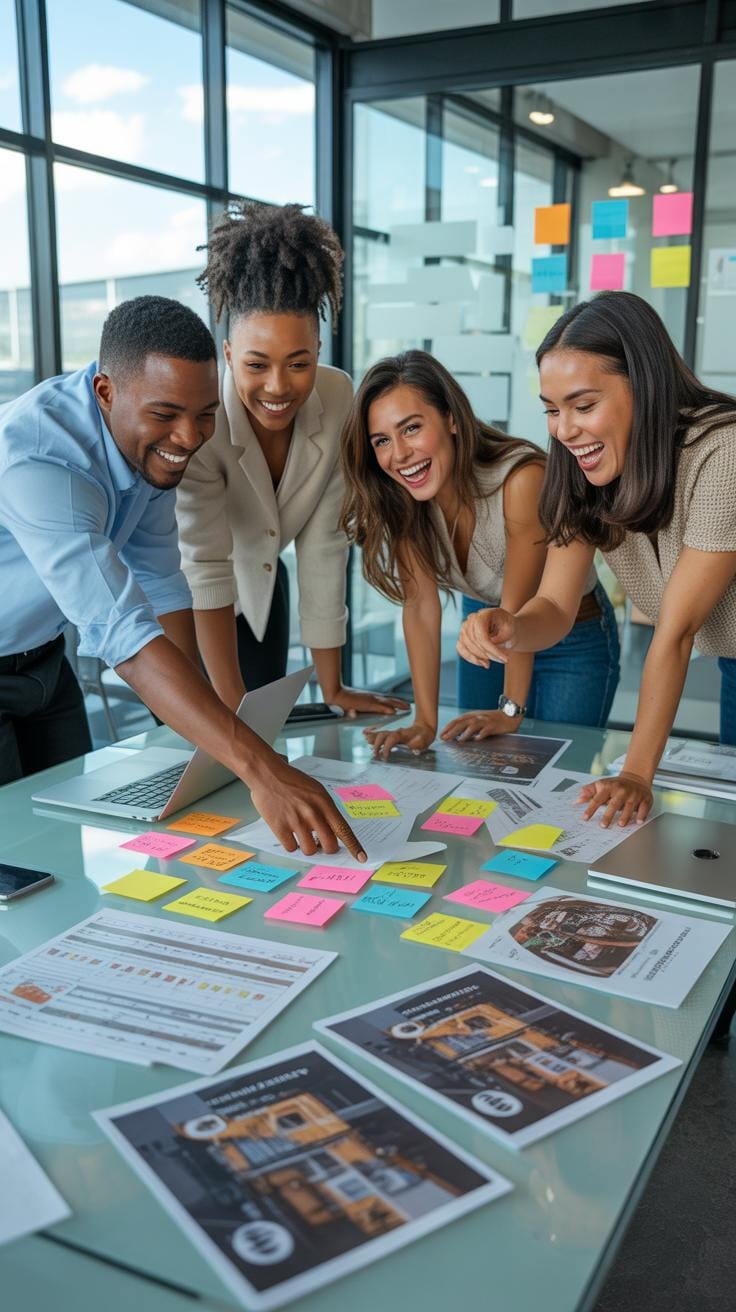
When planning a pop up event for fashion, having clear goals is key. Without them, the event might feel like just a fun day without much direction or impact. Are you aiming to boost brand awareness? Perhaps you want to drive sales directly. Or maybe engaging customers in a meaningful way is your top priority. Each objective shapes the event differently.

For example, if brand awareness is the goal, creating immersive visual experiences and social media-friendly moments can be effective. A denim brand might highlight craftsmanship through live demonstrations. If it’s about sales, limited edition pieces available only at the pop up could motivate quick purchases. Customer engagement might mean interactive workshops or styling sessions, offering depth beyond transactions.
What Are Your Brand Goals
One of the hardest parts can be figuring out your primary objectives. Is your brand entering a new market? Then awareness could lead. Are you prepping for a new collection launch? Sales and buzz matter there. Sometimes goals overlap, making prioritization tricky. But the clearer you are, the better your event setup—be it location, messaging, or staff training. These choices ripple through every detail.
Measuring Success After The Event
Post-event reflections are where many miss the chance to learn. Sales numbers are an obvious measure—did the pop up deliver revenue or push certain products? Yet, raw data only tells part of the story. Customer feedback, whether via surveys or casual chats, reveals sentiment and unmet needs. And then there’s social media impact—shares, comments, new followers—which hints at ongoing engagement beyond the event’s end.
Tracking these aspects isn’t always straightforward. It may require setting up simple tracking tools or preparing staff with clear questions. But taking the time helps refine your approach for future events. So, what did your pop up really achieve? Did it spark new interest or just entertain? Insights here unlock lasting value, making your next activation more focused and impactful.
Selecting The Ideal Pop Up Location
Key Factors for Choosing a Location
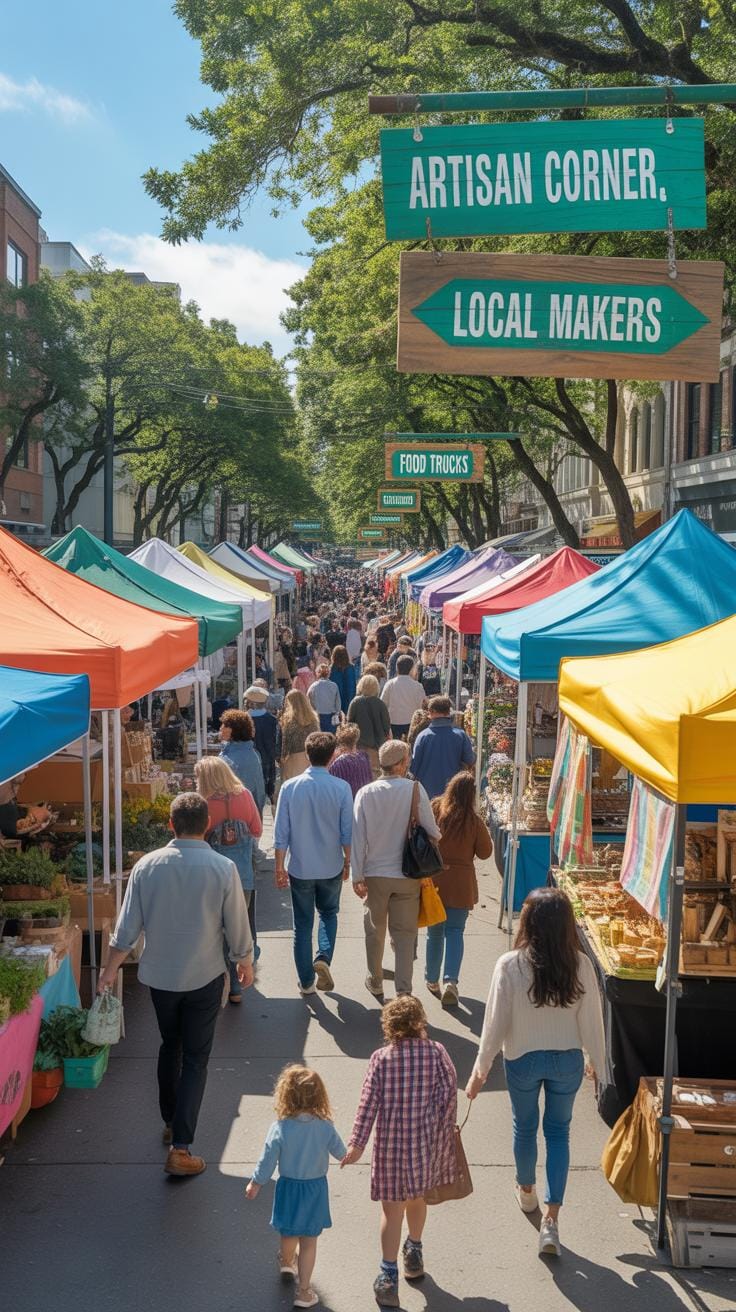
When planning a fashion pop up event, location is critical but not just any spot will do. One factor you simply can’t ignore is foot traffic. A bustling street or venue ensures a steady stream of potential customers, but quantity doesn’t always mean quality. It’s also about the kind of crowd; are they your target audience? I’ve seen events with heavy foot traffic that barely convert because the demographics just didn’t match.
Think about the venue’s style too—does it complement your brand’s vibe? For example, a sleek, modern brand might lose impact in a historic or rustic venue. And neighborhoods… demographics can be tricky. Fashion-conscious neighborhoods with a mix of age groups and income levels tend to work best, but sometimes niche or emerging areas yield surprisingly loyal followers.
Location Types That Attract Fashion Fans
Shopping districts are an obvious choice because they naturally draw consumers who are already in a buying mindset. But don’t overlook trendy neighborhoods; these areas often have a buzz that can lift your brand even if the crowd is smaller. Event spaces designed for pop ups can provide flexibility and amenities that public places lack. Interestingly, I once attended a pop up in a converted warehouse in a less central neighborhood, and the exclusivity of the location actually made it feel more intimate and special.
Checking The Space Practicalities
Before committing, there are some practicalities to check. Size matters—you don’t want the space so cramped that visitors feel uncomfortable nor so large that it feels empty. Facilities like lighting, power outlets, and restrooms can make or break the experience. Accessibility is also crucial—both in terms of physical access and transportation options. Finally, cost must be balanced against your budget and expected ROI. Sometimes a pricier spot with perfect conditions pays off better than a cheap, problematic space.
Designing The Event Atmosphere
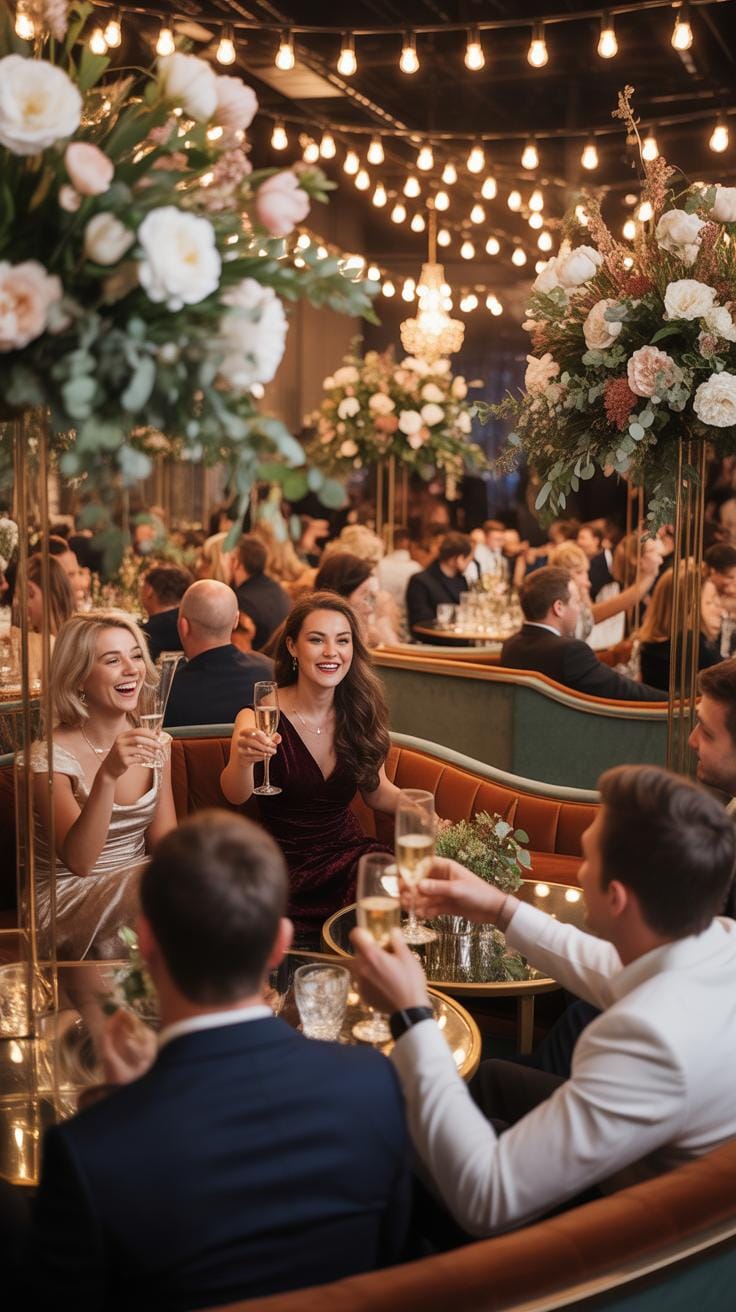
When you think about a pop up event, it’s more than just a temporary shop or showcase. It’s a chance to bring a fashion brand’s story to life through every detail in the space. The visual and sensory design sets the tone, making an immediate impression about the style and values of the brand. This is where the event starts to feel real and tangible.
Visual elements need to be carefully chosen. Think about signage that uses the brand’s typography and colors—not just functional, but expressive. Displays should highlight key pieces but also create a mood; it might be minimalist and sleek or warm and eclectic depending on the brand’s identity. Lighting is crucial: soft and diffused to invite exploration, or bright and dramatic to highlight textures and colors. Decoration can add layers—perhaps subtle patterns or interesting materials echoing the fabric or style the brand champions. It’s about reinforcing who the brand is without overwhelming the clothes themselves.
Then there’s the visitor experience. Making people comfortable encourages them to stay longer and engage more deeply. A few thoughtful seating spots can offer rest and invite conversation, breaking the fast pace of most events. Music helps establish vibe; the right playlist can subconsciously link visitors to the brand’s aesthetics or energy. And layout matters—flow should feel natural, allowing eyes to wander freely but also guiding focus subtly. It’s not just about showing off your pieces; it’s about creating a feeling that visitors will associate with your brand long after they leave.
Inviting Influencers And Media
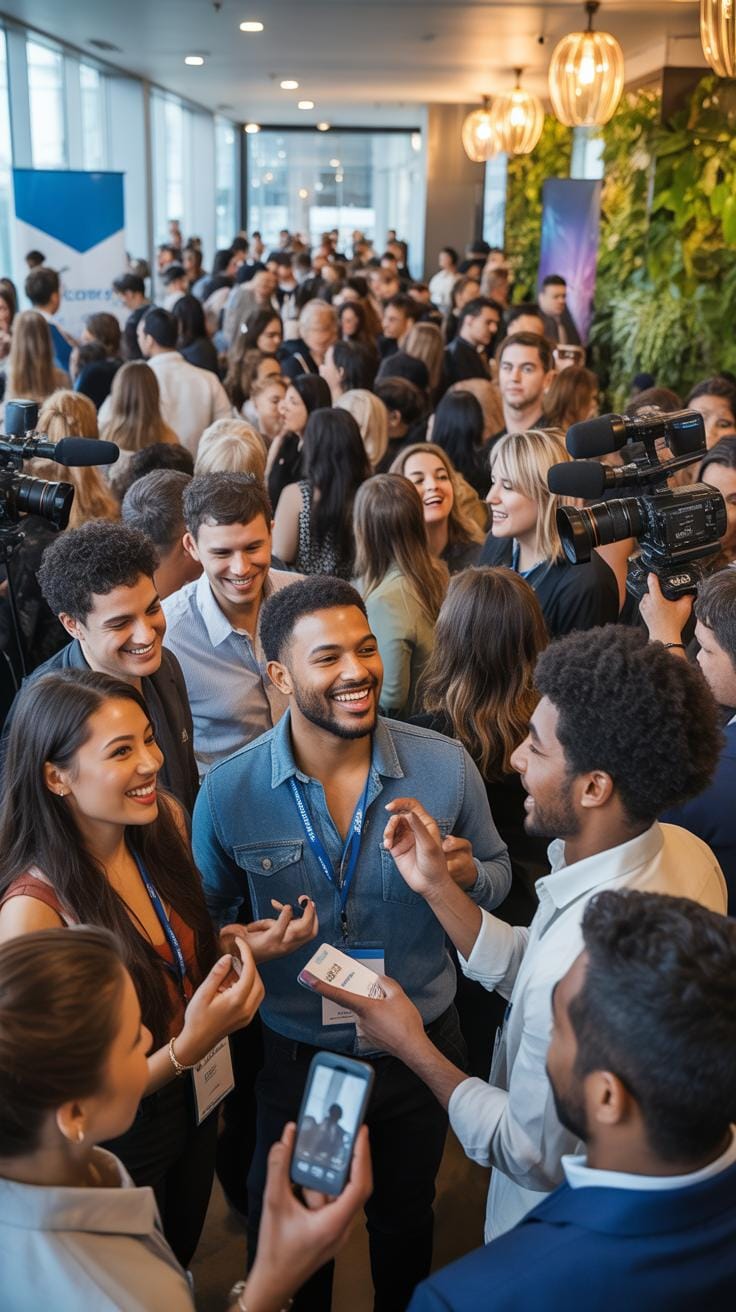
Inviting fashion influencers and media to your pop-up event can really shift the dynamic — it brings energy and reach that traditional ads simply can’t match. Influencers have followers who trust their opinions; media outlets can amplify your story beyond your immediate circle. But picking the right people to invite matters a lot.
Who To Invite And Why
Think beyond big names. Micro-influencers with engaged, targeted followers often generate more authentic buzz. Then there are style editors, fashion bloggers, and local trendsetters who shape narratives within niche markets. You might want to consider influencers who reflect your brand’s values — sustainability advocates if your line is eco-conscious, for instance.
The media, too, varies. Regional magazines or lifestyle blogs can help you tap into communities that bigger outlets overlook. Your invitation list should be a blend of personalities with an active, relevant audience.
How To Approach And Engage Them
Start with personalized outreach. Automated messages rarely inspire action. Reference the influencer’s past work or interests and explain why your event would be meaningful for them to attend. Offer exclusive previews, backstage access, or chances to co-create content. Maybe invite them to a private fitting or styling session — experiences they can’t get elsewhere.
Keep communication light, genuine, and flexible. It’s tempting to overload with details, but giving them space to express their own angle on your event often leads to better coverage. Remember, they’re wary of being just a promotional tool, so aim for authentic engagement over pitchy messages.
Using Social Media During The Event
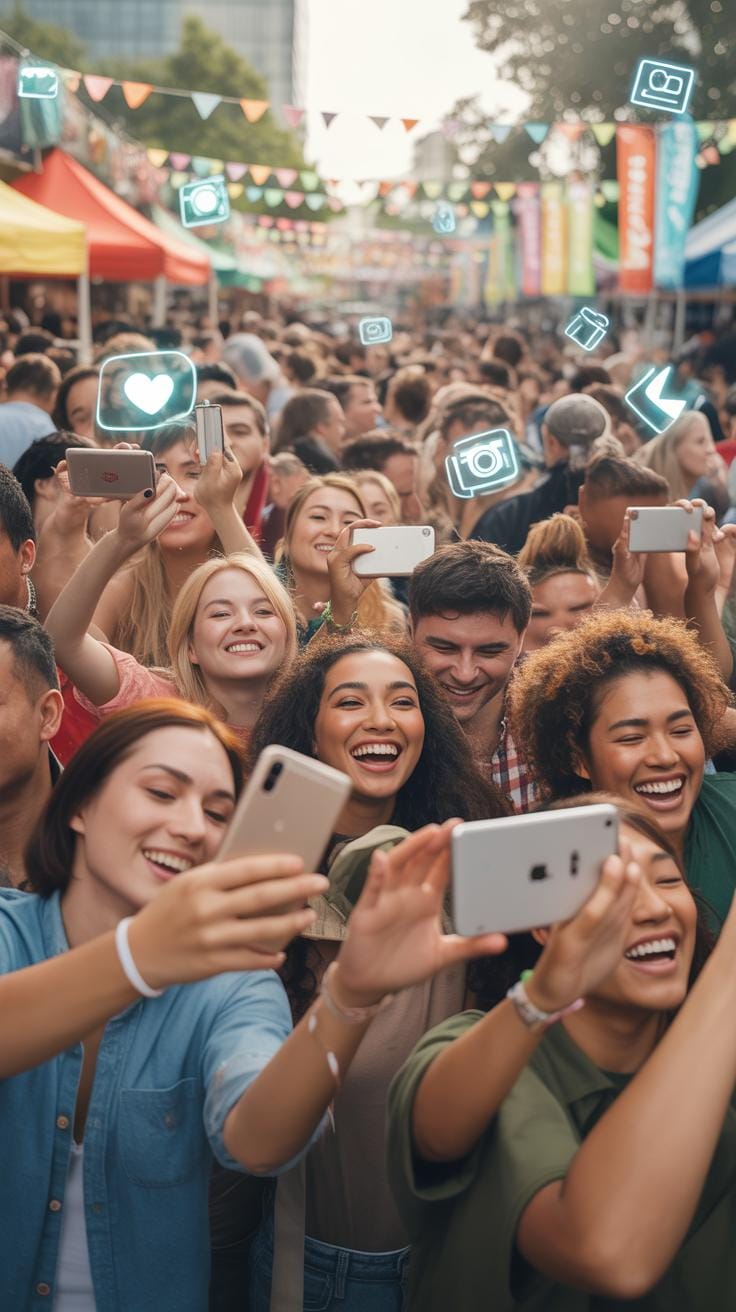
When your pop up event unfolds, social media can be a powerful tool—if you know how to handle it right in the moment. One approach is to keep your channels updated frequently but not overwhelmingly. Think of posting short bursts that catch the eye: quick snaps of the crowd, interesting displays, or even behind-the-scenes shots that show the human side of the event.
Live streaming is another tactic that can draw people in, virtually, to experience the buzz as it happens. It makes the event feel accessible and real, even if they can’t be there physically. But this does require some planning—a reliable internet connection, someone dedicated to capturing authentic moments, and a clear idea of what segments your viewers want to see.
Also important is engaging with those who comment or share. Respond quickly—sometimes spontaneous interactions create loyalty more than polished posts do. You might find unexpected highlights in what your audience finds exciting. Don’t hesitate to encourage attendees to tag your location or mention the brand. That organic reach can push your event’s vibe farther than any paid ad.
Creating A Unique Hashtag And Content
Choosing a hashtag isn’t just about slapping your brand name with a trendy word. The best hashtags are memorable yet simple, making it easy for guests to include in their posts without second-guessing the spelling. It can be a play on your brand’s identity, the theme of the event, or even a catchy phrase that sparks curiosity.
Once you have your hashtag, how do you get attendees on board? Ask them to use it actively by setting up spots that invite photos—like a photo booth with props or a visually striking installation. Sometimes, offering small incentives for sharing, like entering photo posts into a prize draw, nudges participation. You want this to feel natural, almost as if guests are helping shape the event’s story one post at a time.
Posting Live Updates And Stories
Quick, authentic updates work best here. Post images and short videos that capture the flow—people engaging, products in use, even candid smiles. Stories have a fleeting quality which encourages followers to keep checking back without feeling overwhelmed by permanence.
Mix up your content: behind-the-scenes clips, candid moments, or brief interviews with attendees. A tricky balance exists between being present and overloading your feed. Too many posts might tire your audience; too few risk losing momentum. Aim to create a rhythm that matches the event’s energy.
And don’t forget to coordinate your team if more than one person is posting. This avoids duplicate content and keeps your brand voice consistent. Sometimes, mixing up perspectives—like someone focusing on product details and another on crowd reactions—gives a fuller view of the event’s atmosphere.
Offering Interactive Activities
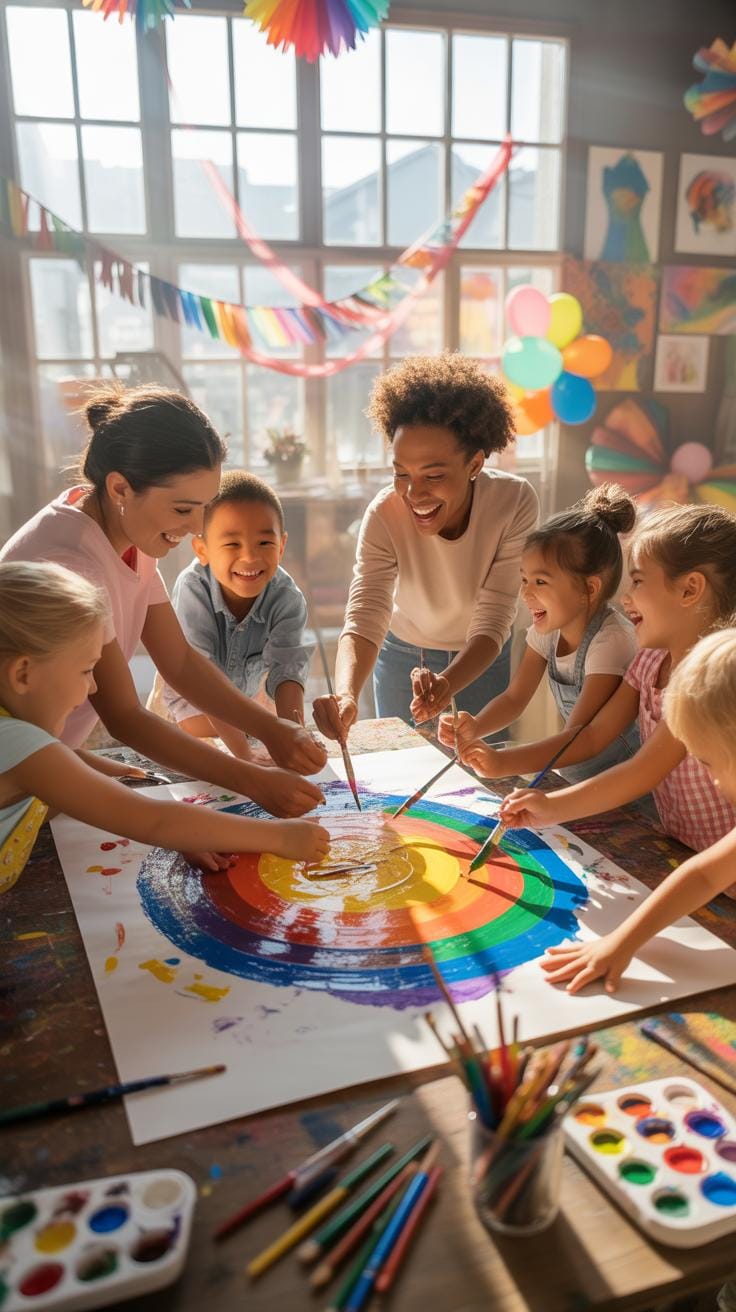
Interactive activities at a pop up event can really pull visitors in, creating moments they remember well after the event ends. When people engage actively, they don’t just passively absorb a brand message—they experience it firsthand. I think this kind of engagement turns a fleeting visit into a lasting impression, which is what every brand hopes for. Simple elements like touch-and-feel stations or style games invite curiosity and participation, triggering a connection that’s more than skin-deep.
Something about hands-on involvement just sticks, doesn’t it? This could be as straightforward as trying on pieces, mixing and matching styles, or even contributing to a collaborative art piece tied to the brand. These activities spark conversations, encourage sharing, and often shift visitors from mere spectators into advocates.
Fashion Workshops Or Style Consultations
Offering fashion workshops or style consultations adds a tangible layer of value for attendees. Imagine a small group session where a stylist breaks down the principles of pairing colors or accessorizing for different occasions—people learn while they connect with your brand.
These sessions invite questions and personal input, making the experience feel tailored. The benefit lies in the dual role these activities play: visitors leave with new knowledge and a personal attachment to the brand that’s hard to replicate through traditional marketing. Sometimes, you’ll notice these sessions draw repeat visitors, a sign of genuine interest sparked through direct involvement.
Photo Booths And Social Sharing
Photo booths can feel like a simple addition, but their impact might surprise you. They give visitors a fun, tangible takeaway—and often, a reason to share their experience online. When attendees post photos featuring your brand’s backdrop or products, they extend your event’s reach far beyond those physically present.
It also taps into a natural desire to document moments and share identity. The key is designing booths that look appealing enough to encourage selfie culture without feeling forced. It’s a balance between inviting creativity and maintaining brand coherence. Plus, hashtags or event handles displayed clearly can subtly guide social sharing, spreading awareness organically.
Building A Product Display That Sells
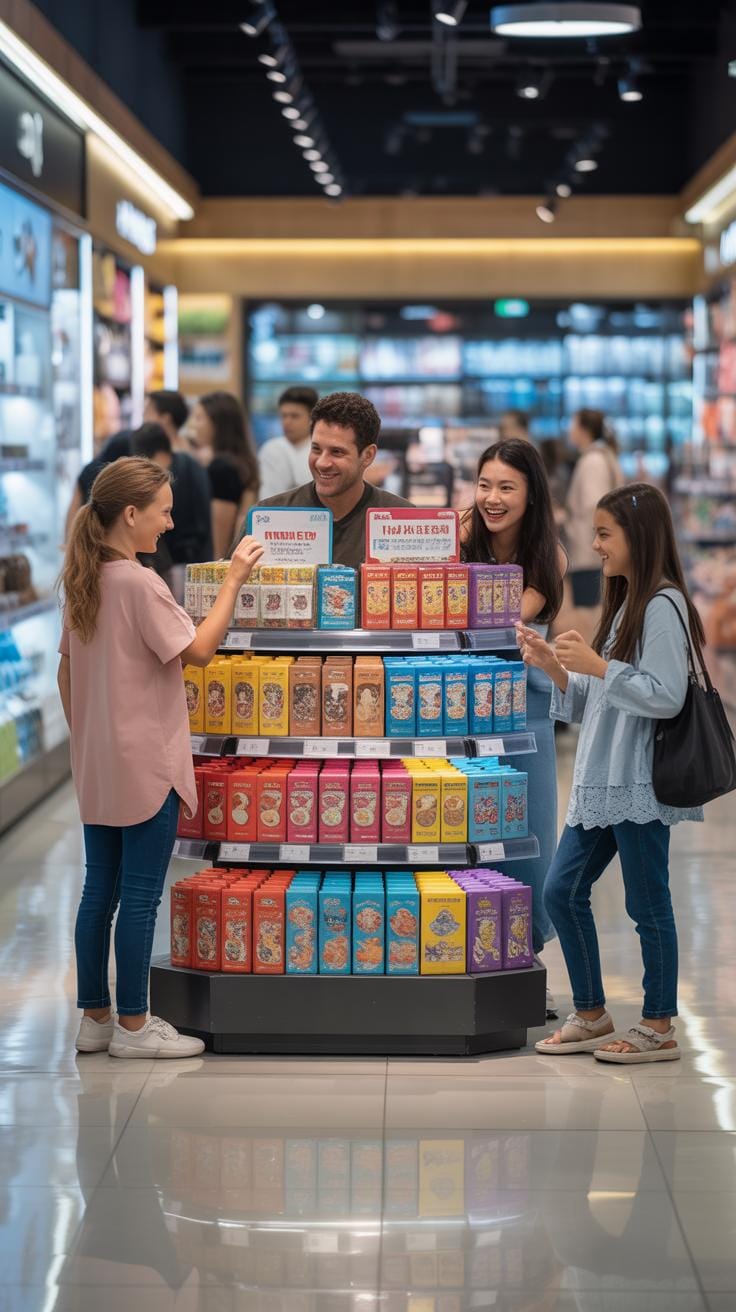
When setting up your pop up event, think carefully about how visitors will move through the space. You want browsing to feel natural, not overwhelming. Use clear pathways between racks and tables so guests can easily spot and reach items that grab their attention.
Display key pieces front and center, maybe with a little spotlight or distinct backdrop that separates them from the rest. This draws eyes without needing too much explanation. Sometimes a simple pedestal or elevated shelf can make a best seller stand out like it’s saying, “Try me!”
Impulse buys happen best when products feel accessible and inviting, not tucked away. Group items by theme or style so shoppers can mix and match quickly. A few complementary accessories next to a dress, for example, might encourage a quick decision.
Highlighting Key Pieces Clearly
Focus your display on a few must-see items rather than trying to show everything at once — less is usually more in this setting. Use signage to tell a story about new collections or best sellers without crowding the space with words. Visitors should understand the highlights at a glance.
Colour contrast can help: place a bright blouse against a neutral wall, or a dark jacket on a lighter surface. Play with texture too. Sometimes mixing materials—like a sleek leather bag near a soft cashmere sweater—makes each piece catch the eye better.
Facilitating Quick Purchases
Set up payment stations near the exit or in logical spots around the event to avoid bottlenecks. Staff should be trained for fast, friendly checkouts. I’ve seen pop ups where every minute counted, and having people who know the product well made a huge difference in avoiding wait times.
Offer multiple payment options: credit cards, mobile wallets, even contactless pay can speed things up. You want to remove all barriers between the desire to buy and the actual purchase. When buying feels easy, people are less likely to change their minds or leave empty handed.
What if a guest wants to try several items but decides quickly? Make sure there’s an efficient system to hold or bag purchases temporarily, so the shopping flow keeps moving. The details here might seem small but they add up to a much smoother experience for everyone.
Creating A Follow Up Process
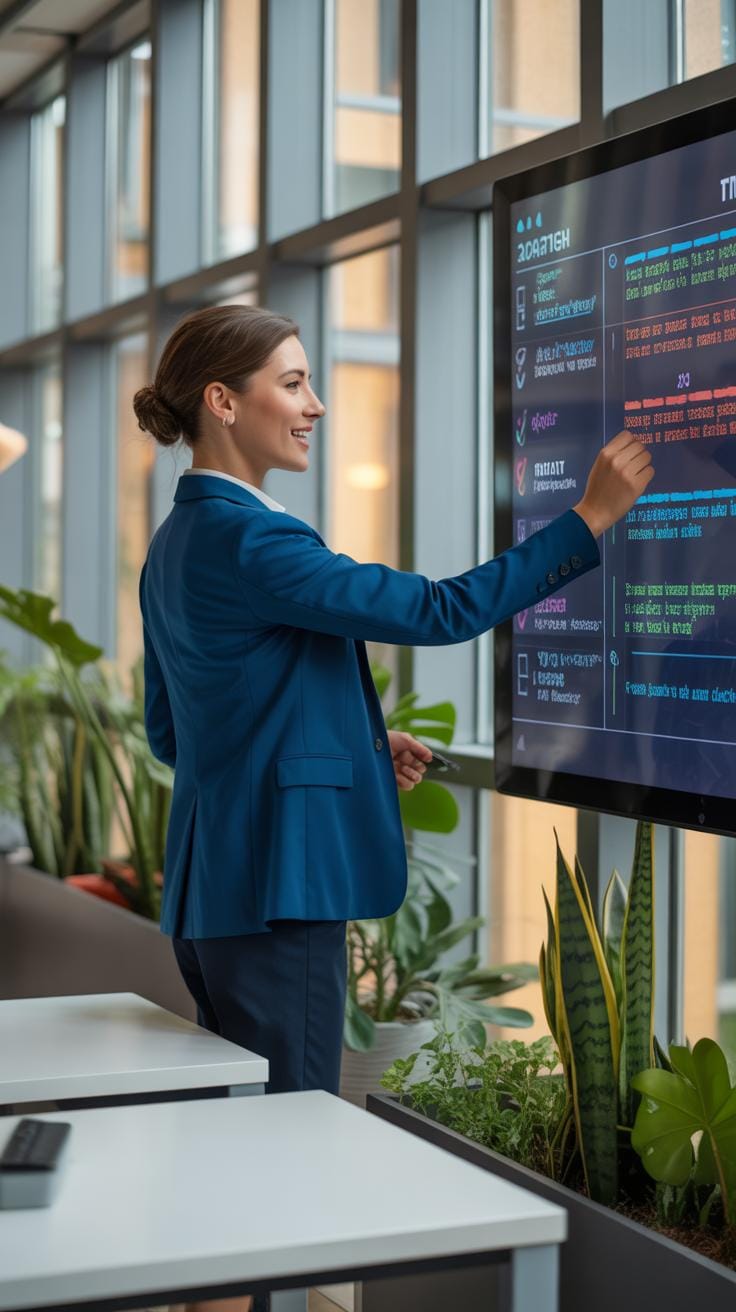
Following up after your pop-up event is… well, it’s more crucial than it might seem at first. You’ve put in all this effort to attract attention, create style buzz, and reel in new shoppers. Now, imagine letting that momentum just… fade away. That’s a missed opportunity. Keeping fresh contacts engaged is how you turn a one-time visitor into a loyal customer.
Collecting Contact Information
Getting emails and social media handles during the event can be trickier than it looks. People are often excited or distracted, so approaches need to feel natural, not pushy.
- Offer a stylish sign-up board with a sleek pen—something tactile that fits the vibe. Even a digital tablet at checkout can work.
- Run a contest or giveaway; people gladly leave their contacts for a chance to win.
- Have your staff spark casual conversations and ask if visitors want exclusive updates or early access to new drops.
Each method helps build a contact list that’s warm rather than cold, a subtle but key advantage.
Sending Thank You Notes And Offers
Once you have contact info, it’s time to reach out—but carefully. Quick thank you emails or DMs show appreciation and reflect your brand’s personality.
- Send personalized messages referencing the event to remind customers of the experience.
- Include an exclusive discount or sneak peek to keep interest alive—people like feeling special.
- Use email newsletters for ongoing engagement—drop news about upcoming pop-ups, collaborations, or product launches.
Do you think a follow-up email feels too formal sometimes? Possibly. That’s why finding the right tone—casual yet polished—matters. The goal is to keep the conversation going, not turn it into a sales pitch.
Comparing Pop Up Events Vs Traditional Retail
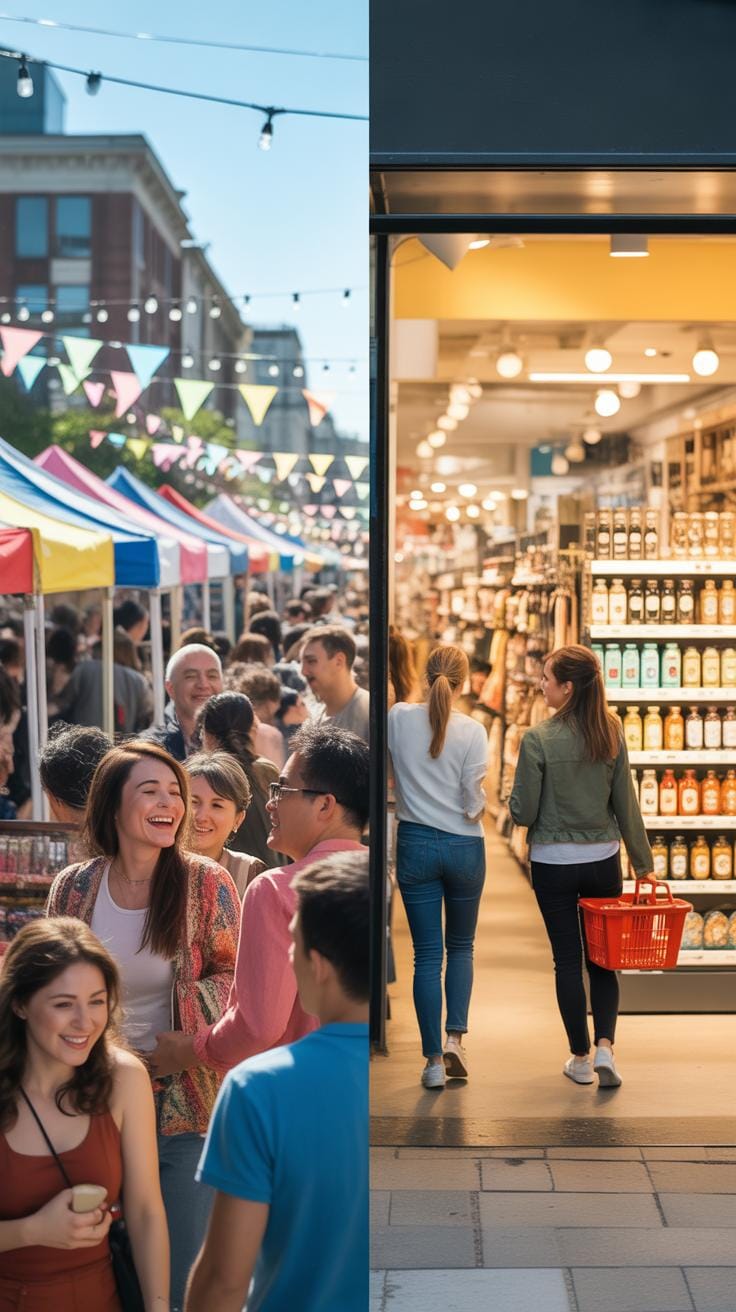
Pop up events and traditional retail stores serve fashion brands in quite different ways. Pop ups shine with their flexibility. You can set one up quickly, experiment with different locations, themes, and even customer demographics. But they’re temporary, sometimes lasting just a few days or weeks. This short lifespan is great for creating excitement and urgency, but it doesn’t build long-term customer reliance in the same way a permanent store might.
Traditional stores provide a steady presence and physical brand identity. They anchor your brand in a community and offer customers a familiar place to shop anytime. That said, they come with higher costs—rent, utilities, staff—and less room to experiment without major investment or disruption. Sometimes it feels like being stuck with one approach, no matter if it’s working or not.
Benefits Of Flexible Short Term Events
Pop up events offer some clear perks. Firstly, they cost less to launch since leases are short-term and setups can be minimal. This lower financial barrier makes them attractive for new or niche brands. Secondly, they generate buzz. The limited duration sparks curiosity and a fear of missing out among shoppers.
They’re perfect for experimental marketing, too. You can try out new product lines, visuals, or interactive features without committing long-term. Sometimes, these events turn into valuable learning labs, revealing insights you might never have picked up in a permanent retail context.
Challenges Of Permanent Stores
Permanent stores, though reliable, aren’t without challenges. The higher fixed costs mean brands need to consistently pull in customers to stay viable. It can be stressful and slow to adapt in a fast-changing market.
Also, physical stores limit how often you can refresh your offerings or store layout. Corporate red tape can make change feel sluggish, dampening the possibility to stay ahead of trends. Despite steady foot traffic, permanent presence doesn’t always guarantee relevance, especially in today’s digital-focused shopping world.
Planning Your Pop Up Event Checklist
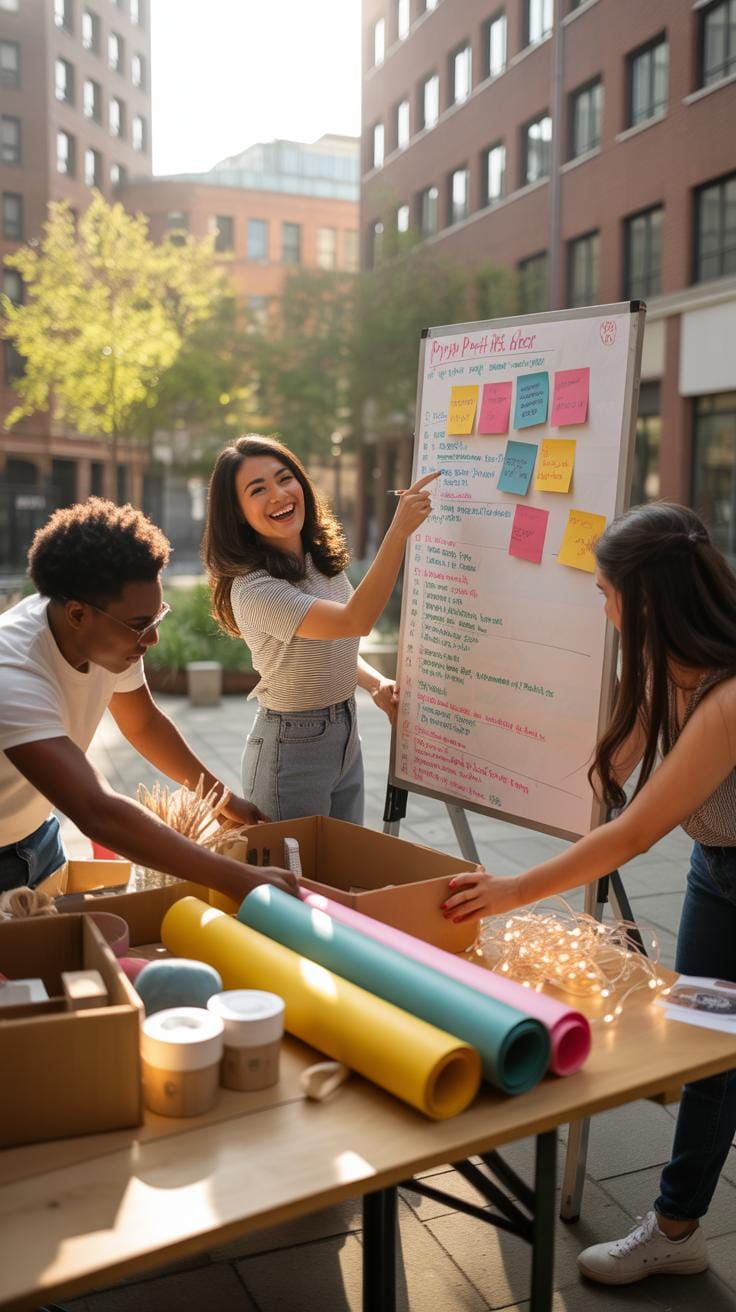
Getting ready for a fashion pop up event can feel a bit like juggling – lots of things in the air at once. Start with setting clear goals: what do you want to achieve? Brand exposure, sales, or building customer connections? Having this figured out early guides every choice.
Next, book your location well ahead. Location really shapes the vibe and foot traffic. Then focus on designing the space. Think beyond racks and tables—lighting, signage, and even music play a part. A space that feels right can draw people in and keep them there.
Marketing the event comes before the doors open. Social media teasers, influencer invites, maybe local press—spread the word with clarity and appeal. But once the event starts, your job shifts.
During, engage your guests actively. Don’t just wait for them to browse. Start conversations, share stories about the pieces. Collect data too—emails or feedback. Later, keep your event alive through social updates and thank-you messages. Follow-ups sometimes spark repeat business and build lasting relationships.
Planning all these steps might seem like a lot, but tackling them bit by bit helps keep your pop up moving forward. There’s something rewarding about seeing all those pieces come together in real time.
Conclusions
Pop up events give fashion brands an excellent opportunity to meet their customers face-to-face and create lasting impressions. Every element of your event, from the venue to the brand message, must connect clearly with your audience to succeed. By combining creativity with planning, your brand activation can build audience loyalty and increase sales.
Remember, the key to a successful pop up event lies in engaging your visitors in a way that highlights your brand’s uniqueness. Using practical ideas in this article, you can create stylish pop up events that draw attention and invite customers to experience your fashion brand in a fresh, exciting way.