
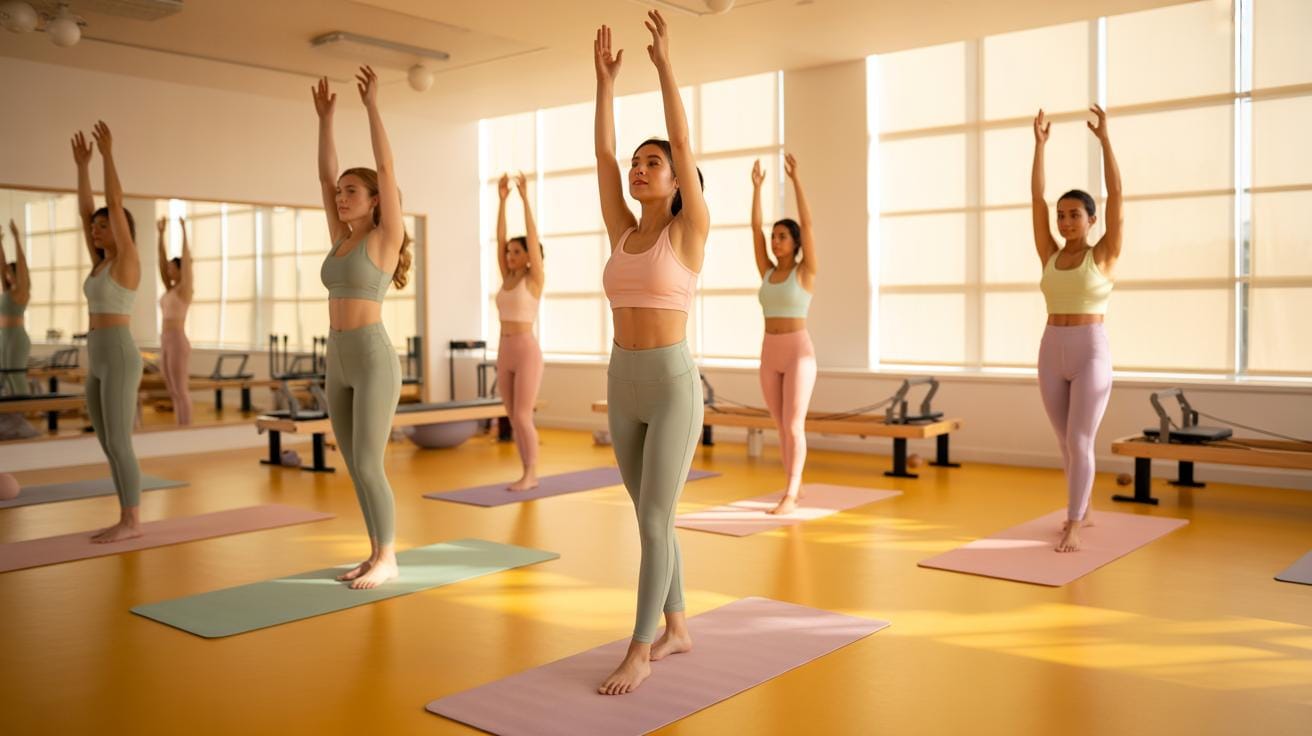
How Pilates Wear Blends Function And Fashion
Pilates is a popular fitness practice that emphasizes controlled movements and flexibility. Choosing the right outfit can enhance not only your performance but also your comfort and confidence. Pilates Outfit Aesthetic And Style Trends For Pilates Clothes have evolved to combine functionality with fashion, adapting to both studio and casual wear needs.
This article discusses the current trends in Pilates clothing, focusing on the aesthetic aspects, materials, and design features. You will learn about the key style elements that make a Pilates outfit practical and trendy, how comfort and materials play a role, and how to assemble the ideal Pilates wardrobe for your sessions.
Pilates Clothing Essentials

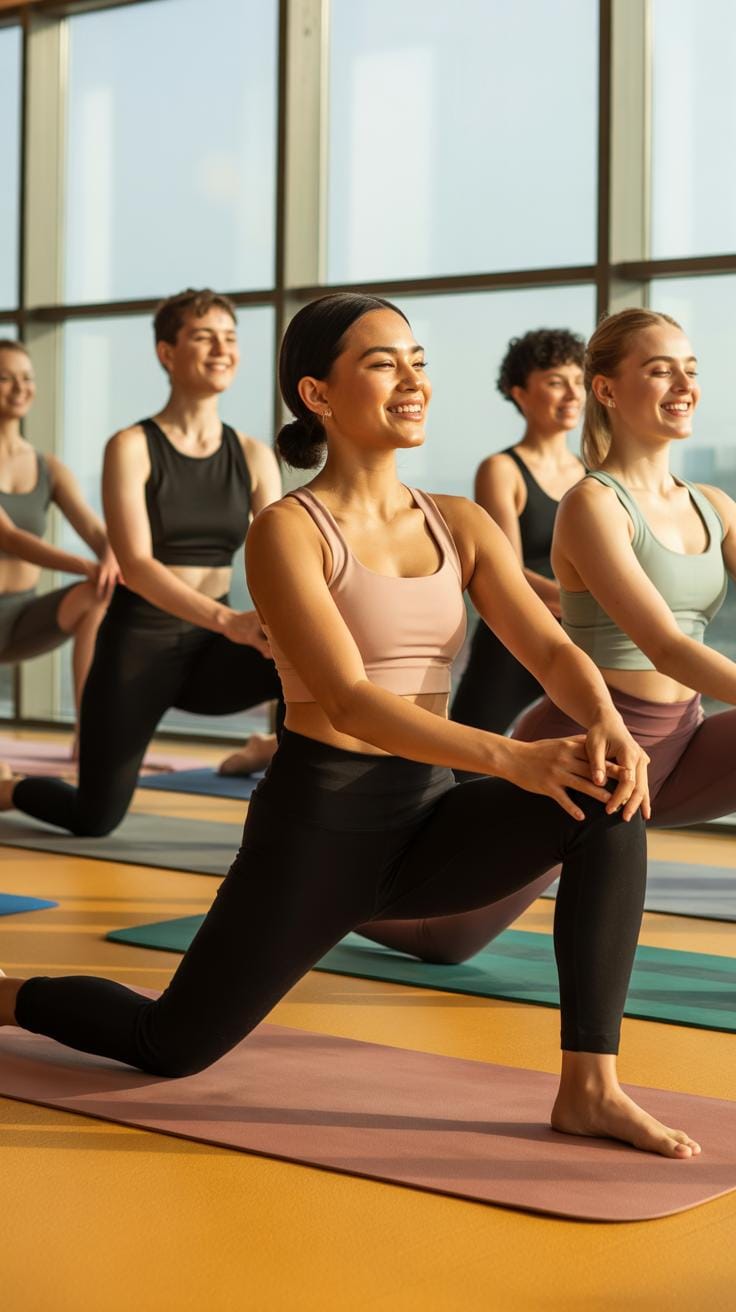
When gearing up for Pilates, there are a few staples you’ll want in your wardrobe. Tops should hug the body but not restrict movement, often made from stretchy, moisture-wicking fabrics. Something breathable is a must—you’ll want to avoid feeling sticky as you flow through movements.

Leggings or pants? Go for pieces with enough stretch to bend, twist, and reach without hesitation. A higher waistband can offer gentle support, but it shouldn’t dig into your skin or limit your breath.
Don’t forget about layering. Light jackets or long-sleeve wraps come in handy pre- or post-session when your muscles cool down. Still, it’s tricky to find layers that slide on and off easily without losing that sleek Pilates vibe.
Choosing Tops For Pilates Workouts
The ideal Pilates top really balances fit and airflow. It should feel like a second skin, moving fluidly with you yet not so tight it constricts. Breathability is key—natural fibers or technical blends help keep you fresh and comfortable.
I’ve found some styles also bring a bit of personality without sacrificing function; think subtle patterns or some mesh inserts. Style matters, maybe a bit more than you’d expect, because wearing something you enjoy can uplift your entire session.
Selecting Bottoms That Offer Flexibility
Leggings are almost always the go-to, but not just any legging will do. You want fabric that stretches in all directions without losing shape or becoming transparent when stretched. Look for reinforced seams—Pilates involves a lot of floor work, and durability counts.
Some prefer cropped lengths or those with a fold-over waistband for added comfort, which is fine, but it might depend on your personal style or the season. There’s a bit of trial and error here, but when you find the right bottom, it’s like they disappear—you forget you’re even wearing them.
Materials That Improve Pilates Experience
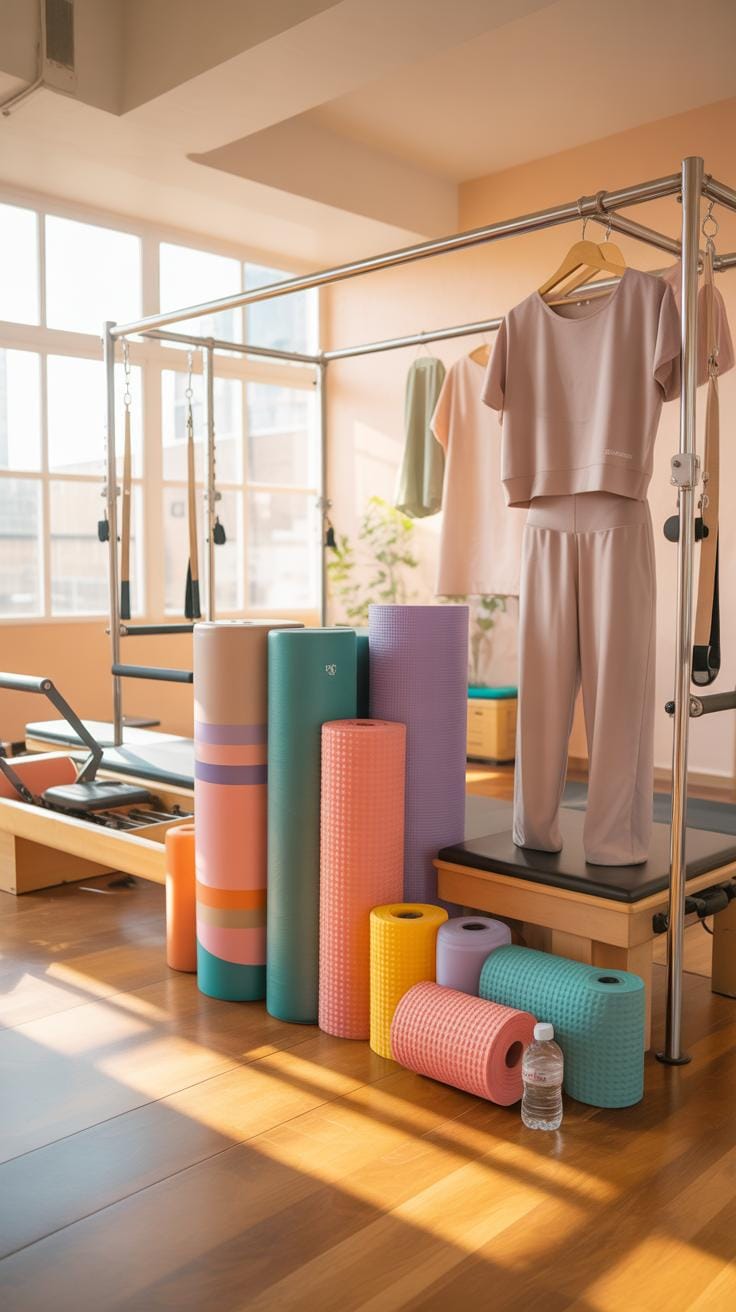
When picking Pilates attire, the fabric plays a surprisingly big role beyond just looking nice. You want materials that move with you, allowing freedom but still providing some support. Often, blends that include spandex or elastane pop up as favorites. These stretchy fabrics conform to your body’s shape, so you won’t feel restricted during those intricate moves. It’s almost like the clothes become an extension of your body — but not too tight to feel uncomfortable.
Another big factor is breathability. Pilates can get intense, and you don’t want to be drenched in sweat or feel sticky against your skin. Fabrics like nylon with moisture-wicking technology pull sweat away from the body, helping you stay cooler through the session. Cotton is breathable but sometimes holds moisture, making it less ideal for longer or vigorous workouts.
Thinking about this, you might wonder if more natural fibers or synthetic blends work best. It’s not always clear-cut, though — some people prefer the softness of cotton, while others swear by the sleekness and functionality of technical fibers. Trying out a few types might help find what really suits your Pilates routine and personal comfort best.
How To Match Pilates Outfits
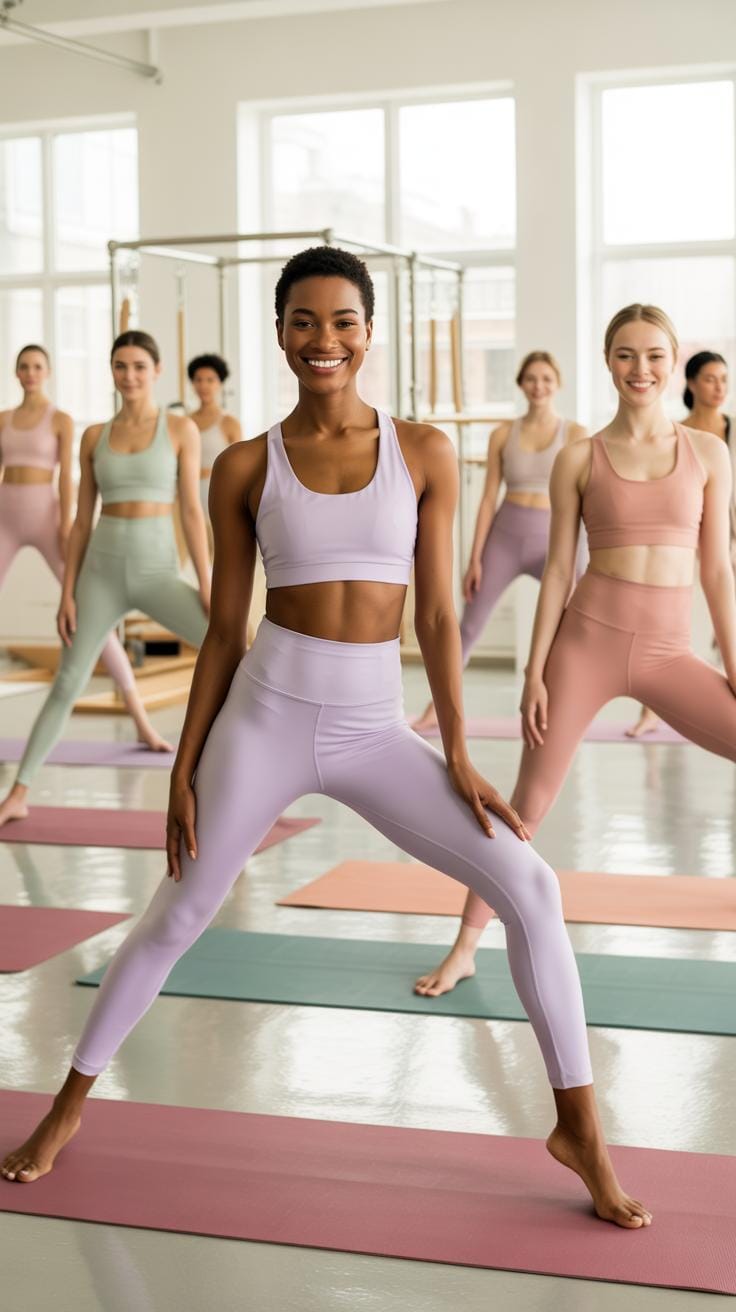
When it comes to putting together Pilates outfits, a little thought goes a long way. You don’t want to overthink it, right? But, mixing colors and styles can actually help you feel more confident during your practice. For example, pairing a bold, solid-colored top with subtle patterned leggings can strike a nice balance. You might wonder if this works for every piece, but generally, mixing one statement item with simpler ones avoids a cluttered look.
Styles play a big role too. Trying to match fitted pieces with slightly looser layers gives your outfit some dimension. Maybe a snug tank top with a light, breathable jacket or shrug that you can remove mid-session. Layers also let you adapt easily if the room cools down or warms up.
So, don’t be afraid to experiment: try monochrome looks if you want sleekness, or go for contrasting colors if you feel adventurous. But remember, comfort should always top style. After all, the whole point is to move freely and feel good.
Color Coordination Tips For Pilates Wear
Colors can make or break your Pilates look. Usually, starting with neutrals—like black, gray, navy—and adding pops of color works well. If you want bright hues, try limiting them to one or two pieces instead of all over. It avoids the outfit looking too busy. Another simple rule is to match the undertone; warm tones like reds and oranges pair nicely together, while cool blues and greens do the same.
Sometimes, sticking to different shades of the same color, called a monochromatic palette, can appear elegant and intentional. But if you’re not sure, black or white will always complement whatever you choose. You might find that your favorite Pilates brand offers collections with coordinated pieces—that’s a shortcut worth exploring.
Layering Pilates Clothes For Different Seasons
Layering is surprisingly helpful when temperatures fluctuate. In colder weather, lightweight long-sleeve tops under tanks give warmth without bulk. For instance, a moisture-wicking long-sleeve beneath a crop top balances comfort and style. You can add a zipped hoodie or cardigan on top for before and after your session.
During warmer months, opting for breathable layers—like thin mesh or open-back tops layered over sports bras—can keep things cool. It’s clever to keep layers easy to remove or adjust as you heat up during Pilates. But layering isn’t just about temperature. It can help you transition from studio to street without looking out of place, combining fashion with function. So, grab those versatile pieces, and don’t hesitate to mix them in unexpected ways.
Pilates Outfit Versus General Workout Clothes
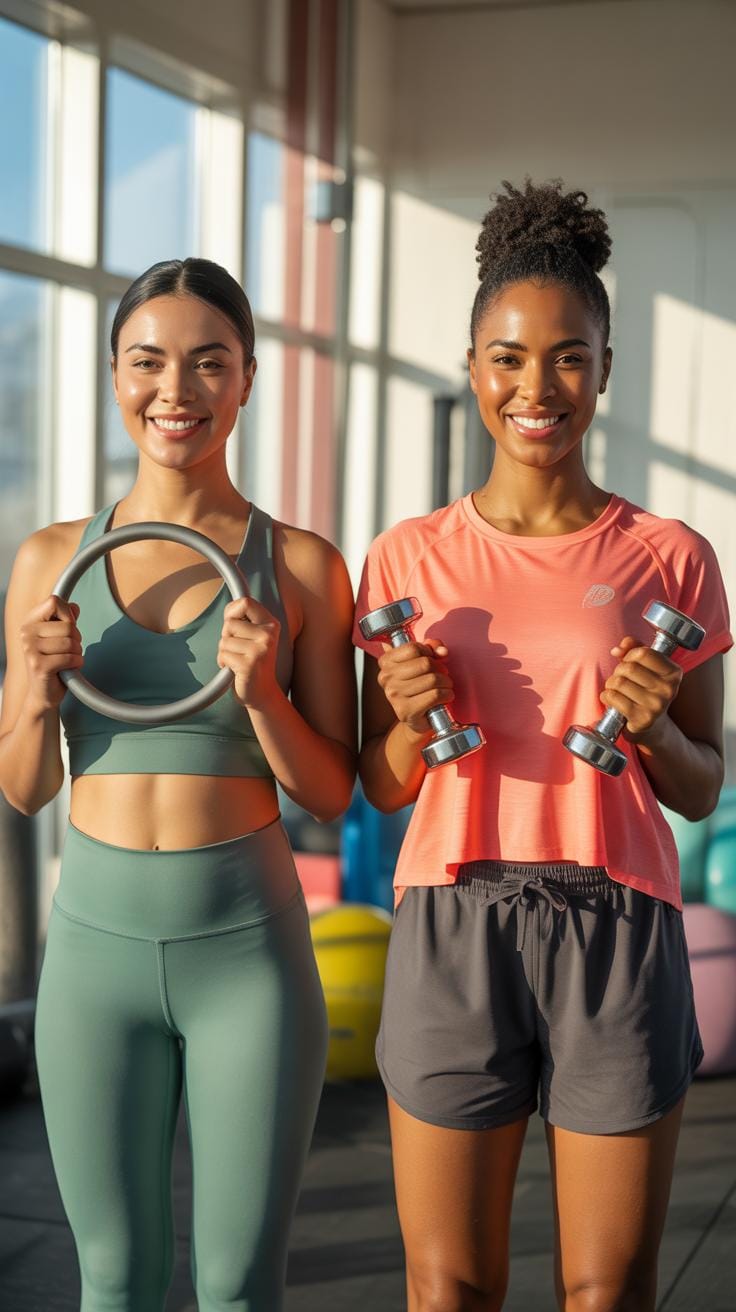
Pilates clothing often stands apart from general workout gear in subtle but meaningful ways. You may not notice it immediately, but Pilates outfits usually have a closer, more tailored fit. They allow for a full range of motion without excess fabric flapping around. This fit isn’t just about looking sleek, it serves the purpose of supporting those slow, controlled movements Pilates demands. In contrast, typical workout clothes like running shorts or loose tank tops prioritize breathability and ease for vigorous, high-impact activities.
Materials also differ quite a bit. Pilates wear tends to favor softer, smoother fabrics that feel almost second-skin. Think blends with plenty of stretch and a bit of compression to keep muscles warm and engaged. Meanwhile, general workout clothes often have more technical fabrics focused on moisture-wicking and durability, built for sweat-heavy sessions. The aesthetic of Pilates clothes generally leans toward minimalist and elegant – clean lines, muted colors – rather than flashy logos and bold patterns commonly seen in gym wear. This all feels intentional, as if the clothes support a mindful, precise practice rather than just a workout blitz.
Do you find that your Pilates clothes make you move differently, maybe more consciously? Or maybe the difference is less about function and more about the mood these clothes set. Either way, it’s clear that Pilates attire is designed not just for movement but to reflect a certain approach to exercise, quite distinct from standard gym wear.
Pilates Outfit Aesthetic
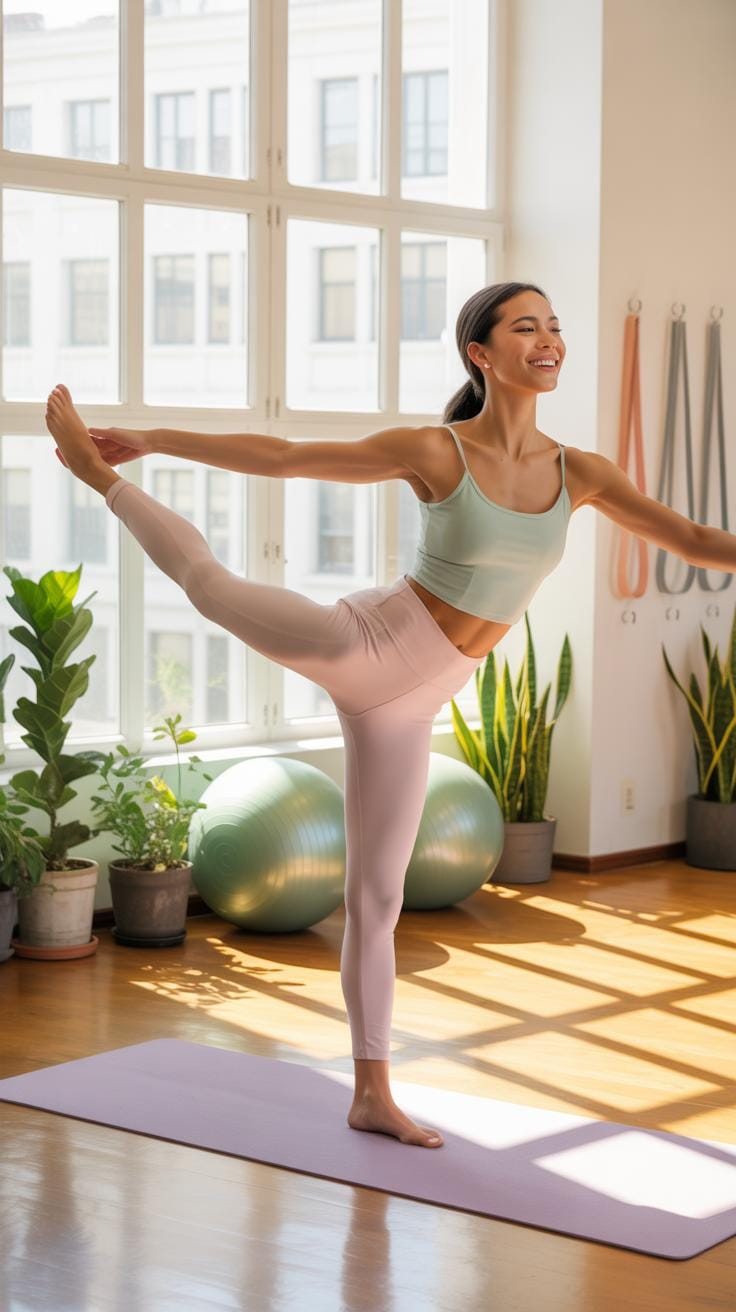
When thinking about the aesthetic of Pilates outfits, there’s a quiet tension between style and function. You want clothes that look sleek but also move with your body. The overall vibe tends to lean towards minimalism with subtle touches—nothing too flashy, yet not boring either. I’ve noticed many Pilates enthusiasts prefer solid colors or muted tones, which somehow enhances focus on movement rather than distraction by bold prints. But some do enjoy playful, geometric details or mesh panels that add dimension without overwhelming the outfit.
Fit plays a big role. It’s not just about tightness; it’s about how the fabric hugs and supports without restricting. The silhouette often emphasizes clean lines and natural shapes—think fitted tops and streamlined leggings. Comfort and breathability are paramount, yet the aesthetic leans towards a kind of understated elegance. You might wonder, can an outfit be practical and still make a statement? It seems Pilates wear achieves that balance by being simple but thoughtfully designed, with performance fabrics doubling as style elements.
Checklist For Buying Pilates Clothes
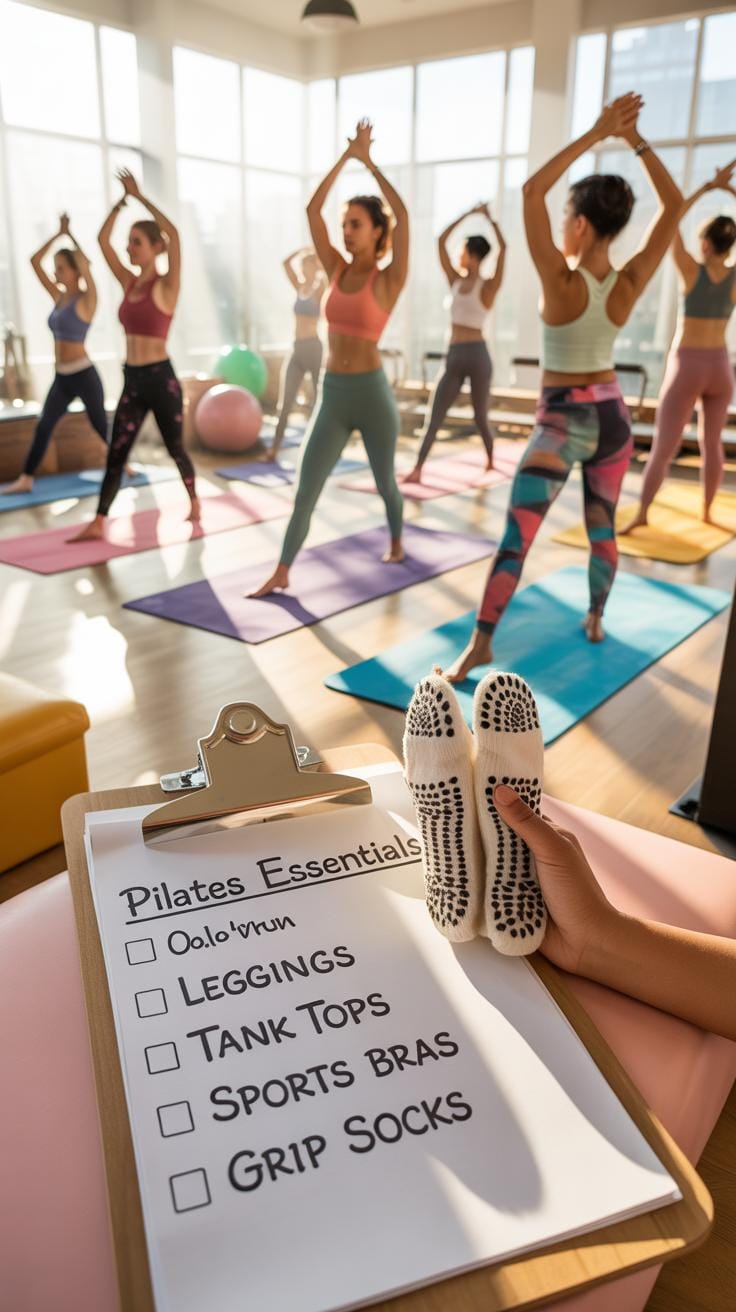
Key Features To Look For
Choosing Pilates clothes isn’t just about picking anything comfortable. You want a strong fit—something that moves with you but doesn’t sag or squeeze in the wrong places. Fabric matters a lot here; breathable, stretchy materials like cotton blends or moisture-wicking synthetics usually work best. Durability also deserves attention—there’s no point in buying apparel that breaks down after a few sessions.
Budget Considerations For Pilates Clothing
Balancing cost and quality can be tricky. High price tags don’t always guarantee better performance, but sometimes investing a little more means you get longer-lasting wear. If budget is tight, focus first on essentials like well-fitting leggings before splurging on other pieces. Sometimes, you can find good deals on mid-range brands that offer solid fabrics and decent style without breaking the bank. It’s a bit of trial and error, honestly, but paying attention to fabric quality and fit can save money in the long run.
Examples Of Popular Pilates Outfits
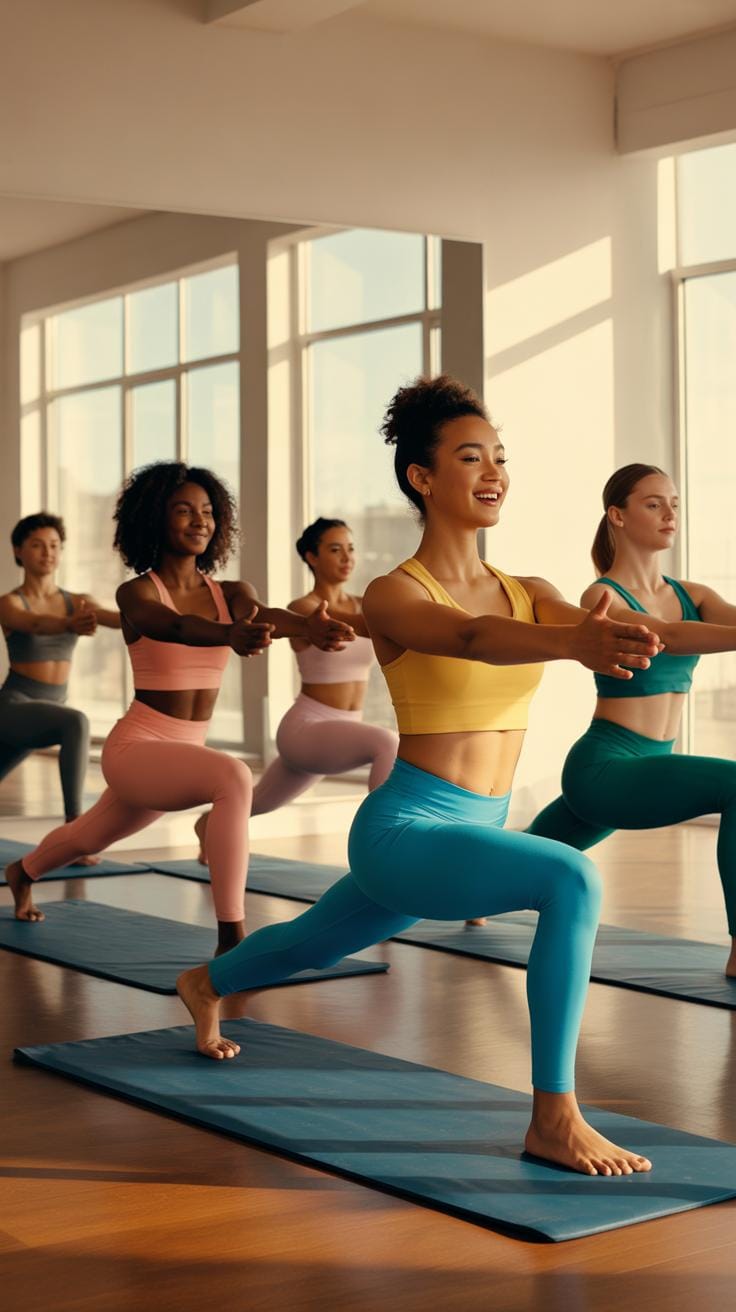
When it comes to Pilates outfits, you’ll find a range of styles that work well for the practice but don’t always follow traditional sportswear expectations. Pilates demands clothing that moves with you, breathes well, and feels comfortable on your skin — but let’s be honest, style matters too. Some folks prefer simplicity, others like a bit of flair, and that’s perfectly okay.
Here’s a glimpse of some combinations you might see in a Pilates class:
- A fitted tank paired with high-waisted leggings. This combo offers freedom of movement while emphasizing the body’s natural lines.
- Soft, stretchy shorts teamed with a loose, breathable tee. It’s casual but still mindful of functional needs.
- Layering a cropped long sleeve top over a sports bra, matched with capris. This look balances warmth and ventilation for varying studio temps.
- For colder months, a cozy wrap sweater thrown over a sleek fitted base gives both comfort and style as you transition in and out of practice.
The goal remains simple: your outfit should feel like an extension of your body, almost second nature while you engage with each Pilates move — but there’s no harm if you want it to look good too.
Classic Pilates Outfit Examples
Some styles never lose their appeal because they offer a timeless practicality. Take, for example, a monochrome outfit: a black or navy fitted tank paired with matching leggings. This look blends easily with any Pilates environment and suits all levels of experience. It’s modest and dependable—no distractions, just solid focus on the work.
Another classic is the seamless, neutral-toned unitard that forms a fluid silhouette, allowing instructors and practitioners to observe movements clearly. You might find this kind of garment a bit minimalist or even plain, but its efficiency wins over the bold flashes of trends.
People often underestimate how important simplicity in clothing can be — it subtly helps maintain concentration by eliminating fuss. At least, that’s what I’ve noticed in my Pilates classes.
Trendy Pilates Lookbook Ideas
Of course, there are those drawn to the more spontaneous, fashion-forward choices. Perhaps you’ve seen muted earth tones paired with unexpected pops of color on leggings’ seams or stylish cutouts on tank tops. Some Pilates enthusiasts love mixing prints or layering mesh fabrics for additional texture.
Bringing athleisure vibes into Pilates wear is another trend, where outfits transition effortlessly from studio to street. Think oversized sweatshirts customized with sleeves rolled halfway, layered over color-blocked bodysuits, or platforms sneakers swapped for sleek minimalist slip-ons ready for post-class errands.
Unlike classic outfits, these trendy choices lean toward expressing personality — keeping your Pilates attire fresh. But it also raises a question: does the look serve the practice, or does the practice serve the look? I guess the answer depends on your priorities that day.
How Pilates Outfit Impacts Performance
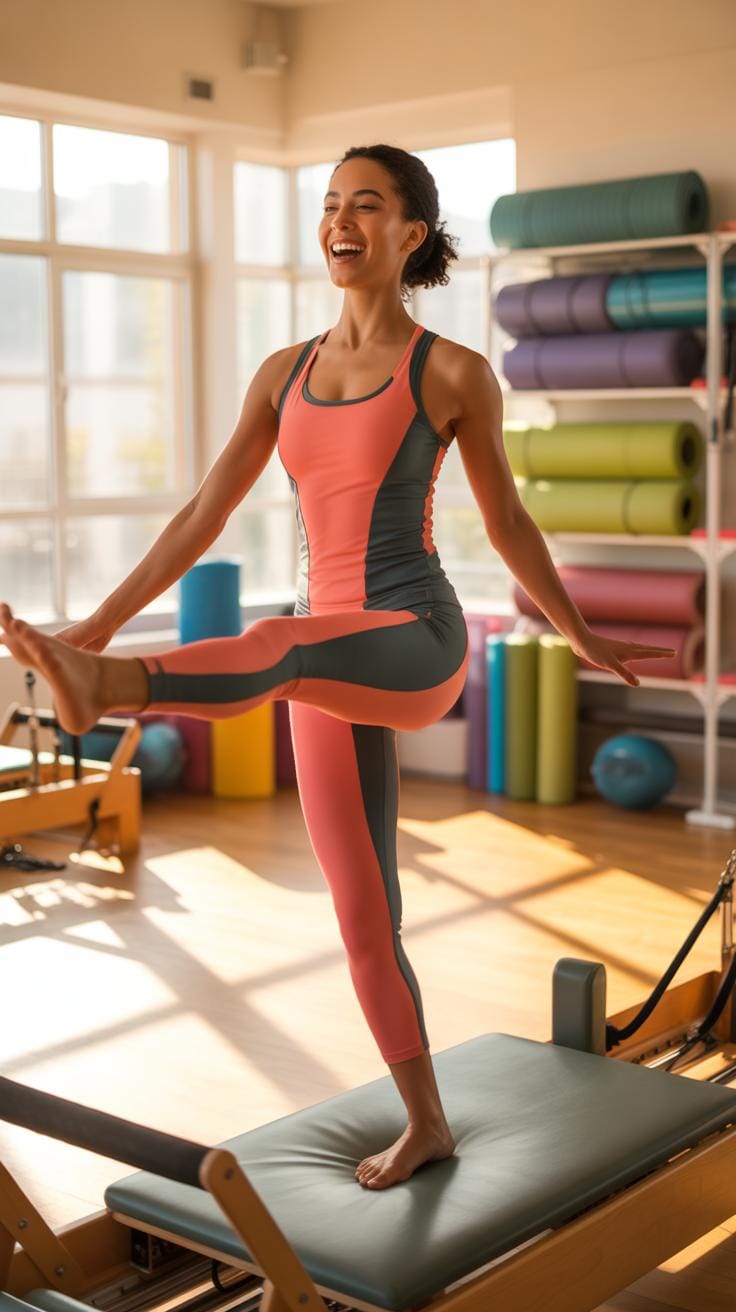
Wearing the right Pilates clothes can feel like a subtle, yet important, boost during your session. The fit, the fabric, the stretch—all these seemingly small factors come together to support your physical performance and keep your mind tuned in. When your outfit fits well, it doesn’t restrict movement or distract you. Instead, it moves with you, almost like a silent partner aiding your workout.
Movement Support Through Clothing
The right Pilates outfit provides enough stretch to allow a full range of motion. Imagine doing a spine stretch or leg circle; your clothes shouldn’t tug or bind. Tight spots can interrupt your flow and even cause you to unintentionally modify movements. So, flexibility and fit matter more than they first seem. I’ve found that stretchy fabrics, often a blend of nylon and spandex, handle these dynamic moves best.
Comfort And Mental Focus Benefits
Comfort isn’t just about feeling nice—it directly impacts focus. Uncomfortable outfits can pull your attention away, even if it’s just a little irritation or a shifting strap. When you’re at ease in your clothes, you can zero in on your breath, your alignment, and your muscle engagement. It’s like the clothes fade into the background, letting you stay present in your session without distraction. This mental clarity might be the quiet edge that helps you get the most from Pilates.
Pilates Outfit Care Tips
Washing Recommendations
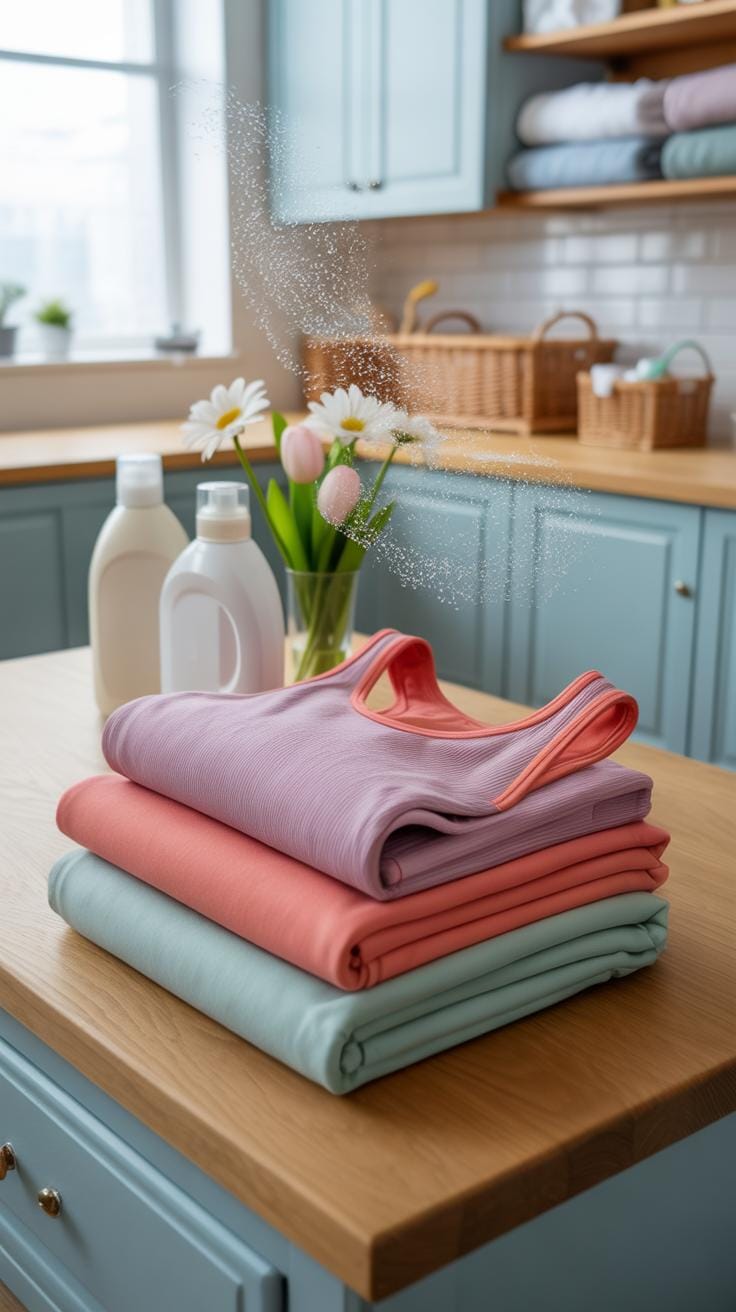
Taking care of your Pilates clothes starts at the wash. You might think tossing them in with your regular laundry is fine, but trust me, it’s not. Pilates outfits often contain stretchy fabrics like spandex or elastane, which can lose their shape if washed too harshly. Cold water is usually gentler and keeps colors from fading. Also, skip the fabric softener—it can leave a residue that clogs the fibers, making your clothes less breathable. Sometimes I forget and end up with that slightly sticky feeling on my leggings. Not pleasant.
Use a mild detergent designed for delicate fabrics. And if you can, turn your clothes inside out before washing. It helps protect prints and the surface from rubbing too much. Oh, and air drying is a better bet than throwing them in the dryer. High heat might shrink or damage the elasticity, which kind of defeats the purpose of stretchy Pilates wear, right?
Storage And Maintenance
How you store your Pilates clothes affects their lifespan too. Avoid cramming them into a drawer where they get all tangled or stretched out. Instead, fold them or hang them loosely on padded hangers if possible. Keeping them away from direct sunlight while storing is ideal because UV rays fade colors over time—you might not notice it day-to-day, but your favorite pastel top will slowly dull.
Sometimes I leave damp clothes in a bag after class, which definitely speeds up fabric wear and sometimes causes that musty smell. If you find yourself in this situation, try to air them out immediately. If a smelly workout outfit sneaks past you, a soak in water with a bit of white vinegar can help without ruining the fabric.
Have you ever wondered if stretching your leggings while storing could keep them snug? It’s a bit tricky. Leaving them too stretched might cause permanent deformation, so gently folded is usually safer. The bottom line: treat your Pilates clothes with some care, since maintaining their fabric and shape actually makes your workouts feel better—and your style remains sharp longer.
Pilates Outfit Aesthetic
The aesthetic of Pilates outfits balances functionality with a subtle flair for style. You’ll notice many Pilates clothes lean towards clean lines and a minimalist palette—think soft hues like pastels, muted earth tones, and classic blacks and whites. This approach isn’t just about looking good; it’s about creating a calm, focused mood that Pilates itself encourages.
Comfort is a huge factor in the design. The clothes often have a body-hugging fit but still stretch to allow full range of motion. That snug yet flexible feel seems to help with concentration and posture, though some might prefer a little more room. Fabrics typically look natural and matte rather than flashy or overly shiny, which matches the low-key nature of Pilates sessions.
Another element that stands out is the simplicity in details—seams, straps, and cutlines are thoughtfully placed, offering subtle support and shaping without distraction. You rarely see unnecessary embellishments. Honestly, this aesthetic might feel limiting to some, but for others, it enhances the experience by keeping the focus on the workout, not on what you wear.
Have you noticed how many Pilates outfits blur the line between workout gear and casual wear? This crossover has sparked a trend where Pilates clothing works as daywear too, making it a kind of versatile investment. It’s hard to say if this crossover will remain popular or if purists will push back. What’s your take on Pilates clothes as a statement—functional or fashionable?
Common Pilates Outfit Mistakes To Avoid
Poor Fit And Material Choices
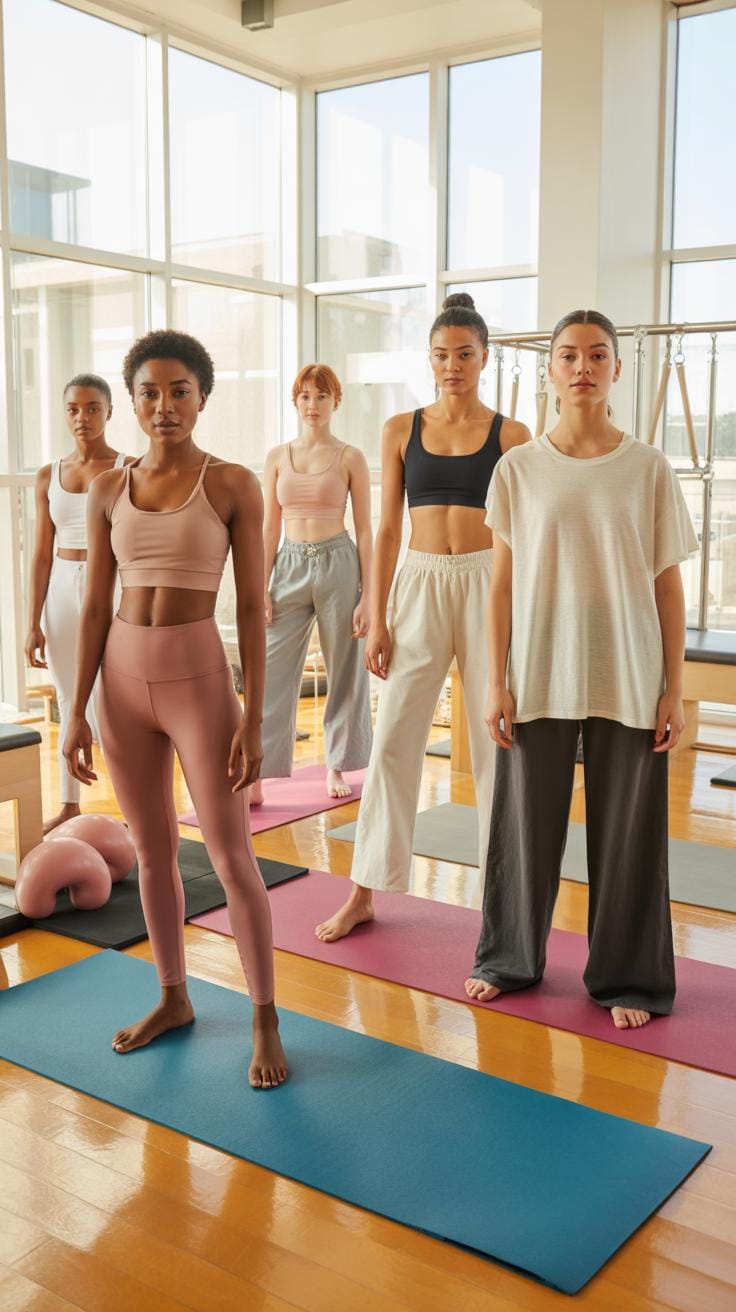
One frequent mistake is picking Pilates clothes that don’t fit well or use the wrong fabric. Tight or loose clothes can distract you or limit your movements. For example, leggings too tight might pinch and cause discomfort during stretches, while baggy tops can get in the way when you’re trying to hold positions. Fabrics also matter. Choosing cotton might feel soft, but it doesn’t wick sweat well, leaving you damp and uncomfortable. Synthetic blends often work better, but they can also trap heat if not breathable enough.
Ignoring Style And Comfort Balance
People often swing too far either way—focusing only on looking good or just on feeling comfy. Prioritizing style too much might mean picking outfits that aren’t functional when you’re mid-routine. On the flip side, outfits chosen solely for comfort might feel uninspired, making you less motivated. It’s weird how sometimes the most stylish clothes aren’t the comfiest, and the comfiest sometimes look plain. Finding a balance isn’t easy, but it’s key to enjoy your practice without distraction.
Conclusions
Pilates outfit aesthetics intertwine comfort, function, and style to support your fitness routine effectively. By understanding the key pieces, materials, and combinations, you can create outfits that suit your Pilates practice and personal taste. Choosing breathable fabrics and well-fitting designs will help you move freely and maintain focus during exercises.
Consider your Pilates wardrobe as an investment in both your workout performance and your confidence. Keep your outfits simple yet stylish, and update pieces according to current trends and your evolving needs. This way, your Pilates clothes will support both your physical goals and your aesthetic preferences.