Starting A Pilates Routine At Home
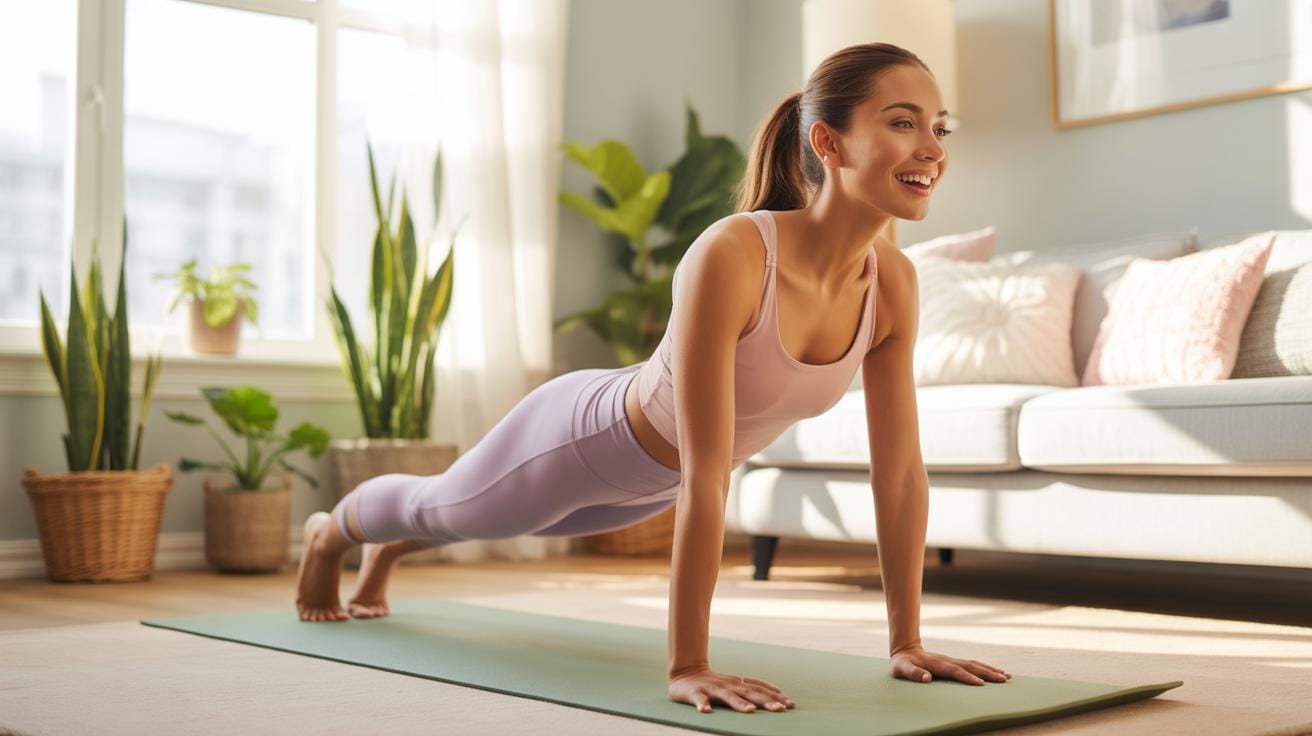
Pilates is a popular exercise method designed to strengthen the body with a focus on core strength, flexibility, and posture. It involves controlled movements that connect the mind and body through breath and muscle control. This article introduces Pilates for beginners and how you can start a daily routine at home to enjoy its benefits. You’ll learn the basics and how to set up a practice that suits your lifestyle.
Starting Pilates at home is easy and accessible. With simple equipment or just a mat, you can perform a series of exercises designed to improve muscle strength and flexibility. In the following sections, you will discover practical steps, tips, and insights to create an effective beginner Pilates routine and understand the positive effects of consistent practice on your overall health.
Basics Of Pilates For Beginners

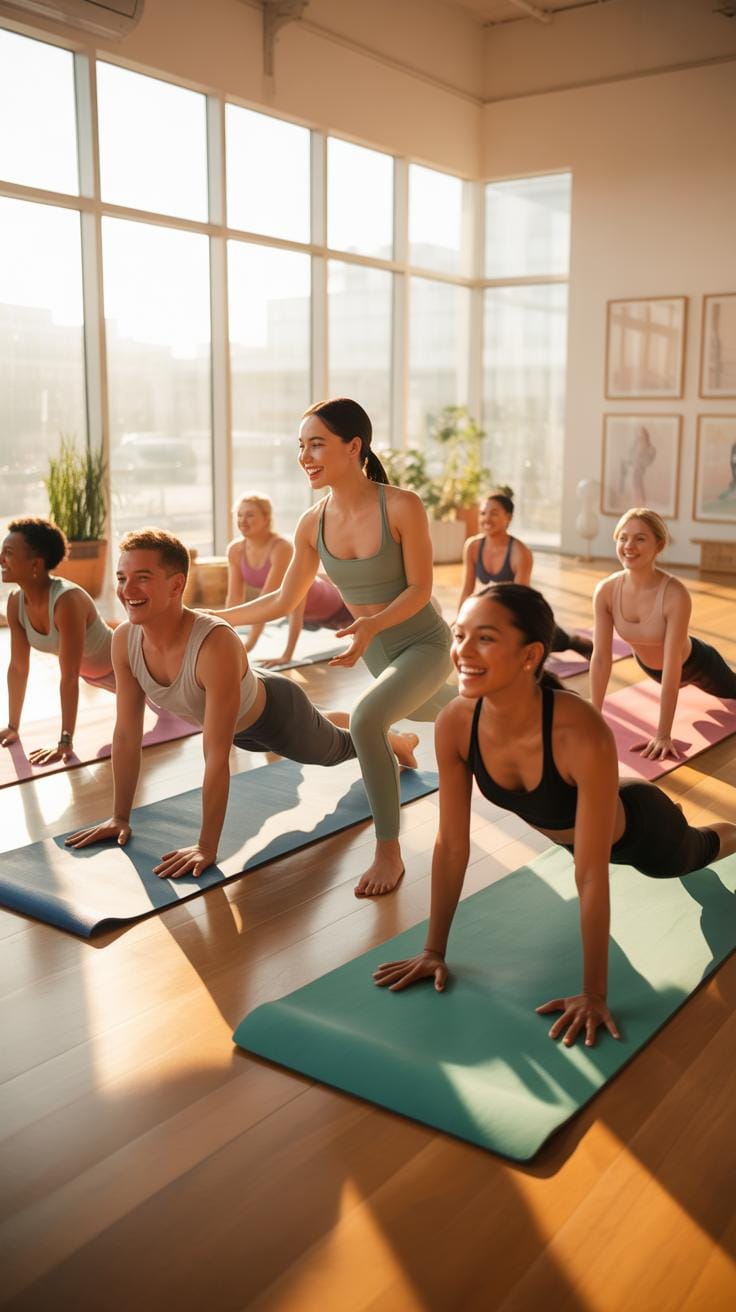
Pilates is a mind-body exercise system created by Joseph Pilates in the early 20th century. He called it “Contrology,” emphasizing controlled movements. This system focuses on breath control, core stability, posture, and muscle control — foundations that are essential especially if you’re just starting out.

The main goals of Pilates exercises center on improving body strength and flexibility. But it’s not just about power; it’s about how your body moves and aligns itself. For beginners, these exercises are designed to build a strong core, which supports your spine and overall posture.
By paying close attention to breathing patterns and the coordination of muscle engagement, Pilates encourages you to move with intention. You’ll probably notice a difference in how you hold yourself and even how balanced your body feels after a few sessions. It’s a careful blend of strengthening while staying flexible.
Key Pilates Principles To Know
There are five essentials in Pilates that beginners should understand:
- Breathing – Coordinated breathing helps oxygenate muscles and guides movement.
- Cervical alignment – Keeping your neck correctly aligned to avoid strain.
- Rib and scapular stabilization – Controlling your upper torso for proper posture.
- Pelvic mobility – Gentle controlled movement of the pelvis to support the core.
- Use of the transversus abdominis muscle – Activating this deep abdominal muscle provides internal support.
These principles may seem technical at first, but they are what make Pilates effective and safe for newcomers. They teach you to be mindful of how your body moves and feels.
Essential Equipment For Home Pilates
Starting Pilates at home doesn’t require much gear. A simple workout mat is the foundation. It cushions and supports your movements on the floor.
Beyond the mat, there are some optional tools that might make your practice more diverse:
- Resistance bands – add gentle resistance to exercises.
- Pilates ring – helps with muscle toning and balance.
If space or budget is tight, don’t worry. A good mat alone can take you quite far. Choose equipment that fits comfortably in your space, something easy to store or set aside. It’s better to start small and focus on learning the moves rather than getting overwhelmed by gadgets you might not even use regularly.
Setting Up A Home Pilates Space
Choosing The Right Location
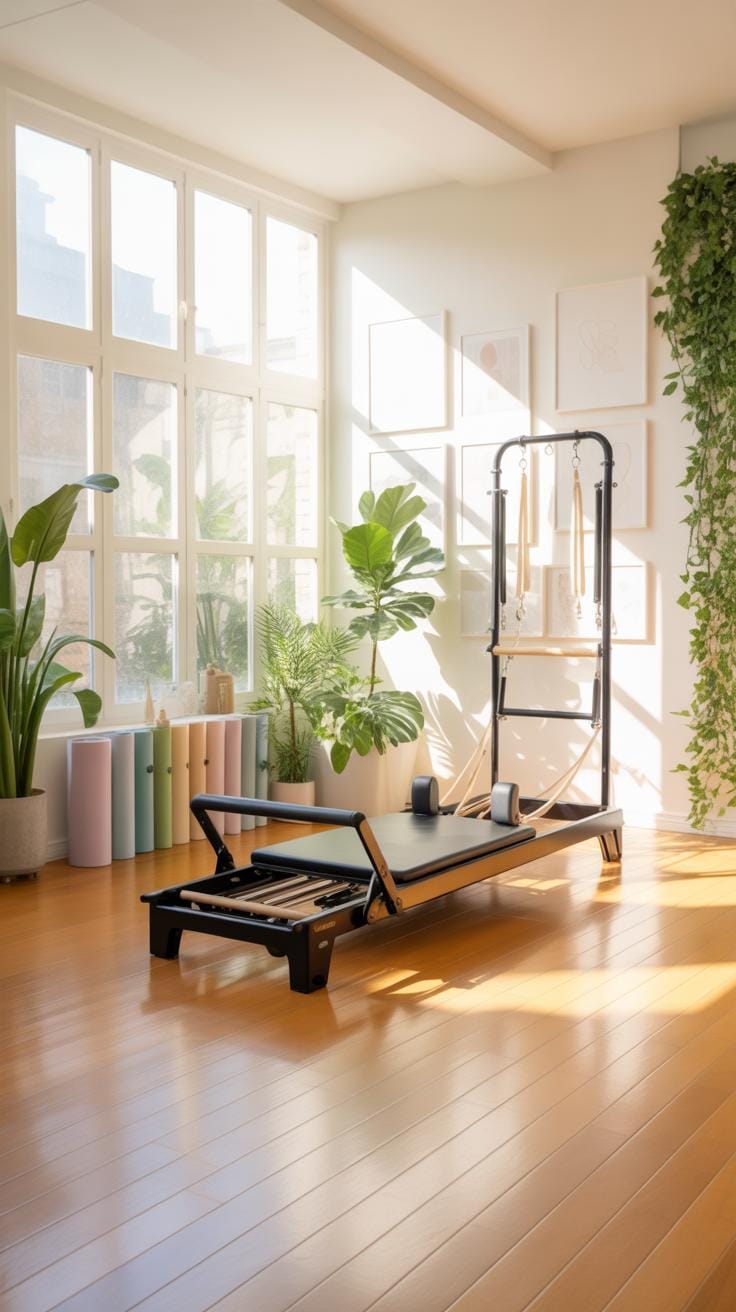
Picking the spot for your Pilates practice might be more tricky than it seems. You want a place that’s quiet enough for focus but, well, not completely isolated—sometimes a bit of natural household noise makes the time feel grounded. Ideally, this spot should be flat and spacious enough to stretch out fully without bumping into furniture or walls. Think about the movements you’ll do—reaching, rolling, shifting—and whether the room allows those without restriction. Minimizing distractions isn’t always about silence; it’s also about timing. Perhaps a part of the day when the house is calmer would help your practice stay centered.
Safety And Comfort Tips
Flooring is a subtle but major factor. A slick surface can surprise you mid-move, making a non-slip mat essential. Thick mats cushion your spine and joints, so invest wisely. Wearing comfortable clothes that allow full range of motion is often overlooked but really shapes how freely you move—and how well you maintain posture. As you practice, pay close attention to your alignment; it’s temptation to slack off, but good posture can be a guard against injury and a booster of effectiveness. Slight shifts in form can make a huge difference. And don’t forget ventilation. A room that breathes with you keeps everything fresher and makes the session less tiring. It’s little things like these that quietly improve your Pilates experience at home.
Daily Pilates Routine For Beginners
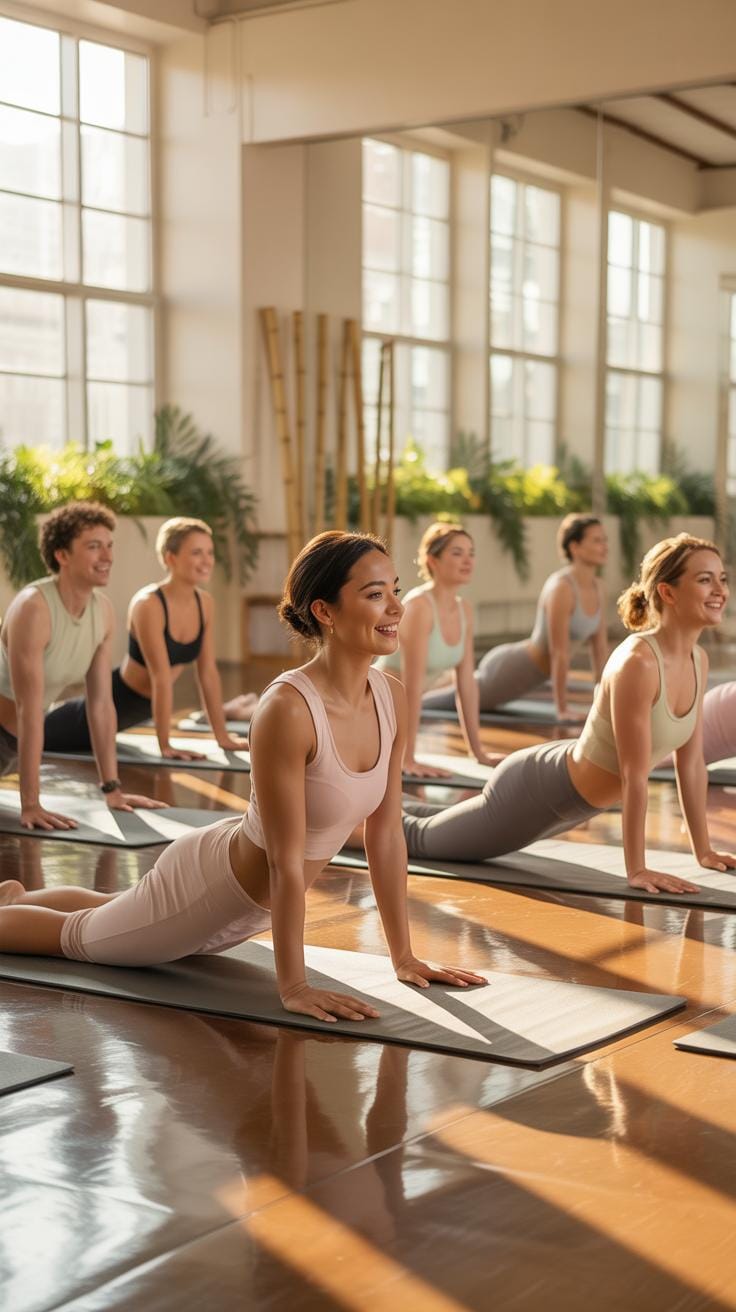
Starting Pilates at home doesn’t need to be complicated. A simple daily routine, about 20 to 30 minutes, works well. Aim to include a mix of stretching, core strengthening, and gentle movements. For example, try doing 8 to 12 repetitions of basic exercises like the Pelvic Curl, Spine Stretch, and Leg Circles, resting briefly between each set. This lets your body adjust without feeling overwhelmed.
Here’s a sequence to try:
- Begin with breathing exercises to center yourself.
- Move into the Pelvic Curl to engage your lower back and hips.
- Follow with the Spine Stretch to work on flexibility.
- Practice basic Leg Circles to increase hip mobility.
- Finish with the Chest Lift to activate your abdominal muscles.
You can repeat the cycle twice if you feel up to it. The session length can flex depending on your time and energy. Starting slowly is key; it’s better to build gradually than push too hard on day one.
Sample Beginner Exercises
Take the Pelvic Curl, for instance. Lie on your back with knees bent, feet flat. Inhale to prepare, then exhale as you slowly peel your spine off the mat one vertebra at a time, lifting your hips. Hold briefly and roll back down with control. Keep movement smooth, not jerky. This engages your core and strengthens your glutes gently.
Next, the Spine Stretch sees you sitting tall with legs extended. Imagine reaching your chest forward over your legs while keeping your spine long. It’s a nice way to loosen hamstrings and lower back.
Avoid rushing each move. Slowing down helps with awareness and prevents injury, though it might feel awkward at first. Perhaps you notice parts of your body working in new ways—that’s a good sign.
Timing And Progression Recommendations
Starting with around 20 minutes daily seems manageable. It’s tempting to do more, but overdoing it risks strain or burnout. Listen to how your body responds. If an exercise feels too tough, reduce repetitions or take longer rests.
After a week or two, you might add a few extra reps or a second cycle of your routine. Gradual increases help you grow stronger. Some days may feel easier, others harder—that’s normal.
Keep an eye on your breathing and posture, adjusting if something feels off. Building a consistent habit at your own pace is better than racing ahead and quitting early.
Breathing Techniques In Pilates
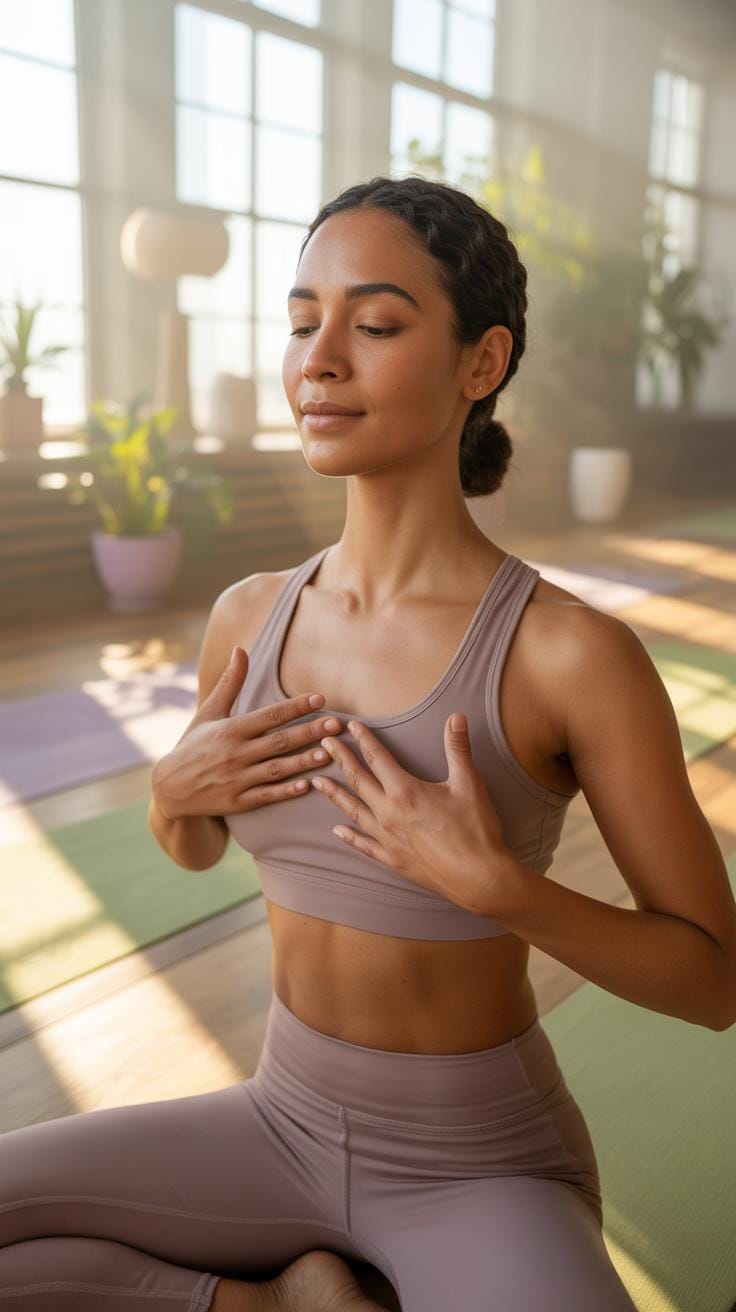
Breath control in Pilates is more than just a side note; it shapes how the whole body moves and feels during exercise. You might not realize it at first, but the way you breathe can either help your muscles engage fully or leave them barely activated. The typical method involves inhaling through the nose and exhaling out through the mouth. This pattern isn’t random—the inhale tends to prepare your body, filling the lungs gently, while the exhale works with your movements, encouraging your core to pull in and your muscles to work harder.
Beginners often struggle to get this timing right. For example, when you’re lifting your head or extending your limbs, you usually exhale to draw power and control. Then, as you release or return to the starting position, you inhale, relaxing a bit but staying engaged. Finding this rhythm can feel odd initially, like your breath and movement aren’t quite in sync. But with practice, it starts to feel natural, almost automatic.
The benefits of this controlled breathing go beyond muscle engagement. It helps quiet the mind, allowing you to concentrate better on each move. You might notice less tension creeping into your neck or shoulders because your breath guides you into a calmer state. Plus, proper oxygen flow through each breath supports your stamina and overall workout precision.
Could focusing on how you breathe really change the quality of your Pilates session? Most definitely. It’s not just about moving your body; it’s about moving it with purpose—breath leading the way, making each exercise feel grounded and more effective.
Comparing Pilates To Other Exercises
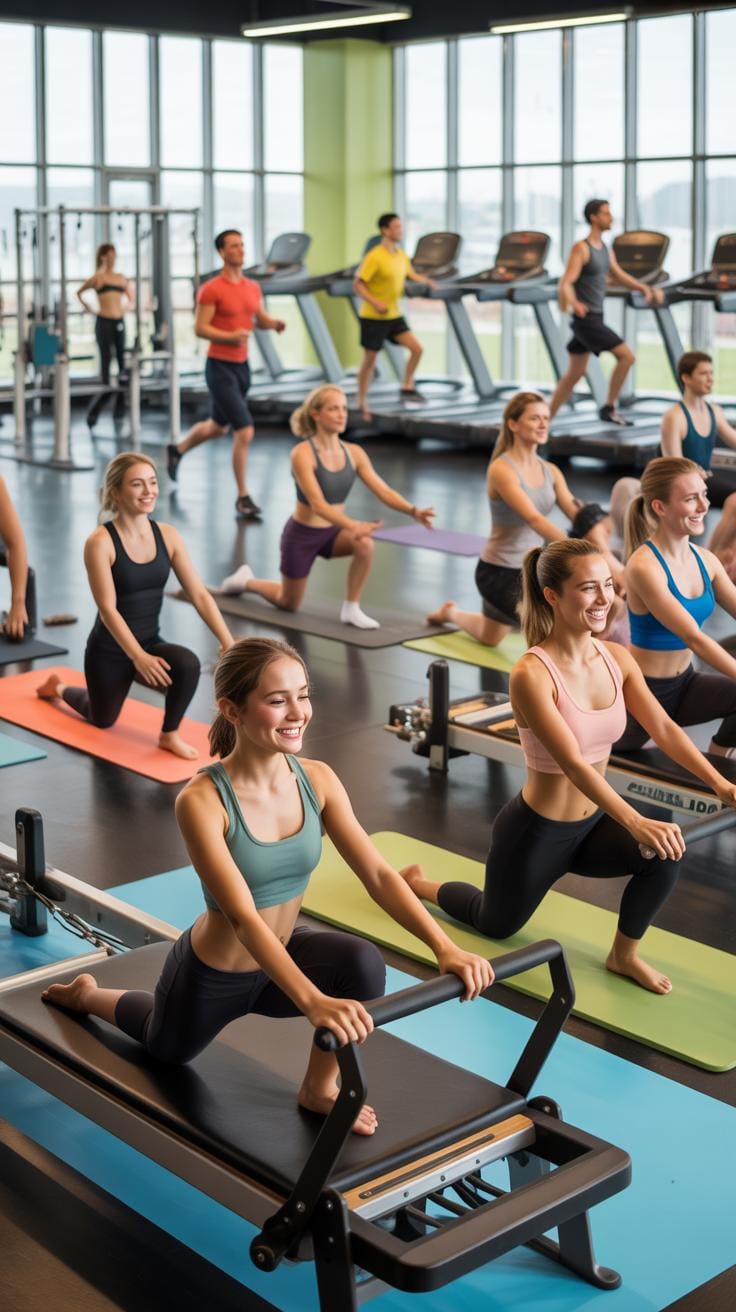
When you look at Pilates alongside other popular exercises, the contrasts become quite clear. Its primary focus is on core strength, controlled movement, and breathing, which sets it apart from many other routines you might consider. For example, compared to traditional gym workouts, Pilates isn’t really about lifting heavy or running at full speed. Instead, it’s about precise muscle engagement, often targeting smaller, stabilizing muscles that gym sessions might overlook. This focus means Pilates is great for those who want to build balanced strength without the intensity or impact that comes with more conventional training.
Yoga, on the other hand, shares the mind-body connection that Pilates emphasizes, but the goals differ. Yoga often includes holding poses for meditation or relaxation alongside physical strength and flexibility. Pilates movements tend to be more dynamic and designed around aligning your body to move in a particular way. Breathing in Pilates is usually more structured and timed with each movement, whereas yoga’s breathing can be more varied depending on the style and objective.
Who benefits most? Well, Pilates suits people seeking improved posture, rehabilitation, or simply a gentler form of strength training. Yoga often attracts those looking for spiritual or mental calmness alongside physical benefits. And if you’re chasing muscle gain or cardio endurance, gym workouts fit better. Still, these aren’t rigid categories. You might find yourself mixing and matching based on your mood or needs.
Benefits Of Daily Pilates Practice
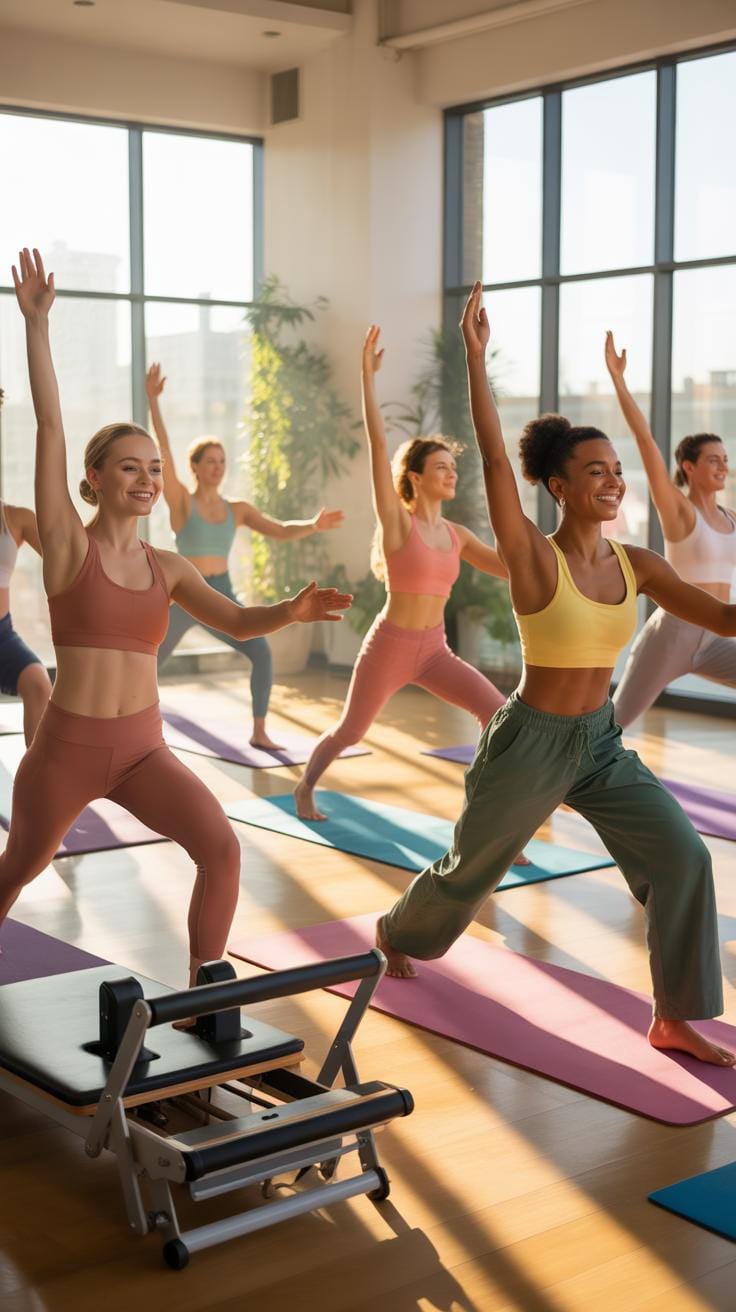
Practicing Pilates every day, even if just a short session, can bring noticeable changes to your body and mind. You might find your posture standing or sitting starts to straighten without much effort. That’s because Pilates targets core muscles—which support your spine—and gentle daily work helps build muscle tone gradually. People often mention feeling longer and leaner, not just tighter and stronger.
Flexibility usually improves too, especially in your spine and hips. You don’t have to be bendy to start; the routine encourages slow, controlled movement that wakes up stiff muscles. For example, you may find your range of motion with simple stretches increases more week by week. It’s subtle but real.
Mentally, many beginners notice less stress after Pilates sessions. The emphasis on breathing and mindful movement helps shift focus from daily worries to the body’s rhythm. I think that quiet moment of concentration is what makes Pilates feel relaxing yet alert, and can even help with better sleep or clearer thinking during the day.
Physical Improvements To Expect
As you stick to Pilates, these changes are common:
- Stronger core muscles, which can reduce back pain and improve posture.
- Greater flexibility and balance, lowering fall risks and easing daily tasks.
- Enhanced body awareness, helping you move more efficiently and avoid injuries.
- Muscle tone that feels firmer but not bulky, fitting well with a natural body shape.
These are not overnight gains but develop through consistent effort. Beginners often feel a new steadiness in movements that once felt awkward.
Mental And Emotional Benefits
One of Pilates’ unique features is syncing breath with movement. This connection often leads to reduced anxiety and clearer focus. When you engage fully with exercises—paying attention to how your body moves and breath flows—it’s easier to let go of distracting thoughts. This active mindfulness promotes relaxation, perhaps similar to meditation but with motion involved.
You might be surprised how fast this calm sets in, even after just a few sessions. Plus, it might encourage a habit of mindful breathing in stressful moments outside Pilates practice too. The combination of mental focus and gentle physical exertion supports emotional balance that isn’t always easy to find in other routines.
Common Beginner Mistakes To Avoid
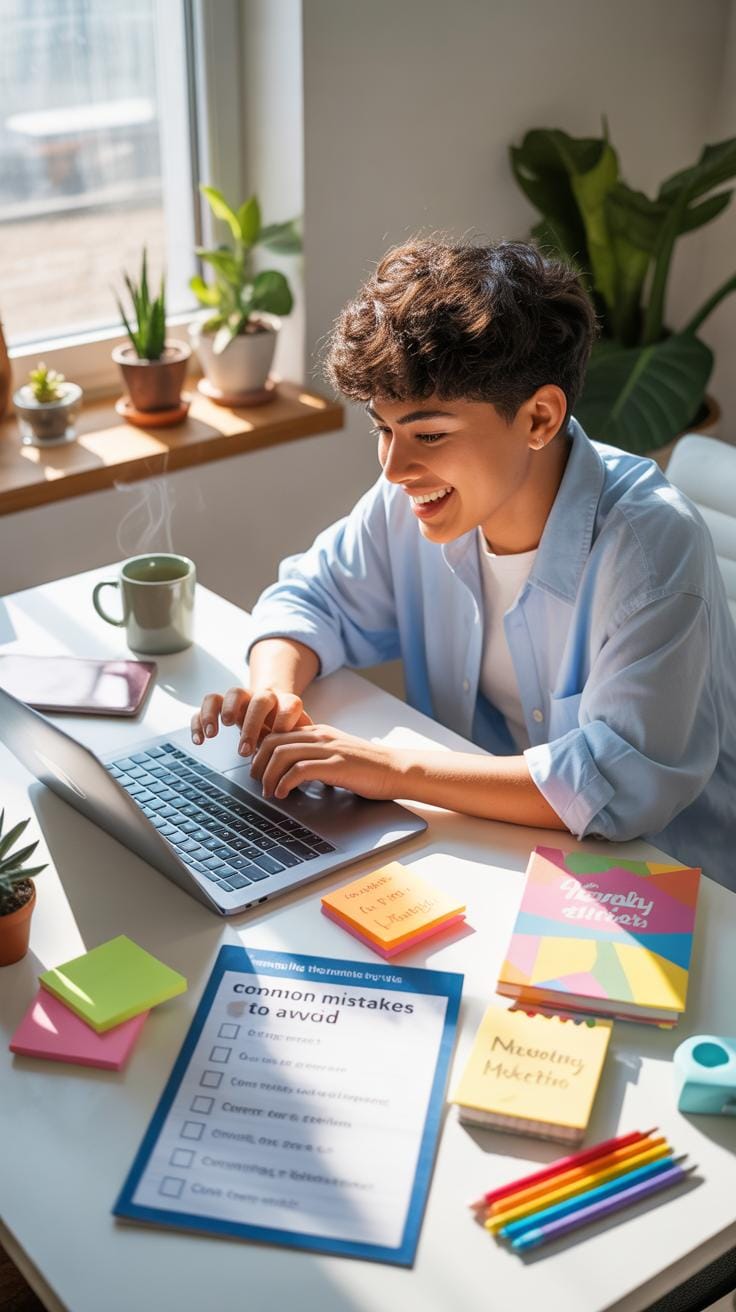
Starting Pilates can feel a bit overwhelming, and it’s easy to slip into some common mistakes that can hold back your progress or even cause injury. It’s worth being mindful right from the beginning.
Incorrect Posture And Alignment
One frequent error is poor posture. When you aren’t aligned properly, Pilates moves lose their effectiveness and can unknowingly strain your muscles or joints. Focus on your body’s position in each exercise:
- Keep your spine neutral—not too arched or slouched.
- Engage your core muscles gently but firmly.
- Align your head, neck, and shoulders to avoid tension.
It might take some practice to “feel” what correct alignment is, but over time it can become second nature. Maybe try working in front of a mirror or filming yourself to spot subtle shifts.
Overdoing Exercises Too Soon
Many beginners are eager and dive into routines with intensity, but this can backfire. Your body needs time to adapt. Pushing too hard too fast risks soreness, fatigue, or injury. Listen to your body’s signals—if something feels sharp or overly strenuous, pause and reassess.
- Start with shorter sessions and lower repetitions.
- Gradually increase difficulty based on your comfort.
- Rest when needed; it’s part of progress.
You might feel tempted to push through discomfort thinking it’s part of progress, but distinguishing between challenge and strain is key. Pilates should build strength steadily, not break it down.
Tracking Pilates Progress Effectively
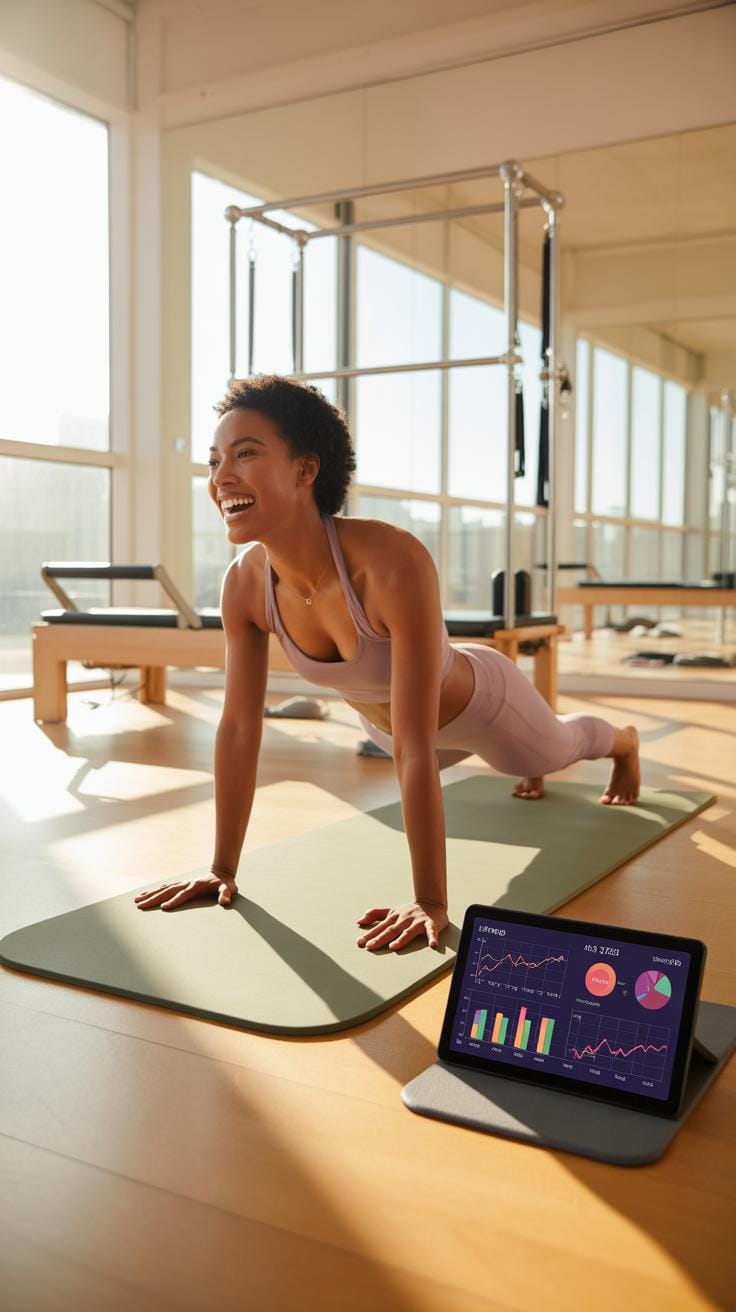
When you’re just starting Pilates, measuring your progress might feel tricky. What exactly counts as progress? I think a few simple methods can help you keep track without overcomplicating things.
First off, flexibility is a big sign of improvement. Try noting how far you can stretch at the beginning and then again after a couple of weeks. Can you reach a bit farther? Feel less tight? That’s a clear win. Strength gains are more subtle but still noticeable—you might find it easier to hold poses or do more repetitions without feeling wiped out.
Consistency counts a lot too. It’s easy to skip days when you don’t see big leaps, but regular, even small sessions add up. Try setting a weekly goal and mark off the days you complete your routine.
Setting Realistic Goals
Instead of aiming for dramatic changes, focus on small, achievable targets. Maybe it’s holding the plank for 10 seconds longer or touching your toes without discomfort. These milestones are satisfying because they’re realistic and motivate you to keep going.
Don’t feel bad if progress seems slow; every bit counts. Pilates isn’t about rushing—it’s about control and precision. Try to keep your goals simple and let them evolve as you get more familiar with the exercises.
Using Tools To Measure Improvement
Tools can make a big difference in keeping you on track. Consider maintaining a journal where you jot down how each session felt, what exercises you did, and any changes you notice. It’s rewarding to look back and see your journey laid out.
Apps designed for fitness or Pilates can also be handy. Some let you log workouts, track time, or even compare your videos over time. Speaking of videos, taking photos or recordings occasionally can surprise you—you might be moving better than you imagine.
Ultimately, finding the right mix of tracking that fits your lifestyle makes sticking with Pilates easier. What small steps could you start measuring today?
Motivation Tips For Pilates Beginners
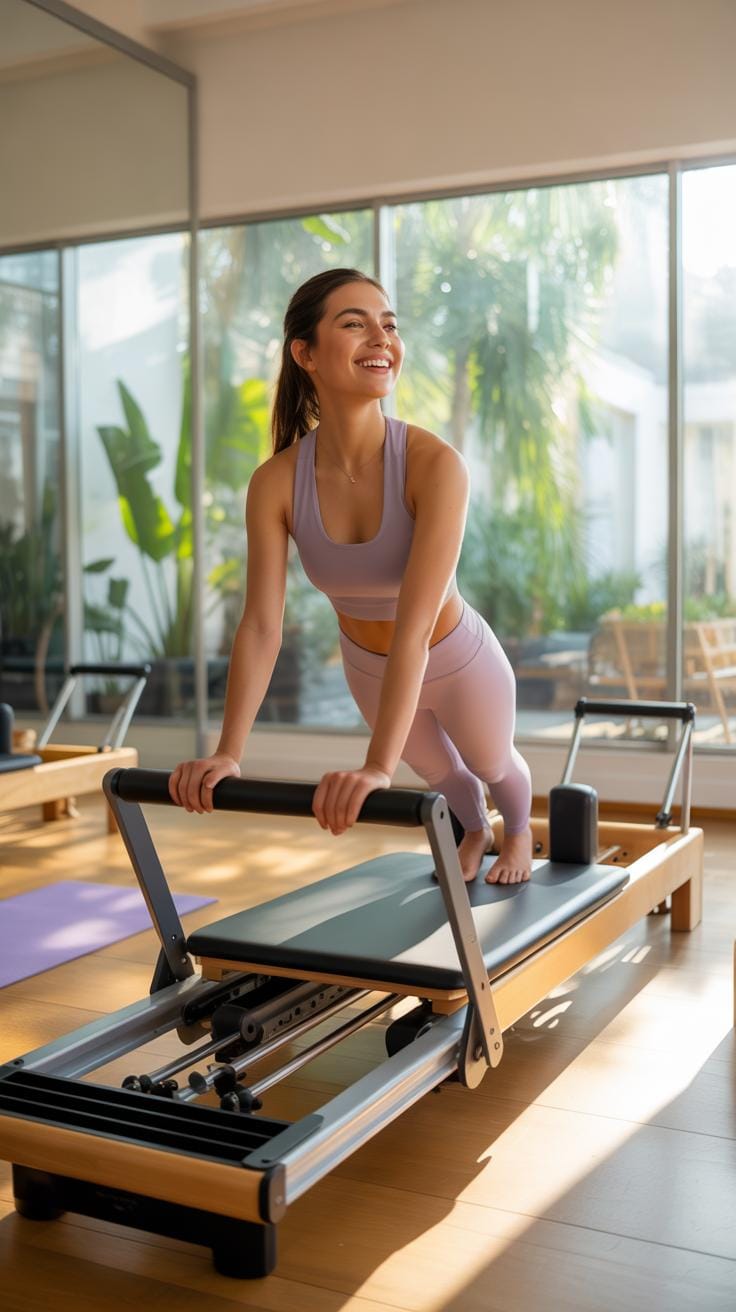
Starting Pilates at home can feel like a challenge, especially when the initial enthusiasm fades. You might wonder, “How do I keep going without losing steam?” One way is to focus on small wins—maybe you hold a plank a bit longer or breathe more deeply during exercises. These tiny improvements can add up and give you a sense of progress.
Another idea is to mix things up to avoid boredom. Try different Pilates routines or playlists that lift your mood. Sometimes, the best motivation comes from making the practice enjoyable rather than a chore.
Also, it helps to remember why you started. Are you aiming to feel stronger, reduce stress, or improve posture? Naming your reasons can pull you back when motivation wavers.
Obstacles like a busy schedule or sore muscles might slow you down. Don’t beat yourself up—allow rest days and be flexible with your routine. Even a short session counts.
What if you treat Pilates as a short break for yourself, not a task? This shift in mindset can make a surprising difference.
Conclusions
Practicing Pilates as a beginner at home offers a practical and effective way to improve your physical fitness. The method builds core strength, enhances flexibility, and promotes better posture through simple, controlled exercises. By following a consistent daily routine, you set the foundation for long-term health benefits and physical well-being.
With basic equipment and clear guidance, you can easily integrate Pilates into your daily schedule. The approach is adaptable to your pace and needs. As you progress, you will notice improvements in your body awareness, muscle tone, and balance. Starting Pilates is a step toward a healthier lifestyle that you can maintain comfortably at home.