
Dressing For Pilates Without Losing Function
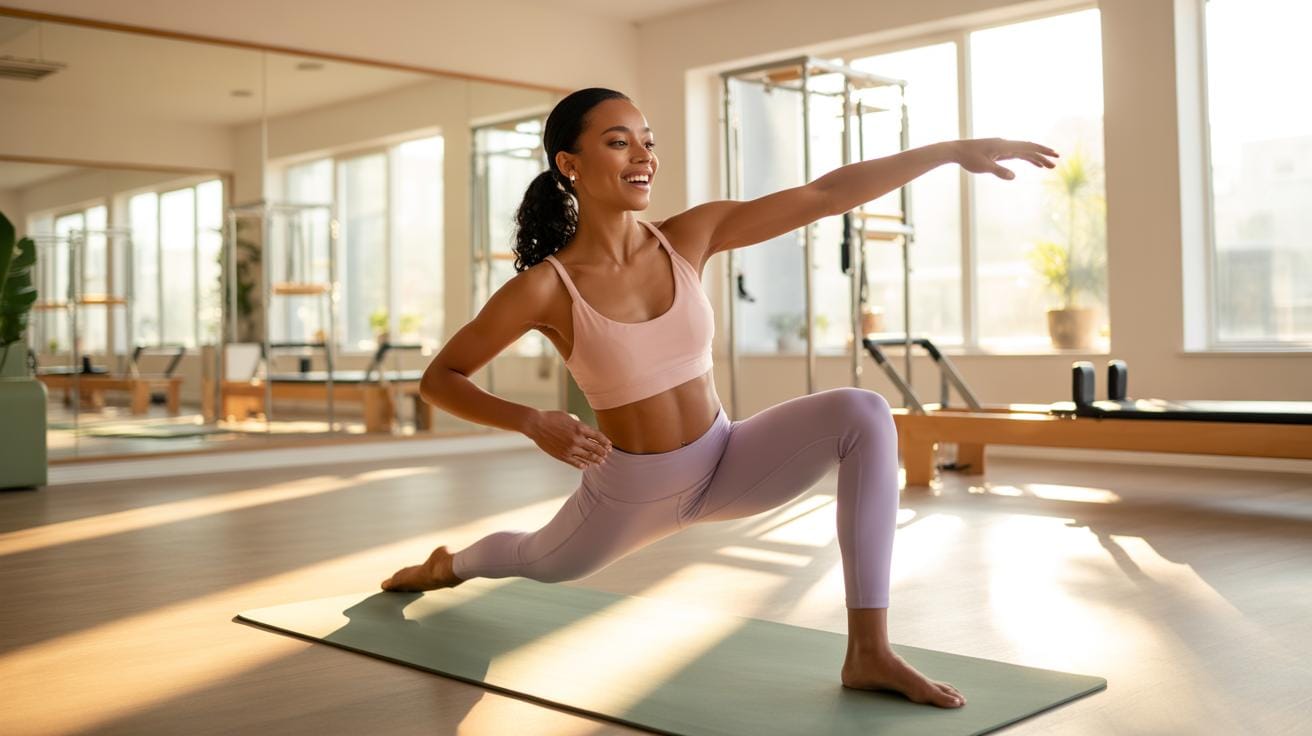
Pilates is a form of exercise that focuses on strengthening the body with controlled movements. An important aspect of practicing Pilates is what you wear. Pilates outfit inspo for Pilates aesthetic outfits that elevate style combines functionality with a pleasing look to boost confidence and motivation while working out.
This article will guide you through the essentials of Pilates outfits. You will learn about key apparel pieces, how to merge comfort and style, and practical tips to create looks that support your Pilates practice and make you feel good.
Defining Pilates Outfit Essentials

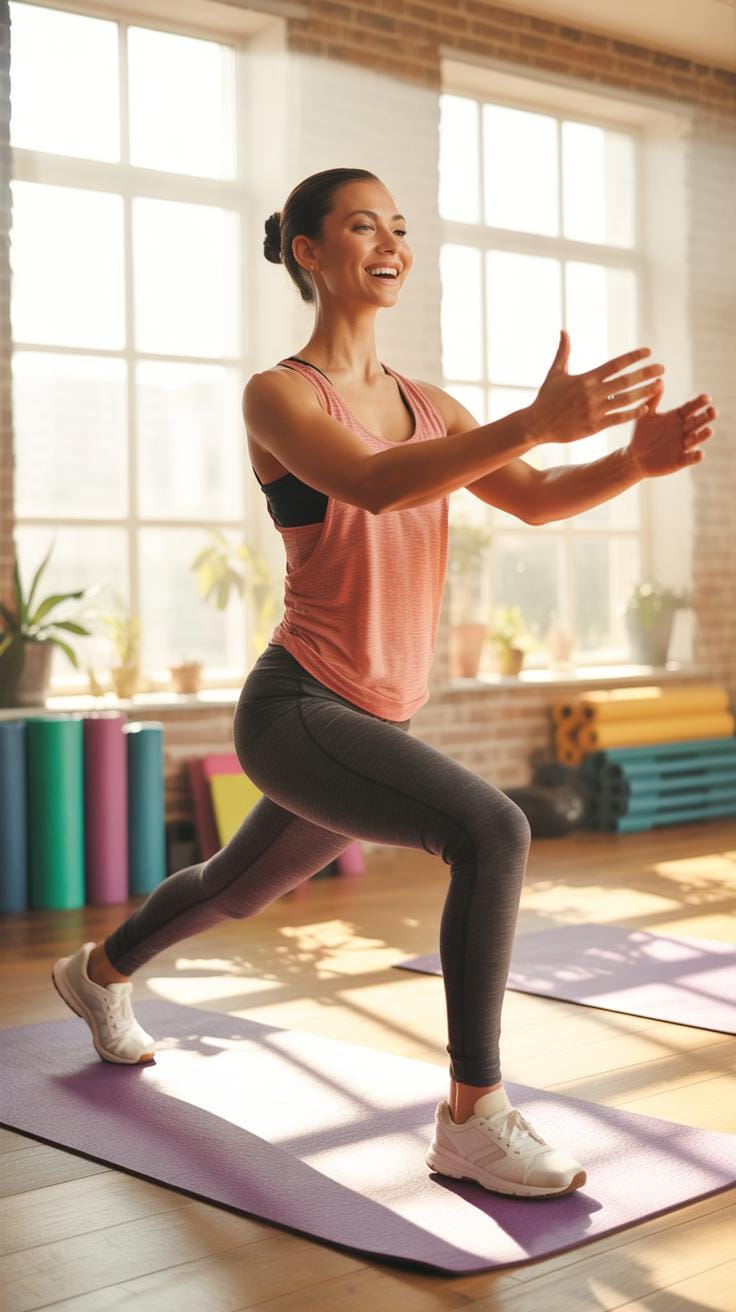
When thinking about a Pilates outfit, the basics come to mind—clothing that supports movement without restriction. A Pilates outfit typically consists of a fitted top, supportive sports bra, and stretchable bottoms. You want pieces that move with you rather than fight against your body’s natural flow during exercises.

Why are these essentials so important? Pilates involves a lot of controlled, precise movements and poses. Baggy or loose clothes can get in the way or distract you. The goal is to have a clear line of sight on posture and muscle engagement, which tight but breathable fabrics help with. It’s not just about looking good—though that’s a nice bonus—but also about enhancing performance and comfort.
Basic Clothing Items For Pilates
For Pilates, the wardrobe basics usually include:
- Leggings – Opt for high-waisted, ankle-length leggings with a snug yet comfortable fit. Materials like nylon or spandex blends that offer stretch and recovery work best.
- Tops – Close-fitting, sleeveless or short-sleeve tops allow freedom without excess fabric to manage. Length matters too—too long can get bunched up, too short might ride up during moves.
- Sports bras – Supportive but not overly restrictive is ideal. Medium impact suits Pilates’ low to moderate activity level. Look for moisture-wicking fabrics to stay dry.
Overall, clothes should contour the body without compressing too harshly. You want the outfit to feel like a second skin—flexible, breathable, and light.
Importance Of Breathable Fabrics
Breathability is key in Pilates attire. Since Pilates isn’t high-impact cardio but still demands steady movement and muscle engagement, fabrics that let your skin breathe help regulate temperature and keep sweat under control. Too tight or synthetic layers that trap heat can make you uncomfortable, and discomfort distracts from focus.
Stretch is equally vital. Fabrics like Lycra and spandex mixed with cotton or polyester provide elasticity necessary for broad ranges of motion—reaching, bending, twisting. Unstretchable materials, no matter how breathable, just won’t keep up. I’ve found that some newer blends balance stretch and moisture control better, but it can take trial and error to find your perfect match.
So, breathable and stretchy fabrics aren’t just a preference; they fundamentally support function and comfort during Pilates practice. Should your outfit hinder breath or movement, the exercise itself quickly feels more like a struggle than a rhythmical flow.
Creating A Pilates Aesthetic
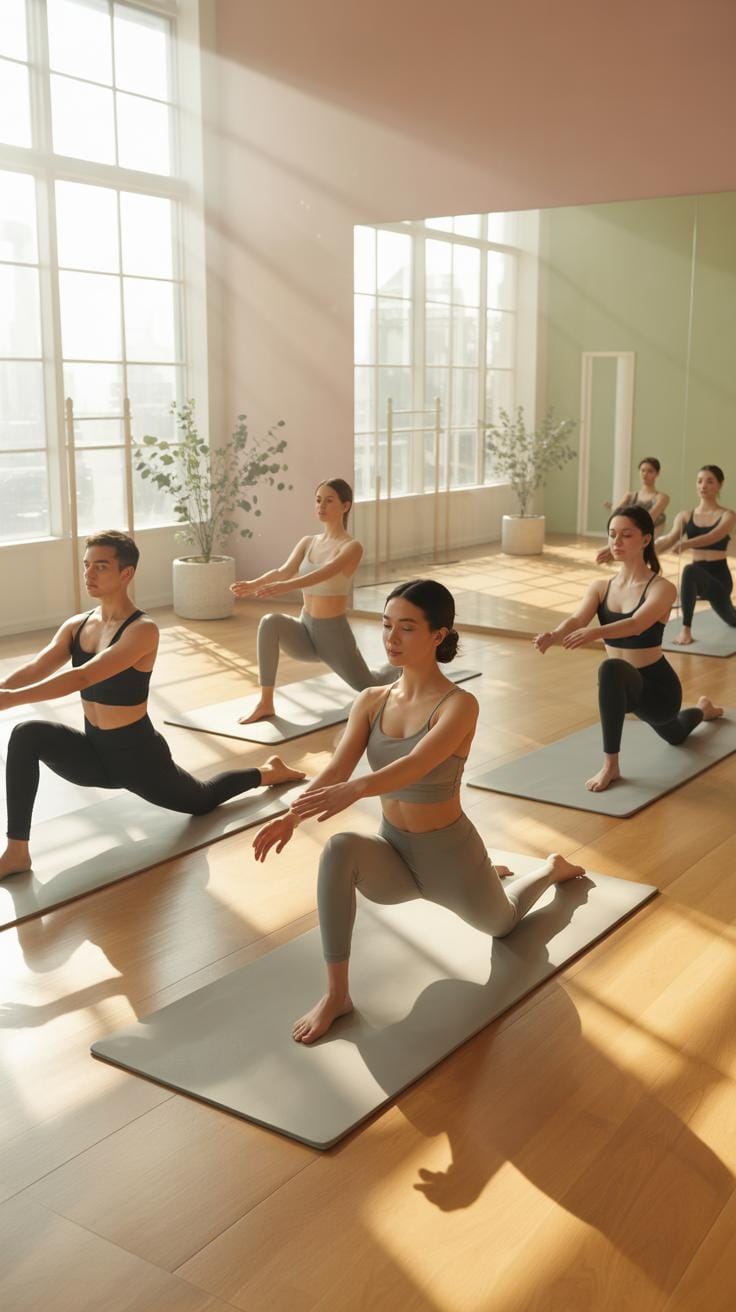
The Pilates aesthetic is about simplicity and function, but that doesn’t mean boring. It’s more about a clean, fresh appearance that supports your movements without distractions. When dressing for Pilates, think about clothes that feel light and look sharp, where each piece complements your body’s natural lines.
Colors play a key role—they shouldn’t shout or overwhelm. Soft neutrals, pastels, and muted shades tend to work well. Imagine calming blues, gentle greys, warm taupes, or even subtle greens. These hues can keep your mind centered while gently energizing your mood, just enough to keep you focused but not distracted.
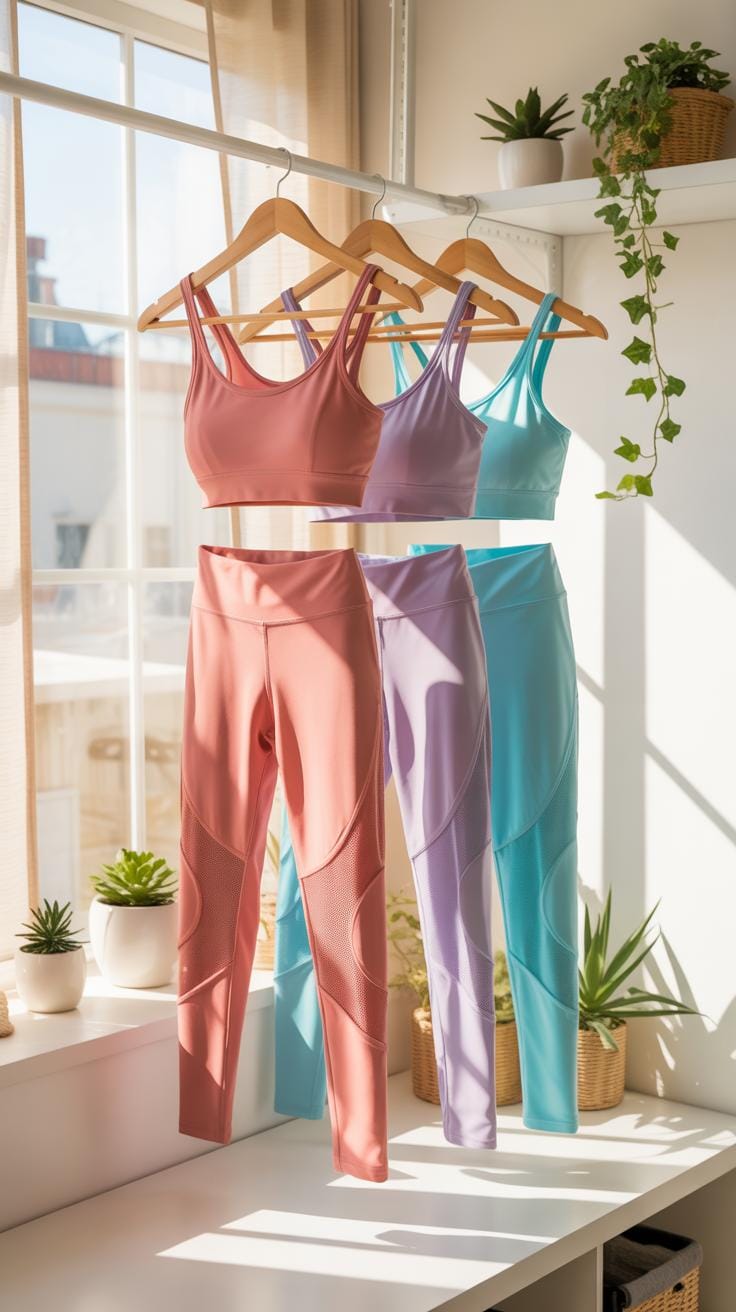
Design choices matter, too. Cuts that follow your natural silhouette, such as high-waisted leggings and fitted tank tops, often enhance the Pilates experience by promoting good posture and allowing easy movement. Textures that mix smooth with a bit of grip, like ribbed or mesh panels, add detail without being over the top. Patterns? Keep them minimal. Maybe a soft stripe or a small geometric detail to break the monotony, but nothing too loud.
It’s easy to get caught in what’s trendy, but for Pilates outfits, clarity and calm are more effective. This isn’t about flashy or complicated designs; it’s about balance. Have you noticed how certain colors or fits make you feel more in control during your practice? Maybe try picking a shade that feels both soothing and inspiring—that’s where your Pilates aesthetic lives.
Comparing Pilates Outfits And Other Workout Gear
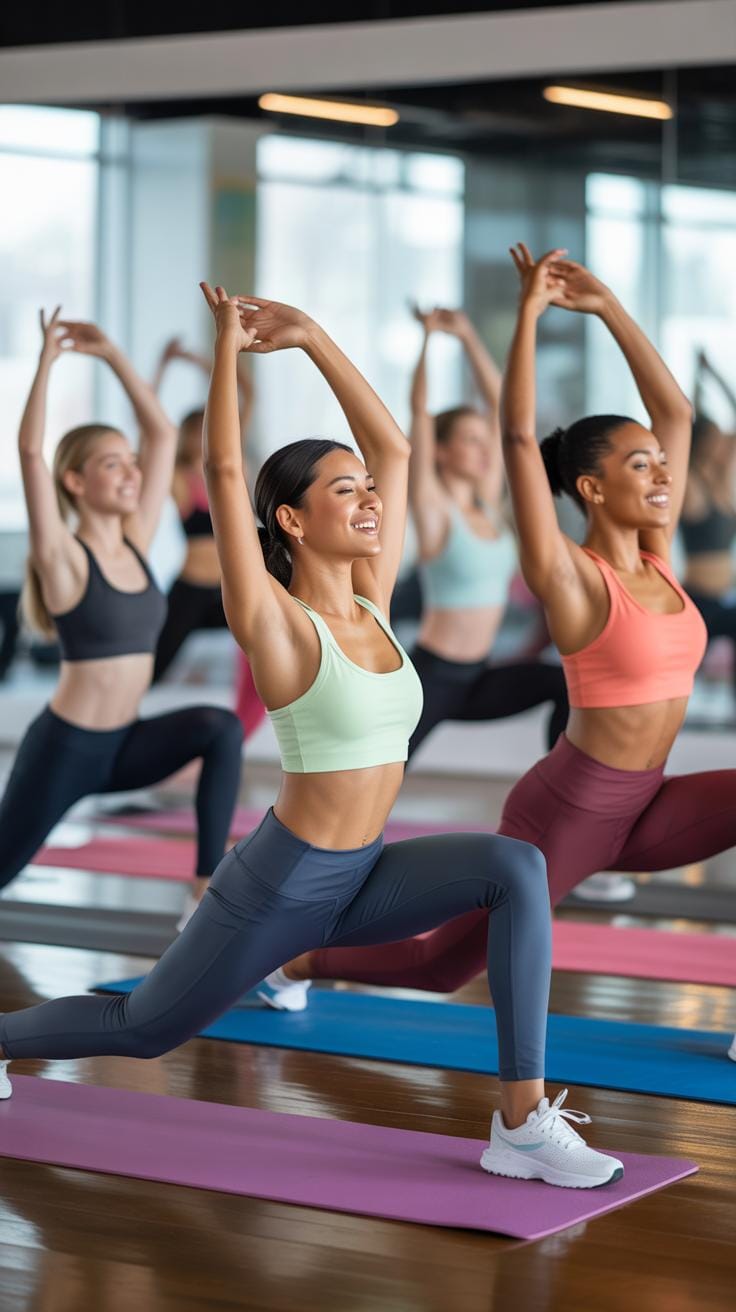
Pilates clothing stands apart when you really look at it, compared to other workout apparel. Unlike general exercise gear that’s built for heavy movement and high-impact activities, Pilates outfits emphasize freedom of movement and subtle support. This means they often have a more streamlined fit, without extra bulk or padding. The design tends to focus on smooth lines and breathable fabrics that move with you, allowing for the controlled and precise actions Pilates demands.
When putting Pilates and yoga clothing side by side, some differences emerge. Yoga outfits might lean more towards stretchy, soft fabrics that accommodate a wide range of motion—often with looser fits in some pieces. Pilates wear usually sticks to a tighter fit, aiming to support core engagement and maintain alignment. Flexibility matters in both, but Pilates apparel often balances stretch with compression for stability.
Then there’s gym wear in general, which can feel more rugged or sporty. Gym clothes might prioritize durability and moisture management for sweat-heavy workouts like weightlifting or cardio. Pilates clothes instead prioritize comfort and aesthetics, often blending into casual wear more easily. So you could say Pilates apparel is about style and ease without sacrificing functional design—maybe almost an understated chic vibe. At least, that’s the impression I get after seeing the subtle yet purposeful choices designers make.
Selecting Outfits For Your Pilates Level
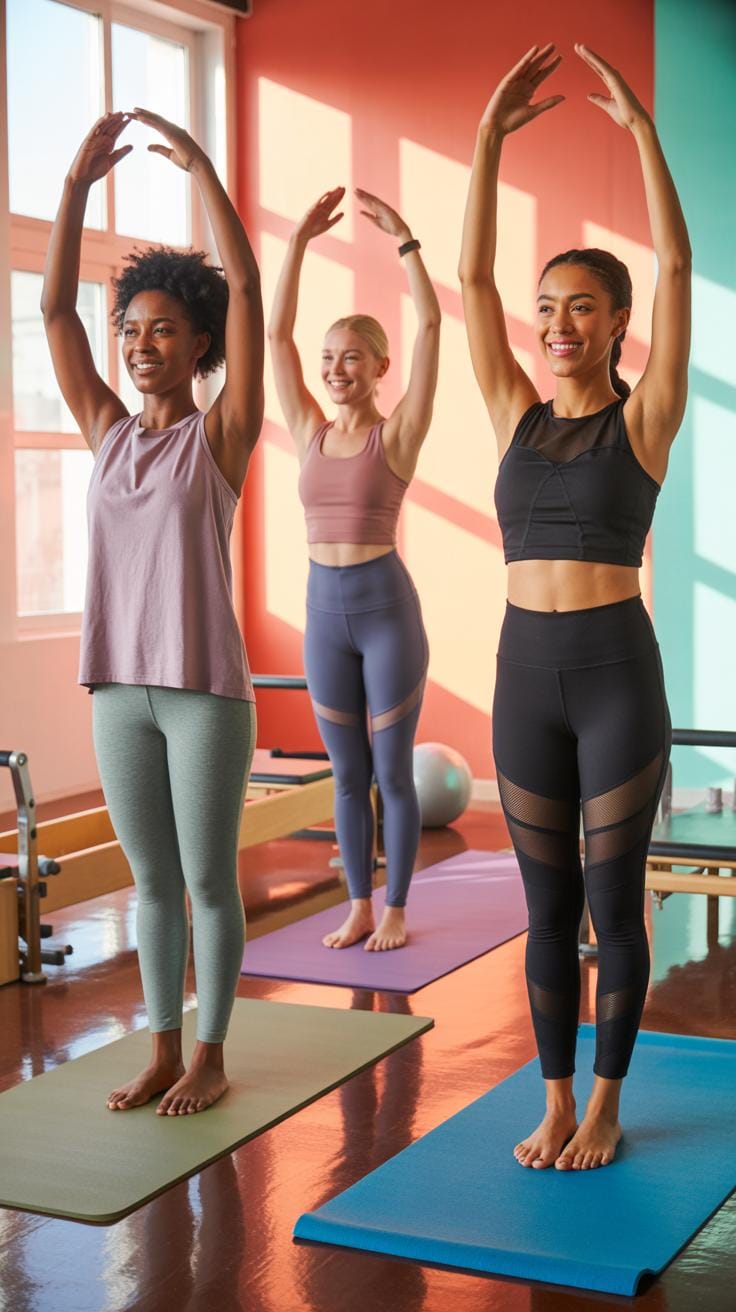
When you start Pilates, your outfit needs are a bit different than when you’re more advanced. Beginners often benefit from simple, comfortable clothes that allow for easy movement without overwhelming them with technical features. Think soft, breathable fabrics that won’t distract you from learning the basics. Stretchy leggings and a relaxed-fitting top often do the trick, allowing you to feel at ease while figuring out the moves.
As you progress, your outfit choices might shift. Advanced Pilates practitioners often seek gear with compression qualities to support muscles, and details like grip panels on leggings or tops that stay put without riding up. These features can help with stability during challenging poses. Outfits designed for more intensive practice sometimes include moisture-wicking materials, providing a cooler experience as you push harder.
Beginner Friendly Outfit Tips
If you’re just starting out, there’s no need to invest in super technical gear right away. Focus on comfort and flexibility. Loose, non-restrictive fabrics that move with you matter more than how trendy your outfit looks. Also, consider layering since Pilates studios can vary in temperature — a tank top with a light long sleeve shirt might be perfect. Footwear usually isn’t needed, but grippy socks could help if you’re nervous about slipping.
Advanced Pilates Outfit Features
Once you’re comfortable with all those core-engaging exercises, your outfit can step up to match the challenge. Look for features like targeted compression zones to support muscles during intense work. Seamless designs reduce chafing, letting you focus fully. Some practitioners appreciate quick-dry fabrics because they work up a sweat during pilates reformer sessions. Increased support in tops and adjustable waistbands can also make your practice feel tailored and precise.
Checklist For Pilates Outfit Shopping
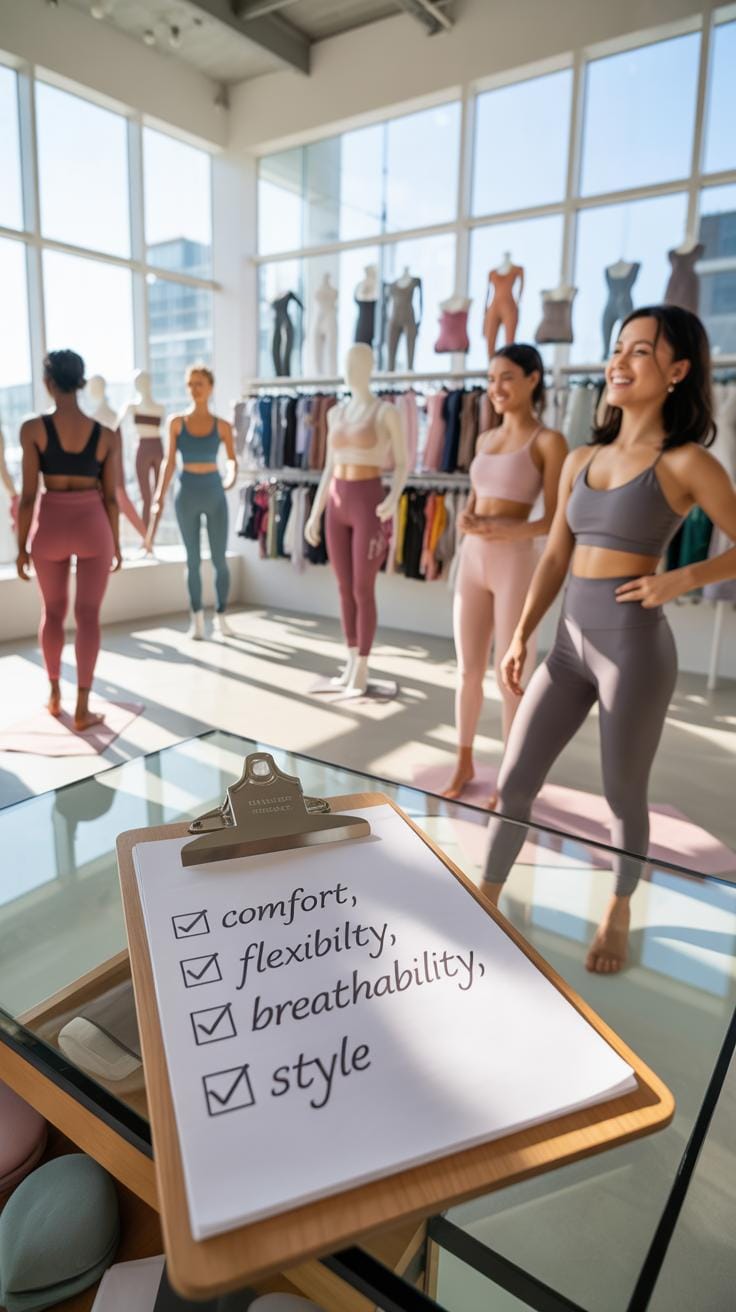
Choosing your Pilates outfit isn’t just about fashion—it’s about what helps you move freely and feel good throughout your practice. When shopping, think about versatility. Can the piece transition from Pilates class to running errands? Look for items that balance function and style; selective pockets or designs that complement your figure without being restrictive.
And don’t forget breathability. Even if an outfit looks great, if it traps heat or doesn’t wick moisture, you might find yourself distracted. Consider layering options too; sometimes a lightweight jacket or wrap can add an aesthetic touch and keep you comfortable.
Colors and patterns matter less than fit and comfort here. That said, subtle prints can add personality without overpowering your look. And if you’re unsure about a fabric’s stretch, take a moment to try movements like stretches or twists to feel how the material responds.
Fit And Comfort Checklist
Fit is everything—well, almost. You want clothes that move with you, not against you. Peek for these key points:
- Snug but not tight: Clothes should offer support yet allow full range of motion. Compression can be great but avoid anything that pinches or digs in.
- Stay-put waistbands: Waistbands that don’t roll or shift during movement keep distractions to zero. High-rise bands often work well here.
- Seam placement: Seams should avoid high-friction areas. It’s a small detail but matters during repetitive moves.
- Breathable linings: If there’s lining, it should invite airflow, preventing overheating or chills.
Try these on and move around—bend, stretch, squat—and see if you feel free or confined. Comfort can be slippery to define but notice what feels right to you.
Fabric And Durability Checklist
When it comes to fabric, think beyond softness. The right material supports your Pilates routine and lasts through countless sessions.
- Breathability: Natural fibers or blends that allow air to move help regulate temperature and wick sweat.
- Stretch and recovery: Fabrics like spandex or elastane offer excellent stretch but also bounce back to shape without sagging.
- Moisture-wicking: Quick-dry properties keep you comfortable when sweat appears, though not all wicking fabrics feel the same.
- Durability markers: Double stitching or reinforced panels mean the clothes can handle movements without tearing.
- Ease of care: Pilates clothes often require frequent washing. Durable fabrics that maintain color and shape after washes are worth investing in.
It’s tempting to go for trendier textiles, but remember, Pilates outfits should be practical first. If you’re unsure, imagine wearing the fabric class after class—would it still feel supportive? Would it look fresh?
Mixing Pilates Wear With Casual Clothes
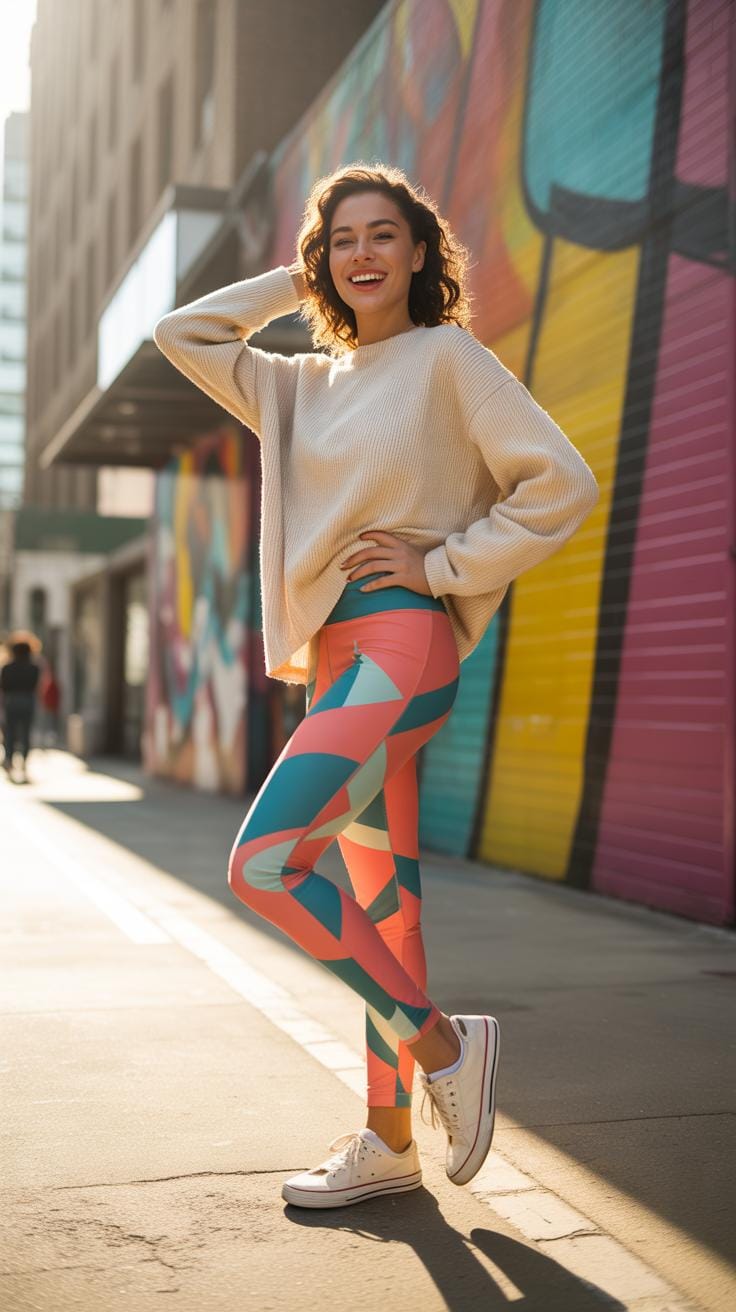
Blending Pilates-inspired clothes with everyday outfits is an interesting way to get versatile looks without sacrificing comfort. You might wonder how leggings designed for a workout could work beyond the studio. It’s not just about convenience—these pieces often offer sleek, minimalistic designs and fabrics that adapt well to casual styles.
Take Pilates leggings, for example. Their streamlined cut and sturdy materials make them surprisingly easy to pair with oversized sweaters or loose tees. A fitted Pilates top could work under an open denim jacket or layered with a light cardigan, creating a relaxed yet intentional look. I think the key lies in keeping the balance between sporty and laid-back, so it doesn’t read too much like activewear out of context.
Footwear can steer the whole vibe, too. Classic sneakers or slip-on shoes are safe bets—comfortable but still tidy. If you want to elevate the look a bit, simple loafers or ankle boots might work, depending on your mood and the setting. The whole idea is to mix and match in ways that feel natural, not forced, which sometimes means trying combinations that don’t immediately seem obvious. Have you ever tried Pilates leggings with a casual blazer? It can be unexpected but striking.
Example Pilates Aesthetic Outfits
Minimalist Pilates Outfit Example
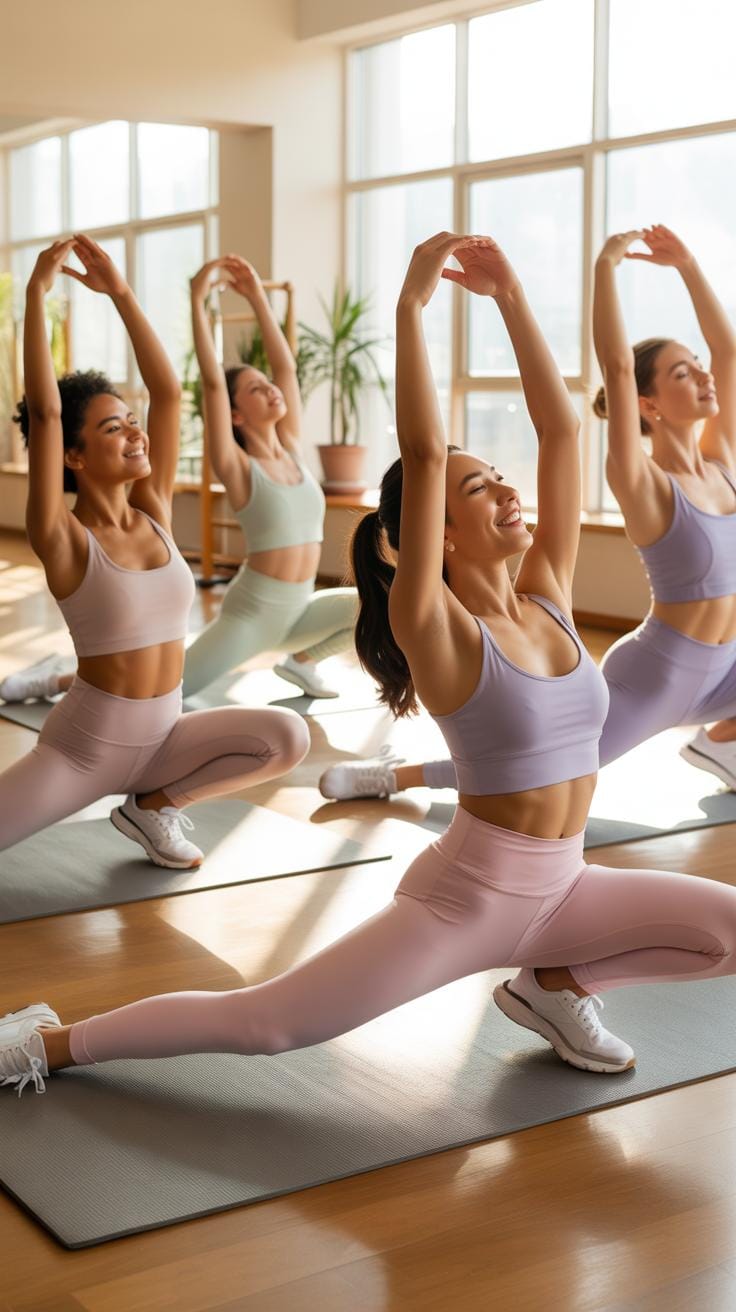
Sometimes less is more, especially when it comes to Pilates outfits. A minimalist style focuses on simplicity and functionality. Think solid neutral tones like black, white, or gray. Pieces have clean lines and minimal detailing—no flashy logos or patterns to distract. For instance, a fitted black tank paired with high-waisted, matte gray leggings offers a sleek, streamlined look without fuss. This approach avoids clashing colors or excessive layering. It’s about comfort that feels intentional, not sloppy. You might add a thin, soft headband or simple stud earrings for a touch of personality, but nothing overwhelming. Such outfits help maintain focus—on the movements during your Pilates session, and maybe on a quiet, calm mindset too.
Colorful Pilates Outfit Example
On the other hand, some Pilates enthusiasts prefer to bring a bit of brightness and playfulness into their workout wardrobes. A colorful outfit might mix bold tones and fun design elements to energize the session. Imagine vibrant coral leggings paired with a turquoise or lavender top. Patterns can be subtle, perhaps a faint geometric print or small accents in contrasting hues. It’s an opportunity to express joy and creativity through clothing. You might also consider layering a lightweight, cropped jacket in a complementary shade. These choices can brighten your mood, even if the Pilates moves remain challenging. That said, balancing comfort and function is key—you want breathable fabrics that don’t restrict, regardless of how lively the colors get.
Maintaining Pilates Clothing Quality
Washing Pilates Clothes Correctly
Washing Pilates outfits properly is key to keeping their shape and color over time. Use cold water to prevent fibers from shrinking or fading. Avoid harsh detergents; milder, gentle ones work best. Also, skip fabric softeners—they can coat the material and reduce breathability. I noticed that turning clothes inside out before washing helps keep colors vibrant for longer. Hand washing might seem old-fashioned, but it really extends garment life if you have the time.
Storing Pilates Outfits Safely
Proper storage can also make a difference. Pilates outfits, often made of stretchy fabrics, need space to breathe to avoid wrinkles and fabric stress. Hanging them on padded hangers rather than folding can help maintain the garment’s shape, but not all pieces like hanging. Some stretchy fabrics might stretch out, so folding and stacking might be better in those cases. Keeping them in a cool, dry place reduces the risk of mildew or fabric breakdown. It might seem a hassle, but a little care goes a long way in extending the outfit’s lifespan without losing its Pilates aesthetic.
Conclusions
Pilates aesthetic outfits bring together the best of comfort, flexibility, and visual appeal. Choosing the right fabrics, colors, and fit can make your Pilates sessions more enjoyable and motivating. Remember, your outfit should support movement and express your personal style.
By understanding the components of Pilates outfits and applying simple style principles, you can elevate your workout wardrobe. Use the ideas and examples provided to experiment with your Pilates looks and find outfits that work best for you.