
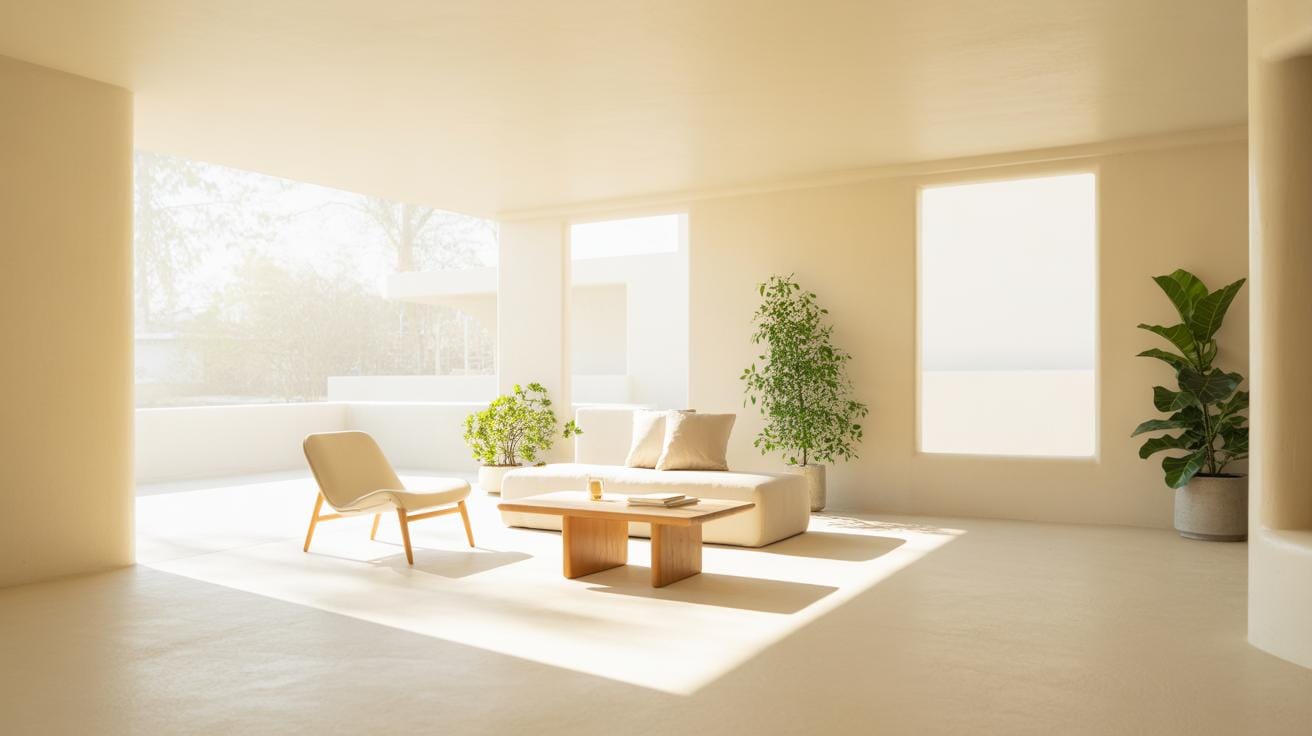
What A Minimalist Lifestyle Actually Looks Like
Minimalism lifestyle is a way of living with less, focusing on what is most important. It helps people create space in their homes and minds by removing clutter and simplifying choices. This article explains various benefits of adopting a minimalist lifestyle that leads to balance and calm.
We will discuss how minimalism reduces stress, compares different living styles, and provides steps to start a minimalist life. Through real examples and practical advice, you can see how to improve your daily life by choosing simplicity. The aim is to offer a clear path to a balanced minimalist lifestyle.
What Is A Minimalist Lifestyle

Simple Definition And History

Minimalism is about focusing on what truly matters by reducing distractions. It means living with less stuff, less clutter, and often fewer commitments. The idea is to emphasize quality over quantity, aiming for simplicity in both possessions and daily routines.
The roots of minimalism aren’t just modern. They trace back centuries, influenced by spiritual traditions like Buddhism and early Islamic teachings. For example, Prophet Muhammad emphasized a simple life, as did leaders like Caliph Umar, who chose minimal possessions despite great power. The modern minimalism concept gained traction in the mid-20th century, especially through art and design movements that rejected excess and embraced the essential.
Everyday Minimalism Examples
Think about life this way: instead of having a closet stuffed with clothes you rarely wear, you could have a few versatile pieces you like and use often. Or consider a desk that isn’t buried under piles of papers but organized with just what you need.
- Cleansing a room by donating things that no longer serve you.
- Choosing quality over quantity when buying items, such as a sturdy pair of shoes rather than many cheap pairs.
- Turning off notifications that distract you from being present.
Minimalism isn’t a strict rule but a guide, and it looks different for everyone. You might keep a cherished collection, while another person finds peace in nearly empty spaces. The key is finding a balance that simplifies your life without feeling deprived or constrained.
Benefits Of A Minimalist Lifestyle
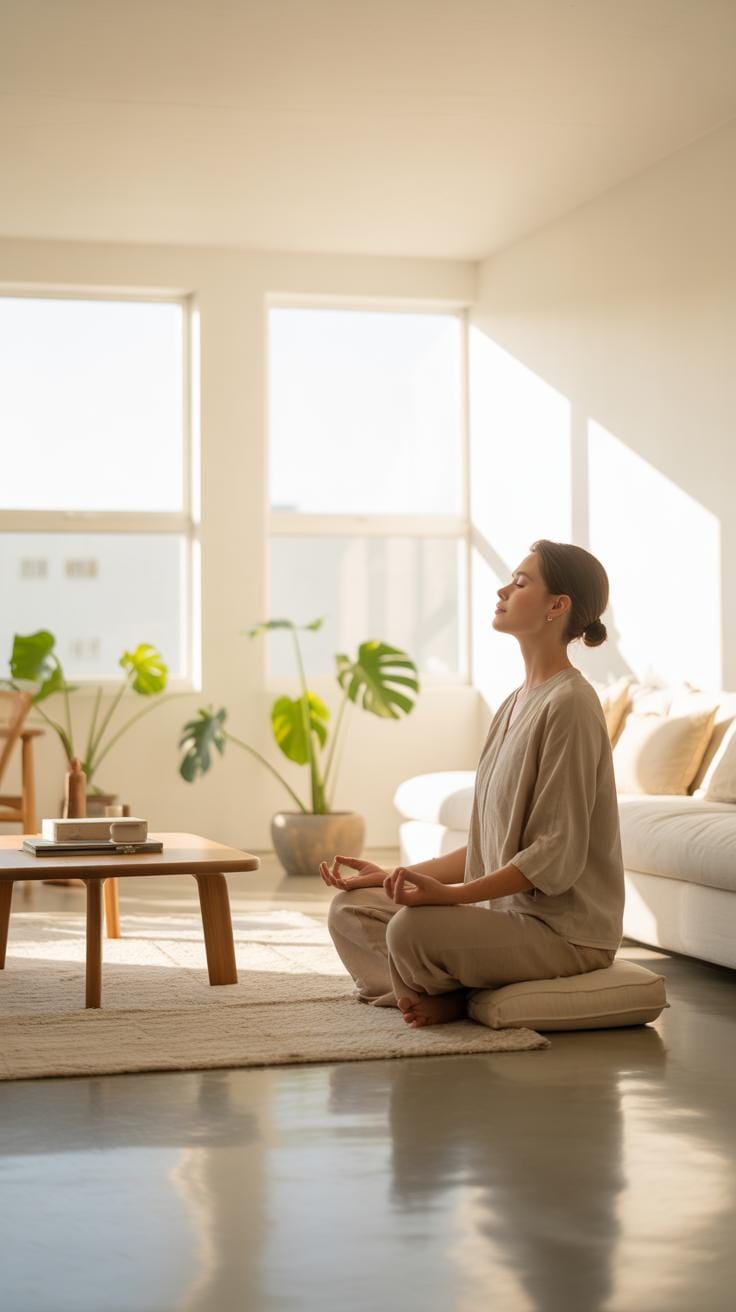
Living a minimalist lifestyle offers clear benefits to your mental, financial, and physical well-being. Mentally, fewer possessions mean fewer decisions and less clutter to overwhelm your mind. It’s easier to focus and stay calm when your environment isn’t filled with distractions. For example, studies have linked cluttered spaces to higher cortisol levels, which hint at increased stress. Physically, a minimalist lifestyle encourages tidiness and can make your home safer by reducing tripping hazards. This often leads to more active living because you spend less time managing stuff and more time doing things you enjoy.
Financially, minimalism cuts costs significantly. Owning less means you buy less, saving money and reducing debt. People often find that their spending habits shift from impulsive purchases to mindful ones. Imagine cutting out those frequent small buys for things you don’t really need; over months, that really adds up. I know someone who saved hundreds monthly simply by buying fewer clothes and gadgets.
Put simply, minimalism offers a more balanced life. It’s not about deprivation but about making space for what matters most to you.
How Minimalism Reduces Stress
Minimalism reduces stress by limiting the number of possessions and distractions competing for your attention. You might not realize it, but every item you own adds noise to your brain. When you have less, your mind can settle. Psychologically, humans are wired to feel uneasy in chaotic environments. Research suggests clutter can impair the brain’s ability to process information, leading to increased stress and less productivity.
Think about a room packed with stuff. Does it make you tense or relaxed? Many people report feeling lighter and more in control after decluttering. One simple psychological fact is that fewer choices can reduce decision fatigue—a real phenomenon where the brain tires after making too many decisions. With minimalism, the choices shrink, so mental energy is preserved for meaningful activities. This effect is subtle but powerful; it can gradually change how you feel day after day.
Examples Of Minimalist Success Stories
There are many stories of people transforming their lives through minimalism. Consider the story of a young professional who downsized from a large apartment to a tiny studio, intentionally keeping only essentials. This shift helped him save money, reduce anxiety, and focus better at work. Another example is a family who decluttered their home, selling or donating what they didn’t need. They found the process freeing and noticed their kids became more creative with less stuff around.
Then there’s the writer who decided to live with just a backpack of belongings for a year. This experience taught her what truly mattered, fostering mindfulness and gratitude. These stories might sound extreme to some, but they show how scaling back possessions can lead to greater happiness, clearer priorities, and a healthier lifestyle overall. Perhaps minimalism isn’t about living with nothing, but about choosing what adds value to your life.
Minimalist Lifestyle Vs Consumer Lifestyle
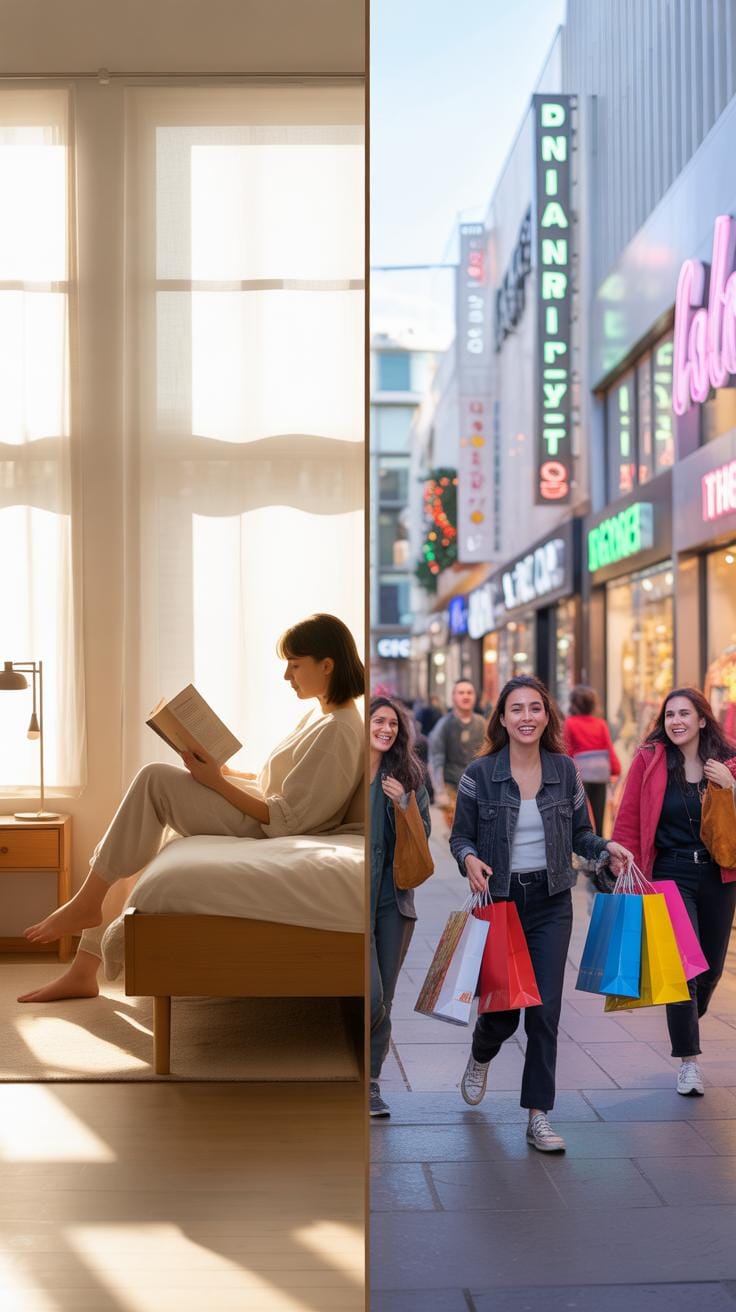
Spending Habits Compared
Minimalists tend to spend money with a clear purpose—they buy fewer things but choose quality over quantity. For example, a minimalist might invest in a durable pair of shoes rather than several cheaper pairs. Consumers, on the other hand, often purchase more frequently, driven by trends or promotions. Think about the shopper who fills their cart with clothes that rarely get worn or gadgets that quickly become obsolete.
Minimalists often track their expenses carefully, looking to avoid impulse buys. Consumers might not always pause to question a purchase; the rush of buying can feel rewarding. It’s not that one approach is right and the other wrong, but the way money is managed definitely reflects different values.
Happiness And Wellbeing
When it comes to happiness, minimalists often report feeling less stressed and overwhelmed. There’s a sense of freedom in owning less—fewer possessions mean less clutter, and perhaps fewer decisions to make daily. I’ve heard stories where people, after adopting minimalist habits, talk about sleeping better or feeling calmer.
Consumers, by contrast, may sometimes find happiness in shopping or collecting items, but this joy can be fleeting. The emotional boost might fade quickly, leading to a cycle of wanting more stuff to feel good again. So, while consumerism can bring short bursts of pleasure, minimalism seems to support longer-term mental wellness. It’s an interesting trade-off to consider when you think about your own life and what truly brings you contentment.
Steps To Start A Minimalist Lifestyle
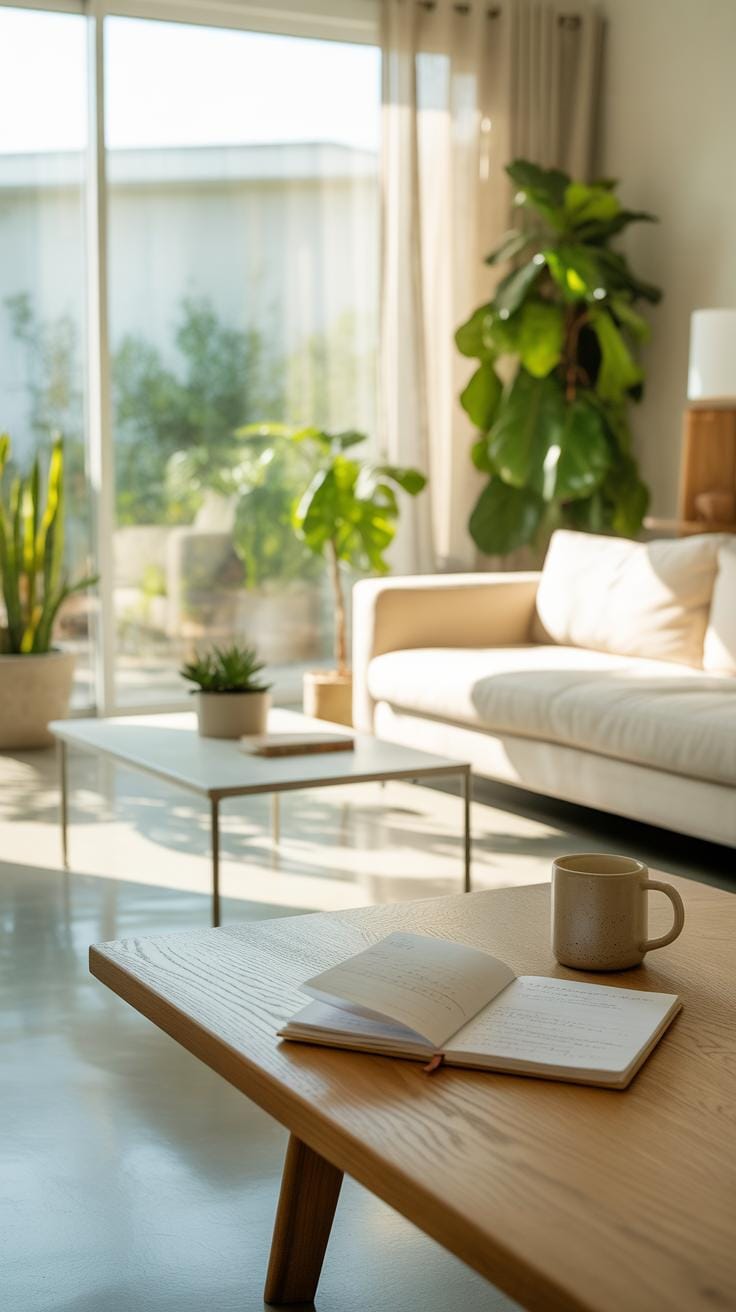
Starting a minimalist lifestyle isn’t some grand leap but a series of small, intentional steps. First off, decluttering your space can be overwhelming, but breaking it into parts makes it manageable. Sort things into keep, donate, or toss piles, and take one room at a time—no need to do it all in one day. Then comes prioritizing what truly matters to you. This means figuring out what you use and need regularly versus what just takes up space. Ask yourself: does this item or task add value or cause stress?
Changing habits is equally important. Try to resist impulse purchases by waiting 24 hours before buying non-essentials. Focus your energy on experiences rather than things. Notice what distracts you and cut those down where possible. It’s not about perfection but progress—picking a realistic starting point and slowly adjusting your daily routines to reflect simpler priorities can really shift the way you live.
Declutter Your Space In 5 Steps
Decluttering might sound simple but involves real decisions. Here’s a quick guide:
- Choose one space (a drawer, a closet, a desk) and set a timer for 20–30 minutes to avoid burnout.
- Pull everything out so you see it all at once, which helps grasp the volume.
- Sort items into categories: keep, donate, discard. Be honest—if you haven’t used it in six months, consider letting it go.
- Organize what you keep by type or frequency of use to make it easier to maintain order.
- Put the discarded items away promptly—you don’t want them creeping back into your space.
Prioritize Essentials Daily
Every day, revisiting what’s essential helps prevent clutter and overwhelm from creeping back. Start by identifying your top three must-do activities or items for the day and focus there. This could be as simple as making space on your desk for what you really need or deciding to unplug from digital distractions for a set time. Consider what supports your well-being or goals and actively cut down on the rest. Are some items or habits only there out of obligation or habit? Question those regularly and be flexible—sometimes what feels essential changes. Keeping a minimalist mindset means giving permission to adjust daily priorities, even if it feels uncertain at times.
Tools To Support A Minimalist Lifestyle
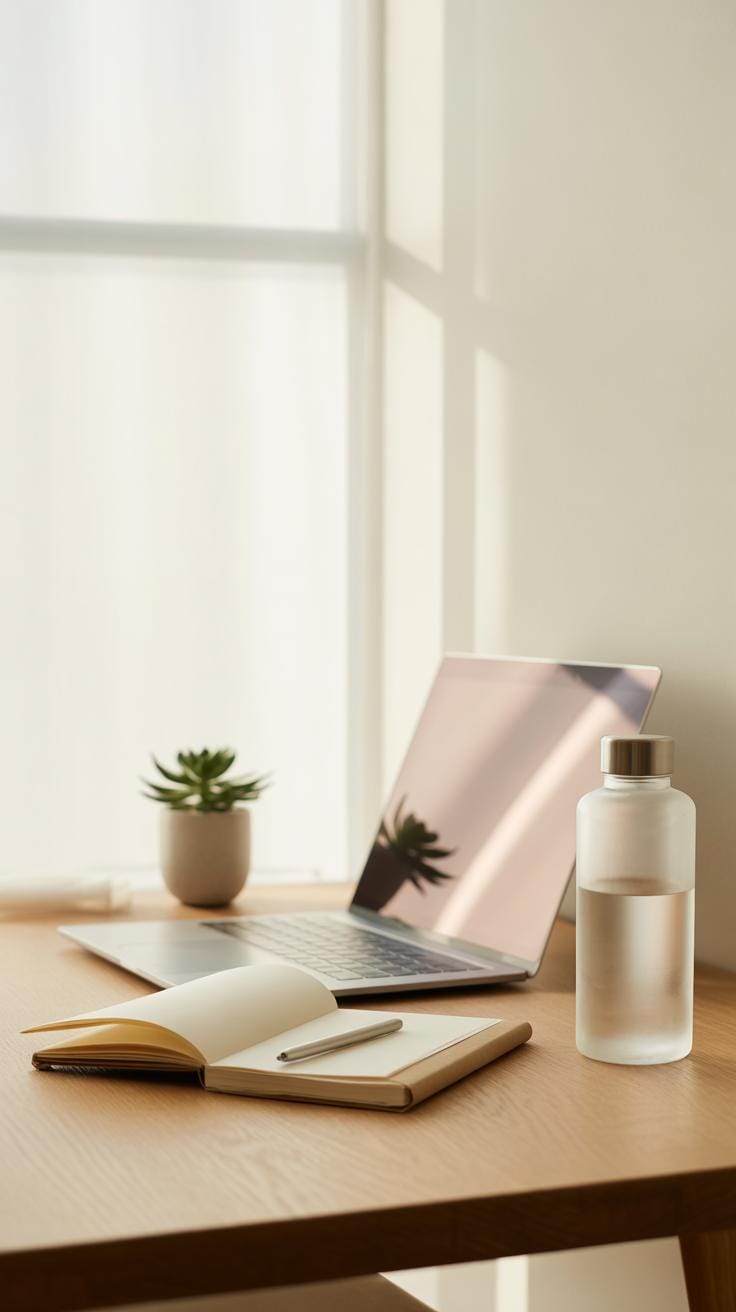
Living with less doesn’t mean doing without helpful tools. In fact, certain apps can quietly shape your minimalist journey by keeping things neat and intentional. For example, budgeting apps like You Need A Budget or Simple—yes, those straightforward names—can help you track spending without overwhelming you with charts or jargon. They quietly remind you where your money goes, gently steering you from impulse buys that might just create future clutter.
Task management apps like Todoist or Microsoft To Do also play a subtle role. They help streamline your daily actions, limiting the mental mess of trying to remember every little task. When your schedule is clear, you tend to avoid the chaos that stacks up in physical and mental spaces alike.
Lists, meanwhile, aren’t just paper relics. A simple, thoughtfully made list before shopping can curb unnecessary purchases. Asking yourself, “Do I really need this?” becomes easier when your list points directly to essentials. Over time, lists cultivate discipline, curbing the urge to hoard or accumulate. And this can be surprisingly reassuring—kind of like having a quiet friend reminding you to stay true to your goals.
Common Minimalist Lifestyle Pitfalls
Avoiding Overdoing Minimalism
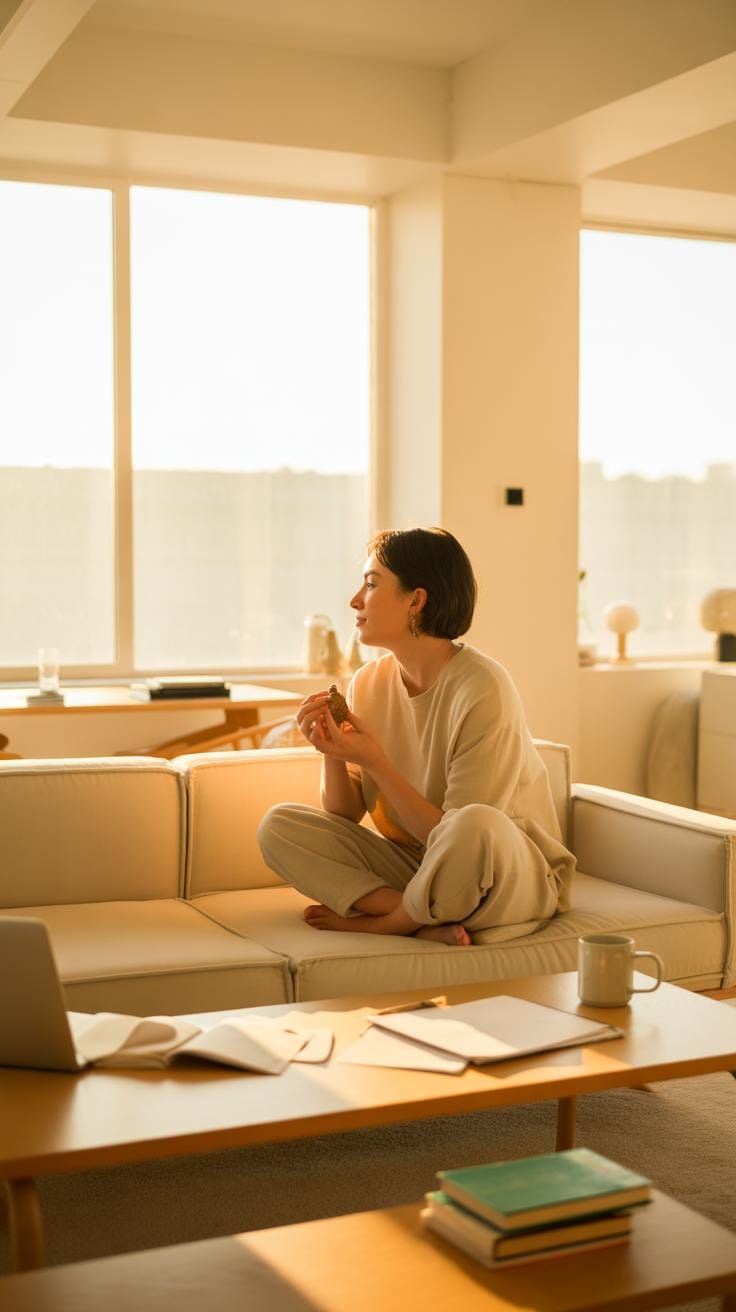
Minimalism can feel freeing at first, but too much of it can create new problems. I’ve seen people strip down their belongings so much that they lose the little comforts that make life enjoyable. It’s like, in an effort to simplify, some end up with a harsh, sterile environment that doesn’t really feel like home.
It’s important to find a balance. Minimalism should serve you, not the other way around. Keep what truly adds value or meaning to your life, and let go of the rest. Trying to remove every single non-essential item can be stressful and probably unsustainable. A good rule could be to regularly reassess your possessions and habits instead of going to extremes all at once.
Handling Social Pressure
Adopting minimalism can also bring some social challenges. Family or friends might not get why you’re giving away possessions or avoiding certain social norms. Sometimes they might even see it as a rejection of shared values or as a strange phase.
Dealing with this requires patience and communication. Explaining your choices without sounding preachy can help. It’s okay to set boundaries too and live your life in a way that feels right, even if it isn’t understood by everyone.
Remember, you don’t owe anyone an explanation, but showing how minimalism helps you might open doors to more support than you expect. I’ve noticed that over time, most close people adjust or at least respect the changes, even if they don’t fully agree.
Tracking Your Minimalism Progress

Keeping tabs on your journey toward a minimalist lifestyle can sometimes feel a bit vague. When does progress really start to show? What should you be watching? Well, there are some clear, simple ways to measure how effectively you’re trimming down the excess and gaining clarity in life.
Key Metrics To Watch
Begin by counting your possessions—how many items have you parted with or donated? Track the money saved by not buying new things or by selling unused belongings. Also, keep an eye on the space you’ve cleared; that empty shelf or closet corner can be a real indicator of success.
Other practical signs include the reduction in time spent cleaning or organizing and even how often you choose experiences over material goods. Some notice less mental clutter—a softer, less noisy day-to-day—which, although harder to quantify, is also quite significant.
Questions To Reflect On
To understand whether minimalism is truly working for you, ask yourself: Do I feel less stressed by my possessions? Is my environment calmer or more inspiring? Am I more mindful of what I bring into my life or home? Do I find more satisfaction in fewer things?
These questions can feel a bit abstract at times, and it’s normal to doubt or shift answers over time. Still, they help keep your intentions clear and reassess whether minimalism is bringing the balance you seek. The aim isn’t perfection—it’s awareness and progress.
Minimalism In Daily Cases

Applying minimalism in everyday life can feel a bit tricky at first. Take shopping, for example. Instead of grabbing the latest gadget or a piece of clothing just because it’s on sale, ask yourself: Do I really need this? One could keep a list of essentials and shop strictly from it. It’s not about buying nothing—rather, it’s about buying only what’s necessary. People find success with simple rules like “one in, one out” for clothes or groceries to avoid clutter piling up unnoticed.
Workplaces can seem overwhelming, with endless meetings, emails, and tasks. Minimalism here could mean focusing on fewer projects but doing them well, cutting down on meetings by joining only essential ones, and decluttering your digital space. Some might think that opting out of busy chatter makes you seem less involved, but I’ve seen how clear priorities paid off more than trying to juggle everything. It’s a balancing act, no doubt.
Social life brings another layer of complexity. There’s pressure to always say yes to events, buying gifts, or having an elaborate social media presence. Minimalism invites you to choose meaningful engagements over quantity. For instance, attending fewer gatherings but truly connecting with those people can be more fulfilling. You might worry about missing out, but sometimes stepping back helps you appreciate what you engage in even more deeply.
Here are some minimalist shopping tips that might help:
– Make a list and stick to it.
– Choose quality over quantity—one good jacket beats five cheap ones.
– Delay non-essential purchases for a week. Often, the impulse fades.
– Think about space: If you don’t have room at home, maybe you don’t need it.
– Support second-hand or sustainable options when possible.
When it comes to work and social events, try these approaches:
– Prioritize tasks that align with your core goals.
– Limit notifications and declutter your digital calendar.
– Politely decline social invitations that drain energy rather than nourish it.
– Focus on presence, not presents—sometimes a heartfelt conversation means more than a gift.
– Remember, minimalism at work or socially isn’t about withdrawal, but about meaningful participation.
Does choosing less mean missing out? Perhaps sometimes, but it can also mean more clarity and calm. So, while it’s tempting to jump into every opportunity, stepping back might just create the space you need to enjoy life better.
Conclusions
Minimalism lifestyle offers clear benefits like less stress, more freedom, and better focus. By removing excess items and distractions, you can create calm and order in your home and mind. Living with less allows you to enjoy the things that really matter.
Try simple steps to start your minimalist journey today. Focus on essentials, choose quality over quantity, and organize your space. The changes can lead to a more balanced and fulfilling life. You have the power to create your own minimalist lifestyle that fits your needs and goals.