
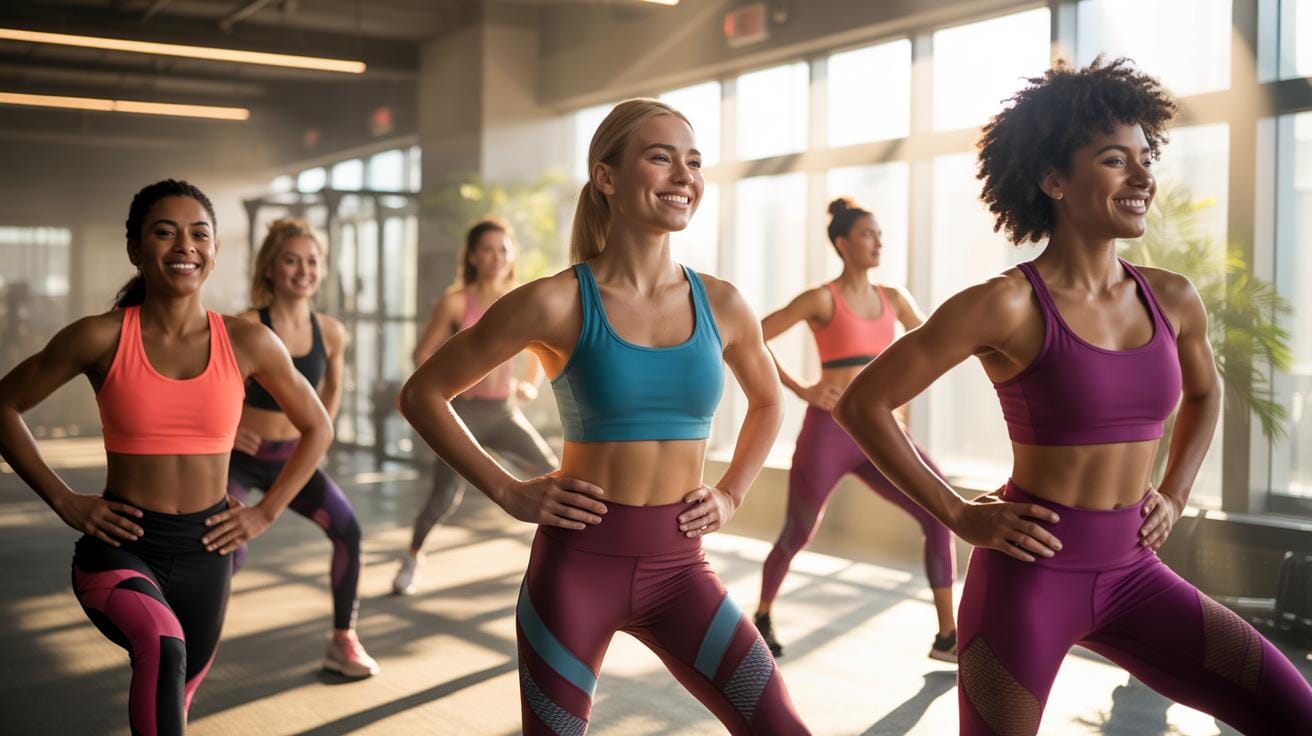
What Makes Gym Wear Actually Work
Gym wear for women has evolved beyond just functionality to blend style and comfort. In this article, we look at women’s active wear and sport bra style trends. You will learn about the top styles, what makes gym clothes effective, and how specific choices affect your workout performance.
This article breaks down the key trends in gym wear for women. We discuss active wear styles, sport bra options, and how to select the right gear for your exercise routines. Whether you want style, comfort, or support, this guide covers what you need to know.
What Are Womens Gym Wear Materials

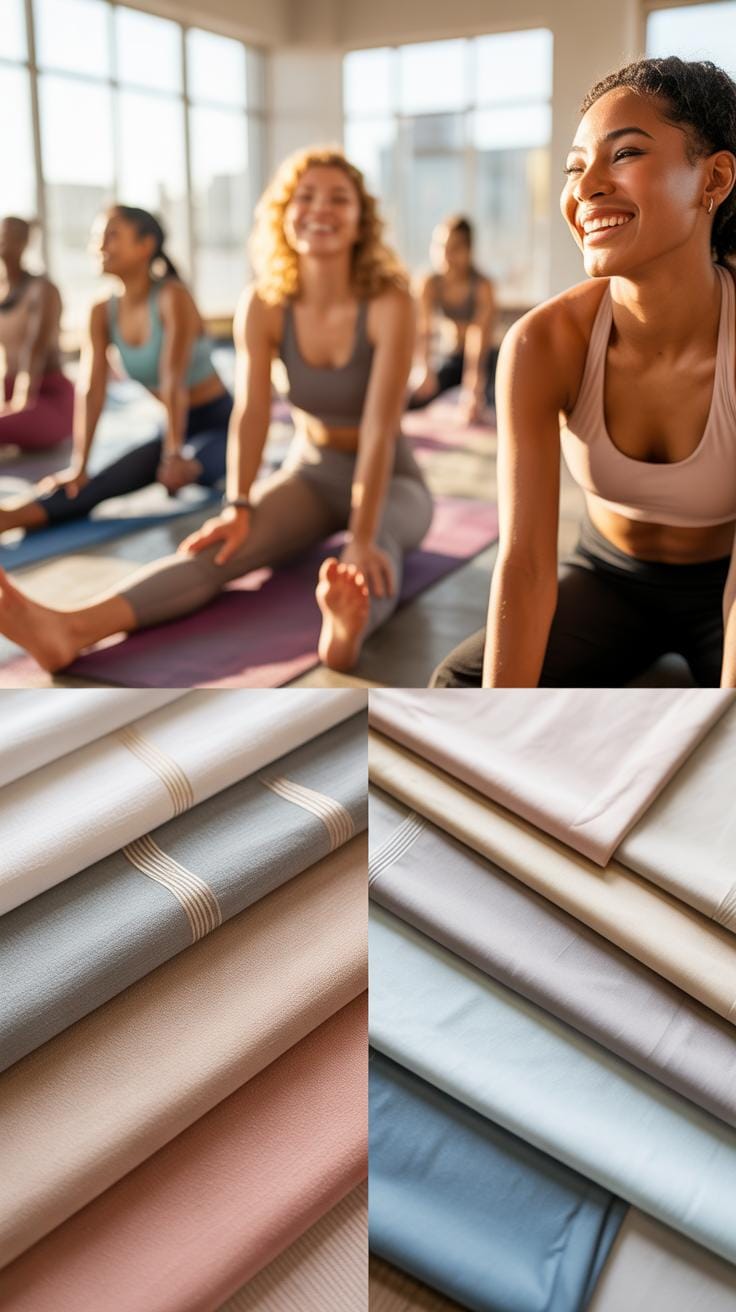
When it comes to gym wear for women, the choice of material plays a huge role in comfort and effectiveness during workouts. Common fabrics include nylon, cotton, polyester, and blends of these. Nylon and cotton blends stand out because they balance performance with comfort in a way that often suits many women. Nylon, for example, is known for its stretchiness and ability to wick moisture away, which can keep you feeling dry during intense sessions. Cotton, on the other hand, offers breathability and softness, which makes your exercise clothes feel less restrictive and more natural on the skin.

It’s interesting how some fabrics just feel better for certain activities, isn’t it? Sometimes I’ve noticed that pure cotton gym clothes get a bit heavy with sweat, but blends with nylon help avoid that soggy feeling. It’s a bit like finding the sweet spot between how your body moves and how your clothes respond to that movement.
Benefits Of Nylon And Cotton Fabrics
Nylon is often praised because it stretches well, allowing your gym wear to move with you rather than against you. This is crucial when you’re doing exercises that demand flexibility, such as yoga or Pilates. Plus, its moisture-wicking abilities mean sweat gets pulled away from your skin quickly, which helps you stay comfortable. That said, nylon alone can sometimes feel a little less breathable, especially if you’re prone to overheating.
Cotton, on the other hand, excels when it comes to letting air circulate. Wearing cotton-based gym clothes can make you feel cooler and more comfortable during low to moderate-intensity workouts. Though, cotton doesn’t pull moisture away as efficiently as nylon, so it might not be the best choice in high-sweat environments if worn on its own. But combined, these fabrics complement each other nicely for an overall better experience.
Fabric Choices For Different Workouts
You might wonder which fabric suits your workout style best. For high-intensity workouts like running, intense HIIT sessions, or spinning, nylon or synthetic blends generally do better. They handle moisture and keep you moving freely despite sweat. For example, a sport bra made from a nylon-spandex blend might provide both support and flexibility.
In contrast, for lower-impact activities such as walking, stretching, or casual gym visits, cotton or cotton blends comfortably fit the bill. They offer softness and breathability that can sometimes be missing in high-stretch technical fabrics. So, a cotton-cool blend tank top could be your go-to for those gentler, more relaxed days.
Of course, the lines blur sometimes. You might find yourself opting for cotton blend leggings for yoga but nylon tops for running. The choice probably comes down to personal comfort and how your body reacts to different materials. Have you noticed that your preference shifts depending on the weather or workout intensity? That’s totally normal.
How To Pick The Right Sport Bra

Matching Support To Activity Level
Choosing the right sport bra begins with matching support to your workout. There are basically three levels: low, medium, and high support. Low-support bras are usually best for low-impact activities like yoga or stretching, where movement is gentle and minimal. Medium support fits activities like weight training or biking, where there’s moderate movement but not as intense as running. High-support bras are designed for high-impact workouts such as running or cardio kickboxing, which involve more jarring motions. Selecting the right level can make or break your comfort and performance. You wouldn’t want to wear a low-support bra while running—it could lead to unnecessary bounce and discomfort.
Fit Features To Look For
Comfort and fit are everything when it comes to sport bras. First, consider the strapping style. Wide straps tend to distribute weight better and help avoid shoulder pain, especially if you have a bigger bust. Racerback styles offer more support and keep straps from slipping, but some may feel restrictive. The band beneath your bust needs to fit snugly but not so tight it digs in. It’s the main source of support and prevents bounce. Lastly, pay attention to cup design. Bras with molded or encapsulated cups keep each breast separate and can reduce movement more effectively than compression-only styles. Also, look for features that prevent chafing, like flat seams or seamless cups. Even small irritations can ruin a session. In my experience, the right fit can change how much you enjoy a workout, so it’s worth taking the time to try a few options before deciding.
Comparison Of Gym Shorts And Leggings
Shorts For Breathability And Freedom
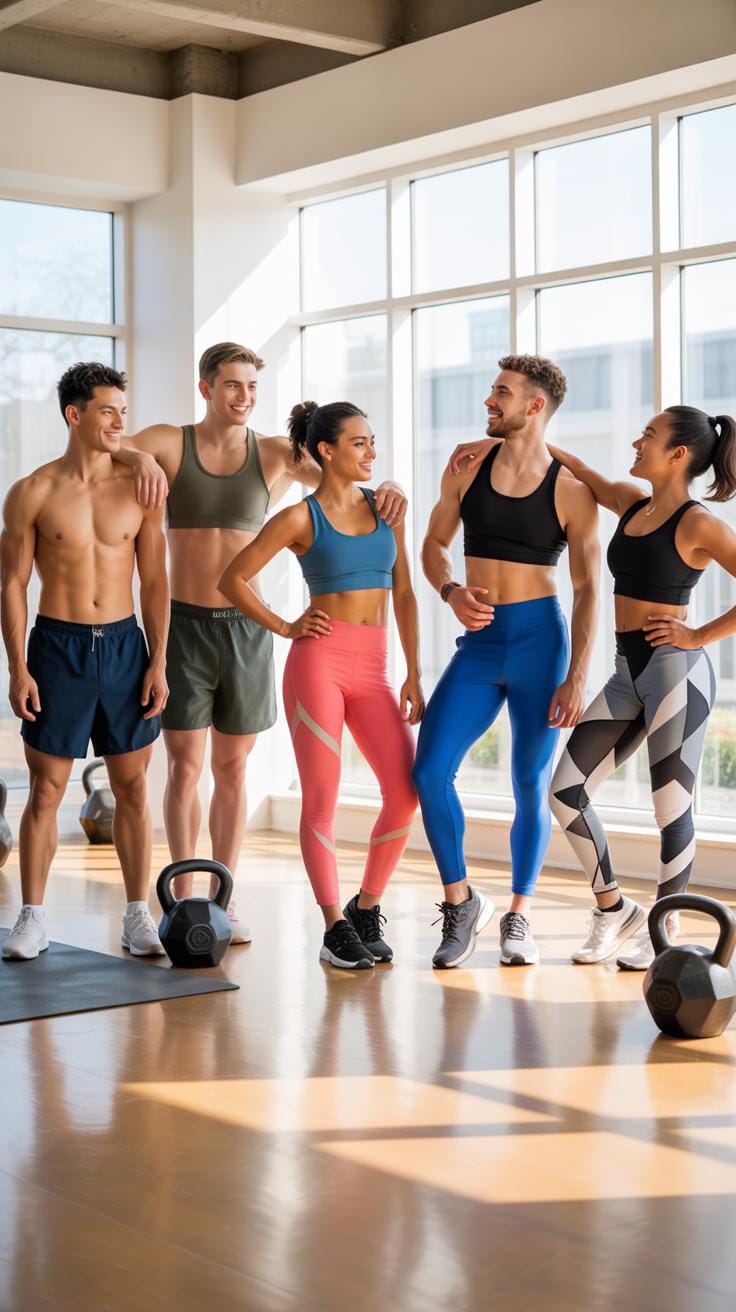
When the temperature climbs or your workout involves lots of movement—think running, cycling, or playing sports—gym shorts often come out as the preferred choice. Their loose fit grants your legs freedom to move without restriction. The ventilation they provide is hard to beat; air flows freely, helping to keep you cool. Plus, materials like nylon or moisture-wicking fabrics enhance comfort by quickly drying sweat. It’s hard not to appreciate not feeling trapped in layers, especially on a hot day.
That said, not all shorts are created equal. Some can ride up or chafe during intense activity. Also, if you prefer a sleek look that stays put, shorts might feel a little bit… well, breezy. But if your priority is letting your skin breathe and staying light on your feet, shorts deliver on both counts. Just imagine the relief of no overheating during an outdoor session under the sun.
Leggings For Coverage And Support
Leggings, on the other hand, offer a different set of benefits that might sway your choice. They hug your legs snugly, providing compression that supports muscles and can reduce fatigue. This supportive fit is especially appreciated during weightlifting, yoga, or Pilates where muscle control and stability matter. They also cover your skin, giving protection against brush, scratches, or chilly air. So, when the weather cools or you’re in a climate-controlled studio, leggings can be comforting.
Some might find leggings too warm or constrictive when temperatures rise, and their tight fit isn’t everyone’s cup of tea. However, the way they smooth and support your form can boost confidence and performance, making them a staple item for many women. There’s a reason why leggings rarely go out of style in the activewear world, offering a balance between function and modesty that shorts can’t always match.
So, thinking about your typical activity, your comfort with coverage, and the conditions you exercise in might help you choose between these two gym wear staples. It’s not always a clear-cut decision, but knowing the way each performs can guide you toward what feels right in any given workout situation.
What Gym Wear Colors And Patterns Work

When it comes to gym wear colors and patterns for women, choices seem more significant than just style—they can actually influence how you feel during your workout. You might notice that neutral colors like black, grey, or navy offer a versatility that’s hard to beat. They’re easy to pair and don’t draw too much attention which can help you focus on your exercise rather than your outfit.
On the other hand, bright colors—think bold reds, neon greens, or electric blues—tend to energize. They might even give you a little motivational boost just by catching your eye or making you feel more visible in a busy gym setting. There’s something about that splash of brightness that can make the whole experience feel a bit more lively.
Patterns are where things get really fun but tricky. Popular designs like camo or florals are all the rage now. Mixing patterns thoughtfully can create a coordinated look without feeling too loud. For example, pairing a subtle floral with a plain top can balance flair and functionality. It’s about finding what makes you comfortable but also confident enough to maybe smile at yourself in the mirror.
- Neutral colors offer ultimate versatility and a calm vibe
- Bright colors may boost energy and increase your gym presence
- Patterns like camo and florals add personality but pair carefully
- Mixing plain and patterned pieces keeps your outfit balanced
Have you ever noticed how your mood shifts wearing certain colors? It’s interesting to consider how these seemingly small choices impact more than just appearance—they might just shape your entire workout mindset.
Checklist For Buying Gym Wear Online
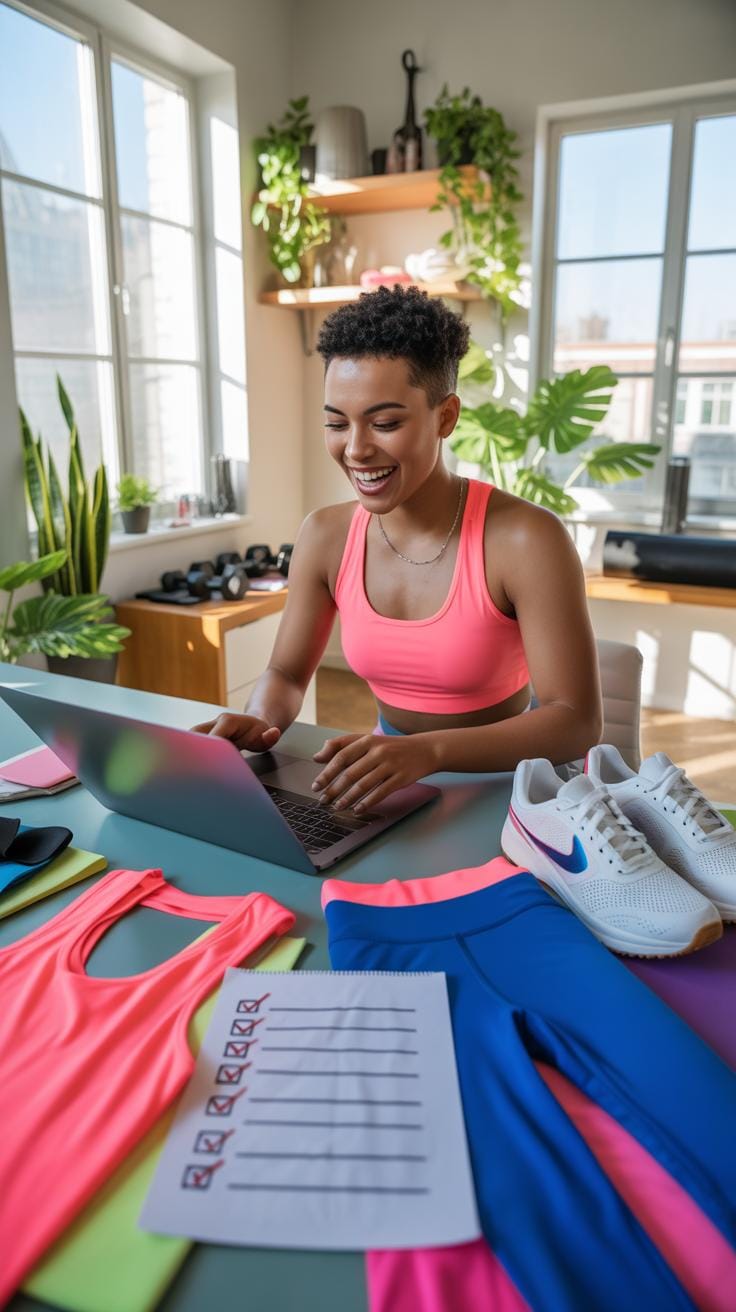
Buying gym wear online can be tricky, but a checklist might make things a bit easier. First, get familiar with the sizing guide each brand offers. Sizes vary a lot—don’t just pick your usual size without checking the measurements.
Look closely at the fit details. Is the fabric stretchy? Does the item run tight or loose? These small notes save you a lot of hassle later. Also, prioritize fabrics that breathe well and wick moisture, like polyester blends or nylon.
Don’t forget to review the store’s return and exchange policies. It’s vital—sometimes gym wear just doesn’t feel right until you try it on.
Speaking of trying, customer reviews are gold. They often mention if something stretches out quickly or if a bra doesn’t hold up well. Bonus points if they include photos—that’s like trying it on without leaving your house.
One last thing: it’s okay to hesitate. Sometimes this process takes a few tries to find what fits you best. Just keep checking those reviews and size charts, and your perfect gym wear might be just a click away.
Examples Of Everyday Active Wear Looks
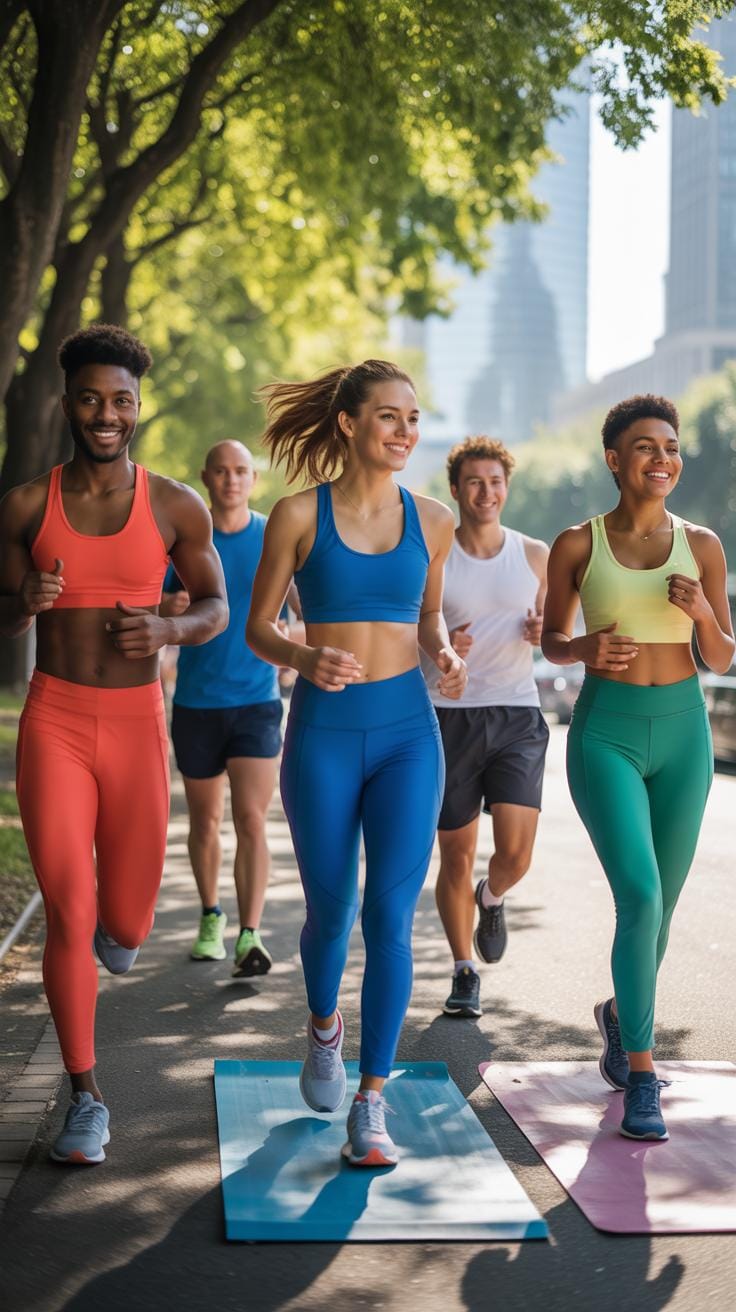
When putting together gym wear that works beyond the workout, consider combining a fitted tank top with joggers for an effortlessly practical vibe. Tanks provide breathability and freedom, especially in soft, stretchy fabrics that almost feel like a second skin. Pairing them with joggers gives that relaxed but tailored look—perfect for warm-ups or just grabbing coffee after your session.
Supportive sports bras are critical here, not just for comfort but to shape your silhouette subtly. You could pick a racerback style that peeks out from under a loose tank or wear it alone for a bold, athletic look on a hot day. Add lightweight sneakers and you have an outfit that transitions easily from gym to casual.
Switch out joggers for shorts or leggings, depending on your day’s demands. Layer with a zip-up hoodie or a cropped sweatshirt when temperatures dip, balancing functionality and style. The result feels natural and mostly effortless, while ticking the box for both sporty and everyday wear.
Casual Meets Functional Combinations

Some gym wear pieces double up beyond fitness, making it easier to move between errands or casual meet-ups. Think of a streamlined pair of leggings matched with a longline tank or an oversized tee. This balance leans towards comfort but remains polished enough for informal outings.
Items like slip-on sneakers or simple, neutral-colored joggers prove versatile—they never look out of place whether you’re at yoga or running errands. Layer with a denim jacket or a utility-style vest to create a slightly elevated look, balancing practicality with a touch of style. It’s about picking pieces that feel as good on your body as they look on the street.
Do you find it tricky to balance what’s too gym-focused versus what actually looks good outside the gym? Maybe focusing on silhouettes that aren’t too tight or sporty can help make the transition smoother, providing a bit more day-to-day wearability.
Using Accessories To Enhance Gym Wear
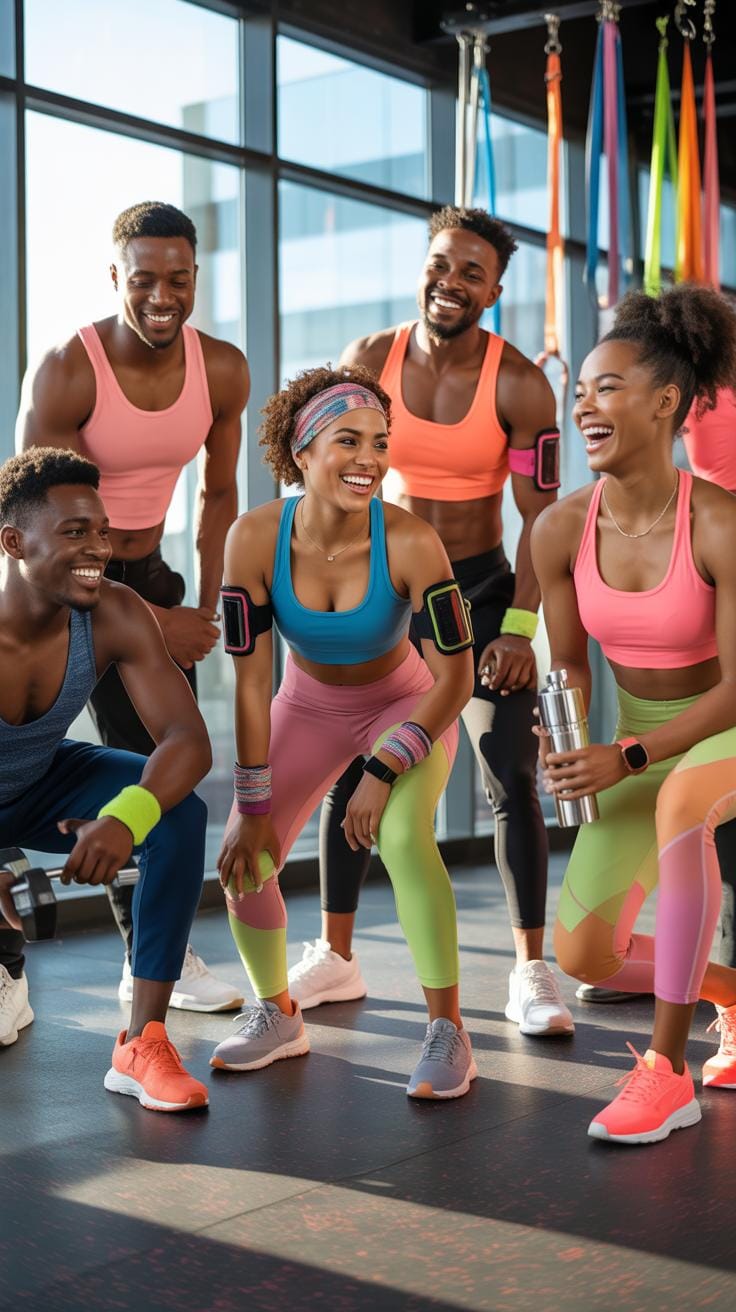
Accessories can transform simple gym wear from merely functional to noticeably stylish. Consider a baseball cap for sun protection during outdoor runs or just to add a sporty edge to your look. Choose neutral colors or match to your outfit to keep it cohesive.
A lightweight crossbody bag or a sleek backpack can hold your essentials without weighing you down or spoiling your outfit’s clean lines. Footwear plays a key role too—clean, minimal sneakers elevate even plain joggers and tank tops, adding a polished finish to your ensemble.
If you want to push the style factor, try layering a thin, sporty watch or using patterned socks for a subtle pop. While accessories might not seem essential for gym wear, the right choices add layers of practicality and personal style without much effort.
Gym Wear Maintenance And Care Tips

Caring for your gym wear isn’t just about keeping it clean. It’s about preserving its shape, elasticity, and overall function. You’ve probably noticed new workout gear loses its stretch or color quicker than you’d like. Let’s slow that down a bit.
Washing And Drying Gym Clothes
First off, wash your gym clothes inside out. This helps protect any prints or coatings. Use cold water—hot water might feel like a good idea for cleanliness, but it can cause shrinking or damage delicate fibers.
Avoid fabric softeners; they can clog moisture-wicking fabrics, reducing breathability and performance. Gentle detergent is better, as harsh chemicals can break down fibers. If you can, use a laundry bag to prevent snagging during the wash.
When it comes to drying, skip the dryer if possible. The heat can kill elasticity, especially in sports bras and leggings. Hanging is best, but lay flat if possible to prevent stretching. If you must use a dryer, pick the lowest heat or air-fluff setting.
Storage Tips For Activewear Longevity
Storage might sound trivial, but it matters. Folding is generally better than hanging, especially for heavy or stretchy fabrics that might lose shape on a hanger. Hang only if the garment’s design supports it without stretching, like sturdy sports bras.
To avoid pilling or color fading, keep gym wear away from rough fabrics and direct sunlight. You might want to use a drawer organizer or dedicated shelf for activewear, so it isn’t mixed with everyday clothes that might snag or transfer dyes.
It’s tempting to toss sweaty clothes in a heap, but trust me, it gets worse for your gear. Regular care means your favorite pieces stick around longer and perform better when you actually need them.
Common Gym Wear Mistakes To Avoid
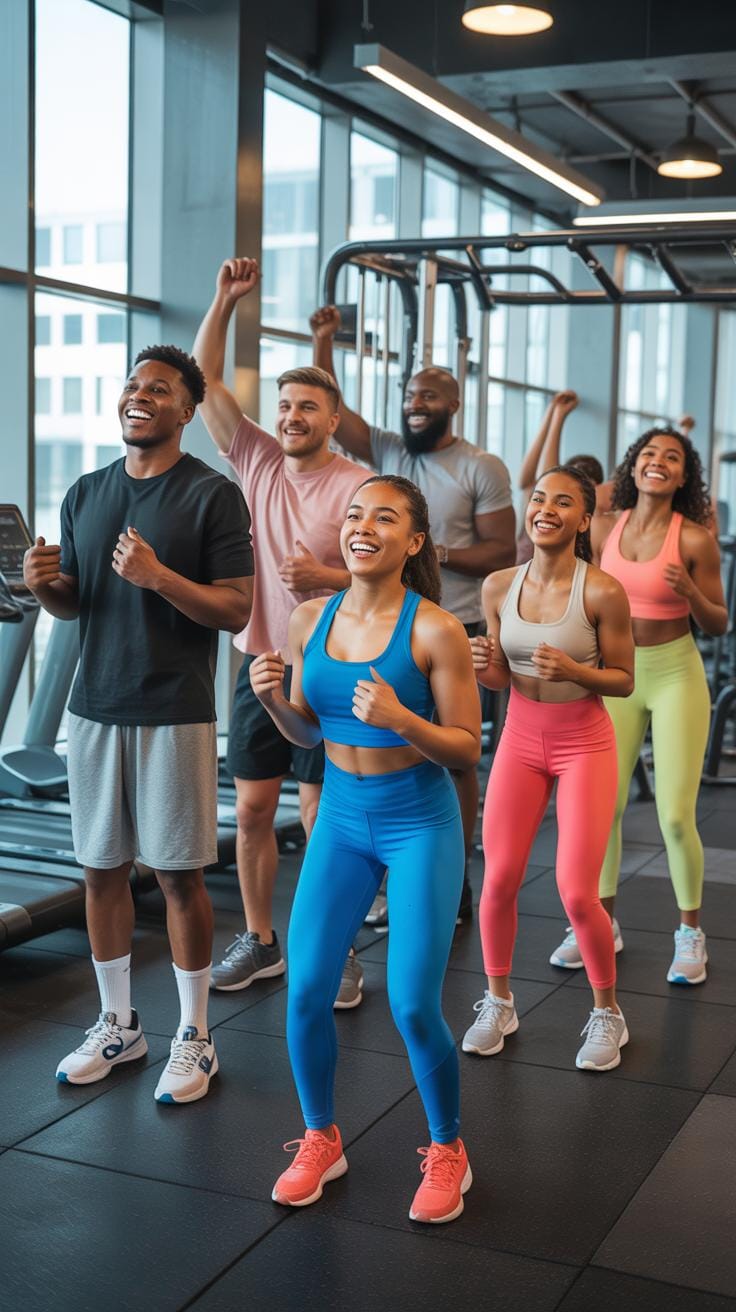
Picking Clothes Without Considering Activity
Choosing gym wear without thinking about the activity can lead to real discomfort. For example, wearing cotton shirts for intense cardio causes sweat to soak in, leaving you damp and chilled. On the flip side, some might wear overly tight compression leggings for yoga, restricting flexibility and making poses harder. I’ve seen runners in loose, baggy clothes that flap around, which just annoys and slows them down. It’s not just about style; the wrong fabric or fit can interfere with your workout itself.
Some gym-goers pick trendy pieces rather than functional ones, which might look cool but don’t breathe well or provide enough stretch. This mismatch leads to distraction or even skin irritation. Thinking about what your session involves—weight lifting, running, stretching—can guide you toward clothes that work with your movements and help rather than hinder. Perhaps it’s tempting to grab what’s available or look stylish, but prioritizing activity-specific gear really pays off.
Ignoring Proper Fit And Support
Wearing loose gym wear might feel comfy at first but often causes problems mid-workout, like chafing or tripping hazards. Conversely, squeezing into overly tight clothes isn’t great either—breathing feels restricted, circulation dips, and concentration slips away. It’s a tricky balance, and one I sometimes struggle with myself.
Support is another big deal, especially for women. Skimping on a good sports bra or settling for inadequate support can cause discomfort or even pain during high-impact exercises. Think about activities that bounce or jolt; you need a bra that holds in place and fits well. Oddly enough, fit matters more than price or brand. Always check how the clothing and bra feel when moving around, not just standing still.
Conclusions
The choices you make in gym wear for women influence both comfort and performance. Selecting the right active wear style and sport bra matters. Clothes that fit well and suit your workout type can help you train better.
Price, fabric, and support are factors to balance. Being aware of the latest gym wear trends empowers you to pick gear that fits your needs. Use this knowledge to improve your workout experience and style.