
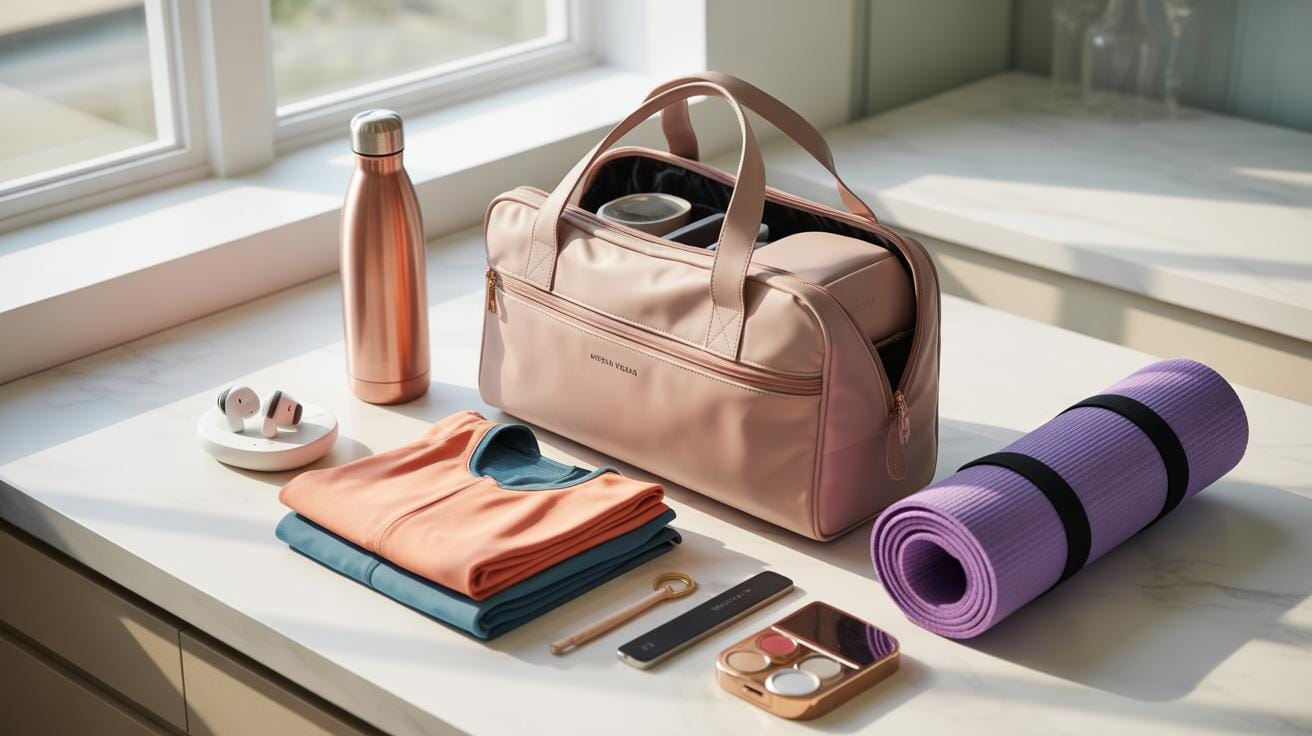
Packing A Gym Bag That Works For You
Preparing the right gym bag is key for every woman aiming to stay fit and stylish. You want to pack items that make your fitness routine smooth and enjoyable without overloading your bag. Knowing gym bag essentials helps you carry the best items for your needs.
This article guides you through the basics and extras to bring. It covers what you need daily and what can boost your workout. Read on to get clear, simple tips for packing your gym bag right.
Daily Gym Bag Essentials Checklist


For your daily gym visits, packing the right essentials can really shape your workout experience. You want comfort and readiness without overloading your bag. Think about clothes first: stretchy leggings, breathable tops, and sports bras that support without pinching. It’s tricky because what feels comfy varies—a friend of mine swears by cotton blends even if they’re less moisture-wicking, simply for softness. Then there’s footwear. Good trainers designed for your workout type make all the difference. Running shoes with ample cushioning for cardio or cross-trainers for mixed workouts work well.

Hydration is key, no surprise there. A reusable water bottle is practical and eco-friendly. Some prefer bottles with wide mouths for adding ice or supplements; others go for lightweight designs. Speaking of supplements, a quick energy boost might come from protein bars or nuts stashed in your bag. If you’ve ever felt your energy dip halfway through, you know these little snacks can save you. And perhaps a shaker bottle for pre- or post-workout shakes if you use them. These choices reflect your routine and preferences—there’s no one-size-fits-all here, really.
How To Organize Your Gym Bag

Keeping your gym bag orderly makes a big difference in how quickly you can grab what you need and head out the door. Start by laying everything out so you see clearly what you have. It’s surprising how easy it is to lose track of small things like hair ties or earbuds when they’re tossed loosely inside.
Next, choose a system of placement: heavier items like shoes or water bottles go at the bottom. Softer items, such as clothes or towels, stack on top but avoid stuffing them tightly to prevent creases or awkward folds.
If you use your bag daily, make it a habit to remove worn clothes or empty containers each time. That way, the interior doesn’t become a cluttered mess over a few days. You might try to keep a dedicated spot just for fresh essentials, so you don’t have to hunt for them before you leave.
Use Of Bag Compartments And Pouches
Having separate compartments or small pouches inside your gym bag can really change how neat everything stays. Think of these as mini-containers for your things—one for skincare products, another for electronics or keys, and maybe one more for snacks.
This not only keeps your items visible but also protects delicate things from spills or damage. I remember once throwing my phone in the same pocket as my water bottle—guess which one got drenched. Using a waterproof pouch might have saved me that hassle.
Try different ways of organizing to see what fits your routine best. Sometimes a set of clear pouches lets you instantly spot what you need without digging.
Daily Routine Packing Strategy
The way you pack your bag should change depending on what kind of workout you’re planning and how long you’ll be at the gym. For shorter sessions, you might only need your workout clothes, a water bottle, and headphones. For longer stays, add a towel, shower essentials, and maybe a fresh set of clothes.
Some people find packing the night before works to avoid morning rush stress, but others prefer preparing right before leaving to make sure nothing is forgotten. Which camp do you belong to? Every fitness routine is unique, so adapting your packing approach can save time and avoid carrying unnecessary weight.
It’s okay to tweak your setup now and then—sometimes what worked last month may not suit your current workout that well. What’s in your gym bag today may hardly resemble what you packed for your run last week. That’s normal.
Must Bring Hygiene Items For Comfort

Post-workout moments can be a bit tricky, right? You want to feel fresh but not have to wrestle with a bag full of clutter. Having the right hygiene essentials can make all the difference in how comfortable you feel after you’ve sweated it out.
Quick Freshening Up Kit
Think about those moments when a full shower isn’t possible. What do you reach for? Here’s what I find critical in that rush-to-freshen-up situation:
- Body wipes: A quick swipe on arms, neck, and face can help you feel less sticky and more presentable.
- Deodorant: Non-negotiable for most of us. Keeping it in your gym bag means you’re always ready.
- Face wash or cleansing wipes: Your face can feel grimy after a workout—cleansing wipes or a small bottle of face wash come in handy.
Even if you’re just heading to work or errands, these basics can keep you from feeling grossly out of place.
Full Shower Supplies For Gym Use
Sometimes, you do have the luxury of a gym shower. But are you really prepared? You don’t want to discover mid-shower that you forgot the essentials, which I think has happened to most of us at least once.
- Towel: A good, quick-drying towel is a must. Some gyms provide them, but having your own is best.
- Shampoo and conditioner: Small travel-sized bottles fit nicely into your bag. Rinse out sweat and keep your hair manageable.
- Body wash or soap: You’ll appreciate a comforting cleanse after intense sweating.
- Flip-flops: Important for hygiene, especially in shared shower spaces.
- Hairbrush or comb: To tame post-shower hair—sometimes neglected but useful.
- Moisturizer or lotion: Showers can dry out your skin; a small bottle can make a noticeable difference.
Having these items means you can fully refresh yourself, which might even motivate you to hit the gym more often. Do you notice how much better you feel and perform when you’re fresh?
Choosing Fitness Accessories Wisely

You might wonder, which accessories actually deserve a spot in your gym bag? Gloves, straps, resistance bands—they all promise to boost your workout, but are they all necessary for you? Comparing them side by side can help clear this up.
Gloves primarily improve grip by reducing friction and help avoid calluses. They’re useful if your hands get sore or if you like lifting heavy without slipping. Straps, on the other hand, shift the grip load from your hands to your wrists, which can be a lifesaver during deadlifts or heavy rows when grip strength starts to fade but you want to keep pushing.
Resistance bands are quite versatile—great for warm-ups, stretching, or adding extra resistance to bodyweight exercises. Plus, their compact size means they fit seamlessly in any gym bag without weighing you down. Small tools like grip trainers or mini rollers might seem minor but enhance specific muscles or aid recovery.
Deciding what to pack depends on your workout plan and any particular discomfort you want to avoid. Sometimes less is more, but at others, these accessories make all the difference.
When To Use Workout Gloves Or Straps
Gloves are handy when you’re hitting machines or doing high-rep sets where grip fatigue might mess with form. They protect your palms, which I’ve found especially helpful during kettlebell swings or barbell complexes where sweaty palms could cause slips.
Straps tend to come into play when lifting really heavy weights, particularly for pulling movements like deadlifts, pull-ups, or shrugs. If your grip gives out before your muscles do, straps extend your capacity. But they’re not for every session—you want to avoid relying on them all the time, or you risk neglecting grip strength.
Benefits Of Resistance Bands And Small Gear
Resistance bands seem simple, but they pack a punch. They allow targeted muscle activation and improve mobility, something that bulky weights can’t always do—especially if you’re short on time. I keep a loop band in my bag always; warm-ups and rehab exercises become super convenient.
Small gear like hand grips or foam rollers can help with recovery and hand strength without adding bulk. They’re easy to toss into your bag and can fill gaps in your routine, giving you variety and focus where needed. Sometimes these small things make your workout feel more complete, even if they don’t get the spotlight.
What Snacks Support Gym Performance

Choosing snacks that support your gym routine can be tricky. You want something that gives you energy but doesn’t weigh you down. Some people swear by a banana before a workout—it’s so simple yet packed with potassium and quick carbs. Others might prefer a small handful of nuts paired with dried fruit, providing a mix of healthy fats and natural sugars.
Protein bars are popular, yes, but not all are created equal. Look for ones with minimal added sugars and natural ingredients. Greek yogurt with berries can be an excellent post-workout snack, offering protein and antioxidants to help with muscle recovery.
Convenience matters too. Grab-and-go options like rice cakes topped with almond butter or boiled eggs can save time and keep you fueled. I sometimes wonder if convenience pushes us toward less healthy choices, but packing your favorites ahead can solve that.
Healthy Snack Options For Energy
Quick snacks that avoid feeling heavy are essential. Think about items like:
- Apple slices with peanut butter — a nice balance of fiber and protein.
- Trail mix — provided it’s mostly nuts and seeds without excess candy.
- Chia seed pudding — it sounds fancy but can be prepared the night before to keep you fueled.
These snacks keep your energy steady without the crash that sugary treats often bring. Ever tried eating something too heavy right before a workout? It’s like carrying extra baggage, regrettable.
Packing Snacks For Busy Schedules
Carrying snacks in your gym bag needs some thought. Using airtight containers prevents mess and maintains freshness. Insulated lunch bags or small cooler packs help keep yogurt or hummus at the right temperature.
Choose snacks that won’t spoil quickly. Fresh fruit like oranges or pre-portioned nuts are great. Sometimes, I find myself grabbing a snack on-the-fly, only to find it’s squished or soggy. Not fun.
Planning ahead can save you that trouble. Keep a stash of shelf-stable options like rice cakes or granola bars in your bag. And remember, rotating your snacks avoids boredom and keeps your diet interesting, which, honestly, can be overlooked when life gets hectic.
Style Vs Function In Gym Bag Designs

When picking a gym bag, striking the right balance between style and function can feel tricky. You want something that looks good, sure — but it also needs to hold all your fitness essentials without turning into a jumbled mess. It’s not just about the outside. Actually, the inside matters a lot.
There are a few features that make a gym bag truly functional. Compartments are a big deal. Think separate sections for shoes, sweaty clothes, water bottles, and your makeup or skincare kit. This stops everything from mixing into an unhappy pile. Size is another thing to consider. Too big can be bulky to haul around; too small means you might forget stuff. Materials also matter — water-resistant fabrics can save your gear from unexpected spills or rain.
But you don’t have to settle for a bland bag. It’s quite possible to find designs that suit your personal style. Maybe you like sleek leather, or bright colors, or subtle patterns. The trick is to check if the bag’s functionality is intact before choosing based on looks alone. It’s tempting, I admit, to go for the trendiest one, but the daily practicality counts more.
Have you ever grabbed a pretty gym bag only to regret it because it can’t fit your water bottle? Or maybe it’s just a pain to clean? These small things add up. Taking time to find a bag that fits both your style and your workout routine can be surprisingly rewarding.
Packing For Different Workout Types
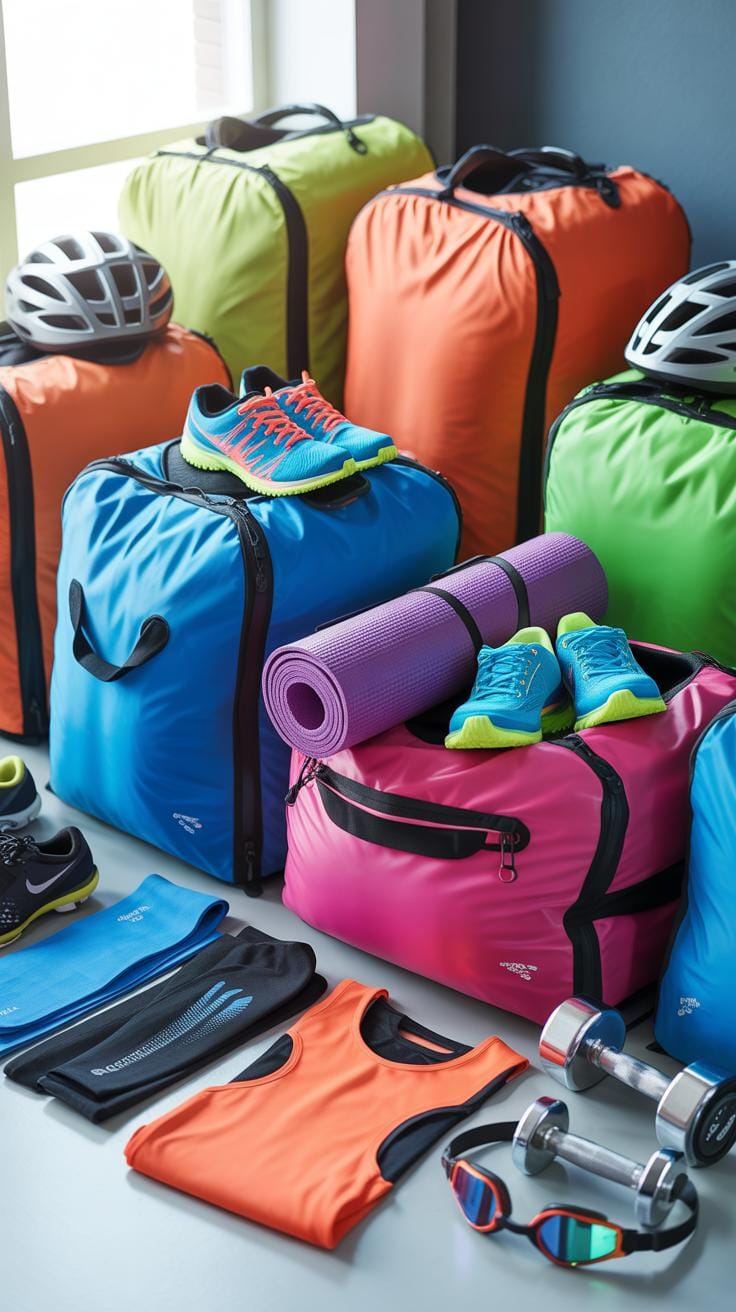
When you think about packing your gym bag, the contents really shift depending on your workout. It’s not one-size-fits-all. For example, cardio sessions like running or cycling need different essentials compared to a strength training day. I’ve found myself unpacking and repacking just to match what the workout demands. It’s a bit of a balancing act.
Cardio Routine Essentials
For running, cycling, or aerobic workouts, hydration and comfort lead the list. You’ll want a water bottle that’s easy to sip on the go—sometimes those fancy ones can be more hassle than help. Breathable, moisture-wicking clothes matter more than you might expect since cardiac activities get sweaty quickly. A small towel helps, too, especially if you can’t shower immediately after. Earbuds for music or podcasts? Almost a must for distraction. Oh, and if you’re out running or cycling, a phone holder or armband can be a lifesaver—juggling a device while moving is tricky. Also consider sunscreen or a hat if you’re outdoors.
Strength Training Must Haves
Weight lifting days call for different gear. Gloves are surprisingly useful here—not just for grip, but for protecting your hands, especially if you’re not careful. I’ve started tossing in some wrist wraps too, though that’s optional depending on your routine. Recovery tools like a foam roller or massage balls become really valuable to alleviate muscle tightness afterward, though they take up space. Chalk can be a game-changer if you struggle with sweaty palms. A sturdy water bottle is important, but sometimes I also bring a small towel to wipe down equipment or myself. Most surprising to me was how carrying these extras slightly changes my gym bag size, so it’s worth considering.
Tips For Maintaining Your Gym Bag Items
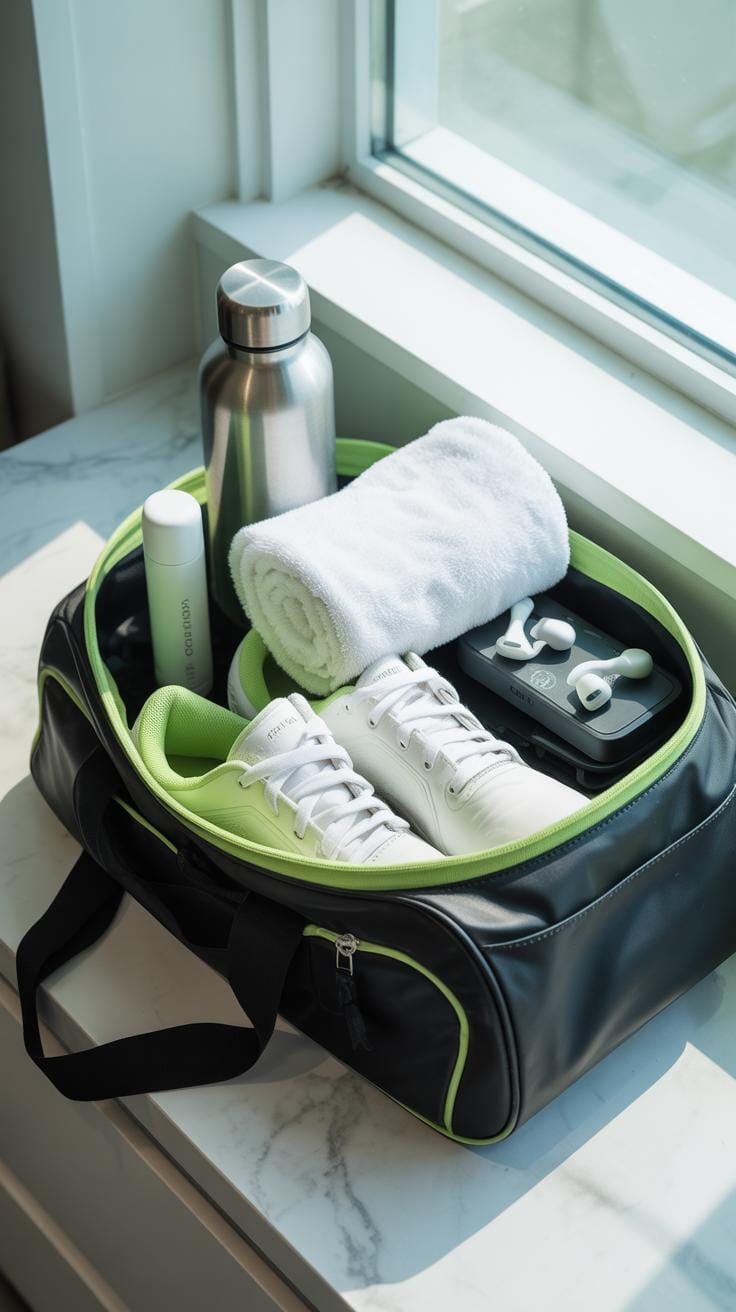
Keeping your gym bag and its contents fresh and in good shape takes just a bit of regular attention. Think of it as a small routine—perhaps weekly—to clean and refresh. Doing this not only extends the life of your items but also helps you avoid unpleasant odors and unwanted germs.
Start by sorting your gym clothes and shoes after each workout. Never stuff sweaty gear into the bag for long hours. Instead, hang them up to air as soon as possible.
Pay special attention to workout clothes. Wash them in cold water using a gentle detergent to keep the fabrics intact. Avoid fabric softeners since they can reduce the moisture-wicking properties. When it comes to shoes, let them air dry completely and avoid direct sunlight which can cause damage. You might want to remove the insoles and wash them separately to reduce odor buildup.
Accessories also deserve some care. Water bottles need regular rinsing and drying to prevent mold or bacteria. Fitness bands and gloves benefit from gentle wiping or hand washing depending on the material. Check the care labels—sometimes a simple wipe-down with a damp cloth is enough to refresh these items.
Ask yourself: when did you last clean your bag’s interior? A quick wipe with a disinfectant or airing it out in the sun can work wonders. The goal is to keep everything smelling and feeling clean, so you stay motivated for your next workout session.
Conclusions
Having the right gym bag essentials can improve your workout experience a lot. When you pack smart, you save time and stay comfortable during your fitness routines. It helps keep your focus on exercise, not on missing items.
Focus on essentials like clothes, water, and hygiene products first. Add extras based on your workout style and preferences. Keep your bag organized, and update it as your fitness needs change.