
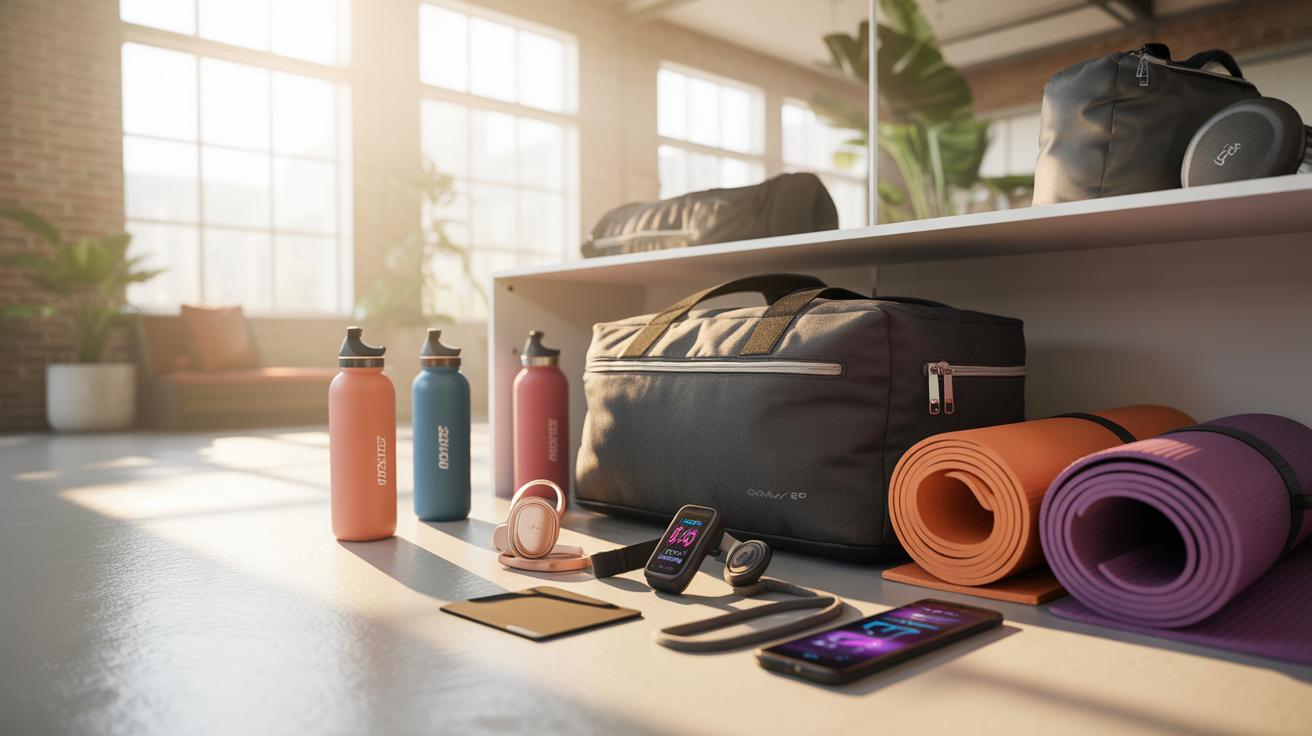
Gear That Improves Your Workout Experience
Gym accessories play a vital role in enhancing your workout experience. Whether you are a beginner or a seasoned fitness enthusiast, having the right gear can boost your performance and style. This article covers essential gym accessories that improve comfort, safety, and efficiency during workouts.
You will learn practical tips on selecting quality gym accessories and discover how these items fit into an effective workout routine. From gloves to water bottles, this guide helps you prepare well for your fitness journey while maintaining a stylish look. Let’s explore what gym accessories you need and why they matter in your exercise regimen.
Choosing Essential Gym Accessories

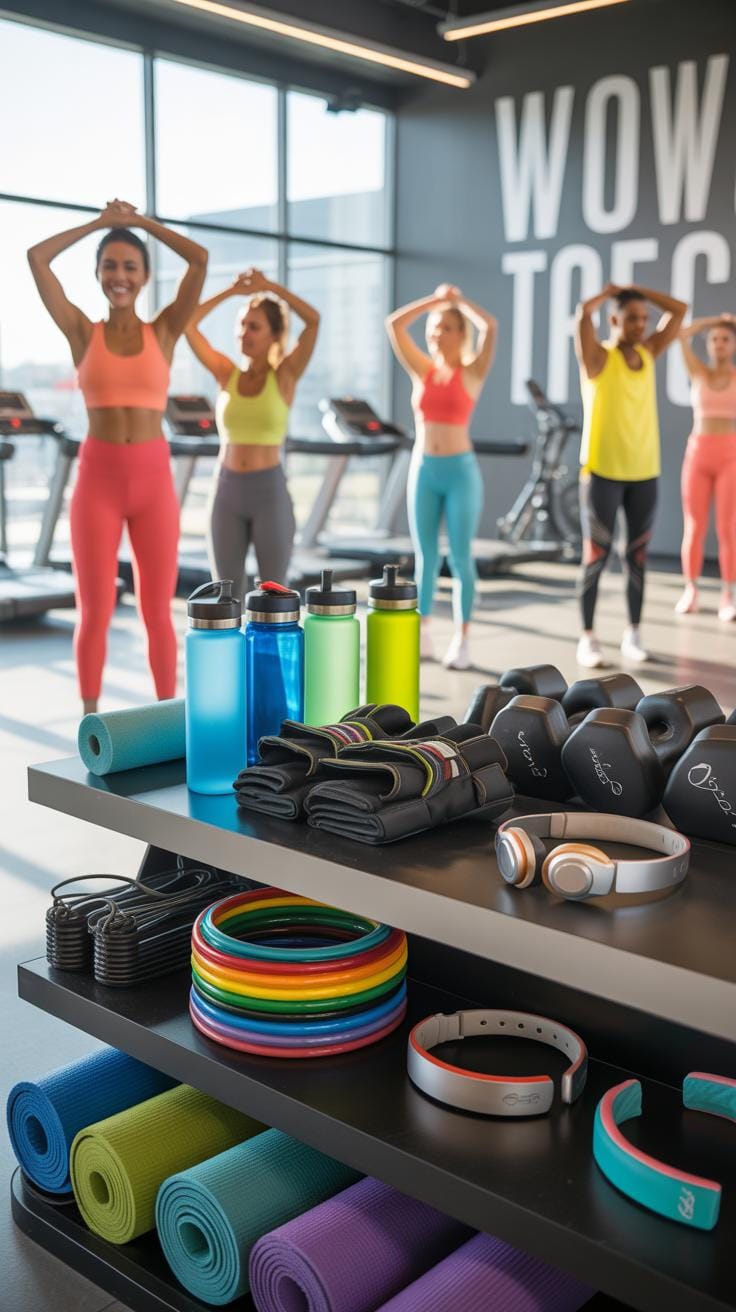
When you start a basic workout routine, some gym accessories can make a real difference. Think about items that help keep you comfortable, safe, and motivated during exercise. For example, a good water bottle is simple but essential—it keeps you hydrated, which is key for any workout. Then, a sturdy pair of training gloves can protect your hands from calluses and improve grip, especially if you lift weights.

A workout mat might seem minor, but it supports proper form and reduces strain during stretching or floor exercises. Plus, a sweat towel helps to keep you dry and can even prevent germs from spreading on shared equipment. These things all seem small, but they add up to a better workout experience. Maybe you don’t need everything from the start, but having the basics can help you stick with your routine without unnecessary discomfort or setbacks.
Top Must Have Gym Accessories
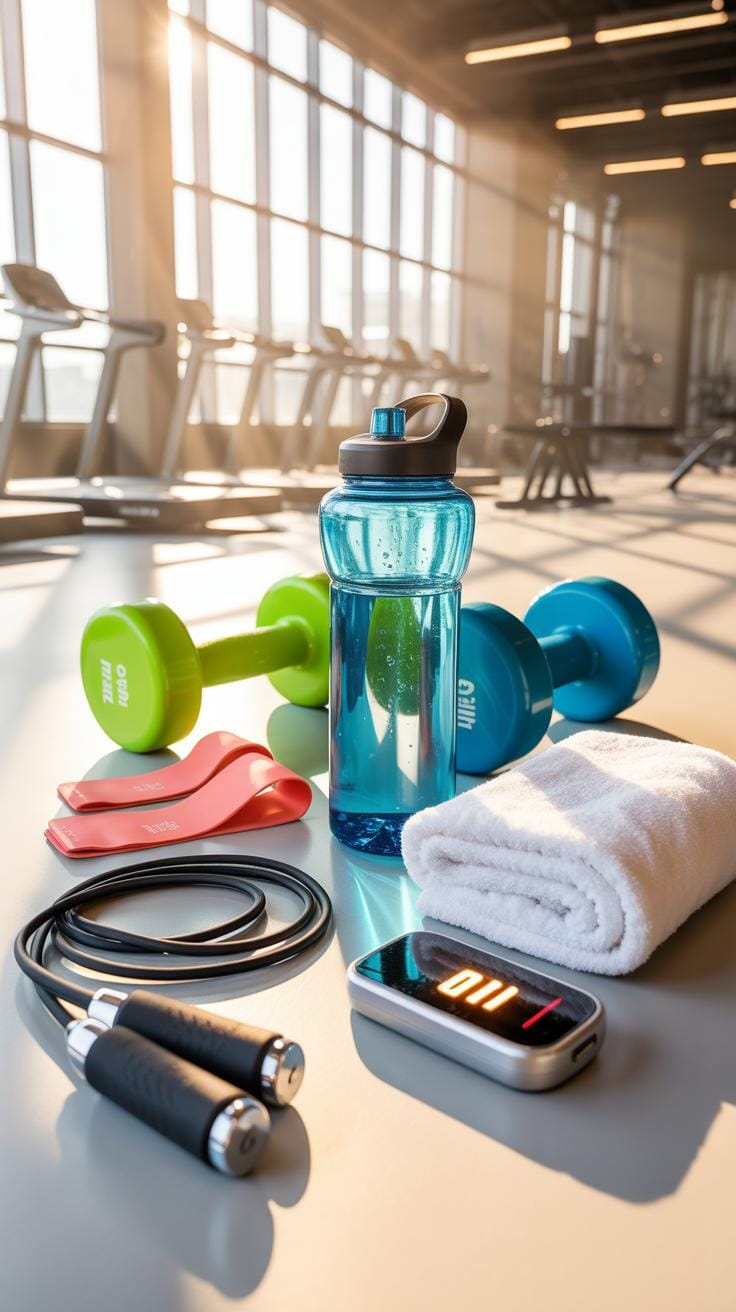
Here’s a quick list of gym accessories that many people find handy—and you might too:
- Water bottle: Staying hydrated is crucial, especially during intense sessions.
- Gloves: They enhance grip and protect your hands.
- Workout mat: Provides cushioning for exercises done on the floor.
- Towel: Great for wiping off sweat, keeping gear clean and hygienic.
- Resistance bands: Versatile tools for strength training or stretching.
Each of these serves a purpose beyond just looking good. Gloves, for instance, can prevent injury by reducing slipping during lifts. Mats protect knees and joints. Towels help with hygiene, which might sound obvious but is sometimes ignored. It’s not just about convenience; these accessories actually help you focus on your workout without distraction.
How Accessories Improve Workout Quality
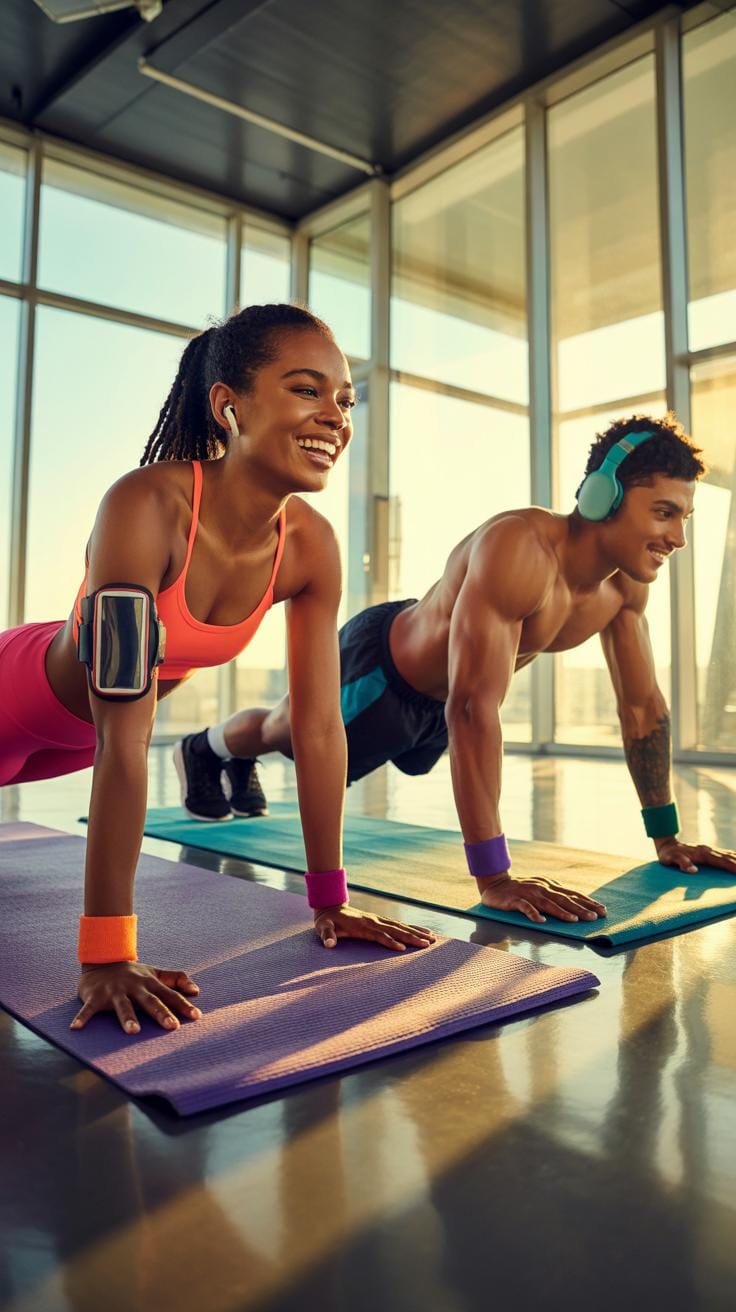
Gloves, mats, and towels do more than you’d expect. Gloves, by improving grip, allow you to lift heavier or train longer without discomfort—this can boost performance noticeably. Mats create a dedicated, cushioned surface that helps prevent injuries during exercises like yoga or Pilates, where balance and flexibility matter. They also keep you cleaner since you’re not lying directly on a cold, sometimes dirty floor.
Towels might seem trivial but consider sweat dripping into your eyes or making handles slippery. Wiping down not only protects your health but also lets you maintain focus without constantly adjusting your stance or grip. These accessories also provide subtle psychological benefits—having the right gear can boost confidence or motivation, which might just be what you need on a day when you’re feeling less inclined to push yourself.
How To Select Gym Accessories Wisely
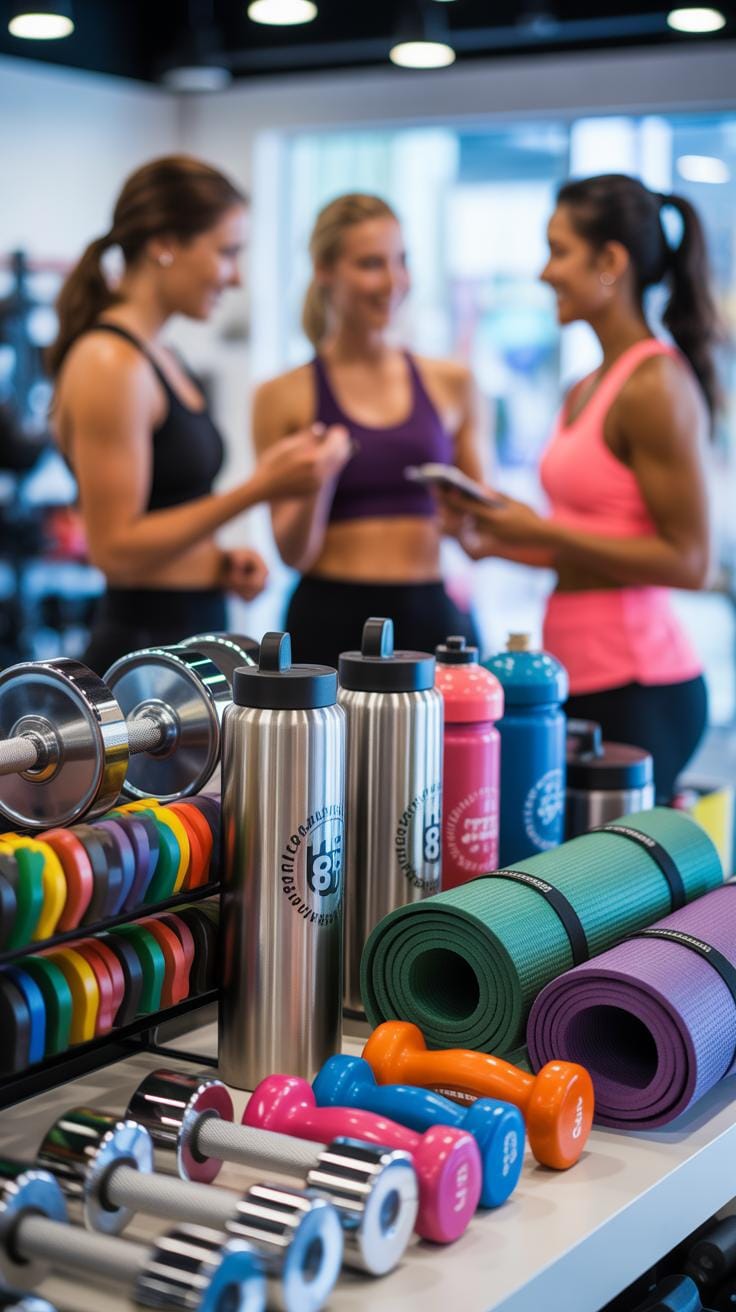
Choosing gym accessories isn’t just about picking the flashiest or the most talked-about items. You want gear that stands up to your workout style and lasts beyond a few sessions. Think about the material first—does it hold up to sweat, frequent washing, and stretching? For example, leather gloves can resist wear better than synthetic ones, but they might need extra care.
Durability is more than just a buzzword. Look for reinforced stitching on straps or wrist wraps, as they’re prone to tearing under strain. Accessories made from breathable fabrics can prevent odor build-up, which is a subtle but nice bonus.
Comfort also plays a quiet but crucial role. Gloves that are too tight restrict blood flow, while loose ones won’t protect your palms effectively. Trying before buying, if possible, is always a good call. Notice if the material irritates your skin or if seams bunch uncomfortably.
Ask yourself what workouts you’ll focus on. Are you more into heavy lifting or cardio? Each has different demands on your accessories. Sometimes the best choice is a balance—durable enough, yet soft enough to keep you coming back for more.
Comparison Of Popular Gym Accessories
Gloves Versus Wrist Wraps For Grip
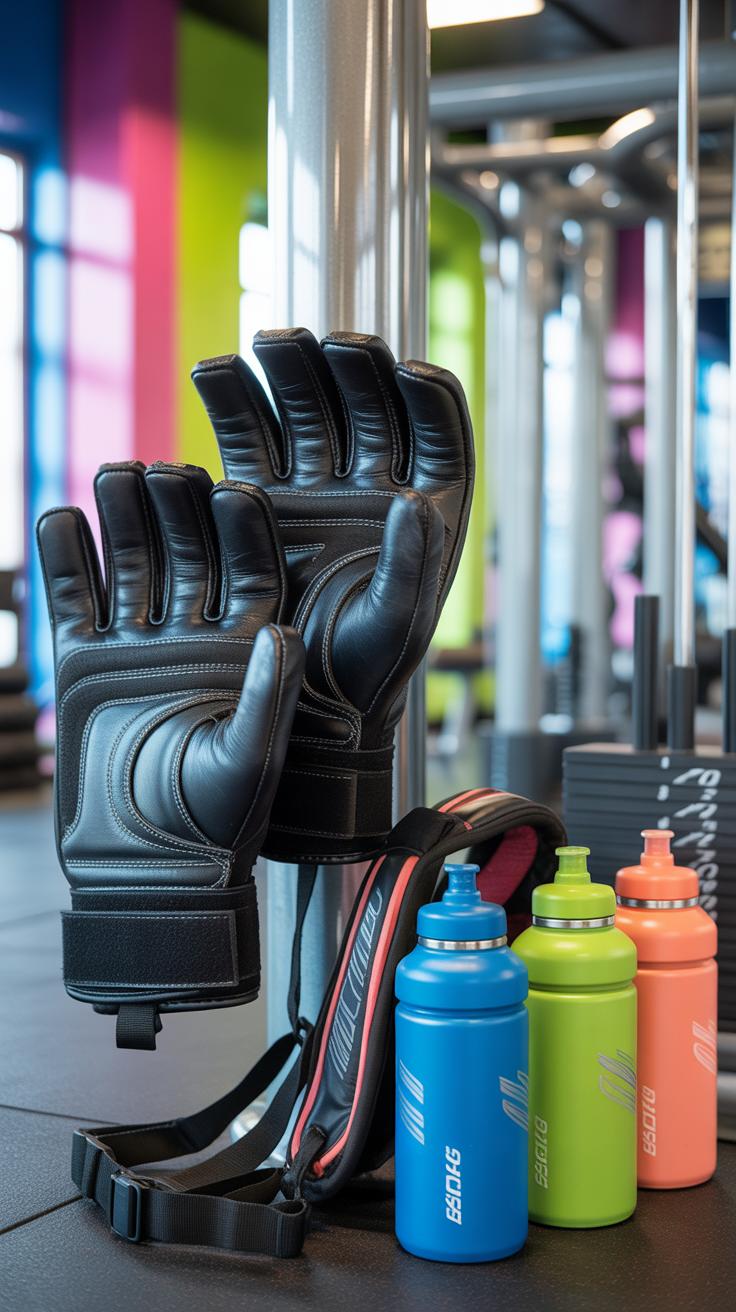
Choosing between gloves and wrist wraps depends a lot on what you’re trying to achieve and your workout style. Gloves provide a full or partial cover for your hands, offering some padding and protection against calluses. They can improve your grip by reducing sweat-induced slipping, which is great for general lifting or cross-training. On the downside, some gloves may reduce tactile sensation, making your grip feel less natural. Also, they need regular washing to avoid odor buildup.
Wrist wraps, on the other hand, focus more on joint support than direct grip enhancement. They compress and stabilize your wrist, which can be a blessing for heavier lifts like bench presses or overhead presses. But they don’t provide padding for the palms, meaning you could still get calluses or blisters — and they won’t absorb sweat like gloves do. Some like wraps for the freedom they give the fingers but find them less useful for lighter or high-rep workouts.
So if your goal is wrist injury prevention during heavy lifts, wraps might be your best bet. If you want more overall hand comfort and a better grip for varied workouts, gloves could be more helpful. Personally, I’ve switched between the two depending on my training phase, and honestly, they both have their moments.
Water Bottles Versus Hydration Packs
Traditional water bottles are straightforward: fill, carry, and sip. They come in lots of materials like plastic, metal, or glass, offering versatility. You can quickly see how much water you have left, which helps keep track of hydration. They’re easy to clean and replace but can be cumbersome if you need to carry a lot of water, especially with the limited capacity around 1 liter on average. Plus, carrying a bottle means holding it or finding a place for it during your workout or hike.
Hydration packs offer a hands-free approach with their integrated reservoir and sipping tube. This setup is great for people constantly moving, like runners or cyclists, who want to sip without slowing down. They usually hold more water (1–3 liters), making them suited to longer sessions. But packs require more maintenance—cleaning the bladder and tube can be tricky. Also, carrying a pack adds some bulk, which might feel restrictive or overkill for short gym visits. Plus, you lose that quick visual of how much water remains since it’s inside the bladder.
For quick gym trips, a water bottle is probably more practical. For outdoor activities or extended training, hydration packs shine. I’ve noticed on long hikes that having a hydration pack really means I drink more consistently, but honestly, sometimes I just want to toss a bottle in my bag and be done with it.
Gym Gear Setup Checklist For Beginners
Everyday Workout Essentials
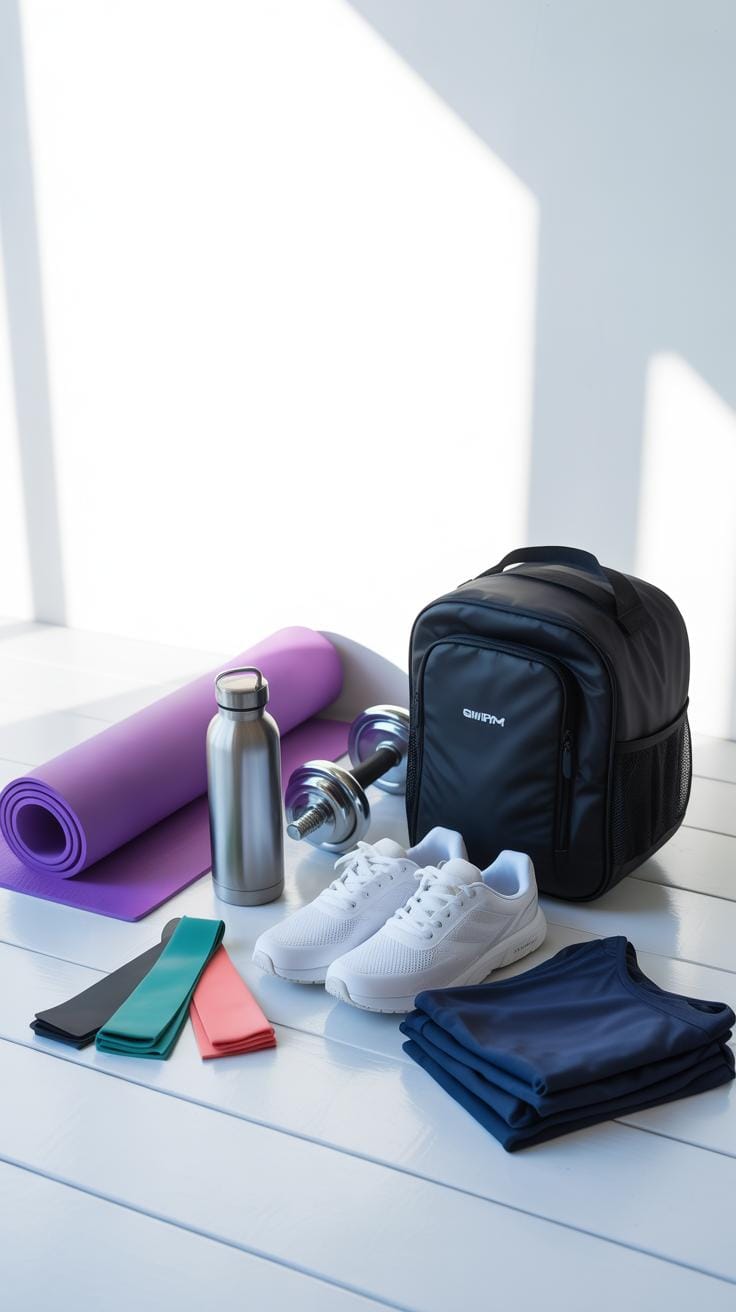
When you start going to the gym, packing the right accessories can feel a bit like a puzzle. There are essentials you shouldn’t skip because they make your workout smoother and safer. Think of a sturdy water bottle to keep you hydrated; dehydration sneaks up on you, especially if you’re new to exercise. Then, bring a good pair of workout gloves—they protect your hands during weightlifting or those odd pull-ups. A small towel is handy, not just to wipe sweat but also to keep equipment clean for the next person. Of course, a reliable pair of sports shoes tailored to your activity is a must. Athletic socks aren’t just for comfort; they help prevent blisters, which can ruin your workout mood.
These basics form the core of your gear. Each item has a clear role, but packing them becomes second nature only with time and experience.
Optional Add-Ons For Specific Workouts
Not all workouts require the same kit. For yoga enthusiasts, a non-slip mat is near essential—yes, you could fold a towel, but it won’t quite cut it for balance and comfort. Weightlifting? Chalk can be a game changer for grip, though it might be inconvenient in some gyms. Resistance bands offer versatility, especially for rehab or warm-ups. For cardio-focused sessions, a heart rate monitor helps keep intensity on target, though some find it distracting.
Pack these extras only when they fit your workout plan. Sometimes, less is more, but sometimes, the right add-on can push your progress forward or just make the session more enjoyable. It’s your kit; experiment a bit and see what feels right.
How Gym Accessories Protect Your Body
Gloves And Grip Protection
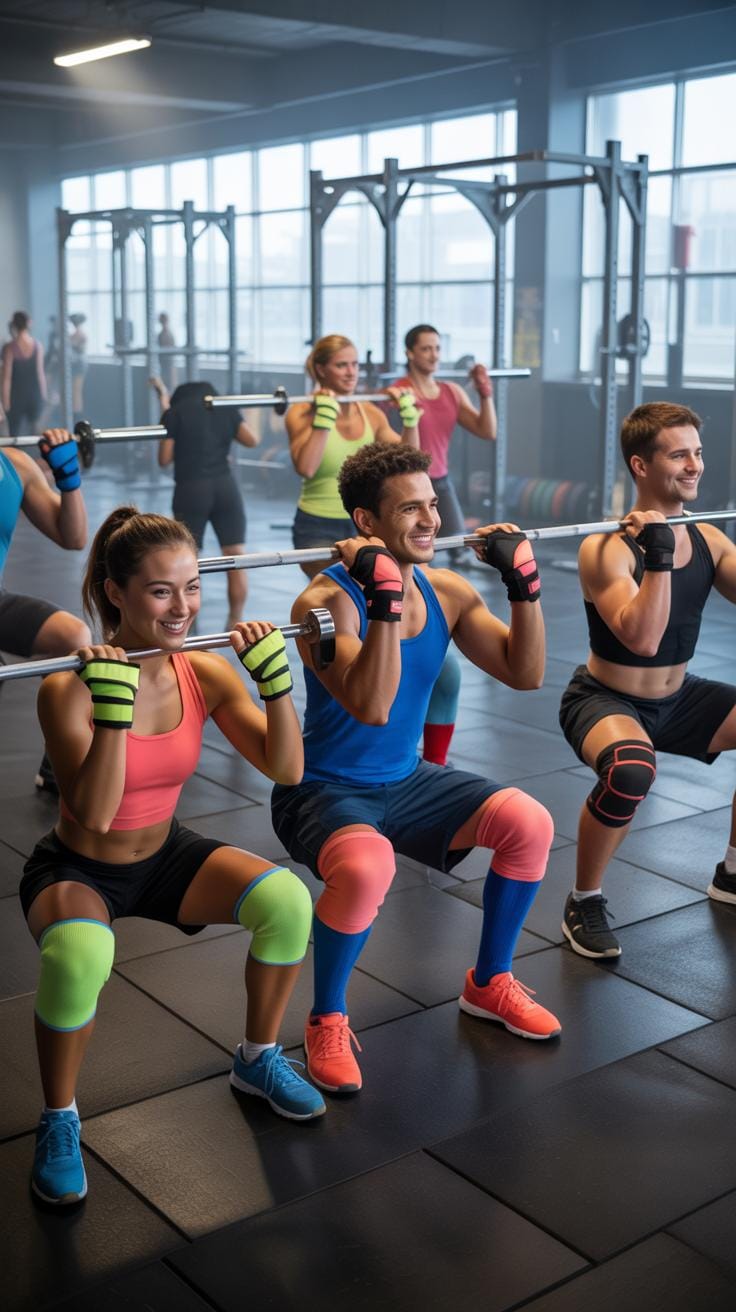
Gloves serve a practical purpose beyond just style—they shield your hands from calluses and blisters that often come with lifting weights or using gym machines. Without protection, your skin takes a beating, which can be uncomfortable or even painful during workouts. Gloves also boost your grip. When your palms get sweaty, slipping becomes a real risk, and that’s where well-fitted gloves come in handy. They provide traction and make holding barbells or dumbbells easier and safer. Though some argue gloves might reduce your natural grip strength over time, many find the added comfort worth it, especially for heavier lifts.
Wrist Supports To Prevent Strain
Wrist supports and wraps play a key role too, especially if you’re doing exercises that put pressure on your wrist joints. These accessories stabilize the wrists, keeping them in a safer alignment and cutting down stress during lifts like bench presses or overhead presses. In my experience, using wrist wraps made a noticeable difference when handling heavier weights. They may not prevent every ounce of strain, but they definitely help reduce discomfort and can lessen the chance of injury. It’s worth thinking about if your wrists tend to feel sore or weak after workouts.
Care And Maintenance Of Gym Accessories

Taking care of your gym accessories can sometimes feel like a chore, but it’s really worth the effort. Keeping them clean not only extends their life but also helps you avoid any nasty surprises, like lingering odors or bacteria buildup. For example, mats and gloves tend to trap sweat and dirt more than you might think, so focusing cleaning efforts on those makes sense.
Cleaning Tips For Gear
Mats can be cleaned with a mixture of warm water and mild soap. Use a soft cloth or sponge to wipe them down, avoiding harsh scrubbing that might damage the surface. After wiping, air dry them completely before rolling or using again. Gloves, on the other hand, can benefit from gentle hand washing with antibacterial soap, then allowed to air dry away from direct heat sources to prevent material breakdown. Some gym accessories, like resistance bands, might just need a quick wipe with an alcohol-based disinfectant to keep things fresh.
Storage And Upkeep Advice
Proper storage is often overlooked but crucial. Folding or rolling mats loosely instead of tightly helps maintain their shape and prevents creasing. Store gloves in a well-ventilated area rather than sealed bags, which trap moisture and invite mildew. Keeping gear away from direct sunlight can avoid color fading and material brittleness. If you have smaller items like wrist wraps or bands, organizing them in a dedicated basket or drawer keeps them readily accessible and less likely to get lost or damaged. Have you ever noticed how gear left haphazardly sometimes just doesn’t feel as good when you use it next time? Perhaps it’s not just in your head.
Affordable Gym Accessories On A Budget

When you’re piecing together your gym accessories, it’s easy to feel overwhelmed by fancy options that come with hefty price tags. But guess what? You don’t need to break the bank to equip yourself well. Some simple, budget-friendly gear can do the trick just fine.
Think resistance bands. They cost next to nothing but can seriously diversify your workouts, from strength training to flexibility. Then there are jump ropes—classic and cheap—that boost cardio without requiring much space.
Daily workout essentials don’t have to be extravagant; a sturdy water bottle, a microfibre towel, and a grip-enhancing pair of workout gloves might be all you need to improve comfort and hygiene. Such accessories last long and mostly serve their purpose without fuss.
Wondering where to hunt for bargains? Online marketplaces often have sales or clearance sections. Don’t overlook local sports stores either; sometimes, end-of-season discounts or loyalty programs lower prices considerably. Shopping right after holidays can score you deals on lately released items or overstocked gear.
It’s also worth considering second-hand gear in good condition—gear swap groups or community sales might surprise you. The real challenge? Sifting through without compromising quality. But with a little patience, you can find reliable accessories that fit your budget and your workout needs.
Tracking Accessory Benefits Over Time

Measuring how gym accessories affect your workout results doesn’t require complex tools. You can start with simple, straightforward metrics that anyone can track. For instance, note your strength progress by counting reps or weights lifted before and after introducing new gear. A wrist wrap might seem small, but if you find you can push an extra rep or two with less wrist discomfort, that’s a clear sign it’s helping.
Consider keeping a workout journal. Just jot down what accessory you used and how it felt during that session. Over weeks, patterns emerge that can tell you which items make a real difference. It’s not always about big leaps; subtle improvements count too. Maybe a lifting belt helps stabilize your core enough to handle slightly heavier weights. Tracking these changes quietly builds a picture of what works for you.
Monitoring Comfort And Performance
Comfort may seem subjective, but you can gauge it more clearly by paying close attention during your workouts. Notice if certain accessories reduce pain, ease fatigue, or let you focus better. For example, cushioned gloves might prevent blisters over time, making pull-ups or weightlifting less irritating.
Try switching out accessories and rating comfort on a scale of one to ten. Do this regularly and you’ll spot trends—some accessories may improve comfort but don’t impact your performance, while others boost strength or endurance but feel less comfortable. Balancing comfort with functionality is crucial but not always easy.
Recording Injury Prevention Success
Protective gear like knee sleeves or ankle supports can prevent injuries, but quantifying this is tricky. The best way to see if they’re working is to track the frequency and severity of any discomfort or strains over time. Have you experienced fewer aches or less joint pain since you started wearing a brace? Make notes.
If you’re patient, recording how often you’ve avoided re-injury or how quickly you recover post-workout might help. It’s not an exact science, but consistent journaling about injury aches, soreness, or setbacks can reveal if your chosen protective accessories lessen risks over the long run.
Examples Of Gym Accessory Sets For Styles
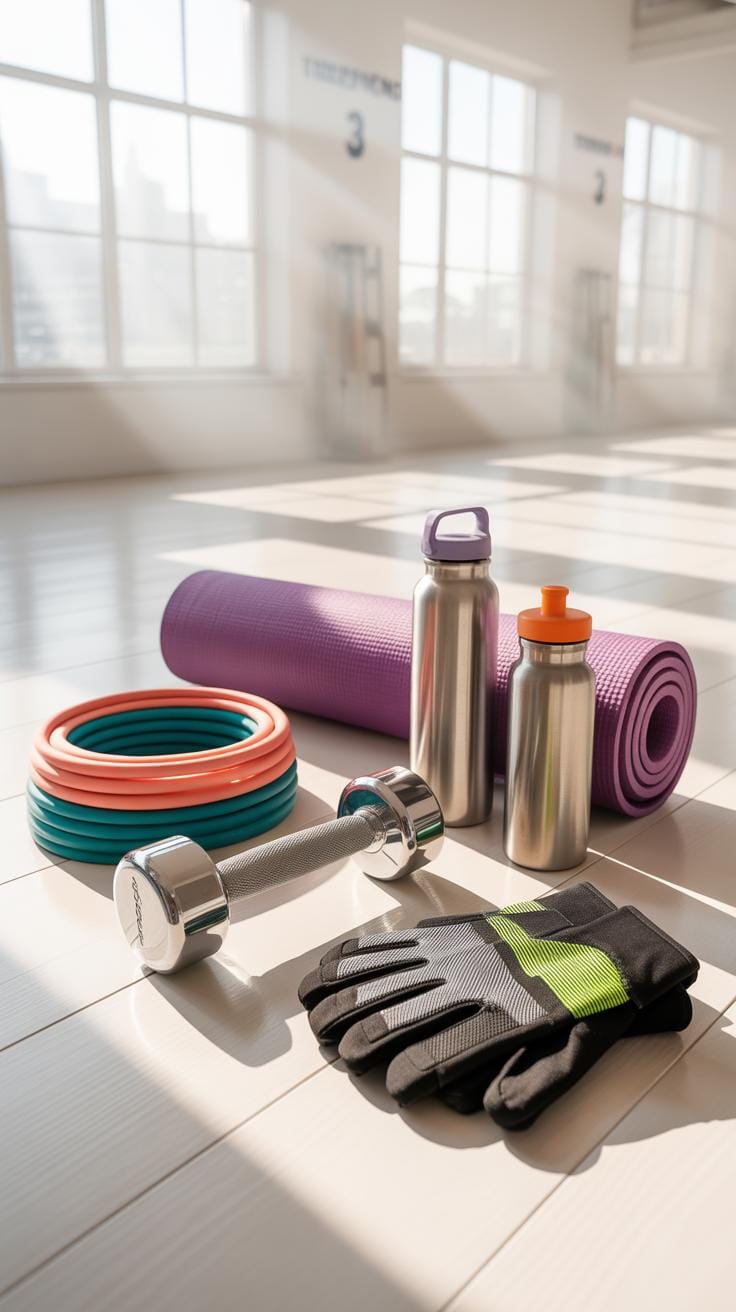
Weightlifting Accessory Kit
For weightlifters, the right gear can make a difference. A typical accessory set might include gloves, belts, and wraps. Gloves help protect your hands by reducing friction with the bar; they come in various styles like half-fingered or full-finger gloves and often offer wrist support too. You might find that gloves with open backs feel cooler during heavy sessions, but some prefer full coverage for extra protection. Weightlifting belts boost core stability during heavy lifts, giving you that extra confidence. Then, wrist and knee wraps support your joints and can help prevent injuries. Perhaps you don’t need all of these, but mixing and matching based on your workout intensity and needs often works well.
Yoga And Stretching Gear
Yoga and flexibility workouts require different essentials. A good-quality mat is fundamental—it anchors your movements and cushions your joints, but the thickness and texture matter depending on your practice. Some prefer a sticky mat for gripping poses, while others might opt for mat towels atop the surface for extra sweat absorption. Straps and blocks assist with achieving challenging stretches and postures, helping you push limits safely. A yoga wheel is another addition that offers deeper spinal stretches. These accessories don’t just support your poses; they invite you to explore beyond your comfort zone with safer alignment. If you’re into gentle stretching or intense yoga flows, this set simply works.
Gym Accessories

When considering gym accessories, it’s easy to focus strictly on function. But these items can say a lot about your personal style if chosen thoughtfully. Think about things like water bottles, sweatbands, gloves, and even fitness trackers.
For example, a sleek, reusable water bottle—not just any old thing—can add a touch of sophistication to your routine. It’s practical, yes, but the design and color options today let you make a bit of a statement while staying hydrated.
Then there’s the question of gym towels and gloves. Matching these to your workout wear can create a subtle but noticeable lift in your overall look. It doesn’t have to be a perfect match—sometimes a complementary color or pattern works better.
Let’s not forget headphones, an essential for many. Choosing compact and stylish models that don’t weigh you down or look bulky is key. It’s a balancing act: you want style but not at the expense of comfort or usability.
One might wonder, how much attention should you really give to these details? Well, the truth is, it depends on you. For some, they’re just tools; for others, an opportunity to express their identity while working out. So, maybe think about your preferences and how these accessories fit into your broader style narrative inside the gym.
Conclusions
Choosing the right gym accessories makes your workouts more enjoyable and effective. It ensures comfort, safety, and helps you maintain focus during exercises. Small items like grip gloves, water bottles, or towels support your fitness goals in tangible ways. Investing in quality gear is a smart step toward consistent training.
Ultimately, gym accessories are part of a complete workout setup. They contribute to your overall fitness experience, add style, and help prevent injuries. Use the information shared here to build your gym kit wisely and enjoy every session with confidence and convenience.