Business Portraits Versus Branding Photoshoots
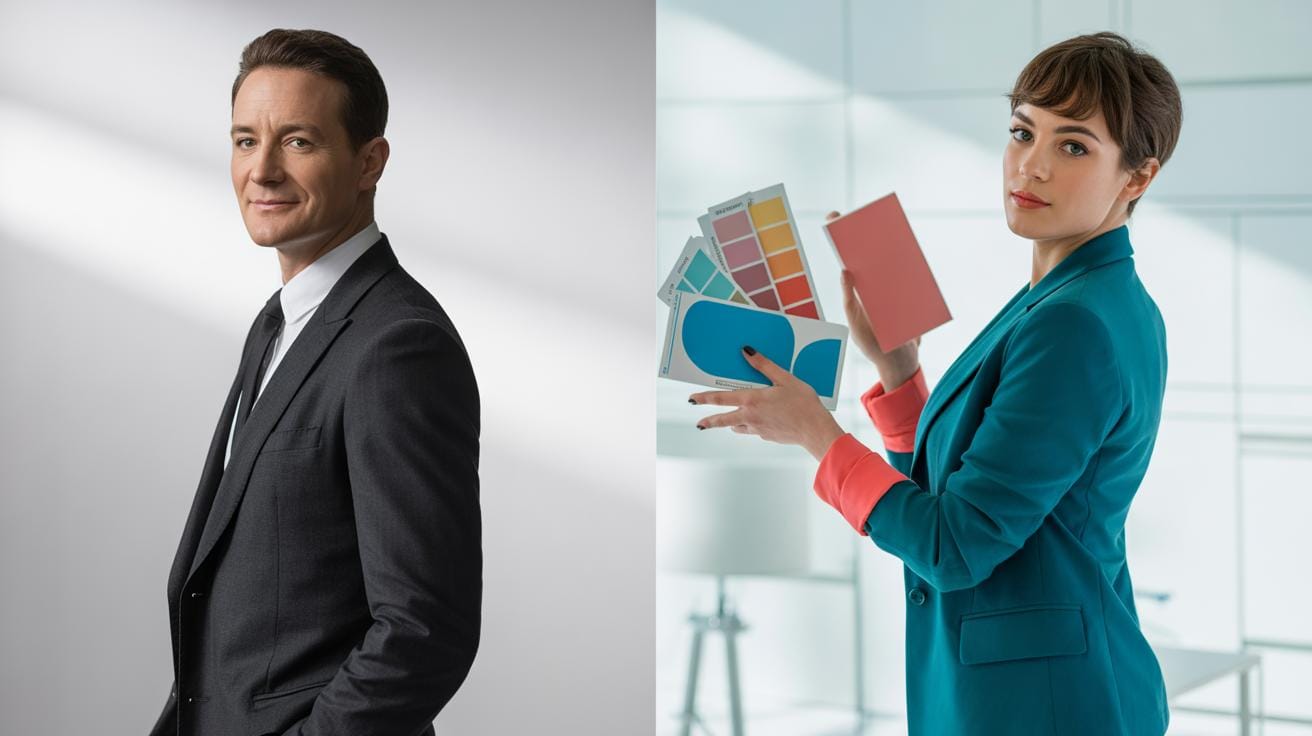
Business portrait photography and branding photoshoots are two common ways to present a professional image visually. While business portraits focus on a clean and clear representation of an individual, branding photoshoots aim to tell a story with style and context. Each serves different goals and suits varied business needs.
This article compares business portrait photography with branding photoshoot inspiration. You will learn the key differences, the importance of branding style, and practical ideas to create photographs that strengthen your business identity and appeal effectively to your audience.
Inspiring Branding Photoshoot Ideas

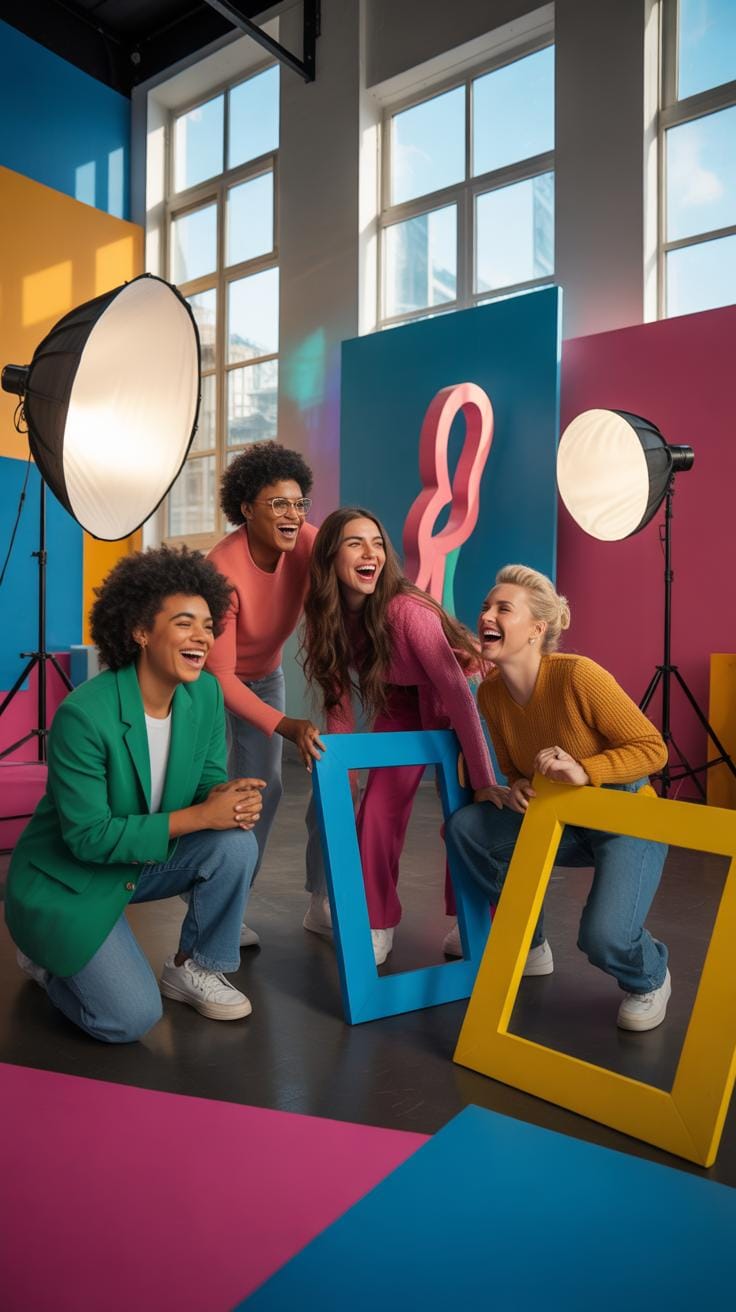
Branding photoshoots go beyond the standard headshot and aim to tell a story about a business or individual brand. Rather than just showing what you look like, these shoots reveal what you represent. So, when planning, consider styles and settings that highlight your unique identity.

Ideas include:
- Work-in-action shots — you at your desk, in a meeting, or handling your product, giving an authentic glimpse into what you do.
- Environmental portraits — using your workspace or a related setting to reflect your industry or vibe, like a creative studio, a cozy café, or outdoors if your brand is nature-focused.
- Detail-focused images — close-ups on tools, hands, or branded materials conveying attention to craft.
Styling can be casual, formal, or somewhere in-between, depending on the brand’s tone. Props and color schemes tied to your brand palettes also help communicate personality without saying a word. Lighting and angles should make the images feel approachable yet professional — a tricky balance that often requires some experimentation.
For example, a wellness coach might choose soft, natural light and calm tones, while a tech entrepreneur could go for sleek, modern backgrounds with bolder colors. Either way, these photos do more than represent you; they tell your brand’s story visually. So, why settle for plain when you can inspire and connect at the same time?
How Lighting Shapes Branding
Lighting Setups For Portraits
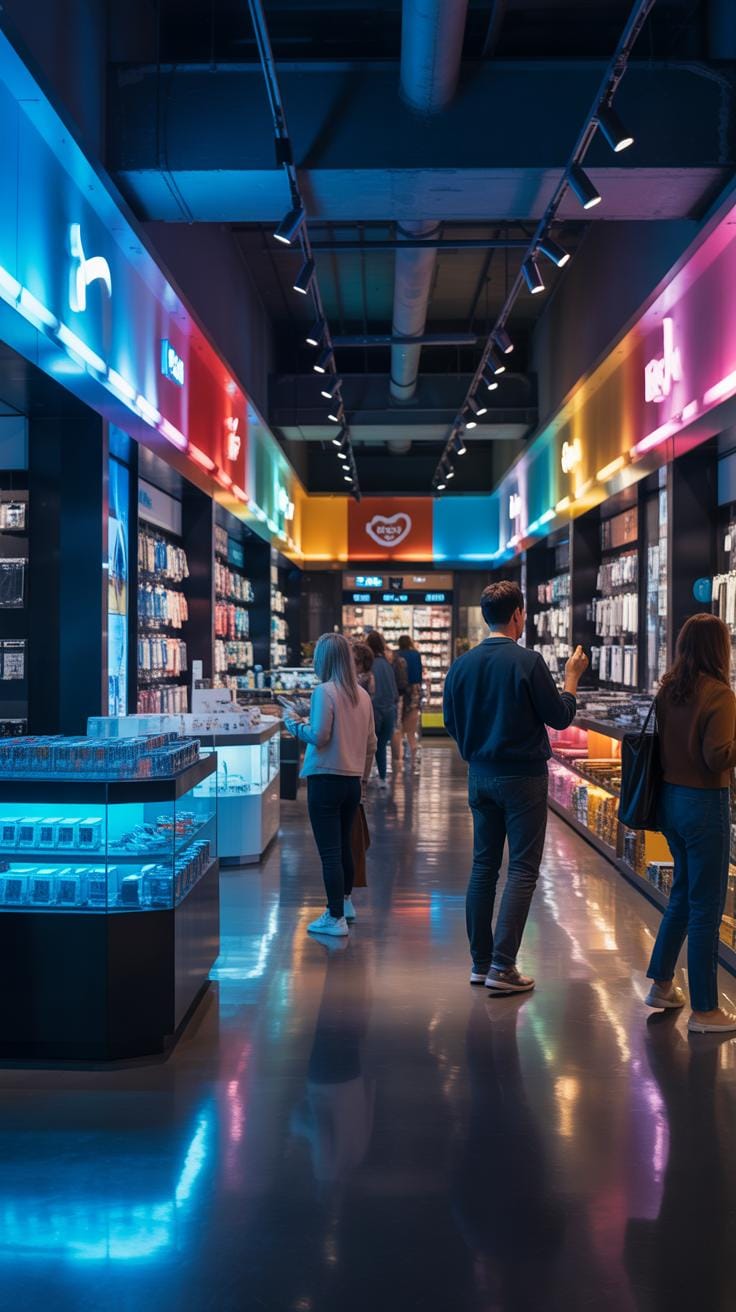
Lighting plays a core role in how we perceive business portraits. Take three-point lighting, for example. It involves a key light shining on the subject, a softer fill light reducing shadows, and a backlight that separates the person from the background. This setup creates a balanced, clear image that feels professional yet approachable. For a different vibe, high-key lighting floods the scene with brightness, minimizing shadows to produce an upbeat, clean look. I guess you’ve seen it in many corporate headshots where the goal is to convey trust and transparency.
Creative Lighting For Branding
When it comes to branding photoshoots, lighting often takes on a more expressive role. Rather than just illuminating the subject, it’s used to craft an atmosphere that talks about the brand’s personality. Imagine a lifestyle brand using warm, low lighting to evoke coziness and intimacy, or a tech startup opting for sharp, cool tones to suggest precision and innovation. Sometimes, dynamic lighting—moving lights, colored gels, or patterned shadows—adds texture and depth, making the photoshoot feel less like a portrait session and more like storytelling. It’s subtle but powerful in shaping how viewers connect with the brand.
Pose And Expression Tips

When it comes to poses and facial expressions, business portraits lean towards formality and professionalism. You want to convey confidence, trustworthiness, and competence. Often, a straightforward pose with shoulders relaxed but upright, facing slightly towards the camera, works best. Neutral or soft smiles usually strike the right balance—too broad may seem insincere, and too serious might feel cold.
Branding photoshoots, on the other hand, invite creativity and personality. Here, it’s less about rigid posture and more about telling your story visually. The poses can be more dynamic—maybe turned to the side with a casual lean or a candid laugh to show approachability. Expressions vary widely; some people use playful, intense, or even thoughtful looks to connect emotionally.
To look confident and authentic, focus on natural gestures rather than forced ones. Breathe deeply before the shoot; it helps soften expressions. You might want to practice in front of a mirror or with friends to find what feels genuine. Sometimes a slight tilt of the head or a relaxed chin can make all the difference. Remember, authenticity often comes through subtle imperfections.
Best Business Portrait Poses
For professional headshots, here are some poses and expressions that consistently work:
- Face the camera head-on, with shoulders slightly angled for dimension.
- Crossed arms can convey confidence, but avoid looking closed off—keep hands gently clasped or relaxed.
- A soft smile or a serious expression depending on your industry—lawyers might lean more serious, creatives might benefit from a subtle smile.
- Lean slightly forward to engage the viewer and appear approachable.
- Keep your posture straight yet relaxed; tension can show in the face.
These tried-and-true positions allow focus on your face, which is crucial for professional recognition. It’s probably wise to avoid overly dramatic gestures—simplicity often wins here.
Branding Pose Ideas To Try
Branding sessions are about highlighting your unique style and personality. Here are some creative ideas you might want to experiment with:
- Lean against a wall or prop to appear casual and approachable.
- Incorporate movement—like walking, turning, or adjusting accessories—to capture candid energy.
- Use hand gestures that feel natural to your profession or personality, like typing on a laptop or holding a coffee cup.
- Try varied facial expressions—laughing, thoughtful, or playful—to reflect different facets of your brand.
- Work with your environment—sit at a desk, stand in front of your business space, or interact with your products.
Poses that tell a story tend to resonate more. You might find that some spontaneous moments during a shoot become your favorite images because they feel real, not staged. So, while planning is good, being open to improvisation can pay off. What pose feels most ‘you’ might surprise you.
Wardrobe Choices For Photos
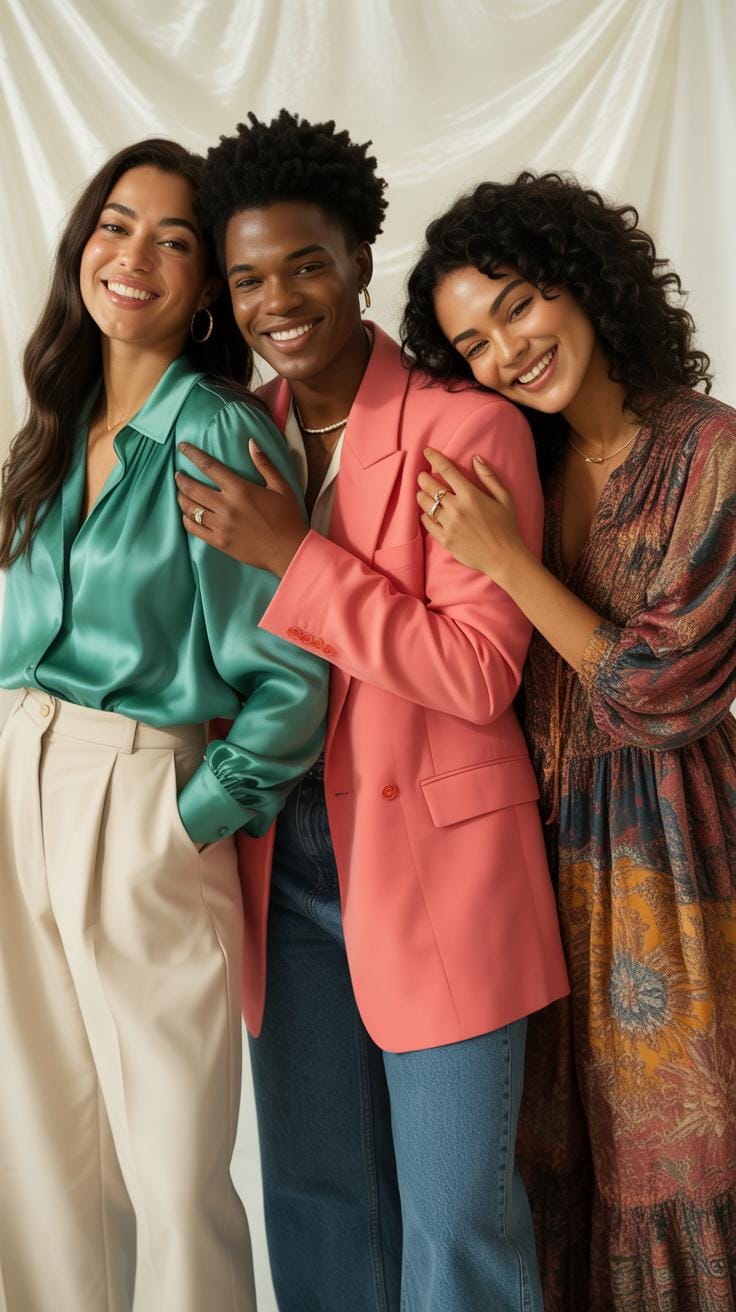
Wardrobe choices shape the story your photos tell. In business portraits, the clothing you wear sends a clear message about professionalism and reliability. Keeping it simple and clean works best here—imagine a well-fitted blazer or a plain shirt in neutral tones. These choices avoid distractions and highlight your face, making you appear polished and approachable. It’s tricky sometimes because you want to look yourself but also professional enough for the wider audience.
For branding photoshoots, the approach shifts. The wardrobe should echo your brand’s personality and values. This might mean playing with textures, colors, or unique accessories that add depth and visual interest. Perhaps you want to appear creative, bold, or trustworthy, and your clothing can support that impression. Layering, patterns, or signature pieces might come into play here, sparking curiosity and engagement. Still, finding the right balance without going overboard can be challenging, as bold choices can either elevate or confuse your message.
Here are some practical tips:
- For business portraits, stick to classic and timeless pieces: think solid colors, minimal patterns, and neat fits.
- Avoid flashy accessories or logos in portraits; they can detract from the professionalism.
- In branding shoots, experiment with garments that reflect your brand story—this could be eco-friendly fabrics for sustainability or bold colors for creativity.
- Use layers or subtle patterns to add texture without overwhelming the frame.
Ultimately, whether it’s a strict business portrait or a more relaxed branding session, your wardrobe is a silent communicator. It’s not just about looking good but about reinforcing the image you want to project. Have you ever noticed how a simple change in attire shifts how people perceive you? It’s worth thinking about when preparing for your photoshoot.
Selecting Backgrounds And Locations
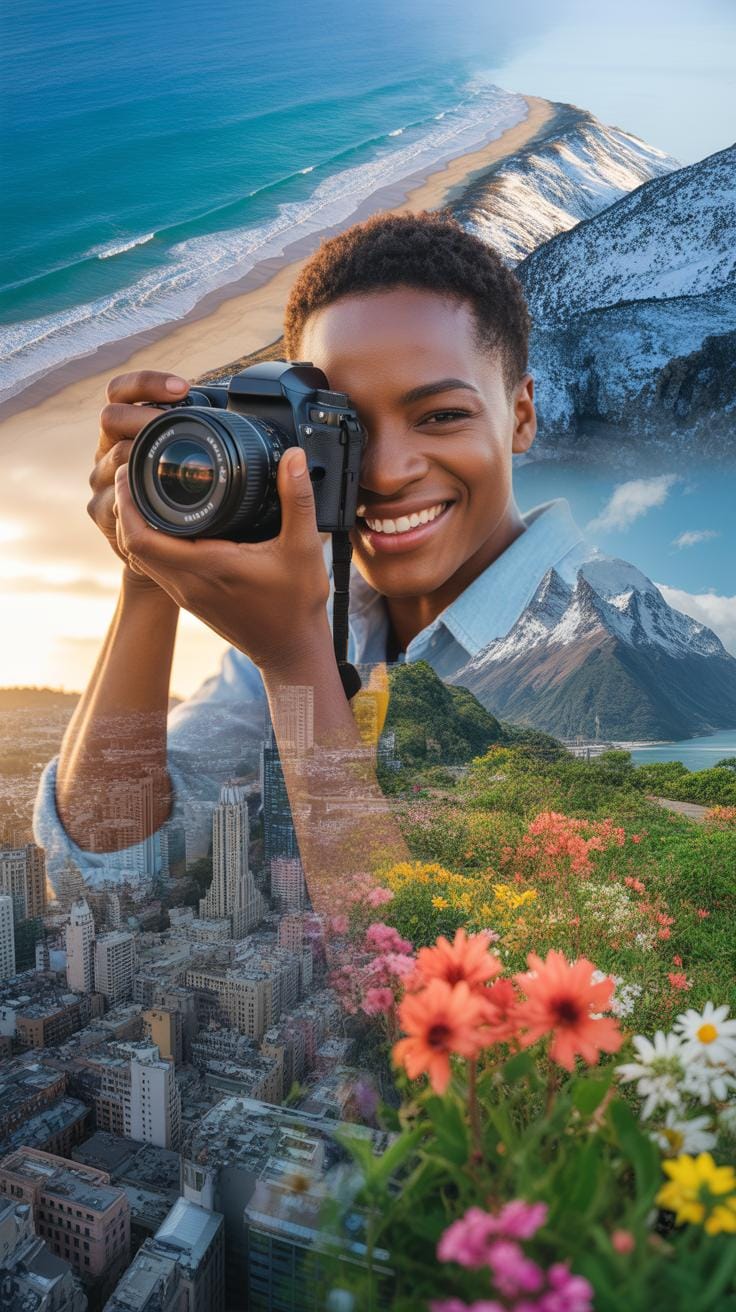
Choosing backgrounds and locations shapes the story your photos tell. For business portraits, backgrounds tend to be simple—plain walls or subtle gradients. They keep the focus tight on your face, your expression, what you convey professionally. Neutral colors work best because they don’t distract or clash with clothing. Imagine a crisp white, soft gray, or even muted earth tones. These backgrounds let lighting, posture, and expression do the talking without visual noise.
Branding shoots are a different animal. Here, the environment plays a big part in the narrative you want. Think about the vibe of your brand—urban streets, cozy cafes, or nature settings can all become part of the story. The background should support your message, not overshadow it. A wellness coach might choose greenery and light-filled spaces, while a tech startup founder could go for sleek modern offices or creative workspaces. Styled locations give room for props, outfit changes, and a bit of performance that brings the brand’s personality into light.
Here’s something I think about: business portraits often rely on an absence—an empty background to emphasize presence. Branding shoots embrace addition, layering your image with colors, textures, and objects that help express who you are and what you offer. So, when picking your spots, ask yourself—do I want to be clear and direct, or do I want the photo to speak in a richer context?
Simple Backgrounds For Portraits
Plain or neutral backgrounds are the go-to for business portraits because they remove distractions. It’s like giving your words and expressions room to breathe. The idea is to draw eyes only to the person, not the swirl of colors or patterns behind them. Often, a seamless paper backdrop or a freshly painted wall works well. You can play with lighting angles to add subtle shadows or highlights, which creates depth without clutter.
Some photographers also prefer textured walls or gentle gradients to avoid the photo looking too flat, but it’s a delicate line. Too much visual detail can pull focus off the individual. It’s about balance—simple yet not stark, clean but not clinical. That’s why many opt for consistent color palettes that don’t compete with clothing or skin tone.
Background Ideas For Branding Shoots
Branding shoots thrive on location wealth. Here are some ideas that might spark inspiration:
- Outdoor urban spots like murals, markets, or iconic buildings—adding energy and character.
- Indoor places that echo your brand’s purpose—a boutique shop, a creative studio, or an inviting kitchen.
- Nature settings with trees, water, or interesting light filtering—a calm, approachable feel.
- Styled sets with relevant props—books, coffee cups, tools of your trade—that help your story.
- Abstract walls or colorful doors that hint at personality without being literal.
Whatever you choose, the location should enhance rather than overwhelm. It’s never about cluttering the frame but creating a backdrop that makes someone curious about you and your business. Sometimes, ticking off practicality is as important as aesthetics—consider lighting, permissions, and weather if outdoors. But mostly, the location should feel “right” for what you want people to sense when they see your photos.
How To Plan A Branding Photoshoot

Planning a branding photoshoot is more complex than it might seem at first glance. You want your images to reflect your style and what your brand stands for, which means preparation is crucial. Start by clearly defining your concept: what story do you want your photos to tell? It helps to gather inspiration from various sources—magazines, websites, even social media—to get a feel for the style that resonates with your brand identity.
Next, think carefully about wardrobe choices. Your outfits should complement the look and feel you’re aiming for without overshadowing the message. Color, fit, and comfort all matter but don’t get stuck trying to be perfect; sometimes spontaneous choices bring the most authentic results.
Location is another major piece of the puzzle. Whether you choose natural settings, studio backdrops, or urban environments, it should align with your brand’s personality. Props can also add depth; a favorite book, a product you sell, or something symbolic might enhance storytelling.
Selecting your photographer shouldn’t be rushed. Look for someone whose style fits your vision. Sometimes you have to meet a few before finding the right match. Lastly, consider the technical aspects like lighting and timing—morning or late afternoon often offers the best natural light but be ready to adapt as needed.
Create A Photoshoot Checklist
A checklist keeps things organized and reduces stress on the day of the shoot. Here’s a suggested list to guide you:
- Concept and mood board creation
- Wardrobe planning with several outfit options
- Location scouting and permits if necessary
- Props gathering tailored to your story
- Finding and booking the right photographer
- Confirming shoot schedule, including time for makeup and breaks
- Equipment checklist for any needed extras (reflectors, lighting kits)
- Backup plans for weather or location changes
Review this list a couple of days before. Cross off what’s done, check what’s outstanding. It’s small steps like this that make the actual photoshoot smoother.
Scheduling And Budget Tips
Figuring out a timeline can be tricky, especially when juggling different schedules. Ideally, set your shoot date well in advance, allowing time for adjustments and reshoots if necessary. Don’t rush—the best shoots often require patience.
Budgeting calls for some realism. Factor in photographer fees, location rentals, wardrobe costs, and possibly makeup artists or stylists. Also, leave a buffer, maybe 10-15% extra for unexpected expenses—it happens. Trying to cut corners on essentials can backfire in quality, which ironically might end up costing more down the road.
One tip that worked well for me is scheduling the shoot early in the day. People tend to be fresher, and natural light is often more flattering. Still, keep communication open with your photographer and team about timing preferences.
You don’t want to be caught unprepared or overwhelmed right before the shoot, so pacing your planning over several weeks is usually the way to go. It’s a balancing act—enough time to organize but not so much that enthusiasm wanes.
Branding Photoshoot Inspiration
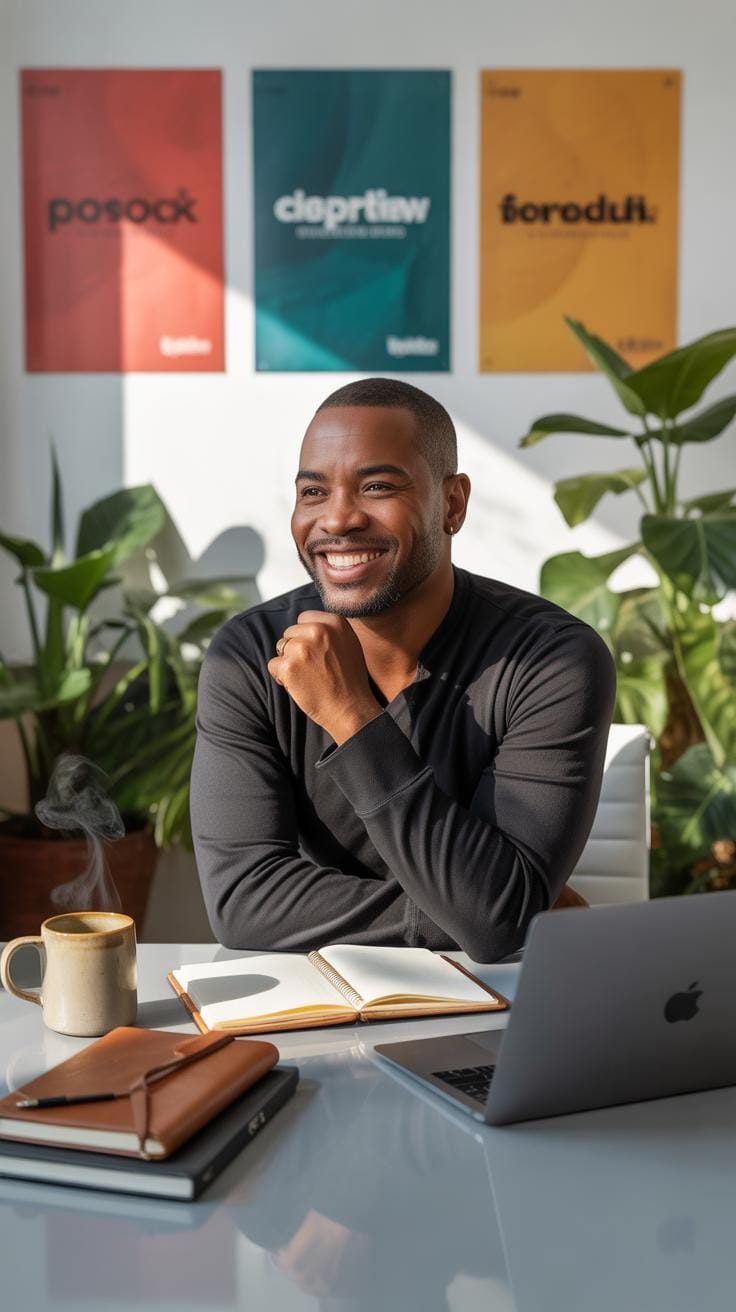
Branding photoshoots aim to capture more than just a face—they tell a story. They reflect your values, personality, and what your business stands for. It’s about creating images that feel authentic and connect with your audience emotionally. If you’re wondering where to start, inspiration can come from many places.
Look at brands in your industry, but don’t imitate blindly. Notice how they use color schemes, props, or settings to communicate particular messages. Sometimes, everyday environments—your workspace, favorite coffee shop, or even a park—offer genuine backgrounds that reinforce your brand’s vibe without seeming staged.
You might want to experiment with casual, candid shots alongside more polished, posed ones. This mix often works better than strict formality or too much looseness alone. Also, consider how your outfits, makeup, and even the time of day affect the mood of your photos.
Questions to think about: Does your branding shoot tell a consistent story? Are there visuals that feel out of sync with your mission? Keep asking yourself these throughout the process. Sometimes, inspiration emerges from trial and error more than planning alone.
Real World Branding Photoshoot Examples
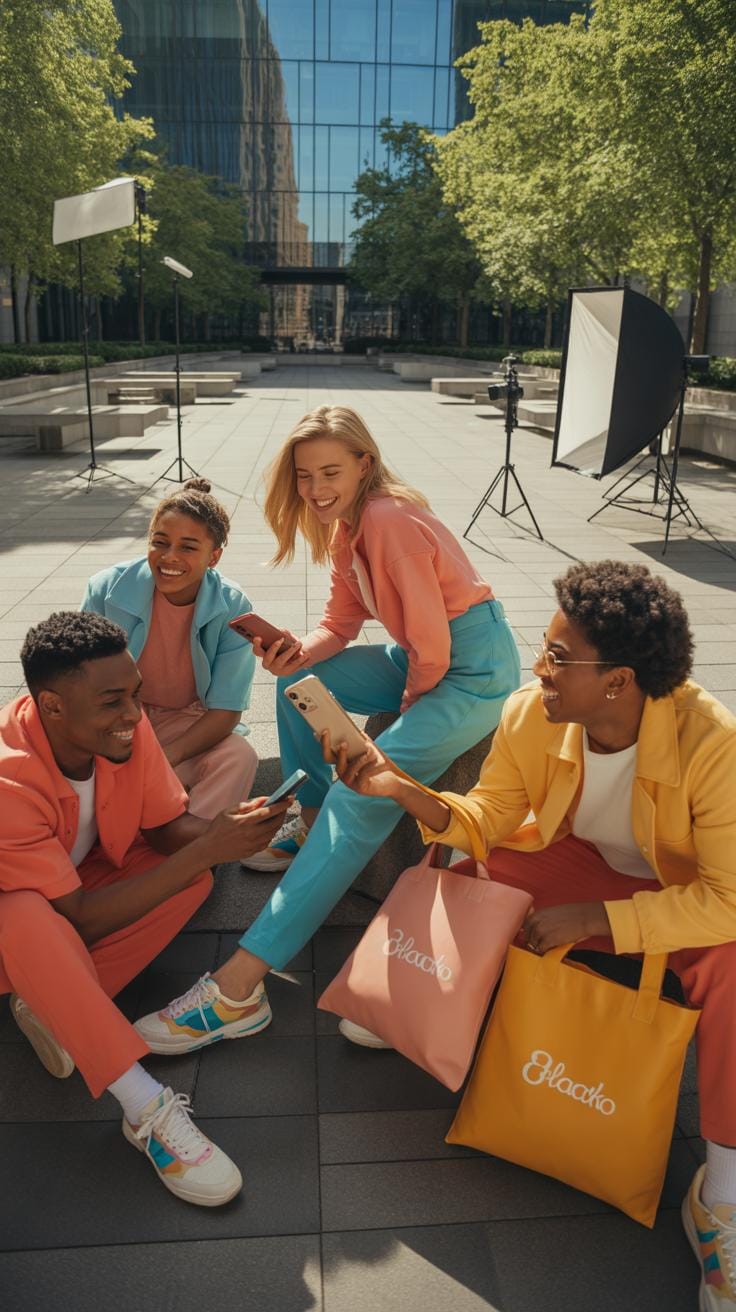
Branding photoshoots can really shape how a brand feels to people. Some of the most effective shoots I’ve seen carefully mix style and inspiration to speak directly to the brand’s personality. For instance, small business owners often use locations or elements that tell a story about their roots, adding layers of meaning beyond just a clean image.
Take the example of a bakery owner who used warm, rustic kitchen settings with natural light to bring out the comforting vibe of her brand. The styling of props, outfits, and colors all intertwined to reinforce that homely, inviting feel. It’s almost like the photo itself becomes part of the brand’s voice.
Another example is a tech startup that leaned into futuristic elements with sleek, minimalistic backdrops mixed with strong colors to spotlight innovation and energy. This kind of approach captures attention immediately, saying “we’re forward-thinking” without even needing words.
Real cases like these show the power of thoughtful styling in branding photoshoots — they don’t just make a pretty picture but plant deeper brand signals in the viewer’s mind. What aspects of your own brand could you highlight with style choices? Sometimes, that’s where inspiration sparks and real connection begins.
Measuring Photoshoot Impact
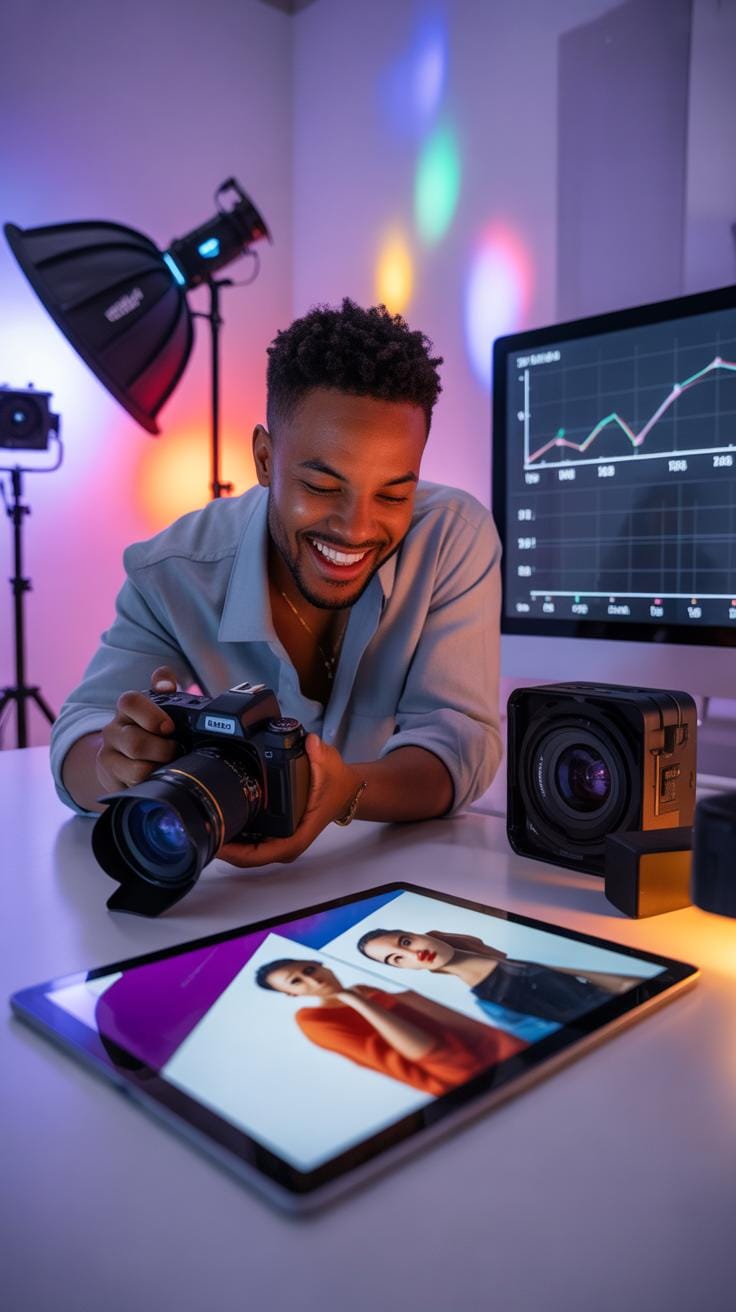
When thinking about how to gauge the success of your business portraits and branding photoshoots, it’s not always straightforward. You might initially focus on how the images make you feel or look, but the real test lies in how these photos serve your business goals and connect with your audience.
For example, have you noticed a shift in your clients’ reactions? Or maybe the way your online audience interacts with your content after new images go live? Those responses can be surprisingly telling.
Metrics For Portrait Effectiveness
Client feedback is often overlooked but invaluable. Hearing directly from those who view or use the portraits provides insights into how well the photos communicate professionalism or approachability. If feedback shows a disconnect, it might be a sign to rethink the style or presentation.
Online engagement is another solid metric. Likes and shares might seem superficial, but they reflect attention and interest. Consistent views on professional profiles or websites hint that your portrait’s image consistency is resonating with your intended audience.
Assessing Branding Visuals
Measuring brand recognition often ties closely to visual consistency. When people start identifying your brand without even seeing the name, that’s a powerful sign your branding visuals are working. Pay attention to social media responses: comments, shares, and sentiment can reveal how well your visuals connect.
Don’t forget about the subtle impact on sales. Sometimes, a well-executed branding photoshoot nudges customer decisions even if they don’t mention it outright. Tracking changes in sales or inquiries before and after a photoshoot can uncover hidden effects.
What if the data contradicts your personal feelings about the images? That’s where things get interesting—sometimes intuition isn’t enough, and hard numbers tell a different story.
Conclusions
Business portraits are essential for showing professionalism simply and clearly. They convey trust and competence in a straightforward way. Branding photoshoots bring personality and business values into the picture offering a creative approach to connect with customers.
Choosing between these types depends on your business goals and audience. Use the insights and ideas provided here to design a photography plan that fits your brand style and helps your business stand out.