

Editorial Athleisure Versus Activewear Photography
The rise of athleisure has changed how people view casual and athletic clothing. Athleisure editorial trends highlight stylish, versatile outfits fit for both everyday wear and fitness activities. These trends mix comfort with fashion, showing how sports-inspired clothing has evolved beyond gyms to streetwear and office fashion.
In contrast, activewear photoshoot styles focus on performance wear designed with technical fabrics. These photoshoots emphasize function, movement, and sport-specific clothing that supports physical activity. This article compares athleisure editorial trends with activewear photoshoot styles to help you understand their roles in fashion and fitness apparel.
Defining Athleisure Editorial Trends

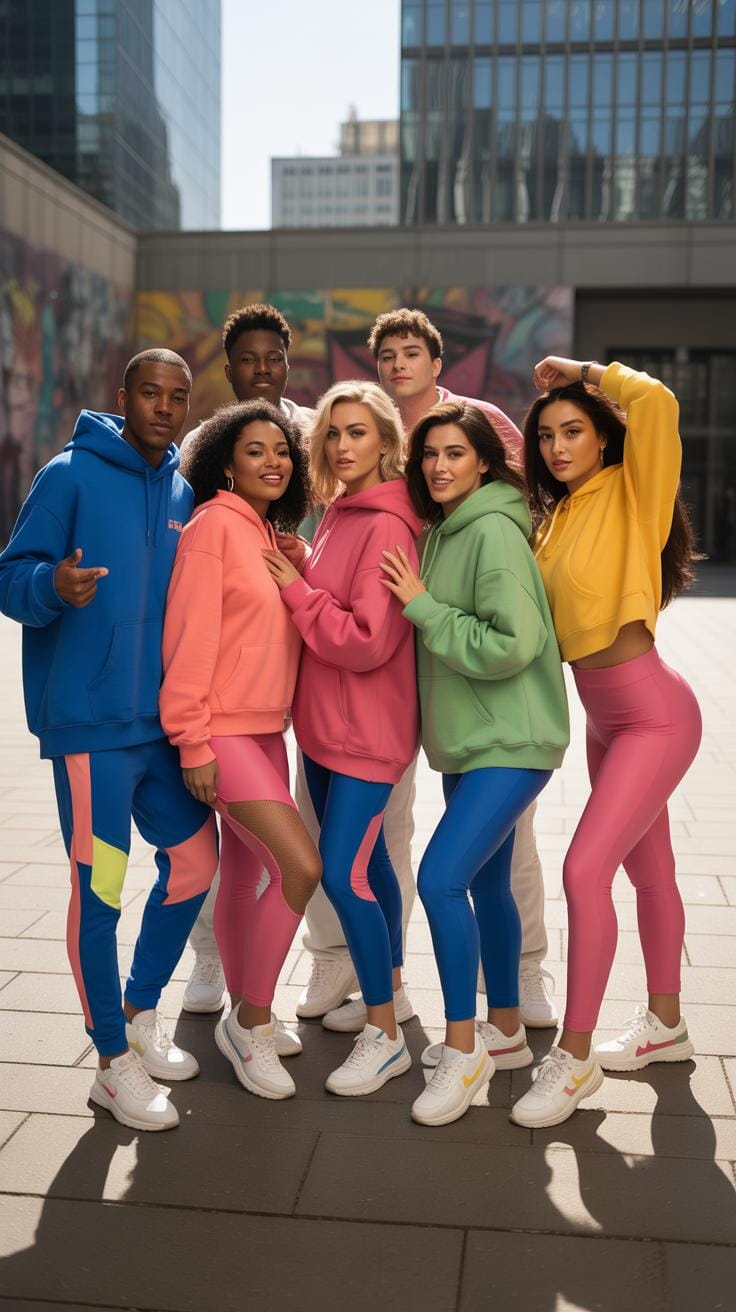
Athleisure editorial trends straddle a fine line between comfort, style, and versatility. They showcase clothes that mix everyday wear with athletic cues—think yoga pants paired with chic hoodies or sneakers made to look at home on the street or the gym. Editorial spreads often elevate these simple pieces, styling them in ways that suggest a lifestyle, not just a workout. For example, a feature might highlight sleek leggings with oversized jackets and bold accessories, presenting athleisure as both practical and fashionable. The appeal lies in garments that are easy to wear yet visually interesting, reflecting a shift in how we think about clothing today.
Key Components Of Athleisure Fashion

Athleisure fashion revolves around a few core pieces like leggings, hoodies, and sneakers crafted in fabrics that emphasize flexibility and softness—cotton blends, spandex, and moisture-wicking synthetics dominate. Colors tend to be neutral or muted, though occasional pops of vibrant hues keep things lively. What stands out is the balance: clothes that offer unrestricted movement without sacrificing style. You might spot mesh panels for breathability, or reflective trims for subtle flair. This blend makes athleisure comfortable for hours, yet sharp enough for public outings or quick outings without a wardrobe change.
Athleisure As Everyday Wear
The acceptance of athleisure in daily life has expanded beyond sports or gyms to offices, casual meet-ups, and errands. A relaxed dress code coupled with evolving social norms lets people freely mix athletic garments with traditional pieces. For instance, pairing joggers with a smart blazer or a crisp button-down shirt is now commonplace. This shift means you can comfortably mask the ‘workout’ origins of your outfit, making it versatile for various settings. But this blend also sparks questions: Does the comfort front sometimes override the need for dressing ‘properly’? People seem to say no often enough to keep athleisure in their regular rotation.
Athleisure Editorial Trends
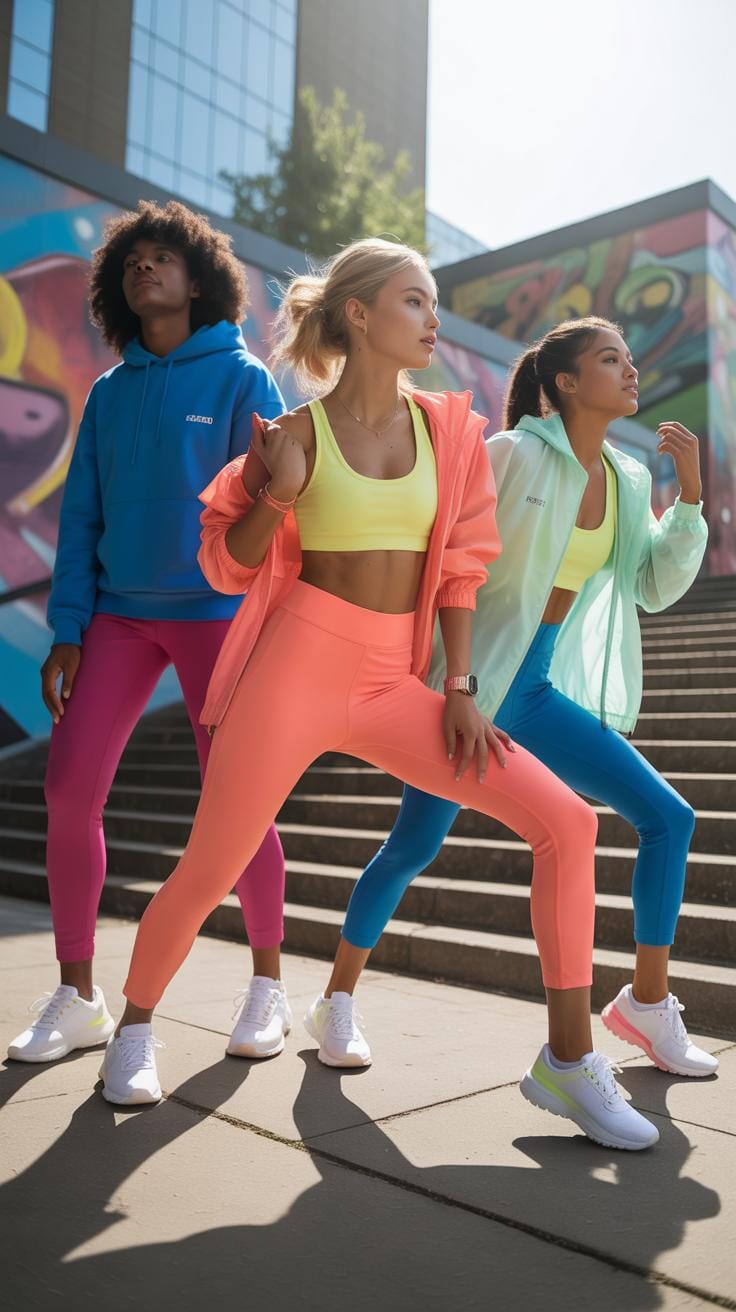
Athleisure editorials occupy a unique space in fashion media, distinct from activewear photoshoots. They blend casual lifestyle wear with subtle sporty cues, making garments look equally suitable for running errands or meeting friends. Picture an editorial where the setting is a city street or a cozy café—not a gym or sports field. The focus here is less on how the clothing performs under physical strain and more on how it fits into everyday life, fitting into a broader cultural trend toward comfort without sacrificing style.
When you look at athleisure editorials, the clothes often emphasize relaxed silhouettes and versatile layering rather than durability or technical features. Fabrics might be soft cotton blends or modal rather than high-performance synthetics. Editorial shots often play with urban backdrops or minimalistic studios, posing models in ways that highlight the fashion aspect instead of motion or athleticism.
In such editorials, the narrative tends to revolve around lifestyle aspirations—effortless chic, modern casual, or wellness-minded aesthetics—rather than specific sport functions. You might notice elements like oversized sweatshirts, joggers, or sneakers styled with accessories that elevate the look beyond workout wear. It’s approachable, wearable, and influenced by street style trends as much as athletic utility.
It raises a question: how do these editorials influence your choices when shopping athleisure? Are you drawn more to style or practicality, or is it a bit of both? This tension between fashion and function is precisely what sets athleisure editorials apart from activewear shoots and makes them intriguing in their own right.
Athleisure Editorial
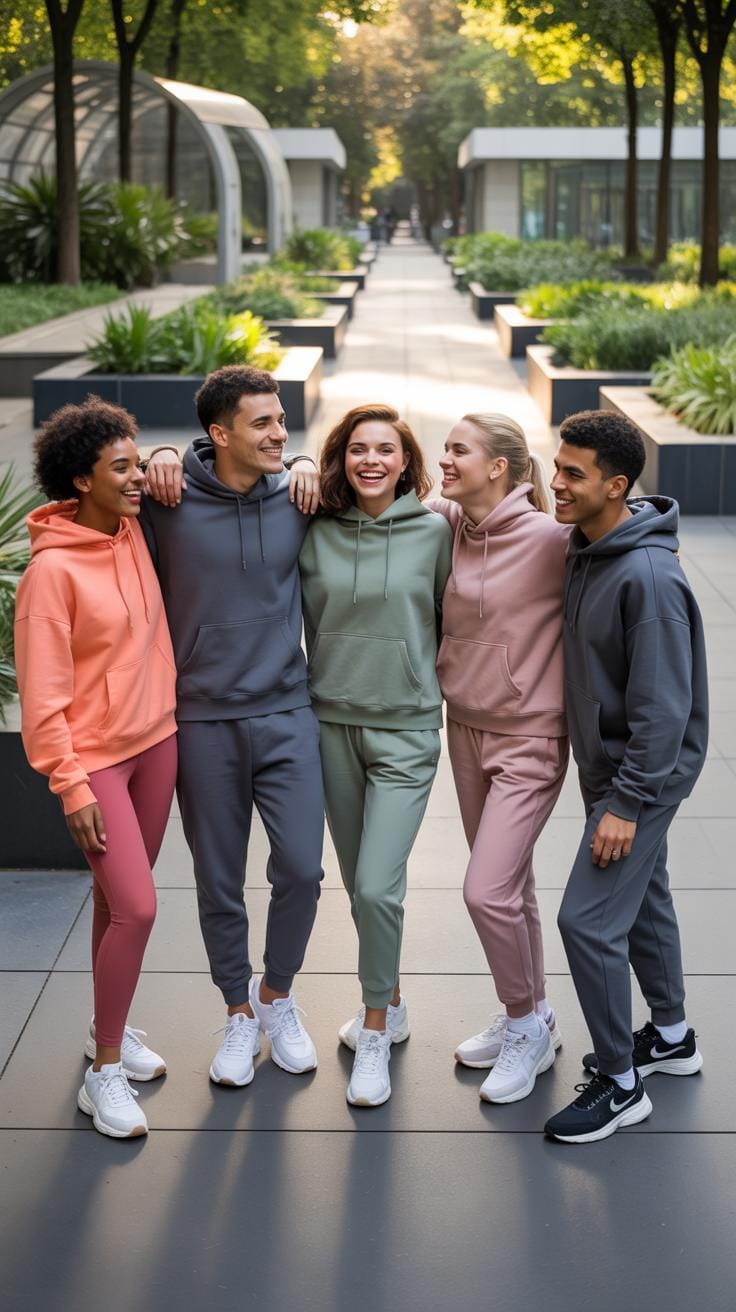
Athleisure editorial trends emphasize a blend of fashion and comfort, presenting athletic-inspired clothing as part of everyday style. These editorials often showcase pieces that look sporty yet polished enough to wear outside the gym. Think yoga pants paired with tailored jackets, or hoodies styled alongside trendy sneakers and chic accessories.
The purpose centers on lifestyle and cultural trends, rather than physical performance. It’s about how these clothes fit into daily life—running errands, grabbing coffee, going to casual social events. The apparel is selected for versatility, comfort, and style all at once. In contrast to activewear shoots focused on movement and function, athleisure editorials aim to inspire wearable fashion choices.
If you look at magazines or online fashion platforms, the styling will usually feature softer fabrics and muted or neutral color palettes. The presentation balances casual with sophistication. Models often pose in relaxed, candid stances that suggest effortless cool rather than athletic prowess.
This approach appeals especially to consumers who want clothing they can dress up or down, and use beyond workouts. The focus lies in merging sport-inspired pieces with mainstream fashion, filling the gap between gym clothes and streetwear. It’s interesting how this trend took off when people began valuing comfort more but didn’t want to sacrifice style. You might wonder, where do you draw the line between ‘fashion’ and ‘function’ here? It’s a subtle, ongoing negotiation.
Choosing Athleisure For Daily Comfort
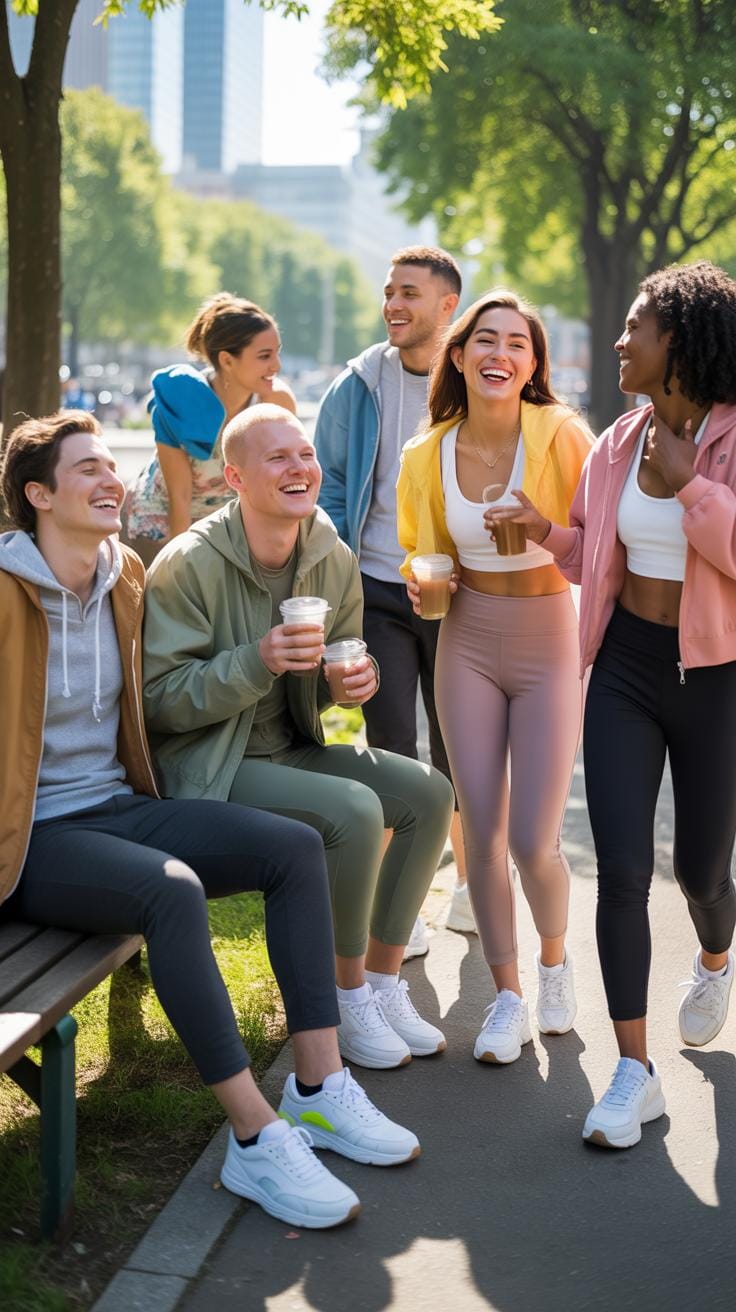
You might wonder what really makes athleisure so appealing for everyday wear beyond just looking good. Well, softness is a key factor—think of fabrics that feel gentle against your skin without being cumbersome. Breathability is equally crucial, especially if you’re moving around or sitting for long hours. Fabrics with stretch let you bend, sit, or stretch comfortably without feeling restricted, which, frankly, can make a noticeable difference throughout your day.
When picking colors, neutrals often work best—they blend effortlessly with other pieces you’re likely to already own and can easily shift from casual to slightly more polished looks. But don’t shy away from muted tones or even subtle patterns; they keep things interesting without screaming “sportswear.”
Balancing the sporty and polished is tricky but doable. Consider pairing a sleek, fitted hoodie with tailored joggers or clean sneakers instead of athletic trainers. This mix-and-match approach not only elevates your look but also keeps things practical. Sometimes, throwing on a structured jacket can do wonders to sharpen an otherwise laid-back outfit.
Fabric Qualities That Enhance Comfort
Comfort in athleisure often comes down to fabric. Soft textures, like modal blends or brushed cottons, invite you to keep your outfit on longer, shrugging off any itch or scratchiness. Breathability keeps sweat in check and your skin happy. Stretch fabrics, often containing a bit of spandex or elastane, ensure your movements aren’t impeded by your clothing—it’s like the fabric moves with you.
Look for items labeled with these qualities or feel the material if possible. Sometimes, more technical fabrics also come with moisture-wicking properties, but that’s more relevant if you plan to actually exercise. For daily wear, though, softness and stretch often trump everything else.
Styling Tips For Everyday Wear
Styling athleisure for various occasions requires some experimentation. You might start with versatile basics like fitted leggings or well-cut sweatpants as your foundation. From there, camisoles, crisp tees, or lightweight sweaters layer on casual charm or a bit more formality depending on your setting.
Mix up textures—pair soft cottons with sleek nylons or a chunky knit with smooth jersey. Accessories matter, too: a clean leather crossbody or minimalist watch can subtly transform an outfit. Chop and change your pieces to suit where you’re headed—a coffee shop, a casual office, or a weekend walk.
Don’t feel pressured to fully commit to the sporty look or swing entirely to polished. The beauty of athleisure lies in that in-between space, where comfort meets style and where your outfit can flow with your day’s demands.
Athleisure Editorial
Athleisure editorial shoots often walk a fine line between fashion and function. Unlike activewear collections centered purely on performance, these editorials focus on lifestyle aesthetics woven with sport-ready pieces. You might notice a deliberate play with textures, unexpected color combos, or layering that you wouldn’t usually see in a gym setting.
For example, an editorial might pair sleek leggings with oversized outerwear or stylish sneakers with flowing tops, aiming to capture a mood rather than straight-up practicality. This creates visual narratives that feel relatable but polished, appealing to readers who want their workout wear to double as streetwear. It’s interesting how these shoots often blur the boundary between gear meant for high-intensity activity and outfits designed to be worn all day long.
There’s a certain freedom in combining sporty elements with everyday wardrobe staples, but it’s not always about comfort or performance first. Sometimes, aesthetics take the lead, and the functionality is stretched to fit a trend. So while you see tech fabrics showcased, the emphasis is often on how they look rather than how they perform during a run or yoga session.
Have you ever wondered why some athleisure photoshoots feature puffer jackets or chunky boots alongside leggings? They’re not saying “go work out” but more “look effortlessly cool, all the time.” It’s a subtle reminder that editorial styles reflect cultural attitudes as much as fashion choices, capturing a vibe rather than just utility.
Planning A Photoshoot With Athleisure
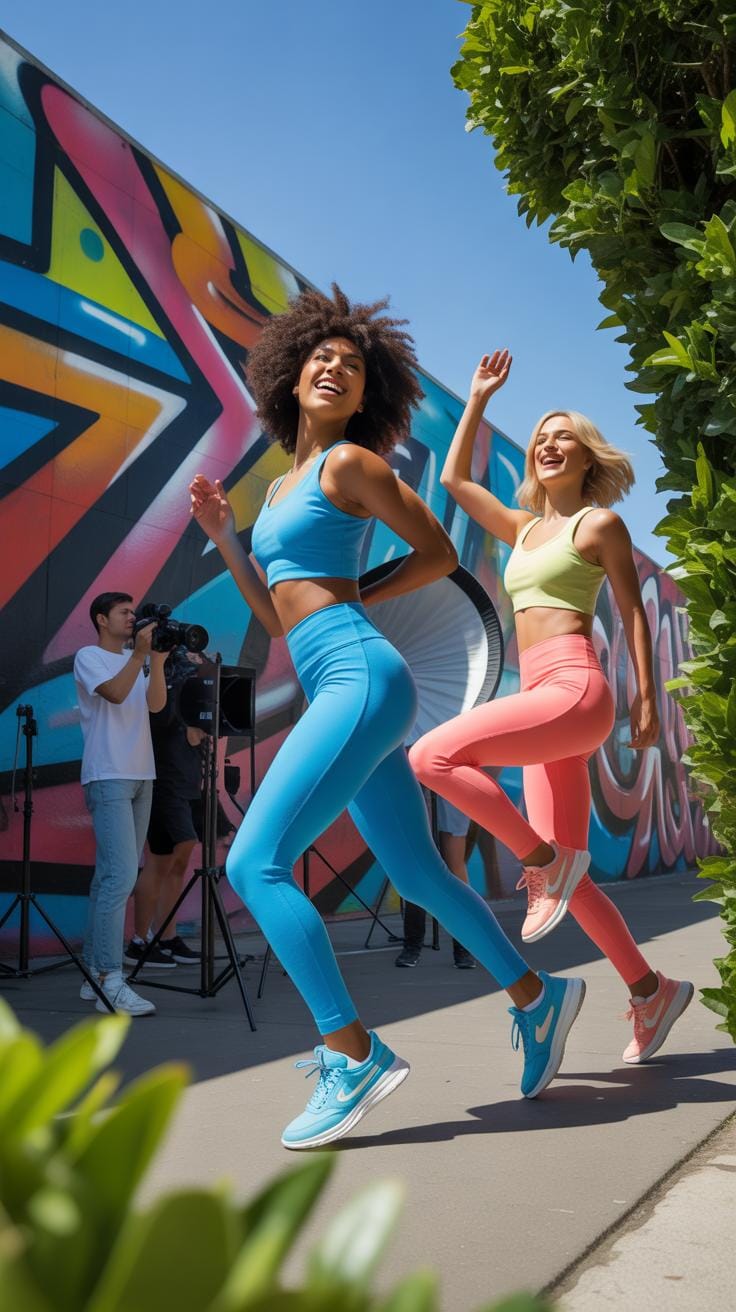
When planning a photoshoot centered around athleisure editorial trends, the key is balancing style with comfort. You want those outfits to look effortless yet intentional. Selecting outfits involves choosing pieces that feel wearable but show off current trends—think clean lines with unexpected details. Layers work well here; for instance, a sleek hoodie under a sporty jacket can add dimension.
Location sets the mood. Outdoor urban spots or comfy minimalistic interiors often highlight athleisure’s versatility. The vibe needs to be casual but cool, not overly staged. I recall one shoot where we picked a sunlit loft with large windows, lending a natural, relaxed ambiance that matched the clothing perfectly.
To truly convey comfort, direct your models to use poses that look natural—leaning against walls, stretching, or casually walking. These small details communicate that the clothes fit a lifestyle, not just a photo concept. You want viewers to believe they could effortlessly slip into this style.
Athleisure Editorial
Shooting athleisure editorial demands a distinct approach from activewear photoshoots. These images emphasize lifestyle more than pure performance. The challenge lies in making athletic clothing feel relaxed yet stylish, bridging casual wear with functional appeal.
For equipment, prime lenses with a shallow depth of field often work best to isolate the model and clothing from backgrounds. Natural light or soft studio lighting tends to flatter fabrics that mix comfort and stretch, avoiding harsh shadows that can distract from the laid-back vibe.
Poses move away from rigid exercise forms toward more natural, slightly posed stances—walking, stretching, or even lounging. The goal is to suggest movement without demanding intense physicality, which could overshadow the clothing’s versatility for everyday wear.
Models need a relatable look with healthy physiques, but they don’t necessarily have to be elite athletes. Instead, the ideal person embodies confidence and ease, someone viewers might imagine wearing the clothes while running errands or meeting friends. It’s this balance between approachability and fitness that defines strong athleisure editorial imagery.
Mistakes To Avoid In Athleisure Campaigns
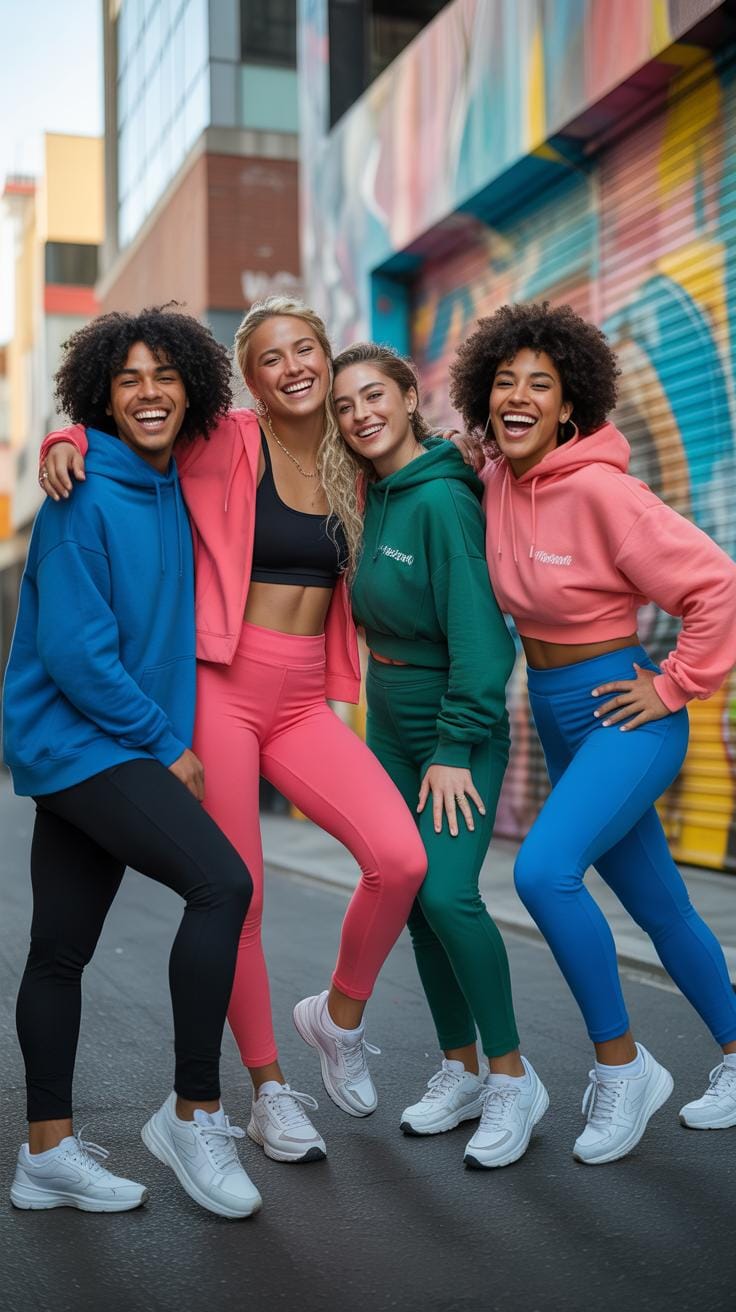
When working on athleisure editorial campaigns, it’s easy to fall into several common traps that can undermine the authenticity of the look. One frequent mistake is putting style above comfort. Athleisure should feel effortless and wearable, so prioritizing visually striking pieces at the expense of comfort usually backfires. You want your audience to believe those clothes are meant to move with them—not just pose on a mannequin.
Another problem lies in mismatching clothing items. Since athleisure blends casual with sport-inspired pieces, grabbing items that clash in fabric, fit, or vibe can create confusion rather than cohesion. For example, pairing overly technical running gear with stiff denim might look off-balance. The solution is to choose items that share similar tones, textures, or a common story to maintain visual harmony without diluting the relaxed essence.
Avoid Over-Styling Athleisure
Too much styling can kill the relaxed mood athleisure thrives on. You might be tempted to add layers, accessories, or unconventional pairings to stand out, but this often feels forced. Instead, keeping looks simple helps maintain that natural, easy-going energy. Think clean lines, minimal fuss. It’s about less noise, more comfort. Let the individual pieces speak for themselves rather than overwhelming the look with extras.
Selecting Inappropriate Footwear
Footwear is surprisingly crucial. It grounds the outfit and signals the intended lifestyle. Choosing high heels or overly bulky shoes can clash with the casual spirit and make the look feel staged. Sneakers, slip-ons, or sporty sandals usually work better—they complement athleisure while promoting comfort and practicality. If you stray too far from sensible choices here, the whole presentation can lose credibility and accessibility.
In essence, focus on balance. Prioritize comfort while keeping styling intentional but understated. Footwear should support the look rather than distract. After all, athleisure’s main appeal comes from its promise to bridge style with ease and function, and your editorial work should echo that promise clearly.
Athleisure Editorial
When reviewing athleisure editorial photos, it’s useful to think beyond just what looks good. The composition plays a heavy role—how the models are posed, how the clothing integrates with the environment, even the framing of shots. Good lighting should highlight textures and shapes of the garments without washing out details or creating odd shadows on key features.
Another thing I often notice is clothing fit. If the fit is off, the athleisure pieces can appear less flattering or sporty, and sometimes the intention behind the style blurs. You want the photo to clearly communicate both the functionality and casual appeal of athleisure—the relaxed yet active vibe.
After initial review, you’ll want to gather feedback. Try showing photos to diverse groups: the client, target audience, even uninvolved peers. Ask specific questions about clarity of messaging and style appeal.
Use the feedback to identify any confusing elements or areas where the style doesn’t resonate as expected. Sometimes a slight tweak to styling, lighting, or angles makes a marked difference in conveying the intended vibe.
- Does the photo clearly express that athleisure is versatile for both active and casual settings?
- Is the mood consistent—relaxed, approachable, modern?
- Are the fabrics and cuts showcased well, indicating comfort and function?
- What emotions or reactions does the image evoke?
Overall, this iterative visual evaluation helps refine your editorial approach, ensuring future shoots better capture the evolving athleisure culture while maintaining clarity and appeal.
Conclusions
The comparison between athleisure editorial trends and activewear photoshoot styles shows two sides of sports-inspired clothing. Athleisure offers fashion-forward styles that blend athletic comfort with daily wear. It uses soft fabrics and designs that look good in casual and semi-formal environments.
Activewear photoshoot styles prioritize function and performance suitable for sport and exercise. They showcase fabrics and cuts that support movement and physical demands. Recognizing the distinctions helps you choose clothing that fits your lifestyle needs, whether for casual wear or sport.