
How Athleisure Became A Style Statement
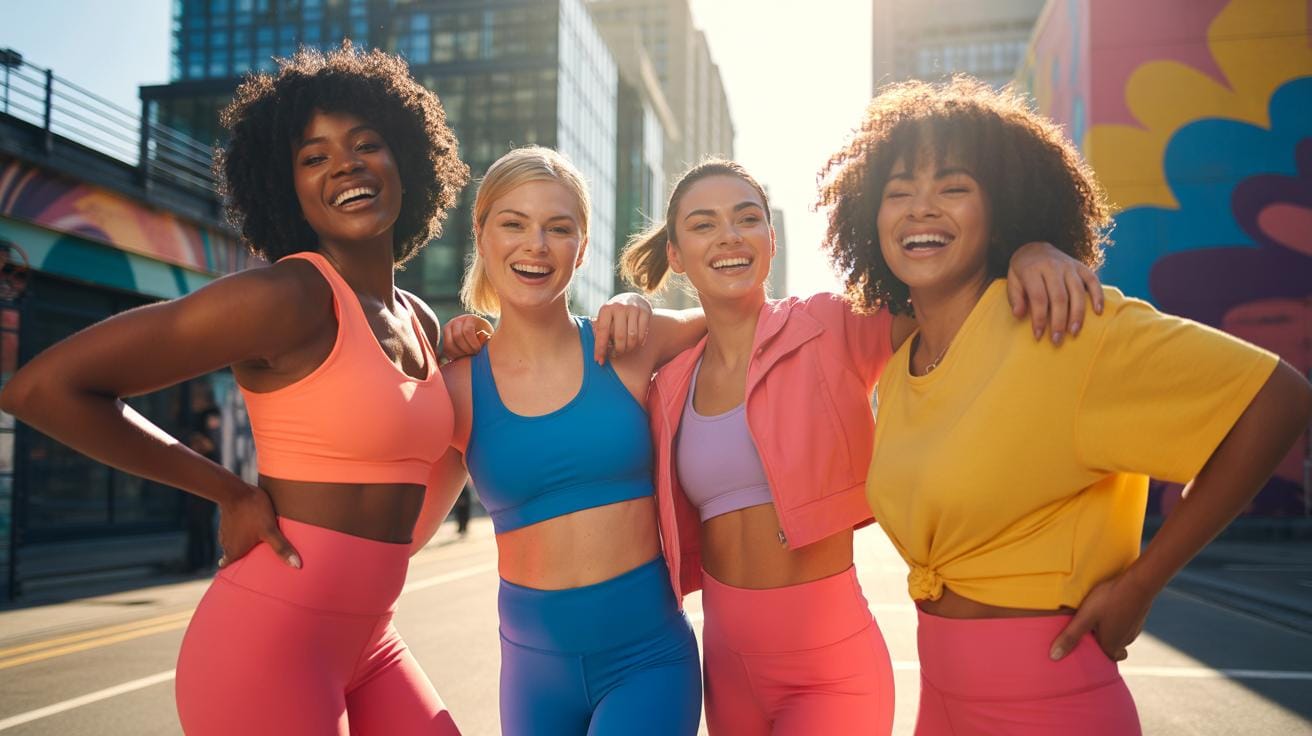
Active wear has become more than just clothing for exercise. Women now use active wear as a style statement, blending comfort and fashion seamlessly. This trend, known as athleisure, combines athletic apparel with everyday wear, making it versatile for various occasions.
This article covers key aspects of active wear women style, focusing on comfortable active wear choices and popular athleisure photoshoot trends. You will learn practical insights to help you style active wear effectively and showcase your unique personality through athleisure fashion.
Picking The Right Active Wear Fabrics

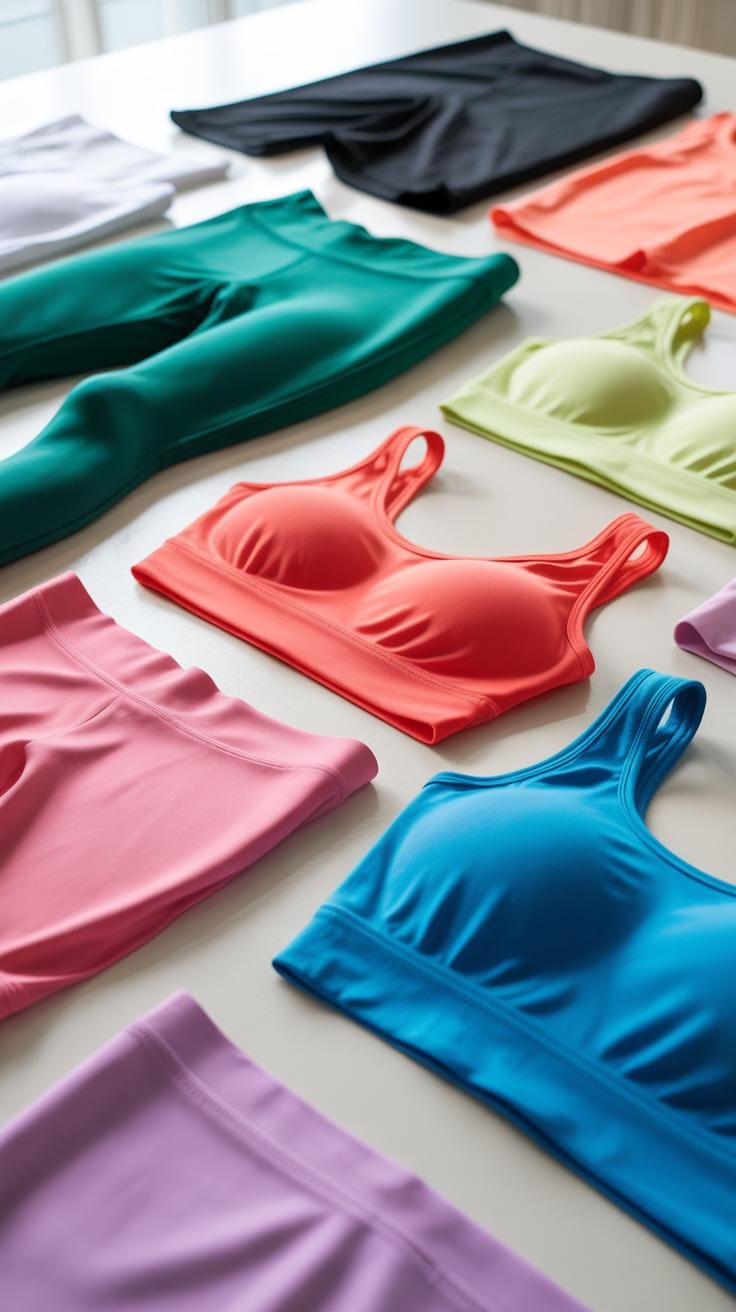
Choosing the fabric for your active wear isn’t just about looks. It’s a crucial factor that can affect how comfortable and effective your workout feels. You want something that moves with you, manages moisture, and lasts through multiple wears. Cotton, nylon, lycra, and spandex often come up in conversations about active wear fabrics, each with unique traits.

Cotton tends to be soft and breathable but sometimes holds on to sweat longer than you’d like. Nylon stands out for its durability and moisture-wicking abilities, making it better for intense sessions. Lycra and spandex bring stretch and shape retention, critical for yoga or gym exercises where freedom of movement is a must. When picking fabrics, think about what your usual activities demand from your clothes, and try to match them to these fabric strengths. It’s not just about ease but how the fabric can support your performance and comfort, whether you’re running errands or hitting the gym hard.
Benefits Of Cotton And Nylon In Active Wear
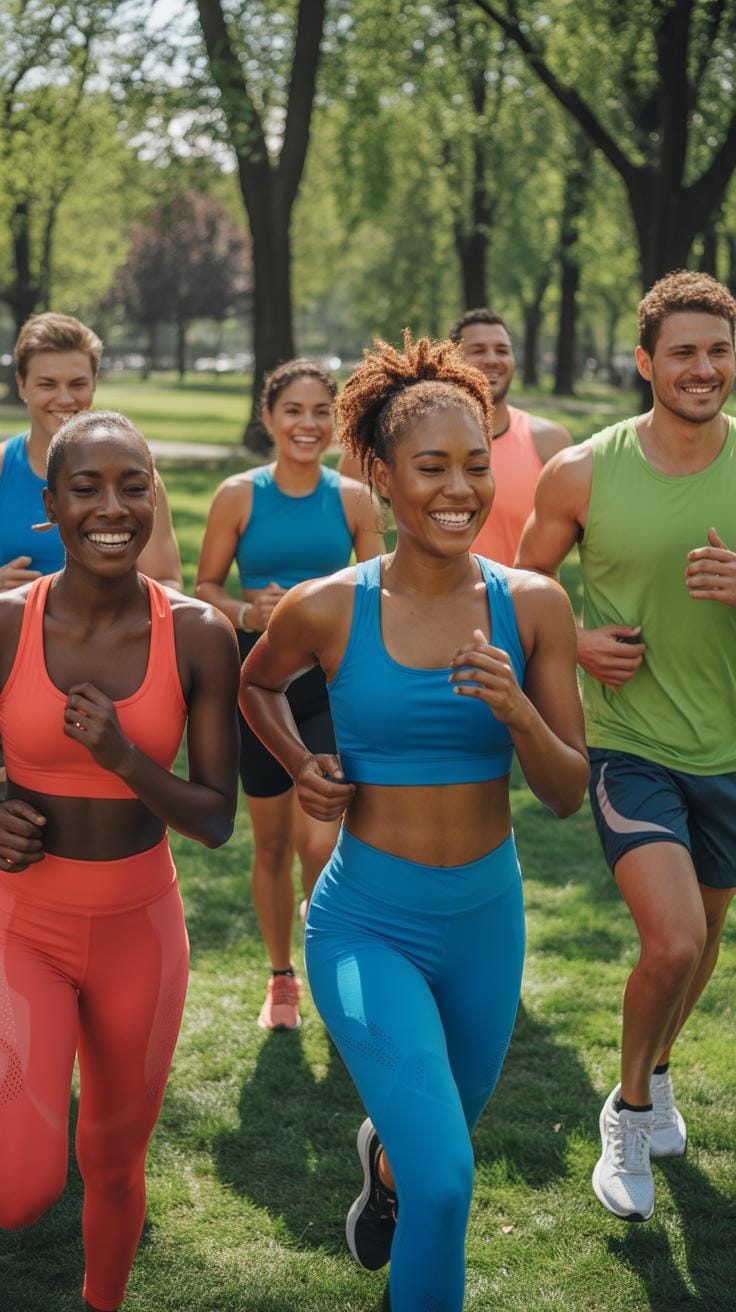
Cotton feels natural against the skin—soft and breathable. It’s great for less intense workouts or casual wear when you want comfort above all. But it tends to absorb moisture, sometimes taking a while to dry. This means it might get heavy if you sweat a lot. Still, its softness often makes it the first choice for relaxed, everyday active wear.
Nylon, meanwhile, is tough. It fights wear and tear, so your clothes stay looking good through many washes. Plus, it dries quickly and helps pull sweat away from your skin, which keeps you cooler during more demanding exercise. Imagine a long run or a spin class—nylon fabrics help you stay dry and less irritated. Many active wear pieces mix nylon with other fibers to balance softness and function.
Why Spandex And Lycra Are Popular Choices
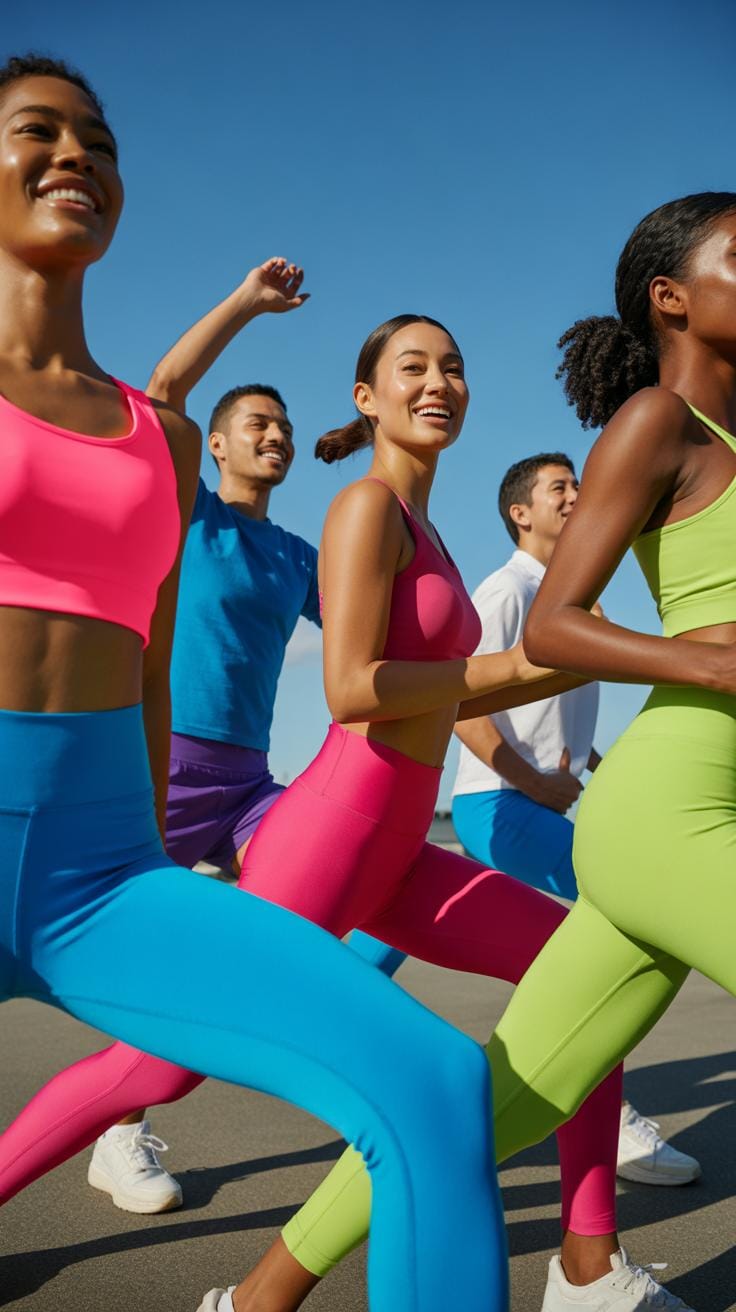
Spandex and lycra offer stretchiness that’s hard to beat. They fit close to the body, supporting movement without restriction. Stretchy fabrics are essential for activities like yoga, where flexibility is everything, or gym wear designed to hug your curves yet move with you.
These materials snap back into shape quickly, which is great for photo shoots or any setting where your outfit needs to look sharp even after a full workout. Though they can sometimes feel a bit tight or warm depending on the blend, their ability to support muscle movement and create a flattering fit makes them staples in active wear collections. When you want both function and style, keeping an eye out for spandex or lycra blends is a good plan.
How Active Wear Supports Womens Fitness
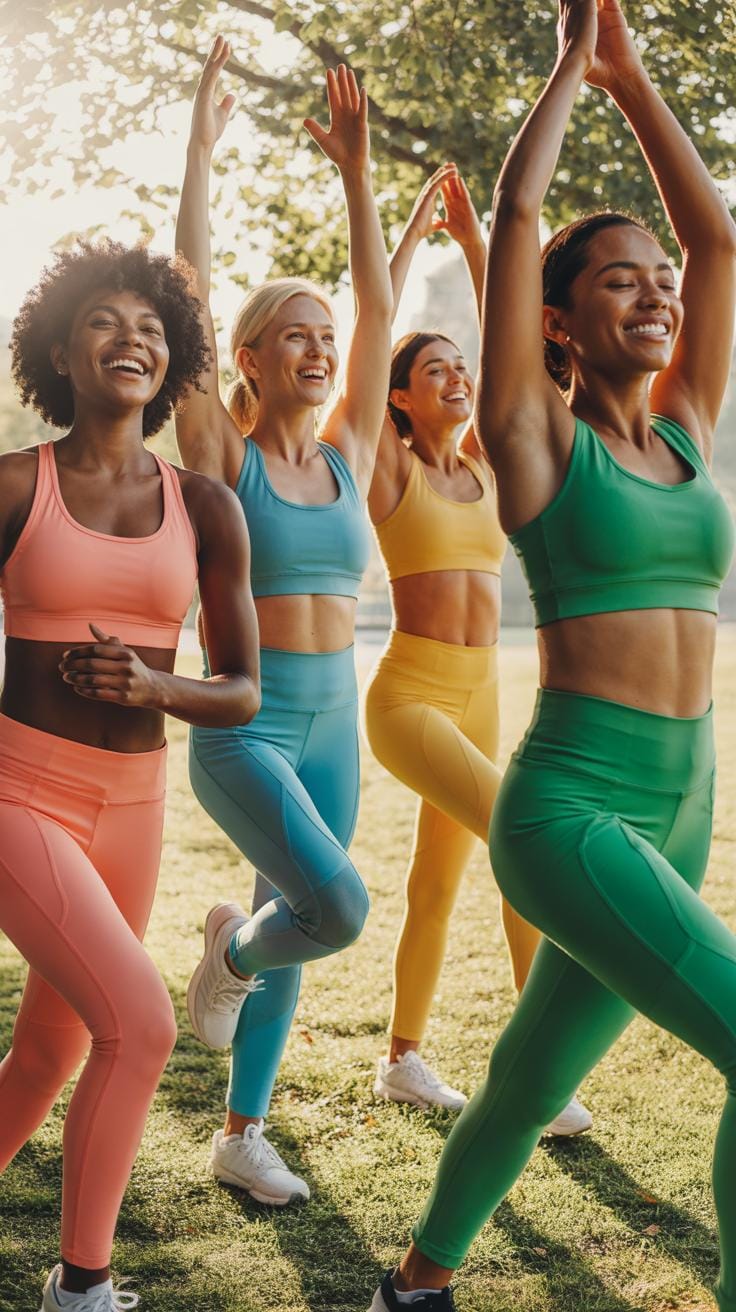
Active wear plays a crucial role in supporting women’s fitness by catering specifically to movement, protection, and comfort during diverse physical activities. Take sports bras, for example. They provide necessary support to minimize discomfort and potential tissue damage, especially during high-impact workouts. Leggings, with their stretchiness, adapt seamlessly to body movements, allowing freedom without restriction. Then there are supportive shoes, designed to absorb shock and reduce injury risks while giving you the stability needed for various exercises. Without the right gear, even simple movements can feel awkward or cause strain.
Also, it’s not just about comfort—it’s about enhancing performance. Proper active wear encourages better posture and muscle alignment, which helps prevent injuries. Sometimes, underestimated pieces like moisture-wicking fabrics actually keep you from overheating or chafing, which can be quite distracting during a routine. So, active wear is not just apparel; it’s foundational for a safer and more effective workout experience.
Key Features Of Supportive Active Wear
What exactly makes active wear effective? Let’s break down some vital features:
- Stretch: Enables freedom of movement. Without enough give, activities like lunges or yoga poses become uncomfortable, maybe even impossible.
- Breathability: Helps regulate body temperature by allowing sweat to evaporate. It prevents that sticky, uncomfortable feeling, especially during intense sessions.
- Fit: A snug but not tight fit keeps clothing in place and reduces distractions, yet doesn’t constrict blood flow or movement.
Each of these features plays a significant role in ensuring your workout is both comfortable and effective. The wrong kind of fabric or cut, on the other hand, can just make exercise harder. You don’t want to be constantly adjusting your outfit mid-session.
Choosing Active Wear For Different Workouts
Different workouts demand different gear. Running, for instance, needs lightweight, moisture-wicking materials and shoes with proper cushioning for impact absorption. Yoga calls for stretchy, breathable fabrics that move with you but also hold shape during poses—think of supportive leggings and flexible tops.
Gym workouts often require durable and versatile clothing that can handle weightlifting, cardio, and transition between both without wear. Sports like tennis or basketball need more specialized active wear designed for quick lateral movements, often with additional support around joints and reinforced shoes. So, think about your activity first—your gear must cater to those unique demands to keep you moving safely and comfortably.
Athleisure Photoshoot Styling Tips
Athleisure Photoshoot Styling Tips
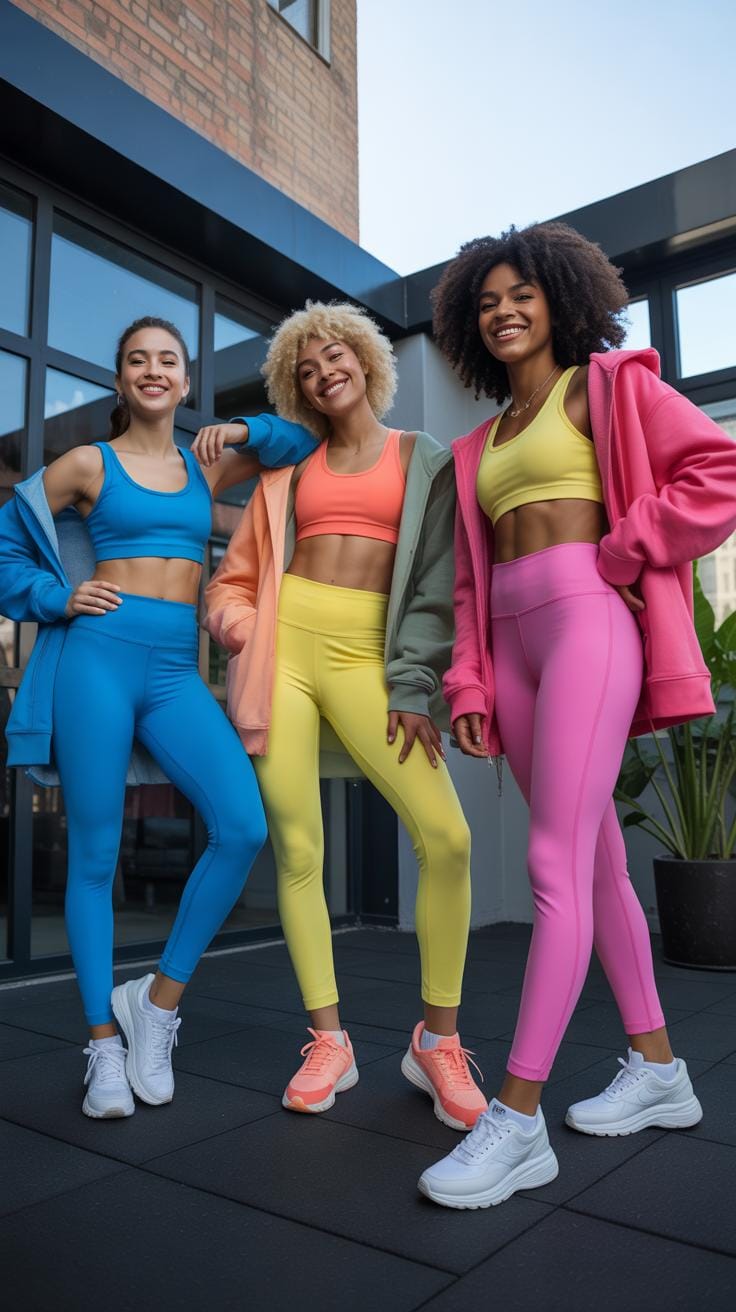
When preparing for an athleisure photoshoot, it’s fun to explore how activewear can blend into more casual, everyday looks. Perhaps start with a base like sleek leggings or a fitted crop top, then layer with something unexpected — maybe a denim jacket or an oversized shirt. This mix adds depth and can prevent the outfit from appearing too one-note on camera.
Accessories are your secret weapon here. Think about chunky sneakers paired with delicate gold jewelry — a subtle contrast that elevates the vibe. Hats, whether baseball caps or stylish beanies, can frame your face and add attitude, while a bold bag might serve as a focal point. Don’t shy away from experimenting with makeup either; a fresh face with just a hint of color can look effortlessly radiant, but trying a pop of bright lipstick might also make your photos stand out.
Mixing Active Wear With Everyday Clothes
Pairing activewear with casual touches is not just a comfy choice but can also look very intentional if done right. Imagine high-waisted leggings combined with a loose, cropped tee and a leather jacket — the mix of textures here tells a story visually. Sneakers, versatile and practical, tie this look together. Balance is key; you don’t want your active pieces to overshadow the casual elements or vice versa. Sometimes, letting one element dominate quietly works better than forcing equal attention.
Colors and cuts also play a role in making outfits stand out in photos. A neutral color palette might look safe but can sometimes lack punch from a camera’s perspective. Conversely, bright colors and bold patterns, if used thoughtfully, can bring energy yet risk overwhelming the overall look. So, it’s worth thinking about what suits the mood of your photoshoot and, honestly, what you feel good wearing.
Using Colors And Accessories To Enhance Style
Color can make or break athleisure looks, especially in photos. Pairing pastel leggings with a darker top can create contrast without clashing. Or maybe you lean towards monochrome outfits with varied shades to give a rich but cohesive effect. Hats, bags, and jewelry go beyond being mere add-ons — they inject personality. A structured bag can sharpen an otherwise laid-back look, while playful hoop earrings might soften strong, sporty lines.
Experimentation with accessories should go hand in hand with your outfit’s color dynamics. For example, if your activewear is vibrant, toned-down jewelry and bags often work best to avoid visual noise. On the other hand, subtle activewear can handle bolder accessories, drawing the eye to details you want to highlight in your photos.
Most Popular Active Wear Brands For Women
When it comes to active wear for women, a few brands keep popping up, and it’s no surprise why. Nike stands out, known for its mix of style and high-quality materials that hold up during intense workouts. Their Dri-FIT line, for example, manages moisture nicely, making it a go-to for many. Then there’s Lululemon, which seems to have mastered the balance between comfort and chic; people often rave about their Align leggings, praised for feeling like a second skin.
Adidas also merits attention, especially with its Boost line of running shoes and versatile leggings. Price-wise, they sit in the mid-range but often deliver products that don’t skimp on performance or aesthetics. Another brand, Athleta, leans toward sustainability and inclusivity, which resonates with many women looking for ethical choices. Their products often blend casual and active styles seamlessly, making them popular beyond just workouts.
Lastly, brands like Under Armour and Fabletics offer a mix of affordable and stylish options, appealing to different budgets but with varying degrees of trendiness and durability. It’s clear that quality, style, and price all weigh differently depending on what you prioritize.
Brand Comparison Based On Style And Price
Trying to pick the right active wear brand depends a lot on your style preferences and budget. If you want sleek, chic, and are okay paying a premium, Lululemon is a strong contender. Their products offer a polished look but come with a higher price tag. On the other hand, Nike and Adidas provide a sporty, versatile look with products spanning a wider price range.
Athleta stands out if you’re interested in more casual, eco-friendly active wear without sacrificing style, though prices lean towards the upper-middle tier. For budget-conscious shoppers, Fabletics often offers trendy collections with affordable prices, thanks to their subscription model, but you might need to check the quality carefully.
Considering style uniqueness, Lululemon and Athleta have distinct vibes — more lifestyle-oriented than Nike’s performance focus. So it might come down to what you want: polished athleisure or hardcore gym-ready gear. No one size fits all here.
Where To Shop Active Wear
Your choice of where to buy active wear can be as important as the brand itself. Online platforms like the official websites of Nike, Lululemon, and Adidas often provide the latest collections and exclusive deals. They also tend to have the most comprehensive size ranges and customer reviews to help with your purchase decisions.
For those who prefer in-store shopping, department stores such as Nordstrom and specialty retailers like REI offer a broad selection, allowing you to try items on before buying. Plus, these stores typically stock multiple brands, which makes comparison easier.
Don’t overlook trusted online retailers like Zappos or Amazon; they provide convenience and competitive prices but be cautious to buy only from verified sellers to avoid counterfeit products. Sometimes, smaller boutique stores catering to local fitness communities can surprise you with unique finds that you won’t see everywhere.
Active Wear Maintenance Checklist
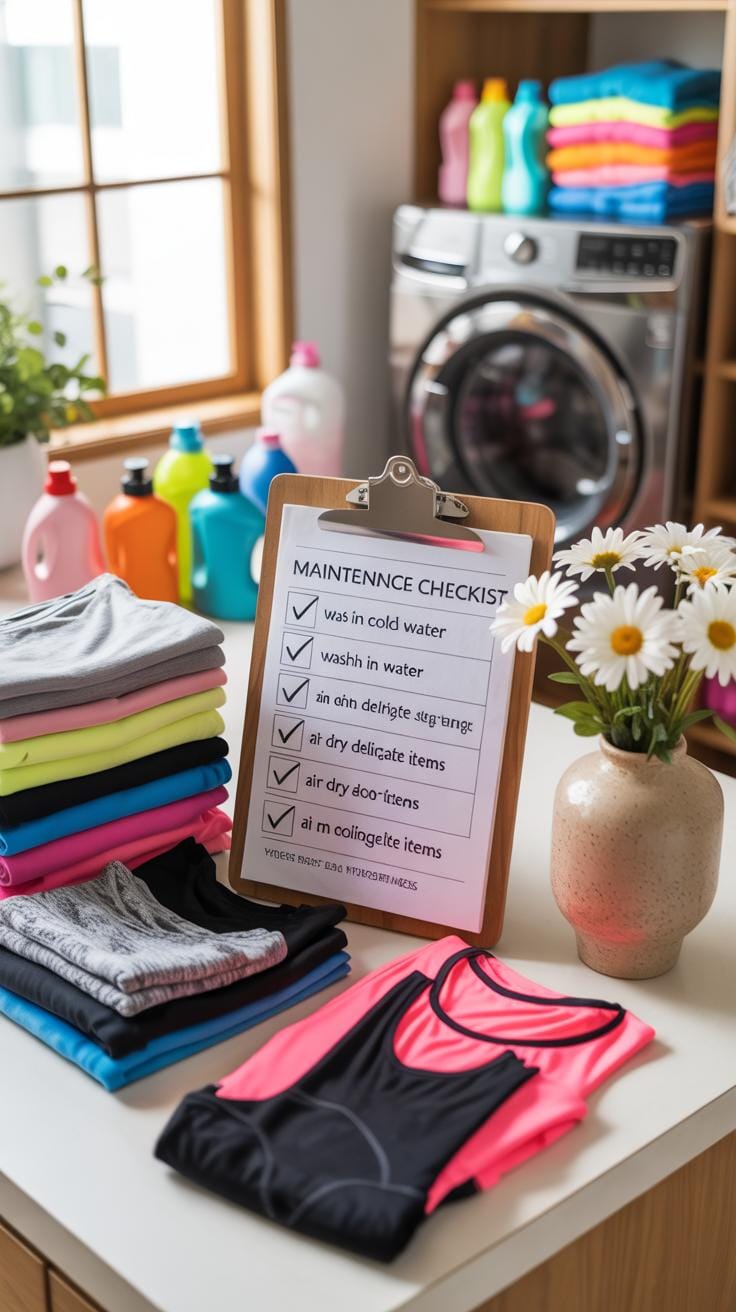
Taking good care of your active wear can really extend its life. These fabrics, especially stretchy and synthetic ones like nylon or lycra, need special attention. Washing them right prevents damage and shrinkage, keeping fit and comfort intact.
Avoid hot water; cold or lukewarm is usually best. Harsh detergents and fabric softeners? Better to skip those since they can break down the fabric’s elasticity. Gentle detergents specifically made for delicate or synthetic fabrics work well.
Drying often trips people up. Machine drying might seem convenient, but air drying is gentler and helps maintain shape longer. Still, if time presses, low heat is safest in a dryer. Just don’t let the garments sit balled up—smooth them out to dry.
Storage matters too. Folding active wear or hanging it poorly can stretch or crease fabrics oddly. Ideally, keep these pieces flat or loosely folded in a drawer, away from sunlight which can fade colors and weaken fibers.
Those stretchy and performance fabrics are a bit picky, but with the right washing, drying, and storing habits, your active wear stays reliable and comfy. It might take a bit of mindfulness, but the payoff is worth it—kept in shape, your gear won’t let you down during workouts.
How To Accessorize Active Wear Outfits
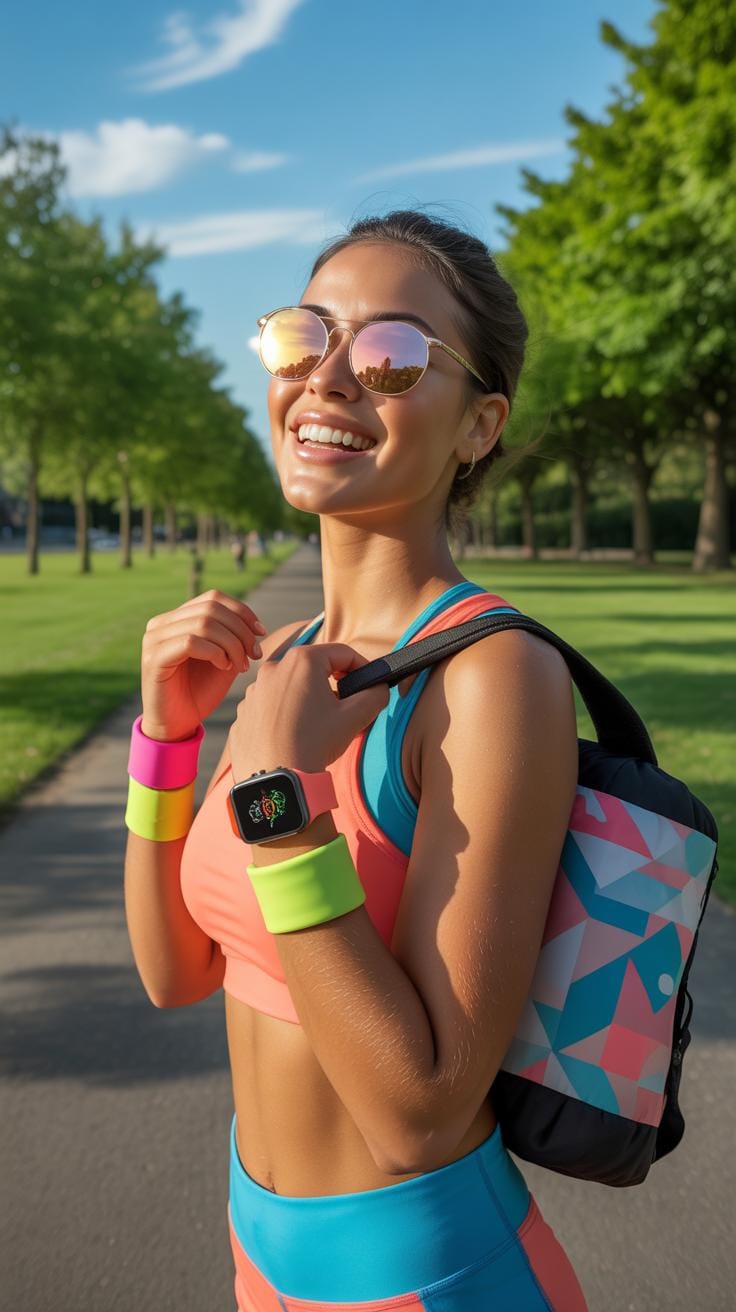
Adding accessories to active wear can really elevate your look while serving some practical purposes. Hats are a great starting point — think baseball caps or wide-brimmed hats if you’re outdoors. They protect your face from the sun and add a sporty flair. Bags, like sleek backpacks or crossbody styles, not only complement the athletic vibe but also carry your essentials without feeling bulky.
Jewelry in active wear? Yes, but keep it minimal and intentional. Small hoops, delicate chains, or even a statement earring can give an edge without getting in the way. Footwear choices matter a lot here. Sneakers are the obvious match, but exploring different styles like slip-ons or cushioned trainers can change the whole tone of your outfit. The trick is balancing function and flair — you want to look put-together but stay comfortable.
Sometimes I wonder if going too bold with accessories defeats the ease of active wear, but then a simple touch, like a pair of sleek sunglasses or a cool watch, can make a difference both style-wise and functionally.
Functional Accessories For Comfort And Style
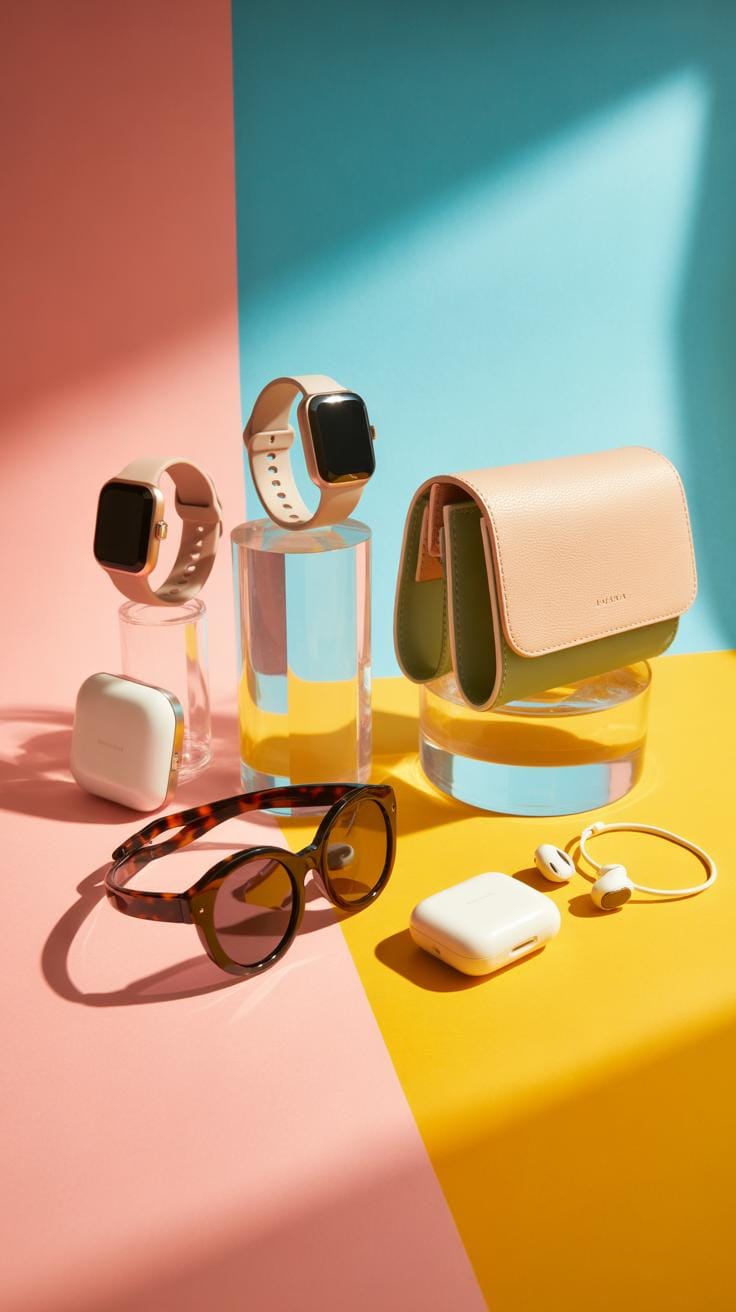
Comfort needs to come first when choosing accessories for active wear, but that doesn’t mean sacrificing style. Sweatbands, for example, are a nod to classic athletic gear while literally keeping sweat out of your eyes. Then there’s sunglasses — polarized pairs not only look sharp but protect against glare during outdoor workouts or walks.
Smartwatches combine tech and fashion, tracking steps, heart rate, and more. They’re practically a staple now, blending seamlessly with active wear to boost both performance and appearance. Choosing accessories that help you stay comfortable makes wearing active wear longer and more enjoyable.
Some days I don’t feel like fussing much, so I grab my favorite sweatband and sunglasses and feel like I’m ready for anything. These small additions are surprisingly impactful.
Fashionable Pieces That Match Active Wear
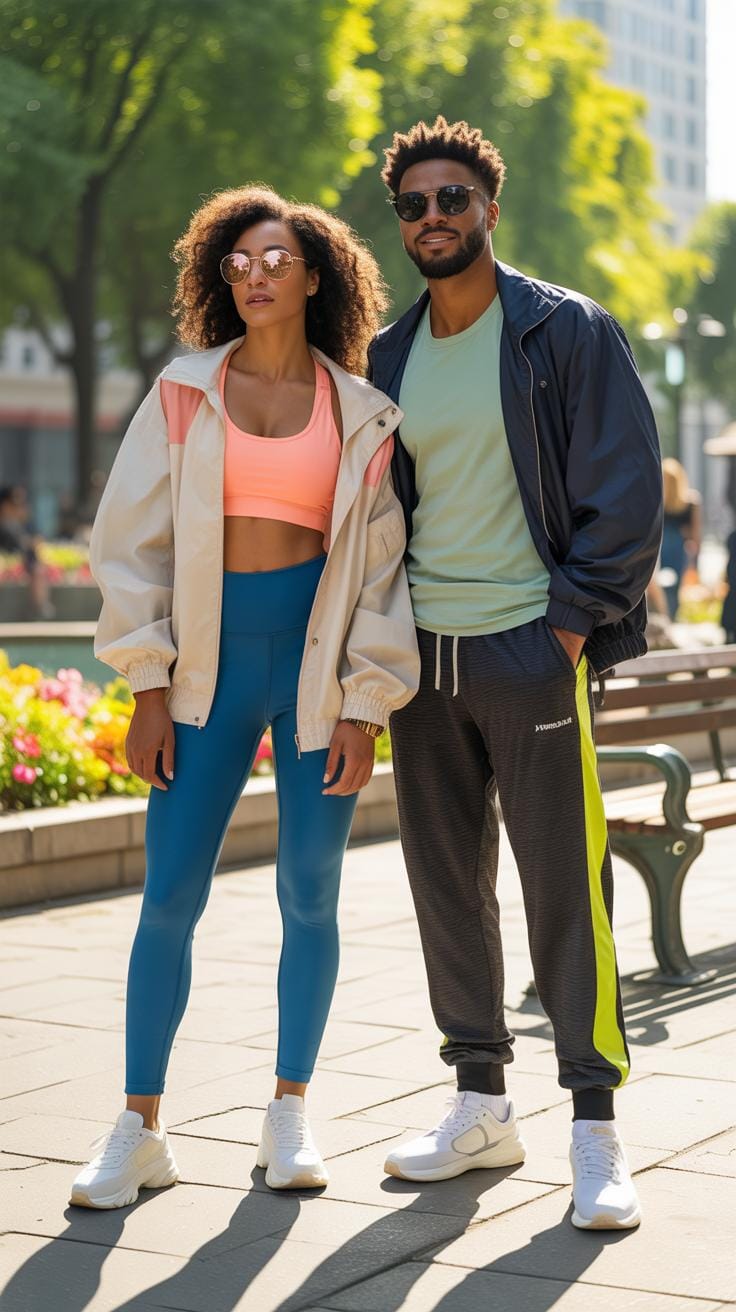
On the trendier side, you can experiment with statement earrings or layer delicate necklaces over high necklines. These little flourishes add personality to your look without overpowering the relaxed vibe of active wear. Stylish sneakers, especially limited-edition or designer collaborations, can be a focal point, turning your outfit into a street-style statement.
Choosing these pieces can also shift your look — more street-smart or more polished, depending on what you want to express. I’ve noticed that mixing a bold accessory with simple active wear is a sweet spot; it avoids a clash but still injects character.
Do you lean towards minimalism or boldness with your active wear? Either way, accessories offer a playground to explore and refine what works for you.
Troubleshooting Common Active Wear Issues
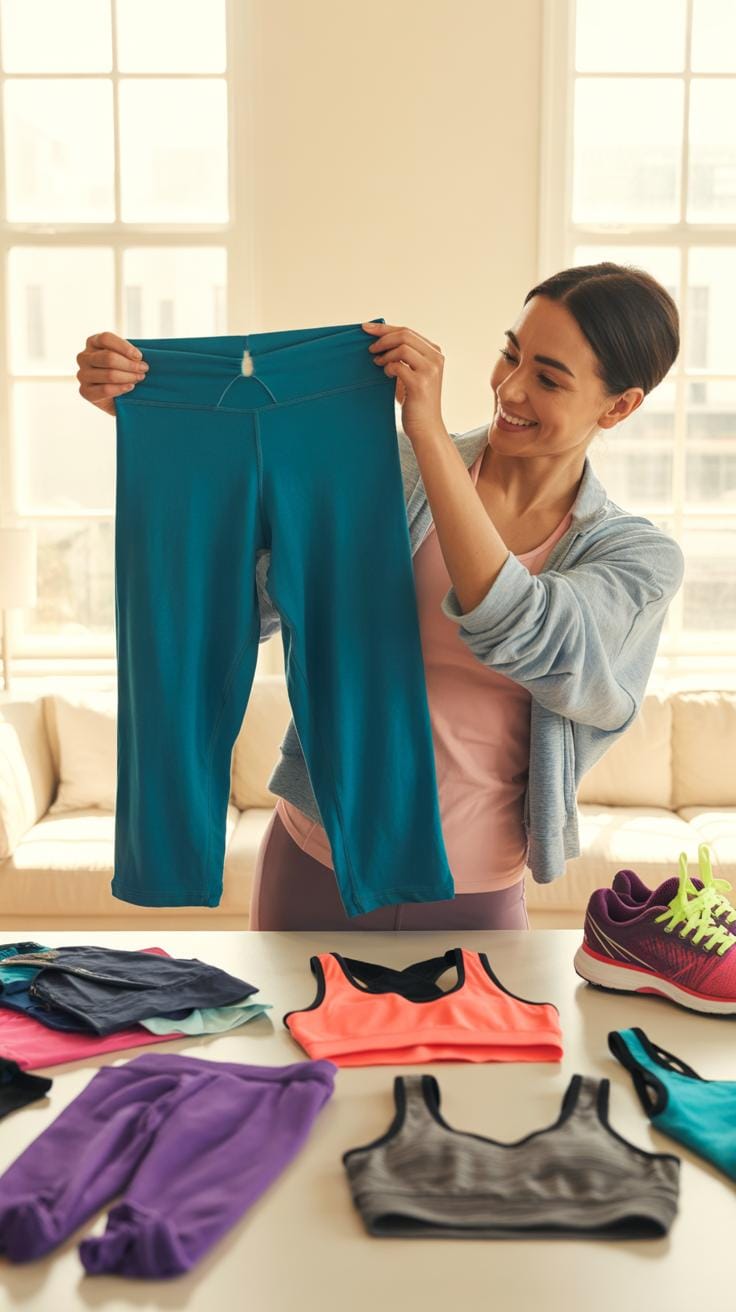
Active wear, while super convenient for daily workouts or casual outings, can encounter a few nuisances over time. One thing I’ve really noticed is pilling. Those tiny fuzz balls popping up on your leggings or tops aren’t just unsightly; they signal fabric wear. Friction, especially from washers or tight seams, causes this. Choosing active wear with smoother, tightly woven fabrics can help. Also, washing inside out and in cold water on gentle cycles reduces rubbing and extends the life of your garments.
Sweat stains are another common frustration. It’s tricky because, well, sweat itself isn’t the enemy but the salts and oils it carries can leave marks and odors. Practicing proper hygiene, like showering right after workouts and changing clothes, truly makes a difference. For removing those stubborn sweat stains, household tricks like soaking the garment in a mix of water and vinegar or baking soda often works wonders, rather than immediately reaching for harsh chemicals.
Loss of elasticity can sneak up on you too. Overstretching fabrics or frequent hot water washing can weaken fibers. I’ve found laying active wear flat to dry instead of machine drying helps preserve shape. Some fabrics are simply more durable—blends with spandex hold their spring longer than pure cotton versions. In any case, regularly rotating your active wear and avoiding rough surfaces when storing them reduces premature wear.
Active wear can be the perfect combo of comfort and style—if you take a few mindful steps to keep it looking fresh. What’s your experience with managing these little annoyances? Maybe some fabrics just don’t behave, no matter what you try?
Active Wear Trends To Follow This Year
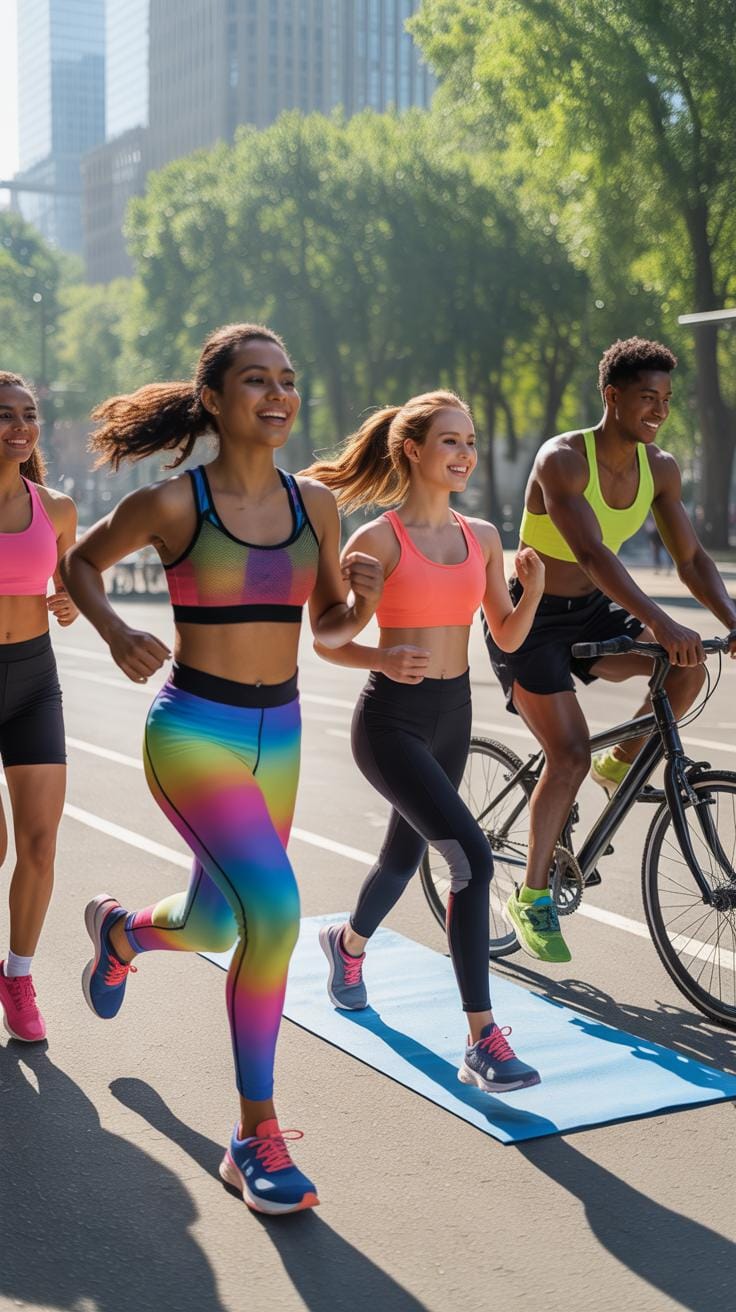
When it comes to active wear trends this year, there’s a noticeable shift not just in colors or cuts, but in how these clothes blend with daily life. Athleisure has truly cemented itself, offering outfits that easily move from gym time to casual outings without feeling out of place. You might find yourself drawn to designs that are both sleek and slightly relaxed; think fitted leggings with a little extra room at the ankles or cropped tops paired with oversized hoodies.
Color-wise, earthy tones have a calm presence, alongside bursts of neon or pastel glimmers that catch the eye, especially during morning runs or yoga sessions. Athleisure’s popularity comes partly from these flexible looks that feel intentional but not forced. The materials also tell a story—they must be lightweight, flexible, and sometimes even water-resistant, adapting to whatever your day demands.
This year, many brands are experimenting with side slits, mesh panels, and asymmetric cuts that add style without compromising comfort. Breathability and stretch remain key, but the focus on aesthetics is growing. It’s almost as if active wear is evolving faster than we thought, combining function with the appeal of streetwear. Do you ever wonder if you’re buying active wear more for its style than its sports performance?
Colors And Styles Trending In Active Wear
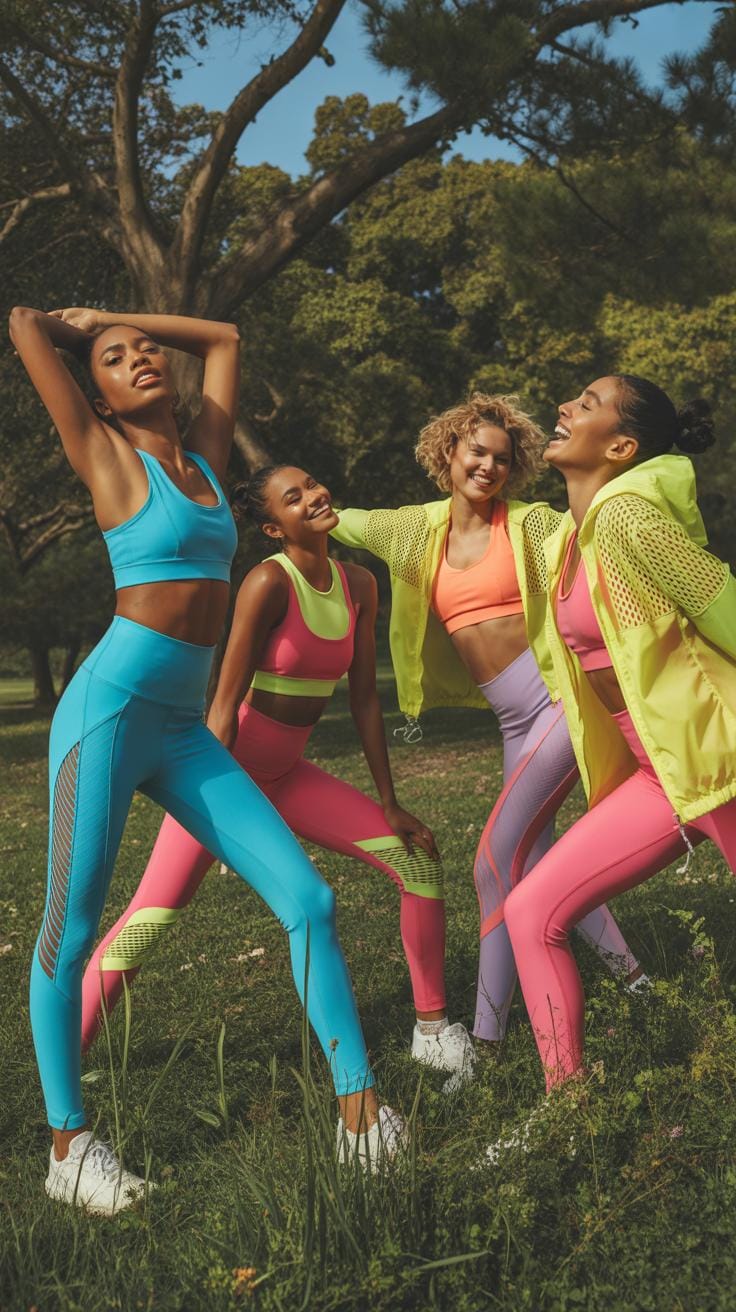
Popular shades in women’s active wear right now include soft mauves, sage greens, and warm tans—colors that feel grounded but still fresh. Alongside these, crisp whites and blacks remain wardrobe staples, offering versatility. It’s interesting how these neutral palettes can suddenly feel chic, perhaps because they echo natural landscapes and moments of mindfulness we seek in fitness routines.
In terms of garment styles, you’ll often see:
- High-waisted leggings providing both support and style appeal
- Crop tops and sports bras with minimalist prints or mesh accents
- Oversized sweatshirts creating that ‘effortlessly cool’ vibe
- Jackets cut for layering and quick transitions outdoor and indoor
These pieces tend to work well together or separately, so mixing and matching is easy. You can find such styles at specialized active wear brands, but many general retailers are embracing this trend too, making it accessible. Sometimes, the appeal lies in pieces that speak simplicity between casual and active lifestyles.
Innovations In Active Wear Fabrics
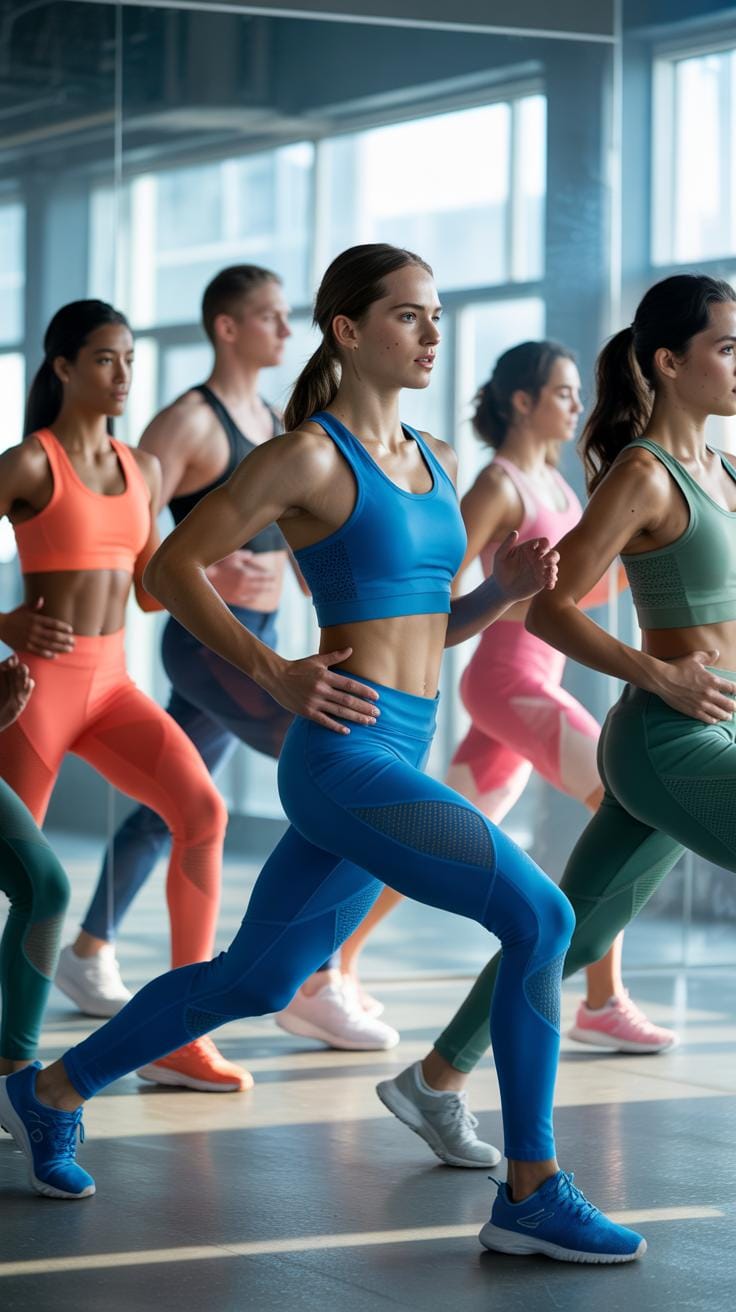
Fabric technology in active wear has quietly transformed over the years, becoming almost invisible yet vital. The focus now lies in enhancing comfort and durability without adding bulk. Many modern fabrics incorporate moisture-wicking abilities that swiftly move sweat away from your skin during intense workouts, keeping you surprisingly dry and comfortable.
Breathability is another crucial factor, with novel mesh weaves and lightweight knits improving airflow even during long sessions. Durability hasn’t been forgotten; some fabrics resist tears and abrasions better, meaning your favorite leggings might last just a bit longer than before. There are even eco-conscious options, fabrics made from recycled materials that don’t compromise on performance.
I’ve noticed sometimes, despite all these advancements, some fabrics can feel cool in one activity but a little warm in another. It makes me wonder if the ‘perfect’ active wear fabric is still an ongoing challenge for designers—maybe a reason why your wardrobe keeps expanding with new styles and solutions.
Conclusions
Active wear for women goes beyond functionality. It is a way to express your style while staying comfortable throughout the day. Choosing the right fabrics and fits enhances your overall experience with active wear.
Photoshoot trends in the athleisure space inspire new ways to present your active wear looks. Use these trends to boost your confidence and refresh your style regularly, making active wear an essential part of your wardrobe.