
Athleisure Built For Warm Weather
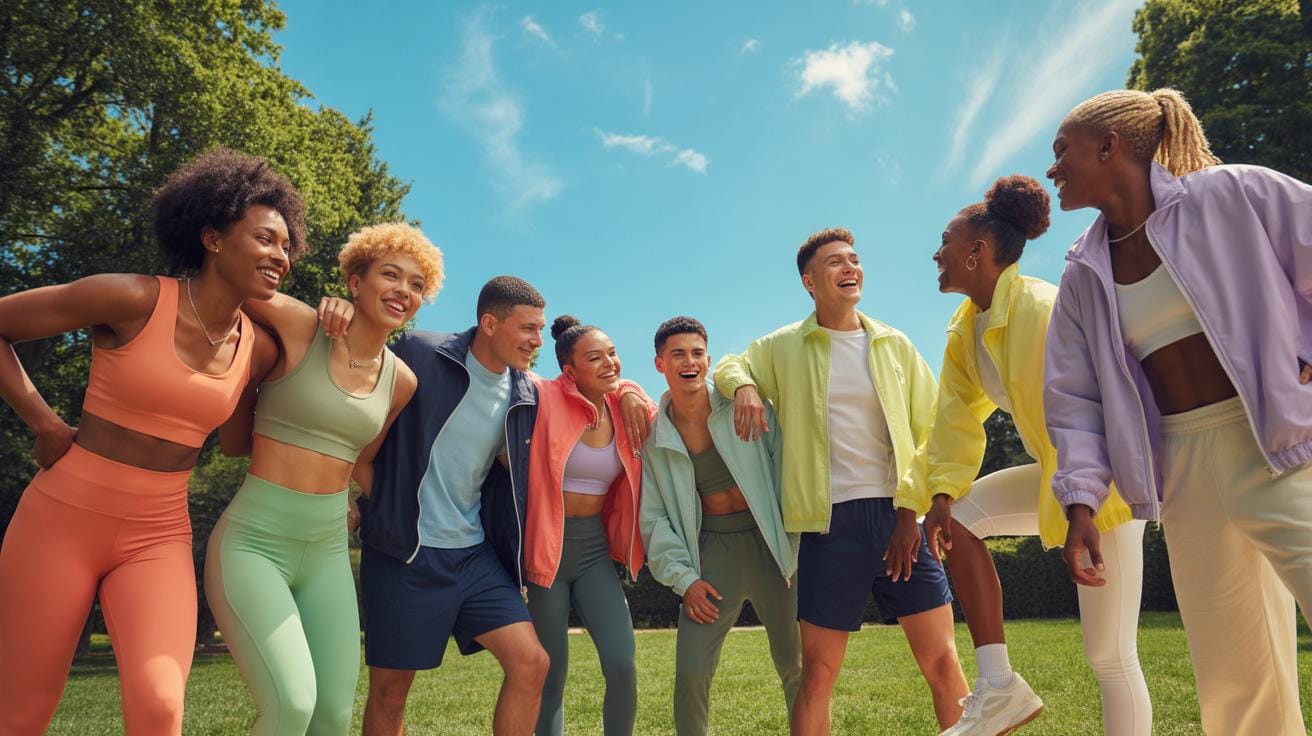
Athleisure Outfits Summer Trends For Stylish Comfort focus on combining athletic wear’s ease with summer’s light and breathable needs. As warm weather calls for fresh, comfortable clothes, athleisure fits perfectly with casual and active lifestyles.
This article answers common questions on selecting and combining clothes for summer athleisure. We’ll guide you through fabrics, color choices, accessories, and outfit ideas that keep you cool and stylish during the hot months.
Summer Fabric Choices For Athleisure

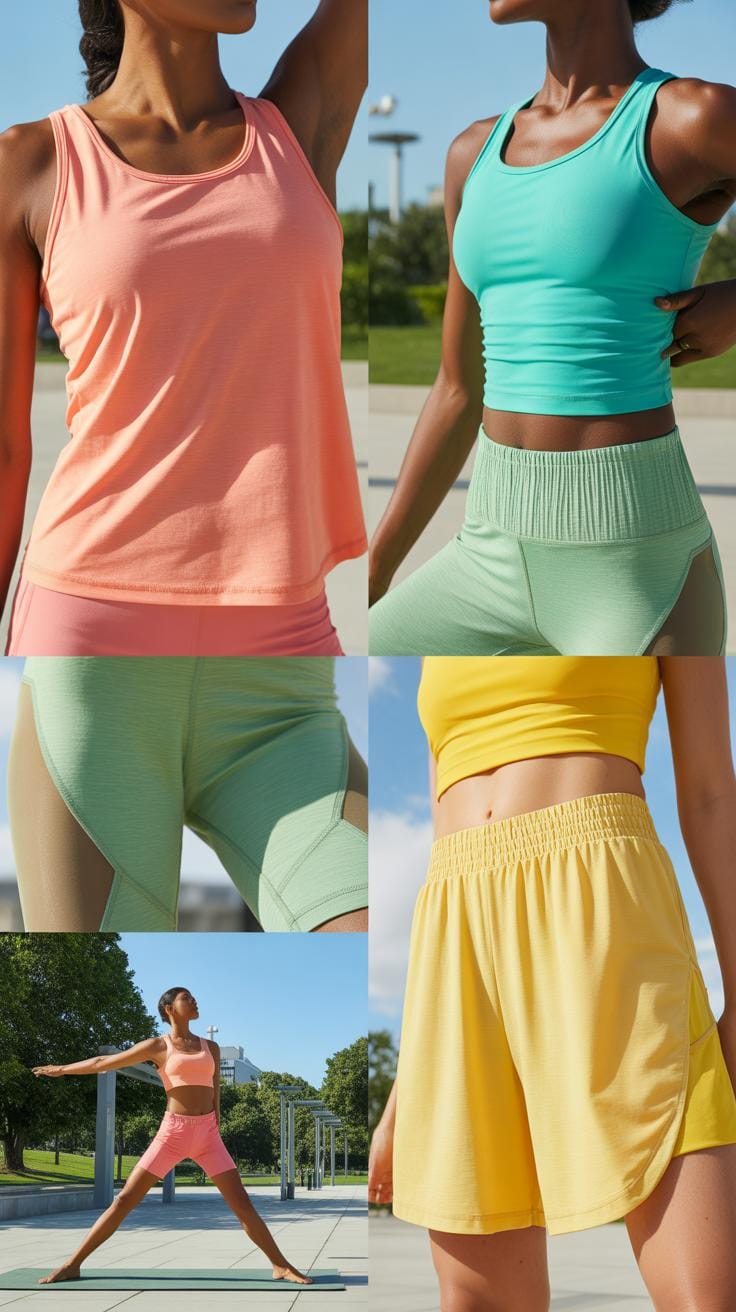
Picking the right fabric for summer athleisure isn’t just about style—it’s about comfort that lasts through heat and sweat. Breathability tends to top the list for many people. Fabrics like cotton and linen blends shine here because they allow air to flow through, helping your skin stay cool. They feel soft against your skin and don’t trap heat, which is ideal when you’re active outdoors.

That said, summer athleisure often benefits from lightweight materials too. Think about how heavy, thick fabrics can feel oppressive on a warm day. Lightweight synthetics—sometimes mixed with natural fibers—offer ease of movement without the bulk. You might guess that technical fabrics, designed for sports, handle moisture better than natural fibers, but they vary widely. Some feel less breathable, but often they are engineered to pull sweat away and dry rapidly, which makes them perfect for workouts or walking in the heat.
So, it’s a bit of a balancing act: you want something breathable, sure, but also moisture-wicking and light. Sometimes that means blending fabrics to get the best of both worlds. Have you ever worn something that felt cool at first and then clammy after a short walk? That’s likely because it lacked moisture management, despite being lightweight.
Benefits Of Breathable Materials
Breathable fabrics like cotton and linen blends have long been favorites for warm weather. Their natural fibers let air circulate, which helps your body regulate temperature. This is why you might feel more refreshed in a cotton T-shirt compared to synthetic materials that trap heat. Linen blends add texture and a bit more durability, making them more practical for daily wear.
Technical fabrics, surprisingly, can also breathe well, depending on how they’re made. Some modern mesh panels or laser-cut vents in athleisure wear actually improve airflow. For example, a pair of joggers with mesh-lined pockets or a top with underarm panels can keep you cooler when the sun beats down.
If you value comfort during casual days plus active ones, these breathable fabrics keep you from feeling overwhelmed by sweat or heat. And there’s something about wearing natural fibers that just feels easier on the skin, even if you’re moving around a lot.
Moisture Management Fabrics Explained
Moisture-wicking fabrics are game-changers for summer activities because they pull sweat away from your body to the surface where it evaporates quickly. This process keeps you drier and more comfortable, preventing that sticky feeling we all dislike.
Materials like polyester, nylon, and lycra blends are commonly used for this purpose. They don’t absorb moisture the way cotton does, so sweat doesn’t sit next to your skin. Instead, it moves outward rapidly. I’ve tried a few running shirts made from these fabrics, and the difference is noticeable—less chafing, too.
Also, some moisture-wicking fabrics include special coatings or treatments to boost drying speed and reduce odor, which is a bit of a bonus especially if you’re active for hours. But not all moisture-wicking gear feels the same. Some can feel a bit synthetic or less breathable, which brings you back to the fabric blend question. Clothing that balances these elements tends to work best.
Combining Athleisure Pieces For Summer
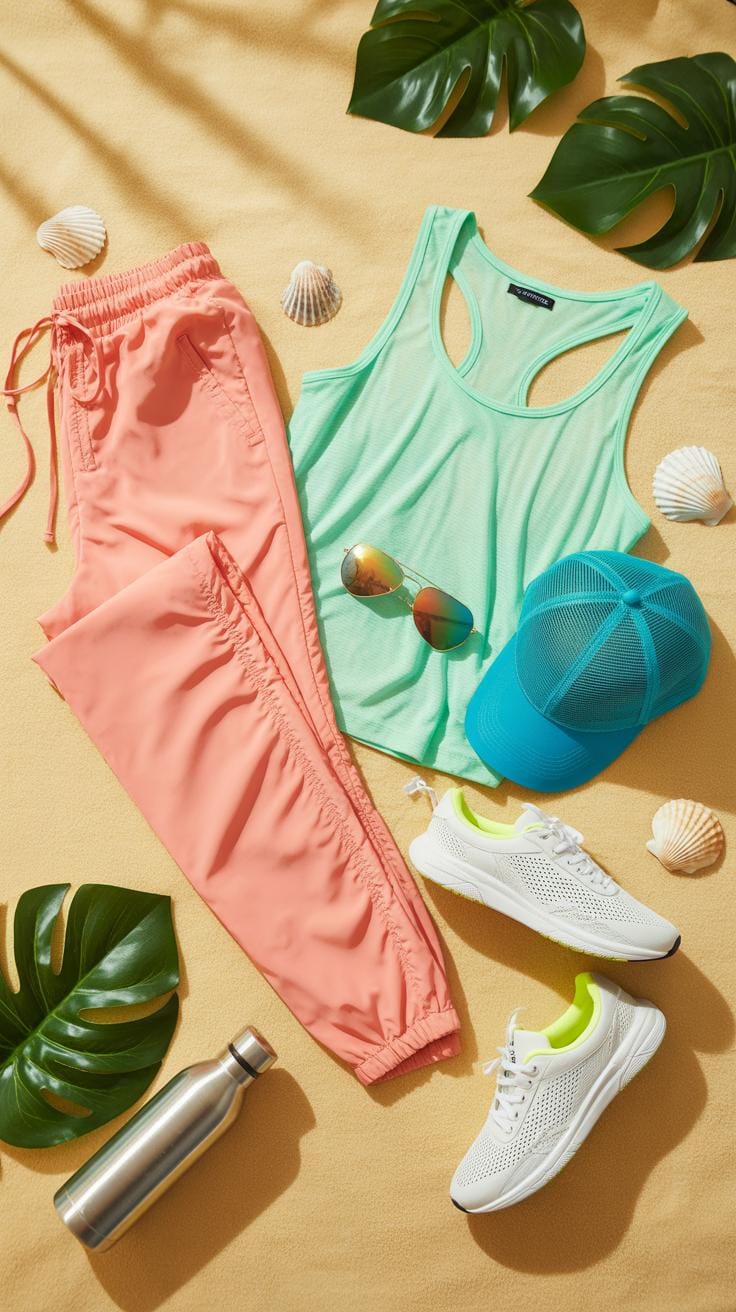
Mixing and matching athleisure pieces for summer means finding the right balance between comfort and style without thinking too much. You can take a sleek, moisture-wicking tank and pair it with high-waisted bike shorts for a look that’s perfect for a quick errand or a casual meet-up at a café. If you want something a bit more put-together, swapping bike shorts for a flowy mesh skirt adds an unexpectedly feminine touch without losing functionality.
Think about pairing a cropped hoodie over a sports bra with relaxed-fit shorts when you want to keep cool but still have some layering for slightly cooler summer mornings. Or wear a breathable, loose tank with mid-rise leggings for light physical activity like stretching or walking, giving you freedom without feeling too exposed.
Pairing Tops And Bottoms Effectively
Simple combos can go a long way here:
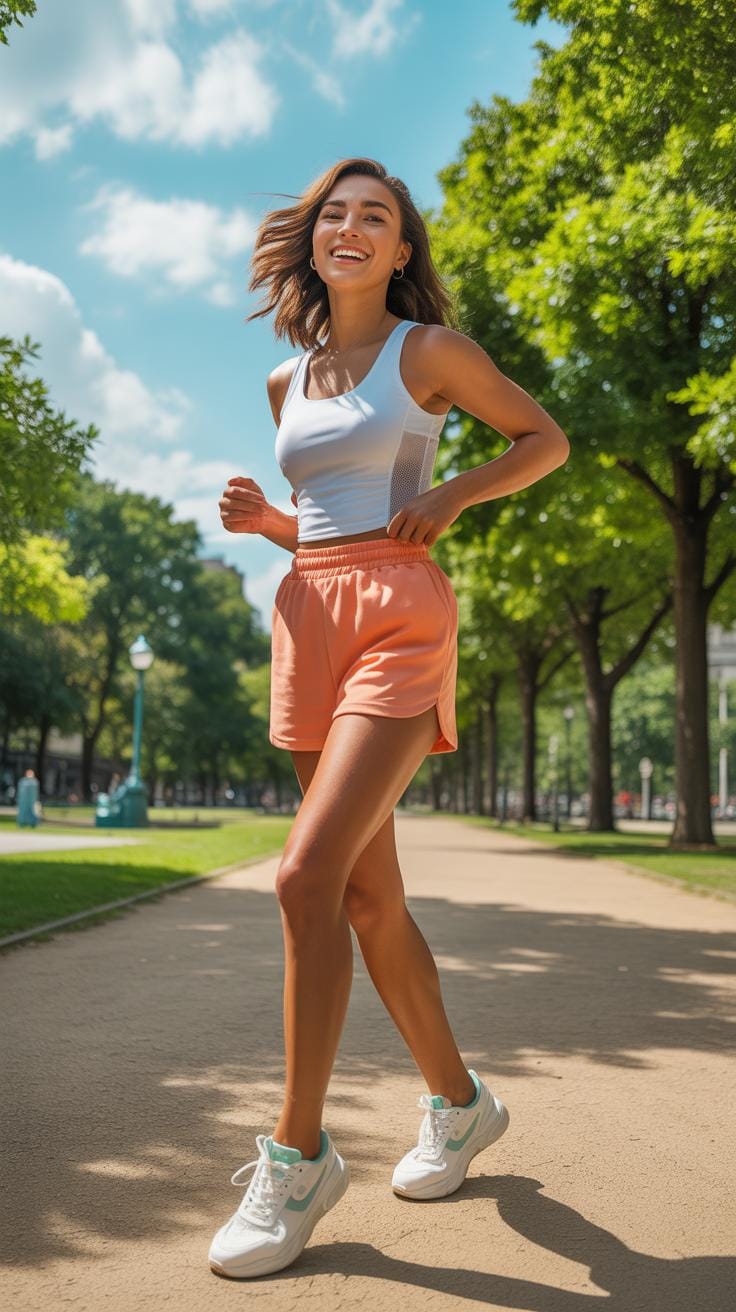
- A fitted racerback tank with high-rise biker shorts feels fresh and sporty, while keeping sweat manageable.
- Lightweight long-sleeve crop tops paired with sweat-wicking skirts work surprisingly well, especially for outdoor brunches in shaded spots.
- Boxy tees tucked into slim leggings create relaxed but intentional contrast — perfect for strolls or casual gatherings.
- Loose tanks with drawstring shorts balance airflow and easy movement during warm days.
Sometimes, mixing different textures—like mesh panel leggings with a smooth, soft cotton tee—adds subtle visual interest without extra layering.
Adding Accessories Without Overheating
When it comes to accessories in summer athleisure, less really is more. Bulky bags or heavy jewelry just make you feel weighed down and warmer. Instead, try a sleek, lightweight crossbody for essentials and choose sunglasses that protect without feeling cumbersome.
Caps or visors help keep the sun off your face while letting your skin breathe. Thin, stretchy fabric headbands can manage sweat without adding heat. If you want to add a layer, maybe a small, breathable lightweight scarf that doubles as a cover-up or sweat-soaker—but only if it’s really necessary.
In the end, ask yourself: is this accessory helping me stay cool and functional, or just decorating? Sometimes, the simplest choices matter most in summer’s heat.
Footwear Options For Summer Athleisure
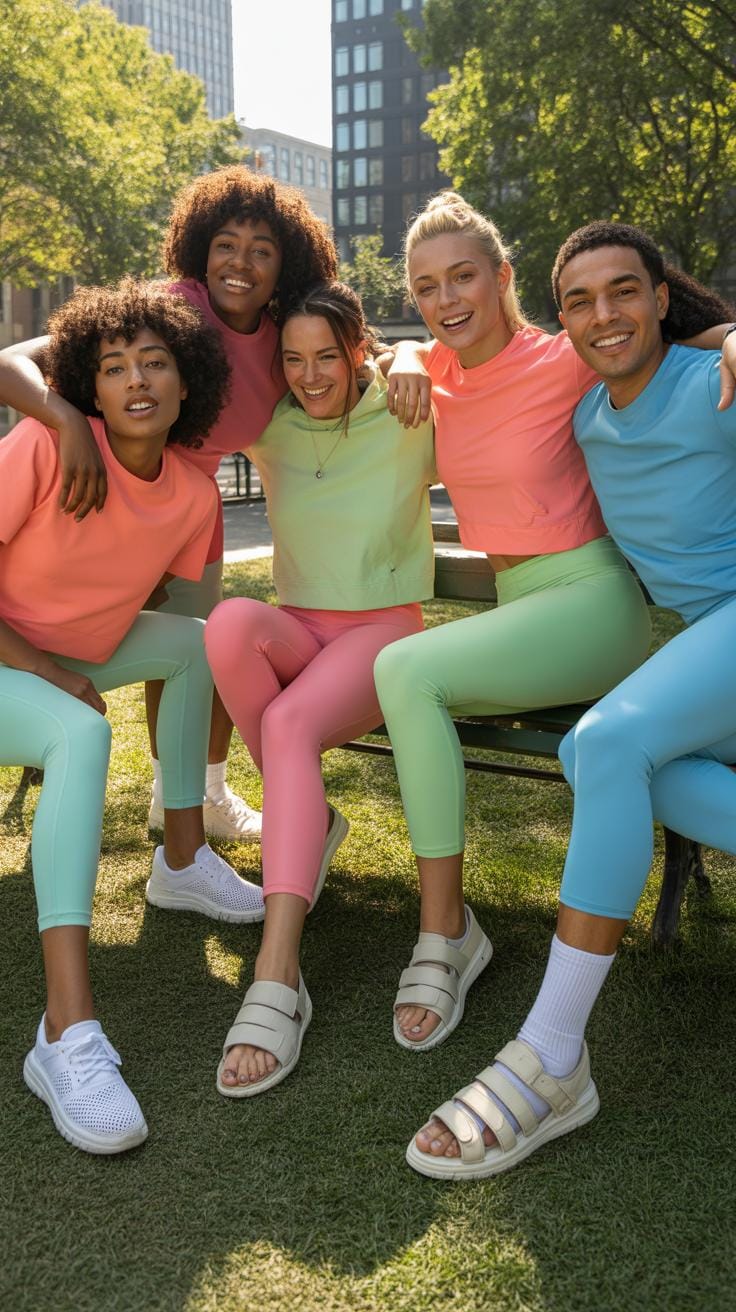
Choosing the right footwear to pair with your summer athleisure looks can feel like a small detail, but it really shapes the whole outfit—and your comfort throughout the day. Generally, you want something lightweight and breathable, because nothing kills the vibe faster than overheated feet. Sneakers are the usual go-to, but sandals and flats also have their moments, depending on where you’re headed and what kind of activity you have in mind.
For sneakers, look for designs that offer good airflow. Mesh panels, perforations, and lightweight soles keep your feet cooler. Brands like Nike and Adidas often feature models tailored for summer runs or casual wear that won’t weigh you down. I remember trying on a pair that felt like slipping on air—a bit odd at first, but perfect once you’re walking around in the hot sun.
Sandals and flats might not sound like the obvious choice for athleisure, but they show up in certain outfits surprisingly well. If your plans involve a lot of walking or casual hangouts, a minimalist sandal with some arch support can keep you comfortable while adding an easygoing touch to your look. Flats, on the other hand, often work best when your athleisure outfit leans a bit more towards streetwear than sportswear, pairing nicely with cropped leggings or loose shorts.
So when do you pick sandals or flats instead of sneakers? Maybe when it’s unbearably hot, or you want to switch up the vibe, but still want to keep some sporty flair. Just be careful with how much walking you’ll do—flats typically offer less cushioning than a good sneaker, and sandals vary wildly in support.
Color Choices In Summer Athleisure
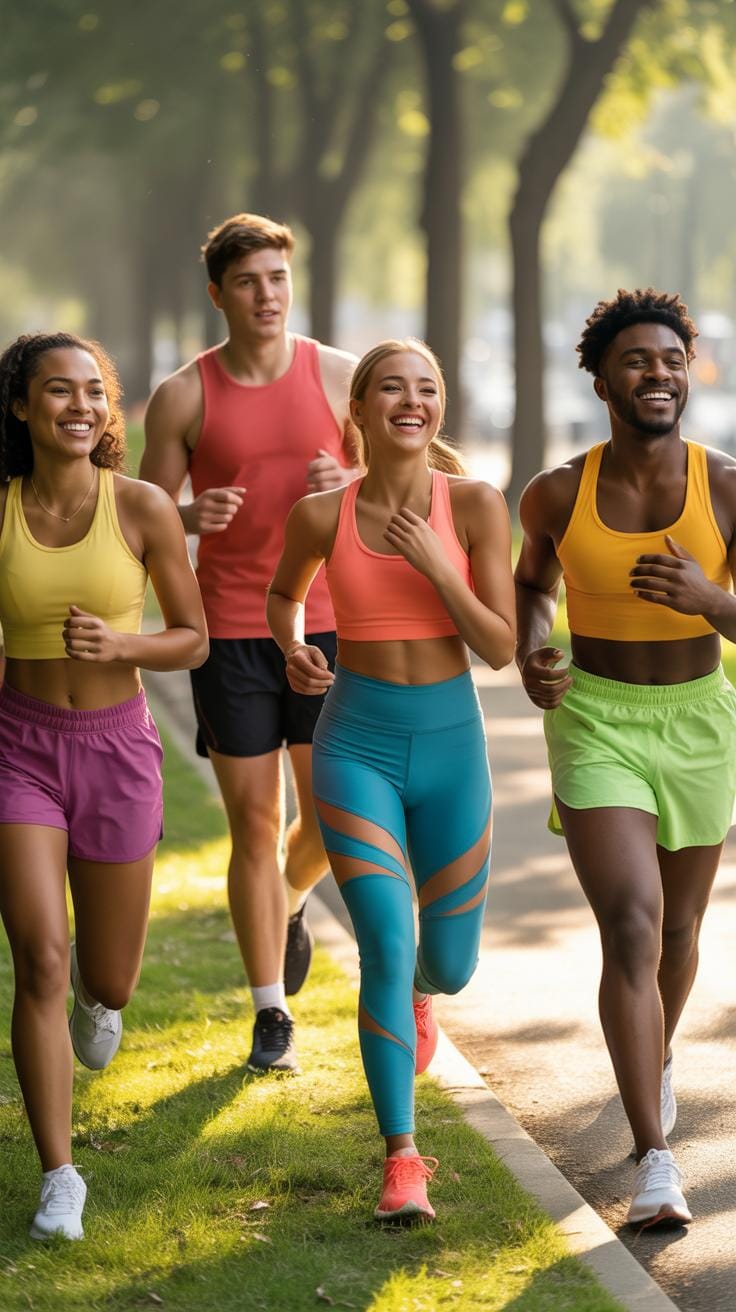
Choosing colors for your summer athleisure outfit can be trickier than it sounds. You want something that feels fresh and seasonal but also works across different occasions. Light and pastel hues naturally come to mind here, mostly because they don’t trap heat the way darker shades do. Have you ever noticed how wearing white or pale blue on a sunny day just feels cooler? That’s not just in your head—it’s a real physical effect tied to how these colors reflect sunlight instead of absorbing it.
Soft tones like mint green, lavender, or blush pink often make summer a little more bearable. They’re subtle but carry enough personality to skip the need for heavy layers. Plus, they easily mix and match with neutral basics if you want versatility. But then, you might wonder—do pastels ever become too plain? That’s where a little experimentation, like pairing a mint top with soft sandy beige leggings, can keep things interesting without overheating you.
Cool Colors That Reflect Heat
Light colors reflect sunlight and heat away, which helps your body stay cooler when you’re active or just out and about. This effect is why white yoga pants or pale gray tees feel less oppressive in the summer than navy or black ones. Lighter shades allow the fabric to breathe better, too, which adds to comfort during sweaty workouts or a casual stroll.
Think about those times you’ve tried to run outdoors in dark clothes. The discomfort isn’t just mental—it’s the color soaking in warmth. So, aiming for hues like soft blues or light beiges isn’t only a style choice; it’s a practical one too. Your skin benefits from this, cooling down faster without any fancy tech involved.
Incorporating Bold Accents
Bold colors can definitely brighten summer athleisure, but they need some restraint. A clever way is to introduce pops of vivid colors through smaller items—like a bright watch band, vibrant shoes, or a patterned headband. This keeps your base outfit cool and understated while letting your personality peek through.
Another idea is to use bold accents in contrast stitching or logos on neutral pieces. These are noticeable but don’t compete with the light fabrics absorbing less heat. You might hesitate thinking that bright red or electric blue will scream too much in the heat, but used sparingly, they can uplift your outfit without feeling excessive.
Have you tried mixing these accents carefully? It often leads to styles that look both intentional and comfortable, but it’s a bit of trial and error. Balance can feel elusive until you find the sweet spot that matches your vibe and weather conditions.
Care Tips For Summer Athleisure Wear
Washing Techniques For Performance Fabrics
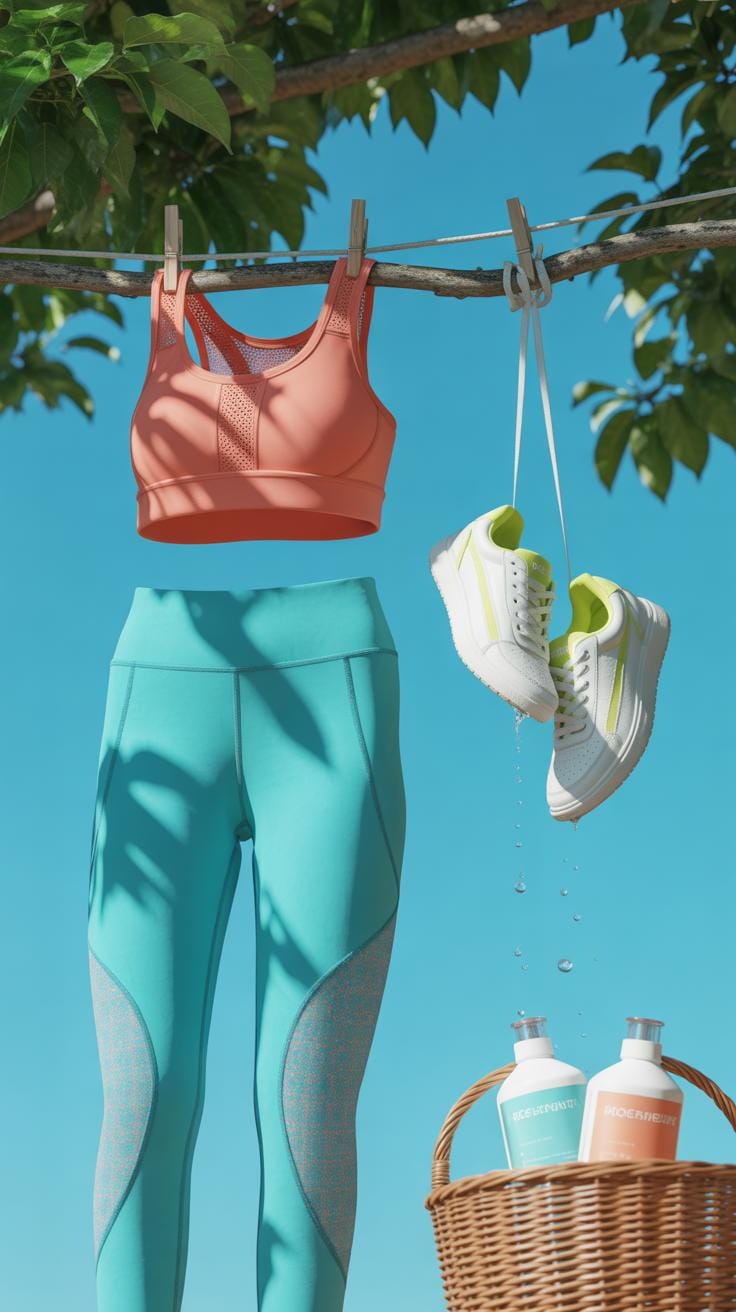
Washing summer athleisure clothing can be tricky—these fabrics are designed to work hard, but they need some gentle care. Try to avoid hot water; cold or lukewarm water keeps the fibers intact and helps your garment hold onto its moisture-wicking quality. I usually turn my pieces inside out, which seems to protect prints and reduce pilling.
Skip fabric softeners—they might feel like they make things softer, but they actually clog the material’s ability to breathe and wick sweat effectively. Using a mild, detergent that’s free of bleach works best. Quick tip: washing your clothing right after use prevents sweat buildup that can be stubborn to remove later.
Drying And Storage Recommendations
Air drying is usually the safest bet. It avoids shrinking and fading, which are more common when heat gets involved. I hang my tops and leggings loosely in a shaded, airy spot—direct sunlight often fades colors faster than you’d expect. Sometimes I wonder if a bit of natural sun damage actually adds character, but mostly I avoid it.
When it comes to storage, folding rather than hanging stretch fabrics helps them keep their shape longer. If you cram them into a drawer too tightly, that can encourage wrinkles or even damage the stretch. And odors? Make sure your pieces are bone dry before storing. Otherwise, mildew might sneak in without you noticing until it’s too late.
Athleisure Outfit Examples For Summer
Casual Day Outfits
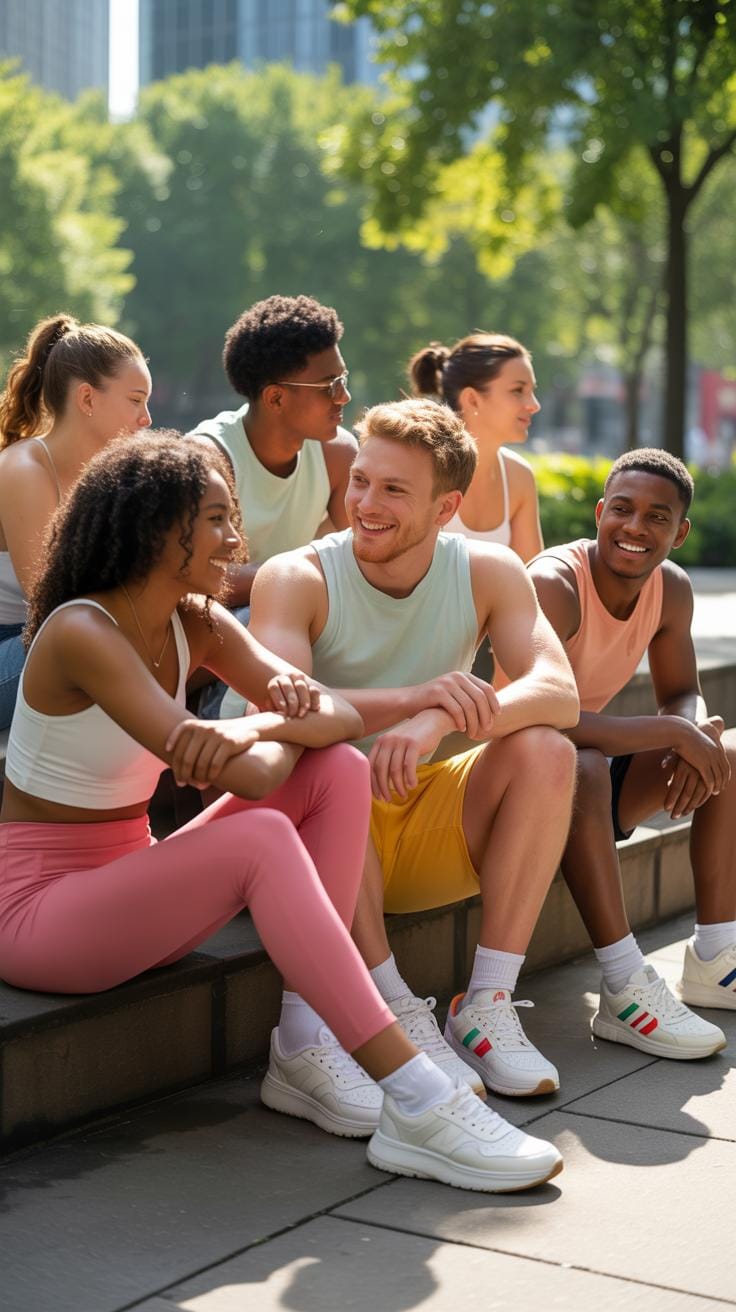
When it comes to casual summer days, think breathable fabrics and easy layering. For instance, pairing a loose cotton tank top with high-waisted biker shorts creates a relaxed yet pulled-together look. The shorts keep you cool, while the tank’s softness prevents any irritation during warm weather. Slip-on sneakers or minimalist sandals complement this outfit for quick errands or casual meetings.
Another solid choice is a lightweight, oversized tee worn over cropped leggings. It feels effortless, but the oversized fit adds a touch of style, making it fine even for a casual coffee catch-up. You might wonder if something so simple feels underdressed, but accessorizing with a sporty watch and a baseball cap often does the trick.
Then there’s the classic combination of a racerback sports bra topped with an open button-down shirt and track pants with elastic cuffs. It balances support and comfort with a hint of street style. Ideal for those who want to move freely but still look like they made an effort. This outfit probably leans a bit sporty yet fits in surprisingly well in everyday casual scenarios.
Active Summer Looks
For active days like hiking or biking, outfits need to perform first and look good second—or does it? Either way, you want moisture-wicking materials. Think fitted tank tops with mesh panels for airflow, coupled with lightweight shorts that allow full motion. Add a sun-protective lightweight jacket for unpredictable weather, which you can easily tie around your waist when it’s too warm.
Yoga days call for flexible, high-rise leggings and a supportive cropped top. The leggings should stretch without digging in, and the top must stay put during poses. Consider layering with a loose, sleeveless muscle tee for walking between class and errands; this mix blends functionality with casual flair.
For cycling, padded shorts are obvious, but combining them with a breathable, long-sleeve jersey made from spandex blends balances sun protection and ventilation. Pair with sporty sneakers designed for gripping pedals and maybe a lightweight cap to manage sweat. It looks purposeful, but don’t shy away from bright colors—they offer visibility and add an unexpected style punch.
Athleisure Versus Traditional Summer Wear
Comfort Differences Explained
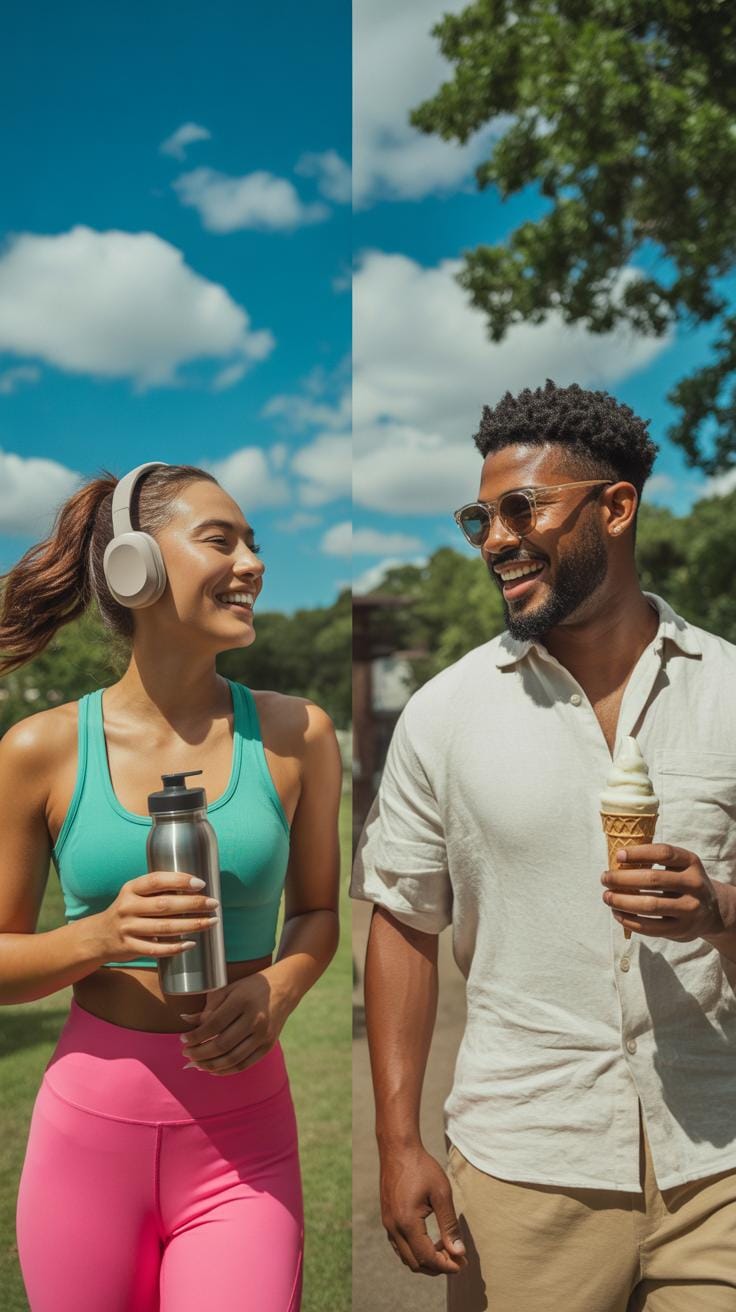
When it comes to comfort, athleisure outfits often feel like a different category compared to traditional summer clothes. For example, the stretch fabrics in athleisure adapt to your movements in ways cotton or linen can’t. You might find yourself more at ease during a long day out or even a quick workout, without having to change your entire outfit. But then, natural fabrics like cotton still breathe better on really hot days. So, you could say comfort depends on the specific activity and weather—athleisure is great if you want a bit of flexibility and support, while traditional clothes might win on pure breathability.
Also, sweat-wicking materials in athleisure help manage moisture better than typical summer wear. It’s kind of useful if you tend to get warm quickly. Yet, there’s something about loose, airy garments that just feels more relaxed, even if they don’t stretch or shape your body like athleisure pieces.
Style And Practicality Comparison
In terms of style, athleisure outfits deliver a sporty but modern vibe, often blurring the lines between casual and active. You can pair leggings or joggers with tank tops and still look put together enough for casual meetups or errands. This versatility is harder to achieve with standard summer wear, which usually divides between casual tees and more formal dresses or shorts. But if you’re after elegance or a classic summer look, traditional styles may suit you better.
Practicality is where athleisure really shines. Those zip pockets, moisture-resistant fabrics, and adjustable waistbands don’t just sound good on paper—they’re useful throughout the day. On the flip side, classic summer clothes can fall short in function but excel in ease—think quick slip-ons or lightweight dresses that feel effortless but offer little adjustability.
So, it’s a bit of a trade-off. Athleisure feels more intentional and ready for movement. Traditional summer wear feels simpler and, maybe, a little less fussy. What you choose might depend on whether you prioritize activity or all-day ease.
How To Shop Summer Athleisure Smartly

When picking out summer athleisure pieces, fit has to come first. Clothes that feel tight in some areas or too loose in others just won’t work for comfort or style. Look for items with a little stretch but also enough support in the right spots. That means checking waistbands, sleeve lengths, and how leggings hug your legs. You want to move freely, without constant adjustments.
Function matters, too. Breathable fabrics that wick moisture are key for hot days. If you plan on running or outdoor workouts, quick-drying materials make a difference. Pockets might seem trivial but can be surprisingly handy for keys or cards. Think about how you’ll actually use each piece and if it meets those needs.
Setting a budget can feel tricky with so many brand options. I’ve found it helps to balance price with quality rather than just chasing sales. Some mid-range brands offer fabrics and durability that outlast cheaper options. Don’t shy away from investing a bit more if it means your favorite leggings won’t fall apart after a month.
When choosing brands, check reviews for real user experiences. Some labels specialize in summer-specific athleisure, focusing on airflow and sun protection. Experiment a little—sometimes lesser-known brands surprise you with better fits. Are you aiming for function first, or style? Your priorities can guide where to spend.
Common Mistakes With Summer Athleisure
Overdressing Or Underdressing For Weather
Summer weather can be tricky; sometimes it feels warm in the morning but suddenly turns humid or breezy by afternoon. Many people tend to either overdress with heavy layers or go too light, leaving themselves uncomfortable. You can catch these moments if you pay attention to more than just the temperature. Factors like humidity, direct sunlight, and even wind play a big role in how your athleisure outfit will feel throughout the day.
For example, a pair of thick leggings might feel fine on a cooler morning but become suffocating once the sun peaks. On the flip side, too much skin exposed can leave you chilly during a sudden breeze or when stepping indoors with strong air conditioning. The best tip? Opt for pieces that can be layered or easily adjusted, like breathable tops with a light zip-up or kind of loose-fitted shorts that don’t trap heat.
Ignoring Fabric Care Instructions
It’s easy to overlook how you wash and care for athleisure clothes. But ignoring those fabric care labels can lead to fading colors, shrinking, or loss of stretch. I think many don’t realize how sensitive synthetic materials can be—they’re designed to work hard for you, but they need gentle treatment.
If you tumble dry everything, for instance, the moisture-wicking qualities may degrade faster than you want. Or, using harsh detergents might ruin the fabric’s feel and performance. Paying attention to washing in cold water, using mild detergents, and air drying when possible can keep your favorite summer pieces looking and feeling right longer.
Could taking just a few extra minutes with fabric care actually save you money on replacements? It probably does, but it’s tempting to skip when life gets busy. Try treating your athleisure clothes like you would any other delicate garment. It makes a difference.
Conclusions
The summer athleisure trend keeps growing because it offers easy wear for busy, active lives. By picking the right fabrics and styles, you stay cool and ready for any summer plan. Combining style with comfort makes athleisure a smart choice.
As you explore athleisure outfits, remember to balance practical wear with your personal touch. Use our tips to choose pieces that last and match your summer mood, helping you look sharp without losing comfort.