

Getting Good Gymwear Without Overspending
Cost Effective Gymwear Outfits For Stylish Health And Fitness is a smart way to stay fit without overspending. Choosing the right gymwear can improve your workout experience and boost your confidence. This article will guide you through practical tips on selecting budget-friendly gymwear that fits well and looks good.
We will explore how to shop smart, compare materials, and combine pieces to create versatile looks. You will learn why cost-effective gymwear is valuable and how it supports your health and style goals. Let’s start by looking at what affordable gymwear really means and how to find it.
Budget Friendly Gymwear Choices

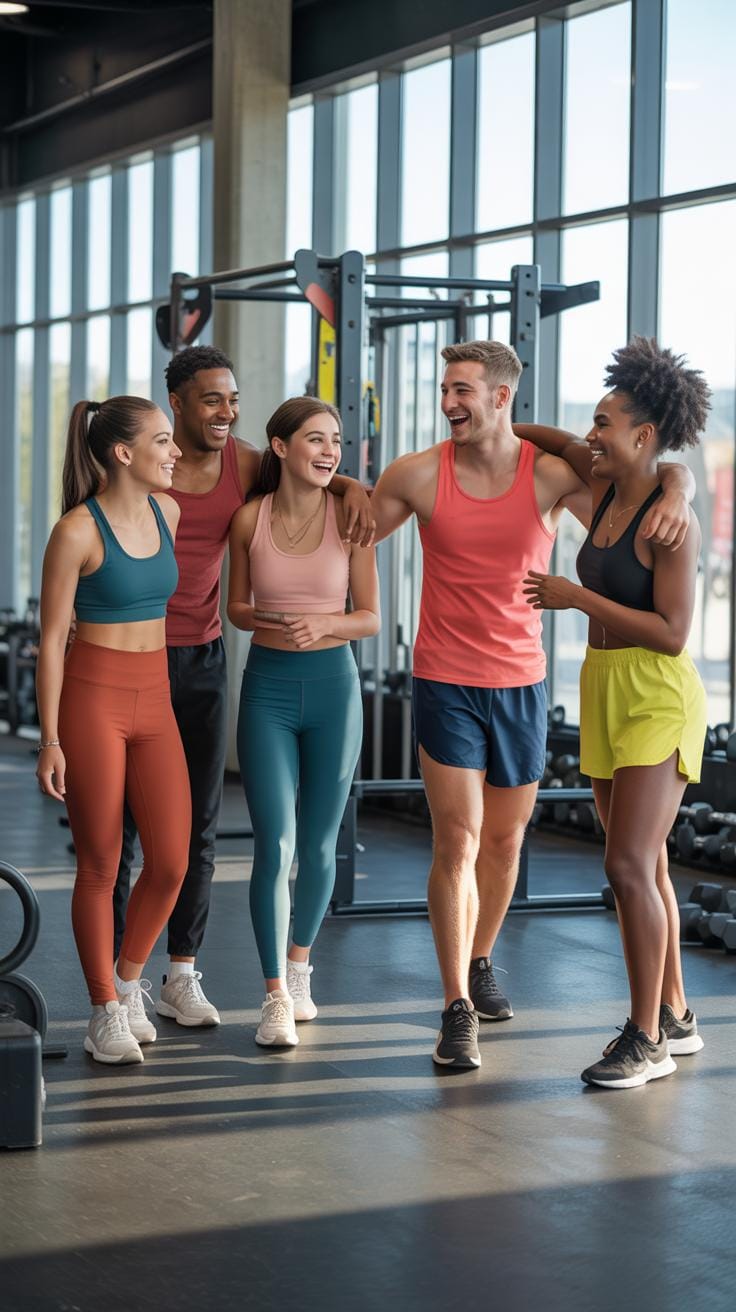
When you’re looking for gymwear that won’t empty your wallet but still serves your workout needs, there are a few basics you can rely on. Start with simple tops—think moisture-wicking T-shirts or tank tops made from blends like polyester or nylon. These fabrics often come at decent prices and do the job of keeping sweat at bay. You don’t need the flashiest brand; even off-brand or store-label options can work well.

For bottoms, leggings or shorts with a good stretch are essential. Look for modest compression or elasticity—these features support movement and comfort without costing a fortune. Cotton blends are a budget-friendly option but might get damp quickly, so choosing a mix with synthetic fibers often lasts longer during sweaty sessions.
Accessories like headbands, lightweight sports socks, and simple gym gloves can help without adding much cost. To find deals, keep an eye on seasonal sales and check discount retailers online or in physical outlets. Sometimes you’ll spot quality gymwear marked down simply because it’s last season’s color. That doesn’t mean it’s any less functional.
Personal experience: I once found a pack of three basic workout tees at a clearance sale for less than the price of one branded shirt. They lasted through months of running and lifting without tears or fading, which made me rethink paying premium prices just for designer logos. You might find the same if you’re patient and a little flexible about styles or colors.
How To Pick Affordable Gymwear
Choosing affordable gymwear is kind of like a balance act. You want something that lasts but won’t cost a fortune. Focus first on the material. Durability matters; cheap fabrics tend to pill or lose shape after a few washes. Blends with polyester or spandex tend to hold up better than pure cotton alone.
Fit is another key. If something feels too tight or too loose, you might end up uncomfortable or distracted during your workouts. Try items on when possible, or check size guides closely. Sometimes cheaper brands have inconsistent sizing, so read reviews or ask around.
Breathability is easy to overlook but it matters much more than you think. Poor ventilation means you’ll sweat more and might feel clammy, which gets annoying fast. Look for mesh panels or vented fabrics in your price range. They’re often sold at bigger stores with lines designed for entry-level athletes.
And maybe avoid seemingly “too good to be true” prices on unknown brands—very cheap gymwear might save cash upfront but wear out fast. It’s better to spend a little more on something that won’t need replacing every few weeks.
Benefits Of Buying Cost Effective Gymwear
There are clear upsides to picking gymwear that’s easier on your budget. First, you save money—obviously. But beyond that, good choices reduce the need for frequent replacements. That means less hassle and less waste.
Also, wearing comfortable, well-fitting clothes can actually make you want to keep exercising. I’ve noticed that when I have basic but reliable gymwear, it’s easier to get moving. If your gear feels itchy or too tight, you might skip workouts, right?
Cheap gear that falls apart quickly can kill motivation. So, investing even a little thought in your purchases might keep you consistent. Consistency is what really counts in health and fitness, after all.
In the end, budget-friendly gymwear isn’t just a way to save cash; it’s a practical tool to help maintain your routine without distractions or discomfort getting in the way.
Mix And Match Gymwear Outfits
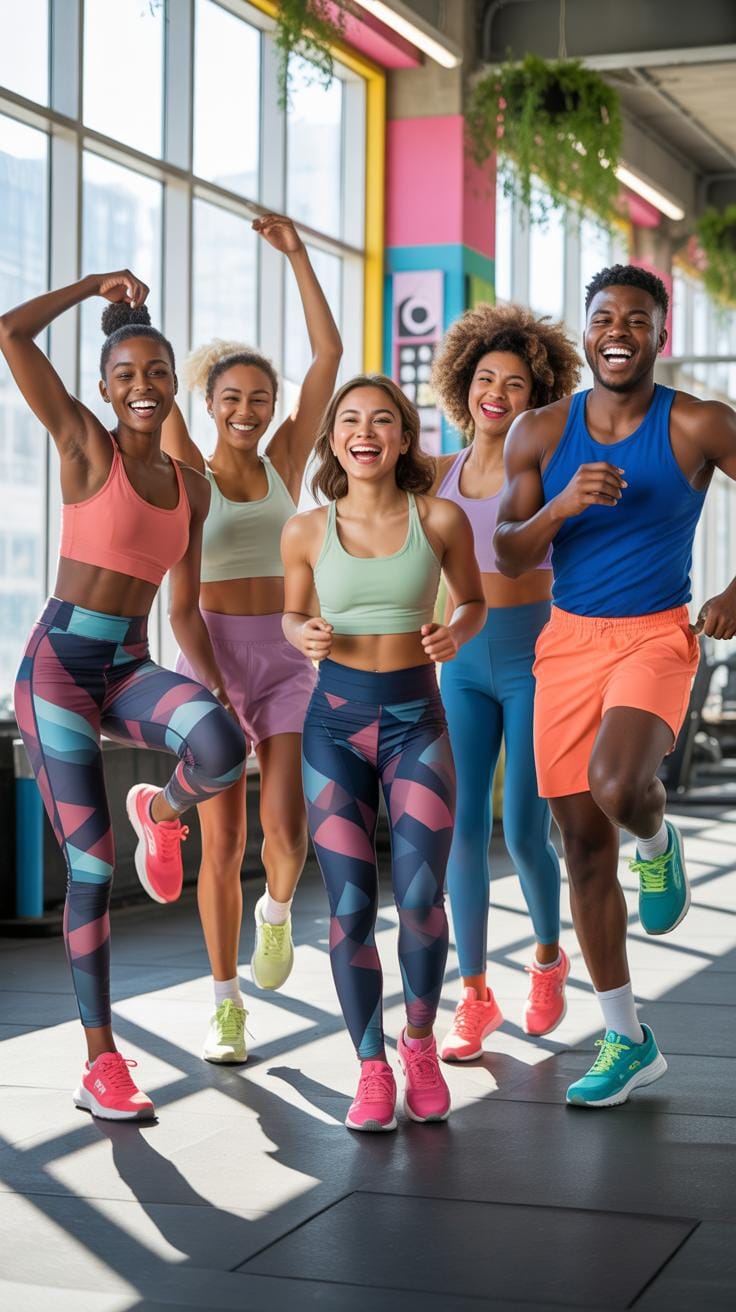
Think about your gymwear as pieces that can combine in different ways rather than standalone outfits. Layering is key—you might start with a simple tee or tank, then add a zip-up hoodie or a lightweight jacket, depending on your mood or the weather. Matching colors or sticking to the same style family helps. For example, if you have black leggings, pairing them with a grey top and a black jacket creates an effortless, coordinated look. But you can also mix neutrals with a flash of vibrant color if you want to spice things up without buying more clothes.
For men, a plain white or black tee with joggers or shorts can be dressed up with a bomber jacket or cool windbreaker. Women might pair high-waisted leggings with a cropped sweatshirt and throw on a loose tank over the top when it warms up. Each piece works with numerous others—like a puzzle that shifts depending on what you pick that day.
Examples Of Versatile Gymwear Pieces
Some items just stick around forever in your wardrobe because they work well everywhere. Think black or navy leggings for women—these aren’t only comfortable but pair well with almost anything. Basic tees or tanks in white, grey, or black are similarly useful. Men’s sweat-resistant polos or plain performance tees come close to the same versatility.
Shoes with simple designs and neutral tones fit all types of workouts and even casual wear. And don’t ignore classic zip-up hoodies or lightweight, breathable jackets. They double as pre- or post-workout gear. Items without loud prints or flashy logos tend to mix and match more naturally, saving you from the “what to wear” frustration.
Checklist For Combining Outfits
- Do the colors complement or contrast in a way that you like?
- Are the fabrics suitable together? (For example, pairing moisture-wicking with breathable cotton might not work well.)
- Is the outfit appropriate for the weather? Layering helps, but consider if it’ll get too hot or cold.
- Can each piece pair up with several others in your collection?
- Is the outfit comfortable for the type of workout you plan—running, lifting, yoga?
- Do the items fit your personal style while staying practical?
Mixing and matching gymwear isn’t about having tons of pieces, but about choosing smartly so fewer items create many fresh looks. Does your current gymwear lineup lend itself to this? If not, maybe it’s time to rethink a bit.
Gymwear Materials Explained
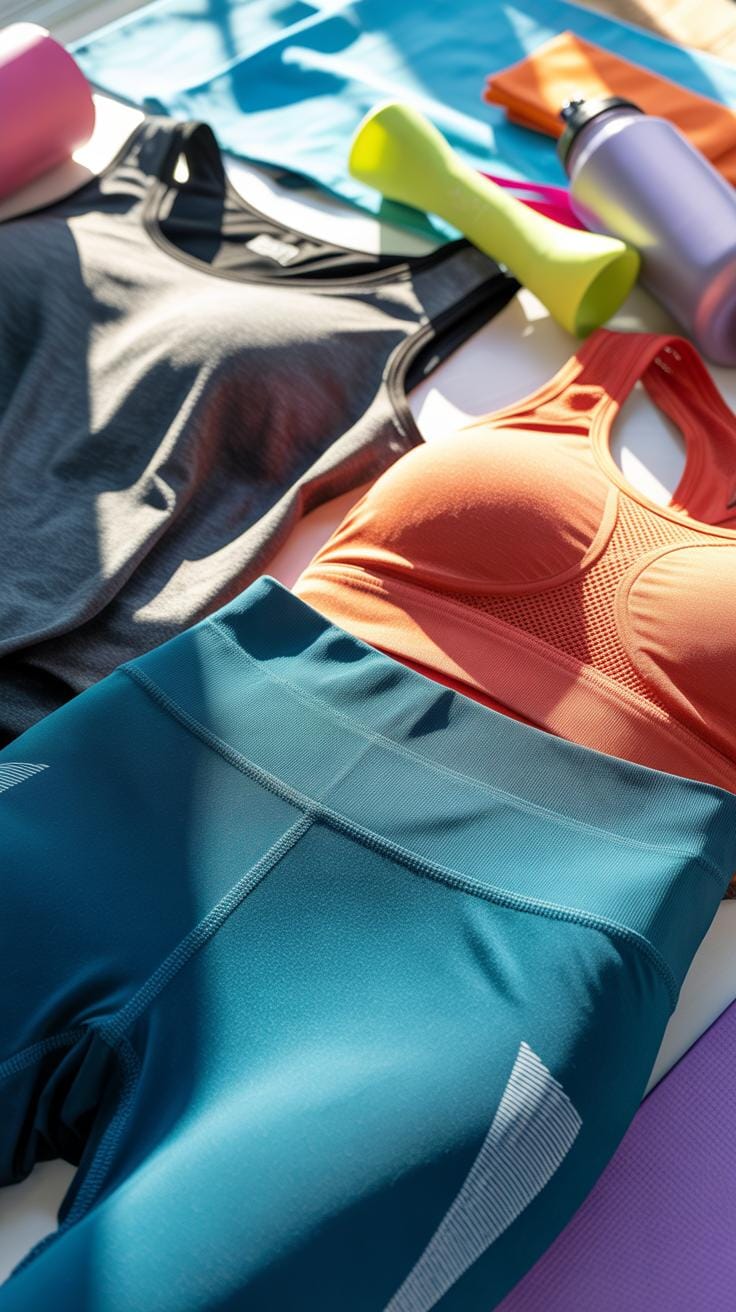
You’ve probably noticed gymwear comes in all sorts of fabrics, but what really matters is how these materials handle sweat, comfort, and wear over time. The most common ones you’ll find are cotton, polyester, and blends of the two. Each feels different and performs differently depending on your workout style.
Cotton is soft, breathable, and comfortable for low-intensity sessions or casual wear. But it tends to soak up sweat and stay damp, which can be uncomfortable if you’re pushing harder. Polyester, on the other hand, doesn’t absorb moisture as much, so it dries faster and keeps you feeling drier. It’s also stronger and resists stretching and fading better than cotton, making it last longer.
Then come blends, combining cotton’s breathability with polyester’s durability and moisture-wicking. Blends often balance comfort and function well, but the exact feel depends on the ratio. So, if you want gymwear that stands up to sweat and movement while still feeling soft, something with polyester or a blend usually fits the bill.
Think about what matters most. If you hate feeling sticky during workouts, synthetic or blended fabrics might suit you better. But if softness and casual comfort are your priority, cotton can be just fine, especially for lighter activity or cooldowns.
Difference Between Natural And Synthetic Fabrics
Natural fabrics like cotton come directly from plants and fibers, which means they generally feel more breathable and gentler on the skin. But they soak up a lot of sweat and take time to dry. This can leave you feeling clammy during intense exercise and sometimes cause chafing if the fabric stays wet long enough.
Synthetic fabrics, mostly polyester but also nylon or spandex, are man-made and designed to handle moisture better. They pull sweat away from your skin and dry quickly, keeping you cooler and more comfortable during sweaty workouts. That sounds ideal, but they can trap odors more easily, and some people don’t love how slippery or less natural they feel.
Choosing between the two depends on your workout habits and personal comfort. Do you often exercise at high intensity, getting soaked and needing quick-drying gear? Synthetics might be the way. Prefer something softer and don’t mind changing or washing frequently? Cotton could still do the job.
Material Care Tips To Extend Gymwear Life
How you treat your gymwear makes all the difference. These materials can stay in good shape for months or even years if you avoid common mistakes.
- Wash in cold water to protect fibers and colors. Hot water may cause shrinkage or damage synthetic elasticity.
- Skip fabric softeners and bleach; they break down the moisture-wicking abilities of synthetics and can degrade cotton too.
- Air dry whenever possible. Tumble drying wears out the fabric faster and can reduce stretchiness.
- Store gym clothes in a dry, ventilated area. Stashing sweaty clothes in a bag overnight invites odors and fabric deterioration.
Taking these steps might feel tedious, but it’s worth it. A well-cared-for shirt or pair of leggings lasts longer and keeps performing better. You’ll save money in the long run and avoid the annoyance of clothes that lose shape or smell after a few uses.
Where To Find Affordable Gymwear
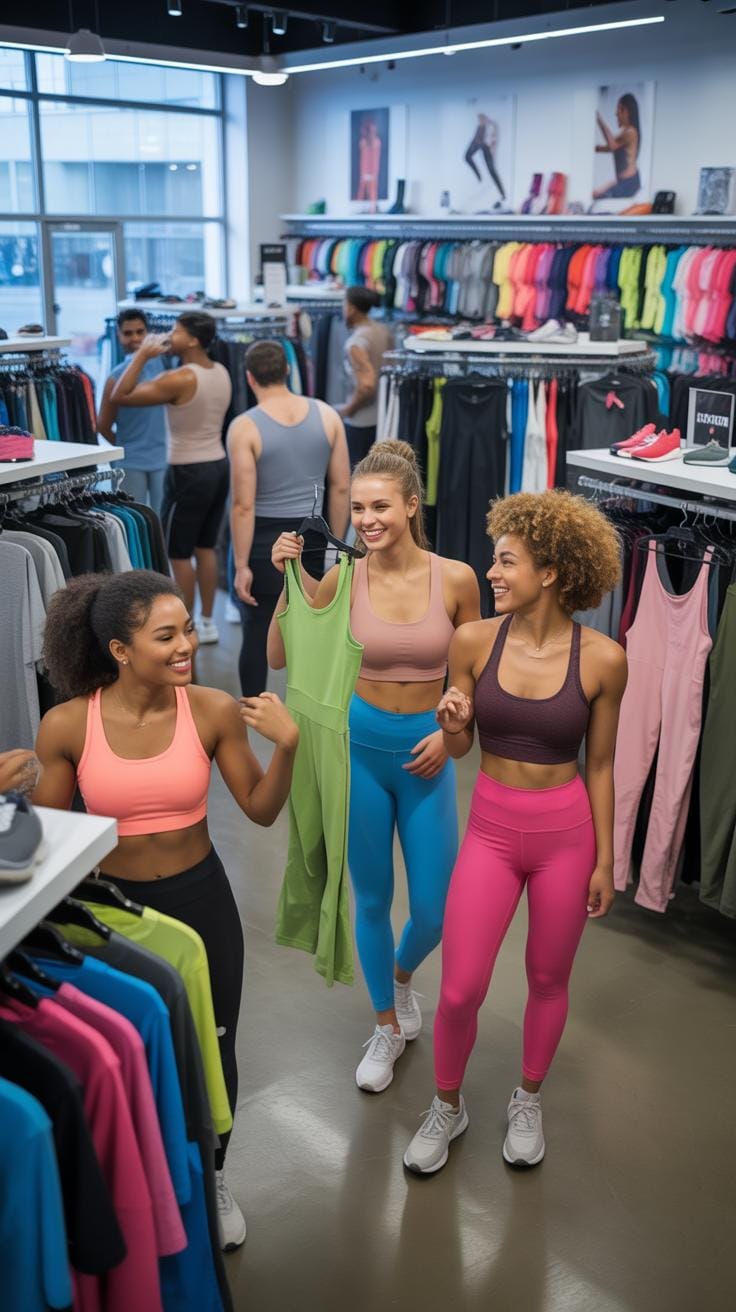
Finding budget-friendly gymwear doesn’t have to be a chore. Think about places like online shops—Amazon, Target’s website, or even smaller niche stores that offer decent prices and a wide selection. Sometimes you’ll spot good brands at outlet stores too, where last season’s styles get marked down by 30% or more. It’s tempting to overlook secondhand options, but thrift stores, consignment shops, and apps like Poshmark or Depop often carry barely-worn activewear at fractions of retail prices.
When buying, read reviews carefully. They reveal whether items run large or small, or if the material holds up after washing. Also, double-check return policies. A generous, easy return option can save you the hassle of getting stuck with an ill-fitting piece. Buying smart means not rushing—sometimes waiting for feedback or comparing several sites helps you avoid waste.
Online Vs In Store Shopping Benefits
Shopping online is obviously convenient. You can browse dozens of brands without leaving home, plus compare prices effortlessly. Yet, there’s a catch: sizing can be tricky, and what looks good on screen may feel different in real life. You might order one size and end up returning it, which eats into your budget or time.
In-store shopping lets you try on gear and feel fabrics firsthand. It’s easier to judge comfort and stretch. But prices in physical stores can sometimes be higher, and the selection might be limited if the store’s small. Also, it takes time—you may spend hours hunting for the right deal. Both ways have their pros and cons, so your choice might depend on what you value more at the moment: saving time or avoiding fit surprises.
Using Sales And Coupons To Save
Sales and coupons are your best friends if you want to save money on gym clothes. Look out for seasonal clearances, end-of-year sales, or holiday promos—these often offer the steepest discounts. Sign up for newsletters from your favorite brands; sometimes they send exclusive coupons or early access to sales that the public doesn’t see.
Membership programs can also be worthwhile if you buy gymwear regularly. Some stores give points or cash back that add up surprisingly fast, helping with future purchases. Planning your buys around sales really makes a difference. Waiting a bit might seem inconvenient, but a 20-30% discount can stretch your budget further, letting you add more pieces without paying more.
Gymwear Fit And Comfort Guide
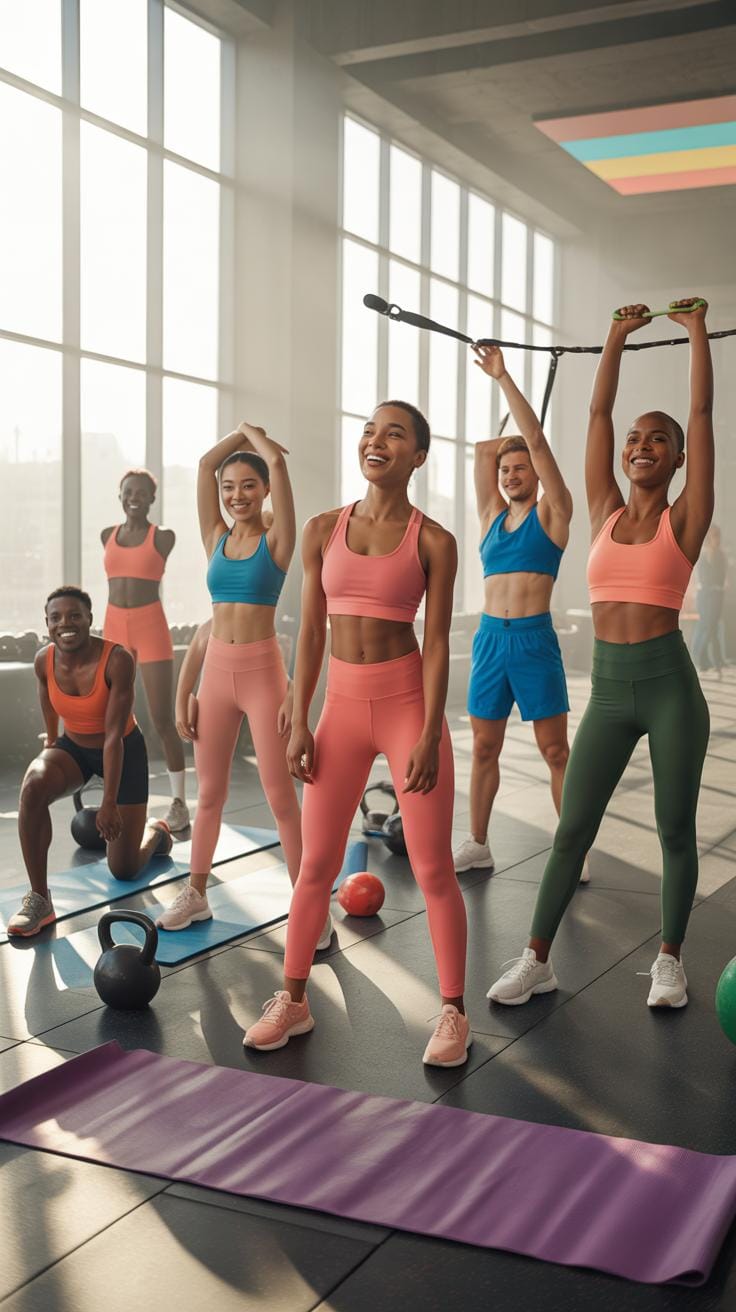
Fit and comfort are not just buzzwords when it comes to gymwear—they really change how you perform during workouts. Clothes that are too tight can restrict movement or cause irritation, while loose gear might get in the way or distract you. Sometimes, I’ve noticed that even slight discomfort pulls my focus away from the workout itself, making things less effective than they could be.
Measuring yourself to find the right size is straightforward but often overlooked. Take a fabric tape and measure your chest, waist, hips, and inseam—then compare with the brand’s sizing chart. Trying gymwear on is where it gets interesting. Move around in the fitting room: squat, stretch, twist. If it feels off just standing still, it’s unlikely to improve during a burpee or lunge.
Do you ever wonder if you’re settling for “good enough” fit? I think many do, mostly because true comfort changes subtly but profoundly how we feel during exercise.
Signs Of Well Fitting Gymwear
Knowing if gymwear fits well can save you from pain and disappointment later. Here are a few clear signals:
- No chafing, especially around seams or where skin rubs together.
- Fabric stretches enough to let you move freely without sagging.
- Clothes hold their shape through different motions, without bunching or pinching.
- Waistbands or cuffs don’t dig into your skin but stay in place.
- You feel confident, not distracted by your outfit’s quirks.
Not every sign comes at once, though. Sometimes you may spot tension only after a few minutes of wearing, so testing movement is key.
Adjusting Gymwear For Comfort
If your gymwear isn’t perfect out of the box, small tweaks can make a difference. Elastic bands sewn inside waistbands or sleeves can help with slippage. I’ve added a touch of elastic to a pair of leggings that kept sliding down—not a big change, but night and day in comfort.
Wearing a lightweight undershirt beneath a loose tank can prevent irritation and improve moisture management. Sometimes layering thinner pieces instead of thicker, heavy ones lets you adjust warmth and fit throughout your workout.
Could simple modifications save your favorite gymwear from becoming workout day fails? Quite possibly. It’s worth experimenting, rather than just giving up on a piece that almost fits right.
Comparing Gymwear Brands And Prices

When choosing gymwear, striking the right balance between cost and quality is tougher than it seems. Some well-known brands charge a premium for style or name, but that doesn’t always guarantee long-lasting gear. Meanwhile, lesser-known brands often surprise with durability and practical design without draining your wallet.
Brands like Old Navy Active, 90 Degree By Reflex, and Amazon Essentials often offer solid fabrics that hold up wash after wash. They might lack some trendiness but make up for it in comfort and wearability. On the flip side, brands like Nike or Lululemon shine in design and fabric technology but sometimes come with sticker shock that might not suit every budget or workout level.
When browsing, pay close attention to fabric blends on labels. Materials like polyester-spandex blends typically provide stretch and moisture-wicking properties. Also, don’t skip the reviews; real users often mention if seams unravel or color fades quickly—something specs won’t show.
Affordable Brands Known For Quality
Certain budget-friendly brands deserve a second look. Old Navy Active, for example, consistently offers basics like leggings and tees for under $25, and many users find the fit flattering and the clothes surprisingly sturdy. Another brand, 90 Degree By Reflex, delivers leggings and sports bras close in feel to pricier competitors but at half the price. Amazon Essentials is a go-to for simple, no-fuss gym shirts and shorts, often priced below $20.
These brands stand out not because they boast the most advanced fabrics but because they meet everyday gym needs with decent comfort and style. It’s sometimes refreshing to find gymwear that doesn’t feel like an investment, especially if you plan to replace items often or experiment with different looks.
Price Range Breakdown For Gymwear Items
Setting a realistic budget can clear up a lot of confusion. Here’s a rough guide to what you might expect to pay:
- T-shirts and tank tops: around $10 to $30. Cheaper options often use basic cotton blends; mid-range offers better breathability and cut.
- Shorts: generally between $15 and $35. Prices vary depending on length, pockets, and fabric tech like moisture-wicking.
- Leggings: typically $20 to $50, though you’ll find under $25 options that hold up fairly well.
Choosing where to splurge versus where to save depends mostly on your workout style and priorities. If a piece feels comfortable and fits well, it’s often smarter to opt for a budget-friendly option and skip brand hype.
Gymwear Washing And Maintenance

Washing Tips To Preserve Fabrics
How often should you wash gymwear? Well, after every workout is usually best to keep odors away, but sometimes I skip a day if it wasn’t super sweaty. Use a mild detergent designed for activewear or delicate fabrics; regular detergents can break down stretchy fibers over time. Avoid fabric softeners—they might sound nice, but they coat fabrics and reduce breathability.
Here’s a simple washing routine to follow:
- Sort your gym clothes by color and fabric type. Don’t mix thick cotton with thin synthetic leggings.
- Set your machine to a cold or lukewarm cycle—hot water can shrink or warp stretchy gymwear.
- Choose a gentle cycle to prevent excessive abrasion; these clothes take enough beating during workouts already.
Wouldn’t it be nice if your gear lasted longer without losing fit or color? Following these steps helps prevent that stretched-out, faded look.
Drying And Storing Gymwear Correctly
When it comes to drying, air drying is your friend. Machines can be rough. Lay your gymwear flat on a clean surface or hang it carefully to avoid stretching shoulders or waistbands. Using a dryer might be tempting but it tends to weaken elastic fibers and can cause pilling.
Storing gym clothes properly can be overlooked. I’ve found folding them rather than cramming them into a drawer keeps their shape intact longer. Avoid hanging delicate pieces on thin hangers—they might stretch out.
Think about your daily routine: does your gymwear get enough care after those sweaty sessions? Sometimes, small changes in washing and drying can make a big difference in how fresh and wearable your fitness clothes feel over months.
Common Gymwear Shopping Mistakes
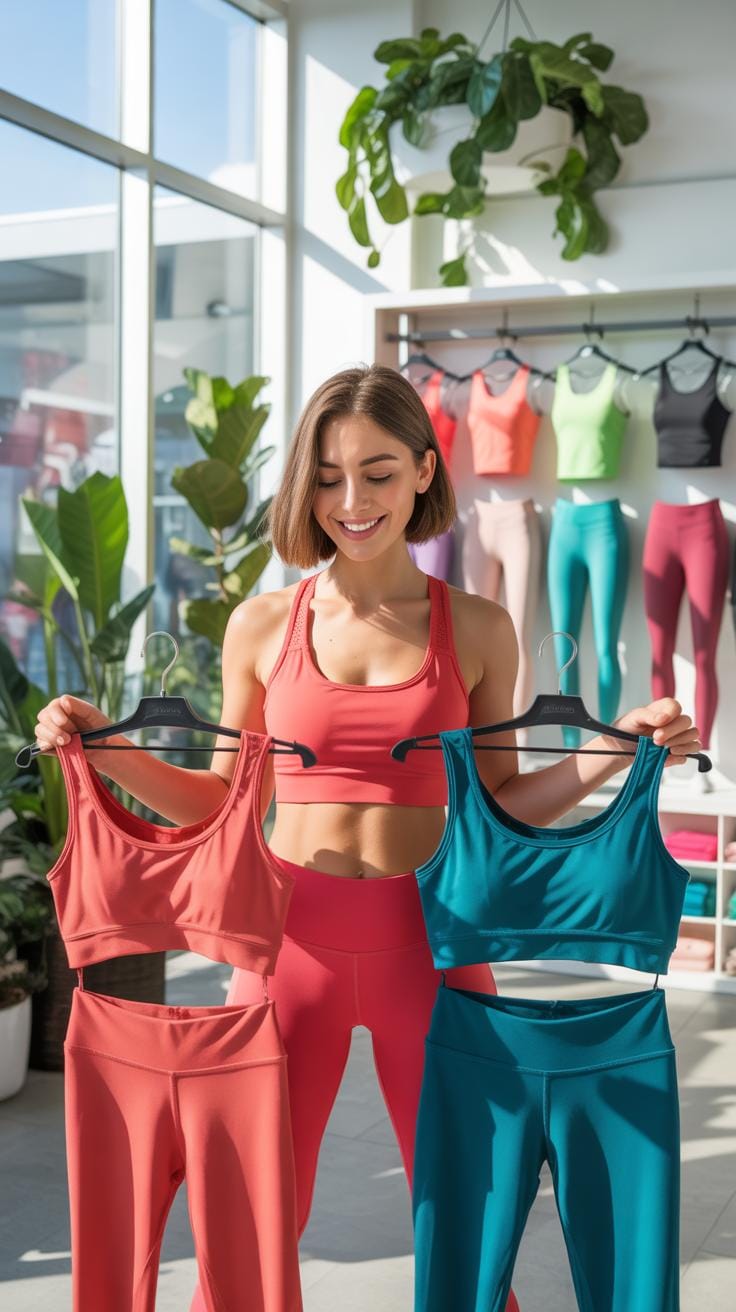
When shopping for gymwear, people often get caught up in style and forget about function. It’s easy to pick something that looks great on the rack but falls short once you’re actually moving around. For example, I’ve seen countless gym enthusiasts choose outfits with flashy designs but made from fabrics that trap heat or soak up sweat rather than wick it away. Focusing solely on appearance can leave you uncomfortable and distracted during your workouts.
Then there’s the issue of ignoring fabric quality altogether. Cheap materials may feel soft initially but tend to lose shape, fade quickly, or develop holes. Guess what? That cheap tank top you grabbed last season might be its last stint before it ends up in the trash. It’s not always obvious at first, but durability matters because constantly replacing gymwear can actually cost more in the long run.
Also, sizing mistakes happen a lot. Too tight and you might restrict your movement, too loose and it can become annoying or even unsafe during exercise. Have you tried wearing a pair of leggings that kept slipping down, forcing you to pull them up every few minutes? Not fun.
One more common error is buying gymwear without considering how it fits with your routine. For example, compression gear might be great for running but less helpful if you’re into yoga or Pilates. Not every piece of gymwear suits every workout, and recognizing that can save you from wasted money and frustration.
What Not To Do When Buying Gymwear
Here’s a quick list of common pitfalls:
- Buying gymwear purely because it’s trendy, ignoring whether it suits your activity.
- Choosing the wrong size due to rushing or not trying items on properly.
- Opting for very cheap fabrics that pill or tear easily.
- Ignoring breathability and moisture-wicking properties in favor of style.
- Purchasing gymwear with complicated care instructions you won’t follow, leading to faster wear.
- Buying multiple similar items instead of a few versatile pieces.
These mistakes often come from impulse or lack of research. It’s understandable but worth avoiding.
Better Alternatives And Tips
Instead of rushing into purchases, take time to assess your needs and habits first. Ask yourself questions like:
- What activities do I do most?
- Do I sweat heavily or prefer extra ventilation?
- Do I want something that can transition from workout to casual wear?
Look for fabrics that combine comfort with durability. Blends with synthetic fibers like polyester or nylon often wick moisture better than pure cotton. Try clothes on or check size charts closely.
Sometimes spending a bit more upfront on mid-range pieces saves money overall. You won’t buy replacements as often, and you’ll likely enjoy your workouts more in clothing that fits well and works with your body.
Lastly, don’t be afraid to experiment with styles that meet your practical needs and still look good. Finding that balance takes a bit of trial and error, but it’s worth it.
Conclusions
Choosing cost effective gymwear does not mean sacrificing style or comfort. By focusing on quality, fit, and versatility, you can build a gym outfit collection within your budget. Smart shopping helps you get the clothing you need without wasting money.
Consider your workout habits and personal style to pick pieces that serve multiple purposes. This way, your gymwear supports your health and fitness goals while fitting your budget. Use the tips and examples here to shop wisely and enjoy stylish gym outfits every day.