

What To Look For In Running Gear
Running outfit men essentials combine style and performance to help you stay comfortable and look good while running. The right running gear impacts not only your appearance but also your comfort and efficiency during runs. From breathable fabrics to the right fit, your choice of clothes matters.
This article covers key topics about men’s running outfits, focusing on what to wear, how to layer clothes, and how proper gear enhances your performance. It aims to give you practical advice to pick and wear running clothes that fit your needs and keep you motivated.
Identifying Key Running Clothes


When picking out your running clothes, some pieces stand out as absolutely necessary. A good running shirt, for example, isn’t just about looks—it needs to handle sweat and keep you comfortable. Look for lightweight, breathable fabrics that won’t cling to your skin. Fit matters here; you don’t want it too tight, but it shouldn’t be baggy either. Some runners prefer short sleeves, others go for long sleeves depending on the weather and sun exposure.

Shorts are another essential, usually made from quick-drying materials. Many have a built-in liner to reduce chafing—worth testing out to see if you like it. Tights offer more coverage and support, especially in cooler weather or for longer runs. They should fit snugly but not restrict your movement. Socks might seem minor, but choosing ones designed specifically for running, with moisture-wicking properties and some cushioning, can make a big difference to comfort over distances.
Materials Best For Running Clothes
Fabrics definitely play a huge role in how your gear feels. Synthetic fibers like polyester or nylon blends often dominate running clothes because they do a better job moving sweat away from your skin. Cotton, while comfortable, tends to hold moisture, which can lead to chafing or a heavy, clammy feeling. Breathability matters; mesh panels or strategically placed venting can help regulate temperature.
Comfort isn’t just about the fabric type but how it reacts during activity. Some materials stretch well to adapt to your movement, reducing friction. Others dry faster, which can save you from that cold, damp sensation post-run. Sometimes it’s a trade-off—you might sacrifice a bit of softness for better moisture control. I’ve noticed that even with great base layers, if your outer shirt isn’t up to par, sweat pooling can still be an issue.
Fit And Comfort Importance
Fit can seriously impact your running experience. Too loose, and you risk fabric flapping around, which distracts or irritates. Too tight, and you may restrict breathing or muscle movement. Ideally, running shirts should hug your torso without squeezing. Look for designs that accommodate your shoulders and arms freely.
Shorts and tights also need to balance support and freedom. Shorts shouldn’t ride up or bind the thighs. Tights must compress just enough to feel supportive without being uncomfortable. Socks should fit snugly to prevent blisters but not cut off circulation. Trying different brands or styles can be eye-opening. Sometimes what fits well for one type of run isn’t right for another, so it’s okay to have options that work under varying conditions.
Layering Running Gear Effectively

Layering running clothes is necessary for adapting to changing weather, but it’s not just about piling on clothes. It’s about choosing the right pieces that work together to regulate temperature and manage moisture. You can think of layering in three parts: the base layer, the mid layer, and the outer layer. Each has a distinct role, and getting them right helps you stay comfortable regardless of weather.
Base Layer Function And Picks
The base layer sits closest to your skin. Its job is to wick sweat away so you don’t get clammy and cold. Cotton is a no-go—it traps moisture, making you feel heavy and chilled. Instead, opt for synthetic fabrics like polyester or nylon blends, or natural options like merino wool. These materials dry quickly and keep you feeling fresher longer.
Fit matters here. A snug, but not suffocating, fit helps the fabric do its job well. Too loose, and it won’t pull moisture away efficiently. Too tight, and you might feel restricted. For example, I found that a fitted merino wool shirt performs well, even in cool spring mornings when running fast but then slowing down.
Outer Layers For Weather Protection
The outer layer shields you from wind, rain, and cold. It’s your armor against the elements but shouldn’t weigh you down or trap heat excessively. For wind protection, lightweight jackets made from nylon or windbreaker material work well—they block gusts without overheating you.
If rain is on the forecast, look for water-resistant shells with taped seams but avoid heavy raincoats. A packable, breathable rain jacket lets you stay dry without feeling like you’re suffocating. Cold weather calls for insulated or fleece-lined shells that keep warmth in but allow for some breathability.
Personally, I’ve switched between a thin windbreaker for windy days and a slightly insulated, waterproof jacket for winter runs. Picking layers that pack small and don’t restrict movement makes all the difference on longer routes.
Footwear Choices For Running Men

Running Shoe Types Explained
Picking the right running shoe isn’t just about looks or brand. You’ve got to consider how your feet move and where you run. There are generally three main types:
- Neutral shoes: Designed for runners with a normal gait and good foot arch. They cushion and let your foot move naturally. These work well if your feet don’t roll inward or outward too much.
- Stability shoes: Built for those who pronate, meaning their feet roll inward during the stride. These shoes offer support to prevent overpronation and usually have firmer midsoles on the inside edge. You’d choose these if you feel your ankles or knees getting strained.
- Trail shoes: Meant for running off-road. They have deeper treads for grip on mud, rocks, and uneven terrain. Wear these if your runs take you through forests or rugged paths—using normal road shoes there can be slippery or unsafe.
That said, sometimes one type might feel off even if it “fits” your foot type on paper. Testing is key. Maybe you’re a neutral runner, but a touch of stability makes a surprising difference in comfort. It’s not perfectly clear-cut.
Proper Sizing And Fit Tips
Shoe size can trip you up. The right length and width are crucial, yet many make the mistake of choosing their usual size without accounting for running dynamics.
You want a bit of room—your toes shouldn’t feel cramped, especially as feet swell during runs. A thumb’s width of space between your longest toe and the shoe front works well. If it feels tight from the start, discomfort will only grow.
Also, consider width. Shoes too narrow pinch your foot, while too wide can cause slipping inside, blisters, or instability. Trying shoes on later in the day, after some activity, can help mimic natural foot swelling. Walk or jog around if possible—static fitting misses the mark.
Remember, different brands size differently, so rely less on the number and more on how it fits your foot. And if your heel slips or your arch feels unsupported, that’s a red flag even if the length feels okay. Don’t guess your fit. Try, test, and don’t hesitate to go half a size up or down if needed.
Accessories To Boost Running Performance

Headwear And Eye Protection
Hats and headbands do more than just look good—they manage sweat, keeping it from dripping into your eyes. This alone can change the way you focus during a run, especially on longer routes. I’ve found that a lightweight cap not only shields my face from the sun but helps regulate temperature. Sometimes I forget how hot it really is until I’m squinting without one.
Sunglasses play a similar role. They protect your eyes from UV rays, yes, but they also reduce glare, making it easier to watch the road or trail ahead. Some runners avoid them, thinking sunglasses might slip or feel uncomfortable. But picking the right pair, maybe with a snug fit and ventilation, can avoid that hassle. Plus, darker lenses can cut down distractions caused by bright light or reflections.
Running Watches And Trackers
Running watches and trackers are not just gadgets; they offer insights that can subtly shift your training approach. They track distance, pace, and heart rate, giving data you might not guess by feel alone. I remember starting with just a stopwatch, thinking it was enough, but a GPS watch revealed how inconsistent my pacing really was.
Some watches alert you to recovery needs or suggest interval workouts, helping you avoid overdoing it—or making you push harder when you need a challenge. Still, there’s the question of whether too much data might overwhelm some runners. Maybe sometimes it’s best to ignore statistics and just run, but having the option to analyze your performance later is valuable, especially if you want to improve steadily.
Comparing Running Gear For Warm Vs Cold

Choosing the right running outfit depends a lot on the weather—and honestly, it’s almost like preparing for two different sports. When it’s warm, you want clothes that feel like a second skin, light and breathable. Fabrics like polyester blends or nylon usually do the trick because they wick sweat away quickly. Cotton, on the other hand, often feels heavy and soggy when wet, so it’s better avoided. Loose or mesh-panel shirts can help your skin breathe, while shorts with moisture-wicking liners keep you comfortable.
Accessories like a breathable cap or a sweatband can make a big difference in heat, preventing sweat from blurring your vision or just making you feel sticky.
Cold weather? That’s a whole other story. You’re layering, yes, but not to the point where you suffocate in your own heat. Think lightweight base layers that trap warmth but still move sweat outward. A wind-resistant outer layer is a must if it’s breezy, but it shouldn’t be bulky. Gloves and a hat that cover your ears will keep you from losing body heat in key areas. Sometimes, I find myself debating whether to add that extra mid-layer or not, because too many layers can make you overheat once you’re a few miles in.
So, in warm weather, it’s all about minimalism and airflow. In cold, it’s balance—enough to stay warm but not so much that you sweat yourself cold. What do you find works best when the seasons flip?
Checklist For Choosing Running Outfit

Start by figuring out the weather and your run’s specifics. Will it be cold, hot, or somewhere in between? Are you planning a short jog or a longer endurance run? How intense will your pace be? These questions help shape what you really need to wear.
Next, look at each item in your potential outfit and see if it fits the demands you just identified. For example, if you expect rain, water resistance is key. If it’s hot, breathable fabric matters more than anything. Give your clothes a quick mental test: will this piece keep me comfortable for the whole run, or will it become a distraction?
Don’t forget about fit. Clothes that are too loose might chafe, while too tight can restrict movement or cause discomfort. Try moving around in the gear before settling on it. Walk, stretch, mimic running strides — this reveals a lot.
Layering is next. Can you add or remove layers easily if the temperature changes? Think about the practicality here. Maybe a lightweight jacket that packs small, or a long-sleeve you can stash mid-run.
Finally, check accessories. Does your hat block the sun but still allow airflow? Are your socks breathable and moisture-wicking? Does your watch sit right or dig into your wrist during runs? These details might seem small but they affect your performance more than you’d think.
Avoiding Common Running Outfit Mistakes

Picking the right running gear isn’t as simple as grabbing the first shirt or shorts you find. Men often make some familiar mistakes that can throw off both comfort and performance. One big one? Choosing the wrong fabric.
Lots of runners stick with cotton because it’s cheap and feels soft. But cotton soaks up sweat and holds onto moisture, making your clothes heavy and causing chafing. You really want fabrics that dry quickly and wick sweat away from your skin. Think polyester blends, nylon, or specialized synthetic fibers designed to keep you dry and cool.
Fit is another tricky area. Too loose, and your clothes can flap around or ride up, distracting you or even causing blisters from friction. Too tight, and you restrict movement or cut off circulation, which isn’t great for longer runs. Finding a balance helps — clothes should follow your body’s shape without squeezing uncomfortably. Trying on different brands or styles helps since sizing varies. Stretch fabrics can offer extra comfort, but beware of materials that cling too much in spots they shouldn’t.
If you lightly jog through the park or train seriously, these small outfit choices add up. You can start paying attention to fabric tags and fit labels — it’s surprising what a difference they make once you notice. Have you felt your gear bunching up mid-run? That usually means it’s time to rethink the size or material.
Measuring Running Outfit Costs And Benefits
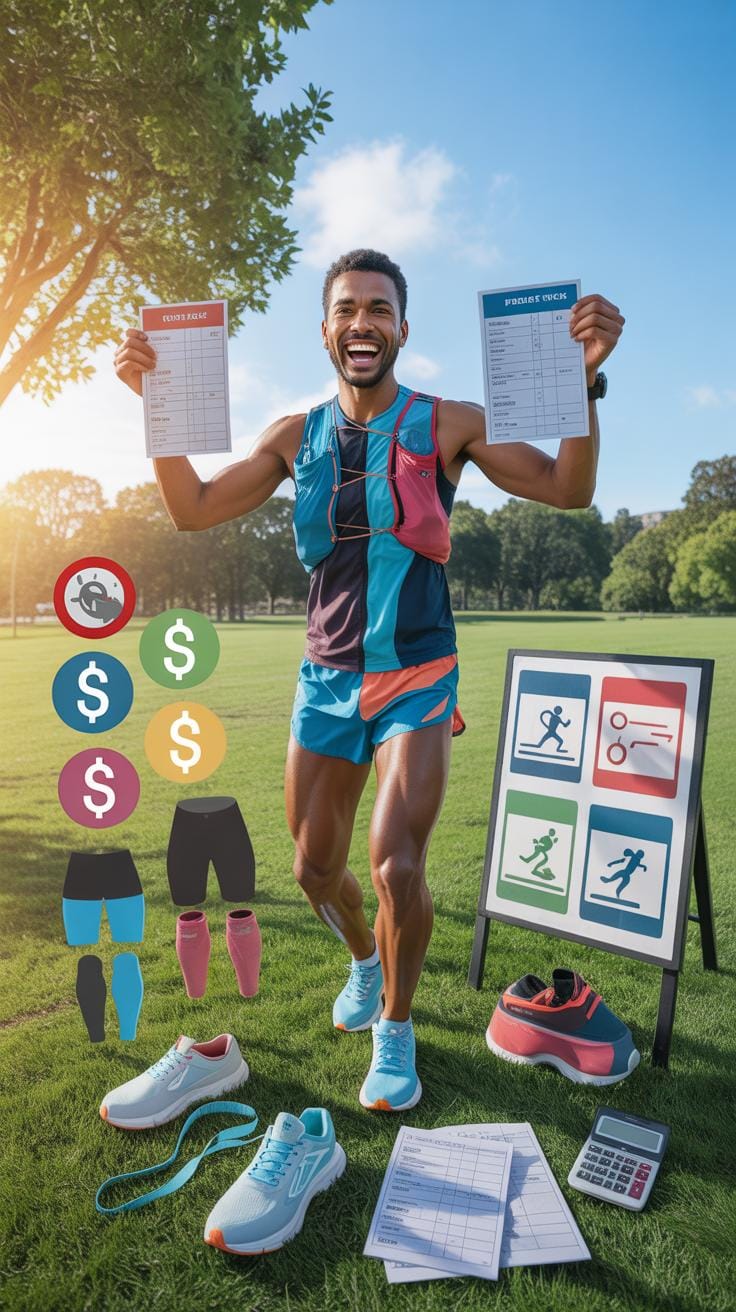
When it comes to men’s running clothes, prices range widely. You might find a basic moisture-wicking shirt for $20 or a high-tech jacket pushing $150. The question is, what do you get for your money? Some gear lasts longer; some feels better when you run.
Durability is one factor. Cheaper clothes can wear out faster—think stretched fabric or fading colors after a few washes. In contrast, higher-quality items often hold their shape and performance up over time. Yet, sometimes basic gear does the trick, especially if you run casually.
Comfort has another angle. Breathable, stretchable fabric can reduce chafing and keep you dryer. That extra comfort might cost more but would you trade it for irritation or overheating? I’ve tried both ends: a cheap tee that seemed fine until halfway, and a pricier one that honestly made runs smoother.
So, you pay more for longevity and feel, but the lower-cost options aren’t useless. Balancing your budget and needs becomes a personal choice—how often you run, where, and how much comfort matters day-to-day.
Budget Friendly Options Explained
Not every running outfit has to drain your wallet. Some materials like polyester blends and nylon offer breathability and durability without sky-high prices. Brands like Decathlon, Uniqlo, or even store brands have surprisingly decent running clothes.
Look for items marketed as “performance” or “active” wear. They often include moisture-wicking tech without the premium sports brand tag. These choices usually hit the sweet spot between quality and cost.
Sometimes, mixing and matching works—you can spend less on shirts but invest a bit more in quality shorts or socks, which endure more wear and tear. Over time, I found these combos gave me effective gear without overspending.
Also, don’t overlook sales or outlet options. Last season’s stock or clearance deals can be a goldmine if you check regularly. Patience can pay off in outfitting well without blowing your budget.
Long Term Investment Benefits
Investing in better running gear might seem like just spending more, but it can pay off. High-quality materials usually breathe better and keep you dry, lowering the risk of discomfort or blisters. That means more enjoyable runs and fewer breaks.
Plus, well-made clothes fit better and adapt to your movement, potentially improving performance. You might not notice big changes right away, but over months or years, the difference adds up.
Think of it as buying less frequently but buying smarter. I’ve replaced cheaper gear yearly but kept more expensive pieces for years and still found them comfortable and reliable. It’s a trade-off: upfront cost versus long-term value.
Considering how much you run will guide your choice. If running is regular, investing in quality often pays off unexpectedly. If it’s occasional, lighter spending might make more sense, even if you replace gear sooner.
Examples Of Popular Running Outfit Styles

Casual Running Outfit Ideas
If you’re new to running or prefer a low-key approach, simple outfits tend to work best. Think basic moisture-wicking T-shirts paired with lightweight shorts or joggers. You don’t have to invest in the latest gear right away—plain cotton shirts can do okay, though they might feel damp after a few minutes.
Popular casual choices include:
- A breathable jersey T-shirt that lets air circulate
- Elastic waist shorts with some stretch for comfort
- Lightweight running shoes that balance cushion and flexibility
- Simple accessories like a sweatband or a lightweight cap
This kind of outfit is easy to throw on and comfortable enough for daily runs or weekend jogs. You might find yourself tweaking these basics over time as you notice certain fabrics or fits that cause chafing or overheating.
Performance Oriented Style Examples
Serious runners often lean towards gear designed to enhance performance. This includes items with technical fabrics that wick sweat fast and regulate temperature more effectively. Compression tights or shorts reduce muscle fatigue, and race-ready shoes focus on weight reduction and energy return.
Common performance elements are:
- Lightweight, breathable tops with ventilation panels
- Compression leggings or shorts to support muscles
- Shoes built specifically for your gait or running terrain
- Accessories like GPS watches or heart rate monitors integrated with pockets or straps
These pieces can be a bit of an investment, but many runners say the difference during longer or faster runs is noticeable. Of course, some still prefer mixing a technical shirt with older, more comfortable shorts. There’s no strict rule there—it’s what feels right to you on race day or during training.
Maintaining Running Clothes For Longevity

Washing And Drying Best Practices
Running clothes often come with special fabrics designed to handle sweat and movement, but they need a bit of extra care when it comes to washing. You don’t want to damage those materials or lose their breathability over time. Typically, washing in cold water is a safer bet—hot water can shrink or weaken synthetic fibers. Also, avoid using fabric softeners; they might make your gear feel softer, but they actually clog the fabric’s pores, reducing its moisture-wicking ability.
Try to wash your running clothes separately or with similar fabrics to prevent friction damage from heavier items like jeans or towels. Gentle cycles are better too, and turning your clothes inside out protects printed logos or reflective parts that can crack or fade.
When it comes to drying, air-drying is usually best. The heat from a dryer can degrade elastic and stretch over time. Sometimes you might be in a rush, and a low-heat tumble dry seems tempting—but do it sparingly, because repeated heat exposure does wear down the material.
Storage Tips To Preserve Gear
How you store your running clothes between sessions matters more than you might think. Tossing sweaty gear in a heap or leaving it crumpled in your bag traps moisture and encourages odor buildup. Instead, hang items up or lay them flat to air out thoroughly right after you finish your run.
If space’s tight and you rely on drawers, folding works, but avoid stuffing clothes too tightly. Tight cramping can crush fibers and affect elasticity. A well-ventilated storage area helps prevent musty smells and mildew. Sometimes I catch myself leaving things piled up, and yeah, it does affect how fresh and springy my gear feels when I wear it again.
Also, keep your running clothes away from direct sunlight when not in use. UV rays can break down the fibers and fade colors. Storing them in a breathable bag or container designed for sportswear can keep your gear in better shape, especially if you won’t use it for a while.
Conclusions
Choosing the right running outfit is more than just looking good. It impacts your comfort, safety, and running efficiency. Breathable and moisture-wicking fabrics keep you dry and comfortable, while proper layering adapts to weather conditions. Investing in the right clothes can motivate you to run longer and more often.
Remember, your running outfit should fit well and suit your running style. Experiment with different pieces and layers to find what works best for you. Pay attention to clothes that help regulate your body temperature and support your movement. This helps you enjoy your runs and reach your fitness goals.