

Dressing Warm Without Losing Style
Winter fashion outfits casual with cold weather outfits ideas focus on keeping you warm while looking stylish. When temperatures drop, your wardrobe needs to adapt with practical and comfortable clothing that fits daily activities and varying weather conditions.
This article breaks down casual winter fashion essentials, layering tips, and how to blend style with function. Whether you walk to work or run weekend errands, these ideas help create outfits that keep you warm and looking good.
Casual Winter Outfit Essentials

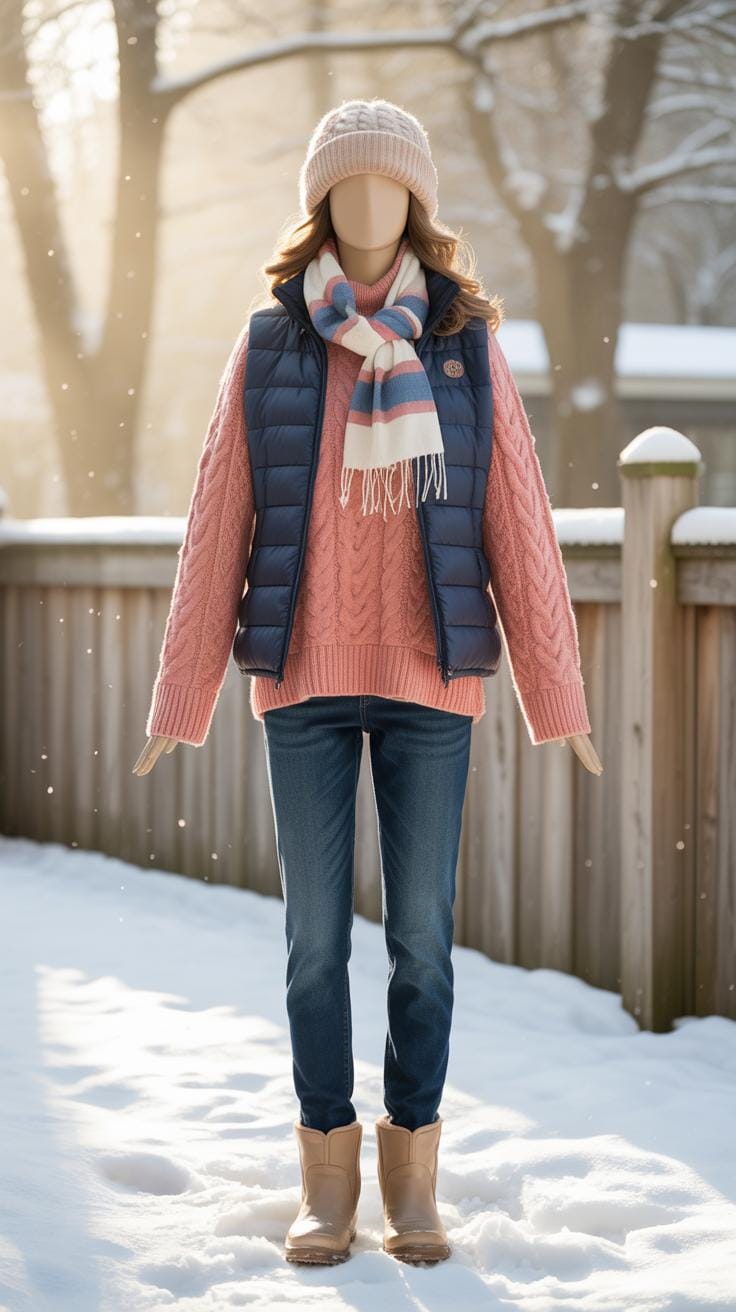
When thinking about casual winter outfits, some pieces come to mind as absolute essentials. Coats, sweaters, and boots form the backbone of any casual winter wardrobe. But it’s not just about piling on layers. You want warmth without sacrificing style — that balance is tricky but doable.

A good coat is probably the first item to invest in. Puffer jackets are practical; they trap heat well and don’t usually weigh too much. Plus, they come in so many cuts that almost anyone can find one flattering, whether you’re petite or taller. A wool coat works nicely too, especially if you want something a bit dressier but still wearable for daily errands. For knitwear, wool sweaters can be your go-to. They breathe better than synthetic fabrics and don’t get scratchy if you pick the right weave.
Boots are another must. Insulated boots keep you warm and dry, which you need in snowy or wet conditions. You might prefer leather if you want durability, or suede if you’re more careful but want a softer look. Keep in mind, the shape and height can accentuate your legs or balance your frame.
Choosing items that mix function with casual flair makes dressing for winter less of a chore. Have you ever noticed how a well-chosen coat can change your entire vibe? That’s the kind of practical style you want daily—warm, comfortable, and just a touch purposeful.
Key Pieces For Everyday Winter Style
Look closer at some key items that almost always work for casual cold weather. Puffer jackets, for example, are incredibly versatile. Their bulk might seem off-putting, especially for shorter figures, but cropped versions or cinched waists can help avoid a “boxed-in” look. Tall people might try longer puffers for extra warmth and proportion.
Wool sweaters come in various weights and fits: chunky knits are great for casual wear and provide good insulation, but thinner Merino wool can layer well under jackets for more tailored looks. Depending on your style, choose looser fits for relaxed days or fitted sweaters that peek out beneath your coat sleeves.
Insulated boots are vital, no matter your size. Low ankle boots suit casual walks, while mid-calf insulated boots work well when snow starts piling up. If you need to walk a lot, a good sole with grip is non-negotiable. Your feet might thank you later.
Everyday occasions call for these adaptable pieces. Think weekend strolls, coffee runs, or quick errands. They offer warmth without screaming “winter gear” — that casual vibe that’s kind of effortless but intentional.
Choosing Fabrics For Warmth And Comfort
Fabric choice can make or break your winter comfort. Wool is classic for a reason. It traps air close to your body, keeping heat in. Plus, it handles moisture better than many synthetics, which is handy when weather is unpredictable. That said, not all wool feels the same — some might itch, so look for softer blends if you have sensitive skin.
Fleece is another contender, often overlooked but very practical. It’s lightweight, dries quickly, and acts as a cozy mid-layer. You might think it’s too casual, but in the right colors or cuts, fleece pieces can work under a nicer coat without looking bulky or sloppy.
Down fills many puffer jackets, prized for its superior warmth-to-weight ratio. Yet, it loses efficiency when wet unless treated with water-resistant finishes. So, think about how often you’ll encounter snow or rain and plan layers accordingly.
Which materials feel right often depends on your routine and sensitivity to cold. Experiment quietly. You might find a perfect wool sweater that truly blocks the chill or a fleece pullover that becomes your favorite lazy-day layer. Winter’s reality is a mix of comfort and occasional compromise.
Layering Techniques For Cold Weather
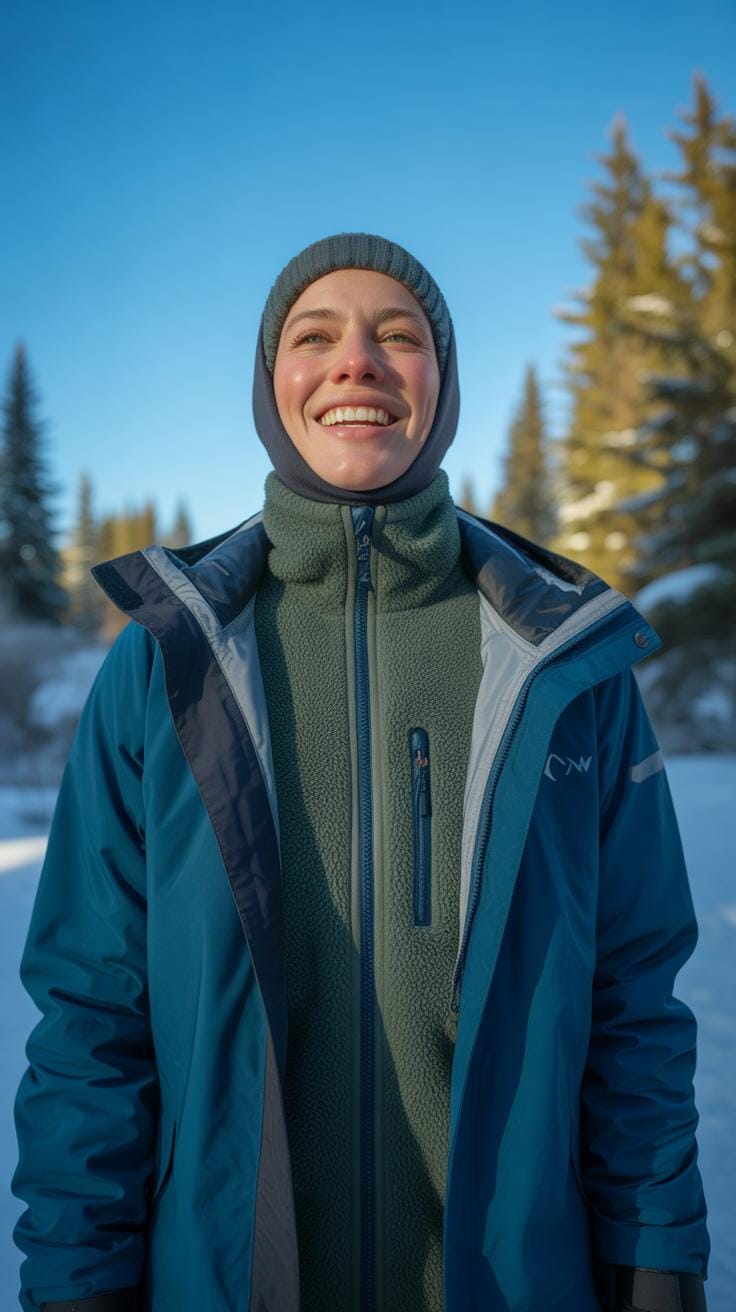
When thinking about casual winter outfits, layering is probably the single most practical way to stay warm without feeling swamped by bulky clothing. The trick lies in organizing your layers thoughtfully, starting with a good base layer that hugs your skin but doesn’t trap moisture. Materials like merino wool or synthetic fabrics work well here, as they keep you dry and warm without adding weight.
Next, the mid-layer should provide insulation. Think lightweight fleece or a thin down vest—something that traps heat but can still be flexible. Too thick, and you risk feeling stuffy under your jacket; too thin, and the warmth simply won’t last. Sometimes, I find that a cozy sweater paired with a puffer vest strikes the right balance for wandering around town or running errands.
The outer layer is your shield against wind and snow, so pick a jacket that offers weather resistance while letting your other layers breathe. A well-fitted parka or a waterproof shell often fits the bill nicely. The order is crucial: base, mid, outer. Miss a step, and you might end up cold or uncomfortable.
How To Build Layers Without Bulk
Bulk can quickly sabotage your outfit, making you look and feel clumsy. Picking thin, insulating layers helps prevent that. I’ve learned that slim thermal tops paired with a fleece jacket work better than a thick sweater alone. It’s not just about the number of layers but the quality and thickness.
Here are some combinations that tend to work well:
- A fitted wool turtleneck under a lightweight knit sweater, topped by a tailored wool coat.
- A moisture-wicking long-sleeve shirt beneath a thin quilted vest, finished with a windproof windbreaker.
- A thin cashmere or merino wool base layer, combined with a fleece hoodie and a water-resistant bomber jacket.
Wearing these in the right sequence traps warmth while allowing movement—a balance worth hunting for on cold days.
Tips For Layering Accessories
Accessories offer both function and flair. Scarves can be wrapped in simple or elaborate ways to add warmth around the neck and a splash of color or texture. Gloves made of leather with wool lining are comfortable and stylish, while knitted mittens hold heat better but might sacrifice dexterity.
Hats are a game changer—wool beanies or felt fedoras can both shield against cold and complement your look. When matching accessories, try picking one focal piece, like a patterned scarf, and keep other items in neutral or coordinating tones. This stops the outfit from looking too busy, though layering with clashing colors can sometimes surprise you with a fresh look if done right.
Remember, layering isn’t just about piling pieces on—it’s a strategy. Pick pieces that work together for comfort and style. Ever found yourself over-layered and wishing you could shed a jacket? That feeling is what you’re aiming to avoid.
Footwear Choices For Winter Comfort

Choosing the right shoes or boots in winter can feel like a bit of a puzzle. You want something warm, sure, but also offering good grip and style that doesn’t feel too bulky. For casual winter days, think about where you’ll be wearing them most. Snow requires thick soles with solid traction, while wet but not icy conditions call for waterproof materials without necessarily needing deep insulation.
Here’s a rough way to look at it:
- Snowy days: Insulated boots with deep treads tend to work best. They keep feet warm and prevent slipping on ice patches.
- Rainy but cold: Waterproof boots made from treated leather or synthetics help keep moisture out without overdoing the warmth.
- Dry and chilly: Casual leather boots or sturdy sneakers with wool socks often do just fine, balancing comfort and breathability.
Remember, traction matters more than many realize. Even the warmest boots won’t save you if the soles can’t grip well. So think not only about warmth but also about where and how you walk.
Boot Styles To Consider This Winter
Some boots just keep popping up every year because they fit the casual winter bill pretty well. Here are a few you might run into:
- Insulated boots: Thick padding inside, usually synthetic or down, designed to trap heat. Good for cold, dry days and snow.
- Waterproof boots: Often made with rubber or treated leather, these block moisture but might lack extra warmth unless layered.
- Casual leather boots: A classic choice that works well in dry cold. Not always waterproof, but durable and easy to pair with casual outfits.
Each type has something to offer but also some compromises. For example, insulated boots can get bulky and less breathable, while casual leather boots look sharp but might struggle with slush.
Comparing Waterproof Vs Insulated Boots
It’s tempting to think one is simply better than the other, but that’s rarely the case. Waterproof boots focus on keeping water out, which is great if you’re stepping through puddles or slushy streets. Insulated boots, meanwhile, trap heat and make a big difference if you’re out in freezing temps, though they won’t always keep you dry if you get soaked.
Ask yourself: where do you spend most of your winter time? If wet weather dominates, waterproof might edge out insulated, but if biting cold is your main challenge, insulation wins. Sometimes, you might want both, but that often means paying more for boots designed to tackle both issues. It’s a bit of a balancing act, honestly—comfort, dryness, and warmth rarely line up perfectly in one package.
So, choosing your winter footwear means thinking about how cold, how wet, and how active you’ll be. Your boots should adapt to that mix, not the other way around.
Color Palettes For Casual Winter Wear
Neutral Tones And Their Versatility
When thinking about casual winter outfits, neutrals are a safe bet. Colors like black, gray, beige, and navy dominate most wardrobes, partly because they’re easy to mix and match. You can wear a navy coat with almost anything, and it rarely feels out of place in cold weather. Gray sweaters pair well with denim or corduroy pants, making for a simple, fuss-free look.
These colors don’t just blend well; they also suit the winter mood without trying too hard. Black, for instance, always feels sharp and practical. Beige suggests warmth even in cold settings. Navy adds depth without becoming dull. Their versatility means you can invest in staple pieces without worrying about clashing colors or trends.
But neutrals can sometimes feel a bit… uninspired? That’s where your choices get interesting—maybe layering different neutrals to avoid looking too plain or mixing textures within these tones. Have you ever noticed how a beige wool scarf with a gray coat suddenly makes the combination richer? Those subtle shifts matter.
Adding Color With Accessories
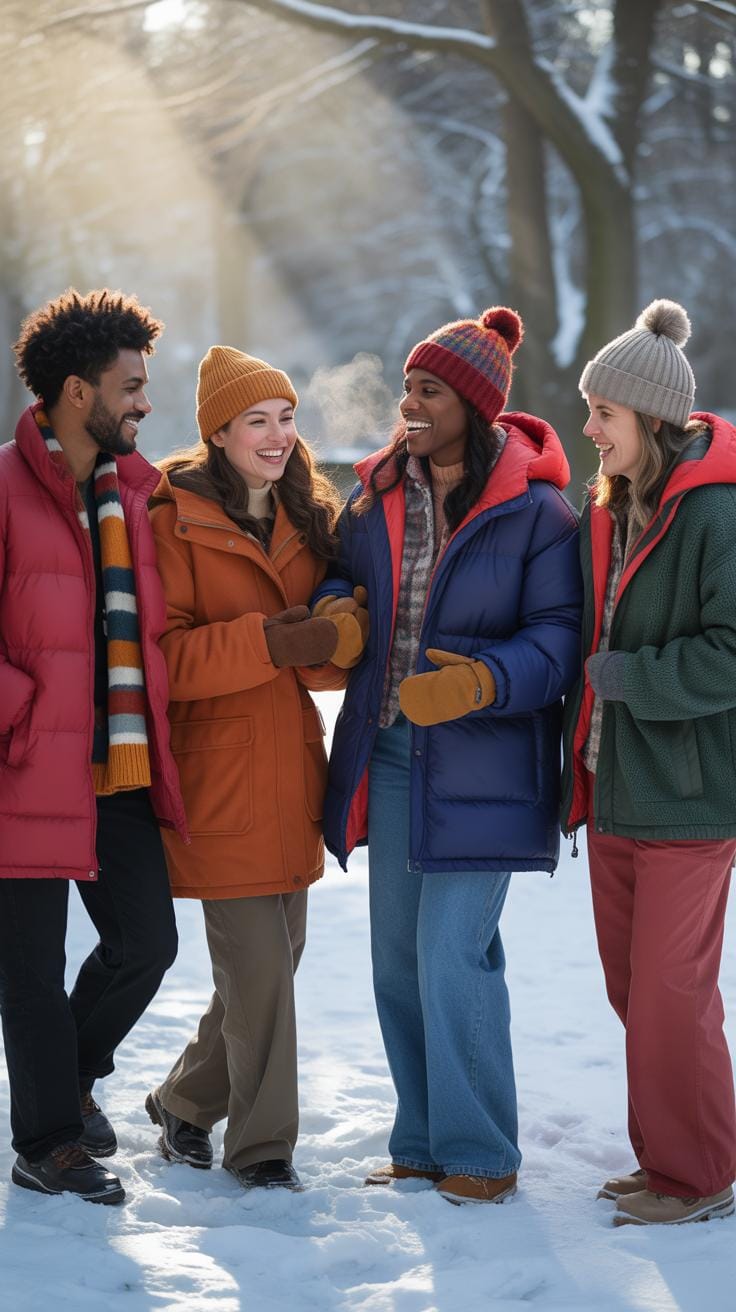
Even if you stick mostly to neutrals, small dashes of color through accessories can change everything. A bright red beanie or a mustard yellow scarf can lift an outfit immediately. Sometimes, just a pop of color around the neck or on the hands makes you feel a bit more awake on those gloomy winter days.
Don’t underestimate how accessories work mood-wise. A blue patterned glove or an emerald green bag might not only brighten your look but also your spirits—at least, that’s how I’ve found it. Accessories are also less risky than large colorful garments, so they’re a practical way to experiment with bolder hues.
If you find yourself stuck in a winter color rut, consider swapping out one neutral accessory for something vibrant. It doesn’t have to dominate your outfit to be effective. Sometimes just a hint is enough to refresh your whole look without overthinking it.
Maintenance Tips For Winter Clothes

Washing And Storing Winter Clothes
Winter fabrics like wool or cashmere deserve gentle care, but washing them can be tricky. You might want to avoid hot water that shrinks or distorts fibers—cold or lukewarm water works better, and hand washing usually does the trick. If you use a washing machine, pick a delicate cycle and a mild detergent formulated for wool or delicate fabrics.
When it comes to drying, never wring out your sweaters. Lay them flat on a clean towel instead, reshaping them gently. Hanging wet wool often leads to stretching, so it’s better to avoid that. Storing winter clothes during warmer months is just as crucial. Fold sweaters instead of hanging them to keep their shape. And if you’re worried about moths, cedar blocks or lavender sachets can help—though I’m still skeptical if they work for everyone.
Protecting Boots From Damage
Boots take a beating in winter, especially with salt and slush on the streets. After each use, wipe down your boots with a damp cloth to clear away dirt and salt. For leather boots, applying a conditioner a few times a season helps keep the leather from drying out and cracking. But don’t go overboard—you don’t want them soaked in product.
Waterproofing sprays are your best friend here, but test them on a small area first. Some materials react strangely and might change color. Reapply the spray as often as the label suggests, typically after a few wears or exposure to snow. Finally, storing boots in a cool, dry place away from direct sunlight maintains their shape and material. Have you ever noticed how throwing them by the heater warps their structure? Yeah, avoid that.
Building A Winter Capsule Wardrobe
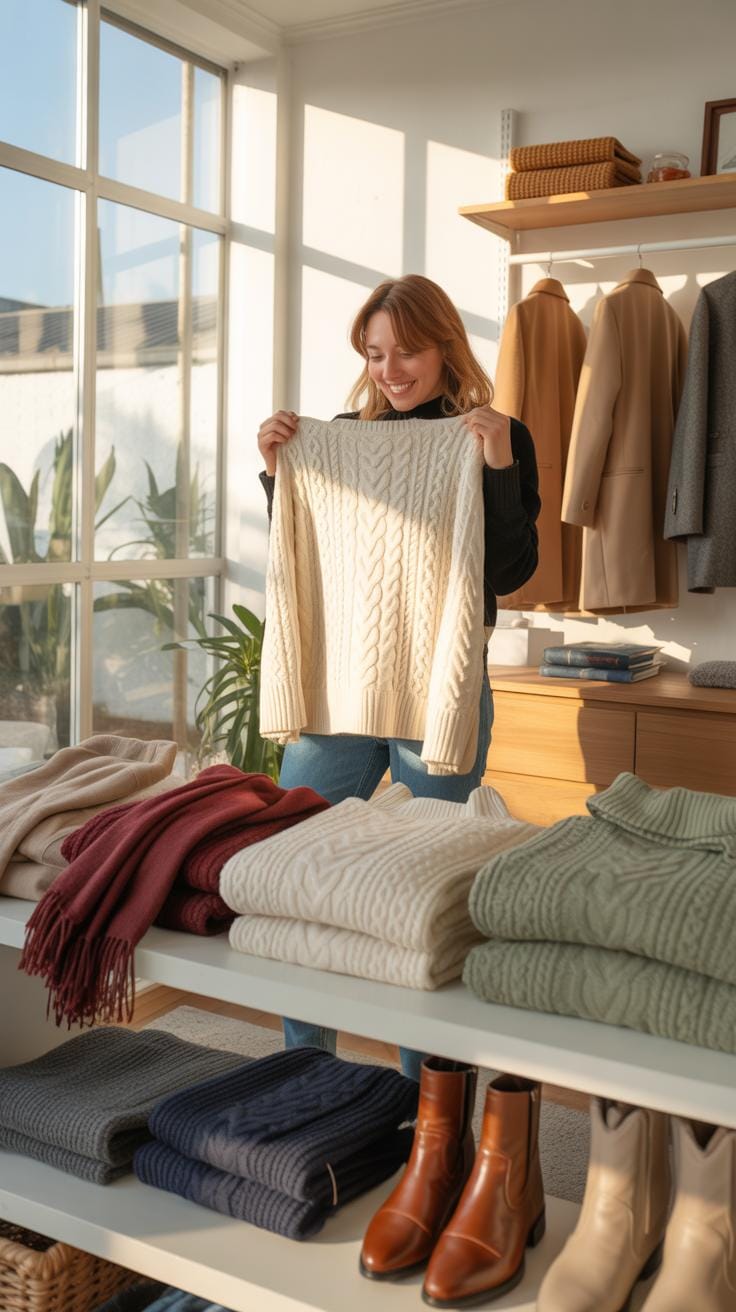
Creating a winter capsule wardrobe means narrowing down your closet to a few reliable pieces that you can mix and match without overthinking. The goal is to avoid the daily “what do I wear?” problem by having just enough versatile items to cover your casual needs throughout the season.
Start with a handful of warm basics like neutral sweaters, scarves, and coats. You don’t need a ton—just enough so none of the pieces feel worn out or repetitive too quickly. It might feel a bit limiting at first, but there’s a quiet freedom in simplifying what you own and wear.
Also, think layers. Choose pieces that work well on their own but also blend nicely when layered under jackets or over shirts. This way, you’re not stuck with one look, and you stay comfortable regardless of fluctuating temperatures.
Remember, quality over quantity. A well-made coat or a sturdy pair of boots can carry you through weeks of winter if they’re thoughtfully chosen. This approach saves space, time, and maybe even money—though it doesn’t always feel that way as you invest upfront.
Selecting Essential Pieces For Versatility
Some items just naturally fit into a capsule wardrobe because they manage to feel both casual and put-together across many settings. Here’s a list that might sound simple, but each item is surprisingly adaptable:
- Neutral Turtleneck Sweaters: Perfect alone or under jackets, they add warmth and polish without fuss.
- Dark Slim Jeans: Pair with just about anything. Dress them up or down easily.
- Chunky Knit Cardigans: Cozy on chill days, easy to throw on or off.
- Long Wool Coat: A dependable outer layer that can be casual but still sleek.
- Waterproof Boots: Essential for snowy or wet days but also stylish enough for errands or meetups.
- Layering Tops: Simple tees or thermal shirts that work as a base without adding bulk.
These might seem like basics, but each fulfills multiple roles in a casual wardrobe. You might think you need more but giving these a chance can prove how often less really is more.
Mix And Match Strategies To Maximize Options
If you’re wondering how to stretch these few pieces into seemingly more outfits, layering is your best friend. For example, a turtleneck and cardigan can be worn together or separately—then add the coat for going out. Swap the jeans with casual trousers or a skirt to change the vibe.
Play with textures, too. A knit cardigan over smooth denim creates interesting contrasts, making the outfit feel fresh even when you wear the same items repeatedly. Scarves and hats aren’t just for warmth; they shift the look and add color or pattern.
Also, keep an eye on proportions. Pairing a bulky sweater with slim bottoms or vice versa balances your silhouette, keeping the outfit from feeling baggy or sloppy. It’s small details like these that change everything.
Finally, ask yourself what outfits could transition from a casual day to an informal event. Sometimes switching shoes or adding an accessory can alter the whole mood—meaning you don’t need to buy new clothes for every situation.
Dressing For Outdoor Winter Activities

When you’re planning for outdoor winter activities like walking, shopping, or even light hiking, the key is a balance between warmth and ease of movement. You don’t want to feel trapped in heavy layers, but freezing isn’t fun either. So, think about layering with pieces that offer some stretch or flexibility—like a soft fleece or a knit mid-layer. They add warmth without bulk.
Choose tops and bottoms made from breathable fabrics that wick moisture away if you start to sweat, especially if you’ll be on the move for a while. It might seem counterintuitive, but sometimes wearing clothes that trap heat too well can make you uncomfortable after just a short walk outside.
Also, consider the fit. Clothes that are too tight or too loose can get in the way. And when it’s windy, a windproof layer can make a big difference. But that doesn’t mean you need the heaviest coat. Sometimes a lighter, insulated jacket with a good hood will do just fine.
Choosing Comfortable And Warm Outerwear
Picking the right coat or jacket can be tricky. You want something warm, but something that lets you move around easily. Look for coats that have some stretch or panels in essential spots like under the arms or on the back. A stiff jacket might keep out the cold, but it can also feel restrictive. Have you ever tried reaching for a shelf in a bulky parka? Not fun.
Down jackets are warm, yes, but they don’t always handle moisture well. If you’re out in damp or snowy conditions, a waterproof or water-resistant shell with insulation underneath might work better. And think about the length too. Mid-thigh coats offer extra warmth, but if you’re walking a lot, a shorter jacket might feel less cumbersome.
Footwear And Accessories For Active Days
Shoes are a part often overlooked, but they’re critical. You want boots or shoes with good grip for slippery surfaces. I’ve found that some winter boots just aren’t made for active days—they either scuff easily or get soggy fast. Look for waterproof materials with rugged soles that can handle ice or slush.
Accessories matter too. Gloves that let you handle your phone or keys without removing them save hassle. A snug hat that covers your ears, maybe a scarf you can tuck under your jacket, all add up. And consider hand warmers if you tend to get cold easily. They’re not a must for everyone, but on those particularly cold days, they make a real difference.
Choosing all this might seem like a lot, but testing a few combinations in your daily routine can give you a sense of what works best. What’s one piece you can’t go without when you spend time outdoors in winter?
Budget Friendly Winter Outfit Ideas
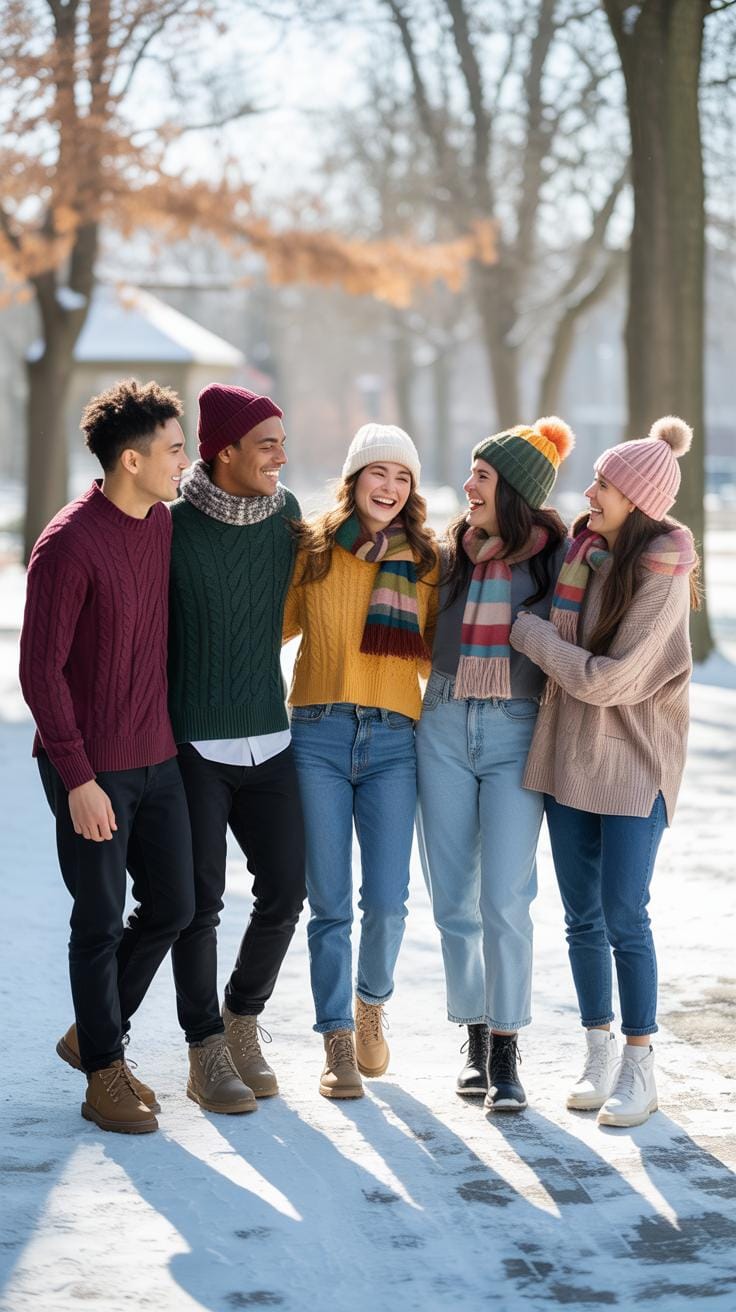
Building stylish and warm casual winter outfits doesn’t have to break the bank. It’s about choosing pieces carefully and knowing where to look. Some items are worth investing in because they’ll last longer and keep you warmer. Others can be picked up cheaply and layered to add both style and insulation.
Look for sales, especially at the end of the season. Thrift stores and outlet malls can be surprisingly good for winter essentials. Don’t overlook online marketplaces where people sell barely used coats or sweaters. Sometimes, a little searching pays off more than buying new off the rack.
When deciding where to spend your money, prioritize durable winter coats and boots that handle cold and snow well. These are your frontline defense and often more expensive but worth it. For sweaters, scarves, and gloves, you can find affordable options that still look good and do the job. Layering with inexpensive basics like thermal tops or fleece-lined leggings also helps add warmth without extra cost.
Think about how often you’ll wear each item and what’s practical. That warm jacket might cost a bit more, but swapping out a pricier scarf for a simple one doesn’t feel as risky if it gets damaged or lost. Mixing these choices makes it possible to stay comfortable and look put-together, even on a budget.
Common Mistakes In Casual Winter Dressing
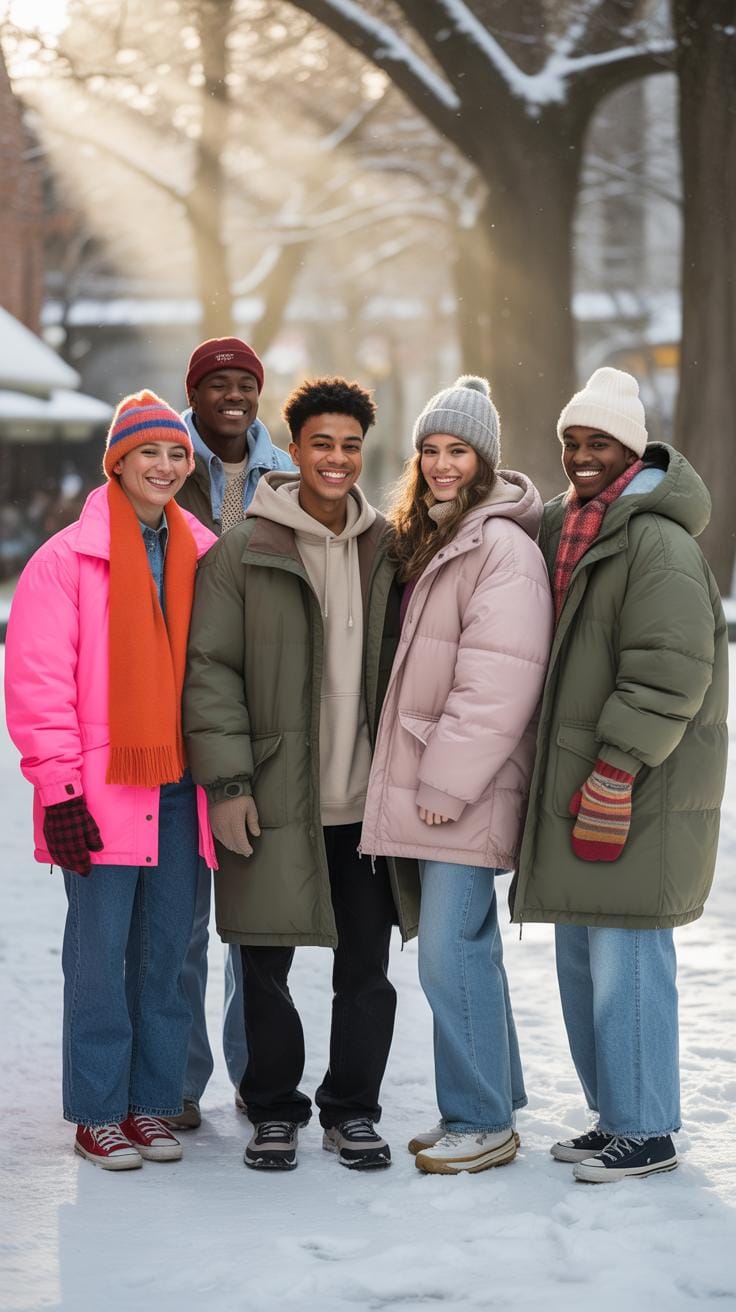
Winter casual dressing often trips people up, and it’s not always clear why an outfit feels off—even when you’ve layered up a lot. One typical error is overdressing. It might seem safer to pile on every sweater and jacket you own, hoping that will block the cold, but bulky layers can restrict movement and feel more uncomfortable than cold. Sometimes less is more, especially if your layers don’t breathe well.
Under-layering is another frequent misstep. Skipping a good insulating base layer can leave you shivering beneath even the thickest coat. It’s tempting to grab a heavy coat and call it a day, but without a proper mid-layer, that coat has a tougher job. Think of layering like building a wall—you need a solid foundation.
People also overlook footwear in casual winter looks. Shoes get second-rate attention until toes start freezing or soles slip on ice. The right footwear should protect, insulate, and provide grip. Yet, many opt for style alone, neglecting safety or warmth, which can turn a chilly day into an ordeal. Waterproof boots or insulated sneakers aren’t just practical; they complete the outfit.
Have you found yourself constantly adjusting your clothes during winter? Chances are, it’s one of these errors at play.
Conclusions
Casual winter outfits require smart choices in fabrics, layering, and accessories. Focusing on versatile pieces you can mix will save time and keep your style fresh throughout cold months. Pay attention to warmth and comfort while incorporating your personal tastes.
By choosing key clothing items and accessories wisely, you can face the cold with confidence. This guide provides a clear path to building winter outfits that fit casual needs and cold weather demands.